
Reviewed · WALKING TOURS
Varanasi Half day south and north Heritage walking tour
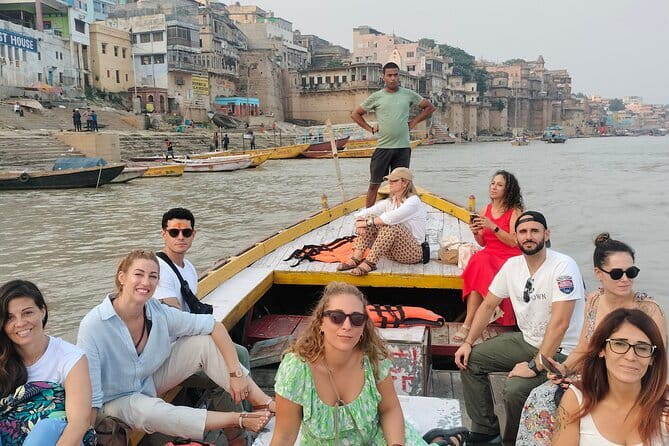
Varanasi reveals itself one lane at a time. This three-hour walking tour brings you from the famous ghats to temples, a cremation site, a wrestling akhada, food stalls, and the weaving quarter of Madanpura, with local guide Pintu explaining the customs and daily life behind what you see. I like the strong local focus and the way the route includes less-touristed corners, not just the best-known riverfront views. I also like that the tour is priced at $30, includes tea or coffee, and can be taken in English or Spanish.
The main consideration is pace. Ten stops in about three hours means some visits are brief, and Varanasi’s lanes, crowds, religious activity, and cremation rituals can feel intense. If you want long temple visits or plenty of time for photographs, this is likely too short. If you want a clear first look at the city with someone who knows its streets, it is a useful choice.
In This Review
- The Details That Matter Most
- Why This Route Helps You Read Varanasi
- Starting at Dashashwamedh Ghat
- Kedar Ghat and the Sacred Riverfront
- Harishchandra Ghat and Funeral Customs
- Hanuman Ghat, Wrestling, and Daily Discipline
- Small Temples in the Old Lanes
- Madanpura and Traditional Varanasi Sarees
- Chausatti Ghat and the Divine Feminine
- Lahiri Mahasaya’s Samadhi
- The Guide Makes the Difference
- Is $30 a Fair Price?
- Timing, Meeting Point, and What to Expect
- Who Should Book This Walking Tour?
- FAQ
- How long is the Varanasi heritage walking tour?
- What time does the tour start?
- Where does the tour meet?
- Where does the tour end?
- Which languages are available?
- Is food included?
- How many people can join the tour?
- Can I cancel for a full refund?
The Details That Matter Most
- The route covers both famous ghats and ordinary Varanasi: You see Dashashwamedh and Kedar Ghats, then move into lanes, temples, markets, and Madanpura.
- Pintu brings family ties to the city: His family has lived in Varanasi for generations, and his guiding style includes history, Hindu customs, food, and everyday life.
- The cremation tradition is part of the route: Harishchandra Ghat offers a serious look at funeral practices, so prepare yourself for a setting that calls for quiet and respect.
- Madanpura adds a working craft district: The weaving center offers a chance to see traditional Varanasi saree work and learn about a trade tied to the city.
- The group can reach 20 people: That keeps the price reasonable, but a larger group may make narrow lanes and temple visits less personal.
- The tour begins at 9:00 a.m. and returns to its starting point: Meet in front of Hotel Ganges Grand near Godowlia and Marwari Hospital Building.
Why This Route Helps You Read Varanasi
Varanasi can be confusing at first. The riverfront is lined with ghats, but each one has its own role, story, and mood. Behind them, lanes twist toward temples, homes, workshops, markets, and small places of worship that are easy to miss without local direction.
This route gives you several ways to understand the city. You see major Hindu sites, observe funeral customs, hear about Kriya Yoga, visit a traditional wrestling center, and watch the making of Varanasi sarees. That mix is more useful than a walk limited to postcard views.
The guide is also part of the experience. Pintu is described as friendly, professional, and clear in his explanations. His work with English and Spanish-speaking visitors is a practical plus, especially when religious customs or local terms need careful explanation.
I would treat this as an orientation walk rather than a complete study of Varanasi. Three hours passes quickly, and several stops last only 10 or 15 minutes. The reward is range. You get a broad introduction, then you can decide which places deserve more time later.
More Walking Tours in Varanasi
- 3 Hour Walking Tour of Buddhism in Sarnath
★ 5.0 · 160 reviews - Cultural & Spiritual Trails of Old Town Varanasi Guided Walking Tour
★ 4.5 · 73 reviews - Walking tours – for an authentic Varanasi experience
★ 5.0 · 40 reviews
Starting at Dashashwamedh Ghat
The meeting point is in front of Hotel Ganges Grand on Dashashwamedh Ghat Road, near the Godowlia crossing. The tour starts at 9:00 a.m., which gives you a cooler and calmer part of the day than the afternoon often provides.
Dashashwamedh Ghat is one of the city’s best-known riverfront sites. It is closely tied to the public religious life of Varanasi, and it is a natural place to begin because it quickly shows you how the Ganges shapes the city.
You have about 10 minutes here. That is enough for an introduction and a first look at the riverfront, but not enough for a slow exploration. I would arrive ready to walk rather than expecting a long stop for photos.
Starting here also puts you close to the old lanes around Godowlia. From this point, the route can move between riverfront spaces and the dense streets behind them, showing you how closely worship, trade, homes, and tourism sit together.
Kedar Ghat and the Sacred Riverfront
Kedar Ghat receives another 10-minute visit. It is known for its spiritual atmosphere and gives you a different point of comparison with Dashashwamedh.
The value here lies in the guide’s explanation. Without context, one ghat can look much like another: steps, river, shrines, bathers, boats, and worship. A local guide can explain why a particular ghat matters and how it fits into Varanasi’s religious life.
Do not expect an extended riverfront walk at this stop. The route is designed to keep moving, so listen closely and ask direct questions while you have the chance.
Harishchandra Ghat and Funeral Customs
The 30-minute stop at Harishchandra Ghat is the emotional center of the tour. This ghat is associated with Hindu funeral rituals and cremation practices, offering a direct view of a part of Varanasi that many first-time visitors find difficult to understand.
This is not a sightseeing stop in the usual sense. You are entering a place connected with grief, family duty, and religious belief. Keep your voice low, follow the guide’s instructions, and do not treat the ceremonies as a casual photo opportunity.
The longer visit gives Pintu time to explain the customs and their place in local life. That context matters. Without it, the cremation ghats can seem shocking or confusing. With a thoughtful explanation, you can better understand why this part of the riverfront is central to Varanasi.
This stop may not suit everyone. If you are uncomfortable around death or funeral rites, you should consider that before booking. The tour description includes the crematorium area clearly, so there is no need to be caught off guard.
A completely different kind of day out:
- Varanasi : Full Day City Highlights Day Tour & Ganges Cruise
★ 4.8 · 520 reviews - Hidden Secrets of Varanasi: Vibrant Tradition (Guided Tour)
★ 5.0 · 429 reviews - Varanasi: Sunrise Boat Tour with Arti Ceremony
★ 5.0 · 375 reviews - Banaras Wala Tours
★ 5.0 · 329 reviews
Hanuman Ghat, Wrestling, and Daily Discipline
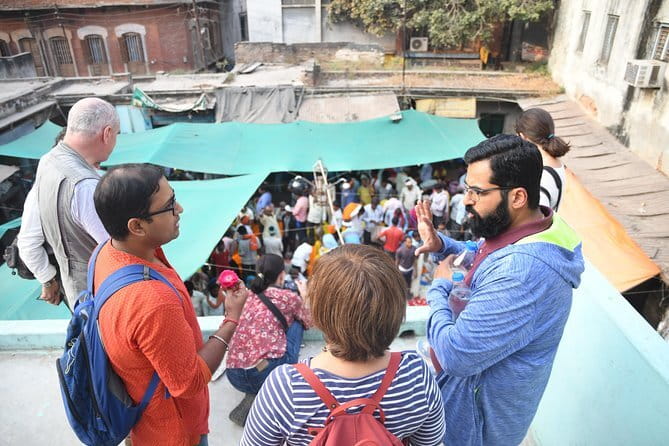
At Hanuman Ghat, the focus shifts from funeral traditions to the Indian akhada. An akhada is a traditional training center for wrestlers, linked to forms of Indian wrestling such as kushti. It can also function as a spiritual and cultural space.
The stop lasts about 15 minutes. That is enough for an introduction to the role of wrestling in local life, though the exact access and activity at the akhada may vary.
I like this part of the route because it broadens your picture of Varanasi. The city is not only temples and ritual bathing. It also has training traditions, physical discipline, neighborhood institutions, and spaces where religious and ordinary life overlap.
Small Temples in the Old Lanes
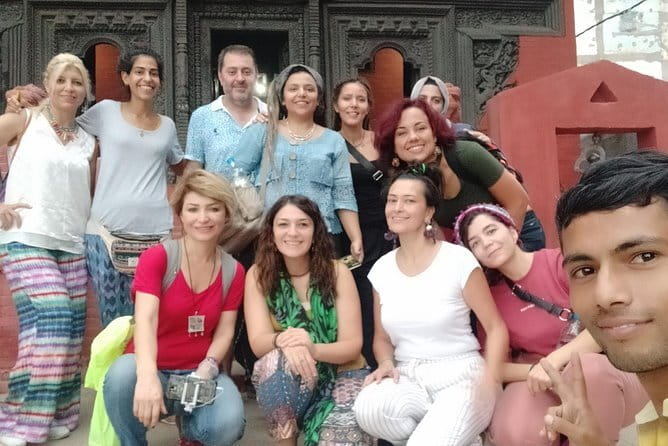
The next section includes Shri Kashi Kaamkoteeshwar Mandir and Shav Shiva Temple Lane, with about 10 minutes at each.
The Kashi Kamkoteshwar Mahadev Temple is dedicated to Lord Shiva, the central deity of Varanasi’s sacred identity. A short visit here gives you a closer look at the small-scale religious sites that sit away from the major public ghats.
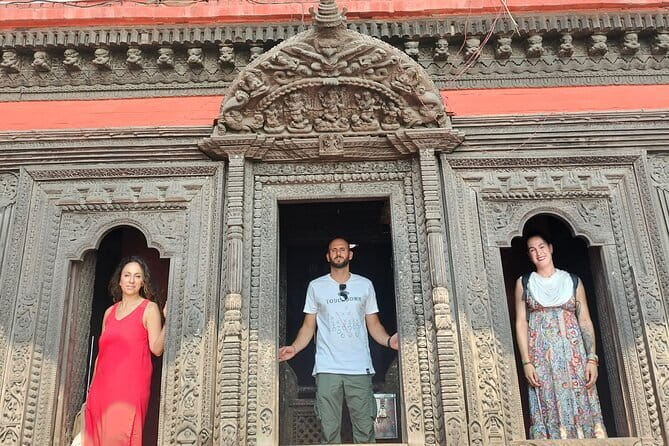
Shav Shiva Kali Temple is noted for its distinctive deities and spiritual teachings. The lane itself is part of the experience. In Varanasi, a temple may be tucked into a narrow passage rather than presented as a large monument with an obvious entrance.
These stops are best approached with patience and respect. Temple visits can be active and personal, not staged for sightseeing. The short schedule means you will likely rely on the guide to point out what matters and explain the religious meaning.
I would not book this route expecting grand architecture at every stop. Its strength is the close-up view of local worship, with temples woven into the city’s older streets.
Madanpura and Traditional Varanasi Sarees
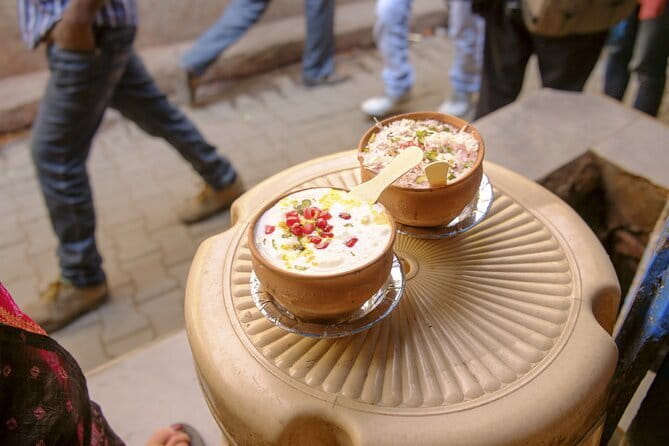
Madanpura receives the longest stop after Harishchandra Ghat, about 30 minutes. Here, the tour visits a weaving center connected with traditional Varanasi saree production.
This is one of the most useful stops for understanding the city as a working place. The ghats often dominate a first visit, but weaving shows another side of Varanasi, one based on skill, family trades, and local commerce.
You can learn about the traditional weaving art and see how sarees fit into the city’s cultural identity. The stop may also lead to a sales setting, so keep your buying plans clear. Some of the tour’s past routes with Pintu have included shops showing clothing and tea, and salespeople can be persistent. You are free to look, ask questions, and decline politely if you do not want to purchase anything.
That is not necessarily a flaw. Craft visits can support local businesses and add useful context, but they can feel less relaxed if you are hoping for a purely observational walk. Ask the guide to explain the work itself, not only the products for sale.
Chausatti Ghat and the Divine Feminine
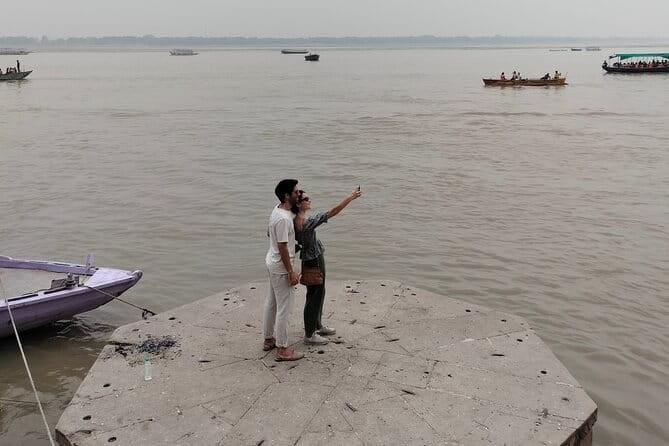
Chousatti Ghat receives about 15 minutes. The stop connects with Chausatti Devi Temple and the worship of the divine feminine.
This is another place where a guide adds real value. Hindu worship in Varanasi involves many deities, traditions, and local stories. A short explanation can help you understand why this temple matters instead of leaving you to guess from the doorway.
The visit also continues the tour’s pattern of moving beyond a single version of Hinduism. You see Shiva temples, Kali worship, funeral customs, and the many religious practices gathered around the Ganges.
As with the other temple stops, dress and behavior should be respectful, and you should follow the guide’s direction about where to stand and what you may photograph. The supplied details do not promise a specific ceremony or special access, so think of this as an interpretive visit rather than a scheduled worship event.
Lahiri Mahasaya’s Samadhi
The final listed stop is Lahiri Mahasaya Samadhi, with about 10 minutes to visit.
Lahiri Mahasaya was an important figure in the Kriya Yoga tradition and a disciple of the yogi Babaji. His samadhi gives the tour a different spiritual focus from the temples and ghats, connecting Varanasi with modern yoga lineages and the city’s continuing role as a place of religious study.
This short stop will appeal most to you if you have an interest in yoga, meditation, or Indian spiritual teachers. Even if you do not, it helps show that Varanasi’s religious identity is broad. Its sacred life includes household worship, funeral rites, temple traditions, ascetic practices, and yoga lineages.
After the visit, the activity returns to the original meeting point. That makes it easy to plan another activity afterward, but allow a little flexibility because a walking route through old Varanasi may not run with clockwork precision.
The Guide Makes the Difference
The strongest reason to choose this tour is the local guide. Pintu is described as a Varanasi native with family ties to the city across generations. His explanations cover history, religion, customs, food, and the practical expectations of visitors from abroad.
His Spanish ability is especially useful for Spanish-speaking visitors. English is also offered, and the available feedback describes his explanations as clear and his manner as friendly and professional.
A good guide here does more than recite dates. You need help reading the city’s behavior: why a ghat matters, what happens at a cremation site, how a temple fits into a lane, and how local food or weaving connects with ordinary life. Pintu’s background appears suited to that kind of conversation.
He has also guided people on other Varanasi activities, including sunrise and sunset boat outings and the evening aarti ceremony. Those are separate experiences, not part of this three-hour walk, but his wider local knowledge may help you plan the rest of your stay.
Is $30 a Fair Price?
At $30 per person, the tour offers a reasonable way to get a local introduction to Varanasi. The price covers a three-hour guided walk, English or Spanish guiding, and coffee or tea. Admission at the listed stops is free, so you are mainly paying for the guide’s time, local access, route planning, and explanations.
The value is strongest for a first visit. Varanasi’s old quarter can be hard to read on your own, and a guide can help you find places that are easy to miss. You also avoid spending your limited time wandering without context.
The value is weaker if you want a private, slow-paced tour. The group may include up to 20 people, and the route contains many stops. Ask about the group size when booking if personal attention matters to you, though the stated maximum is the only group detail provided.
Food is not included, and breakfast, lunch, and dinner are excluded. Tea or coffee is included, but you should not treat this as a food tour even though the route may pass popular food stalls and include discussion of local gastronomy.
Timing, Meeting Point, and What to Expect
The tour starts at 9:00 a.m. at Hotel Ganges Grand, in front of the Marwari Hospital Building on Dashashwamedh Ghat Road near Godowlia. It ends back at the same meeting point.
The route is on foot and near public transportation. Wear practical walking shoes and expect narrow streets, uneven surfaces, crowds, and changing conditions. Those points are sensible preparation for any walk through Varanasi’s old center, though the supplied details do not promise a specific accessibility standard.
Most people can participate, according to the activity information. Still, the cremation ghat, dense lanes, religious spaces, and three-hour duration are worth considering if you have mobility limits or prefer a slower outing.
Confirmation arrives at booking, and free cancellation is available up to 24 hours before the start time. Changes or cancellations made less than 24 hours before the start are not accepted for a refund.
Who Should Book This Walking Tour?
I would recommend it to a first-time visitor who wants more than a ghat photo. It suits you if you enjoy local stories, religious sites, working neighborhoods, and a guide who can explain customs in plain language.
It is also a good fit for solo visitors or couples who want an efficient introduction before exploring Varanasi on their own. The English and Spanish options make it practical for international visitors, and the modest price keeps the commitment manageable.
I would think twice if you want a relaxed photography walk, a private itinerary, or long visits at each temple. The route is packed, and the cremation ghat may be confronting.
Book this tour if you want a broad, locally guided first look at Varanasi, especially with Pintu’s explanations and the chance to see Madanpura’s weaving quarter. Skip it if you prefer to move slowly and choose only one or two parts of the city. For most first visits, the mix of ghats, temples, funeral customs, wrestling, yoga, and weaving gives you a useful map of a complicated city.
FAQ
How long is the Varanasi heritage walking tour?
The tour lasts approximately three hours.
What time does the tour start?
It starts at 9:00 a.m.
Where does the tour meet?
The meeting point is in front of Hotel Ganges Grand, near the Marwari Hospital Building on Dashashwamedh Ghat Road, at the Godowlia crossing in Varanasi.
Where does the tour end?
The activity ends back at the original meeting point.
Which languages are available?
The tour offers an in-person guide in English and Spanish.
Is food included?
Coffee and/or tea is included. Breakfast, lunch, and dinner are not included.
How many people can join the tour?
The maximum group size is 20 people.
Can I cancel for a full refund?
Yes. You can cancel at least 24 hours before the experience start time for a full refund. Cancellations or changes made less than 24 hours before the start are not accepted.
Just added in Varanasi
- Walking Tour in the old part of the city of Varanasi★ 5.0 · 25 reviews
- Varanasi Walking and Heritage Tour★ 4.6 · 15 reviews
- Varanasi: Manikarnika Ghat (Oldest Cremation Site) Tour★ 4.7 · 22 reviews
- Varanasi: Private Heritage Walking Tour & Sunrise Boat Ride★ 4.9 · 11 reviews
- Varanasi: Sunrise Boat Ride w/ Ghats & Morning Rituals★ 3.5 · 26 reviews
- Full-day private Varanasi tour with AC car, boat & Sarnath★ 4.9 · 103 reviews
- Varanasi Landmark Evening City Tour – Aarti & Boating★ 4.7 · 34 reviews
- Varanasi: Half-Day City Tour & Evening Aarti with Boat Ride★ 3.6 · 13 reviews
Walking Tours, compared.
The Great Indian Food Tour: Old Delhi Food and Heritage Walk
Read our review →
Blue City Heritage Private Walking Tour With Pickup and Drop-Off
Read our review →
Private Guided Walking Tour in Bandra Queen of Suburbs
Read our review →
Private Jodhpur Blue City Walking Tour with Guide
Read our review →Browse the lists this tour appears in