
Reviewed · WALKING TOURS
New Delhi Slum Walking Tour
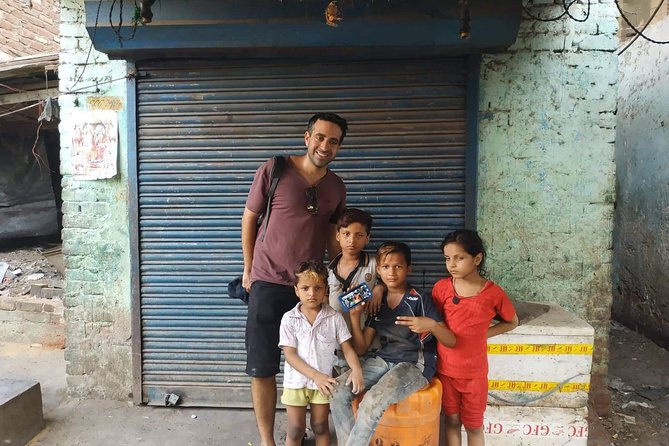
Delhi has more than monuments to show you. This two-hour walk through Zakhira, one of New Delhi’s largest informal settlements, offers a close look at community life, local work, and daily routines. I especially like the small group format and the chance to travel by public transport rather than view Delhi through a tour bus window.
I also like the care shown by guides such as Santan, who is warmly known in the area and helps make introductions feel natural. The main consideration is simple: this is a serious visit, not light sightseeing. Some people may find the subject uncomfortable, and one recent experience felt short to a guest who expected to see more.
In This Review
- Key points to know before booking
- Why this Delhi tour is different
- Meeting in New Moti Nagar and getting to Zakhira
- Walking through Zakhira’s community lanes
- Chai, bakeries, artists, and everyday work
- A respectful tour, not a poverty photo stop
- What the guide adds to the experience
- Comfort, safety, and the emotional side
- Is $28.50 a fair price?
- Who should book this experience?
- Booking, cancellation, and practical details
- Should you book the New Delhi Slum Walking Tour?
- FAQ
- Where does the New Delhi Slum Walking Tour start?
- Where does the tour end?
- How long does the experience last?
- How much does the tour cost?
- How many people can join the tour?
- Is public transportation included?
- Is tea or coffee included?
- Can I cancel for a full refund?
Key points to know before booking

- Zakhira is the main stop: Expect about an hour walking through one of Delhi’s largest informal settlements, with the wider experience lasting about two hours.
- Santan receives the strongest praise: He is described as warm, respectful, helpful, and closely connected to the people living in the community.
- You travel like a local: Public transportation is part of the experience, and some outings include a short rickshaw ride.
- The group is kept very small: The description says no more than eight people, while the additional booking information gives a maximum of four.
- Chai and community contact are central: Depending on the day, you might meet local artists, visit a bakery, see shops and food stalls, or be offered henna.
- Photography requires care: You may be asked not to take photographs inside the settlement. Follow that request without debate.
Why this Delhi tour is different
Delhi is often presented through forts, tombs, markets, and grand government avenues. Those places matter, but they show only one part of the city. This walk shifts attention to people whose work and homes are usually passed without a second glance.
The visit takes place in Zakhira, described as one of Delhi’s largest slum areas. The wording can feel blunt, and the subject deserves care. This is not a staged poverty display. The stated aim is to show how the community functions, explain its social and economic setting, and point out projects operating within the area.
That distinction matters. You are not simply driven past poor housing for a few minutes. You walk through the lanes with a local guide who knows residents, greets people by name, and explains what you are seeing. The best moments come from ordinary contact: a cup of chai, a bakery at work, a conversation with a shopkeeper, or children asking your name.
The experience has earned a five out of five rating from 360 reviews, with 100 percent recommending it. That is unusually strong, although it does not mean the visit suits every mood. You need to arrive ready to listen, avoid turning people into photo subjects, and accept that the central topic is poverty and resilience.
More Walking Tours in New Delhi
- The Great Indian Food Tour: Old Delhi Food and Heritage Walk
★ 5.0 · 1,698 reviews - Old Delhi Heritage Walking Tour
★ 5.0 · 247 reviews - 3-hour Old Delhi Heritage Walking tour with Rickshaw Ride
★ 5.0 · 240 reviews
Meeting in New Moti Nagar and getting to Zakhira

The meeting point is at 3/21, Block A, New Moti Nagar, Moti Nagar, New Delhi, Delhi 110015. The tour ends back at this same point, which makes the return simple and useful if you have another Delhi plan afterward.
The description says you travel by public transportation. Some outings have included a short rickshaw ride before reaching the settlement. That small detail adds a more grounded feel than private-car sightseeing, though you should expect a little more movement and less control over the pace.
You will want to arrive on time. The booking details do not promise hotel pickup, so plan to reach the stated meeting point yourself. The location is near public transportation, and confirmation arrives when you book.
The tour lasts about two hours, although it is also described as a small-group half-day experience. Treat the two-hour figure as the useful planning estimate. One person found the visit shorter than expected, so do not book it assuming you will spend an entire morning walking every corner of the district.
Walking through Zakhira’s community lanes
The listed stop is Zakhira, with about one hour assigned to the main visit. In practice, that hour is less about checking off landmarks and more about moving slowly through a working neighborhood.
You might see small shops, food stalls, and people carrying on with their daily tasks. One outing included a main shopping street and a bakery where visitors watched workers produce large quantities of bread. Another included local artists making paintings and playing instruments in what was described as the Puppet slum area.
These details give the visit texture, but they are not guaranteed attractions in the formal sense. The route is shaped by the community and by what is happening that day. You may spend more time talking than sightseeing, which is precisely the point for some people and a drawback for others.
The guide’s role is important here. Santan is praised repeatedly for knowing the area and being familiar with local residents. That relationship helps prevent the walk from feeling like strangers entering a private place without context. He is said to greet people naturally, explain the setting, and help visitors feel safe.
Ankit is also named in one account as a reassuring guide who answered questions and helped a first-time visitor feel more comfortable. Since guide assignment can vary, you may not have Santan or Ankit. Still, the feedback suggests that the guiding style is a key part of the experience.
Chai, bakeries, artists, and everyday work
A complimentary cup of tea or coffee is included. Chai appears often in accounts of the visit, sometimes served in a small local shop. It is a modest detail, but sitting down with a drink can change the tone. You stop being an observer marching through lanes and have a chance to slow down.
The bakery visit is one of the most unusual details connected with this experience. A visitor watched workers make bread and even tried shaping feather bread. The bakery was said to produce about 12,000 units a day, which gives you a striking example of the work and enterprise operating inside the settlement.
You might also meet artists, see paintings being made, or hear instruments played. Henna has been offered during at least one visit, and a head massage was enjoyed by one participant. These encounters should be treated as possible parts of the community visit, not fixed inclusions.
The area also has shops and stalls where you can buy items. That can be a more useful form of support than handing out random gifts, although you should ask your guide what is appropriate. One person brought sweets for children, while another said tips helped buy food and treats. I would avoid assuming that giving things to children is always helpful. Follow the guide’s advice and keep the focus on respectful contact.
A completely different kind of day out:
- Old & New Delhi City Tour – Half or Full Day Options Available
★ 5.0 · 4,811 reviews - Same Day Taj Mahal, Agra Fort & Baby Taj Tour from Delhi by Car
★ 5.0 · 4,304 reviews - Taj Mahal Day Tour from Delhi by Superfast Train – TOP RATED TOUR
★ 5.0 · 4,166 reviews - Full Day Taj Mahal, Agra Fort & Baby Taj Tour from Delhi by Car
★ 5.0 · 3,647 reviews
A respectful tour, not a poverty photo stop
The strongest feature here is the tone. The experience is designed to be inclusive rather than intrusive, and the guide’s conduct appears to shape that promise.
You may be asked not to take photographs once inside the settlement. That is a good rule. Even if residents seem friendly, friendliness does not automatically mean that every person wants a camera pointed at their home, work, or children.
Ask before taking any picture, and be prepared for the answer to be no. If you want a lasting memory, write down names, details, and impressions afterward. That will serve you better than a hurried photograph taken in a sensitive setting.
The people you meet are not presented only as victims. The accounts describe shops, food production, artistic work, community ties, and a spirit of mutual care. That does not erase hardship. It gives you a fuller view of people managing daily life under difficult conditions.
This balance is worth keeping in mind. You may leave feeling grateful for your own circumstances, but try not to reduce the community to a lesson about your privilege. Listen to what the guide explains about work, family, services, and local projects. The goal is understanding, not guilt.
What the guide adds to the experience
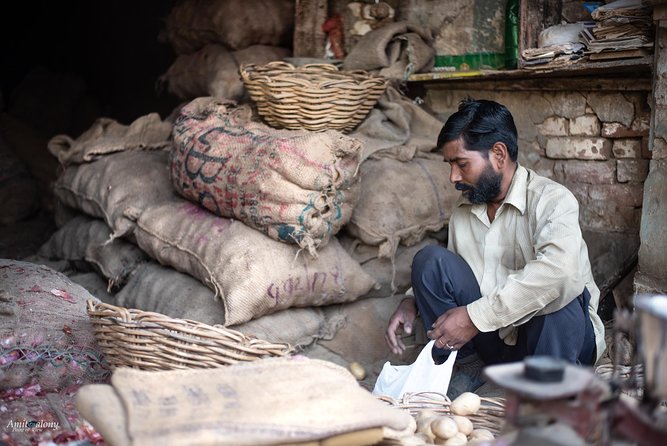
A local guide is essential for this kind of visit. Without one, you would see narrow lanes and crowded homes but miss the meaning behind them. With the right guide, you can understand how people earn money, how neighbors relate to one another, and why the area cannot be explained by poverty alone.
Santan receives especially strong praise for his warmth and respect. Several accounts describe him as someone the residents trust and treat almost like family. That relationship appears to make introductions easier and gives the walk a more relaxed, conversational pace.
He is also praised for helping people after the tour, including one instance when he assisted with finding an ATM. That is a thoughtful touch, although it should not be treated as a promised part of the package.
You can expect to ask questions along the way. The guide may explain the history of the area, community projects, local work, and the broader social setting. Since the walk is only about two hours, ask about the subjects you care most about early in the visit.
Comfort, safety, and the emotional side

The feedback is strongly reassuring on safety. People describe feeling comfortable and cared for, with the guide staying close and greeting residents along the route. Most travelers can participate, according to the booking information.
Still, comfort depends partly on your expectations. You are visiting a crowded, low-income settlement, not a polished attraction. Conditions may feel confronting, and the lanes may be busy or uneven. The provided information does not promise air-conditioning, private facilities, or a climate-controlled vehicle.
Heat is worth considering. One visit took place in temperatures above 40 degrees Celsius, though much of the walking route was shaded. Wear light clothing, bring water, and choose practical shoes. These are sensible precautions for any Delhi walking tour, but they matter more when you are spending time outdoors and moving through tight lanes.
Emotionally, the tour can be heavy. One person called it an eye-opening experience, while another said it was not something they could enjoy because it involved seeing hardship. Both reactions are reasonable.
You do not need to force yourself to feel inspired. Pay attention, remain polite, and allow the visit to be complicated. The community may show joy, enterprise, and care alongside poverty. Holding those facts together is more honest than looking for a neat emotional conclusion.
Is $28.50 a fair price?
At $28.50 per person, the value depends on what you want from a Delhi tour. This is not a bargain if you measure value by the number of monuments visited or the amount of ground covered. You spend roughly two hours in one area, with tea or coffee included and transportation forming part of the route.
The price makes more sense if you value access, interpretation, and a very small group. A guide who has built trust in the community provides something you could not responsibly arrange by walking in alone. You are paying for context and for a structure that helps keep the visit respectful.
The group size is a point to clarify. The tour is advertised as capped at eight people, while the additional information lists a maximum of four. Either way, this is much smaller than a standard sightseeing group. A group of four or fewer would allow more questions and make it easier to move through narrow lanes.
The money question also has an ethical side. One account says tour funds are reinvested to help community members. That is encouraging, but you should ask the guide how this works if the point matters to your decision. A clear explanation is better than assuming every poverty-focused tour provides direct community benefit.
Who should book this experience?
I would recommend it to you if you want to understand a side of Delhi that grand monuments cannot show. It suits curious visitors who are comfortable walking, using public transportation, meeting local people, and discussing difficult social issues with humility.
It can work well for solo visitors, couples, and small families. The four-person maximum mentioned in the booking information is especially useful for anyone who dislikes large groups. The English-speaking guide also makes the visit easier for people who want detailed conversation rather than a silent walk.
You should think twice if you want a cheerful sightseeing morning with a predictable route. The experience may include enjoyable moments, such as chai, art, music, or friendly conversations, but poverty is the subject. You may also see less than expected if the walk moves slowly or if local circumstances change the route.
Children need special thought. The information says most travelers can participate, but it does not give a specific child age policy. If you bring children, explain beforehand that residents are not there for photographs or entertainment. Good manners matter more here than curiosity.
Booking, cancellation, and practical details
The tour uses a mobile ticket, and confirmation is received at the time of booking. It begins and ends at 3/21, Block A, New Moti Nagar, Moti Nagar, so check the address carefully before setting out.
Free cancellation is available if you cancel at least 24 hours before the local start time. Cancellations within 24 hours are not refunded, and changes during that period are not accepted.
I would plan for water, comfortable shoes, modest clothing, and a charged phone. Bring small spending money only if you intend to buy something from a local shop or if the guide suggests an appropriate way to support the community. Do not arrive with a plan to distribute sweets or gifts without asking first.
Should you book the New Delhi Slum Walking Tour?
Book it if you want a thoughtful, small-group introduction to community life beyond Delhi’s usual sights. The strongest reasons are the personal guiding style, the chance to meet people through an established local connection, and the simple details that make the visit feel human: chai, bakery work, art, shops, and conversation.
Skip it if you are looking for a polished attraction, a long walking route, or guaranteed stops. The route can be shaped by local conditions, and the topic may leave you unsettled.
For the right visitor, $28.50 is fair value for two hours of careful access and explanation. Go with respect, ask before taking photographs, and let the community be more than a backdrop.
FAQ
Where does the New Delhi Slum Walking Tour start?
The tour starts at 3/21, Block A, New Moti Nagar, Moti Nagar, New Delhi, Delhi 110015, India.
Where does the tour end?
The activity ends back at the same meeting point in New Moti Nagar.
How long does the experience last?
The tour lasts approximately two hours. The main Zakhira visit is listed as about one hour.
How much does the tour cost?
The listed price is $28.50 per person.
How many people can join the tour?
The tour description says groups are capped at eight people. The additional booking information lists a maximum of four travelers, so you should confirm the group size when booking.
Is public transportation included?
Yes. Traveling by public transportation is part of the experience. Some outings have also included a short rickshaw ride.
Is tea or coffee included?
Yes. Complimentary coffee or tea is included, and chai may be served during the community visit.
Can I cancel for a full refund?
Yes, if you cancel at least 24 hours before the experience start time. Cancellations or changes made within 24 hours are not refunded or accepted.
Just added in New Delhi
- Five Days Golden Triangle Tour with Ranthambore Delhi Agra Jaipur★ 5.0 · 11 reviews
- 5 Days Golden Triangle Tour with Ranthambore India★ 5.0 · 10 reviews
- 5 Days Golden Triangle Tour with Ranthambore Delhi Agra Jaipur★ 5.0 · 11 reviews
- 5-Day Private Luxury Golden Triangle Tour From Delhi★ 5.0 · 45 reviews
- Delhi, Agra, Jaipur & Ranthambhore Tiger Safari 5-Day Tour★ 5.0 · 47 reviews
- 5-Day Private Delhi, Agra and Jaipur with Ranthambhore Tiger Tour From Delhi★ 5.0 · 44 reviews
- 5-Day Private Golden Triangle Tour: Delhi, Agra, and Jaipur★ 5.0 · 62 reviews
- Private 5 Days Golden Triangle Tour – Visit Delhi Agra and Jaipur★ 5.0 · 26 reviews
Walking Tours, compared.

The Great Indian Food Tour: Old Delhi Food and Heritage Walk
Read our review →


Blue City Heritage Private Walking Tour With Pickup and Drop-Off
Read our review →
Private Guided Walking Tour in Bandra Queen of Suburbs
Read our review →
Private Jodhpur Blue City Walking Tour with Guide
Read our review →
Private Heritage Walking Tour in Jaisalmer Fort and Old Bazaar
Read our review →Browse the lists this tour appears in