
Reviewed · SLUM AND COMMUNITY TOURS
Private Guided Walking Tour in Dharavi Slums
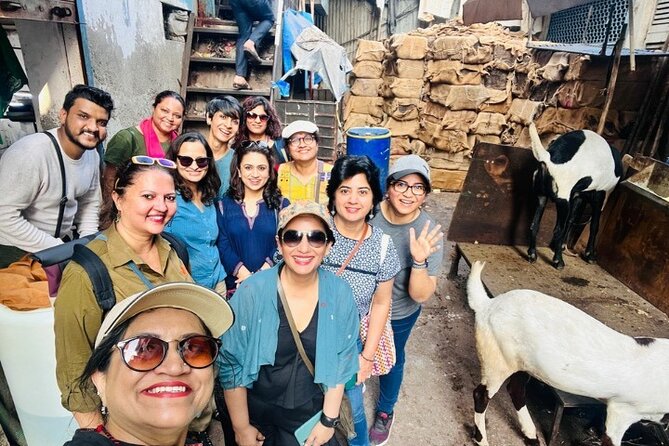
Dharavi is more than a stereotype. This two-hour private walk shows you the working life of one of Mumbai’s best-known communities, from recycling workshops and leather production to pottery, homes, temples, schools, and narrow lanes. I like the local perspective, especially when guides such as Bharti, a fourth-generation Dharavi resident, or Kamlesh explain what daily life means here. I also like the small-group format, which makes sensitive questions easier to handle.
The main concern is ethical and emotional: you are walking through a place where people live and work, not a museum. The tour aims to present Dharavi with respect, but you may still feel uncomfortable seeing poverty up close. Go with patience, avoid intrusive photography, and remember that the community is not a backdrop for your holiday pictures.
In This Review
- Key Points Before You Book
- Why Dharavi Requires a Different Kind of Tour
- Starting at Mahim and Seeing Where Dharavi Began
- Recycling in Dharavi’s Informal Industrial Area
- Residential Lanes, Leather Workshops, and Everyday Space
- Kumbharwada and the Potters’ Settlement
- How the Guides Shape the Experience
- The Ethical Question: Is a Slum Walk Respectful?
- Is $44.75 Good Value for Two Hours?
- Who Will Get the Most From This Walk?
- Practical Details for a Smoother Visit
- Should You Book the Dharavi Walking Tour?
- FAQ
- How long does the Dharavi walking tour last?
- Where does the tour start?
- Where does the tour end?
- Is this a private tour?
- What is included in the price?
- Is the tour close to public transportation?
- Can I cancel for a full refund?
Key Points Before You Book
- Local voices matter: Guides including Bharti and Kamlesh have offered personal insight into Dharavi’s homes, work, and culture.
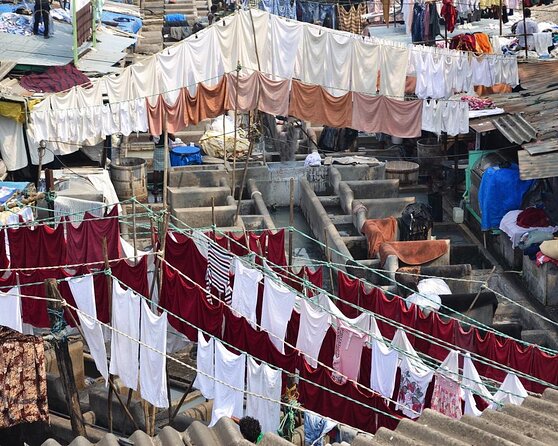
- A working district, not only a residential area: Recycling, tanneries, pottery, markets, and small industries all form part of the walk.
- Private for your group: You do not share the activity with unrelated participants.
- Two hours on foot: The route covers Mahim, Dharavi’s industrial areas, residential lanes, and Kumbharwada.
- Respect is essential: This is a serious cultural experience, not a quick photo stop.
- The price includes hosting only: Bring your own water and snacks if needed.
Why Dharavi Requires a Different Kind of Tour
Dharavi is often reduced to a single image: cramped homes and severe poverty. That image is incomplete. The community also contains workshops, homes, religious places, schools, markets, and businesses that contribute to Mumbai’s wider economy.
This walk is built around that fuller picture. You see how people work with limited space, how waste is sorted and reused, and how residential lanes sit beside small industrial operations. You also get a look at the tension between economic activity and difficult living conditions.
I appreciate that the tour does not pretend hardship is absent. One of the most useful aspects is the contrast between the dignity of the work and the poverty around it. You can admire the skill and effort of local businesses while still recognizing that many residents face serious limits in space, sanitation, and income.
That balance matters. A tour that presents only misery turns people into objects of pity. A tour that presents only enterprise risks making poverty look harmless. The best moments here appear to come from holding both truths in view.
More Walking Tours in Mumbai
- Group Guided Walking Tour in Fort and Colaba
★ 5.0 · 1,073 reviews - Private Guided Walking Tour in Fort & Colaba
★ 5.0 · 895 reviews - Private Guided Walking Tour in Bandra Queen of Suburbs
★ 5.0 · 383 reviews
Starting at Mahim and Seeing Where Dharavi Began
The walk begins at Third Wave Coffee on Tip Road, at Unit 58, Ground, Ram Mahal, Senapati Bapat Marg, Marinagar Colony, near Mahim Station. The meeting point is close to public transportation, which is useful if you are connecting from another part of Mumbai.
The first stop is Mahim, described as the edge of the city from which Dharavi began developing. This opening takes about 10 minutes and does not require an admission ticket.
Do not expect a long historical lecture at this point. Instead, treat Mahim as a geographic introduction. Your guide can help you understand how Dharavi developed within Mumbai and why its position matters. Starting at the edge gives the route a sense of movement, taking you from the wider city into a dense area shaped by migration, work, and limited land.
The exact historical details will depend on your guide. Several guides have been praised for explaining Dharavi’s origins, area, population, and changes over time, so it is worth asking questions early. A private tour gives you more room to request that kind of context.
Recycling in Dharavi’s Informal Industrial Area
The next section lasts about 30 minutes and focuses on recycling. You see how Mumbai’s waste is processed within an informal industrial complex.
This is one of the most revealing parts of the experience because it shifts the focus from living conditions to labor. Recycling is not presented as an abstract environmental idea. You see it as a source of work and income, carried out in a tightly packed urban setting.
The stop can help you understand why Dharavi is important to Mumbai beyond its residential population. Businesses here handle materials that would otherwise create a larger burden for the city. At the same time, the work can be difficult and the conditions are not likely to feel comfortable or polished.
That contrast is the point. I would pay close attention to how your guide describes the economic chain, who does which tasks, and how the work connects to industries elsewhere in Mumbai. The tour is more valuable when you ask how the system operates rather than simply watching people at work.
Photography deserves restraint here. Even if your guide does not give a formal rule, assume that workers and residents do not want close-up pictures taken without permission. Keep your camera down when in doubt.
Residential Lanes, Leather Workshops, and Everyday Space
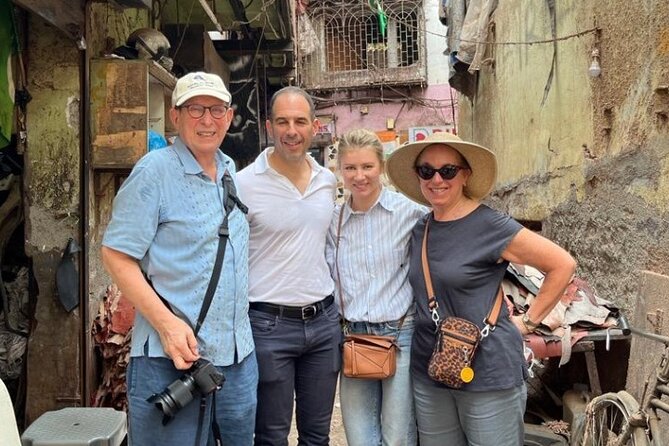
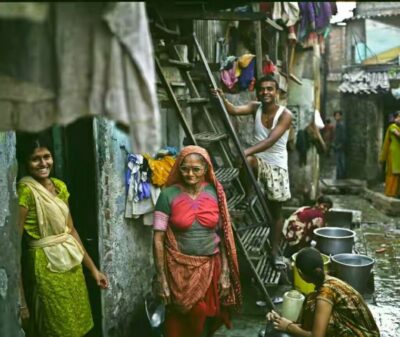
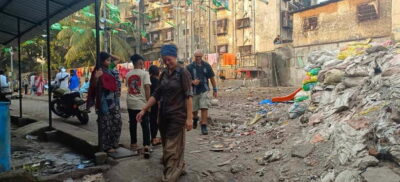
The following 30 minutes take you through Dharavi’s bylanes. You see the conditions in which residents live, along with tanneries where leather goods are made.
This is likely to be the most confronting part of the route. The lanes bring you close to ordinary domestic life, but they are also working passages. Homes, workshops, and public movement occupy the same tight area. You may find yourself noticing how much activity has to fit into very little space.
The leather work adds another layer. Dharavi is known for leather products, and the tanneries show a trade that requires practical skill, labor, and access to buyers. The experience is not a factory tour in the polished commercial sense. It is a look at production inside a community where work and home life often sit side by side.
I value the chance to see this side of Dharavi, but I would not treat it as entertainment. You might feel watched, or you might feel that you are watching too much. Stay with your guide, follow local instructions, and avoid blocking lanes or doorways.
The personal element can make a real difference here. Guides such as Kamlesh have been praised for offering local context, while guides such as Jimmy have added historical background. Other combinations have included Bharti with Sultan, Palak with Bharathi, and Siddhesh with Bharti. The exact team is not guaranteed, but the provider has used both tour hosts and people connected closely to Dharavi.
One especially meaningful detail is Bharti’s connection as a fourth-generation Dharavi resident. A local guide cannot speak for every household, but personal experience can make the walk more grounded. You may hear about the community as a place where people live, work, raise families, and maintain traditions, rather than as a problem viewed from outside.
A completely different kind of day out:
- Dharavi slum tour in Mumbai by Female tour guides of the slum
★ 5.0 · 1,976 reviews - Mumbai: Full-Day Sightseeing Tour of Mumbai
★ 4.9 · 1,822 reviews - Private Mumbai Sightseeing Tour (Traveller’s Choice Award Winner)
★ 5.0 · 1,565 reviews - Elephanta Caves & Island Guided Private Tour
★ 5.0 · 1,327 reviews
Kumbharwada and the Potters’ Settlement
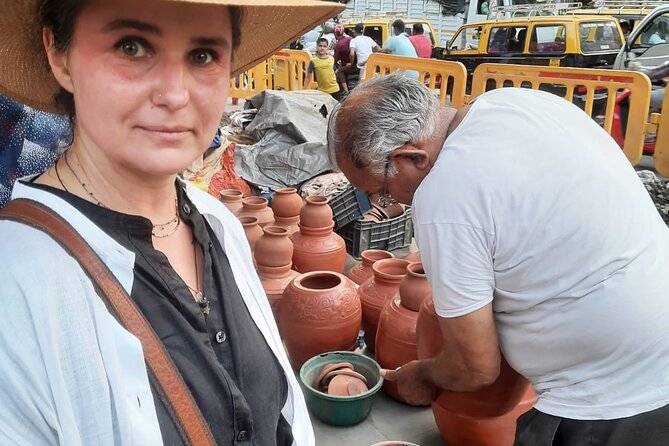
The final stop is Kumbharwada, also written as Kumbhar Wada, in Dharavi. This section takes around 30 minutes and centers on the potters’ settlement.
You see how potters work and live, giving the tour a clear shift from recycling and leather production to craft. The settlement is not just a display of finished objects. The value lies in seeing the relationship between production, housing, and community life.
Pottery also gives the walk a more human rhythm after the heavier industrial sections. You can focus on hands-on skill, family work, and the physical space needed to make goods. Still, avoid turning the potters into performers. Watch quietly, ask before taking photos, and buy something only if it is genuinely offered for sale. The supplied details do not promise shopping, so do not count on it as part of the tour.
Kumbharwada is also the end point, so plan your next move before you arrive. The end location is listed as Kumbhar Wada, Dharavi, Mumbai. Since the start and finish are different, this is not a simple walk back to Mahim Station.
How the Guides Shape the Experience
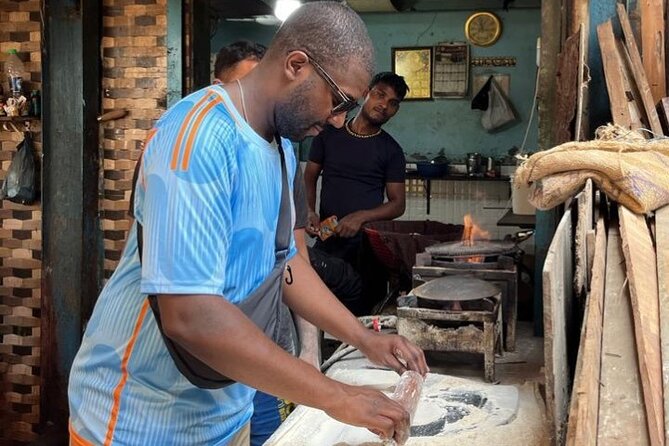
The strongest feature of this walk is the guiding. The route itself is interesting, but the meaning comes from explanation and judgment.
You may be paired with a tour host and a local Dharavi resident. That arrangement can work well because the two roles are different. One guide may offer wider Mumbai history and structure, while the local host explains lived experience, work, and community customs.
Names associated with this experience include Jimmy, Kamlesh, Sonniya, Maiyur, Siddhesh, Bharti, Sultan, Palak, and Bharathi. That list does not mean you can select a particular guide, but it shows the range of people who may lead the walk.
The most praised guiding qualities are kindness, personal insight, clear historical background, and a thoughtful approach. One family with three children described the combination of Jimmy’s history and Kamlesh’s local context as especially effective. Another walk with Siddhesh and Bharti was appreciated for showing Dharavi without exaggeration.
That last point is important. Ask for context, but do not demand a dramatic story. A good guide should help you understand the place without turning every sight into a shock. If you feel the tour is moving too quickly past a difficult issue, use the private format to ask a calm question.
The Ethical Question: Is a Slum Walk Respectful?
This is not a question you can solve with a simple yes or no. Dharavi is home to people, and entering with a camera and a tour fee can feel intrusive. At the same time, local guides and community businesses can gain income from visitors, and a responsible walk can challenge crude assumptions.
The provider’s stated approach is to show Dharavi through the eyes of people who live and work there. That is a good starting point, but your own behavior still matters.
I would follow four basic rules:
- Ask before taking photographs of people, homes, workshops, or religious places.
- Do not touch products, tools, or personal belongings unless invited.
- Keep your voice low and your group close together.
- Listen to difficult information without treating poverty as a spectacle.
One direct concern raised about this type of experience is that it can feel educational yet exploitative. That criticism should not be brushed aside. You may see extreme poverty, and a two-hour walk cannot explain every social and political issue affecting Dharavi.
The best reason to book is not to collect a shocking story. Book if you want to understand how residents work, live, and contribute to Mumbai under difficult conditions. If you are only seeking dramatic photographs, choose another activity.
Is $44.75 Good Value for Two Hours?
At $44.75 per person, the tour is not the cheapest way to spend two hours in Mumbai. The price covers hosting charges, while bottled water and snacks are not included.
For a private experience, the value is easier to defend. You receive a route through several distinct parts of Dharavi, a guide who can answer questions, and a setting that would be difficult to understand by walking alone. Group discounts may also reduce the per-person cost if you are booking with family or friends.
The price is less appealing if you view the outing as a simple sightseeing stop. There are no admission tickets included because the stops are community areas rather than paid attractions. You are paying mainly for access, organization, interpretation, and the care taken in presenting a sensitive place.
I would bring water before starting. The walk lasts about two hours, and refreshments are not supplied. Wear practical walking shoes and keep your belongings secure, though the supplied information does not claim any special safety risk. Most people can participate, and the activity is private for your own group.
Who Will Get the Most From This Walk?
I recommend it most to visitors who want social context and are willing to listen. It suits adults, families, and small private groups, provided children can handle a serious look at poverty and working life.
The family experience with three children suggests that children can enjoy the walk, but age and temperament matter. This is not a light attraction with constant entertainment. Parents should explain beforehand that the people they see are residents, not actors or exhibits.
It is also a good choice if you have already seen Mumbai’s major sights and want a different view of the city. The tour moves beyond famous buildings and presents the city through labor, housing, recycling, craft, and local enterprise.
You may want to skip it if you know you will feel distressed by entering residential lanes, or if you dislike tours that take you into places where people are working and living. There is no shame in choosing a different cultural activity. Respect begins with knowing what you can handle.
Practical Details for a Smoother Visit
Confirmation is sent within 48 hours of booking, subject to availability. The tour is generally booked around eight days ahead, so I would not leave it until the final morning of your Mumbai stay.
The activity is near public transportation. Start at the Third Wave Coffee location near Mahim Station, then finish at Kumbhar Wada in Dharavi. Since the route ends somewhere different, allow time to orient yourself afterward.
The tour requires good weather. If poor weather causes cancellation, you are offered another date or a full refund. You can cancel for a full refund if you do so at least 24 hours before the start time. Changes or cancellations within 24 hours are not accepted and are not refunded.
Bring water, dress for walking, and keep your schedule flexible. A private tour is easier to enjoy when you do not have a train, restaurant booking, or airport transfer immediately afterward.
Should You Book the Dharavi Walking Tour?
Book this tour if you want a guided, respectful look at the work and home life of Dharavi, and if you can accept that the experience may be uncomfortable. The recycling area, leather workshops, residential lanes, and Kumbharwada pottery settlement give you more than a single viewpoint.
I especially like the chance to meet guides with direct ties to Dharavi, including residents such as Bharti and Kamlesh. Their personal context can turn a difficult visit into a more thoughtful one.
Skip it if you are seeking easy sightseeing or dramatic photographs. For everyone else, the $44.75 cost is reasonable for a private two-hour walk, especially with a group discount. Go prepared to listen, ask politely, and leave the community with more understanding than you brought in.
FAQ
How long does the Dharavi walking tour last?
The tour lasts approximately two hours.
Where does the tour start?
It starts at Third Wave Coffee, Tip Road, Unit 58, Ground, Ram Mahal, Senapati Bapat Marg, Marinagar Colony, near Mahim Station, Mumbai, Maharashtra 400016.
Where does the tour end?
The tour ends at Kumbhar Wada, Dharavi, Mumbai.
Is this a private tour?
Yes. Only your group participates in the private activity.
What is included in the price?
The price includes hosting charges. Bottled water and snacks are not included.
Is the tour close to public transportation?
Yes. The meeting point is near public transportation and Mahim Station.
Can I cancel for a full refund?
Yes. You can cancel at least 24 hours before the experience start time for a full refund. Cancellations within 24 hours are not refunded.
More Community Tours in Mumbai
- Mumbai: Dharavi Slum, DhobiGhat, and Dabbawallas Tour
★ 4.9 · 689 reviews - Dharavi Slum Tour
★ 5.0 · 625 reviews - Dharavi Slum tour in Mumbai by local resident
★ 5.0 · 572 reviews - Mumbai: Dharavi Slum Slumdog Millionaire Tour with a Local
★ 4.9 · 529 reviews
Just added in Mumbai
- Mumbai Airport to Mumbai Hotels : Private Transfers★ 5.0 · 13 reviews
- Mumbai Sightseeing Tour★ 5.0 · 11 reviews
- Mumbai 800 Year Worli Village: Talking Goddess, Old Fort & more★ 5.0 · 94 reviews
- Customize private tour with pickup★ 5.0 · 95 reviews
- Mumbai Spice Markets and Bazaars Tour with Guide and Transport★ 5.0 · 42 reviews
- Gufran’s Slum Home Tour in the Mumbai Slums★ 5.0 · 19 reviews
- Private Guided Bandra Half Day City Tour in AC Vehicle★ 5.0 · 72 reviews
- The Famous Bollywood Tour of Mumbai★ 5.0 · 97 reviews
Slum and Community Tours, compared.
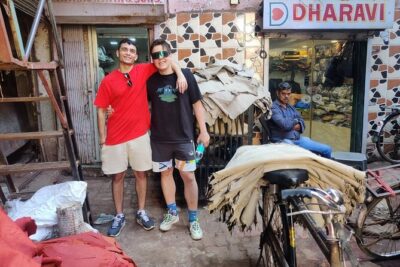
Dharavi slum tour in Mumbai by Female tour guides of the slum
Read our review →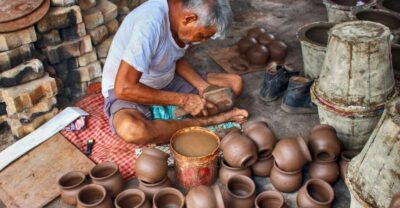
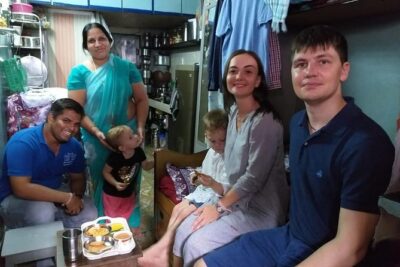
Dharavi Slum Slumdog Millionaire Tour with a Local
Read our review →
Mumbai Slum Tour – Visit Dharavi Slum with Local Guide
Read our review →
Dhobi Ghat Laundry and Dharavi Slum Tour with Local
Read our review →Browse the lists this tour appears in