
Reviewed · SLUM AND COMMUNITY TOURS
Mumbai: Dharavi Slum Slumdog Millionaire Tour with a Local
Dharavi is far more than a film setting. This 1.5 to 3-hour walking tour shows you a working community filled with pottery, textiles, recycling, soaps, cosmetics, and family life. I like the small-group format, which makes narrow lanes easier to manage, and I like the local guides, many with strong ties to the area. The main drawback is that conditions can be physically tough, with heat, tight passageways, and sights that may feel confronting.
I also like the practical help built into the experience. Guides such as Loki, Ganesh, Danesh, Maze, Alam, and Dinesh have been praised for clear explanations, humor, and help with local trains, buses, taxis, and onward travel. You should expect a serious look at poverty and low-paid work, not a polished sightseeing stop, and photography is restricted in most places.
In This Review
- Key points to know before you go
- Why Dharavi deserves a closer look
- Meeting your guide at the edge of Dharavi
- Walking the narrow lanes with a small group
- Seeing Dharavi’s workshops and recycling economy
- Learning how people live, study, and work
- Choosing between a short walk, transfers, and lunch
- What the guides add to the experience
- Comfort, clothing, and physical demands
- The ethical question: insight or poverty tourism?
- Who will get the most from this Dharavi tour?
- Should you book the Dharavi tour?
- FAQ
- How long does the Dharavi tour last?
- How much does the tour cost?
- Is hotel pickup included?
- What language does the guide speak?
- Is this a private tour or a group tour?
- Is food included?
- Can I take photographs during the tour?
- What should I wear?
- Does the tour operate in bad weather?
- Who should not take this tour?
Key points to know before you go
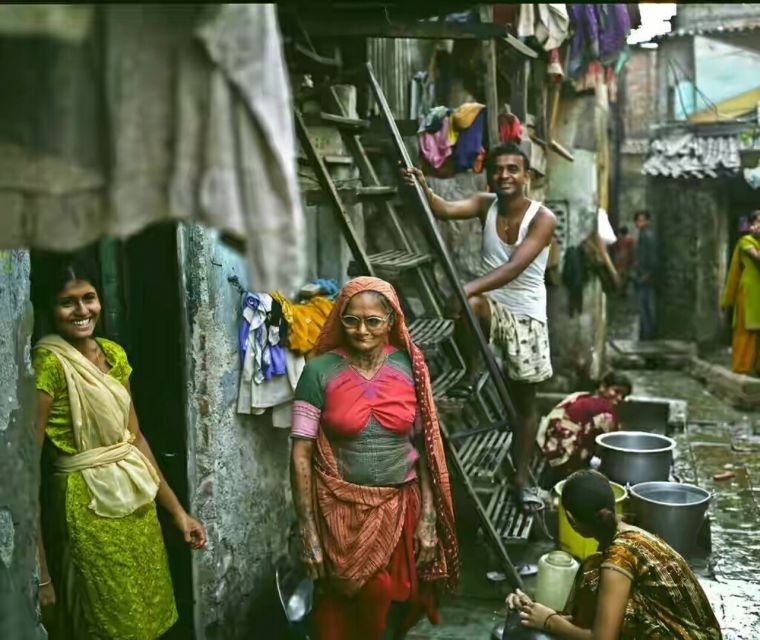
- Dharavi works as a city within a city: You see homes, schools, a hospital, workshops, and local businesses packed into one community.
- Small industries are the heart of the route: Pottery, textiles, handmade products, and recycling reveal how much work happens behind the narrow lanes.
- A local guide changes the experience: Guides explain what you are seeing and help you move through the area safely and respectfully.
- The tour lasts about two hours in its standard form: The wider booking range is 1.5 to 3 hours, depending on the option selected.
- Hotel transfers are available: This is useful if you do not want to work out the local bus, taxi, or train connections yourself.
- You can add a vegetarian family meal: It gives you a reason to stay longer, though meals are not part of the basic price.
Why Dharavi deserves a closer look
Dharavi is famous around the world because of Slumdog Millionaire, but the film can leave you with a narrow picture. This tour shifts attention from a movie image to the people who live and work here.
The area is described as one of the largest slum communities within a major Asian megacity. That label tells only part of the story. You will see difficult housing and work conditions, but you will also see schools, a hospital, homes, workshops, and businesses operating side by side.
That contrast is the central value of the experience. Dharavi is not presented as a museum of hardship. It is a functioning neighborhood where people earn money, raise families, practice different faiths, and maintain local traditions.
I appreciate that the route focuses on work as well as housing. The industries here are small in size but important to the local economy. Your guide can explain how goods move through the area, how production is organized, and how recycling forms part of everyday employment.
Still, you should arrive with the right attitude. This is not a light stroll through an unusual district. You may see cramped working conditions, difficult living arrangements, and people earning very little. The experience can be sad, uncomfortable, or even overwhelming in the heat. That is part of its honesty.
More Community Tours in Mumbai:
- Dharavi slum tour in Mumbai by Female tour guides of the slum
★ 5.0 · 1,976 reviews - Mumbai: Dharavi Slum, DhobiGhat, and Dabbawallas Tour
★ 4.9 · 689 reviews - Dharavi Slum Tour
★ 5.0 · 625 reviews
Meeting your guide at the edge of Dharavi
The exact meeting point depends on the option you book. The basic arrangement has you meet your English-speaking local guide at Dharavi, while the hotel transfer option can collect and return you to your hotel.
This difference matters more than it may seem. Mumbai traffic and public transport can make a simple cross-city trip tiring, especially if you are unfamiliar with the city. Several guides have helped people continue their journey afterward, including arranging or explaining train, bus, and taxi connections.
If you choose the hotel transfer, you pay for convenience rather than a different tour. It can be a good choice if you are short on time, carrying luggage, traveling with children, or simply do not want to work out the return route.
If you meet at Dharavi, ask for clear instructions before setting out. The meeting point may vary, so check your booking details carefully. Once you are with the guide, the value of the tour begins with orientation: where you are, how the neighborhood is arranged, and what you are about to see.
Walking the narrow lanes with a small group
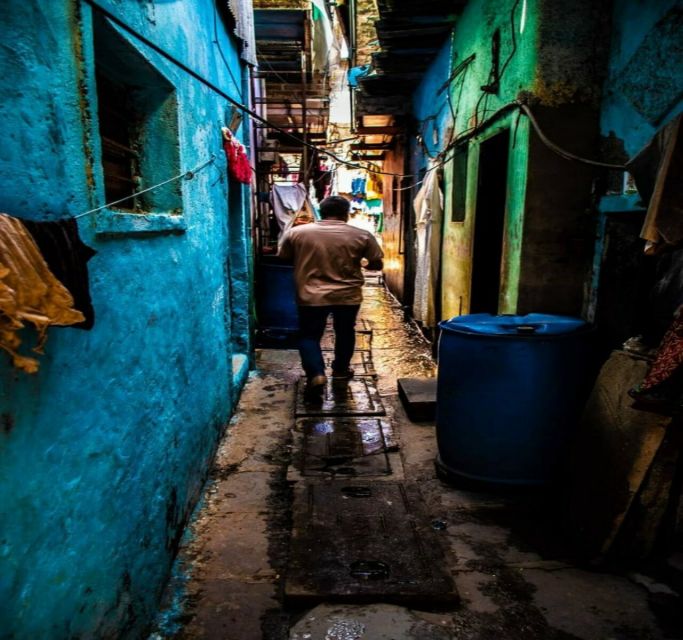
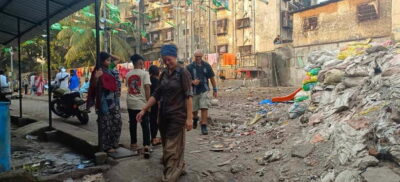
The walk takes you into narrow alleys where homes, workshops, shops, and daily routines sit close together. A small group is useful here. You can keep together more easily, hear the guide, and avoid adding unnecessary congestion to lanes that are already tight.
Your guide sets the pace and explains when to stop. That makes a major difference. Without local context, you might see only a maze of buildings and activity. With an informed guide, the same lane becomes a place with a clear purpose.
You will have opportunities to interact with people in the community, but this should be done with care. Photography and video are not permitted in most places on the tour. Ask before taking out your phone, and follow the guide’s instructions even if a scene looks interesting.
This restriction is not a minor inconvenience. It helps protect residents from being treated as scenery. Put the camera away and pay attention to the explanations. You will likely remember more than you would after collecting a gallery of quick snapshots.
The route also reveals Dharavi’s mix of traditions and beliefs. Different communities live close together, creating a neighborhood that is more varied than the word slum suggests. You are not simply looking at one type of life. You are seeing many families and backgrounds sharing a dense urban setting.
Seeing Dharavi’s workshops and recycling economy
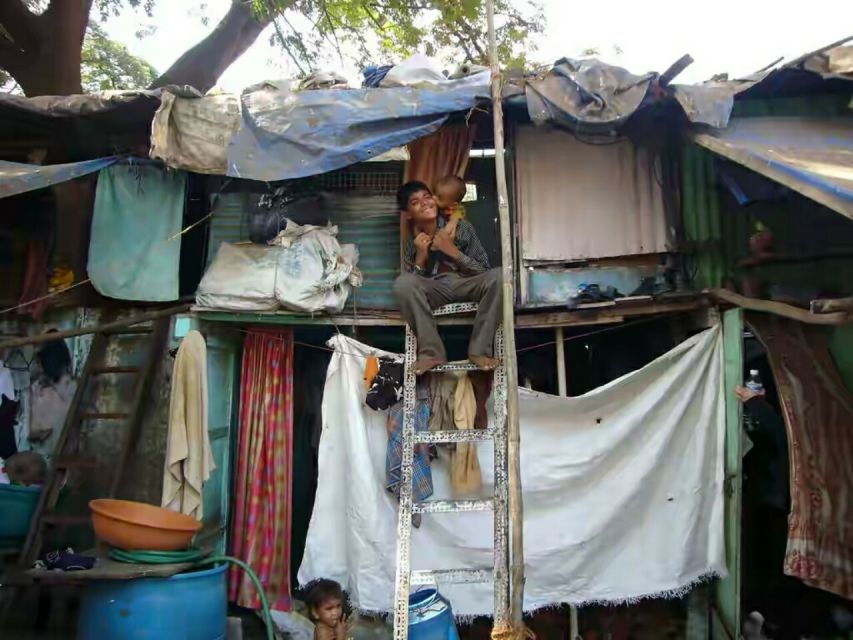
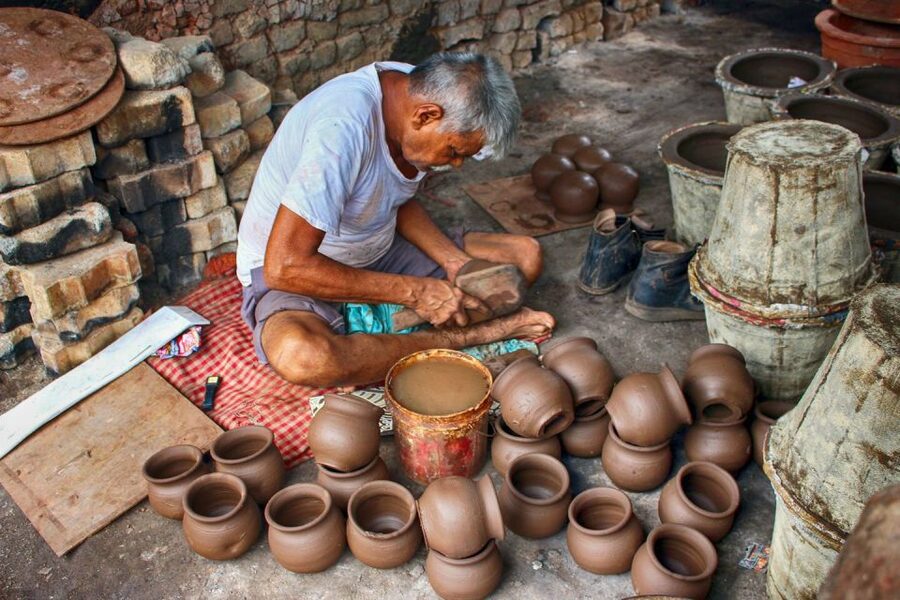
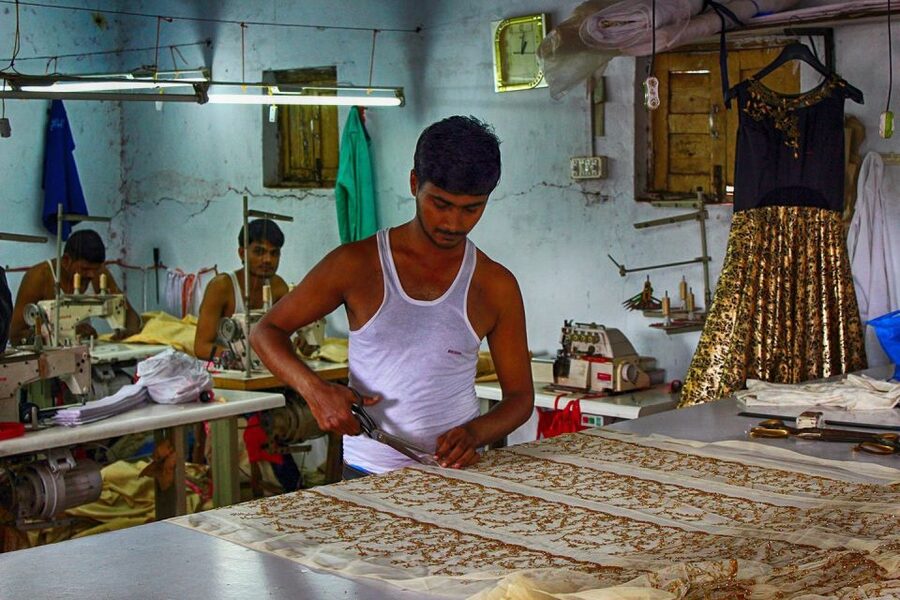
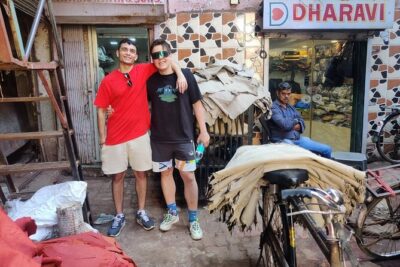
The industrial side of Dharavi is one of the strongest parts of the tour. Small businesses produce or process items such as pottery, textiles, exotic soaps, and handmade cosmetics. You may also learn how the local recycling industry operates.
This is where a guide’s local knowledge becomes especially useful. Instead of seeing separate rooms and piles of materials, you can follow the stages of a production chain. The guides have explained how different factories function and how workers contribute to the wider economy.
Recycling is particularly revealing because it links local labor with the much larger city around it. You see how discarded materials can become a source of income, and how much manual work is involved. The conditions can be hard, especially in high heat and cramped work areas, so do not expect a comfortable industrial visit.
The pottery section gives the walk a clear finishing point. The standard tour ends at a pottery factory, where you can ask the guide to help you get a taxi. This is practical after a hot walk, and it gives you a simple place to end rather than leaving you to find your way out of the lanes alone.
The pottery stop is not just a final photo opportunity, particularly since photography may not be allowed. It shows another side of Dharavi’s working economy and provides a useful transition back to the rest of Mumbai.
A few more options to weigh up in Mumbai
- Mumbai: Full-Day Sightseeing Tour of Mumbai
★ 4.9 · 1,822 reviews - Private Mumbai Sightseeing Tour (Traveller’s Choice Award Winner)
★ 5.0 · 1,565 reviews - Elephanta Caves & Island Guided Private Tour
★ 5.0 · 1,327 reviews - Group Guided Walking Tour in Fort and Colaba
★ 5.0 · 1,073 reviews
Learning how people live, study, and work

The tour’s most useful lesson is that housing and business are closely linked here. You may pass residential areas, workshops, schools, and community services during the same walk. That creates a picture of a neighborhood with its own systems rather than a temporary camp.
The reviews of individual guides repeatedly point to this explanatory role. Loki has been praised for describing production chains and helping with the return journey. Ganesh has been valued for his explanations of the area and the laundry industry. Danesh has helped people transfer by local bus and train, while Maze has been praised for explaining parts of Dharavi that are often misunderstood.
Those details matter because a local guide can correct easy assumptions. The word slum often suggests only disorder or helplessness. The tour shows hardship, but it also shows enterprise, organization, and pride.
You should not confuse economic activity with comfortable living. A community can be productive while still facing poor conditions and low wages. One of the tour’s strengths is that it holds both facts together instead of offering either a sentimental or purely bleak picture.
The community dimension may also help with the ethical concern surrounding slum tours. It can feel wrong to walk through someone else’s home simply to look. A responsible guide reduces that discomfort by explaining the neighborhood, avoiding intrusive photography, and treating residents as people rather than attractions.
You still need to behave thoughtfully. Keep your voice down, do not block lanes, ask before photographing, and listen when your guide tells you to move on.
Choosing between a short walk, transfers, and lunch
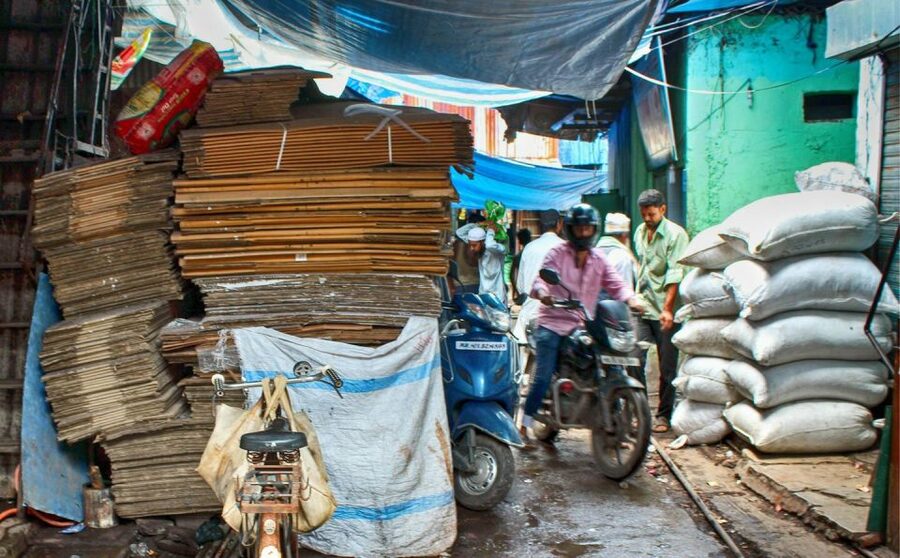
The advertised duration ranges from 1.5 to 3 hours. The standard experience is described as a two-hour tour, which is enough time to walk through the area and finish at the pottery factory without turning the visit into an all-day commitment.
A shorter option may suit you if you have a tight Mumbai schedule or limited stamina. The longer options may include extra transport time, hotel transfers, or the meal add-on. Check the selected option rather than assuming every booking follows exactly the same timetable.
Hotel pickup and drop-off are available with the appropriate option. They are not included automatically in every booking. This is one of the tour’s most useful upgrades because the return trip can be less straightforward than the walk itself.
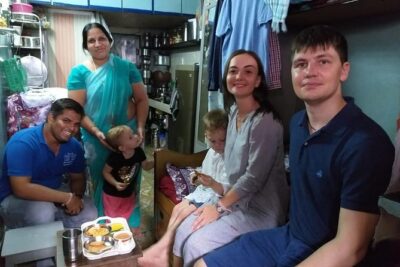
You can also add a vegetarian meal in a local family’s home. The meal gives you a chance to remain in Dharavi longer and experience hospitality in a more personal setting. It is an optional extra, not part of the standard ticket, so confirm that you have selected it if you want lunch.
The base price is about $10 per person. At that price, the tour offers strong value if you want informed access to an area that would be difficult to understand on your own. You are paying mainly for local guidance, safety, interpretation, and route planning, not for a long list of included attractions.
Bottled water is included, but meals and other drinks are not. Bring extra water if you know you need more, especially during hot weather.
What the guides add to the experience
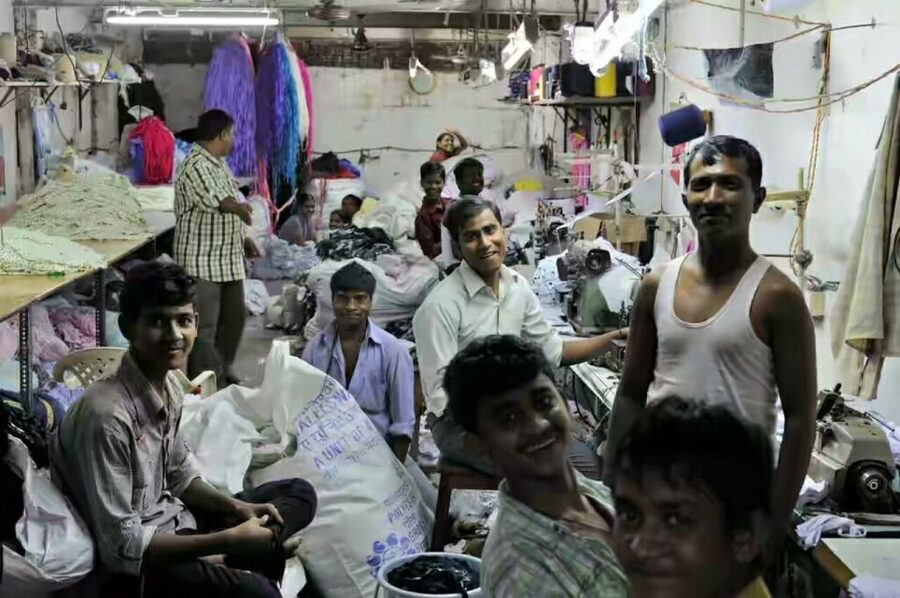
The guide is the key part of this tour. The route itself is made of streets, workplaces, homes, and community spaces. The guide explains what you are seeing and helps you behave properly in a sensitive setting.
The strongest guide comments focus on three traits: local knowledge, a calm manner, and practical help. Alam has been praised for his clear understanding of the area and approachable style. Loki has been described as especially helpful with transport and factory explanations. Ganesh and Dinesh have been praised for combining useful information with humor.
Some guides have personal ties to Dharavi, including lived experience of the area. That can bring extra insight, though every guide will have an individual style. The tour is available as a private experience or in a small group, so choose a private option if you want more time for questions or a pace tailored to your party.
English is the listed tour language. If you care about detailed explanations, a private guide may offer more room to ask about work, housing, education, religion, or transport.
Comfort, clothing, and physical demands
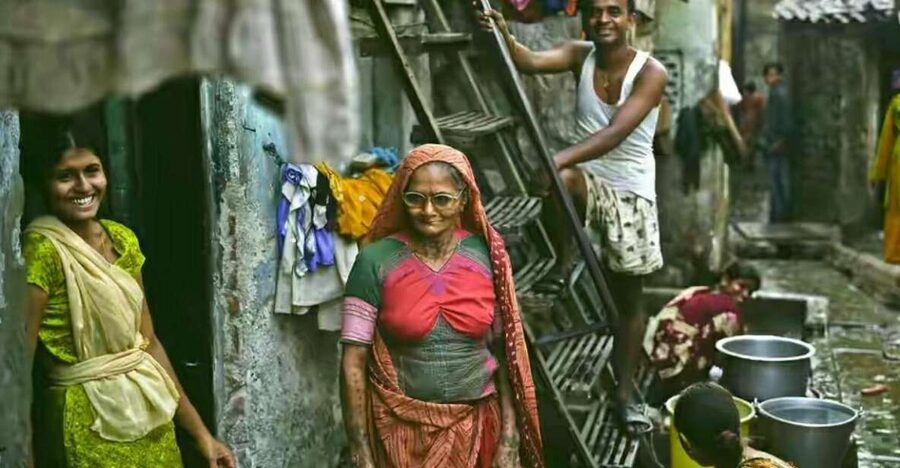
Wear comfortable shoes. The tour is on foot and takes place in narrow lanes, so sandals or formal shoes are poor choices.
Long pants are recommended, along with sunglasses and a sun hat. These are practical choices for sun, dust, and local modesty. The tour runs in rain or shine, so check the forecast but do not assume poor weather will cancel it.
The heat can be intense. One person described the conditions as suffocating, particularly around hard-working industries. You should be ready for a warm, close environment and limited personal space.
This activity is not suitable for pregnant women, people with mobility impairments, or people with heart problems. The supplied information also advises against it for people with certain physical limitations, so be honest about your health before booking.
The walk may be manageable for many people, but the narrow lanes and working areas can make movement difficult. If you need frequent rest or have trouble walking on uneven routes, ask about the private option before paying.
The ethical question: insight or poverty tourism?
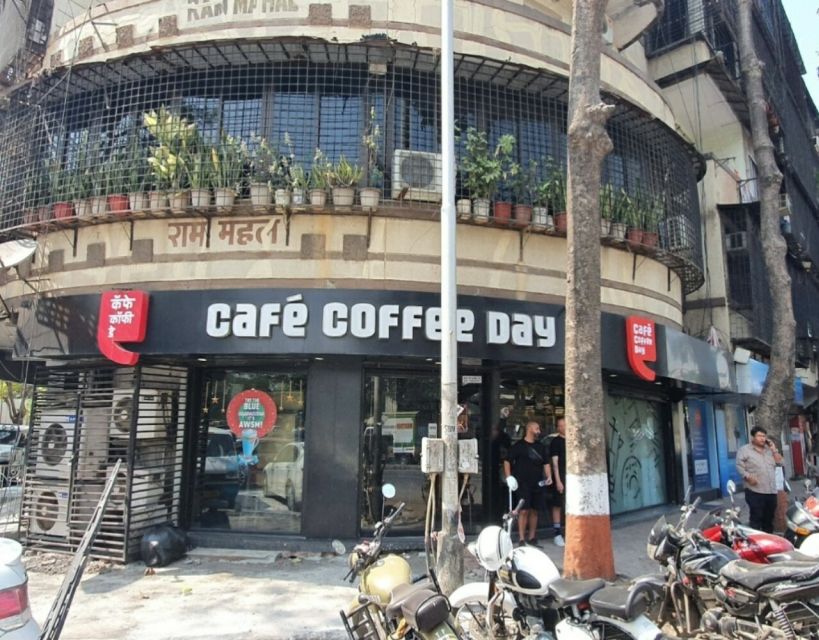
This is the question you should ask yourself before booking. A slum tour can become a parade of hardship if the guide encourages staring, intrusive photography, or shallow judgments.
This experience makes a stronger case for itself because it focuses on the community and its industries. You are shown schools, a hospital, homes, businesses, and work systems, not only poor housing. The guide’s role is to explain how the area functions and to keep you moving respectfully.
Still, no tour can remove the basic tension. You are entering a place where people live and work, and you are doing so as a short-term visitor. The restrictions on photography are important, but your conduct matters just as much.
I would book this only if you are willing to listen more than you record. Do not expect entertainment in the usual sense. Expect a serious, human look at one of Mumbai’s most complex neighborhoods, with moments of enterprise, humor, sadness, and discomfort.
Who will get the most from this Dharavi tour?
I recommend it to you if you want to understand how a major Mumbai community works beyond the usual monuments and restaurants. It suits curious visitors who value local explanation and do not mind walking through a dense, demanding setting.
It is also a good fit if you want help with transport. Guides have assisted people with trains, buses, taxis, and onward routes, which can be especially useful after the tour ends.
Families can take part, though the conditions may be challenging for young children. One booking included an eight-year-old child, but that does not mean the experience will suit every family. Consider heat, narrow lanes, and the serious nature of the subject before bringing children.
You may want to skip it if you need a relaxed sightseeing activity, if you dislike crowded walking routes, or if you are uncomfortable seeing poverty at close range. The tour is not designed to make Dharavi look easy or picturesque.
With free cancellation up to 24 hours before the start and a reserve-now, pay-later option, the booking terms are flexible. Just remember that flexibility does not change the physical demands or ethical questions.
Should you book the Dharavi tour?
I would book it if your goal is a more honest understanding of Mumbai. The $10 starting price is low for a small-group experience led by a local guide, and the hotel transfer option can remove much of the city’s transport stress.
Choose the meal add-on if you want a longer visit and a vegetarian meal with a local family. Choose private touring if you want extra time for questions or need more control over the pace.
Go with comfortable shoes, long pants, sun protection, and an open mind. Leave the camera in your pocket unless the guide gives permission. If you can accept an experience that is both inspiring and uncomfortable, this is a worthwhile addition to a Mumbai itinerary.
FAQ
How long does the Dharavi tour last?
The tour lasts between 1.5 and 3 hours, depending on the option selected. The standard walking tour is described as lasting about two hours.
How much does the tour cost?
The listed starting price is $10 per person. Extra options, such as hotel transfers or a vegetarian meal with a local family, may change the total price.
Is hotel pickup included?
Hotel pickup and drop-off are included only if you select the option that offers transfers. The meeting point varies by booking option.
What language does the guide speak?
The tour is conducted in English by a live local guide.
Is this a private tour or a group tour?
You can choose between a private tour and a small-group option, depending on availability and the booking selected.
Is food included?
Food is not included in the basic tour. You can add a vegetarian meal in a local family’s home if you want to stay longer.
Can I take photographs during the tour?
Photography and video are not permitted in most places along the route. Ask your guide before taking any pictures or recording.
What should I wear?
Wear comfortable shoes and long pants. Sunglasses and a sun hat are also recommended.
Does the tour operate in bad weather?
Yes. The tour takes place in rain or shine.
Who should not take this tour?
The tour is not suitable for pregnant women, people with mobility impairments, or people with heart problems.
Just added in Mumbai
- Mumbai Sightseeing Tour★ 5.0 · 11 reviews
- Mumbai Airport to Mumbai Hotels : Private Transfers★ 5.0 · 13 reviews
- Mumbai Spice Markets and Bazaars Tour with Guide and Transport★ 5.0 · 42 reviews
- Mumbai 800 Year Worli Village: Talking Goddess, Old Fort & more★ 5.0 · 94 reviews
- Customize private tour with pickup★ 5.0 · 95 reviews
- Gufran’s Slum Home Tour in the Mumbai Slums★ 5.0 · 19 reviews
- Private Guided Bandra Half Day City Tour in AC Vehicle★ 5.0 · 72 reviews
- The Famous Bollywood Tour of Mumbai★ 5.0 · 97 reviews
Slum and Community Tours, compared.
Dharavi slum tour in Mumbai by Female tour guides of the slum
Read our review →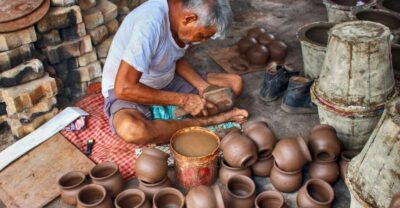

Mumbai Slum Tour – Visit Dharavi Slum with Local Guide
Read our review →
Dhobi Ghat Laundry and Dharavi Slum Tour with Local
Read our review →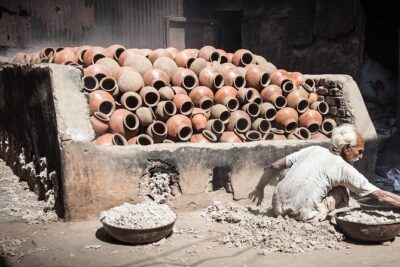
Browse the lists this tour appears in