
Reviewed · SLUM AND COMMUNITY TOURS
Dharavi slum tour in Mumbai by Female tour guides of the slum
Mumbai is easier to understand on foot. This Dharavi tour brings you into one of the city’s most misunderstood communities with female guides who live in the area, and I like that the focus is on work, family life, and dignity rather than shock value. I also like the chance to add lunch with a local family. The main drawback is that factory noise and fast-paced English can make parts of the explanation hard to follow.
The tour runs about two hours, with the full outing taking roughly two to three hours depending on the option you choose. Guides such as Pooja, Varsha, Sneha, Anushka, Veena, and Anu are praised for their warmth and first-hand knowledge. Hotel pickup may save hassle, but from South Mumbai it can take about an hour each way in traffic.
In This Review
- Key points to know before booking
- Why Dharavi is worth seeing with a local guide
- Meeting at Mahim and getting started
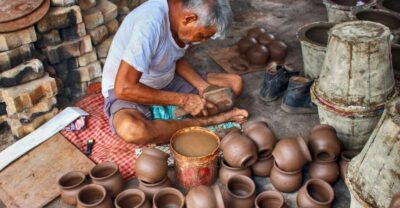
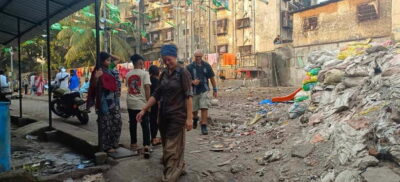
- Walking through Dharavi’s working neighborhood
- The people, businesses, and daily routines
- Avoiding the voyeurism problem
- Adding lunch with a local family
- Is $9.49 good value?
- Timing, weather, and cancellation details
- Who will enjoy this tour most?
- Should you book the Dharavi tour?
- FAQ
- How long does the Dharavi tour last?
- Where does the tour start and end?
- Is transportation included?
- Is lunch included?
- What is included in the tour price?
- What is the minimum age?
- Can I cancel for a refund?
Key points to know before booking
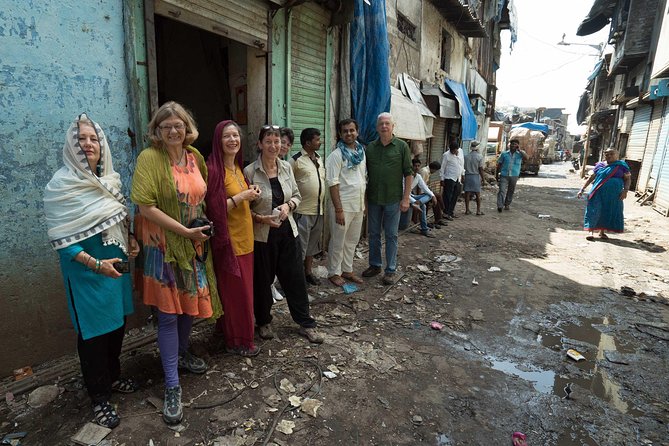
- Female resident guides: Pooja, Varsha, Sneha, Anushka, Veena, and Anu are among the guides named by visitors, giving the walk a personal connection to Dharavi.
- Dharavi beyond movie clichés: The route shows homes, shops, schools, and working areas, including several small industries.
- A two-hour walking experience: Comfortable shoes matter, and factory noise can make conversation difficult.
- Optional family lunch: You can choose a version that includes lunch in a local family home.
- Low cost, strong value: At about $9.49 per person, the tour offers a useful introduction at a modest price.
- Pickup is convenient but slow: Transport can be arranged, though Mumbai traffic may add substantial time.
Why Dharavi is worth seeing with a local guide
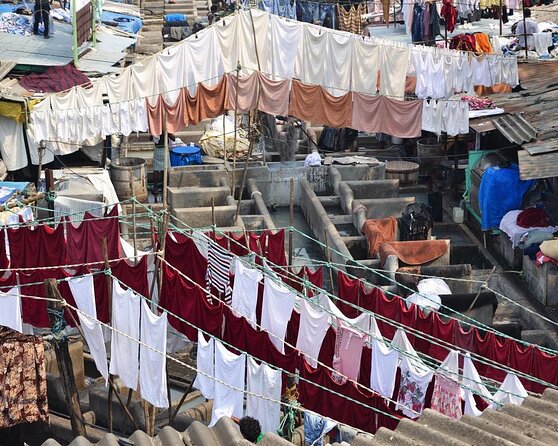
Dharavi is often reduced to a single word: slum. That label misses the point of the place. This tour helps you see a working neighborhood with homes, businesses, schools, medical services, shops, streets, and close community ties.
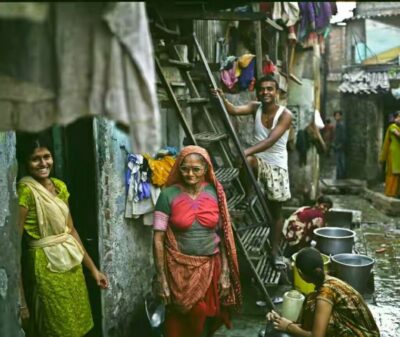
I like the way the best guides explain both the hardships and the ordinary routines. You may see narrow lanes, cramped working conditions, and limited access to water. You may also see people earning a living, children greeting a familiar guide, and neighbors relying on one another.
That balance matters. A poorly handled slum tour can turn poverty into a show. This experience aims for something more useful: a guided look at how people live and work, told by someone with a direct connection to the area.
Pooja is especially well regarded for explaining the community in human terms. Her commentary has helped visitors think beyond the usual idea that a poor neighborhood is simply a place of misery. The point is not to pretend that conditions are easy. The point is to recognize that Dharavi is also home.
More Community Tours in Mumbai:
- Mumbai: Dharavi Slum, DhobiGhat, and Dabbawallas Tour
★ 4.9 · 689 reviews - Dharavi Slum Tour
★ 5.0 · 625 reviews - Dharavi Slum tour in Mumbai by local resident
★ 5.0 · 572 reviews
Meeting at Mahim and getting started
The standard meeting point is Third Wave Coffee at Tip Road, Unit 58, Ground, Ram Mahal, Senapati Bapat Marg, Marinagar Colony, near Mahim Station, Mumbai 400016. The activity ends back at this same meeting point.
This location is near public transportation, which makes the no-transport option practical if you are already staying in central Mumbai or can reach Mahim easily. Multiple start times are offered, and alternate departure times can be requested when booking. You should provide your preferred time in advance rather than assume every time is automatic.
Pickup is offered on selected versions of the tour. It may be the easier choice if you are unfamiliar with Mumbai or want help reaching Dharavi. The tradeoff is time. One visitor who used pickup from South Mumbai reported that the journey took about an hour each way because of traffic. For a tour lasting roughly two hours, that can turn a short walking activity into most of a morning or afternoon.
The information lists a maximum of 999 participants, which is a very high operational limit rather than a promise that every departure will be enormous. Since the supplied details do not give a fixed group size, ask at booking if the size of your departure matters to you.
Walking through Dharavi’s working neighborhood
The main stop is Dharavi itself, with about two hours set aside for the walk. The guide leads you through areas that you could not reasonably understand on your own, explaining what you are seeing as you go.
Expect a mix of residential and working spaces. The route includes several thriving businesses and industrial activities. The walk is not just a pass through housing. It looks at how people make a living and how the neighborhood functions as a place of work as well as a place to live.
Some lanes are narrow and busy. Factory noise may drown out parts of the guide’s explanation, so stay close and ask for a point to be repeated. English is generally spoken well, but some guides speak quickly. This was the one consistent communication concern in the feedback, and it is worth keeping in mind if English is not your first language.
Pooja has been praised for answering questions clearly and offering practical help after the walk, including assistance with arranging a taxi. Varsha is described as friendly, organized, and good at keeping the group together. Sneha is praised for explaining both the history of Dharavi and its working life, while Anushka has been noted for making visitors feel comfortable and even providing a cover dress during the tour.
These details suggest that the guide can shape the experience as much as the route itself. You are not simply looking at buildings. You are listening to someone explain what they mean.
The people, businesses, and daily routines
The strongest part of the walk is the commentary. A guide from Dharavi can explain details that would be easy to miss, such as how work, housing, food, and community support fit together.
One particularly useful theme is the difference between outside assumptions and local experience. A community may have fewer resources than a wealthy neighborhood, yet still contain schools, shops, homes, workplaces, and social networks. That does not erase poverty or poor working conditions. It does give you a more accurate picture.
The tour can also challenge the habit of measuring every life by income and possessions. One guide explained that some residents feel content with what they have because their daily needs are met through work and neighbors. The same account also pointed to serious limits, including only a few hours of water access and little opportunity to build savings.
That mixture of hardship and stability is more revealing than a simple poverty story. You may leave thinking less about what Dharavi lacks and more about how its residents organize their lives with the resources available.
The walk is also a chance to ask questions. Guides such as Aryan have been praised for handling detailed questions, while Anu is noted for giving a small group careful answers. Still, remember that the setting can be loud and the pace may be brisk. If you want a slower explanation, say so early.
A few more options to weigh up in Mumbai
- Mumbai: Full-Day Sightseeing Tour of Mumbai
★ 4.9 · 1,822 reviews - Private Mumbai Sightseeing Tour (Traveller’s Choice Award Winner)
★ 5.0 · 1,565 reviews - Elephanta Caves & Island Guided Private Tour
★ 5.0 · 1,327 reviews - Group Guided Walking Tour in Fort and Colaba
★ 5.0 · 1,073 reviews
Avoiding the voyeurism problem
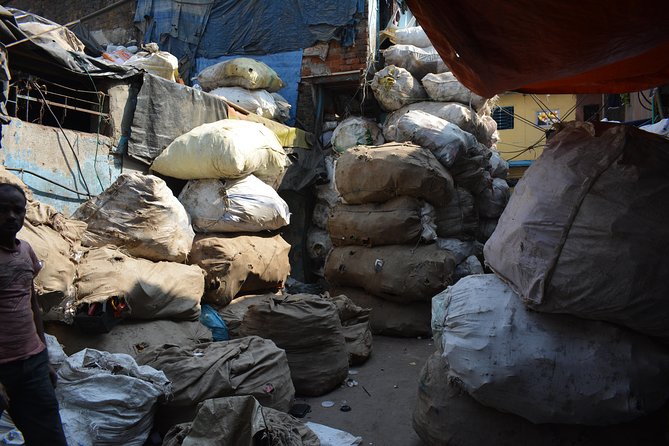
The ethics of a Dharavi tour deserve serious thought. You are entering a residential community, not an outdoor museum. The best way to behave is to listen, follow the guide’s instructions, avoid intrusive photography, and treat people as neighbors rather than attractions.
This particular experience earns credit for using local female guides and presenting the area through their own connection to it. Visitors repeatedly describe the walks with Pooja, Varsha, Sneha, and Anushka as calm, respectful, and free of unnecessary drama.
That does not mean every moment will feel comfortable. You may encounter crowded lanes, poor sanitation, limited light, and demanding work conditions. The value comes from facing those facts without turning them into entertainment.
A meaningful addition is the possibility of supporting local needs through the tour. One account says that 20 percent of the price goes toward the community, including free homes for orphans and other necessities. Treat that as a feature to confirm when booking, since the basic inclusions specifically list a local guide and bottled water but do not spell out the community contribution in the formal tour details.
Adding lunch with a local family

Food is not included in the basic version. The standard inclusions are a local guide from Dharavi and bottled water, while food, drinks, and personal expenses are excluded.
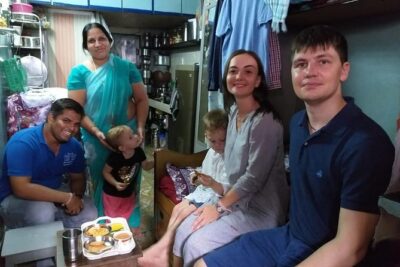
Some tour options include lunch with a local family. This can change the tone of the outing from an observation walk to a more personal meeting. A meal at someone’s home gives you time to talk, ask questions, and experience hospitality outside the busy lanes.
One account describes a meal with a neighbor of guide Sneha that ended with conversation and garba dancing. That is the sort of human exchange that can stay with you long after the industrial areas and narrow passages have blurred together.
You should choose the lunch option only if you are comfortable with the extra time and social setting. If you prefer a shorter, more focused introduction, the basic walking tour may be enough. Food and drink costs are not included unless your selected option specifically says otherwise.
Is $9.49 good value?
At around $9.49 per person, this is an inexpensive way to gain access to a part of Mumbai that is difficult to understand independently. The price covers the guide and bottled water, with admission to the Dharavi walk included.
I see the main value in the guide’s local perspective. You are paying for interpretation, direction, and context, not for an attraction with exhibits or formal facilities. That makes the experience unusually good value if you want to understand how the neighborhood works.
The price does not cover personal spending, food, or drinks. Transportation may also depend on the option you select. If you choose pickup, compare the added cost with the time saved, especially if you are staying in South Mumbai.
The tour is also suitable for families because the minimum age is three. Most people can participate, but the walk requires reasonable comfort on foot. Wear comfortable walking shoes and be prepared for noise, tight passages, and a fast-moving urban setting.
Timing, weather, and cancellation details
The walk lasts about two hours, while the overall activity is listed as approximately two to three hours. Allow more time if you arrange transport, particularly during heavy Mumbai traffic.
Confirmation is provided at booking, and mobile tickets are accepted. Free cancellation is available if you cancel at least 24 hours before the scheduled start time. Cancellations or changes made within 24 hours are not refunded.
The experience requires good weather. If poor weather forces cancellation, you can receive a different date or a full refund. The same applies if the minimum number of participants is not reached, with the choice of another date or experience, or a refund.
There has been at least one report of a guide not appearing despite a confirmed booking. A refund was issued in that case, but the visitor still lost time and transport costs. I would confirm the departure details shortly before setting out, especially if you are arranging your own taxi.
Who will enjoy this tour most?
I would recommend it to you if you want a direct, grounded look at Mumbai and are willing to listen carefully. It suits curious adults, older children, students, photographers who can follow respectful rules, and anyone interested in urban work and community life.
It is especially useful for first-time visitors who want more than monuments and restaurants. The tour gives context to the city’s inequality without pretending that one walk can explain all of Mumbai.
You may want to skip it if you dislike walking in crowded areas, find industrial noise stressful, or expect a polished sightseeing route. It is not a standard attraction, and some parts may feel emotionally difficult.
I would also think twice if your main goal is photography. The experience is strongest when you treat it as a conversation and learning opportunity, not a chance to collect dramatic images.
Should you book the Dharavi tour?
Yes, if you choose it for understanding rather than spectacle. The low price, local female guides, flexible start times, and optional family lunch make this a practical way to see a side of Mumbai that you could not easily reach on your own.
Book the basic version if you want a focused two-hour walk. Add lunch if you have time and want a warmer personal exchange. Choose pickup only if convenience matters more than the extra time in traffic.
I would confirm the meeting point, transport arrangement, guide details, and selected start time before leaving. Then bring comfortable shoes, patience, and respect. With the right attitude, this can become one of the most useful experiences in Mumbai.
FAQ
How long does the Dharavi tour last?
The Dharavi walking portion lasts about two hours. The full activity is approximately two to three hours, though transportation can make the total outing longer.
Where does the tour start and end?
It starts at Third Wave Coffee, Tip Road, Unit 58, Ground, Ram Mahal, Senapati Bapat Marg, Marinagar Colony, near Mahim Station, Mumbai. It ends back at the meeting point.
Is transportation included?
Transportation depends on the option you book. Pickup is offered, and you can also choose a version without transportation. Traffic from South Mumbai to Dharavi may take about an hour each way.
Is lunch included?
Food and drinks are not included in the basic tour. Some options include lunch with a local family, so check the specific option selected during booking.
What is included in the tour price?
The tour includes a local guide from Dharavi, bottled water, and admission to the Dharavi walking experience. Personal expenses, food, and drinks are not included.
What is the minimum age?
The minimum age is three years. Most people can participate, and comfortable walking shoes are recommended.
Can I cancel for a refund?
You can cancel up to 24 hours before the start time for a full refund. Cancellations or changes made less than 24 hours before the start time are not refunded. Weather or minimum-participant cancellations offer a different date or a full refund.
Just added in Mumbai
- Mumbai Airport to Mumbai Hotels : Private Transfers★ 5.0 · 13 reviews
- Mumbai Sightseeing Tour★ 5.0 · 11 reviews
- Mumbai 800 Year Worli Village: Talking Goddess, Old Fort & more★ 5.0 · 94 reviews
- Customize private tour with pickup★ 5.0 · 95 reviews
- Mumbai Spice Markets and Bazaars Tour with Guide and Transport★ 5.0 · 42 reviews
- Gufran’s Slum Home Tour in the Mumbai Slums★ 5.0 · 19 reviews
- Private Guided Bandra Half Day City Tour in AC Vehicle★ 5.0 · 72 reviews
- The Famous Bollywood Tour of Mumbai★ 5.0 · 97 reviews
Slum and Community Tours, compared.
Dharavi Slum Slumdog Millionaire Tour with a Local
Read our review →
Mumbai Slum Tour – Visit Dharavi Slum with Local Guide
Read our review →
Dhobi Ghat Laundry and Dharavi Slum Tour with Local
Read our review →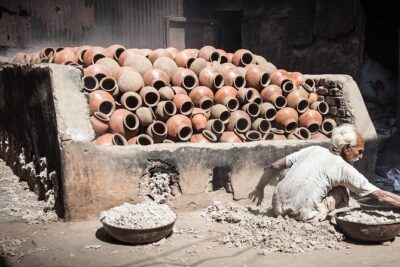
Browse the lists this tour appears in