
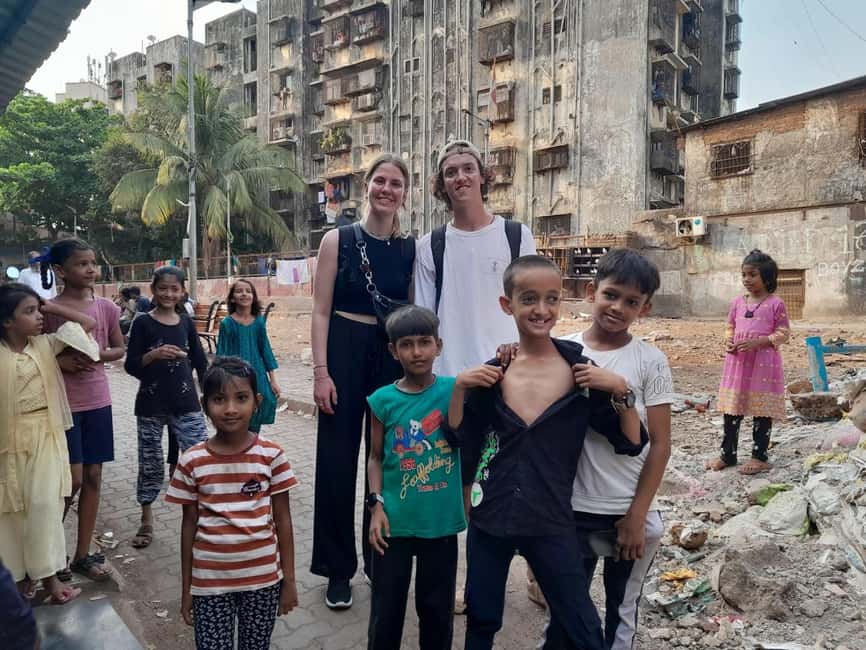
Reviewed · SLUM AND COMMUNITY TOURS
Mumbai Slum Tour – Visit Dharavi Slum with Local Guide
Look beyond the usual Mumbai sights. This Dharavi walking tour offers a close look at homes, workshops, markets, schools, recycling work, leather production, garments, and pottery. I like that the guides are local residents, including third-generation Dharavi residents such as Balaji and guides including Priscilla, Shivam, Siddesh, and Sufiyan. Their personal connection gives the tour a human voice.
I also like the broad route. You do not simply walk past one type of neighborhood. You see the industrial, residential, educational, and market sides of Dharavi, which helps you understand how the community functions. At about $5 per person, the tour offers remarkable value, especially if you want more context than you can get from looking out of a taxi window.
The main consideration is that this is a walking tour through narrow lanes with limited restroom access. The route is not suitable for wheelchair users or people with visual impairments, and visitors must dress modestly and avoid professional cameras and flash photography.
In This Review
- Key Points Before You Book
- Why Dharavi Requires More Than a Passing Glance
- Starting the Tour and Finding Your Guide
- Walking Through the Industrial Side
- The Residential Lanes and Smallest Homes
- Markets, Schools, and Community Life
- Leather, Garments, Recycling, and Pottery
- The Local Guides Make the Difference
- Price, Group Size, and Practical Value
- What to Wear and Carry
- Who Will Get the Most From This Tour?
- Should You Book the Dharavi Walk?
- FAQ
- How long does the Dharavi tour take?
- What does the tour include?
- Are snacks included?
- Where does the tour start?
- Where can the tour finish?
- What should I bring?
- Are there any clothing or photography rules?
- Is the tour accessible for wheelchair users?
Key Points Before You Book
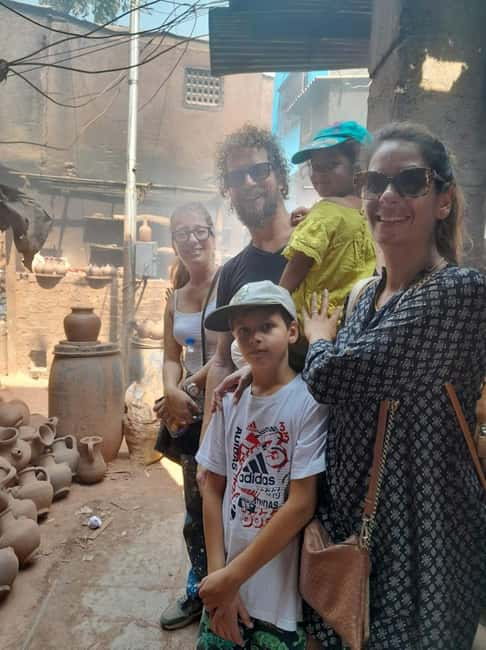
- Local guides with personal roots: Guides such as Balaji, Shivam, Siddesh, and Priscilla explain Dharavi through local experience, family connections, and clear English.
- More than a quick look: The route covers industry, homes, markets, schools, leather, garments, recycling, and pottery.
- A remarkably low price: At $5 per person, the tour gives you several hours of guided context for less than many short Mumbai attractions.
- Private or small-group choices: A smaller group makes it easier to ask questions and hear explanations in tight lanes.
- Two to three and a half hours: The core guided walk takes around two hours, while pickup options can extend the total outing.
- Respect matters: Modest clothing, secure belongings, and no professional cameras or flash help protect the privacy of people who live and work here.
Why Dharavi Requires More Than a Passing Glance
Dharavi is often reduced to a single word: slum. That label misses much of what you encounter on the ground. This is also a dense working neighborhood, with homes, schools, shops, workshops, markets, and many small businesses operating close together.
The tour explains that Dharavi’s economy generates more than $1 billion annually. The number gives you useful context, but the real lesson comes from seeing how many different kinds of work fit into a small area. Recycling, leather, garments, pottery, retail, and household businesses all form part of daily life.
I value this framing because it avoids two easy mistakes. You are not shown only poverty for shock value, and you are not handed a glossy picture that ignores hardship. The most useful experience holds both ideas together: Dharavi is home to people facing real limits in space and resources, yet it is also a place of skill, work, family life, and strong community ties.
The population includes families from many parts of India. Different languages and backgrounds meet in the same compact neighborhood. Your guide can help explain how that mix shapes local life and why residents often speak with pride about their community.
More Community Tours in Mumbai:
- Dharavi slum tour in Mumbai by Female tour guides of the slum
★ 5.0 · 1,976 reviews - Mumbai: Dharavi Slum, DhobiGhat, and Dabbawallas Tour
★ 4.9 · 689 reviews - Dharavi Slum Tour
★ 5.0 · 625 reviews
Starting the Tour and Finding Your Guide
The meeting point depends on the option you choose. You may select a tour that begins at a designated location, or choose optional hotel pickup. If you arrange pickup, wait at the main hotel entrance or lobby. The driver calls or sends a WhatsApp message when arriving, usually about ten minutes before the scheduled time, and may check with hotel staff using the booking name.
The driver takes you to the meeting point, where the local guide begins the walking portion. This transfer matters because Dharavi has several access points and busy surrounding streets. Confirm your exact start location and pickup details before setting out.
Drop-off can be arranged at Matunga Road Railway Station, Matunga Central Railway Workshop, or Hanuman Nagar in Mumbai. These options can be useful if you want to continue by train or connect with another part of your sightseeing day.
The tour runs for roughly two to three and a half hours. The main Dharavi visit and guided walk take about two hours, while the longer total can include transportation and the particular option you select. If you have only one day in Mumbai, this length makes it possible to fit in other major sights.
Walking Through the Industrial Side
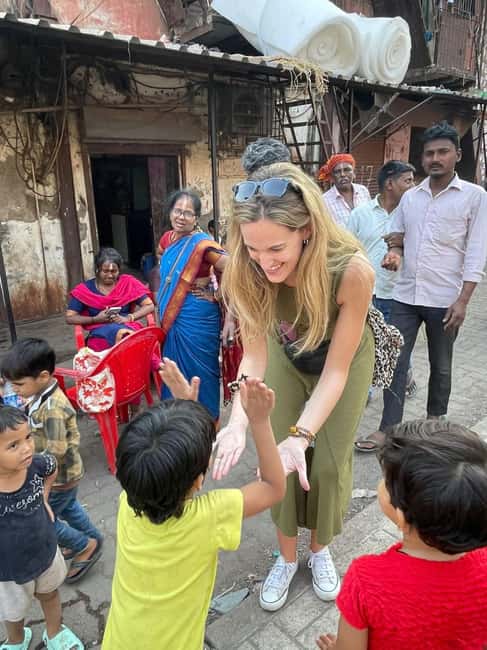
The industrial section is one of the strongest parts of the route. Instead of treating Dharavi as a passive residential area, the guide shows you where people make, sort, repair, and sell goods.
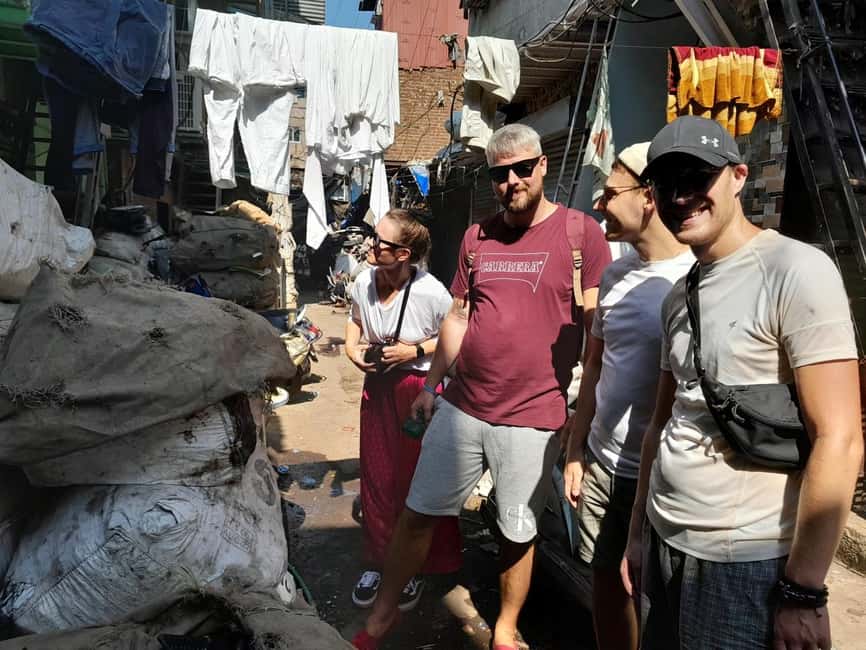
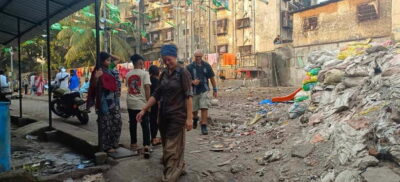
You might see recycling work, a leather factory, garment activity, and other small workshops. The exact order can vary, but the theme remains clear: production happens in a neighborhood where people also live. That closeness explains both Dharavi’s economic strength and its crowded feel.
A local guide adds meaning that you would miss alone. You can ask how work is organized, what kinds of businesses operate here, and how the area supports families. Siddesh, Shivam, and other guides are praised for explaining income, housing, education, and the informal economy in clear language. Those are the questions worth asking because they connect what you see to the wider city.
The industrial route can be noisy, cramped, and busy. Watch where you step, stay close to your guide, and keep your bag secure. This is an active workplace, not a staged museum display, so you should observe without blocking entrances or interrupting people at work.
The Residential Lanes and Smallest Homes
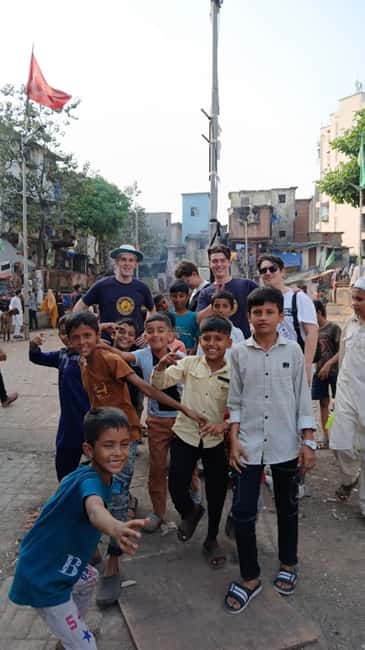
The residential part changes the tone. You move through narrow lanes and see the compact spaces where families live. The tour description specifically includes some of the smallest houses, giving you a sense of how much daily life must fit into limited square footage.
This section can feel confronting. It is normal to notice difficult housing conditions, but the guide also helps you see more than the physical limits. These are homes, not props. People eat, study, rest, raise children, and build routines here.
That is why photography rules matter. Professional cameras and flash photography are not allowed, and you should avoid treating private life as a picture opportunity. Keep your phone away unless your guide clearly indicates that photography is acceptable in a particular setting.
The best approach is simple: listen, ask respectful questions, and let the guide decide where it is appropriate to pause. Guides who live in Dharavi can explain local customs and boundaries far better than an outsider can.
A few more options to weigh up in Mumbai
- Mumbai: Full-Day Sightseeing Tour of Mumbai
★ 4.9 · 1,822 reviews - Private Mumbai Sightseeing Tour (Traveller’s Choice Award Winner)
★ 5.0 · 1,565 reviews - Elephanta Caves & Island Guided Private Tour
★ 5.0 · 1,327 reviews - Group Guided Walking Tour in Fort and Colaba
★ 5.0 · 1,073 reviews
Markets, Schools, and Community Life
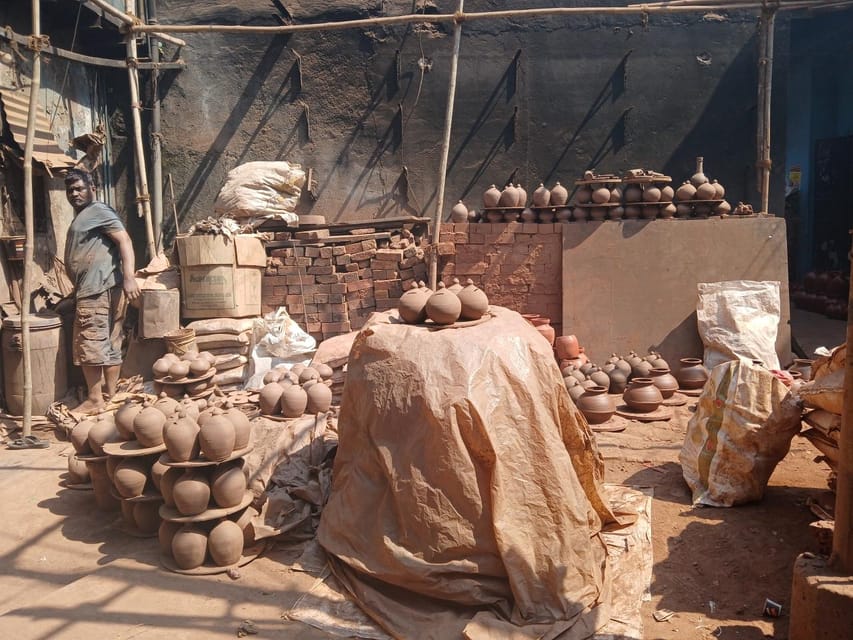
The market section gives the walking route a more familiar urban rhythm. You see how residents shop, meet, and conduct ordinary errands within the neighborhood. The market is not just a sightseeing stop. It shows the practical network that supports daily life.
Schools add another important layer. Education sits alongside work and housing, reminding you that Dharavi is a complete community rather than a single-purpose industrial district. The tour may not offer a formal classroom visit, but you can expect your guide to point out educational spaces and explain their place in local life.
I find this combination of stops more useful than a route focused only on hardship. Seeing shops and schools alongside factories and homes makes the area easier to understand as a living neighborhood. It also explains why the community’s identity is tied to both work and family.
Several guides are praised for answering questions patiently and adjusting the amount of detail to the group. Priscilla, for example, is described as warm, friendly, and easy to understand. That matters in a tour like this because the subject can bring up difficult questions about poverty, redevelopment, housing, and opportunity.
Leather, Garments, Recycling, and Pottery
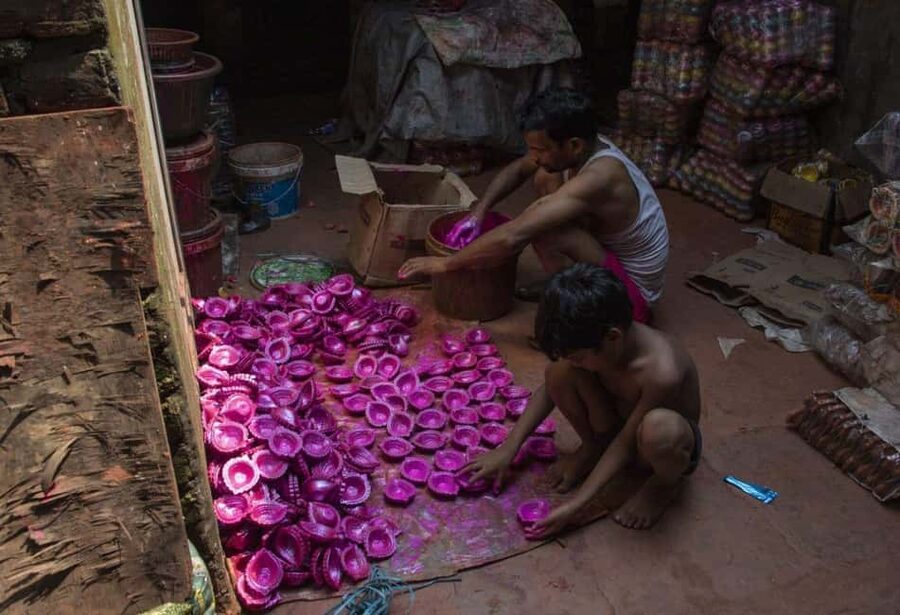
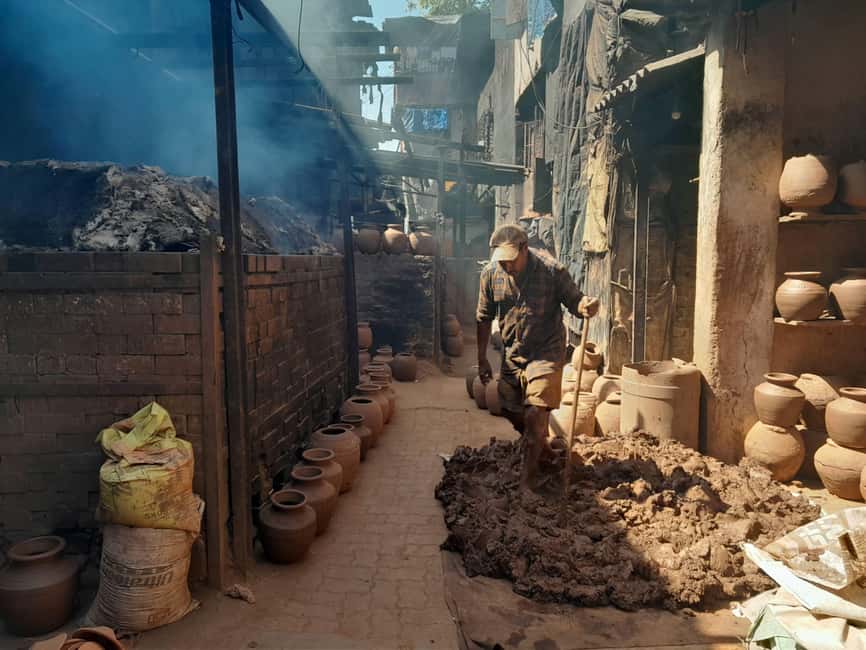
The variety of work is the tour’s clearest strength. Leather production shows one kind of skilled manufacturing. Garment work shows another. Recycling reveals how materials move through the local economy, while pottery adds a more traditional craft element.
The pottery section can be especially memorable because it offers a change from the tight industrial lanes. You get a look at hands-on craft and the people who keep that work going. The tour does not promise a shopping stop, and snacks are not included, so think of these places as windows into local production rather than retail attractions.
The industrial businesses also raise practical questions about the future. Some guides can discuss redevelopment plans and how proposed changes may affect homes, workshops, and the local economy. Franziska’s experience with Shivam, for instance, included clear answers about redevelopment. Ask about this if it interests you, but remember that plans can change.
The value here is not simply seeing a factory or workshop. It is understanding how employment, housing, and community networks overlap. Moving an industrial area elsewhere could improve certain conditions, but it could also disrupt the system that allows people to live close to their work.
The Local Guides Make the Difference
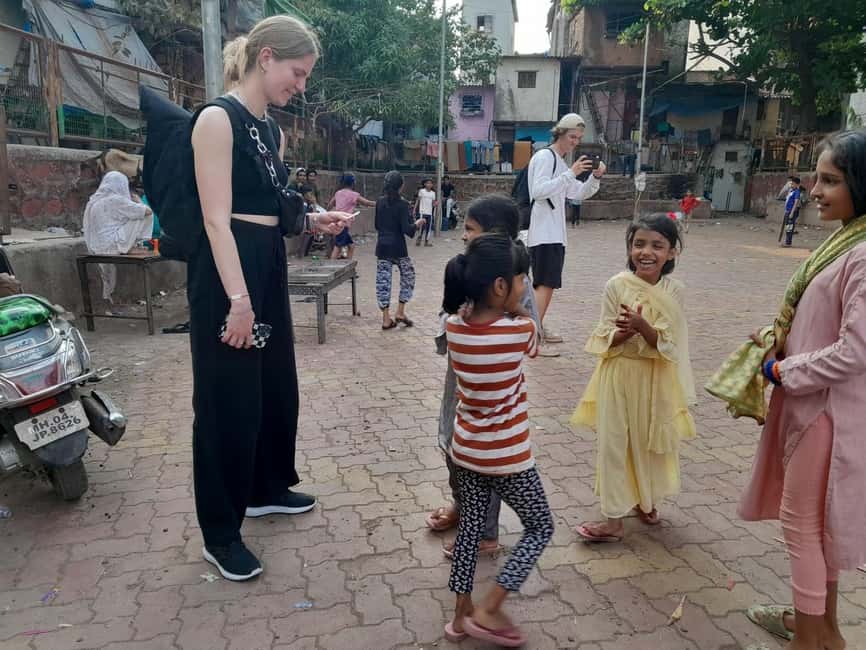
The provider describes its guides as people who have lived in Dharavi for generations. That local connection is central to the experience. Balaji is identified as a third-generation local, while other guides speak about their own experience of life and work in the area.
Several guides receive particular praise for clear English. Priscilla, Shivam, Siddesh, Sufiyan, Balaji, and Shivam are all names you may encounter depending on availability and your booking. You cannot usually choose a specific guide in advance, but the repeated strength of the guiding team is reassuring.
A guide like Siddesh can explain the informal economy, housing, education, and business activity in straightforward terms. Sufiyan is noted for taking care of guests and giving thoughtful explanations. Shivam is praised for mixing useful facts with humor, while Balaji is appreciated for his openness and detailed account of local history and present life.
I would book this tour for the guide rather than for a checklist of sights. The lanes and workshops matter, but the explanations turn them into an experience with meaning. A good guide also helps you behave properly in a crowded residential area.
Price, Group Size, and Practical Value
At $5 per person, this is one of the strongest-value guided activities in Mumbai. You receive a local English-speaking guide and bottled water, with two to three and a half hours of time. Snacks are not included, so eat beforehand or plan food after the walk.
Private and small-group options are available. I would favor a small group if the price difference is reasonable. Narrow lanes make large groups awkward, while a smaller party lets you hear the guide and ask questions without holding up the route.
Optional pickup adds convenience, especially if you are unfamiliar with Mumbai or staying farther from Dharavi. It also adds time to the outing. If you are comfortable reaching the meeting point yourself, you may prefer the simplest option.
The cancellation policy is forgiving: you can cancel up to 24 hours ahead for a full refund. You can also reserve now and pay later, which helps if your Mumbai schedule is still changing.
What to Wear and Carry
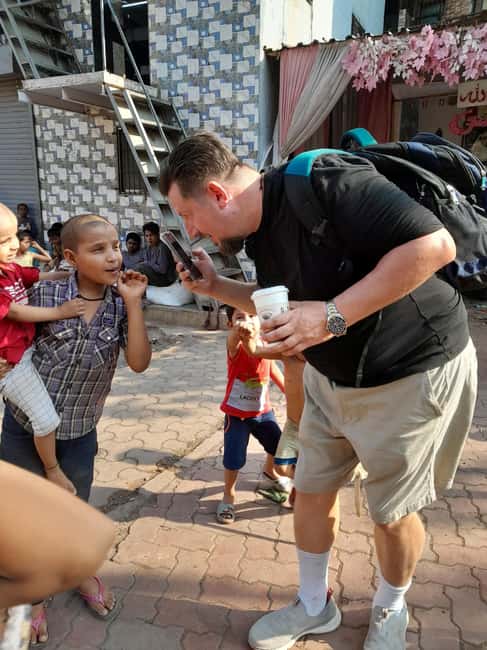
Wear comfortable walking shoes. The route passes through narrow lanes and active work areas, so practical footwear matters more than appearance.
Bring a sun hat, sunscreen, water, and clothing suited to the weather. Bottled water is included, but carrying your own extra water is sensible in Mumbai’s heat.
Dress modestly. Short skirts and sleeveless shirts are not allowed. Restroom facilities may be limited, so use the bathroom before meeting your guide and plan your timing accordingly.
Keep valuables secure in crowded areas. Leave professional camera equipment at your accommodation, and do not use flash photography. A phone may be useful for essential communication, but ask before taking photographs.
The tour is not suitable for wheelchair users or people with visual impairments. The narrow lanes and walking conditions make this a genuine limitation, not a minor inconvenience.
Who Will Get the Most From This Tour?
You should book this experience if you want to understand how a large Mumbai community lives and works, rather than simply visit famous monuments. It suits curious visitors who are comfortable walking, listening, and considering difficult social questions without expecting a polished attraction.
It is also a strong choice for anyone interested in small business, recycling, manufacturing, education, urban planning, or community life. The range of work gives the tour substance, and the local guide can connect individual workshops to wider issues.
Families with young children should consider the narrow lanes, crowded spaces, and serious subject matter before booking. The same applies to anyone who prefers a relaxed sightseeing walk with regular facilities.
If you worry that a slum tour might feel intrusive, choose the respectful approach described here: follow local guidance, avoid photographs of people and homes, and focus on learning rather than collecting dramatic images. The local guides are best placed to show you what is appropriate.
Should You Book the Dharavi Walk?
I would book it if you want a direct, carefully guided look at one of Mumbai’s most complex communities. The low price is excellent, the route covers much more than housing, and the local guides bring personal understanding that an outside observer cannot provide.
Go with realistic expectations. You will walk through tight lanes, encounter limited facilities, and see living conditions that may leave you thoughtful or unsettled. That is part of the experience, but it should never become a reason to stare or photograph without permission.
Choose optional pickup if Mumbai transport feels stressful. Choose a small or private group if you want more time for questions. And if you can, ask your guide about redevelopment, education, work, and the balance between homes and industry. Those conversations are where this tour offers its greatest value.
FAQ
How long does the Dharavi tour take?
The activity lasts about two to three and a half hours. The guided walking portion in Dharavi takes around two hours, while the total time depends on the selected option and any transportation.
What does the tour include?
The tour includes an English-speaking guide and bottled water.
Are snacks included?
No. Snacks are not included, so plan to eat before or after the tour.
Where does the tour start?
The meeting point depends on the option booked. Optional hotel pickup is available, with the driver meeting you at the main hotel entrance or lobby before taking you to the guide’s meeting point.
Where can the tour finish?
Drop-off options include Matunga Road Railway Station, Matunga Central Railway Workshop, and Hanuman Nagar in Mumbai.
What should I bring?
Bring comfortable shoes, a sun hat, sunscreen, water, and clothing suitable for the weather. Keep your belongings secure in crowded areas.
Are there any clothing or photography rules?
Short skirts and sleeveless shirts are not allowed. Professional cameras and flash photography are also prohibited. Restroom facilities may be limited along the route.
Is the tour accessible for wheelchair users?
No. The tour is not suitable for wheelchair users or people with visual impairments.
Just added in Mumbai
- Mumbai Airport to Mumbai Hotels : Private Transfers★ 5.0 · 13 reviews
- Mumbai Sightseeing Tour★ 5.0 · 11 reviews
- Mumbai Spice Markets and Bazaars Tour with Guide and Transport★ 5.0 · 42 reviews
- Mumbai 800 Year Worli Village: Talking Goddess, Old Fort & more★ 5.0 · 94 reviews
- Customize private tour with pickup★ 5.0 · 95 reviews
- Gufran’s Slum Home Tour in the Mumbai Slums★ 5.0 · 19 reviews
- Private Guided Bandra Half Day City Tour in AC Vehicle★ 5.0 · 72 reviews
- Mumbai City Sightseeing Tour With Expert Driver★ 5.0 · 75 reviews
Slum and Community Tours, compared.
Dharavi slum tour in Mumbai by Female tour guides of the slum
Read our review →
Dharavi Slum Slumdog Millionaire Tour with a Local
Read our review →
Dhobi Ghat Laundry and Dharavi Slum Tour with Local
Read our review →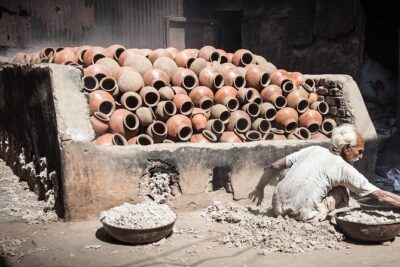
Browse the lists this tour appears in