
Reviewed · SLUM AND COMMUNITY TOURS
Mumbai: Dhobi Ghat Laundry and Dharavi Slum Tour with Local
Mumbai rewards curiosity.
This three-hour tour brings you into Dharavi’s working neighborhoods and the open-air Dhobi Ghat laundry with a local guide who can explain what you are seeing. I like the honest focus on homes, family life, recycling, leather, garments, and textiles. I also like that the route can include a local train ride, turning the journey between sites into part of the experience. The main consideration is that this is a walking tour through a crowded, working community, not a polished sightseeing attraction.
The best guides add real warmth. Bharti, Abi, Ansh, Alkama, Faizan, and Aarti are among the guides praised for their local ties, clear English, patience, and care. The tour aims to move beyond movie images and poverty stereotypes, though you still need to approach Dharavi with humility and respect.
In This Review
- Key points to know before booking
- Why Dharavi deserves more than a movie stereotype
- Walking through homes, workshops, and daily routines
- Plastic recycling, leather, garments, and textiles
- Dhobi Ghat, Mumbai’s open-air laundry
- The local train ride adds a real Mumbai lesson
- Is this a respectful way to visit Dharavi?
- What the $4.45 price really buys you
- Who will enjoy this three-hour experience?
- Practical tips for a better visit
- Should you book the Dharavi and Dhobi Ghat tour?
- FAQ
- How long does the Dharavi and Dhobi Ghat tour last?
- How much does the tour cost?
- What is included in the tour?
- Are food and drinks included?
- Is the tour private or shared?
- Is the local train ride included?
- Where does the tour meet?
- Is the tour conducted in English?
- Can I cancel the tour?
Key points to know before booking
- Dharavi is a place of work as well as home: You may see plastic recycling, leather workshops, garment production, textile work, markets, and residential lanes.
- Dhobi Ghat shows Mumbai’s working machinery: The open laundry offers a close look at how clothes are washed, sorted, dried, and returned to customers.
- Local guides shape the experience: Guides such as Bharti, Abi, Ansh, and Alkama have strong ties to Dharavi and can explain daily life from an insider’s point of view.
- The train ride may be part of the route: Several tour formats include local train travel between Dharavi and Dhobi Ghat, with travel fees included.
- The tour directly addresses ethical concerns: You are encouraged to watch respectfully, avoid treating homes as photo props, and learn about the community rather than simply look at hardship.
- At $4.45, the value is unusually strong: Entry tickets, transport fees, water, and an English-speaking guide are included, while food and drinks cost extra.
Why Dharavi deserves more than a movie stereotype
Dharavi is often reduced to one word: slum. That label hides much of what makes the area important. It is also a dense residential community and a major center of small-scale industry, where people live, work, trade, raise families, and build businesses.
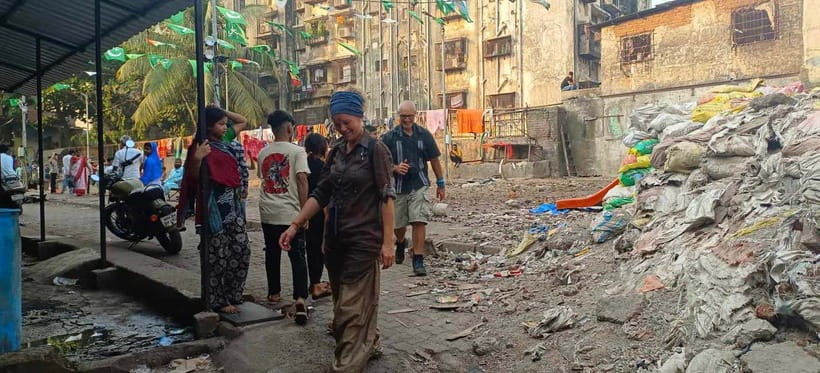
This tour is designed to show those layers. You may see narrow lanes leading past workshops, recycling operations, shops, textile spaces, leather work, and family homes. The guide explains how these activities fit together instead of asking you to view Dharavi as a single story of poverty.
The tour description places the yearly economy at about $1 billion, a figure that helps explain why Dharavi matters to Mumbai. The exact scale is less important than the lesson: this is an active economic district, not simply a place people pass through.
I especially value the chance to see plastic recycling and garment work. These industries reveal practical skills and supply chains that are easy to miss if you only visit Mumbai’s monuments, shopping streets, and waterfront. The work can be noisy, cramped, and visually confronting, but that is part of understanding how the community functions.
You may also visit an area connected with Slumdog Millionaire. Treat this as a small piece of film history, not the main event. The stronger part of the tour is seeing how much ordinary life exists beyond the movie’s dramatic framing.
More Temples and Religious Sites in Mumbai
- Mumbai: Dharavi Slum and Dhobi Ghat Laundry Tour
★ 5.0 · 317 reviews - Private Guided Spiritual Walk in Banganga Hindu Temples
★ 5.0 · 271 reviews - Private Combo Tours Sightseeing + Dharavi Slum + Dhobi Ghat & Dabbawalas
★ 5.0 · 245 reviews
Walking through homes, workshops, and daily routines
A local guide is essential here. Without one, you would see busy lanes and small workspaces but miss the meaning behind them. With a guide, you can ask where families live, how homes are arranged, where children play, how residents relax, and how work takes place so close to domestic life.
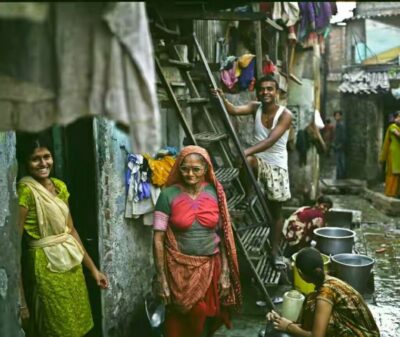
The route can include both industrial and residential parts of Dharavi. That contrast matters. One lane may be devoted to work, while another leads into homes and community spaces. The guide helps you understand how residents manage limited space and how the area’s businesses connect with the wider city.
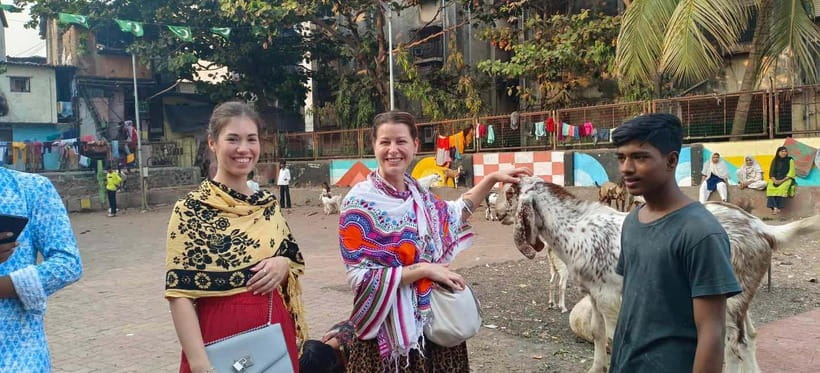
Recent guide experiences have varied by person, but the strongest names include Bharti, Abi, Ansh, Alkama, Faizan, Aarti, Anshika, Ridhi, and Zee. Bharti is repeatedly praised for growing up in Dharavi, speaking excellent English, and knowing people throughout the area. Abi is noted for careful explanations and an easy manner. Alkama is praised for showing both the economy and the human side of the neighborhood.
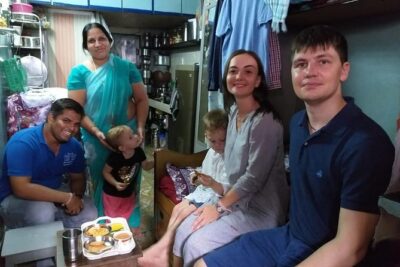
Aarti has even welcomed a tour group for traditional Indian tea. That is not something you should expect as a guaranteed part of every departure, but it shows how a local connection can make the walk feel less formal.
The pace appears adaptable. Guides have slowed down on hot days, checked that people were comfortable, and answered questions without rushing. That helps during a three-hour walk, especially when you are adjusting to heat, crowds, and uneven surroundings.
Plastic recycling, leather, garments, and textiles
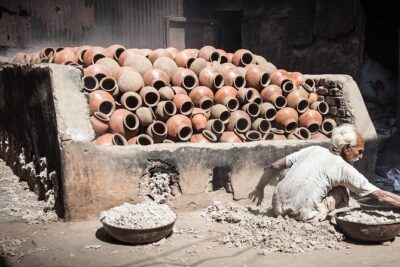
The working areas are among the tour’s most useful stops. Dharavi is known for a range of small industries, and this route may show you how discarded materials are sorted, processed, reused, and turned into saleable products.
Plastic recycling is particularly eye-opening because it changes the way you think about waste. Instead of seeing rubbish as the end of a product’s life, you see a chain of manual work that gives materials another use. The process also raises practical questions about labor, safety, space, and the value of informal industry.
Garment and textile work offer another view of the neighborhood. A small workshop can support families and connect to markets far beyond Dharavi. Leather production adds another layer, showing how specialized trades operate within compact urban spaces.
The guide’s explanation matters more than the act of looking into a workshop. You need context to understand who owns the work, who carries it out, how goods move, and why these industries remain important. Ask questions, but let the guide decide when it is appropriate to pause or speak with workers.
Photography requires restraint. The tour’s purpose is to help you understand a living community, not collect dramatic images of strangers. Keep your camera away from private homes and people who are working unless your guide makes it clear that a photograph is welcome.
Dhobi Ghat, Mumbai’s open-air laundry
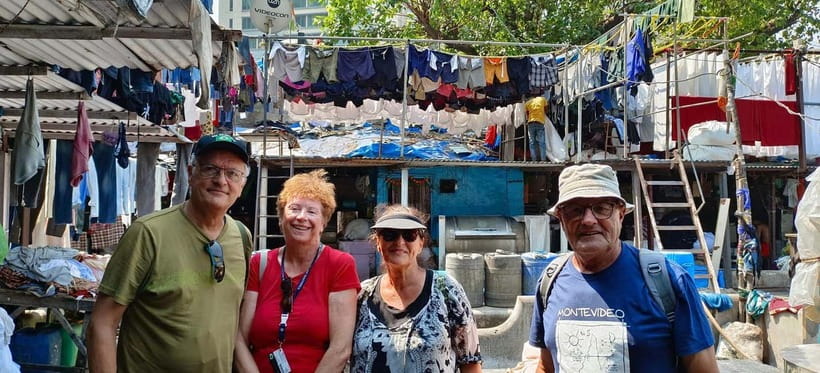
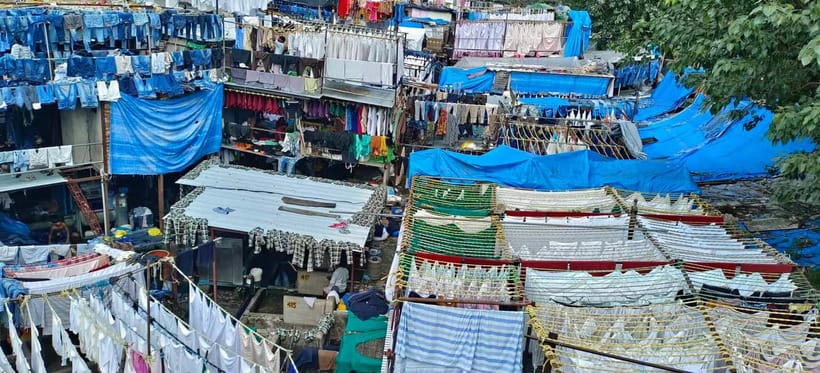
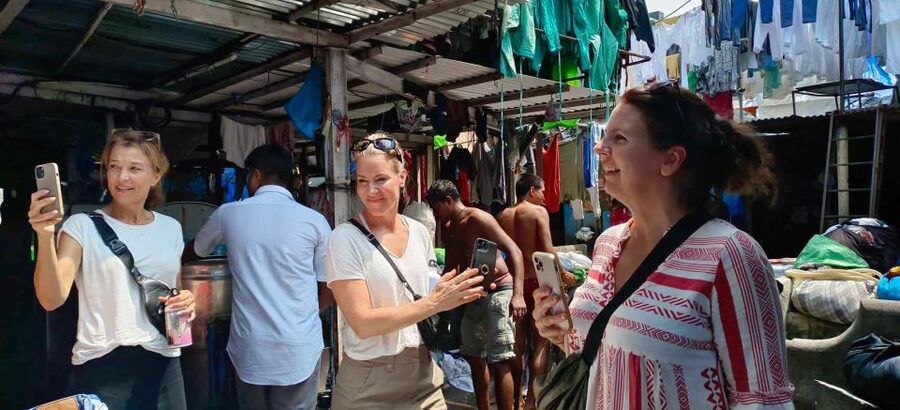
Dhobi Ghat gives the tour a very different focus. At this large open laundry, clothes are washed, handled, dried, and organized as part of a long-running service system. From a distance, it can look like a wall of concrete washing pens and hanging fabric. Up close, you begin to see the coordination behind it.
A guide can explain how the laundry works, what role the workers play, and why the site remains such a memorable part of Mumbai. The value is not just the photo opportunity. It is the chance to see a major city service carried out through hands-on labor in a tightly organized setting.
The word open-air is important. This is not a museum display behind glass. People are working, so you should keep out of the way and follow instructions. The most respectful approach is to watch quietly, ask before taking pictures, and remember that the laundry is someone’s workplace.
The order of the two main stops may vary. Some tours begin in Dharavi and then travel to Dhobi Ghat. Others may arrange the route differently depending on the meeting point and local conditions. Your confirmation should tell you where to meet, since the location can change with the option selected.
A completely different kind of day out:
- Dharavi slum tour in Mumbai by Female tour guides of the slum
★ 5.0 · 1,976 reviews - Mumbai: Full-Day Sightseeing Tour of Mumbai
★ 4.9 · 1,822 reviews - Private Mumbai Sightseeing Tour (Traveller’s Choice Award Winner)
★ 5.0 · 1,565 reviews - Elephanta Caves & Island Guided Private Tour
★ 5.0 · 1,327 reviews
The local train ride adds a real Mumbai lesson
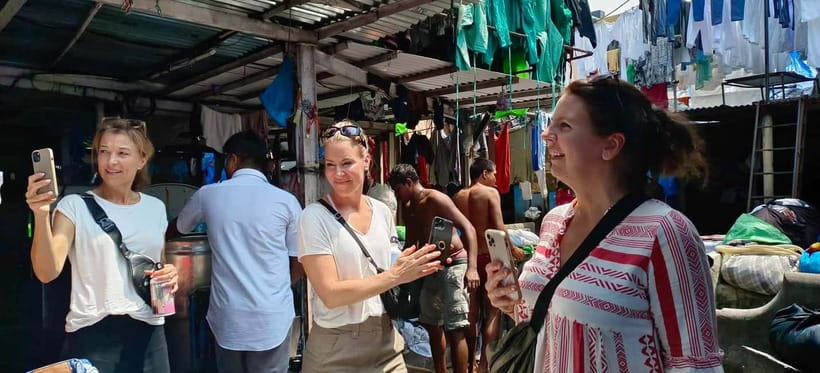
Several departures include travel by local train between the two areas. The train is not just a convenient transfer. It gives you a short look at how Mumbai moves, and it places the tour inside the city’s everyday rhythm.
Some people describe the train ride as one of the most exciting parts, especially because Mumbai’s trains can feel very different from public transport at home. The guide keeps the group together and helps you navigate the journey. One guide even arranged a taxi when building work delayed the train, showing why local support can be useful.
You should not book this tour expecting a quiet, private vehicle from door to door. The train portion can be crowded and energetic. If that sounds stressful, check the exact option before booking, since private and small-group formats are available and the transport plan may vary.
The included travelling fees improve the value. At the listed price, you are not simply paying for a talk and a walk. You may also receive help with the practical movement between two distant parts of Mumbai.
Is this a respectful way to visit Dharavi?
This is the most important question. A tour of a low-income neighborhood can feel uncomfortable if it turns residents into scenery. The experience works best when it treats Dharavi as a community with privacy, work, pride, and ordinary routines.
The tour’s stated aim is to challenge stereotypical ideas about Dharavi. That is a good starting point, but your own behavior matters just as much. Listen carefully, avoid intrusive photos, do not block lanes or doorways, and do not assume that every resident wants to talk.
The local guide makes a major difference. Several guides grew up in Dharavi or currently live there, and their connections help visitors enter with more care. A guide can also tell you when a lane is private, when a workshop is busy, and when it is time to move on.
I would not describe the experience as comfortable in the usual sightseeing sense. You may feel exposed to unfamiliar poverty, crowded housing, and tough working conditions. But discomfort can be useful when it leads to better questions rather than quick judgment.
The tour is not presented as a charity visit, and donations are not listed as part of the activity. You are paying for guiding, transport, entry, and water. If you want to support the community further, ask your guide for responsible local suggestions rather than handing out money or gifts during the walk.
What the $4.45 price really buys you
The listed price of $4.45 per person is remarkably low for a three-hour guided experience in Mumbai. It includes an English-speaking local guide, entry tickets, travelling fees, and water. Food and drinks are not included, so budget separately if you want tea or a meal.
The price is especially good if your departure includes both Dharavi and Dhobi Ghat, plus train travel. You get access to places that can be difficult to understand on your own, along with explanations that turn a quick look into a meaningful visit.
The tradeoff is that the exact format depends on the option you choose. You may join a shared group, a small group, or book privately. A private tour can be worthwhile if you have many questions, need a slower pace, or want a more flexible experience. A shared tour costs less and can work well if you enjoy meeting other people.
The meeting point varies, so read the booking details closely. The tour lasts three hours, and starting times depend on availability. Free cancellation up to 24 hours in advance and the option to reserve now and pay later make the low-cost booking fairly flexible.
Who will enjoy this three-hour experience?
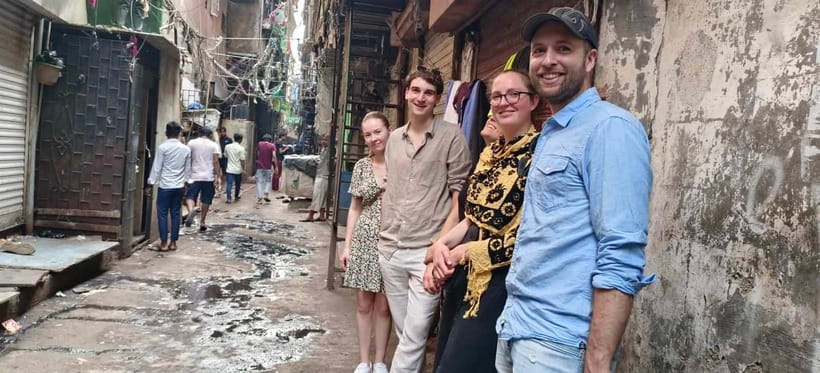
I would recommend this tour to anyone who wants to understand Mumbai beyond palaces, markets, and famous views. It suits curious first-time visitors, solo adults, families with older children, and people interested in urban economies, recycling, labor, and community life.
Families should judge the fit for their own children. An 11-year-old and an 8-year-old completed the experience with a guide who explained things carefully, but the subject matter and crowded streets may not suit every child.
Solo visitors can benefit from the local guidance, particularly if you are uncertain about navigating Dharavi or using Mumbai’s trains. A solo female visitor reported feeling safe throughout, while several other people appreciated guides who helped them continue to their next destination afterward.
This is less suitable if you want a relaxed sightseeing walk, lots of photo stops, or a neatly packaged attraction. It is also not the right choice if you are uncomfortable seeing working poverty firsthand. The experience asks you to pay attention and think.
Practical tips for a better visit
Wear comfortable clothing and shoes suitable for three hours of walking. The tour can take place on a hot day, and one guide was praised for checking the group’s pace and comfort.
Carry some patience for changes. Train delays, local activity, and the conditions of a working neighborhood can affect timing. Guides have shown flexibility, including arranging a taxi when a train was delayed, but you should still avoid scheduling an important appointment immediately afterward.
Keep water with you even though water is included. Food and drinks are not part of the package, so plan to eat before or after the tour.
Ask before taking photographs. The most rewarding moments may come from conversation and explanation rather than images. Let your guide set the tone around homes, workshops, children, and workers.
If you have a choice of guide or can request one, a guide with local roots is particularly valuable. Bharti, Abi, Ansh, Alkama, and Faizan have all been praised for warmth, clear English, and strong knowledge of the area. Guide assignments cannot be guaranteed, but the operator is Inside Mumbai Tours.
Should you book the Dharavi and Dhobi Ghat tour?
Book it if you want a serious, human look at how Mumbai’s communities live and work. The combination of Dharavi’s recycling and manufacturing areas, its residential lanes, Dhobi Ghat’s laundry operation, and a possible local train ride gives you far more than a quick view from a roadside.
I like the tour because it tries to replace easy stereotypes with detail. The low price, included transport fees, and strong local guiding make it an excellent value, provided you approach the visit respectfully.
Skip it if you want a conventional attraction or dislike crowded walking routes. For everyone else, this is one of Mumbai’s most useful introductions to the city’s working life. Choose a private or small-group option if you want more time for questions, and allow a little extra time after the three-hour route.
FAQ
How long does the Dharavi and Dhobi Ghat tour last?
The tour lasts three hours. Starting times depend on availability when you book.
How much does the tour cost?
The listed price is $4.45 per person.
What is included in the tour?
The price includes an English-speaking local guide, entry tickets, travelling fees, and water.
Are food and drinks included?
No. Food and drinks are not included.
Is the tour private or shared?
You can select a private or shared format, with private and small-group options available.
Is the local train ride included?
Several tour routes include a local train ride between Dharavi and Dhobi Ghat. The exact arrangement can depend on the option selected.
Where does the tour meet?
The meeting point may vary depending on the option you book. Check your booking details for the exact location.
Is the tour conducted in English?
Yes. The live tour guide speaks English. An optional English audio guide is also available.
Can I cancel the tour?
You can cancel up to 24 hours in advance for a full refund. The reserve-now, pay-later option is also available.
More Community Tours in Mumbai
- Mumbai: Dharavi Slum, DhobiGhat, and Dabbawallas Tour
★ 4.9 · 689 reviews - Dharavi Slum Tour
★ 5.0 · 625 reviews - Dharavi Slum tour in Mumbai by local resident
★ 5.0 · 572 reviews - Mumbai: Dharavi Slum Slumdog Millionaire Tour with a Local
★ 4.9 · 529 reviews
Just added in Mumbai
- Mumbai Airport to Mumbai Hotels : Private Transfers★ 5.0 · 13 reviews
- Mumbai Sightseeing Tour★ 5.0 · 11 reviews
- Mumbai 800 Year Worli Village: Talking Goddess, Old Fort & more★ 5.0 · 94 reviews
- Customize private tour with pickup★ 5.0 · 95 reviews
- Mumbai Spice Markets and Bazaars Tour with Guide and Transport★ 5.0 · 42 reviews
- Gufran’s Slum Home Tour in the Mumbai Slums★ 5.0 · 19 reviews
- Private Guided Bandra Half Day City Tour in AC Vehicle★ 5.0 · 72 reviews
- The Famous Bollywood Tour of Mumbai★ 5.0 · 97 reviews
Slum and Community Tours, compared.
Dharavi slum tour in Mumbai by Female tour guides of the slum
Read our review →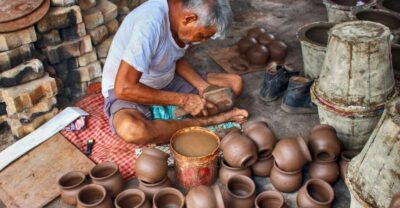
Dharavi Slum Slumdog Millionaire Tour with a Local
Read our review →
Mumbai Slum Tour – Visit Dharavi Slum with Local Guide
Read our review →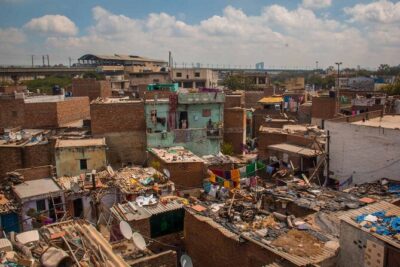
Browse the lists this tour appears in