
Reviewed · SLUM AND COMMUNITY TOURS
Private Dharavi Slum, Dabbawala & Dhobi Ghat tour with Transport
Mumbai makes more sense from the ground. This private tour links Dabbawala deliveries with Dhobi Ghat and Dharavi, giving you three very different views of daily city life. I like the private vehicle and hotel transfers, and I like that the guide adds local context rather than leaving you to look from a distance. The main consideration is the $70 per-person price, which is fair for a private half-day but higher than a shared outing.
The schedule is well shaped, moving from Churchgate to Mahalaxmi and then Dharavi. Guide Sajid received special praise for being friendly and thorough, though the experience can last anywhere from four to seven hours, so you should keep the rest of your day flexible.
In This Review
- Key points at a glance
- Why these three Mumbai stops fit together
- Churchgate Railway Station and the dabbawala system
- Dhobi Ghat beside Mahalaxmi Railway Station
- Dharavi and the work behind Mumbai’s recycling
- What the private vehicle changes
- Timing, duration, and how to plan your day
- How good is the $70 value?
- Who should book this Mumbai experience?
- Should you book the Dharavi, Dabbawala, and Dhobi Ghat tour?
- FAQ
- Where does the tour begin?
- What will I see at Churchgate Railway Station?
- What are dabbawalas?
- How long is the Dhobi Ghat visit?
- What is Dhobi Ghat?
- What will I see in Dharavi?
- Is this a private tour?
- Is transport included?
- Is food included?
- What is the cancellation policy?
Key points at a glance
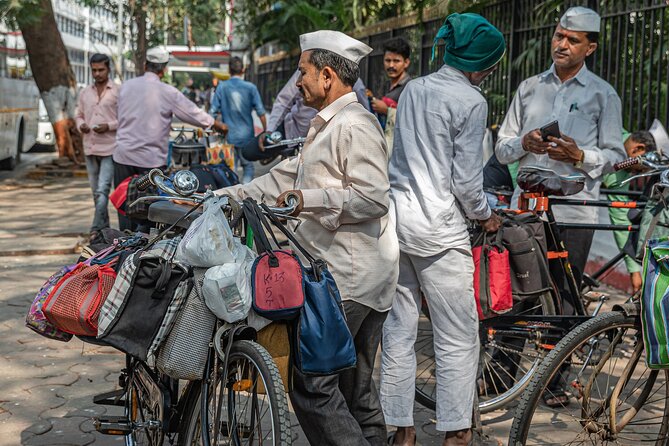
- Churchgate’s lunch delivery system: Watch dabbawalas unload tiffins from wooden carts at one of Mumbai’s key railway stations.
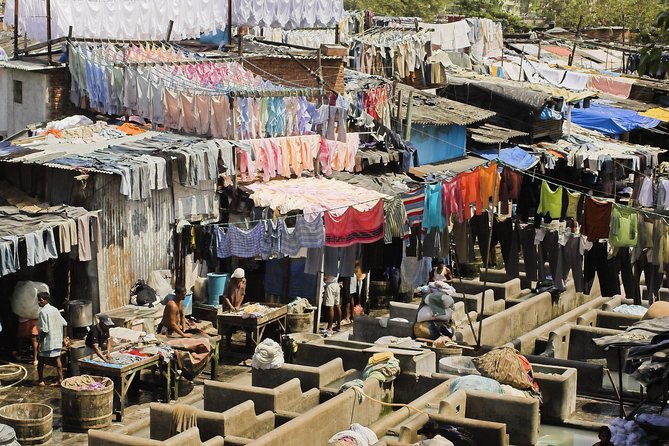
- Mahalaxmi’s Dhobi Ghat: See the open-air laundry operation beside Mahalaxmi Railway Station.
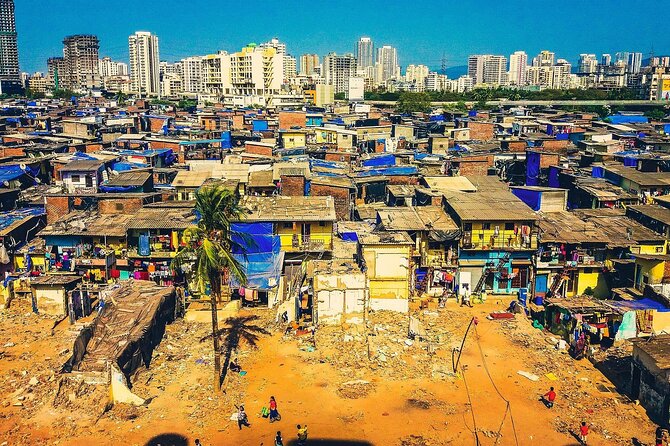
- Dharavi’s recycling work: Visit a recycling area and learn how local residents contribute to Mumbai’s large recycling programs.
- Private transport included: Hotel pickup, a private vehicle, and return transport to a South Mumbai or Colaba hotel are part of the experience.
- A guide-led visit: The guide connects each stop to everyday life in Mumbai, with Sajid singled out for friendly, in-depth guiding.
- A focused city tour: The stops fit into roughly four to seven hours, making this useful when you want a close look at Mumbai without committing to a full-day sightseeing program.
Why these three Mumbai stops fit together
This is not a standard monument tour. You will not spend the day checking off palaces, museums, or grand colonial buildings. Instead, the route focuses on work: delivering meals, washing clothes, sorting recyclable material, and earning a living in one of India’s most expensive cities.
That choice gives the tour its value. Mumbai is often introduced through its famous buildings and film industry, but its daily systems are just as revealing. The dabbawalas show how food moves across the city. Dhobi Ghat shows the scale of laundry work. Dharavi offers a look at recycling and the economic activity of a large low-income settlement.
I like this approach because the stops are connected by ordinary life. You are not simply being shown a set of unusual sights. You are being asked to notice how the city functions.
At the same time, this is a tour that needs a thoughtful attitude. Dharavi is a residential area, not a theme park. The guide’s role matters greatly, since a good explanation can add dignity and context while a rushed visit could feel superficial. The strong praise for Sajid is encouraging, but your exact guide may differ.
More Temples and Religious Sites in Mumbai
- Mumbai: Dhobi Ghat Laundry and Dharavi Slum Tour with Local
★ 5.0 · 469 reviews - Mumbai: Dharavi Slum and Dhobi Ghat Laundry Tour
★ 5.0 · 317 reviews - Private Guided Spiritual Walk in Banganga Hindu Temples
★ 5.0 · 271 reviews
Churchgate Railway Station and the dabbawala system
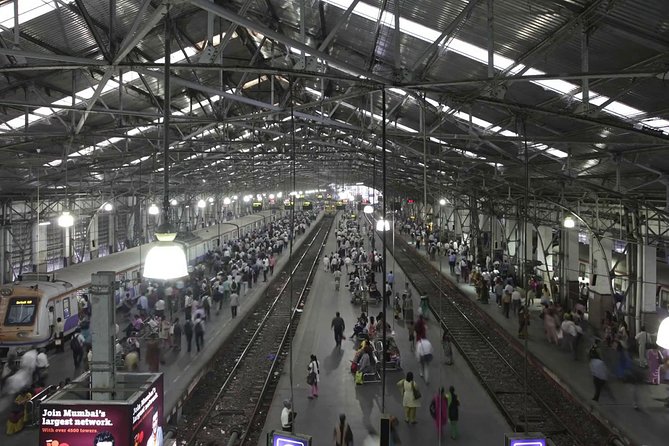
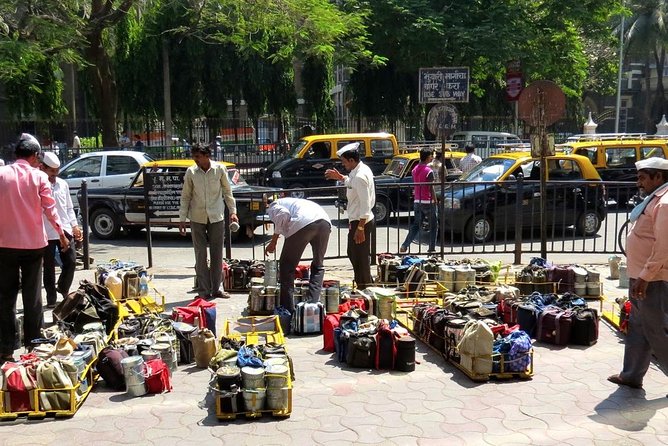
The first stop is Churchgate Railway Station, reached after hotel pickup at about 10:00 in the stated schedule. The focus is the dabbawala operation, especially the moment when lunch tiffins are unloaded from wooden carts.
Dabbawalas deliver thousands of homemade lunches to office workers across Mumbai. At Churchgate, you see one part of that chain as the tiffins arrive and are handled for onward delivery. It is a short stop, listed at about one hour, but it gives you a useful opening view of the city’s working rhythm.
This is one of the tour’s most distinctive moments. A railway station can seem like a place you simply pass through, but here it becomes a window into a carefully organized food-delivery network. You can watch the movement of people and containers while your guide explains what you are seeing.
I like that the tour does not treat the dabbawalas as a quick photo opportunity alone. The best part is understanding why the system matters to office workers and how the station fits into the delivery process. Since the visit is built around a particular operation, timing may affect what you see. The schedule gives 10:00 as the pickup and station start, so a prompt beginning matters.
The station also sets up a useful contrast with the next stop. At Churchgate, the key story is speed and coordination. At Dhobi Ghat, the focus shifts to labor, washing, and the physical work behind clean clothes.
Dhobi Ghat beside Mahalaxmi Railway Station
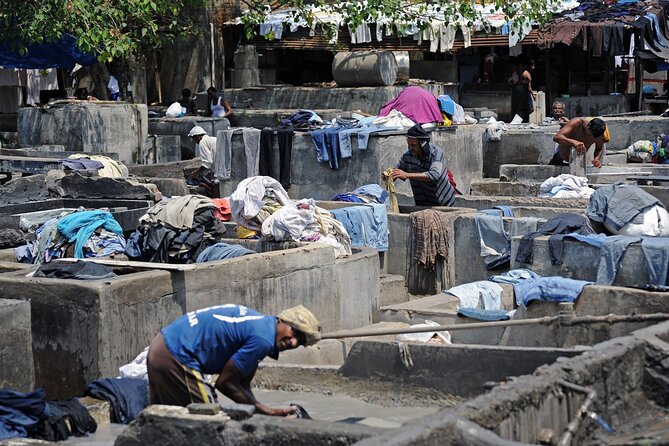
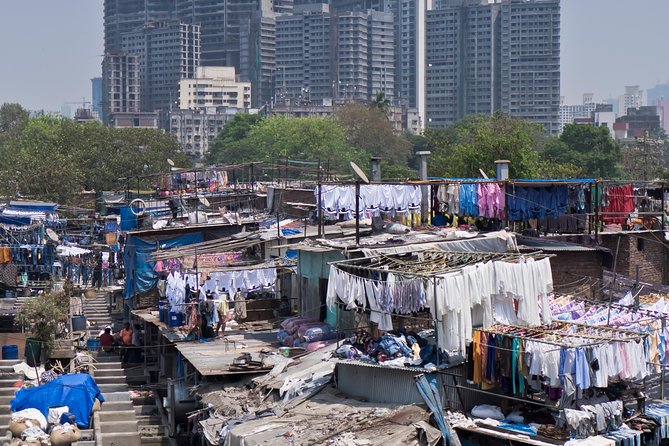
The tour then moves to Mahalaxmi Railway Station, which sits next to the municipal dhobi ghats. This stop is allocated about two hours, making it a larger part of the morning than Churchgate.
Dhobi Ghat is a massive open-air laundry service. Its importance is not just visual. It shows how a city’s hotels, businesses, households, and workers rely on organized manual labor that most visitors rarely consider.
Your guide can help explain what the laundry area does and how it relates to Mumbai’s wider working life. From the station area, you get a chance to see the scale of the operation. The attraction here is not a single building or object. It is the size and structure of the working site.
This stop may suit you especially well if you prefer places where the city’s economy is visible rather than hidden behind polished facades. It is also a practical reason to choose a guided visit. Without context, you might see rows of washing areas and workers but miss how the service fits into Mumbai.
The two-hour allocation gives the guide room to explain the site rather than hurrying you onward. Still, the tour is not presented as a hands-on activity. You are there to observe and learn, not to take part in the laundry work.
Mahalaxmi also marks the point where the tour moves from central railway activity to a more residential and industrial side of Mumbai. That change helps the day feel like a journey through different forms of work, not three unrelated stops.
Dharavi and the work behind Mumbai’s recycling
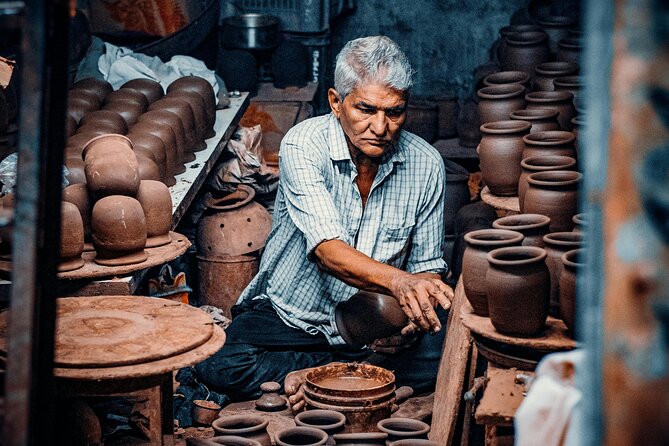
The final major stop is Dharavi, with about two hours set aside. The tour visits a recycling area and explains how local residents contribute to Mumbai’s large recycling programs.
Dharavi is described as home to at least half a million people, within a city where many residents live in slum areas because of high costs. The important point for you is that the tour presents Dharavi through work and community activity, not only poverty.
The recycling focus adds useful balance. Dharavi is often reduced to a label, but a recycling area points to the skills and labor that support the wider city. You can learn how residents contribute to a major urban system, even though that work may be overlooked by people who benefit from it.
I appreciate that this part of the tour includes a specific working area. A general drive past Dharavi would tell you very little. A local guide can help you understand what you are seeing and place it within Mumbai’s economic pressures.
You should also think about how you want to approach the visit. Go with curiosity and respect, and listen to the guide’s explanation. The purpose is not to collect dramatic images of hardship. It is to gain a more complete picture of how people live and work in Mumbai.
The information provided does not promise a list of exact lanes, businesses, or workshops, so you should not book this expecting a fixed set of detailed sub-stops. The clear focus is the recycling area and the wider role of Dharavi residents in the city.
A completely different kind of day out:
- Dharavi slum tour in Mumbai by Female tour guides of the slum
★ 5.0 · 1,976 reviews - Mumbai: Full-Day Sightseeing Tour of Mumbai
★ 4.9 · 1,822 reviews - Private Mumbai Sightseeing Tour (Traveller’s Choice Award Winner)
★ 5.0 · 1,565 reviews - Elephanta Caves & Island Guided Private Tour
★ 5.0 · 1,327 reviews
What the private vehicle changes
Private transport is included, along with pickup and return hotel transfers. The tour ends with a drop-off at a South Mumbai or Colaba hotel, which is useful if you are staying in that part of the city.
This matters in Mumbai. The stops are spread across different parts of the city, and moving between them independently can take time and planning. With a private vehicle, you do not need to work out each transfer between Churchgate, Mahalaxmi, Dharavi, and your hotel.
The vehicle also gives the tour a more personal feel. Since this is a private activity, only your group participates. You can ask questions freely, and the guide can adjust the amount of explanation to your interests more easily than on a large coach tour.
The tradeoff is cost. At $70 per person, the price is easier to justify for two or more people who value private transport and a personal guide. A solo visitor pays more per person for the same service, though the convenience may still be worthwhile if you have limited time.
The tour includes bottled water, which is a small but useful touch for a warm city outing. Food and other drinks are not included, so plan around the four-to-seven-hour duration. You should not assume that a meal break is built into the schedule.
Timing, duration, and how to plan your day
The published schedule begins with hotel pickup at 10:00, Churchgate at 10:00, Mahalaxmi at 11:00, and then Dharavi. The listed stop times add up to about five hours before the return journey, which fits the advertised four-to-seven-hour range.
That range is worth taking seriously. Traffic, time at each stop, and the distance back to your hotel can affect the finish. I would avoid booking a fixed afternoon appointment, airport transfer, or important dinner immediately after the tour.
The experience is best suited to a morning and early afternoon. Starting at Churchgate gives the dabbawala visit a clear place in the day, followed by the laundry and recycling stops. Since the timing of the dabbawala activity is central, arriving on schedule is important.
A mobile ticket makes entry and confirmation simple, while confirmation is received at booking. Free cancellation is available if you cancel at least 24 hours before the local start time. Changes or cancellations inside that period are not accepted for a refund.
The minimum age is 18. Most people can participate, but the provided information does not give more detailed accessibility guidance, so you should ask the operator directly if you have mobility concerns.
How good is the $70 value?
The price includes GST, a professional guide, private vehicle transport, bottled water, and round-trip hotel transfers. It does not include food or drinks.
For a private four-to-seven-hour experience in Mumbai, that package has a clear convenience value. You are paying not just for admission to places, but for a guide, vehicle, route planning, and transport between working areas that are not designed as conventional tourist attractions.
The price is strongest when you are traveling with a small private group. You can share the cost while keeping the flexible format. You also avoid spending part of the day arranging local transport and finding the right station areas on your own.
I would compare it less with a basic sightseeing ticket and more with hiring a private city guide and driver for a half-day. On that basis, $70 per person is reasonable, especially for visitors who want social and economic context rather than only famous landmarks.
It may feel expensive if you want only a quick look at Dharavi or Dhobi Ghat. It is also not the right purchase if your priority is food, shopping, or major historic sights. The value comes from the combination of three focused stops and the explanation provided by the guide.
The experience has received a five-star rating from 26 reviews, with 100 percent recommending it. One especially positive review praised Sajid for an in-depth tour of all three areas, along with his friendly manner. That is the kind of guiding this route needs, since the places are more meaningful when someone can explain their role in the city.
Who should book this Mumbai experience?
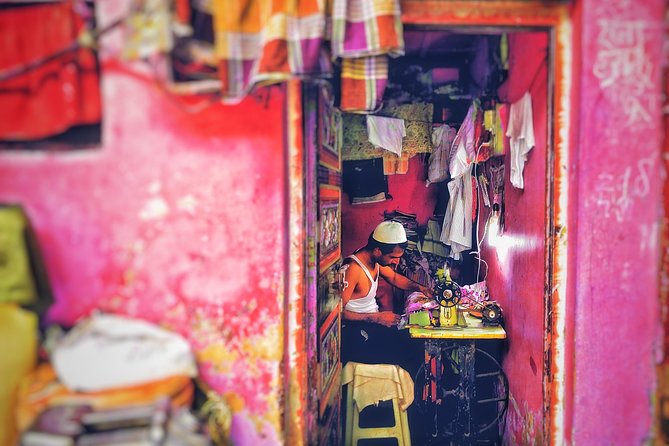
I would recommend this tour to you if you want to understand Mumbai through its workers and urban systems. It suits first-time visitors who want something beyond the usual sightseeing route, as well as returning visitors who have already seen the major landmarks.
It is also a good match if you value privacy. Your group travels alone, hotel transfers are included, and you can direct questions to your own guide. Families with adults, couples, and small groups of friends may find the format especially convenient, subject to the 18-and-over minimum age.
You may want to skip it if you prefer a relaxed sightseeing day with long breaks, shopping, or meals included. The subject matter is serious, and some parts may challenge your assumptions about city life. This is a learning-focused outing, not a light entertainment trip.
Your guide will shape the experience. Sajid’s praised mix of friendliness and detailed explanation is a useful sign, but guide availability can change. The provider is Discover Activities, and the tour is private, so it is reasonable to confirm any particular guide request when booking.
Should you book the Dharavi, Dabbawala, and Dhobi Ghat tour?
Book it if you want a compact, guided look at the working city of Mumbai. The route has a clear purpose, the private vehicle removes much of the transport hassle, and the three stops show different forms of urban labor.
I would especially choose it for a first visit when you have only one free day for this side of Mumbai. The $70 price is fair when you share it with a small group and value a personal guide. Keep your schedule open for up to seven hours, bring your appetite for context rather than entertainment, and remember that Dharavi is a lived-in community.
Skip it if you want monuments, food tasting, or a low-cost group excursion. For the right visitor, though, this is a thoughtful way to see the city beyond its postcard views.
FAQ
Where does the tour begin?
The guide picks you up from your hotel, then takes you to Churchgate Railway Station. The schedule lists the pickup and Churchgate visit at about 10:00.
What will I see at Churchgate Railway Station?
You will see dabbawalas unloading lunch tiffins from wooden carts. The stop is listed at about one hour.
What are dabbawalas?
Dabbawalas deliver thousands of lunches to office workers in Mumbai. The tour focuses on seeing part of this delivery operation at Churchgate.
How long is the Dhobi Ghat visit?
The Dhobi Ghat stop is scheduled for about two hours. It takes place beside Mahalaxmi Railway Station.
What is Dhobi Ghat?
Dhobi Ghat is a large open-air laundry service. The tour shows you this municipal laundry area and explains its place in Mumbai’s working life.
What will I see in Dharavi?
You will visit a recycling area in Dharavi and learn how local residents contribute to Mumbai’s large recycling programs.
Is this a private tour?
Yes. Only your group participates in the private activity.
Is transport included?
Yes. Private vehicle transport and round-trip hotel transfers are included. The stated return drop-off is to a South Mumbai or Colaba hotel.
Is food included?
No. Food and drinks are not included. Bottled water is provided.
What is the cancellation policy?
You can receive a full refund if you cancel at least 24 hours before the experience begins. Cancellations or changes made less than 24 hours before the start are not accepted for a refund.
More Community Tours in Mumbai
- Mumbai: Dharavi Slum, DhobiGhat, and Dabbawallas Tour
★ 4.9 · 689 reviews - Dharavi Slum Tour
★ 5.0 · 625 reviews - Dharavi Slum tour in Mumbai by local resident
★ 5.0 · 572 reviews - Mumbai: Dharavi Slum Slumdog Millionaire Tour with a Local
★ 4.9 · 529 reviews
Just added in Mumbai
- Mumbai Airport to Mumbai Hotels : Private Transfers★ 5.0 · 13 reviews
- Mumbai Sightseeing Tour★ 5.0 · 11 reviews
- Mumbai Spice Markets and Bazaars Tour with Guide and Transport★ 5.0 · 42 reviews
- Mumbai 800 Year Worli Village: Talking Goddess, Old Fort & more★ 5.0 · 94 reviews
- Customize private tour with pickup★ 5.0 · 95 reviews
- Gufran’s Slum Home Tour in the Mumbai Slums★ 5.0 · 19 reviews
- Private Guided Bandra Half Day City Tour in AC Vehicle★ 5.0 · 72 reviews
- Twilight in Mumbai: Discover the City by Night with Food Options★ 5.0 · 24 reviews
Slum and Community Tours, compared.

Dharavi slum tour in Mumbai by Female tour guides of the slum
Read our review →

Dharavi Slum Slumdog Millionaire Tour with a Local
Read our review →
Mumbai Slum Tour – Visit Dharavi Slum with Local Guide
Read our review →
Dhobi Ghat Laundry and Dharavi Slum Tour with Local
Read our review →Browse the lists this tour appears in