
Reviewed · SLUM AND COMMUNITY TOURS
Mumbai: Slum Tour Dharavi & Dhobi Ghat Laundry with a Local
Mumbai looks different from inside its working neighborhoods. This small-group tour links Dharavi’s homes and workshops with Dhobi Ghat, the city’s famous open-air laundry, giving you a closer look at how people live and earn a living. I like the local point of view, especially because the guide comes from Dharavi itself. I also like that the tour addresses the lazy stereotypes built around slums instead of simply showing poverty as a spectacle.
The price is remarkably low at $4.64 per person, and transport fees, entry tickets, and tax are included. The main consideration is that Dhobi Ghat may feel brief, and the tour’s direct style is not for everyone. One recent participant found the guide’s sarcasm uncomfortable and felt the strict instructions about where to stand and when to ask questions made the tour feel a little like a class.
The strongest part is Dharavi. Guides named Fazim, Faizan, and Abi have received especially warm praise for explaining local work, family life, and the area’s origins. You should arrive ready to listen, follow local rules, and accept that this is an educational walk, not a polished sightseeing show.
In This Review
- Key points to know before booking
- Why this two-stop tour matters in Mumbai
- Meeting a local guide at Mahim
- Entering Dharavi beyond the movie image
- Work, family life, and the business of Dharavi
- Dhobi Ghat and Mumbai’s open-air laundry
- What the $4.64 price really offers
- The guide’s style and the right expectations
- Who should book this Mumbai experience?
- Practical advice for a smoother visit
- Should you book the Dharavi and Dhobi Ghat tour?
- FAQ
- How long does the Mumbai Dharavi and Dhobi Ghat tour last?
- What language is the tour conducted in?
- Where is the meeting point?
- How do I find the guide at the meeting point?
- How many people can join the tour?
- Is transport included in the price?
- Can I cancel the booking for a refund?
Key points to know before booking
- A Dharavi resident leads the visit: You enter with someone who lives in the area and knows its streets, businesses, and people.
- Dharavi is presented as a place of work: You may see discussion of plastic recycling, leather, garments, textiles, and metal industries.
- Dhobi Ghat is Mumbai’s giant open laundry: The stop explains how this famous washing center operates, though some people wish they had more time there.
- The tour is built to challenge stereotypes: It focuses on homes, families, children, jobs, and local enterprise rather than treating Dharavi as a curiosity.
- The group is limited to nine people: That is a useful size for walking through narrow areas and asking questions.
- Meet at Third Wave Coffee in Mahim: The cafe is opposite Mahim Junction station on the west side, and the guide will look for you by name.
Why this two-stop tour matters in Mumbai

Many first-time visits to Mumbai stay with grand buildings, waterfront views, and famous markets. Those sights matter, but they do not explain how much of the city functions day to day. This tour shifts the focus from Mumbai’s postcard face to its workers, households, and small industries.
The pairing of Dharavi and Dhobi Ghat makes sense. Dharavi shows a neighborhood where people live and work in close quarters. Dhobi Ghat shows a large, organized service industry in the open. Together, they help you see Mumbai as a city powered by labor as much as by landmarks.
The tour also tries to correct the image created by films and headlines. The reference to Slumdog Millionaire is part of the route, since scenes from the film were shot inside Dharavi. Yet the main point is not the movie. It is the daily life around it.
I would approach this outing with respect and curiosity. You are visiting someone’s home area, not entering a theme park. The guide’s local connection gives the visit meaning, but it also means you need to accept a more direct set of instructions than you might get on a standard city walk.
More Temples and Religious Sites in Mumbai
- Mumbai: Dhobi Ghat Laundry and Dharavi Slum Tour with Local
★ 5.0 · 469 reviews - Mumbai: Dharavi Slum and Dhobi Ghat Laundry Tour
★ 5.0 · 317 reviews - Private Guided Spiritual Walk in Banganga Hindu Temples
★ 5.0 · 271 reviews
Meeting a local guide at Mahim
The tour begins at Third Wave Coffee, opposite Mahim Junction station on the west side. You can reach the meeting point by Uber or local transport from your hotel. A tuk tuk rickshaw is not allowed at this meeting point, so do not rely on arriving by that method.
The instructions are simple. Sit inside the cafe or wait outside, and the guide will find you by asking your name and introducing himself. Since the group has no more than nine participants, this should be easier than finding a large tour bus or a guide holding a prominent sign.
The guide may be Fazim, Faizan, Abi, or another member of the local team. The strongest comments have focused on the guides’ command of English and their connection to Dharavi. Fazim was praised for taking time to explain the area’s origins, work, and family life. Faizan was valued for showing the reality of residents’ lives, while Abi was praised for leading visitors into everyday Mumbai with strong English.
That local link is the tour’s central advantage. A guide who lives in Dharavi can explain more than a guide who simply memorized a few facts. You may also notice that people know the guide as he or she walks through the neighborhood. One participant described the guide as a resident who was greeted by people along the way, which made the visit feel more personal.
Entering Dharavi beyond the movie image
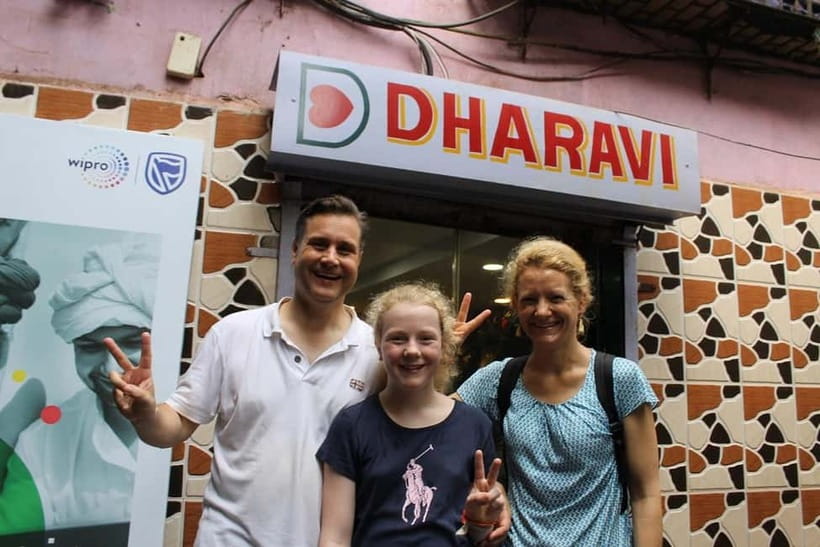
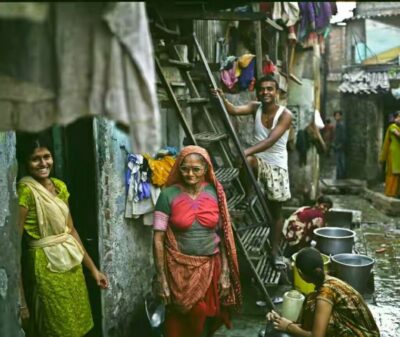
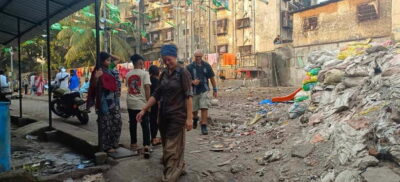
Dharavi is often reduced to one word: slum. This tour asks you to replace that label with a fuller picture. You can expect discussion of where people live, where families spend time, where children play, and how residents organize work close to home.
The walk is meant to show the neighborhood as a place of enterprise. The tour description points to plastic recycling, leather production, garment and textile work, and metal industries. It also gives an annual economic figure of around $1 billion, a claim used to show that Dharavi is not simply an area of need. It is also a major center of production and trade.
That shift is important. You may see cramped living conditions, but the guide’s role is to explain the work and routines that continue within them. Instead of leaving with a flat image of hardship, you should gain a better sense of how homes, family life, and businesses overlap.
The tour does not promise an easy or sentimental story. Dharavi can raise difficult questions about housing, income, privacy, and the ethics of sightseeing in a residential district. The local guide helps address those questions, but the format cannot answer every social or political issue in two and a half hours.
This is also where your own behavior matters. Listen when the guide tells you where to stand and how to move. One participant felt those rules were too strict, while others valued the careful handling of the group. In a narrow residential area, clear instructions may feel less relaxed than a normal walking tour, but they can help keep the visit orderly.
Work, family life, and the business of Dharavi

The most useful part of the Dharavi visit is the link between work and home. You are not only shown a district; you are introduced to the reasons people live and work there. The guide explains the businesses found in the area and how households fit into that system.
Plastic recycling, leather, garments, textiles, and metal work each offer a different way to think about the neighborhood. The tour may help you see why Dharavi has economic importance far beyond its public image. Its workshops and family businesses are part of Mumbai’s wider economy.
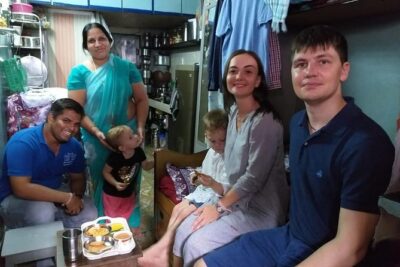
The family side matters just as much. The walk covers where families live, where children play, and how people relax. These details prevent the visit from becoming a parade of workshops. You get a glimpse of the ordinary routines that make a neighborhood feel like home.
The route also includes the place connected with Slumdog Millionaire. That can be an interesting film footnote, especially if you know the movie, but I would treat it as a small part of the visit. The better reason to book is the guide’s explanation of real life in Dharavi, not the chance to identify a filming spot.
Photography deserves care even though a formal camera policy is not specified in the tour details. You should ask before taking pictures of people, homes, or workspaces. A good visit depends on treating the area as a living community rather than as a collection of images.
A completely different kind of day out:
- Dharavi slum tour in Mumbai by Female tour guides of the slum
★ 5.0 · 1,976 reviews - Mumbai: Full-Day Sightseeing Tour of Mumbai
★ 4.9 · 1,822 reviews - Private Mumbai Sightseeing Tour (Traveller’s Choice Award Winner)
★ 5.0 · 1,565 reviews - Elephanta Caves & Island Guided Private Tour
★ 5.0 · 1,327 reviews
Dhobi Ghat and Mumbai’s open-air laundry
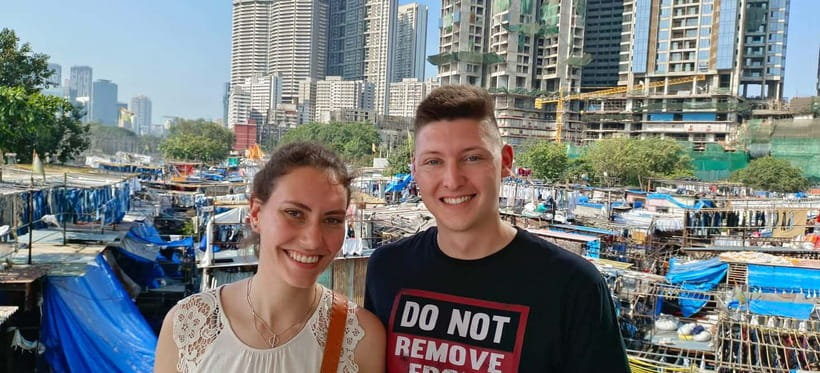
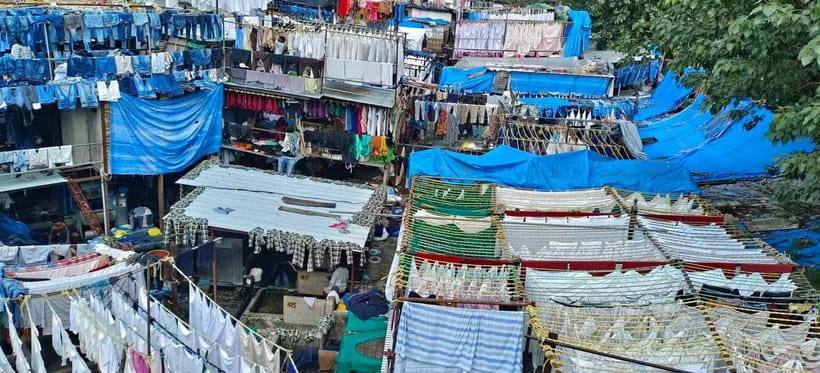
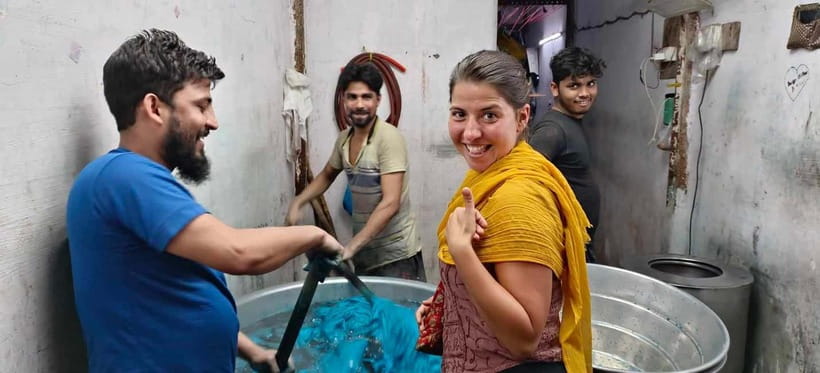
The second major stop is Dhobi Ghat, described as Mumbai’s largest open-air laundry and Asia’s biggest laundry facility. It is one of the city’s most recognizable working sights, with rows of washing areas that have become a regular part of Mumbai sightseeing.
The guide explains the activities carried out there and gives the stop historical and cultural context. The value is not just seeing laundry in the open. You learn why Dhobi Ghat matters to Mumbai and how this large service operation has become famous among international visitors.
The main limitation is time. The entire tour lasts 2.5 hours, and the route also includes transport between the meeting point, Dharavi, and Dhobi Ghat. One participant found the laundry stop interesting but wished it lasted longer. Another visitor wanted to go a little farther inside, suggesting that the Dhobi Ghat portion may feel more like an introduction than an extended visit.
That does not make the stop unworthy. It means you should set your expectations correctly. If Dhobi Ghat is your main reason for booking, you may want a longer or more focused visit. If you want the two locations together, the short stop gives you a useful look without taking the whole morning or afternoon.
The contrast between the two places is especially helpful. Dharavi is explained through residential life and local industries. Dhobi Ghat is explained through a large public work site. The combination gives the tour a clear shape instead of offering two unrelated attractions.
What the $4.64 price really offers
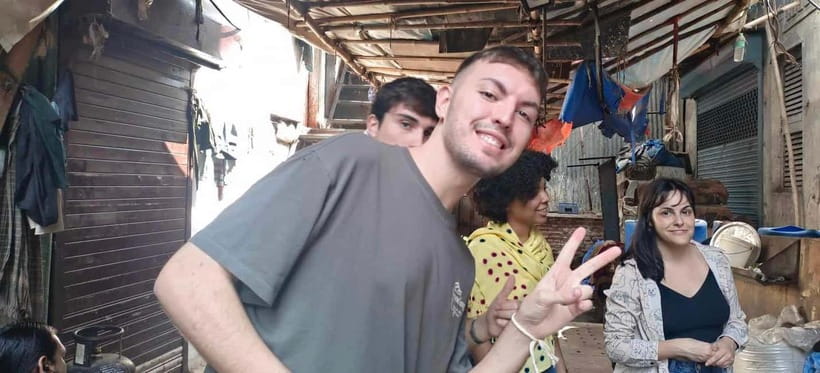
At $4.64 per person, this is one of the least expensive guided experiences you can book in Mumbai. The value is strong because the listed price includes the local English-speaking guide, travel fees, entry tickets, and tax.
The small group helps the price feel even better. With a limit of nine people, you should have a better chance of hearing the guide and asking questions than you would in a large coach group. It also keeps the group small enough for a residential walk.
Still, a very low price can signal a simple operation rather than a polished one. Do not expect private transport, a long meal stop, or a carefully staged presentation. This is a short local walk with movement between locations and a direct teaching style.
The free cancellation window and reserve-now, pay-later option also reduce the risk of booking. You can cancel up to 24 hours before the activity for a full refund, and you do not need to pay at the time of reservation. Those terms are useful if your Mumbai schedule is still changing.
The guide’s style and the right expectations
The English-language guiding has been a strong point. Visitors from Spain, Italy, the United Kingdom, Sweden, Japan, and elsewhere have found the explanations clear and useful. The names Fazim and Faizan appear in especially positive feedback, with praise for their local knowledge and personal care.
The tone may be firm. One participant found the guide’s sarcasm occasionally offensive and felt that instructions about standing, speaking, and questions were too strict. I would not ignore that criticism. A local guide leading a group through a sensitive residential area has reasons to control the pace, but the style may not suit someone who prefers a loose, chatty walk.
The best approach is to ask questions at suitable moments and follow the guide’s directions. You are not only managing your own experience; you are helping the group avoid disruption. If you need a lot of time for photographs or free wandering, this is probably not the right format.
On the other hand, a firm guide can protect the purpose of the visit. The tour is trying to show real life without turning residents into a display. The more carefully you move and listen, the more useful the experience becomes.
Who should book this Mumbai experience?
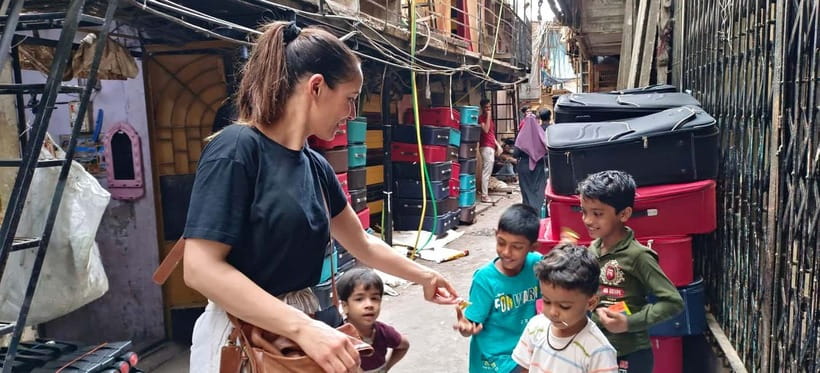
I would recommend this tour to you if you want to understand Mumbai through work and daily life rather than only through monuments. It is particularly suitable if you are interested in urban economics, family businesses, film locations, or the way local communities function.
It also suits first-time visitors who want a short introduction to two important working areas. The 2.5-hour duration is manageable, and the small group makes the outing less intimidating than a large organized excursion.
You may want to skip it if you dislike walking through residential areas or feel uncomfortable with the ethical questions involved in slum tourism. The tour works hard to avoid stereotypes, but the subject itself can still feel emotionally complicated. You should be ready to think about poverty, privacy, business, and tourism at the same time.
It may also disappoint you if you expect a long visit inside Dhobi Ghat. The laundry stop is part of a wider route, and some people find it too short. For a fuller focus on the washing facility, look for an activity dedicated to Dhobi Ghat alone.
Practical advice for a smoother visit
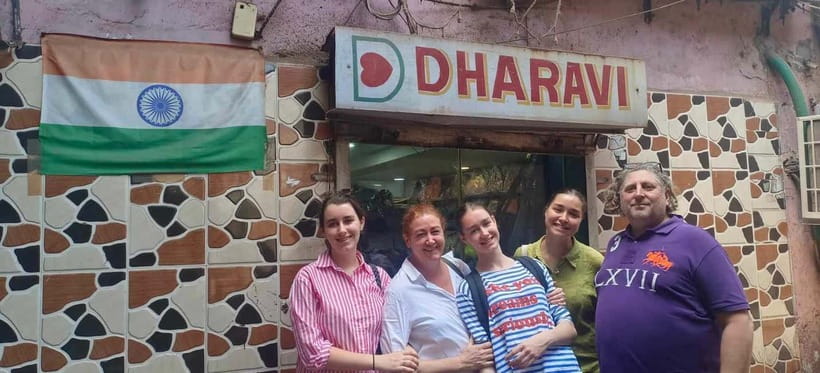
Meet at Third Wave Coffee in Mahim, opposite Mahim Junction station on the west side. Arrive with enough time to identify the cafe and wait inside or outside, since the guide will locate you by name.
Wear comfortable clothing for a 2.5-hour walking experience and keep your group compact as you move through the area. The tour is limited to nine participants, so delays or wandering away can affect everyone.
Keep your questions focused on the neighborhood, its industries, and daily life. The guides are there to explain the places you see, and the best parts of the tour come from the local details rather than from rushing toward a checklist of sights.
Remember that the guide may ask you to stand in a certain place or wait before asking questions. If that feels strict, understand the setting before judging the style. You are walking through a real community, not a purpose-built attraction.
Should you book the Dharavi and Dhobi Ghat tour?
Book it if you want an affordable, local-led introduction to the working side of Mumbai. The combination of a Dharavi resident guide, a group capped at nine, included transport fees and tickets, and a price of $4.64 gives you excellent value.
Book with realistic expectations. Dharavi receives the fuller treatment, while Dhobi Ghat may feel brief. The guide can be direct, and the experience asks you to behave respectfully in a residential setting.
For most curious visitors, the Dharavi portion is the reason to go. Guides such as Fazim, Faizan, and Abi have been praised for making the area understandable and personal. If you want to see beyond the stereotype and learn how homes, families, and industries fit together, this is a worthwhile addition to your Mumbai plans.
FAQ
How long does the Mumbai Dharavi and Dhobi Ghat tour last?
The tour lasts 2.5 hours.
What language is the tour conducted in?
The tour is conducted in English with a live English-speaking local guide.
Where is the meeting point?
The meeting point is Third Wave Coffee in Mahim, opposite Mahim Junction station on the west side.
How do I find the guide at the meeting point?
You can sit inside the cafe or wait outside. The guide will find you by asking your name and introducing himself or herself.
How many people can join the tour?
The tour is limited to nine participants.
Is transport included in the price?
Travel fees are included, along with entry tickets and tax.
Can I cancel the booking for a refund?
You can cancel up to 24 hours in advance for a full refund. You can also reserve your place and pay later.
More Community Tours in Mumbai
- Mumbai: Dharavi Slum, DhobiGhat, and Dabbawallas Tour
★ 4.9 · 689 reviews - Dharavi Slum Tour
★ 5.0 · 625 reviews - Dharavi Slum tour in Mumbai by local resident
★ 5.0 · 572 reviews - Mumbai: Dharavi Slum Slumdog Millionaire Tour with a Local
★ 4.9 · 529 reviews
Just added in Mumbai
- Mumbai Airport to Mumbai Hotels : Private Transfers★ 5.0 · 13 reviews
- Mumbai Sightseeing Tour★ 5.0 · 11 reviews
- Mumbai Spice Markets and Bazaars Tour with Guide and Transport★ 5.0 · 42 reviews
- Mumbai 800 Year Worli Village: Talking Goddess, Old Fort & more★ 5.0 · 94 reviews
- Customize private tour with pickup★ 5.0 · 95 reviews
- Gufran’s Slum Home Tour in the Mumbai Slums★ 5.0 · 19 reviews
- Private Guided Bandra Half Day City Tour in AC Vehicle★ 5.0 · 72 reviews
- The Famous Bollywood Tour of Mumbai★ 5.0 · 97 reviews
Slum and Community Tours, compared.
Dharavi slum tour in Mumbai by Female tour guides of the slum
Read our review →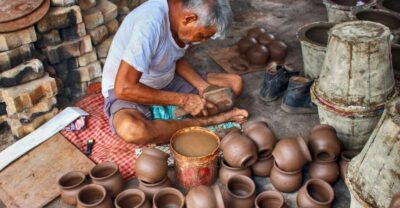
Dharavi Slum Slumdog Millionaire Tour with a Local
Read our review →
Mumbai Slum Tour – Visit Dharavi Slum with Local Guide
Read our review →
Dhobi Ghat Laundry and Dharavi Slum Tour with Local
Read our review →Browse the lists this tour appears in