
Reviewed · SLUM AND COMMUNITY TOURS
Mumbai Slum Tour –An insight of Dharavi Slum with Local Guide
Dharavi rewards curiosity, not quick judgments. This two-hour walking tour offers a closer look at one of Mumbai’s best-known communities, with a local resident explaining its homes, workshops, markets, schools, and places of worship. I like the focus on working life rather than poverty alone, and I like that the tour is designed as a responsible, guided visit instead of an unsupervised walk through unfamiliar lanes. The main consideration is simple: Dharavi is a crowded residential and industrial area, so you need to be comfortable walking through narrow passages and seeing working conditions that may feel very different from home.
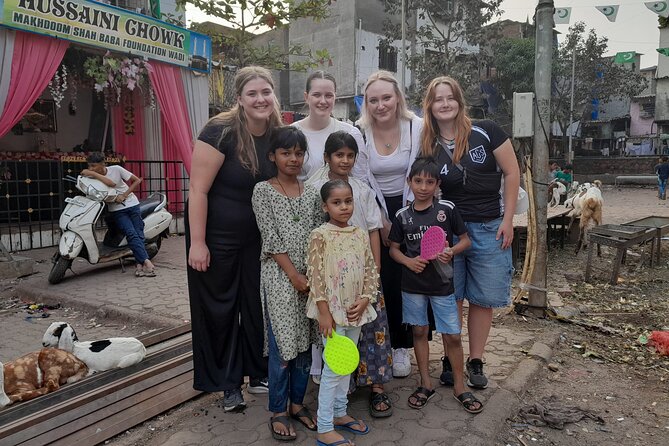
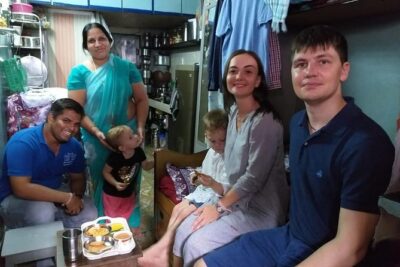
The tour is especially appealing for solo visitors and first-time Mumbai guests who want context. A German-speaking review praises a guide named Ruqaiyya, particularly for making a solo woman feel safe while explaining daily life in the area. That personal attention is important here. You are not just following a route and taking pictures. You are listening to someone who knows the community and can help you understand what you are seeing.
At about $10.04 per person, this is a strong value for a two-hour guided walk, bottled water, and local interpretation. Pickup is offered, but the published meeting point is Third Wave Coffee on Tip Road in Mahim, while the walk ends at the operator’s Dharavi office. Confirm the exact pickup details and group size before you go, especially since both private and small-group options are offered, yet the maximum listed capacity is 50 people.
In This Review
- Key points before you book
- Why Dharavi deserves a closer look
- Meeting in Mahim and reaching Dharavi
- Plastic recycling and the working side of Dharavi
- Textiles, bakeries, and everyday production
- Leather workshops and goods made for export
- Narrow lanes, homes, temples, and mosques
- Markets, schools, and community life
- What the local guide adds
- Is $10.04 a fair price?
- Who will enjoy this walk most?
- Booking, cancellation, and practical details
- Should you book the Dharavi walk?
- FAQ
- How long does the Dharavi tour last?
- How much does the tour cost?
- Is an English-speaking guide included?
- Is bottled water provided?
- Is food included?
- Where does the tour start?
- Where does the tour finish?
- Can the guide help with transport after the tour?
- Is hotel pickup available?
- Can I cancel for a full refund?
Key points before you book
- Plastic recycling in action: See how discarded material is melted, shaped, and reused in small-scale units.
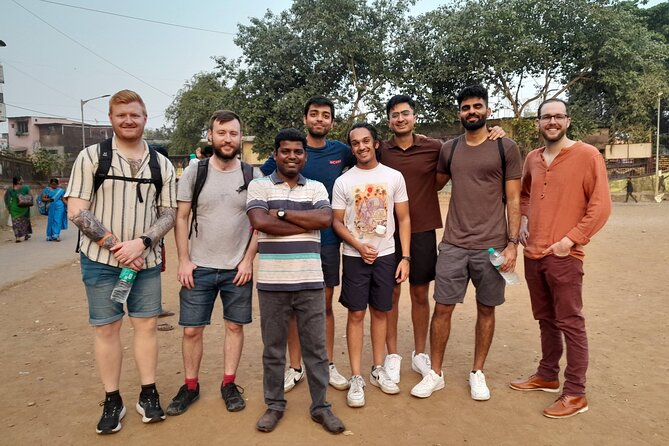
- A local guide leads the way: Guides such as Ruqaiyya help explain daily life and make the route easier for solo visitors.
- Workshops are the main attraction: Textile, bakery, leather, and other production spaces show Dharavi as a place of work and enterprise.
- The route ends inside Dharavi: Your guide can help arrange a car, Uber, taxi, or train connection afterward.
- A short, low-cost experience: Two hours and roughly $10.04 make this easy to add to a Mumbai itinerary.
- Respect matters: You are entering people’s homes and workplaces, so listen carefully, follow your guide, and avoid treating the area like a backdrop.
Why Dharavi deserves a closer look
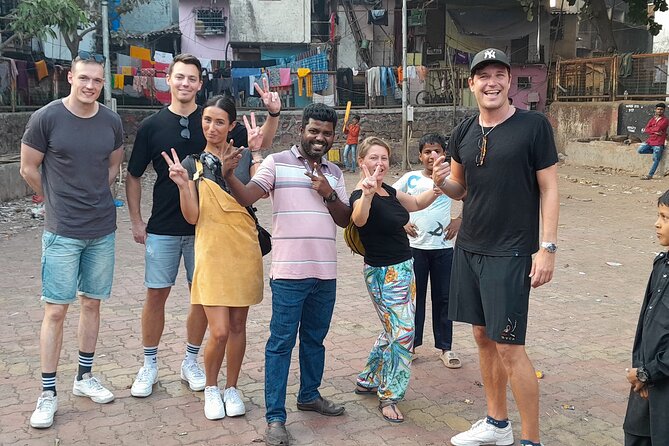
Many visitors first hear about Dharavi through headlines that reduce it to overcrowding and hardship. This walk aims to give you a fuller picture. You see homes, places of worship, schools, markets, and small factories operating close together, with work and family life sharing the same tight network of lanes.
That mix is what makes the visit valuable. Dharavi is not a museum or a staged village. It is a living neighborhood where people make goods, sell food, attend school, worship, and handle ordinary errands. The guide’s role is to explain how these parts fit together and to correct simple assumptions.
I appreciate that the tour includes both industry and community life. If you only see workshops, you miss the people who live there. If you only hear about housing, you miss the skill and effort behind the products made in the area. The route tries to show both sides within a compact two-hour walk.
Still, you should set the right expectations. This is an educational visit, not a polished sightseeing attraction. The lanes can be narrow, the surroundings can be busy, and the factories may be basic. The experience asks for attention and respect, not a checklist of pretty sights.
More Community Tours in Mumbai:
- Dharavi slum tour in Mumbai by Female tour guides of the slum
★ 5.0 · 1,976 reviews - Mumbai: Dharavi Slum, DhobiGhat, and Dabbawallas Tour
★ 4.9 · 689 reviews - Dharavi Slum Tour
★ 5.0 · 625 reviews
Meeting in Mahim and reaching Dharavi
The listed starting point is Third Wave Coffee, Tip Road, Unit 58, Ground, Ram Mahal, Senapati Bapat Marg, Marinagar Colony, near Mahim station in Mumbai. That gives you a recognizable meeting place near public transportation, which is useful in a city where traffic can make short distances take time.
Pickup is offered, but the meeting information also gives a specific start location. I would confirm the arrangement before the day of the tour. Ask where you should meet, what time the guide expects you, and whether pickup applies to your hotel or only to selected areas.
The tour ends at Kumbhar Wada in Dharavi, at the operator’s office. This is practical because you do not have to retrace the walking route. The guide can help you find your next transport, including a car, Uber, taxi, or train. That assistance is useful if you are unfamiliar with Mumbai or if the tour finishes in an area you have not visited before.
The walk lasts about two hours. That is long enough to see several types of work and community spaces, but short enough to fit beside another Mumbai activity. Give yourself extra time around the tour for city traffic and finding the meeting point.
Plastic recycling and the working side of Dharavi
One of the most interesting parts of the walk is the visit to plastic recycling units. You can see waste being melted, molded, and reused instead of simply thrown away. The process gives you a practical view of how discarded material becomes a saleable product.
This stop matters because it turns a broad idea such as recycling into something you can observe at close range. You see the labor, tools, and small-scale production involved. It also helps explain why Dharavi is connected to Mumbai’s wider economy.
The drawback is that recycling units are working environments, not visitor centers. Conditions may be noisy, hot, or cramped, although the supplied tour information does not promise specific conditions. Stay with your guide, follow instructions, and do not assume every part of the process is arranged for public viewing.
Textiles, bakeries, and everyday production
The textile workshops offer another look at local enterprise. Clothes may be stitched, dyed, and printed in small units, showing how a finished garment can pass through several stages within a compact area.
I like this part of the route because it gives you something concrete to follow. Instead of hearing that Dharavi has industry, you can watch skilled work taking place. The guide can provide the local setting and explain how these workshops fit into daily life.
The bakery units add a completely different note. They produce khari biscuits, bread, and local snacks. This stop connects the tour with food people actually buy and eat, rather than with an industry aimed only at outside markets.
Food is not included in the price, so do not expect a tasting program or meal. The bakeries are included as places to see and understand. If you want to eat during the experience, you will need to pay separately, and the available information does not promise a specific food stop.
A few more options to weigh up in Mumbai
- Mumbai: Full-Day Sightseeing Tour of Mumbai
★ 4.9 · 1,822 reviews - Private Mumbai Sightseeing Tour (Traveller’s Choice Award Winner)
★ 5.0 · 1,565 reviews - Elephanta Caves & Island Guided Private Tour
★ 5.0 · 1,327 reviews - Group Guided Walking Tour in Fort and Colaba
★ 5.0 · 1,073 reviews
Leather workshops and goods made for export
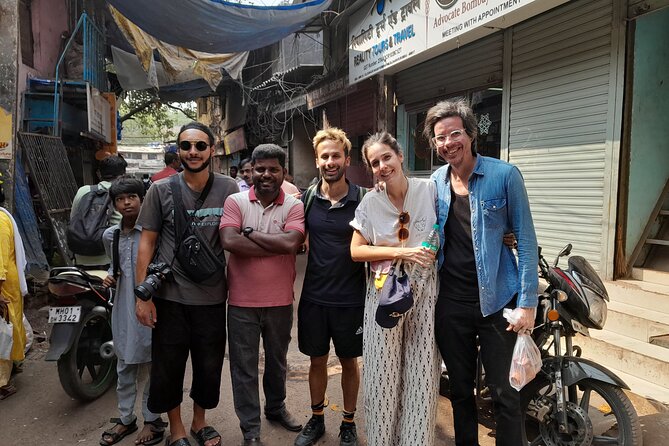
The route also includes leather tanneries and small factories producing goods for export. This is useful for understanding the range of work in Dharavi. The neighborhood is not limited to one trade or one type of workshop.
Leather production can be an eye-opening stop because it brings raw materials, hand skills, and commercial demand together in one place. The guide can help explain what the workers are making and how the businesses connect with buyers beyond Mumbai.
There is a practical point to keep in mind. The tour information names leather tanneries twice, so this appears to be an important part of the route. If you have concerns about strong smells, industrial spaces, or seeing animal-based products, consider that before booking. No special conditions are promised, and the experience is not designed around avoiding difficult subjects.
Narrow lanes, homes, temples, and mosques
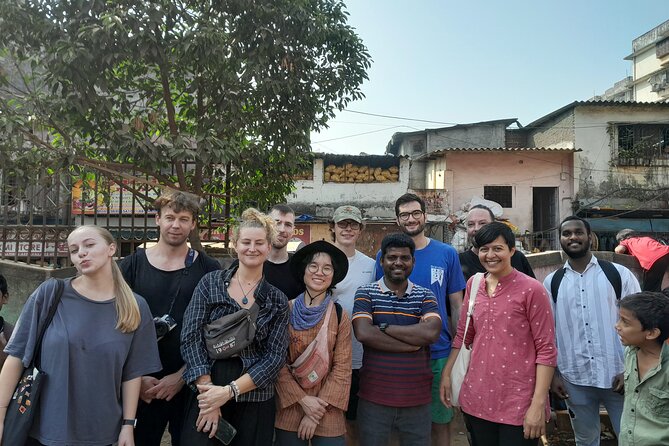
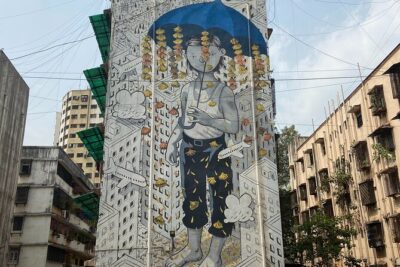
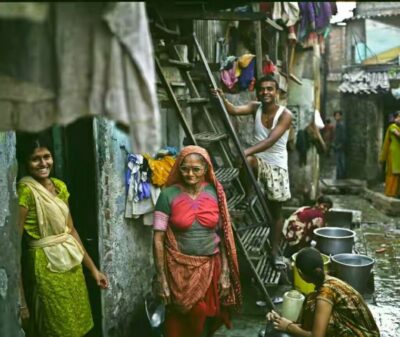
The walk moves through colorful narrow lanes lined with small homes, temples, and mosques. This is where the visit shifts from factory activity to neighborhood life.
You get a sense of how closely homes, places of worship, shops, and workspaces sit together. The route can help you see Dharavi as a community rather than a single category. It is a place where people live and work in the same area, often within a tight urban layout.
This part also calls for good manners. Do not wander away from the group, block entrances, or photograph people without permission. The supplied information presents the tour as safe and respectful, but good conduct is still your responsibility.
For solo women, having a local guide may be especially reassuring. The feedback about Ruqaiyya describes her as supportive and helpful to a woman who would not have felt comfortable walking through the area alone. That does not remove the need for normal city awareness, but it shows why a guided visit can be a better choice than going independently.
Markets, schools, and community life
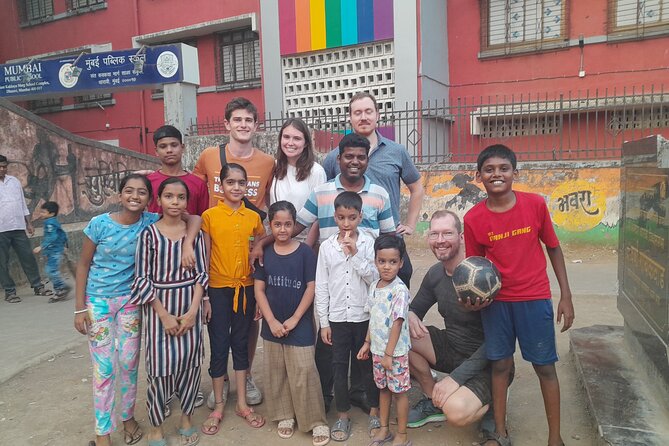
Local markets selling daily essentials and fresh produce add another ordinary, useful layer to the route. These are not just places to pass through. They show how residents shop and how the neighborhood serves its own needs.
The tour also points to community schools and work connected with education and welfare. This is an important inclusion because it moves the conversation beyond business and housing. You see the structures that support children and community life.
The available details do not promise a classroom visit or a meeting with school staff. Think of this as an explanation of local education and welfare efforts rather than a formal school tour. The guide’s interpretation will shape how much context you gain at this stop.
What the local guide adds
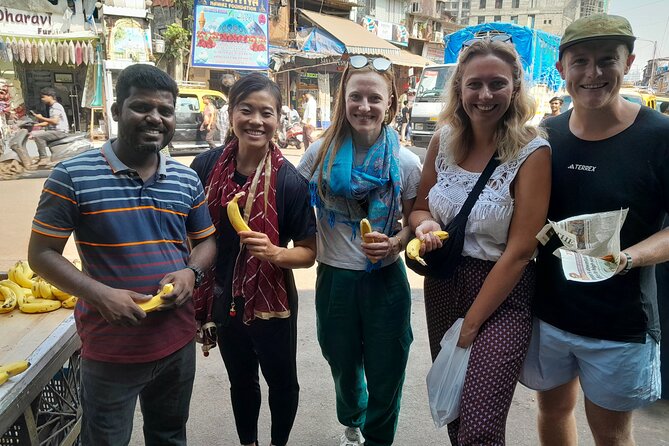
A local guide is the heart of this experience. Without one, narrow lanes and small workshops could be confusing, and it would be easy to draw the wrong conclusions from a quick look.
The tour is conducted in English, and the guide explains both the work and the people behind it. A local resident can also help you move through the neighborhood in a way that is more considerate than simply arriving with a camera and a map.
The mention of Ruqaiyya is worth noting. Her guidance was praised for making the walk feel safe and informative, especially for a solo woman. You cannot guarantee that she will lead your particular departure, so treat her name as an example of the kind of personal guidance the operator aims to provide, not as a promised assignment.
Private and small-group tours are available. At the same time, the listed maximum is 50 participants. That is a large possible ceiling for a walking experience in tight lanes. If personal contact matters to you, request a small group or private option and confirm the final size before paying.
Is $10.04 a fair price?
At about $10.04 per person, the price is modest for Mumbai. You receive an English-speaking local guide, bottled water, and about two hours of organized walking. The value comes less from the number of stops than from the explanations that connect them.
You are paying for access with context. A self-guided walk might show you lanes, shops, and workshops, but it would not provide the same help in understanding what the work means or how the community functions.
The price becomes even more attractive if you are already near Mahim or can use public transportation to reach the start. Pickup may add convenience, but confirm how it works before assuming it is included for your location. Food and drinks are not included, so budget separately if you want refreshments.
Group discounts are listed, which may help families or larger parties. Ask for the exact discount before booking because the available information does not state the amount.
Who will enjoy this walk most?
I would recommend this tour to you if you want to understand Mumbai through local work and daily routines rather than grand monuments alone. It suits curious first-time visitors, photographers who can work respectfully, students, and anyone interested in recycling, textiles, food production, or small business.
It is also a sensible choice for a solo visitor who wants local guidance. The positive account involving Ruqaiyya shows how much a supportive guide can change the experience.
You may want to skip it if you dislike walking through tight spaces, feel uncomfortable around industrial work, or expect a conventional sightseeing tour. This is not a luxury excursion, and it does not promise food tastings, shopping, or air-conditioned transport.
Bring comfortable walking shoes and modest, practical clothing. The supplied information does not list a dress code or equipment requirements, but respectful clothing is a sensible choice for a route passing homes, temples, and mosques.
Booking, cancellation, and practical details
Confirmation is provided when you book, and a mobile ticket is available. The tour is near public transportation, and most people can participate according to the supplied information.
You can cancel for a full refund if you do so at least 24 hours before the local start time. Cancellations or changes made within 24 hours are not refunded or accepted. Keep that deadline in mind if your Mumbai plans depend on uncertain transport or changing flight times.
The experience is offered by Mumbai Experiences. It is listed as available for both private and small-group visits, but confirm the format, pickup, and final group size before you reserve.
Should you book the Dharavi walk?
Book this tour if you want a short, affordable introduction to Dharavi led by someone who can explain what you are seeing. The strongest reasons are the local guide, the range of working units, the inclusion of schools and community life, and the help with onward transport at the end.
I would not book it expecting a comfortable sightseeing circuit or a curated photo opportunity. Go with patience, keep your camera secondary to your conduct, and accept that the setting may feel intense at times.
For around $10.04, this is one of the more useful ways to spend two hours in Mumbai if your aim is understanding rather than simply collecting sights. Choose a small-group or private format if available, confirm the meeting details, and let the guide set the pace.
FAQ
How long does the Dharavi tour last?
The walking tour lasts approximately two hours.
How much does the tour cost?
The listed price is about $10.04 per person.
Is an English-speaking guide included?
Yes. An English-speaking local guide is included.
Is bottled water provided?
Yes. Bottled water is included in the tour.
Is food included?
No. Food and drinks are not included.
Where does the tour start?
The listed starting point is Third Wave Coffee, Tip Road, Unit 58, Ground, Ram Mahal, Senapati Bapat Marg, Marinagar Colony, near Mahim station in Mumbai.
Where does the tour finish?
The tour ends at the operator’s office in Kumbhar Wada, Dharavi, Mumbai.
Can the guide help with transport after the tour?
Yes. The guide can help you arrange transport such as a car, Uber, taxi, or train after the walk.
Is hotel pickup available?
Pickup is offered, but you should confirm the exact pickup arrangement and location before booking.
Can I cancel for a full refund?
Yes. You can receive a full refund if you cancel at least 24 hours before the experience start time. Cancellations within 24 hours are not refunded.
Just added in Mumbai
- Mumbai Airport to Mumbai Hotels : Private Transfers★ 5.0 · 13 reviews
- Mumbai Sightseeing Tour★ 5.0 · 11 reviews
- Mumbai Spice Markets and Bazaars Tour with Guide and Transport★ 5.0 · 42 reviews
- Mumbai 800 Year Worli Village: Talking Goddess, Old Fort & more★ 5.0 · 94 reviews
- Customize private tour with pickup★ 5.0 · 95 reviews
- Gufran’s Slum Home Tour in the Mumbai Slums★ 5.0 · 19 reviews
- Private Guided Bandra Half Day City Tour in AC Vehicle★ 5.0 · 72 reviews
- Twilight in Mumbai: Discover the City by Night with Food Options★ 5.0 · 24 reviews
Slum and Community Tours, compared.
Dharavi slum tour in Mumbai by Female tour guides of the slum
Read our review →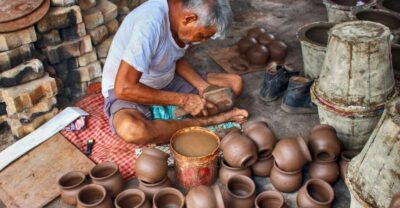
Dharavi Slum Slumdog Millionaire Tour with a Local
Read our review →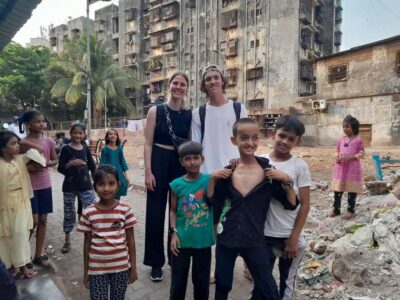
Mumbai Slum Tour – Visit Dharavi Slum with Local Guide
Read our review →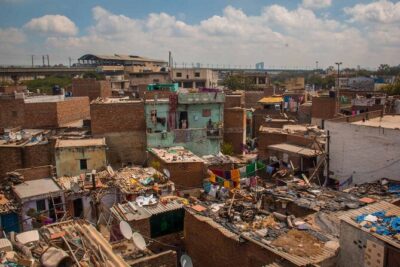
Dhobi Ghat Laundry and Dharavi Slum Tour with Local
Read our review →Browse the lists this tour appears in