
Reviewed · SLUM AND COMMUNITY TOURS
Mumbai: Dharavi Slumdog Tour -See the real Slum with a Local
Dharavi rewards a closer look. This low-cost walking tour takes you into one of Mumbai’s best-known communities with a local resident guide, showing how people live, work, study, and spend time together. I like the direct access to working areas such as plastic recycling, textiles, leather, metal, and garment production. I also like that the tour tries to replace movie stereotypes with everyday reality. The main drawback is that the experience can feel uncomfortable, especially if you are not used to walking through crowded residential and work areas.
The $4.99 price is remarkably low for an English-language guided walk that includes entry and water. I would book it for the chance to hear Dharavi explained by someone who knows the area from the inside, while keeping an open mind and treating homes, workers, and children with care.
In This Review
- Key Points Before You Go
- What Dharavi Means Beyond the Movie
- Starting at Third Wave Coffee in Mahim
- Homes, Families, and Everyday Dharavi
- Recycling, Textiles, Leather, and Metalwork
- Laundry Work and the Hands Behind It
- The Slumdog Millionaire Connection
- Guides Who Shape the Experience
- Is the $4.99 Price Good Value?
- Who Should Book This Walk?
- My Verdict on the Dharavi Tour
- FAQ
- How much does the Dharavi tour cost?
- What language is the tour offered in?
- Where does the tour meet?
- Where does the tour end?
- What is included in the tour?
- Does the tour visit the filming location for Slumdog Millionaire?
- Can I cancel the booking for a full refund?
Key Points Before You Go
- A resident guide leads the visit: Guides including Abishek, Zeeshan, Bharti, Mohammed, Faizan, and Rakesh have been praised for their warmth, storytelling, and local perspective.
- Dharavi is a place of work as well as home: The route can show plastic recycling, garment and textile work, leather production, metalwork, laundry, and other small industries.
- The tour challenges the usual slum image: You see a working community with families, businesses, children, religious diversity, and neighborhood connections.
- The Slumdog Millionaire filming location is included: The movie connection is part of the visit, but it is only one small piece of the wider experience.
- Meet at Third Wave Coffee in Mahim: The café is opposite Mahim railway junction on the west side, and the tour returns there.
- This is a sensitive walk: Bring curiosity, not a camera-first attitude. Ask before photographing people, homes, or workplaces.
What Dharavi Means Beyond the Movie
Dharavi is often introduced to outsiders through Slumdog Millionaire. That reference may draw you here, but the film location is not the heart of the experience. The more useful question is how a large community functions when homes, workshops, shops, religious spaces, and family life sit close together.
Your guide explains where people live, where children play, and how families use limited space. You also see the practical side of earning a living. Dharavi is not simply a residential area marked by poverty. It is also a major center for small-scale manufacturing and recycling.
The tour describes the area’s industries as producing roughly $1 billion in annual income. Treat that figure as a broad guide rather than a number you can verify during a short walk, but it helps explain why Dharavi matters to Mumbai’s economy. Plastic, fabric, leather, metal, and laundry work move through the neighborhood in ways that connect local workshops with customers across the city.
I like this framing because it gives you something more useful than shock. Instead of only seeing difficult living conditions, you begin to notice skill, organization, and effort. At the same time, a positive economic story should not hide cramped housing or the lack of support described by local guides. Both realities belong in the picture.
More Community Tours in Mumbai:
- Dharavi slum tour in Mumbai by Female tour guides of the slum
★ 5.0 · 1,976 reviews - Mumbai: Dharavi Slum, DhobiGhat, and Dabbawallas Tour
★ 4.9 · 689 reviews - Dharavi Slum Tour
★ 5.0 · 625 reviews
Starting at Third Wave Coffee in Mahim
The meeting point is Third Wave Coffee in Mahim, opposite Mahim railway junction on the west side. You can wait outside the café or sit inside, then tell the guide your name when you arrive. The guide introduces themself before leading the group onward.
This is a practical meeting place because it gives you a clear public landmark rather than an unnamed street corner. I would arrive early enough to find the café without rushing, especially if Mahim is unfamiliar to you. The information provided does not give a tour duration, so you should check the confirmed booking details before arranging a tight connection afterward.
The experience ends back at the same meeting point. That makes planning easier, particularly if you want to continue around Mahim or use the nearby railway station afterward.
Your guide may be Abishek, Zeeshan, Bharti, Mohammed, Faizan, Rakesh, or another member of the local team. The strongest praise has gone to guides who explain difficult subjects simply, answer questions without rushing, and respect residents’ privacy. Zeeshan is described as a gifted storyteller, while Bharti brings the perspective of someone who lives in Dharavi with her family. Those differences matter. A local guide does not just point out buildings. The guide helps you understand what you are seeing.
Homes, Families, and Everyday Dharavi
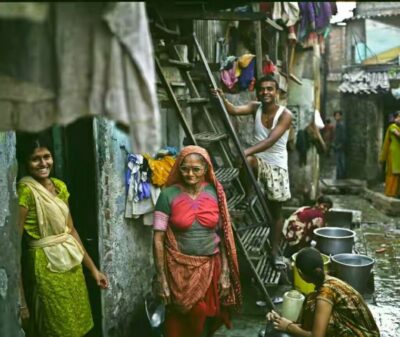
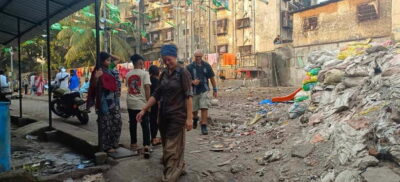
The walk takes you through places where people live, work, and relax. You see the close relationship between home and livelihood, with residential spaces near workshops and small businesses. The route is meant to show ordinary routines rather than arrange a staged performance.
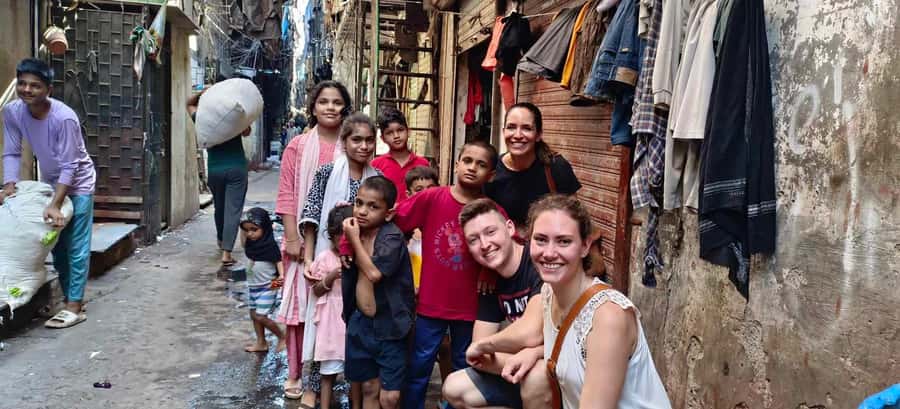
That can be eye-opening, but it requires good manners. You are entering a lived-in community, not an outdoor museum. Keep your voice low when passing homes, avoid blocking narrow paths, and ask before taking photographs. Children may greet you, but that does not mean they want a camera pointed at them.
One of the strongest parts of the tour is the chance to see different religious communities living and working beside one another. A guide may explain how neighbors of different faiths share the same streets and business networks. This is a useful correction to the idea that Dharavi can be reduced to one group or one story.
The community also has its own rhythm. People work, families manage daily life, and children play in the spaces available to them. You may find the contrast difficult: there can be warmth and cooperation alongside poverty and limited public support. A good guide helps you hold those two facts together instead of turning the visit into either pity or feel-good tourism.
Recycling, Textiles, Leather, and Metalwork
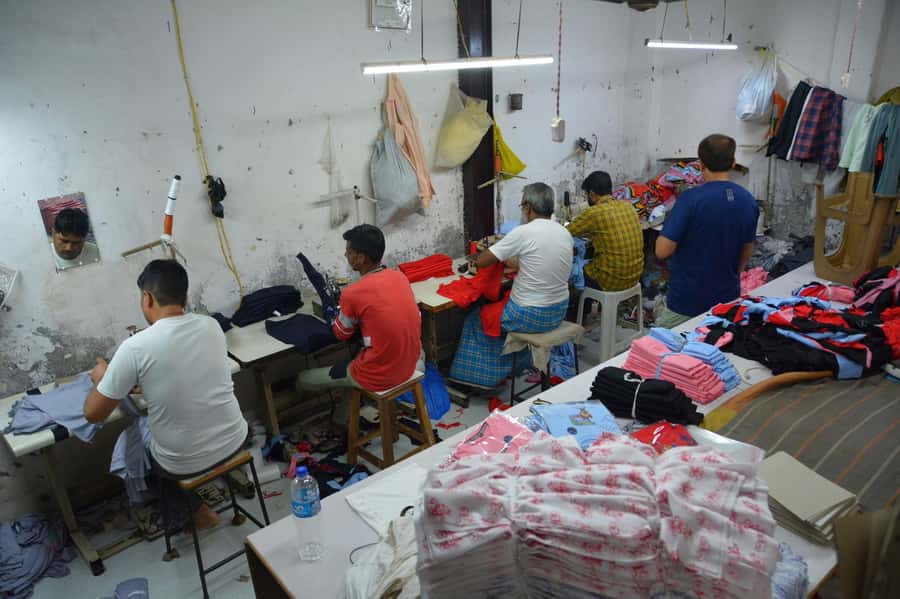
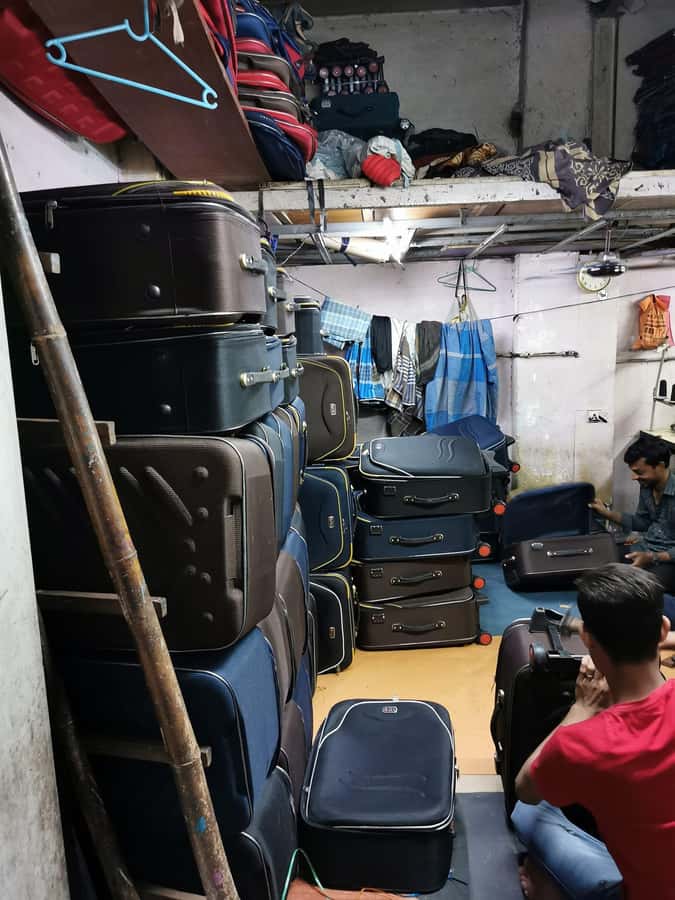
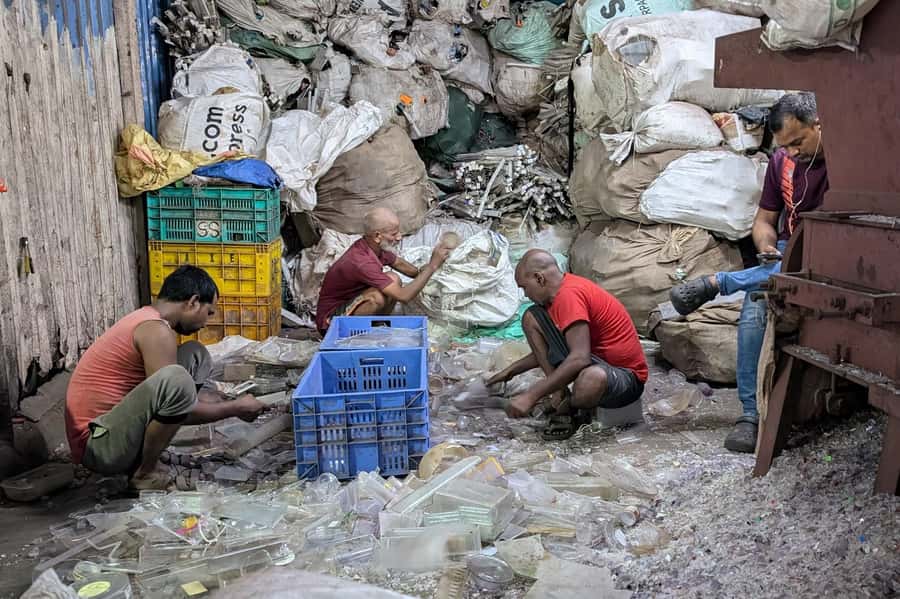
The working side of Dharavi is the tour’s strongest practical feature. You may see plastic recycling, garment production, textile work, leather manufacturing, and metal industries. These are not just abstract categories. They show how discarded materials and raw supplies become products through repeated manual labor.
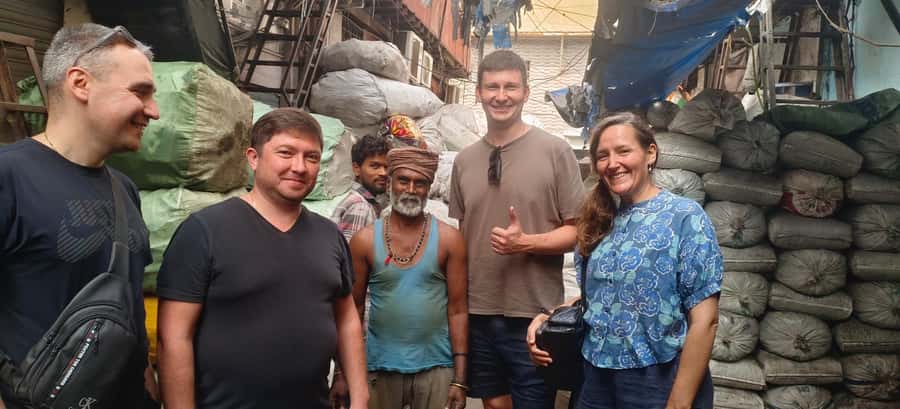
Plastic recycling is especially useful for understanding the area’s economic role. Materials are collected, sorted, processed, and prepared for further use. The work can be noisy, crowded, and physically demanding. It also reveals a side of urban life that most tourists never see: the labor behind keeping a huge city supplied and cleared of waste.
Garment and textile workshops show another kind of small-scale production. Fabric, clothing, and related goods can move through compact workspaces, often with several steps handled close together. Your guide can explain how the workshops operate and how people earn money within the local economy.
Leather work is another notable stop. You may be shown how products are made and sold, though one important caution comes from the route’s shopping element. The walk may finish at a leather store where you are invited to look at merchandise. One account found the shop’s prices high compared with street prices and felt that the makers did not clearly benefit from the final sale.
I would treat this stop as optional shopping, not as part of the educational value of the tour. You are not required to buy anything, and you can politely decline. Also listen carefully when guides make claims about the origins of luxury goods. One guide reportedly connected certain luxury handbag leather to Dharavi, a claim that a participant disputed. The work done locally deserves respect without adding doubtful stories.
A few more options to weigh up in Mumbai
- Mumbai: Full-Day Sightseeing Tour of Mumbai
★ 4.9 · 1,822 reviews - Private Mumbai Sightseeing Tour (Traveller’s Choice Award Winner)
★ 5.0 · 1,565 reviews - Elephanta Caves & Island Guided Private Tour
★ 5.0 · 1,327 reviews - Group Guided Walking Tour in Fort and Colaba
★ 5.0 · 1,073 reviews
Laundry Work and the Hands Behind It
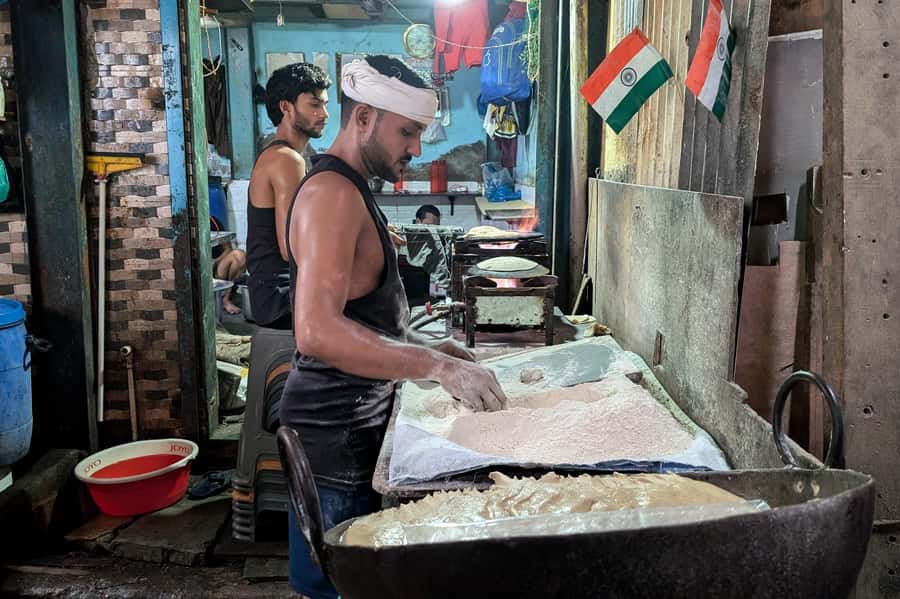
Laundry is another possible highlight. A detailed account of the route describes a laundry area where separate lots are collected, washed, processed, and returned to customers. The visit helps you see how many hands and steps can sit behind a service that most people take for granted.
You may notice that the work is organized at a very small scale. Individual operators manage their own portion of the process, while the wider area functions as a linked service network. Your guide can explain how collection and delivery work, giving you a clearer sense of the labor involved.
This stop is valuable because it turns a familiar service into something concrete. Clean clothes do not simply appear. They pass through transport, sorting, washing, drying, pressing, and delivery. In Dharavi, those stages can support families and connect the neighborhood to customers elsewhere in Mumbai.
Conditions may be basic, and the work can look hard. That is not a reason to stare or photograph without permission. Watch, listen, and let the guide explain what you are seeing.
The Slumdog Millionaire Connection
The tour visits a place inside Dharavi where Slumdog Millionaire was filmed. If you know the movie, this adds a pop-culture link to the walk. If you do not, the location still provides a useful reminder that Dharavi has often been presented to the outside world through other people’s stories.
I would not book the tour only for this stop. The filming location is a brief part of a wider visit focused on residents and industries. The better value comes from understanding the community beyond its appearance on screen.
The film connection can also lead to a useful discussion about representation. Dharavi has been shown in ways that emphasize danger, hardship, or drama. The guide’s role is to explain what those images leave out: jobs, family life, neighborhood relationships, and the pride people may have in their work.
That does not mean the difficult parts should be ignored. It means you get a fuller account. The area’s economic activity and social ties exist alongside serious challenges, not instead of them.
Guides Who Shape the Experience
The guide can make or break this kind of tour. The strongest guide style here is warm but not theatrical, informative but not overbearing. Abishek has been praised for giving a clear amount of information while leaving room for questions. Zeeshan is known for explaining complicated issues with simple comparisons and a good story.
Bharti offers a particularly personal viewpoint because she lives in Dharavi with her family. Her approach is described as sympathetic to residents’ privacy, which is exactly what you want in a sensitive setting. Mohammed has been praised for explaining how local people live and work together, while Faizan is described as engaging and respectful.
Rakesh is noted for a friendly, funny manner. Humor can make a long walk easier, but it should never come at residents’ expense. The best guides use warmth to help you feel comfortable asking questions, not to turn poverty into entertainment.
Because guide assignments can change, you should not assume you will meet a particular person. Still, the repeated praise for several guides suggests that the local team understands the value of patient explanation and respectful conduct.
Is the $4.99 Price Good Value?
At $4.99 per person, this is one of the least expensive guided experiences you can add to a Mumbai itinerary. The price includes an English-speaking local resident guide, entry to Dharavi, and water. For that amount, you are paying mainly for access and interpretation, not luxury.
The value is strong if you want context that you would not get by walking around alone. Dharavi is complicated, and an unaccompanied visit could leave you noticing only the most obvious visual details. A local guide helps connect the workshops, homes, roads, and people into a clearer story.
The low price also means you should keep expectations realistic. This is not a polished sightseeing attraction with spacious paths or a quiet setting. You may encounter crowds, tight spaces, working machinery, and moments that feel emotionally heavy. The price does not remove the need for sensitivity.
You can reserve now and pay later, which is useful if your Mumbai plans are still changing. Cancellation is allowed up to 24 hours before the tour for a full refund. Pets are not allowed.
Who Should Book This Walk?
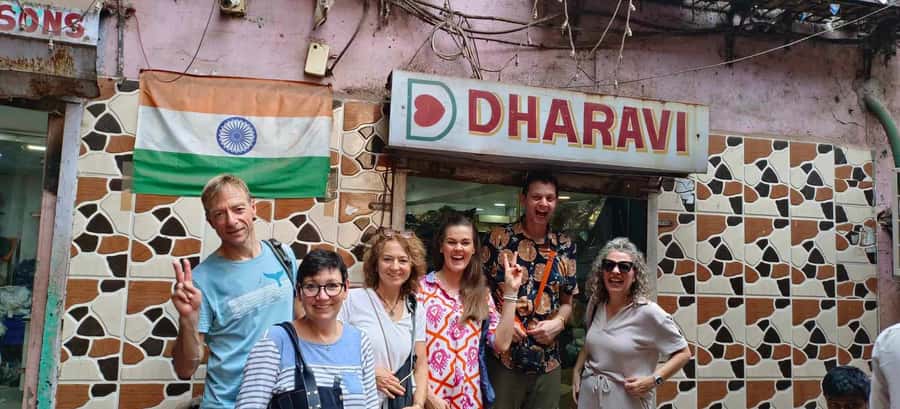
I would recommend the tour to you if you want to understand Mumbai through work and community life rather than only through grand monuments. It suits curious visitors who are willing to listen, ask respectful questions, and accept that the experience may challenge comfortable assumptions.
It is also a good choice if you value local interpretation. The resident guide is the central reason to go. You get personal explanations about family life, production, religion, and neighborhood routines that are hard to find in a standard city tour.
You may want to skip it if you are looking for a relaxed sightseeing walk, a carefully staged cultural show, or a shopping trip. The route can be confronting, and the possibility of a leather-store stop may not appeal to you. Anyone uncomfortable with entering residential and work areas should choose another Mumbai activity.
Bring water if you want more than the included bottle, wear practical shoes, and dress for a walking tour in a busy city. Most of all, remember that you are visiting people’s homes and workplaces. Your attitude matters as much as your camera or questions.
My Verdict on the Dharavi Tour
This tour offers a useful, low-cost way to see Dharavi as a living community rather than a movie set or a symbol of poverty. I especially value the focus on recycling, textiles, leather, metalwork, laundry, family life, and cooperation between different religious communities.
The tour is not flawless. Be alert to exaggerated claims, and do not feel pressured to buy leather goods at the end. If you approach the walk with respect, the difficult moments become part of a more honest picture, not a spectacle.
I would book it if you want a local voice, a close look at Mumbai’s informal industries, and a chance to rethink what you expect from Dharavi. I would pass only if you prefer conventional sightseeing or feel uneasy entering a densely lived-in neighborhood.
FAQ
How much does the Dharavi tour cost?
The tour costs $4.99 per person.
What language is the tour offered in?
The tour is offered in English.
Where does the tour meet?
The meeting point is Third Wave Coffee in Mahim, opposite Mahim railway junction on the west side.
Where does the tour end?
The activity ends back at the meeting point at Third Wave Coffee.
What is included in the tour?
The tour includes a local Dharavi resident English guide, entry tickets for visiting Dharavi, and water.
Does the tour visit the filming location for Slumdog Millionaire?
Yes. The tour includes a visit to a place inside Dharavi where Slumdog Millionaire was filmed.
Can I cancel the booking for a full refund?
Yes. You can cancel up to 24 hours in advance for a full refund. You can also reserve and pay later.
Just added in Mumbai
- Mumbai Airport to Mumbai Hotels : Private Transfers★ 5.0 · 13 reviews
- Mumbai Sightseeing Tour★ 5.0 · 11 reviews
- Mumbai Spice Markets and Bazaars Tour with Guide and Transport★ 5.0 · 42 reviews
- Mumbai 800 Year Worli Village: Talking Goddess, Old Fort & more★ 5.0 · 94 reviews
- Customize private tour with pickup★ 5.0 · 95 reviews
- Gufran’s Slum Home Tour in the Mumbai Slums★ 5.0 · 19 reviews
- Private Guided Bandra Half Day City Tour in AC Vehicle★ 5.0 · 72 reviews
- The Famous Bollywood Tour of Mumbai★ 5.0 · 97 reviews
Slum and Community Tours, compared.
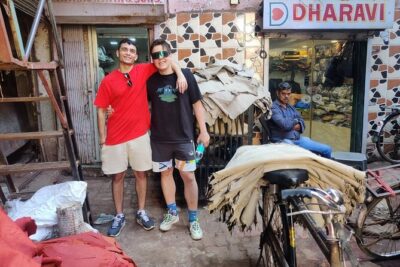
Dharavi slum tour in Mumbai by Female tour guides of the slum
Read our review →
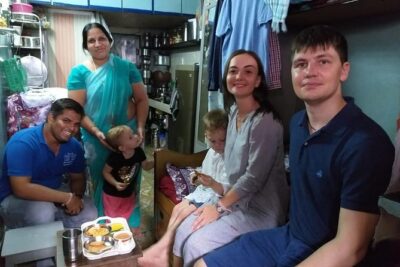
Dharavi Slum Slumdog Millionaire Tour with a Local
Read our review →
Mumbai Slum Tour – Visit Dharavi Slum with Local Guide
Read our review →
Dhobi Ghat Laundry and Dharavi Slum Tour with Local
Read our review →Browse the lists this tour appears in