
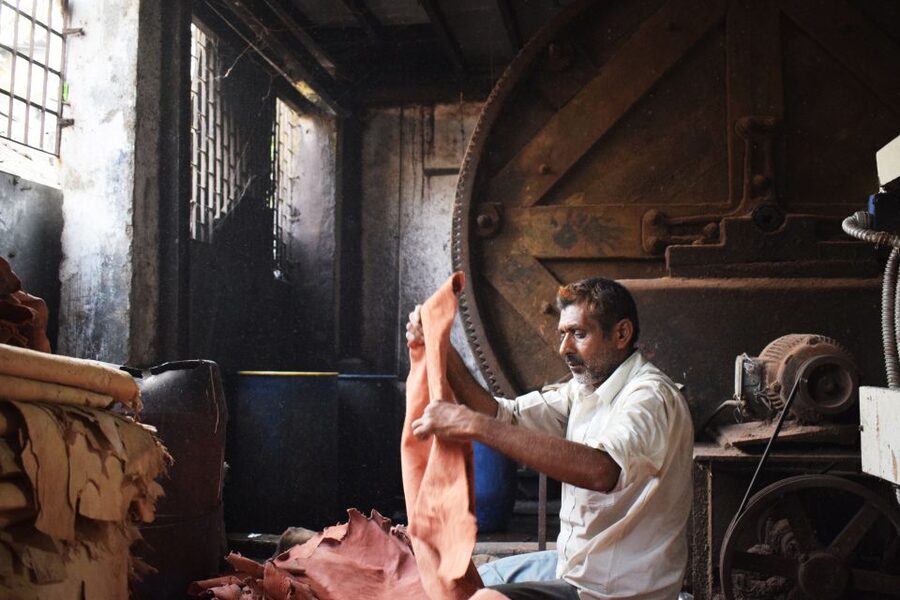
Reviewed · SLUM AND COMMUNITY TOURS
Mumbai: Dharavi Slum Walking Tour with Options
Dharavi surprises you at every turn. This careful small-group walking tour shows the area as a working community, not a human zoo, with recycling, pottery, leather, food production, temples, mosques, and homes packed into a maze of lanes. I like the thoughtful no-photography rule, and I like that 80% of the tour profits support education projects. The main drawback is comfort: narrow passages, heat, dirt, and monsoon mud can make the walk demanding.
You’ll spend 2.5 to 3.5 hours with an English-speaking local guide, usually in a group of no more than six. I especially value the chance to learn how migrants built businesses here, rather than simply peering at poverty. Still, you should come ready for a serious, sometimes confronting visit, not a polished sightseeing stop.
In This Review
- Key points to know before you go
- Why Dharavi needs more than a quick look
- Starting in Churchgate or Mahim
- Navrang Compound and the working side of Dharavi
- Gokulam Store and the small-business story
- Reality Gives and the education connection
- Kumbhar Wada and the residential lanes
- The optional lunch in a family home
- Street art as an alternative extra
- The rooftop view and what it adds
- Comfort, clothing, and respectful behavior
- Is $20 a fair price?
- Who should book this Dharavi walk?
- Should you book it?
- FAQ
- How long does the Dharavi walking tour last?
- Where does the tour start?
- Is lunch included?
- Can I take photographs during the tour?
- How large is the tour group?
- What should I wear and bring?
Key points to know before you go
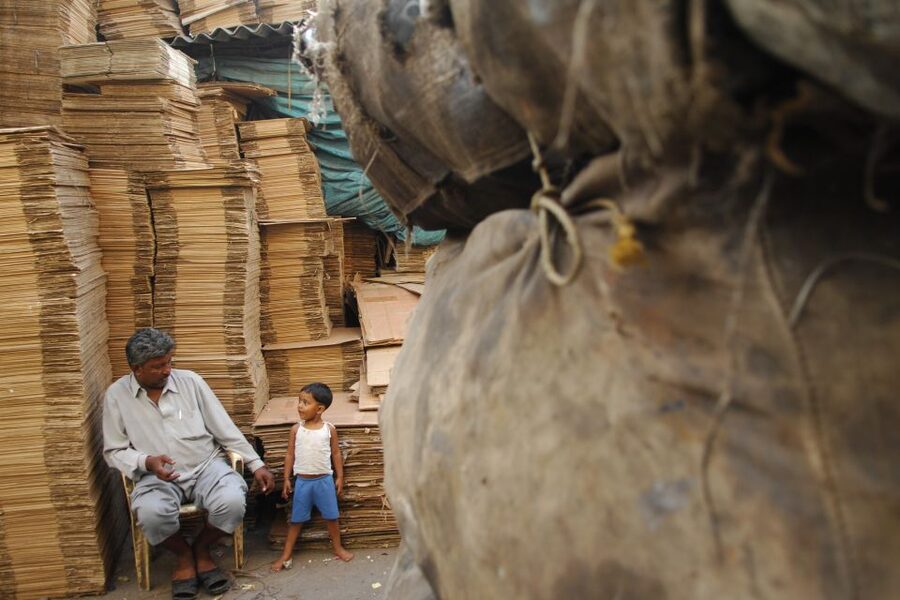
- Dharavi is a working economy: Around 20,000 businesses operate here, with combined annual turnover estimated at about $1 billion.
- The tour protects local privacy: Photography is not allowed, and the walk includes residential areas.
- Small groups make a difference: Groups of up to six allow more room in tight lanes and more time for questions.
- Your route may include real production areas: Expect recycling, pottery, leather, embroidery, bakeries, soap, poppadoms, and other small industries.
- Lunch is an optional upgrade: One version includes a regional meal in a family home, while the standard tour does not include lunch.
- The money has a purpose: 80% of profits go back into educational community initiatives.
Why Dharavi needs more than a quick look
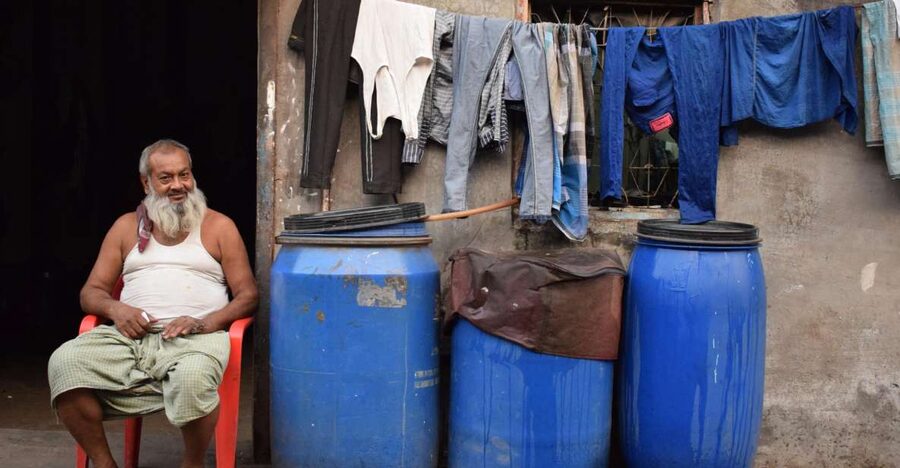
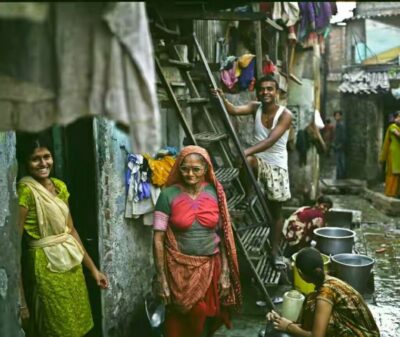
Dharavi is often reduced to a single word: slum. That label misses much of what you will see. This is also a dense residential district, a place where people from across India have built homes, workshops, shops, religious spaces, and family businesses.
The population is estimated at about one million. That figure is large enough to be hard to picture, especially when you are walking through lanes where buildings sit close together and daylight can feel limited. The tour helps put the scale into human terms without turning residents into a display.
I appreciate the focus on migrant stories. People came from different parts of India and made a life here, bringing languages, food traditions, faiths, and trades with them. Temples, mosques, churches, and pagodas sit within the same broad community. You get a more useful picture of Mumbai when you see Dharavi as part of the city’s economic and social life.
The business figures are striking. About 20,000 enterprises are said to operate in Dharavi, with annual turnover estimated at roughly $1 billion. Those numbers do not erase the difficult living conditions, but they do challenge the lazy idea that the area is only a place of need. You will see people working, producing, trading, and solving problems with limited space and resources.
More Walking Tours in Mumbai
- Group Guided Walking Tour in Fort and Colaba
★ 5.0 · 1,073 reviews - Private Guided Walking Tour in Fort & Colaba
★ 5.0 · 895 reviews - Private Guided Walking Tour in Bandra Queen of Suburbs
★ 5.0 · 383 reviews
Starting in Churchgate or Mahim
You can choose from three starting options: Churchgate, Mahim Junction Railway Station, or Mahim railway station. Your exact meeting point depends on the option you book, so check the confirmation closely rather than assuming the tour starts at the most convenient station.
The route begins with a safety briefing and a view point. This is useful preparation because Dharavi’s lanes can feel confusing at first. Your guide helps you understand where you are going, how to move respectfully, and why the no-photography rule matters.
The group size is limited to six, though you may be joined by other people within that small-group limit. That arrangement suits this setting. A large group would block narrow lanes, draw unwanted attention, and make conversation harder. With fewer people, you have a better chance to listen and ask questions without turning the walk into a parade.
Allow extra time around Mumbai’s traffic and rail network before the start. Hotel pickup is not included, so you must make your own way to the meeting point. Churchgate may suit you if you are staying in South Mumbai, while Mahim can be more practical for reaching Dharavi itself.
Navrang Compound and the working side of Dharavi
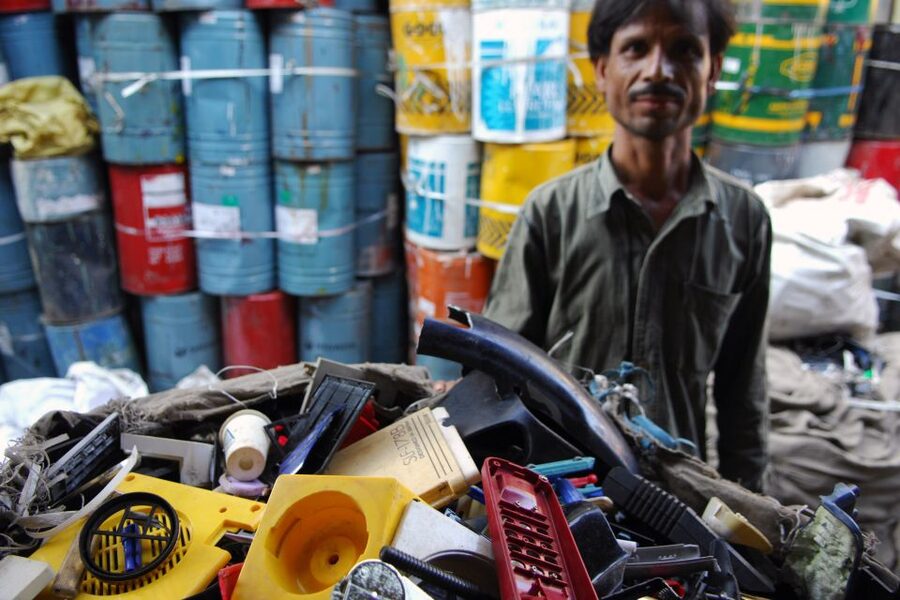
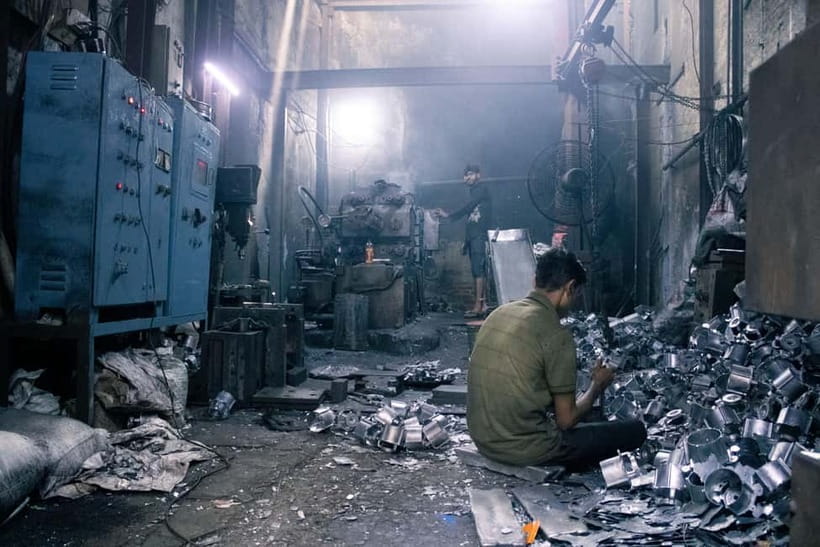
Navrang Compound is listed as a 30-minute stop, and this is where the tour begins to show the working side of the neighborhood. You might see the movement of raw materials, goods, workers, and finished products through spaces that also sit close to homes.
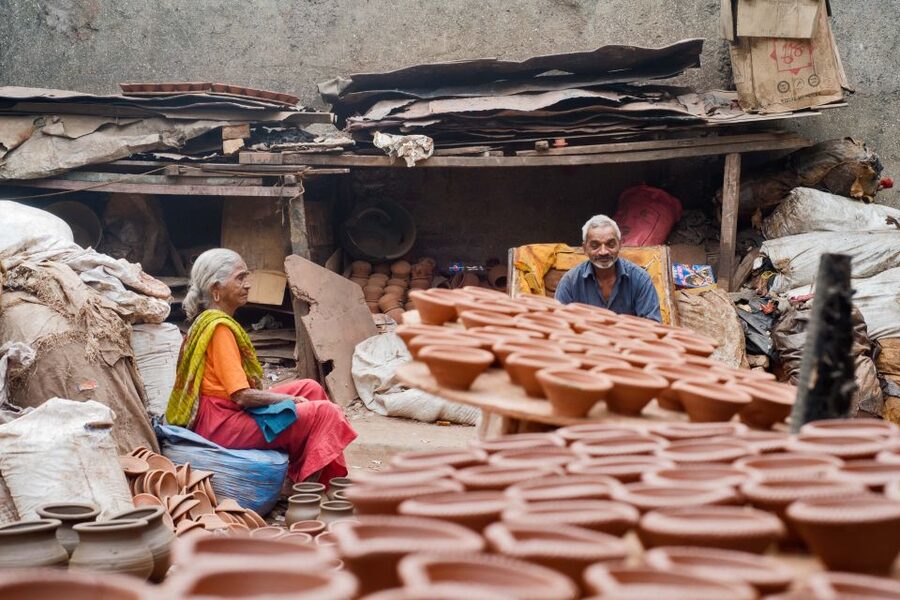
The important point is not simply seeing a workshop. Your guide explains how these trades fit into the local economy and how families and migrants have created livelihoods in a place often described only through hardship. Recycling, leather work, pottery, embroidery, soap making, bakeries, and poppadom production are all part of the wider picture.
You should expect practical conditions rather than a tidy industrial park. The supplied guidance warns that some areas can be dirty, especially during the monsoon from June through mid-September. Closed-toe walking shoes are a must. Comfortable footwear will matter more than fashion here, and your shoes may not stay clean.
The walk can also be hot and close. One past account described the heat, darkness, and tight buildings as difficult for tall people and anyone who feels claustrophobic. Take that seriously. This is not a good choice if narrow spaces make you anxious, and wheelchair users cannot be accommodated.
Gokulam Store and the small-business story
The stop at Gokulam Store lasts about 20 minutes and continues the discussion of local enterprise. A shop or workshop visit can make the economic figures easier to grasp because you are no longer hearing only about Dharavi as a huge population. You are looking at the daily systems that keep the area earning.
Your guide is central here. The best guides do not simply name an industry and move on. They explain the pressures faced by migrants, how businesses developed, and how negative media images leave out ordinary ambition and skill.
The guide team has earned strong praise for warmth and personal connection. Leena has been described as cheerful and well informed, while Rishi was praised for making the walk feel safe and memorable. Divia was also singled out for giving the experience a touching, personal quality. You cannot choose a particular guide from the information provided, but the repeated praise suggests that guiding style is one of this tour’s strongest features.
A completely different kind of day out:
- Dharavi slum tour in Mumbai by Female tour guides of the slum
★ 5.0 · 1,976 reviews - Mumbai: Full-Day Sightseeing Tour of Mumbai
★ 4.9 · 1,822 reviews - Private Mumbai Sightseeing Tour (Traveller’s Choice Award Winner)
★ 5.0 · 1,565 reviews - Elephanta Caves & Island Guided Private Tour
★ 5.0 · 1,327 reviews
Reality Gives and the education connection
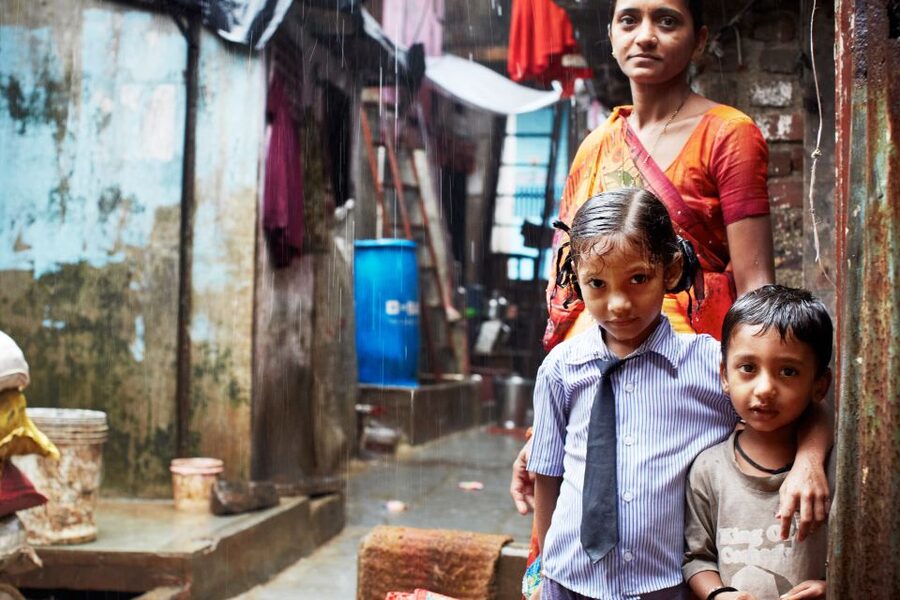
A short stop at Reality Gives lasts around five minutes, with a brief class or explanation listed for about 20 minutes elsewhere in the route. This part connects the tour to the education work funded by its profits.
The arrangement is unusually clear: 80% of tour profits are reinvested in educational community initiatives. The supplied information links that work with English and skills literacy. If you are uneasy about visiting a low-income neighborhood for sightseeing, this gives the experience a stronger purpose, though it does not remove the need to behave respectfully.
I like this model because it asks you to think about what happens after the tour ends. You are not being told that a three-hour walk solves Dharavi’s problems. You are being shown one way tourism can contribute to education while allowing local people to control the story being told.
Kumbhar Wada and the residential lanes
Kumbhar Wada is scheduled for about 15 minutes and focuses on pottery. It is one of the stops that helps you see how production and residence overlap in Dharavi. Workshops, homes, lanes, and religious sites are not neatly separated into different zones.
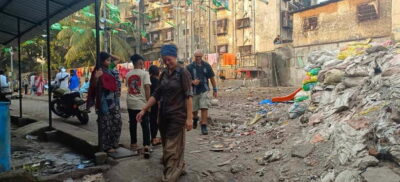
You will also walk through residential areas. This is the most sensitive part of the visit. People live here, and daily life continues whether a tour group passes through or not. The strict no-photography policy is essential. Keep your phone put away and listen rather than trying to collect images.
The narrow lanes can be the most memorable part of the route, but they are also where personal space is limited. Follow your guide, avoid blocking doorways, and do not touch goods or buildings unless invited. A respectful attitude matters more than getting the perfect view.
The area’s religious variety may appear along the route, with temples, mosques, churches, and pagodas close together. This is a useful reminder that Dharavi is not a single community with one identity. It is a small-scale reflection of India’s wider mix.
The optional lunch in a family home
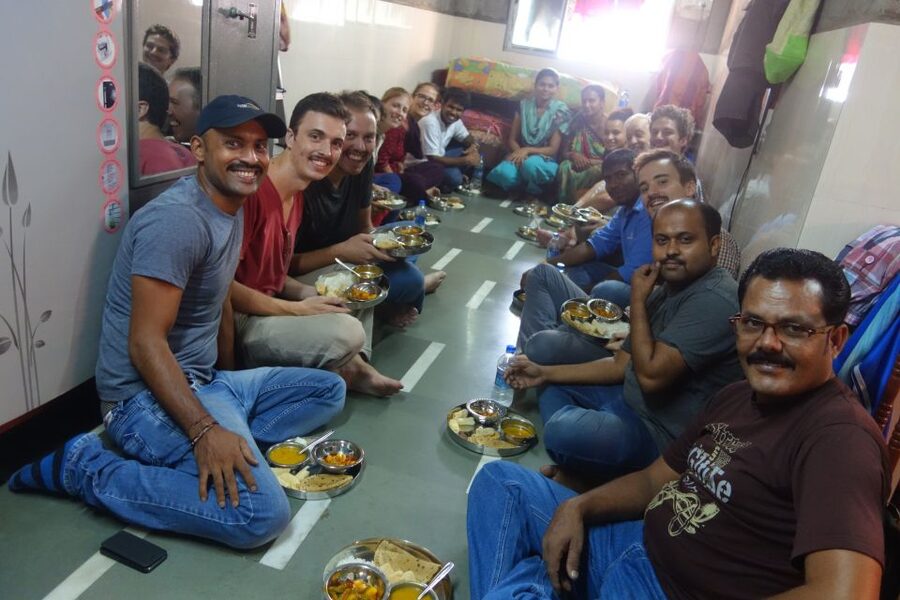
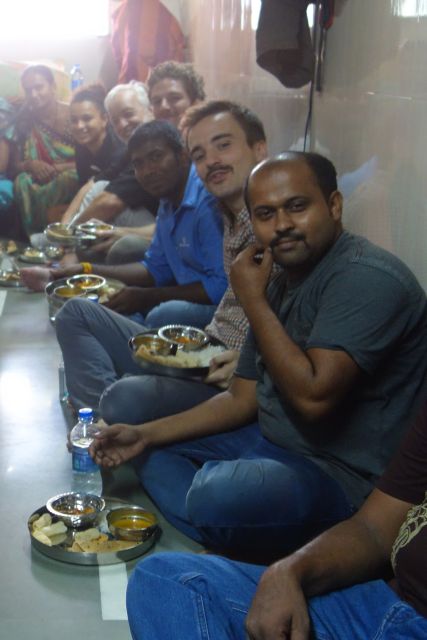
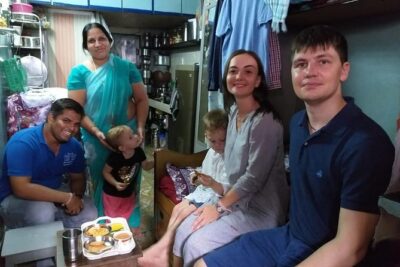
If you choose the lunch option, the itinerary includes about 35 minutes of regional food in Dharavi. The meal takes place as a family opens its home to you, giving the visit a more personal setting than a restaurant stop.
This option is worth considering if you want time to sit, eat, and talk rather than spend the entire experience moving through lanes. It may also help the community story feel less abstract. You are not just observing businesses. You are sharing a meal in a lived-in neighborhood.
Lunch is not included in every booking, so check the option carefully. The supplied details list lunch as included only when that option is chosen, while the standard version does not include it. Water or a cold drink is included with the tour.
Do not expect a long food-focused event. Thirty-five minutes is enough for a meal and conversation, but the main subject remains Dharavi and its communities. If you prefer a faster, more active walk, the standard option may suit you better.
Street art as an alternative extra
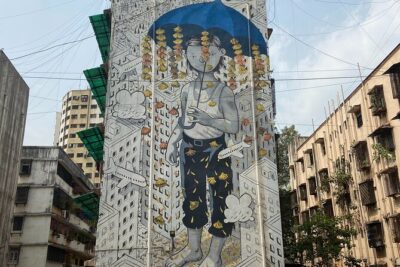
The information also gives you the choice of a street walk focused on art. One account describes this as fascinating because the guide explained the meaning behind the artwork rather than treating it as decoration.
The art option may be a good fit if you want a gentler way into Dharavi’s story. It offers another route to understanding local identity and expression, while the core walk focuses more on homes, businesses, and social issues. The exact structure depends on the option selected, so read the booking details before you pay.
The rooftop view and what it adds
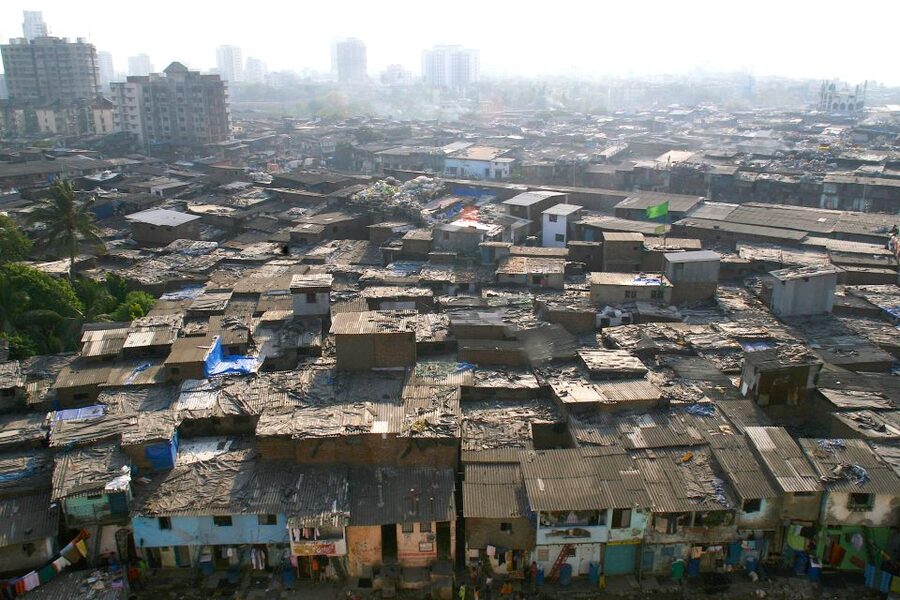
The route includes a rooftop climb for a view across the settlement. This is one of the few moments when you can step back and see the scale of Dharavi rather than only the lane directly in front of you.
The view helps explain why the neighborhood can feel both enormous and enclosed. From ground level, you notice tight passages and closely packed buildings. From above, you can better grasp the size of the community and the density of homes and workshops.
Rooftop access also comes with practical limits. Climbing may be uncomfortable for some people, and the tour is not suitable for wheelchair users. Ask your guide for help if you need to slow down, but do not assume every part of the route is easy to modify.
Comfort, clothing, and respectful behavior
Wear modest clothing. Low-cut or sleeveless tops and short shorts are not allowed. Loose, practical clothes are the sensible choice, especially because the walk can be hot and the route passes through religious and residential spaces.
Closed-toe shoes are recommended. During the monsoon, some lanes may be dirty or wet, and sandals offer little protection. Bring only what you need and keep valuables secure without making a show of them.
Strollers are not allowed, and the tour is not suitable for wheelchair users. The tight lanes, steps, rooftop access, and uneven conditions make this a demanding route for anyone with limited mobility.
The photography ban is strict. Treat it as part of the experience, not an inconvenience. Look carefully, remember what you can, and allow residents to go about their day without becoming background material for your holiday album.
Is $20 a fair price?
At $20 per person, this is reasonably priced for a 2.5 to 3.5-hour guided experience in Mumbai. You receive a local English-speaking guide, water or a cold drink, and the chance to see parts of Dharavi that would be difficult to understand on your own.
The value is not in admission to a grand monument. It comes from interpretation. Without a guide, you might see crowded lanes and small workshops but miss the links between migration, enterprise, housing, religion, and education.
The community contribution strengthens the value. Since 80% of profits are reinvested in education initiatives, your payment supports more than the operating cost of a sightseeing walk. You should still treat the donation claim as part of the operator’s stated model, not as a reason to overlook the tour’s limits.
The lunch option costs more if selected, but the supplied price does not break out the surcharge. Check the total before booking. Free cancellation up to 24 hours before the start and reserve-now-pay-later booking make planning easier, especially when Mumbai plans are still moving.
Who should book this Dharavi walk?
I would recommend it to you if you want context, direct contact with local enterprise, and a tour that takes privacy seriously. It suits curious adults, first-time Mumbai visitors, and anyone who wants to question the usual stereotypes about informal settlements.
It is especially useful if you value responsible tourism. The small groups, no-camera rule, local guiding, and education funding all point in the right direction. The experience still asks you to look at difficult living conditions, but it does not present poverty as entertainment.
I would hesitate if you dislike heat, confined spaces, uneven walking, or serious social subjects. Tall people and anyone with claustrophobia may find some passages uncomfortable. Families with baby strollers and anyone using a wheelchair should choose another Mumbai activity.
Should you book it?
Book this tour if you can approach Dharavi with humility and patience. The strongest parts are the local guides, the explanation of the area’s business life, the small group, and the clear education link.
Choose the lunch option if you want a slower, more personal visit. Pick the art-focused walk if creative expression interests you. If your priority is comfort, photos, and wide open sightseeing, skip it. Dharavi is not an easy attraction, but handled this way, it can give you a more honest understanding of Mumbai and the people who keep this part of the city working.
FAQ
How long does the Dharavi walking tour last?
The tour lasts between 2.5 and 3.5 hours, depending on the option selected and the available schedule.
Where does the tour start?
The available starting points are Churchgate, Mahim Junction Railway Station, and Mahim railway station. The exact meeting point depends on your booking option.
Is lunch included?
Lunch is included only if you choose the lunch option. The meal includes regional food and takes place as a family opens its home to you. Lunch is not included in the standard option.
Can I take photographs during the tour?
No. The tour has a strict no-photography policy to respect the privacy of local residents.
How large is the tour group?
The tour is conducted in small groups of up to six people. You may be joined by other people within that group size.
What should I wear and bring?
Wear modest clothing with no low-cut or sleeveless tops and no short shorts. Closed-toe walking shoes are recommended, especially during the monsoon months from June through mid-September. Water or a cold drink is provided.
More Community Tours in Mumbai
- Mumbai: Dharavi Slum, DhobiGhat, and Dabbawallas Tour
★ 4.9 · 689 reviews - Dharavi Slum Tour
★ 5.0 · 625 reviews - Dharavi Slum tour in Mumbai by local resident
★ 5.0 · 572 reviews - Mumbai: Dharavi Slum Slumdog Millionaire Tour with a Local
★ 4.9 · 529 reviews
Just added in Mumbai
- Mumbai Airport to Mumbai Hotels : Private Transfers★ 5.0 · 13 reviews
- Mumbai Sightseeing Tour★ 5.0 · 11 reviews
- Mumbai 800 Year Worli Village: Talking Goddess, Old Fort & more★ 5.0 · 94 reviews
- Customize private tour with pickup★ 5.0 · 95 reviews
- Mumbai Spice Markets and Bazaars Tour with Guide and Transport★ 5.0 · 42 reviews
- Gufran’s Slum Home Tour in the Mumbai Slums★ 5.0 · 19 reviews
- Private Guided Bandra Half Day City Tour in AC Vehicle★ 5.0 · 72 reviews
- The Famous Bollywood Tour of Mumbai★ 5.0 · 97 reviews
Slum and Community Tours, compared.
Dharavi slum tour in Mumbai by Female tour guides of the slum
Read our review →
Dharavi Slum Slumdog Millionaire Tour with a Local
Read our review →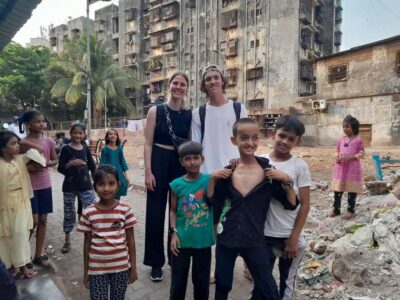
Mumbai Slum Tour – Visit Dharavi Slum with Local Guide
Read our review →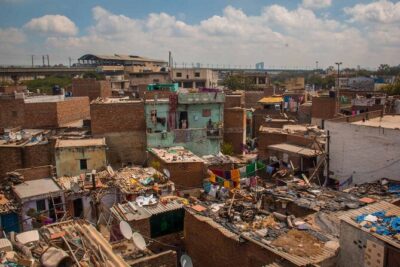
Dhobi Ghat Laundry and Dharavi Slum Tour with Local
Read our review →Browse the lists this tour appears in