
Reviewed · SLUM AND COMMUNITY TOURS
Mumbai: Dharavi Slum Walking Tour by First Female Tour Guide
Look beyond Mumbai’s famous postcard sights. This $5 walking tour takes you through Dharavi with a local female guide, showing the working, residential, and community sides of one of Asia’s largest slum areas. In about two and a half hours, you may see plastic, paper, and aluminium recycling, soap making, cloth production, leather work, pottery, markets, schools, colleges, and homes.
I like the way the route connects local industry with ordinary daily life. I also like that the guides, including Anu, Sneha, Pooja, Varsha, Anushka, Sarah, and Mahek, are praised for clear English, humor, patience, and first-hand familiarity with Dharavi. The main consideration is that this is an active residential area, not a polished attraction, so you need to walk through narrow streets and approach people and workplaces with care.
- A working community, not just a sightseeing stop: See recycling, manufacturing, markets, and residential lanes in one compact route.
- Led by a local woman: The tour is promoted as being guided by Dharavi’s first female tour guide, with several women leading groups.
- Strong guide quality: Anu, Sneha, Pooja, Varsha, Anushka, Sarah, and Mahek are repeatedly praised for their English, humor, patience, and local insight.
- Useful first-day activity: The tour gives you an early look at how Mumbai functions beyond its grand buildings and major monuments.
- Very low price: At $5 per person, it offers an unusually large amount of time and local interpretation for the money.
- Flexible booking: You can cancel up to 24 hours before the start for a full refund and reserve without paying immediately.
In This Review
- Why Dharavi Belongs on Your Mumbai Schedule
- Meeting Outside Third Wave Coffee
- Entering Dharavi With a Local Female Guide
- Recycling Shows Dharavi’s Business Sense
- Soap, Cloth, Leather, and Pottery Workshops
- Residential Lanes, Schools, and Local Markets
- Stories You Will Not Find on Google
- What the $5 Price Really Buys You
- Timing, Pace, and Physical Demands
- Who Will Get the Most From This Walk
- Practical Booking Notes
- Should You Book the Dharavi Walk?
- FAQ
- How much does the Dharavi walking tour cost?
- How long does the tour last?
- Where does the tour begin?
- Where does the tour finish?
- What language is the tour offered in?
- What is included in the price?
Why Dharavi Belongs on Your Mumbai Schedule
Mumbai is easy to experience from the outside. You can admire grand railway stations, colonial buildings, seaside roads, and famous temples, but those sights do not explain how millions of people work and live in the city each day.
Dharavi offers a different view. It is a dense urban community in the heart of Mumbai, with homes, workshops, businesses, schools, markets, and commercial spaces close together. The point of this tour is not simply to look at poverty. It is to see the skills, enterprise, routines, and determination that shape life here.
That distinction matters. The word slum can make you picture only hardship. A guided walk adds a fuller picture, including the industries that turn waste into useful material, small businesses that support families, and education systems serving local children and young people.
I would place this tour early in your Mumbai visit. It gives you a useful frame for the rest of the city. After seeing Dharavi’s tight streets and small-scale industries, the grand shopping districts and wealthy neighborhoods make more sense as part of a much larger urban story.
The tour is also short enough to fit into a busy schedule. Two and a half hours is enough time to see several parts of Dharavi without consuming an entire day.
Meeting Outside Third Wave Coffee
The meeting point is outside the Third Wave Coffee shop. This is a practical choice because it gives you a clear, recognizable place to meet before entering the area.
Your guide is expected to meet you outside the café. If you cannot find the guide, the activity information advises you to contact the tour company. Arrive with enough time to locate the shop and settle in, especially if you are unfamiliar with Mumbai.
The café also gives you a chance to use a modern, air-conditioned space before or after the walk. One useful detail from the feedback is that the location is close to a railway station, making the train a sensible way to reach the meeting point. If you come by car, allow extra time because Mumbai traffic can be severe.
The walk returns to Third Wave Coffee at the end. That makes the route simple, with no need to work out a separate pickup point in an unfamiliar part of the city.
More Walking Tours in Mumbai
- Group Guided Walking Tour in Fort and Colaba
★ 5.0 · 1,073 reviews - Private Guided Walking Tour in Fort & Colaba
★ 5.0 · 895 reviews - Private Guided Walking Tour in Bandra Queen of Suburbs
★ 5.0 · 383 reviews
Entering Dharavi With a Local Female Guide
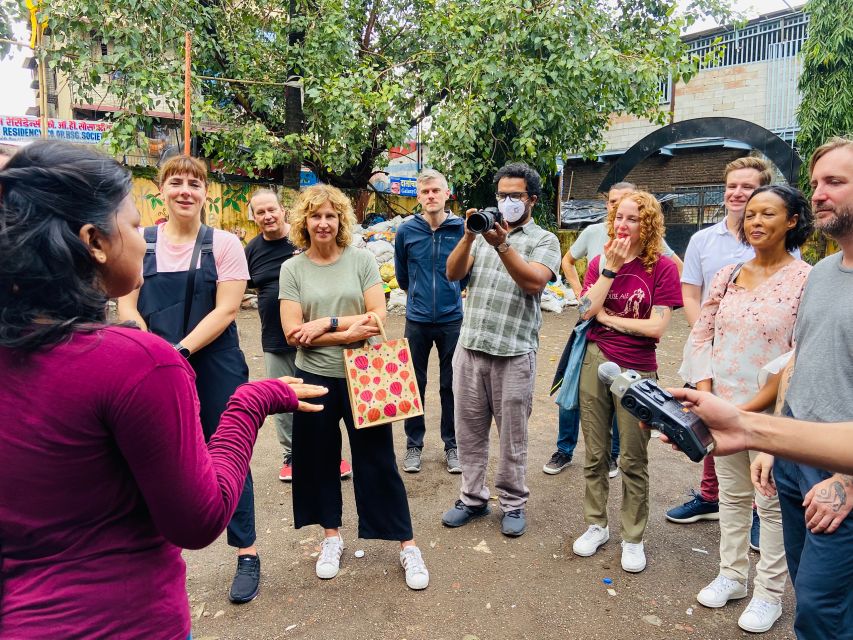
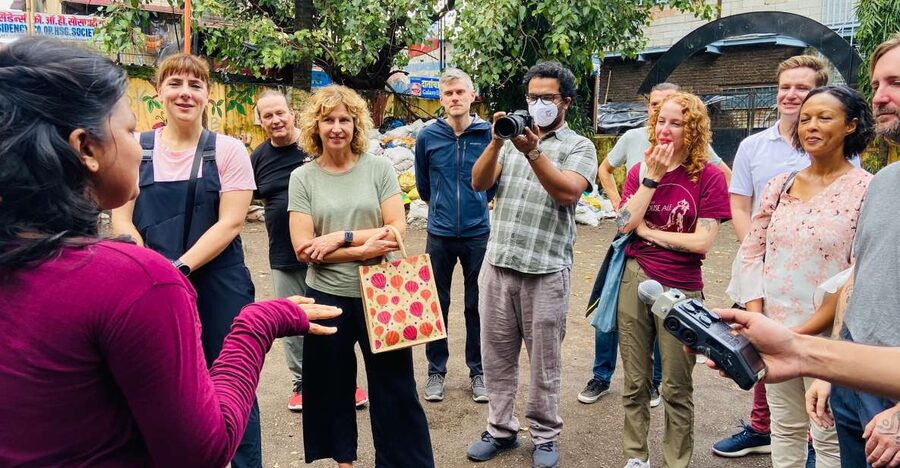
The tour is led in English by a female guide described as Dharavi’s first female tour guide. The individual guide assigned to you can vary. Past groups have been led by Anu, Sneha, Pooja, Varsha, Anushka, Sarah, and Mahek.
The strongest part of the guiding is the personal connection to the area. Several guides are described as having been born and raised in Dharavi or still living there. That gives the walk a point of view you cannot get by searching online or wandering in without context.
A local guide also helps you read the scene properly. A narrow lane may be a residential passage, a work route, a market street, or all three at once. A small doorway may lead to a workshop rather than a private home. Without explanation, you might miss what is happening around you.
The guides receive especially high marks for speaking clear English and answering questions. Pooja is praised for being funny and well organized. Anu is described as patient and helpful. Sneha is praised for explaining both the industrial and residential sides of Dharavi. Varsha is often noted for her first-hand knowledge, detailed answers, and calm manner.
That range of guide names suggests the company has several guides rather than one fixed leader. Your exact style may differ, but the common strengths are clear: local familiarity, friendly communication, and a willingness to explain.
Recycling Shows Dharavi’s Business Sense
One of the most useful parts of the route is the recycling work. You may see plastic recycling, paper recycling, and aluminium recycling, with the guide explaining how these activities fit into the local economy.
This is more than a quick look at piles of discarded material. The recycling stops help you understand how an urban community can build work around resources that others throw away. They also challenge the easy assumption that Dharavi is defined only by deprivation.
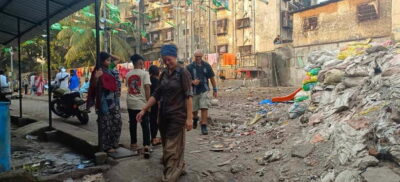
The work areas may be noisy, crowded, or gritty. That is part of the reality, not a flaw in the tour. You should wear practical shoes and expect an environment designed for work rather than comfort.
The guides help connect the physical process to the people involved. You may leave with a better sense of how recycling supports households and how small industries can operate within a tightly packed neighborhood.
The route may also include aluminium work and other production areas. These stops are particularly useful if you are interested in how goods move through Mumbai before reaching shops and customers.
Soap, Cloth, Leather, and Pottery Workshops
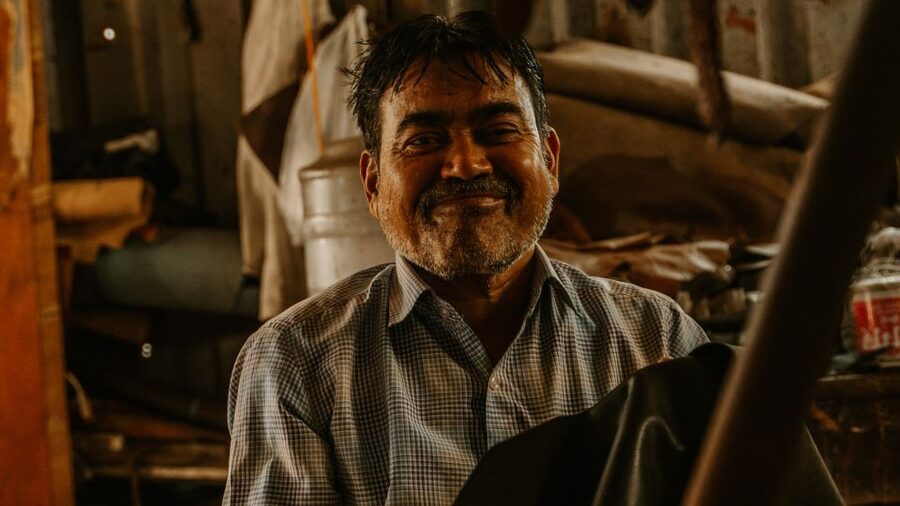
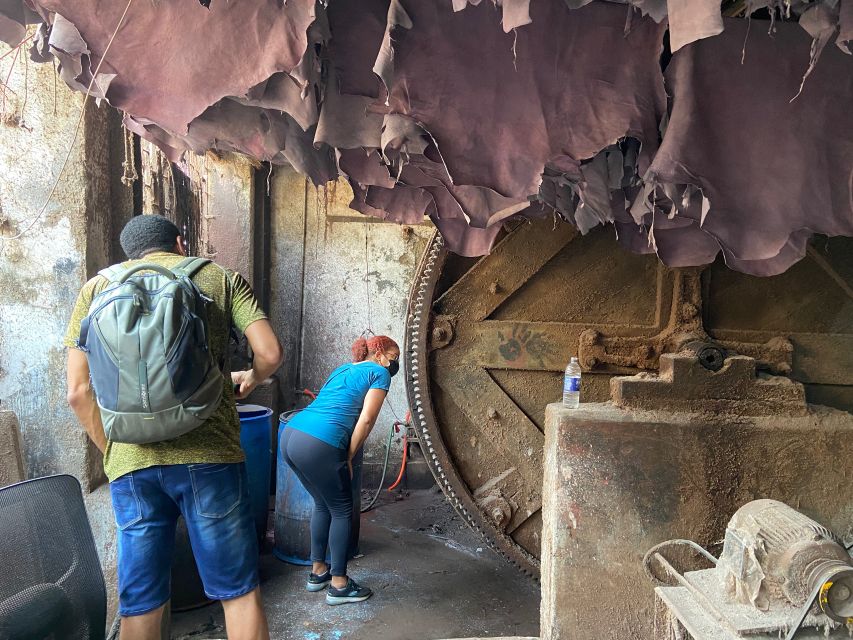
The itinerary includes soap factories, cloth manufacturing, leather industries, and pottery. You should not think of these as large visitor attractions with formal displays. They are working places, and what you see depends on the day, the route, and what is operating at the time.
That is exactly why the experience can feel meaningful. Instead of viewing a recreated craft demonstration, you may see real production taking place in the middle of the neighborhood.
The guide’s explanation is important here. Without it, a workshop can look like a small room filled with tools or materials. With context, you begin to understand the trade, the workers, and the role each activity plays in Dharavi’s economy.
The manufacturing section also gives the tour a useful rhythm. You move from one type of work to another, seeing how many different skills exist within a relatively small area. Pooja, Varsha, Sneha, and other guides have been praised for explaining the industrial side in a way that is easy to follow.
You should keep your expectations realistic. The tour does not promise that every listed industry will be operating in full view during your visit. It presents a route that can include these places, but working conditions and access can change.
A completely different kind of day out:
- Dharavi slum tour in Mumbai by Female tour guides of the slum
★ 5.0 · 1,976 reviews - Mumbai: Full-Day Sightseeing Tour of Mumbai
★ 4.9 · 1,822 reviews - Private Mumbai Sightseeing Tour (Traveller’s Choice Award Winner)
★ 5.0 · 1,565 reviews - Elephanta Caves & Island Guided Private Tour
★ 5.0 · 1,327 reviews
Residential Lanes, Schools, and Local Markets
The tour is not limited to factories. It also enters residential areas, markets, commercial spaces, schools, and colleges. This wider route is one of its best features because it prevents Dharavi from being presented as a collection of workplaces alone.
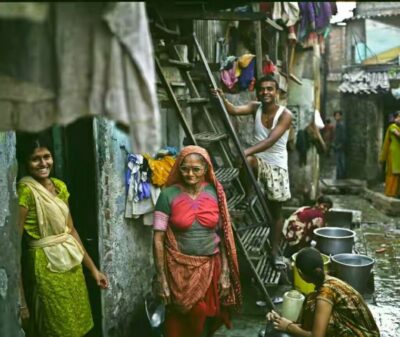
In the residential sections, you get a sense of how closely work and home life exist side by side. The guide can explain local routines, education, community life, and the challenges faced by working families.
The school and college stops add another important layer. They show that the area is not frozen in a story of hardship. Children study, young people plan futures, and families invest in education while managing the pressures of urban life.
Markets and commercial streets bring yet another change of pace. These parts help you see Dharavi as a place where people shop, earn, meet, and organize daily life, rather than as a passive backdrop for sightseeing.
You will need to remain alert and respectful in these sections. People live and work here. Keep your group together, follow the guide, and ask before photographing individuals or private spaces. The point is to learn from the community, not to treat residents as scenery.
Stories You Will Not Find on Google
The company places strong emphasis on stories that are not available online. That is a useful promise because Dharavi is often reduced to statistics, dramatic images, or simplified descriptions.
A local guide can explain the area through personal experience. You may hear about family life, education, work, local ambitions, and the ways residents manage daily problems. The exact stories will depend on your guide, but the value comes from hearing the place described by someone who knows it from within.
This is also where the tour can change your assumptions. Several guides have been praised for showing that Dharavi is self-sustaining, productive, and full of talent as well as difficult living conditions.
I would not expect a neat, inspirational ending to every issue. The tour can show resilience without pretending that poverty, crowding, or hard work are easy. That balance is important. You are given a closer look, not a sales pitch.
The best conversations may come from your questions. Ask respectfully about the industries, schools, residential areas, and the guide’s own connection to Dharavi. The guides are repeatedly praised for answering questions clearly, so take advantage of that time.
What the $5 Price Really Buys You
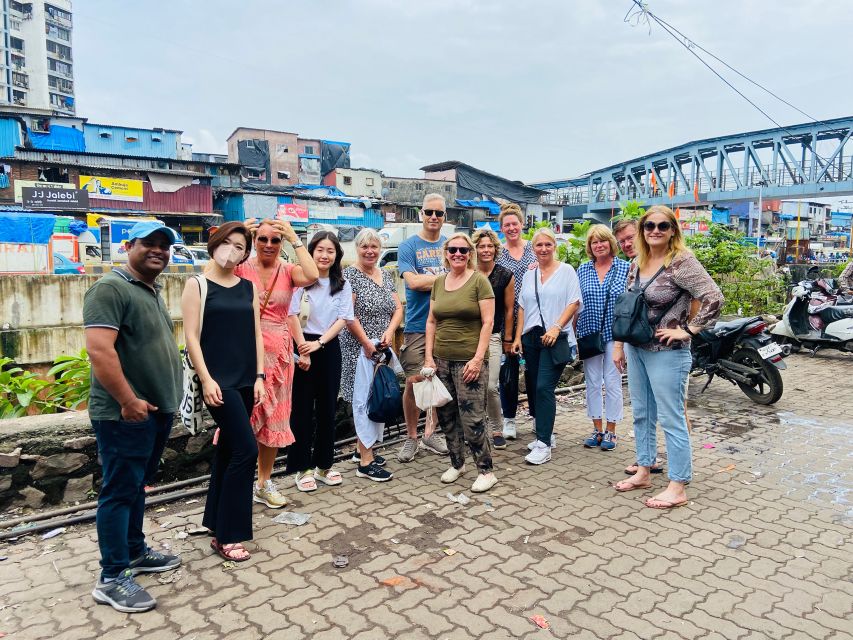
At $5 per person, this is one of the better-value activities in Mumbai. You receive a guided walk lasting about 2.5 hours, an English-speaking guide, and bottled mineral water.
The price is low, but the real value is the access and interpretation. You could walk near Dharavi on your own, but you would not know which doors lead to recycling spaces, how the industries connect, or which lanes are residential. You would also miss the personal stories that give the area meaning.
A guide makes the visit safer and more sensible. One past participant specifically praised the guide for keeping the group together while people stopped to take photographs. That may sound like a small detail, but it matters in narrow streets where it is easy to lose sight of your group.
The $5 rate is also useful for budget visitors, students, families, and anyone building a full Mumbai day around several activities. A private group is available if you want a more personal pace or have your own party.
The low price should not lead you to expect luxury. This is a walking tour through a working neighborhood. The café meeting point and bottled water are practical touches, but the main product is local guidance, not comfort.
Timing, Pace, and Physical Demands
The advertised duration is two to two and a half hours. The route begins and ends at Third Wave Coffee, with the Dharavi portion taking most of the time.
You should be prepared to walk continuously through busy and narrow areas. The information does not provide a detailed accessibility description, so anyone with mobility concerns should contact the provider before booking and ask about the route.
Comfortable footwear is a sensible choice. You may encounter uneven surfaces, crowded lanes, and active work areas. Carry only what you need, since a small bag is easier to manage than bulky luggage.
The pace appears suited to stopping for explanations and questions rather than rushing from sight to sight. Still, group size and guide style can affect how much time you spend at each location. A private group may give you more control over questions and timing.
The tour works well in the morning or afternoon, depending on the available start time. Check the booking calendar for current departures.
Who Will Get the Most From This Walk
You should consider this tour if you want to understand Mumbai through its people and working neighborhoods, not only through major monuments. It suits curious visitors who are comfortable with a direct look at urban poverty, industry, and daily life.
It is also a good choice for first-time visitors. The route brings together several sides of Dharavi, so you do not have to plan separate visits to understand recycling, manufacturing, markets, education, and housing.
Families can take part, and one group with two teenagers found the experience safe, informative, and engaging. Parents should still explain beforehand that this is a real residential community and that respectful behavior matters.
The tour may also suit solo visitors. A guide gives you structure and local context that would be hard to create alone. If you prefer an unstructured walk, polished attractions, or private museum-style interpretation, this may not be your ideal Mumbai activity.
Photography needs thought. The tour information does not set out a formal photography policy, but good manners are clear: listen to your guide, ask before taking close photographs, and do not block work areas or private entrances.
Practical Booking Notes
The experience is offered in English, and an English-speaking live guide leads the walk. Private groups are available, which can be helpful for families, couples, or small parties with many questions.
You can cancel up to 24 hours before the tour for a full refund. The reserve-now, pay-later option lets you hold a place without paying immediately, which is useful when your Mumbai plans are still shifting.
The meeting point is outside Third Wave Coffee. Contact the provider if the guide is not visible at the appointed time.
Bottled mineral water is included, but you should still dress for a warm city walk and bring any personal necessities. The route ends back at the café, so you can continue your day from the same area.
Should You Book the Dharavi Walk?
I would book this tour if you want a grounded introduction to Mumbai and are willing to look beyond the easy tourist version of the city. The low price, local female guides, short duration, and wide route make it a strong choice for a first day.
Book it especially if you want to see how recycling and manufacturing support real households, or if you value personal stories over staged attractions. The repeated praise for Anu, Sneha, Pooja, Varsha, Anushka, Sarah, and Mahek suggests that guide quality is the main strength.
I would skip it if you are uncomfortable walking through residential areas or expect a quiet, air-conditioned sightseeing experience. Dharavi is busy, direct, and sometimes confronting.
For most open-minded visitors, the tour offers excellent value. You will not simply see a poor neighborhood. You will see a working community, meet the ideas and industries that keep it moving, and leave with a more complete picture of Mumbai.
FAQ
How much does the Dharavi walking tour cost?
The tour costs $5 per person.
How long does the tour last?
The walking tour lasts about 2.5 hours.
Where does the tour begin?
Your guide meets you outside the Third Wave Coffee shop.
Where does the tour finish?
The tour returns to Third Wave Coffee after the Dharavi walk.
What language is the tour offered in?
The live tour guide speaks English.
What is included in the price?
The price includes the walking tour, a guide, and bottled mineral water.
More Community Tours in Mumbai
- Mumbai: Dharavi Slum, DhobiGhat, and Dabbawallas Tour
★ 4.9 · 689 reviews - Dharavi Slum Tour
★ 5.0 · 625 reviews - Dharavi Slum tour in Mumbai by local resident
★ 5.0 · 572 reviews - Mumbai: Dharavi Slum Slumdog Millionaire Tour with a Local
★ 4.9 · 529 reviews
Just added in Mumbai
- Mumbai Airport to Mumbai Hotels : Private Transfers★ 5.0 · 13 reviews
- Mumbai Sightseeing Tour★ 5.0 · 11 reviews
- Mumbai Spice Markets and Bazaars Tour with Guide and Transport★ 5.0 · 42 reviews
- Mumbai 800 Year Worli Village: Talking Goddess, Old Fort & more★ 5.0 · 94 reviews
- Customize private tour with pickup★ 5.0 · 95 reviews
- Gufran’s Slum Home Tour in the Mumbai Slums★ 5.0 · 19 reviews
- Private Guided Bandra Half Day City Tour in AC Vehicle★ 5.0 · 72 reviews
- Twilight in Mumbai: Discover the City by Night with Food Options★ 5.0 · 24 reviews
Slum and Community Tours, compared.
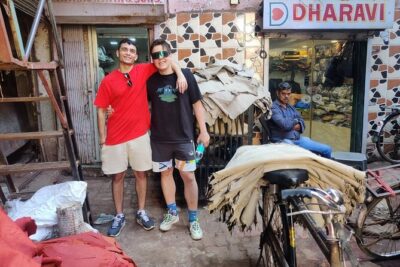
Dharavi slum tour in Mumbai by Female tour guides of the slum
Read our review →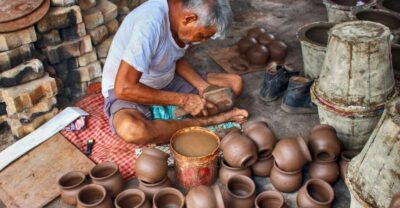
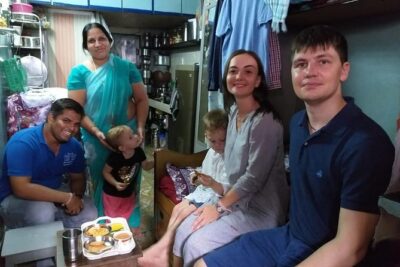
Dharavi Slum Slumdog Millionaire Tour with a Local
Read our review →
Mumbai Slum Tour – Visit Dharavi Slum with Local Guide
Read our review →
Dhobi Ghat Laundry and Dharavi Slum Tour with Local
Read our review →Browse the lists this tour appears in