
Reviewed · SLUM AND COMMUNITY TOURS
Mumbai: Dharavi Slum Tour with Dhobi Ghat (Open-Air Laundry)
Mumbai reveals itself through work. This three-hour tour shows you how Dharavi turns scrap into products and how Dhobi Ghat handles the city’s laundry by hand. I like the focus on small businesses and skilled makers, not just hardship, and I like the chance to see recycling, textiles, leatherwork, pottery, and bakery production up close. The main caution is that the Dhobi Ghat portion may feel rushed compared with the longer Dharavi walk.
A strong local guide can make or break this experience. Guides such as Pooja, Anushka, and Varsha have been praised for clear English, personal knowledge of Dharavi, and an easy way of answering questions. You should also arrive ready for narrow lanes, busy streets, limited restroom access, and very little sitting time.
In This Review
- Key points to know before booking
- Why Dharavi is more than a slum label
- Beginning outside Third Wave Coffee
- Inside Dharavi’s working lanes
- The guide makes the ethical difference
- Markets, crafts, and the business of making a living
- Dhobi Ghat and Mumbai’s laundry system
- Timing, walking, and comfort
- Is $4.94 good value?
- Who should book this walk?
- Final verdict: book it for Dharavi, temper expectations for Dhobi Ghat
- FAQ
- Where does the tour begin?
- How long does the tour last?
- Where does the tour finish?
- Is photography allowed in Dharavi?
- What should I bring?
- Is the tour suitable for wheelchair users?
Key points to know before booking
- Dharavi takes about 2.5 hours: Most of the tour is spent walking through work areas and learning how local industries operate.
- Recycling is a major focus: You may see waste materials sorted and changed into usable products, with an emphasis on the business behind the process.
- The tour begins outside Third Wave Coffee: Arrive 15 minutes early so you can find the guide without a last-minute scramble.
- Dhobi Ghat finishes the experience: You end at the viewing deck of Mumbai’s famous open-air laundry, where clothes are washed, dried, ironed, and sorted.
- Photography needs care: You may take pictures, but ask first and follow the guide’s instructions around homes, workers, and private moments.
- The price is unusually low: At $4.94 per person, this offers strong value, though the short Dhobi Ghat stop deserves realistic expectations.
Why Dharavi is more than a slum label
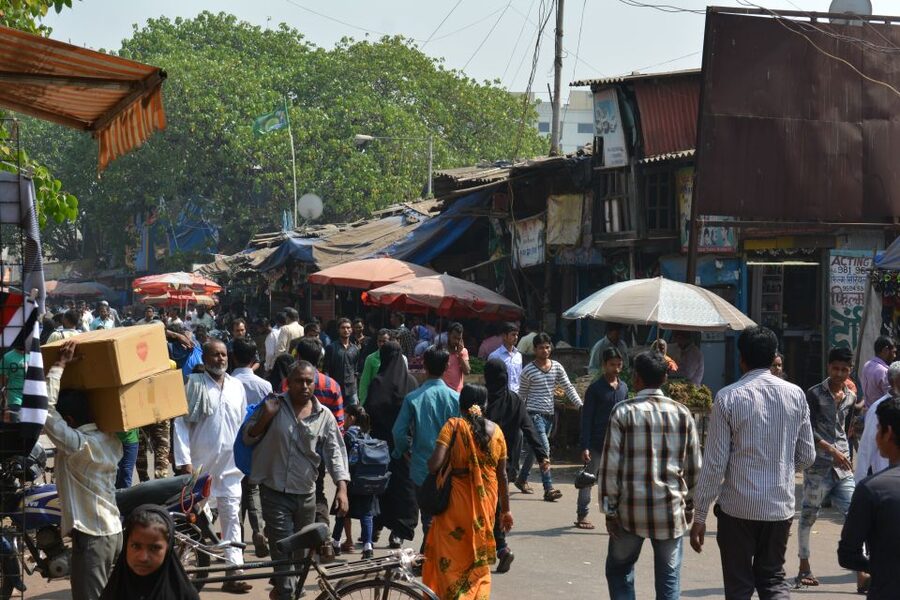
The word slum can flatten a complicated place into one idea. Dharavi is a dense residential district, but it is also a major center for small-scale production. This tour tries to show that working side of the area.
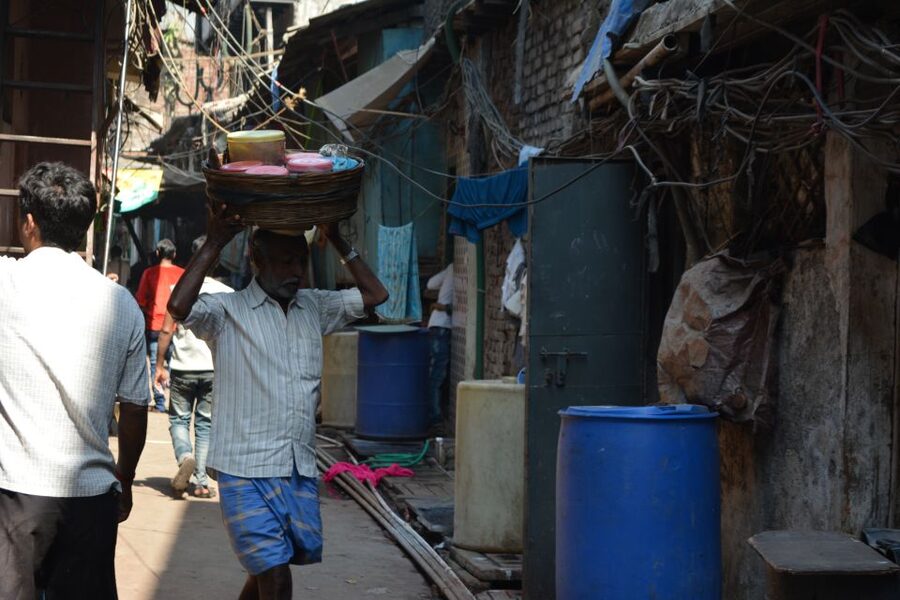
You walk through lanes where homes, workshops, storage rooms, and businesses sit close together. The setting can feel crowded and intense, but the point is not simply to look at difficult living conditions. You learn how people earn money, organize work, reuse materials, and serve the wider Mumbai economy.
That distinction matters. A tour of Dharavi can easily become poverty tourism if it treats residents as scenery. This experience is more useful when you approach it as a lesson in local enterprise and daily life. The strongest guide accounts focus on the work being done and explain when photography is appropriate.
You should still expect poverty to be part of what you see. Some working spaces are also living spaces, and one account found it striking that workers lived inside factories. The tour may not give you a full look at every residential area, so you should not expect a complete picture of housing conditions.
More Temples and Religious Sites in Mumbai
- Mumbai: Dhobi Ghat Laundry and Dharavi Slum Tour with Local
★ 5.0 · 469 reviews - Mumbai: Dharavi Slum and Dhobi Ghat Laundry Tour
★ 5.0 · 317 reviews - Private Guided Spiritual Walk in Banganga Hindu Temples
★ 5.0 · 271 reviews
Beginning outside Third Wave Coffee
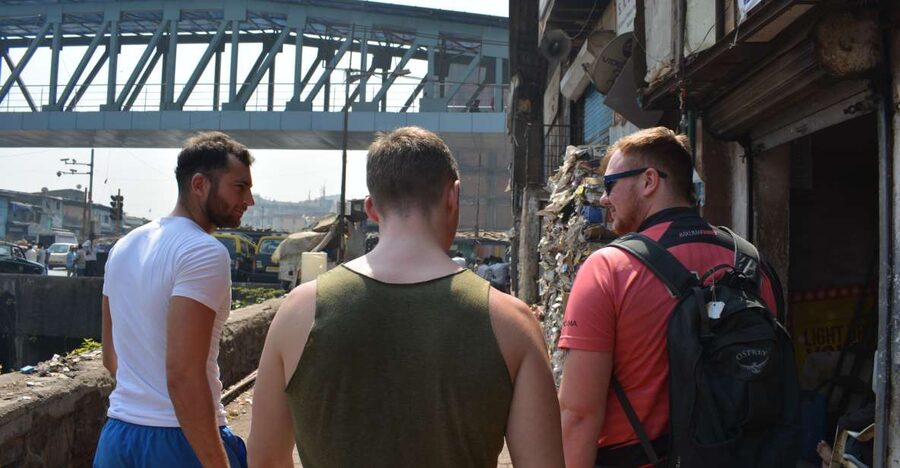
The meeting point is outside the Third Wave Coffee shop. This is a practical place to begin, but you need to take responsibility for getting there on time. Arrive 15 minutes before departure, look for the English-speaking guide, and avoid bringing a large bag.
The tour lasts three hours, with roughly 2.5 hours set aside for Dharavi. That is enough time to cover several work areas without turning the visit into a quick drive-by, but it also means you will be on your feet for much of the morning or afternoon.
Wear shoes that can handle uneven walking and crowded lanes. A hat is useful in strong sun, and a reusable water bottle is a smart addition. Food and drinks are not included, so eat before the tour or plan a meal afterward. Restrooms may be hard to find along the way.
The tour runs in rain or shine. Mumbai weather can change your comfort level quickly, so carry suitable clothing or an umbrella when rain is possible. Baby strollers, luggage, and large bags are not allowed, and the walk is not suitable for wheelchair users.
Inside Dharavi’s working lanes
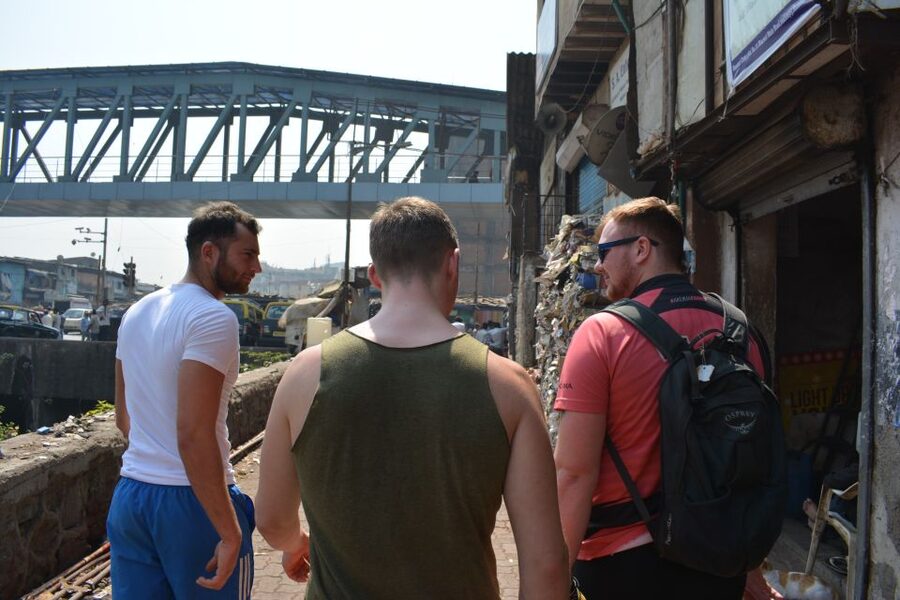
The most interesting part of the tour is the change in scale. From the outside, Dharavi may look like a maze of crowded lanes. Inside, you begin to see a network of specialized trades, each with its own tools, workers, customers, and routines.
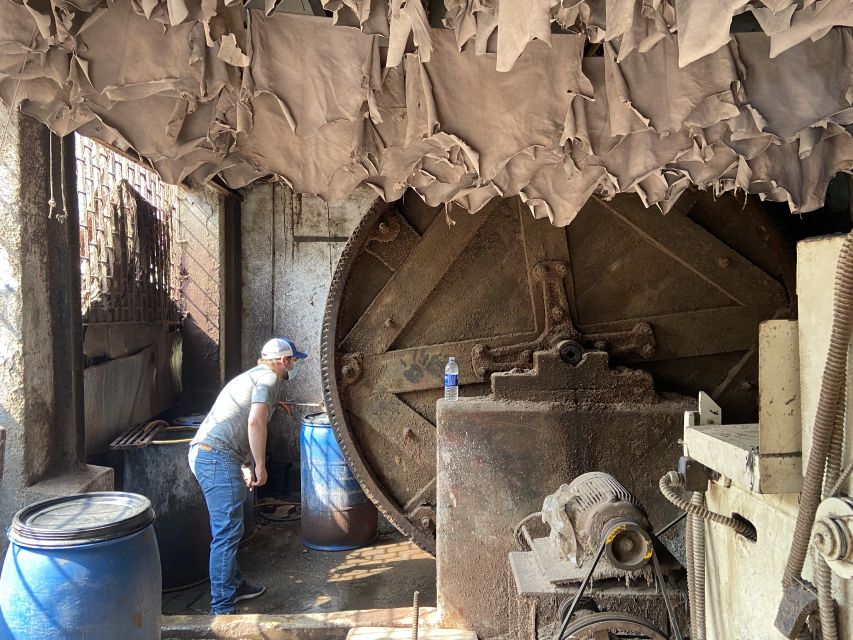
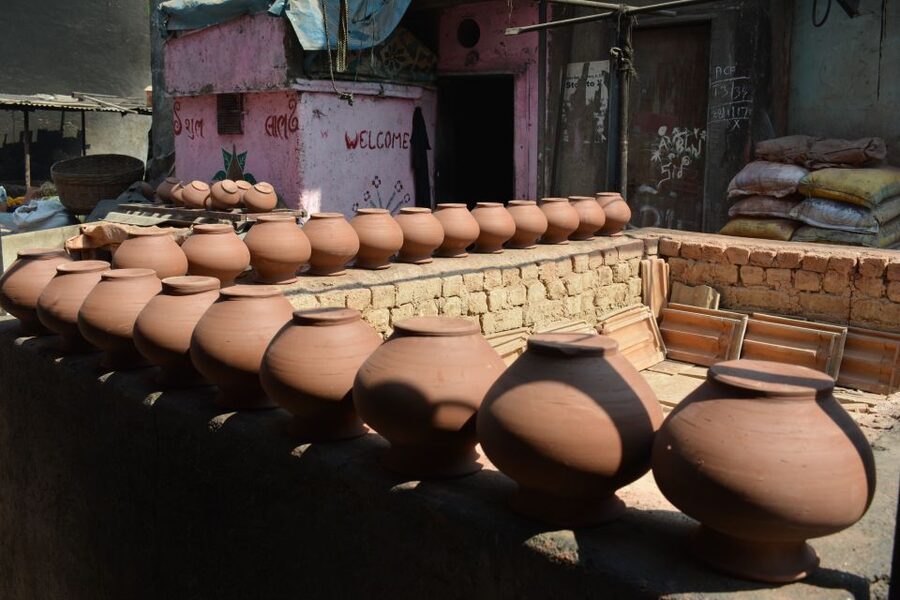
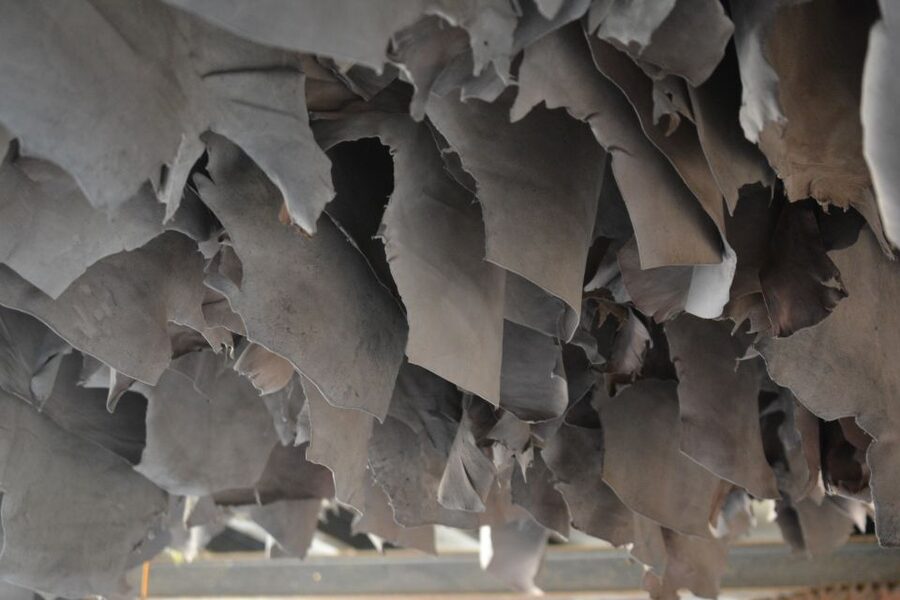
The route can include recycling operations, textile work, leather production, pottery, bakeries, and other small industries. You may watch raw or discarded materials move through several steps before becoming something useful or saleable. That process gives you a better sense of why Dharavi matters economically.
Recycling is especially revealing. Instead of treating waste as the end of a product’s life, local workers sort and process it for reuse. The work may look rough and practical rather than polished, but it shows considerable skill and organization. You get a close look at how value is created with limited space and basic resources.
Textiles and handicrafts add another layer. Depending on the route and the day, you might see fabric, clothing, or handmade goods being produced or handled. The tour may also pass small markets where you can observe the connection between production and trade.
Your guide is important here because the activity is not always easy to interpret at a glance. Pooja has received particularly strong praise for explaining the industries clearly, answering detailed questions, and connecting the work to the lives of residents. Varsha has also been praised for knowing the lanes well and explaining textile and plastic recycling in clear English.
Anushka brings a different strength. Having grown up in Dharavi, she can add personal stories and a direct connection to the neighborhood. That sort of background can change the feel of the walk. You are not only being shown a place, you are hearing how someone connected to it understands its work and community.
The guide makes the ethical difference
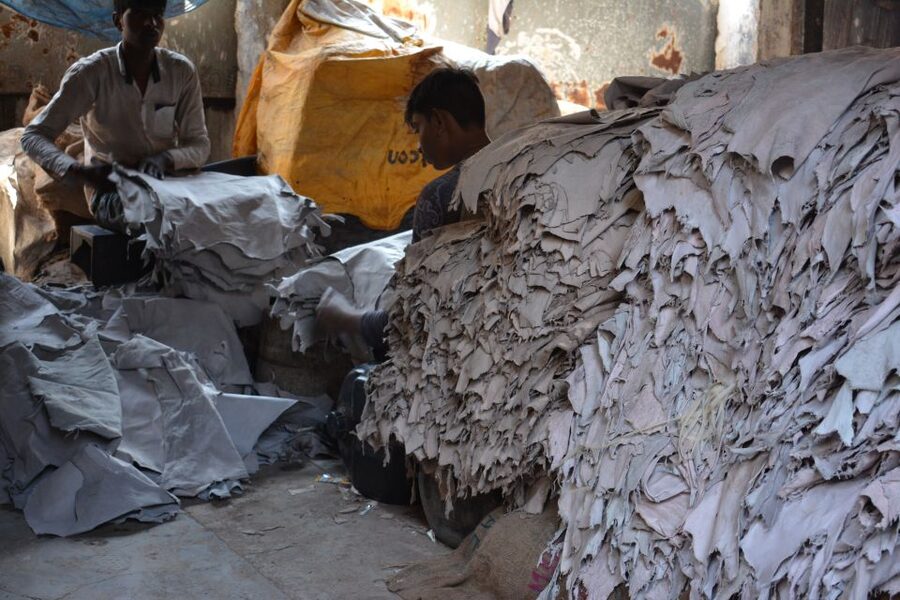
I would choose this tour mainly for the guide. Dharavi is not a museum, and no route can make the experience comfortable in the usual sightseeing sense. A good guide helps you read the place without turning residents into objects for inspection.
The best approach is to watch where the guide looks, ask before taking pictures, and keep your camera away when people are working, eating, or at home. Photography is allowed, but permission and good judgment matter more than collecting dramatic images.
The guides praised most often are described as warm, funny, patient, and ready to answer questions. Pooja is noted for her command of the area and several languages. Varsha is praised for her calm explanations and friendly manner. Anushka is remembered for her personal stories and relaxed conversation.
That said, the experience can vary with the individual guide and the exact route. One visitor found the first half excellent but felt the second guide handled the Dhobi Ghat visit poorly. This is a useful warning: even a highly rated tour can have an uneven handoff between sections.
A completely different kind of day out:
- Dharavi slum tour in Mumbai by Female tour guides of the slum
★ 5.0 · 1,976 reviews - Mumbai: Full-Day Sightseeing Tour of Mumbai
★ 4.9 · 1,822 reviews - Private Mumbai Sightseeing Tour (Traveller’s Choice Award Winner)
★ 5.0 · 1,565 reviews - Elephanta Caves & Island Guided Private Tour
★ 5.0 · 1,327 reviews
Markets, crafts, and the business of making a living
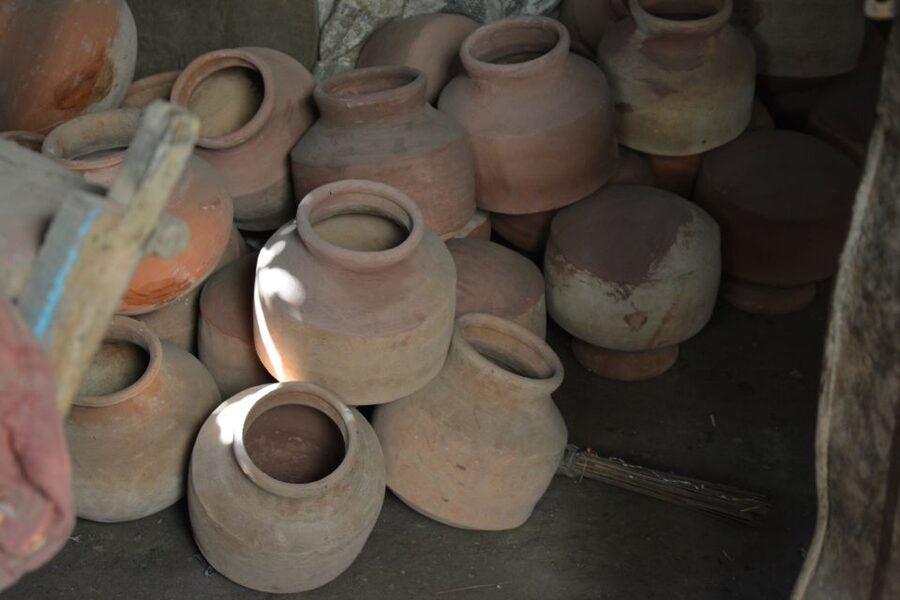
Dharavi’s markets are not included as a separate shopping stop, but the walking route can bring you near small shops and production areas. You may see handicrafts, textiles, leather goods, or other products made for sale.
I would not book this as a shopping tour. The value is in understanding how the goods are made and how local businesses fit together. If you find something you like, ask the guide whether buying or taking pictures is appropriate rather than assuming.
The commercial side also helps correct a common misunderstanding. Dharavi is not only a place where people need help. It is a place where people work, trade, make products, and run businesses. The tour highlights entrepreneurial energy without pretending that living conditions are easy.
One particularly useful detail is the mix of production and residence. Some workers may live where they work, which can be difficult to see but helps explain how limited space is used. You may want to ask the guide about that arrangement, while keeping the conversation respectful and avoiding intrusive questions.
Dhobi Ghat and Mumbai’s laundry system
The tour finishes at the Dhobi Ghat viewing deck, one of Mumbai’s most recognizable working sites. From the viewing area, you can watch laundry being washed, dried, ironed, and sorted by hand.
The scene is visually striking because the work follows a clear rhythm. Clothes move through repeated stages, and the open-air setting makes the scale easy to grasp. This is not a staged cultural display. It is a functioning workplace that serves the city.
The viewing deck gives you a useful overview, but it is not the same as walking through the laundry itself. One account found this section disappointing because the guide would not go down into the laundry area, and the entire stop, including the transfer, took less than 30 minutes.
You should therefore think of Dhobi Ghat as a short final viewing stop, not a second full tour. The exact experience may depend on the guide, timing, and access available that day. If seeing the laundry from inside is essential to you, ask about access before booking and keep your expectations modest.
The tour ends at the viewing deck rather than returning you to the original coffee shop. That can be convenient if you plan to continue sightseeing from there, but you should arrange your next step yourself.
Timing, walking, and comfort
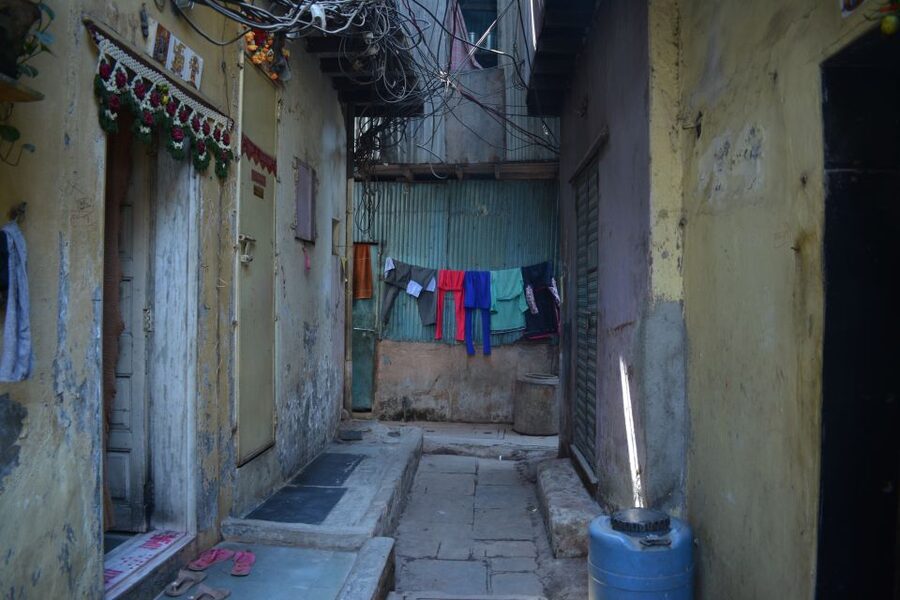
Three hours sounds short, but Dharavi demands attention. You will be walking through narrow passages and busy streets, stopping often to look at work areas and listen to explanations. Comfortable footwear is not a minor suggestion here.
The route may feel physically tiring in hot or wet weather. Bring water, protect your head from the sun, and use a restroom before meeting the guide. Since no snacks or drinks are included, do not count on refreshments during the tour.
Large bags are a poor fit for the route and are not allowed. Leave luggage at your accommodation or another secure location. A small, practical bag is better than anything bulky, though the stated restrictions mean you should pack lightly.
Children with strollers and wheelchair users may find the route unsuitable. The activity is also listed as not suitable for people over 95. Those limits reflect the tight lanes and walking demands rather than a lack of interest in welcoming different visitors.
Is $4.94 good value?
At $4.94 per person, the tour is remarkably inexpensive for three hours with an English-speaking guide and entry arrangements for Dharavi. Even if you treat the price as an introduction rather than a definitive account of Mumbai, it offers a lot of information for very little money.
The value depends on what you want. If your main goal is to see how Dharavi’s industries work and learn from a local guide, the price is excellent. The recycling, textile, leather, pottery, and small factory sections can give you a useful view of Mumbai that standard sightseeing often misses.
The weaker value comes in the Dhobi Ghat section. If that stop lasts only a short time and remains at the viewing deck, you may feel the tour is really a Dharavi walk with a brief laundry visit attached. That does not make it poor value, but it is worth knowing before you book.
The free cancellation window is also practical. You can cancel up to 24 hours before the tour for a full refund, and you can reserve now and pay later. Starting times vary, so check availability for your preferred day.
Who should book this walk?
I recommend it for you if you want to understand how ordinary work supports a huge city. It suits people interested in recycling, small businesses, crafts, labor, and local community life more than people seeking polished attractions.
It is also a good choice if you are uneasy about slum tours but still want to visit Dharavi responsibly. The economic focus helps, and the guide’s conduct matters greatly. Ask questions, follow photography guidance, and remember that people live and work along the route.
You may want a different experience if you need step-free access, dislike extended walking, or want a detailed visit inside Dhobi Ghat. The tour does not include food, hotel transfers, or a guaranteed long stop inside the laundry.
Final verdict: book it for Dharavi, temper expectations for Dhobi Ghat
I would book this tour for the Dharavi portion. At a very low price, you get a guided walk through working areas that can change how you understand Mumbai. The strongest guides, especially Pooja, Varsha, and Anushka, add local insight that you cannot get by wandering alone.
I would treat Dhobi Ghat as a brief bonus rather than the main reason to go. If that fits your plan, this is a practical, eye-opening introduction to Mumbai’s working communities. If you want a longer laundry visit or a closer look inside the site, confirm the arrangement before paying.
FAQ
Where does the tour begin?
Meet your English-speaking guide outside the Third Wave Coffee shop. You should arrive 15 minutes before the scheduled departure.
How long does the tour last?
The full experience lasts three hours. About 2.5 hours are dedicated to the guided walk through Dharavi, followed by the Dhobi Ghat visit.
Where does the tour finish?
The tour finishes at the Dhobi Ghat viewing deck. Hotel pickup and drop-off are not included.
Is photography allowed in Dharavi?
Photography is allowed, but you must respect residents’ privacy and follow the guide’s instructions about where and when pictures are appropriate.
What should I bring?
Bring comfortable shoes, a hat, and a camera if you want to take photographs. A reusable water bottle is also recommended, especially in warm weather.
Is the tour suitable for wheelchair users?
No. The tour is not suitable for wheelchair users, and baby strollers and luggage or large bags are not allowed.
More Community Tours in Mumbai
- Mumbai: Dharavi Slum, DhobiGhat, and Dabbawallas Tour
★ 4.9 · 689 reviews - Dharavi Slum Tour
★ 5.0 · 625 reviews - Dharavi Slum tour in Mumbai by local resident
★ 5.0 · 572 reviews - Mumbai: Dharavi Slum Slumdog Millionaire Tour with a Local
★ 4.9 · 529 reviews
Just added in Mumbai
- Mumbai Airport to Mumbai Hotels : Private Transfers★ 5.0 · 13 reviews
- Mumbai Sightseeing Tour★ 5.0 · 11 reviews
- Mumbai Spice Markets and Bazaars Tour with Guide and Transport★ 5.0 · 42 reviews
- Mumbai 800 Year Worli Village: Talking Goddess, Old Fort & more★ 5.0 · 94 reviews
- Customize private tour with pickup★ 5.0 · 95 reviews
- Gufran’s Slum Home Tour in the Mumbai Slums★ 5.0 · 19 reviews
- Private Guided Bandra Half Day City Tour in AC Vehicle★ 5.0 · 72 reviews
- Twilight in Mumbai: Discover the City by Night with Food Options★ 5.0 · 24 reviews
Slum and Community Tours, compared.
Dharavi slum tour in Mumbai by Female tour guides of the slum
Read our review →
Dharavi Slum Slumdog Millionaire Tour with a Local
Read our review →
Mumbai Slum Tour – Visit Dharavi Slum with Local Guide
Read our review →
Dhobi Ghat Laundry and Dharavi Slum Tour with Local
Read our review →Browse the lists this tour appears in