
Reviewed · SLUM AND COMMUNITY TOURS
Mumbai: Dharavi Slum Guided Walking Tour by 1st Female Guide
Dharavi rewards a closer look. This two-hour walk shows you the area’s working side, from recycling and leather production to clothing workshops, then brings you into residential lanes where people live, work, and raise families. I like that the tour explains Dharavi through its industries rather than treating it as a backdrop for poverty. I also like that it is led by a local female university student, with tour income helping support the education of local women.
The main consideration is comfort. You will walk through narrow lanes and working areas, and Dharavi is not suited to wheelchair users. The optional lunch in a local home adds warmth and conversation, but the outing may feel confronting if you are looking only for polished sightseeing. Come with respect, comfortable shoes, and an open mind.
In This Review
- Key points before you book
- Why this Dharavi walk is different
- Dhobi Ghat and the journey to Dharavi
- The commercial side of Dharavi
- Moving into the residential lanes
- A vegetarian lunch in a local home
- What the guides add to the experience
- How much time should you allow?
- Is $6 good value?
- Who should take this tour?
- A practical booking decision
- FAQ
- How long does the Dharavi walking tour last?
- Is hotel pickup included?
- What language is the tour conducted in?
- Is lunch included?
- What should I bring?
- Is the tour suitable for wheelchair users?
Key points before you book
- Local female guides: Guides such as Sneha, Anu, and Pooja explain Dharavi in clear English and answer questions directly.
- Industry comes first: You see plastic and paper recycling, leather work, clothing production, and other small businesses.
- Residential Dharavi feels different: The walk moves from workshops into homes, lanes, and the community of earthen-pot makers.
- Lunch is optional: A simple, hygienic vegetarian meal at a local home lets you meet a family and continue the conversation.
- The price is unusually low: At $6 per person, the walking tour offers strong value, though hotel transport costs extra.
- Allow more than two hours if needed: The experience can run from two to four hours, especially if you add transfers and lunch.
Why this Dharavi walk is different
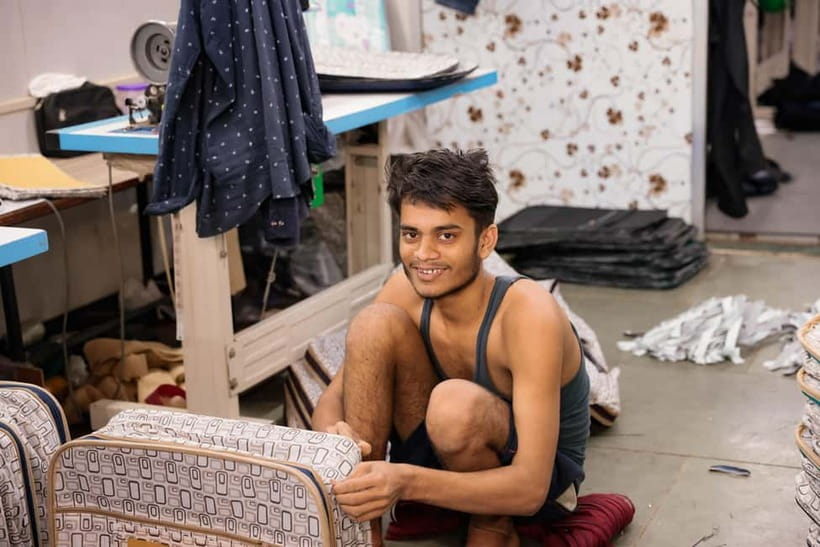
Dharavi is often reduced to one blunt label. This tour asks you to look again.
The district is a place where people live and earn money side by side. Small factories, workshops, shops, houses, temples, and narrow passageways fit into a tightly packed area. The tour focuses on that daily economy, giving you a clearer idea of how work supports families and how local businesses function.
I appreciate the choice of guide. A local female university student can explain the neighborhood from personal experience, while also bringing the structure and perspective of a trained guide. Sneha has received especially warm praise for giving a clear and engaging account of the area. Anu has also been praised for explaining both the commercial and residential sections in understandable English. Pooja is noted for guiding visitors through very narrow lanes and communicating well.
That personal connection matters. You are not simply looking at Dharavi from outside a vehicle. You are walking with someone who knows its streets and can help you understand what you are seeing.
More Walking Tours in Mumbai
- Group Guided Walking Tour in Fort and Colaba
★ 5.0 · 1,073 reviews - Private Guided Walking Tour in Fort & Colaba
★ 5.0 · 895 reviews - Private Guided Walking Tour in Bandra Queen of Suburbs
★ 5.0 · 383 reviews
Dhobi Ghat and the journey to Dharavi
Depending on the option you choose, the outing begins at a designated meeting point or with hotel pickup. Some versions include a visit to Dhobi Ghat before a transfer of about 30 minutes to Dharavi.
Dhobi Ghat gives the day an early look at Mumbai’s working life. It is a useful stop because this tour is less about famous monuments and more about the people and trades that keep the city running. The visit is listed as part of the route, but the main focus remains Dharavi itself.
If you choose hotel pickup and drop-off, you travel in an air-conditioned car. This costs extra, so compare the added convenience with the low price of the walking option. For many people, meeting at the assigned point will offer the better value. If you have limited time, however, paid transport can reduce the hassle of finding your way across Mumbai.
The exact meeting point depends on the option booked. Check it carefully before setting out, since the available starting locations are not identical.
The commercial side of Dharavi
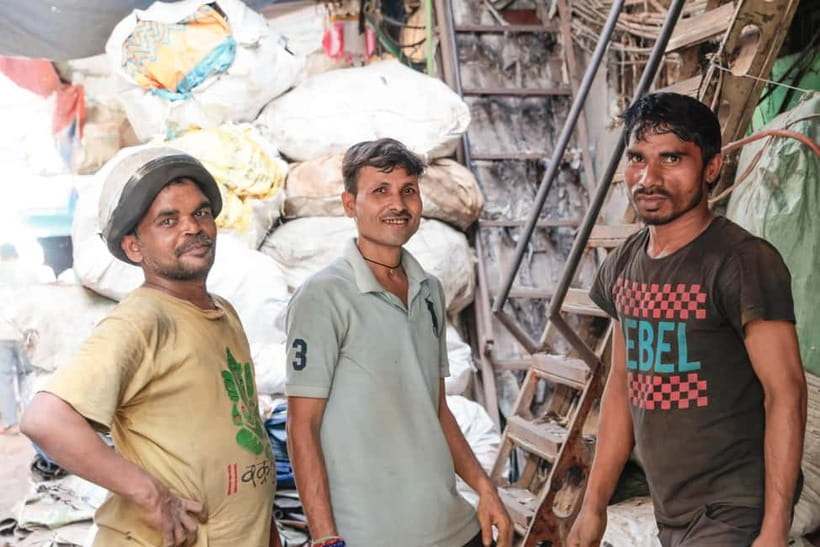
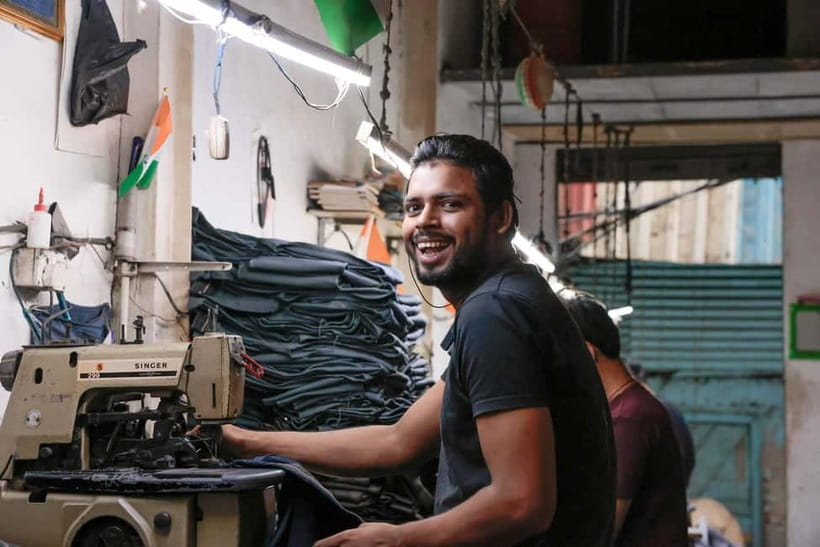
The walking tour spends its first major section among Dharavi’s workshops and small factories. You may see plastic and paper recycling, leather production, clothing manufacture, and other local industries.
This is the part that most strongly challenges the usual image of a slum. Dharavi is not only a residential area. It is also a place of work, production, repair, sorting, and trade. The tour helps you see the practical skill behind these activities and the number of jobs that can fit into a small urban district.
The recycling stops are likely to be especially useful for understanding the scale of informal industry. Instead of hearing a general statement about recycling, you can watch the process at close range and see how materials move through local businesses. The leather and clothing work add another layer, showing that Dharavi’s economy includes skilled production as well as basic sorting and processing.
You should expect an active working environment, not a museum. Space can be tight, machinery may be operating, and people are there to earn a living. Listen closely to your guide and follow instructions. Avoid wandering away from the group or photographing people without permission.
The strongest part of the tour is the explanation. Without context, a workshop can look like a jumble of equipment and materials. With Anu, Sneha, or another local guide explaining the process, you can connect what you see with the wider life of the area.
Moving into the residential lanes
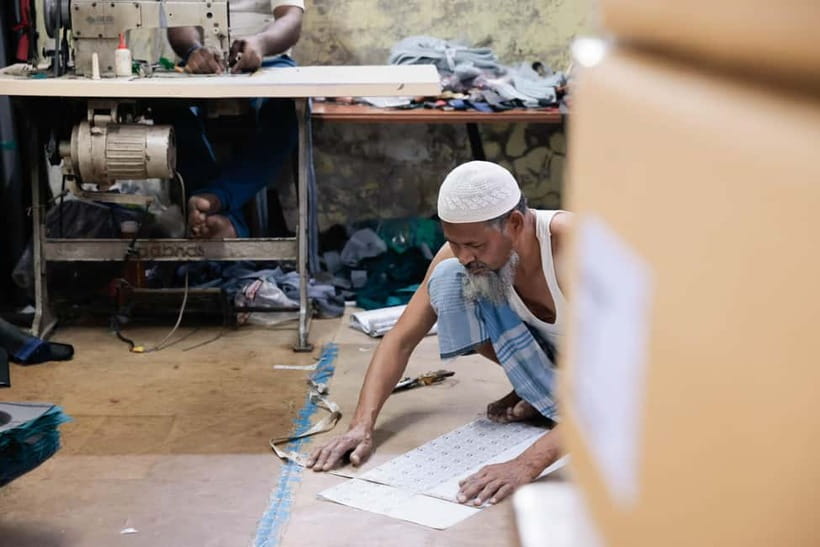
After the commercial section, the route enters Dharavi’s residential area. The mood changes, and the subject shifts from production to daily life.
You may see how homes and workplaces share the same limited space. The guide explains the lifestyle of local residents and helps you understand how the neighborhood functions as a place to live, not simply a place to work. This is where the tour can feel most personal, so courtesy matters even more.
The residential lanes are narrow. Comfortable walking shoes are essential, and people who have difficulty walking should think carefully before booking. The experience is not suitable for wheelchair users. It is also listed as unsuitable for people over 95 years old, likely because of the walking and confined passages.
One of the most interesting parts is the community known for making earthen pots and clay items. This older craft tradition gives the residential section a strong sense of continuity. You are not only seeing modern workshops and recycling businesses. You are also seeing a craft passed through generations.
Do not expect a quiet stroll. Dharavi is compact and busy, and the route may require patience when lanes are crowded. That is part of the experience, but it can be tiring in Mumbai’s heat. Carry water, use the bottled mineral water provided, and wear clothing suitable for a respectful visit.
A completely different kind of day out:
- Dharavi slum tour in Mumbai by Female tour guides of the slum
★ 5.0 · 1,976 reviews - Mumbai: Full-Day Sightseeing Tour of Mumbai
★ 4.9 · 1,822 reviews - Private Mumbai Sightseeing Tour (Traveller’s Choice Award Winner)
★ 5.0 · 1,565 reviews - Elephanta Caves & Island Guided Private Tour
★ 5.0 · 1,327 reviews
A vegetarian lunch in a local home
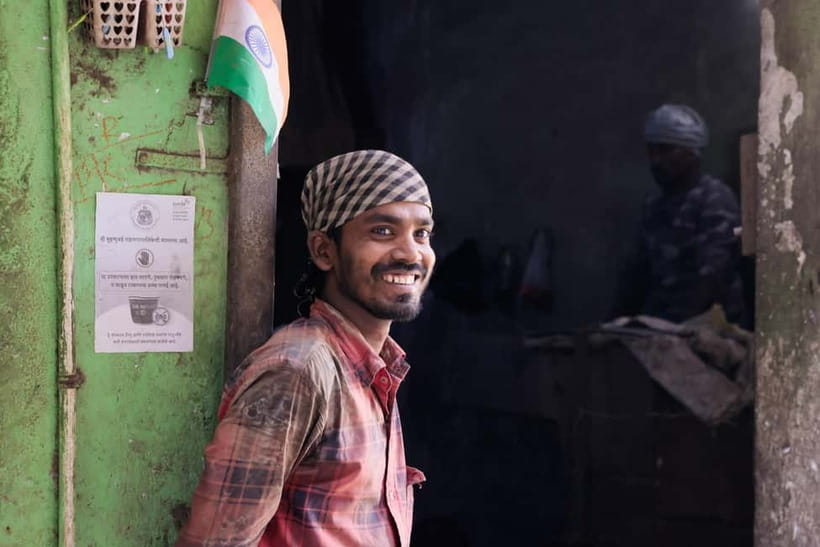
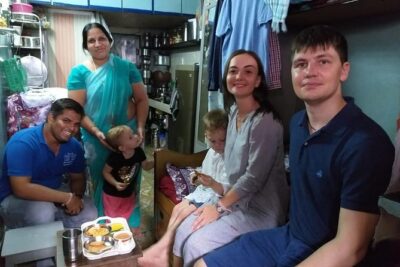
After the walk, you can choose a simple vegetarian lunch in a local home. The meal is described as hygienic and modest, which is exactly the right expectation.
This is not a restaurant stop or a grand culinary event. Its value comes from the setting. You can eat with a family, ask questions, and gain a closer sense of ordinary life in Dharavi. The conversation may be more memorable than the food.
I like that lunch is optional. Some people will welcome the chance to sit down and talk after two hours on foot. Others may have dietary plans, a tight schedule, or a preference to finish after the guided walk. You are not forced into an extended meal.
If you choose lunch, remain polite about the home and the food. Follow your guide’s lead, ask before taking photographs, and remember that this is a family space rather than a themed attraction. A little humility goes a long way.
What the guides add to the experience
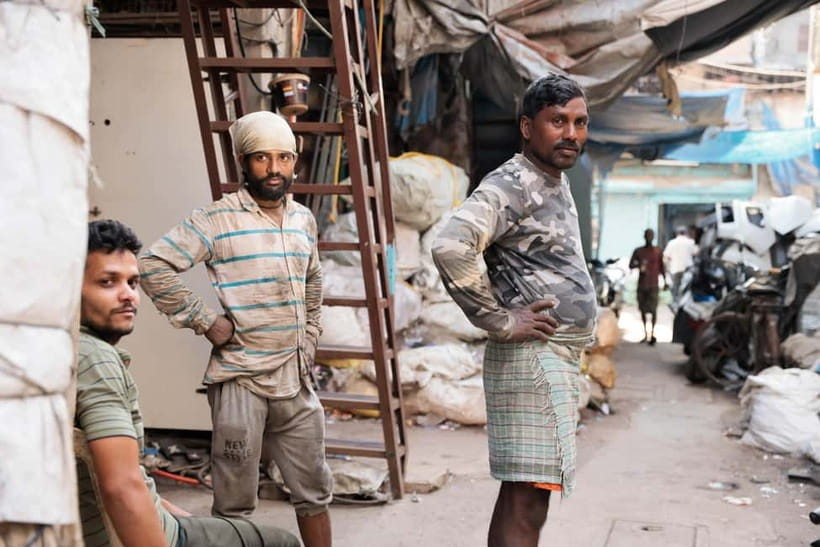
The guide is the heart of this tour. The route itself is valuable, but the explanations turn a walk through narrow lanes into something you can understand.
The guide team includes local women who are also students. That gives the tour a clear social purpose: joining helps support the education of local female students. You still need to judge the tour on its quality, but this arrangement adds meaning to the low price.
The strongest guide feedback centers on three qualities: clear English, thoughtful answers, and a respectful tone. Sneha is described as giving an interesting and rewarding tour. Anu is praised for answering questions and covering both sides of Dharavi well. Pooja is singled out for leading confidently through narrow alleys and speaking very understandable English.
That consistency matters if you are nervous about visiting Dharavi. You can ask direct questions rather than relying on assumptions. The guide can also explain when a photograph is appropriate and when it is not.
This is not a tour for gawking. The better approach is to listen, observe, and ask about work, homes, crafts, and education. If you do that, the visit can replace a simplistic picture with a more complete one.
How much time should you allow?
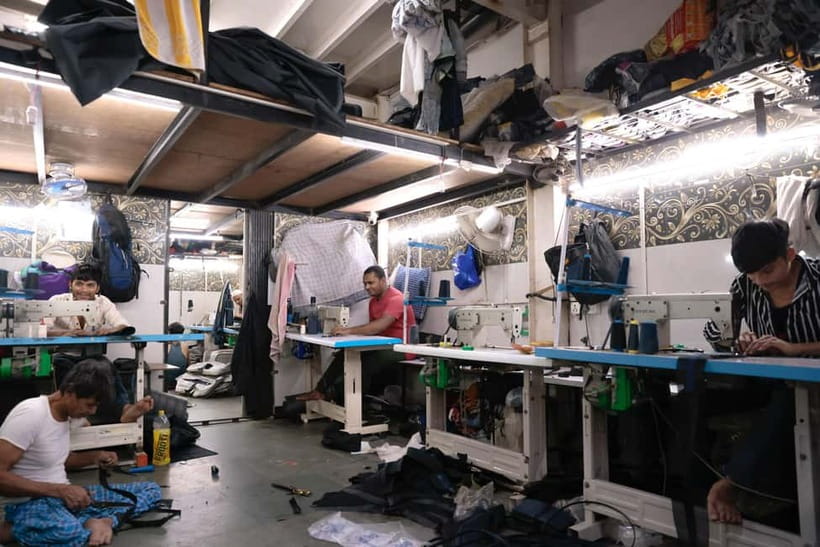
The core Dharavi walk lasts about two hours. The full activity may take between two and four hours, depending on the starting option, Dhobi Ghat visit, transport, and lunch.
If you meet the guide at the designated point and skip lunch, you should expect the shorter version. Add Dhobi Ghat, a 30-minute transfer, hotel pickup, or the home meal, and the schedule can stretch toward four hours.
That range is important when planning your Mumbai day. Do not place this tour immediately before a fixed appointment unless you have plenty of room. The walk itself is listed as two hours, but city transfers can take time, and the lunch conversation may make you want to stay longer.
The tour is conducted in English. Bring a camera if you want photographs, but use it with care. The most useful image may be one you take only after asking permission.
Is $6 good value?
At $6 per person, the basic walking tour is excellent value. You receive a two-hour guided visit, a local female guide, bottled mineral water, and access to both the commercial and residential sides of Dharavi.
The price is especially fair because the tour offers explanation rather than a quick drive past the area. You are paying for local guiding, orientation, and a chance to understand the neighborhood in person. The education support for local female students adds another reason to consider it.
Hotel pickup and drop-off are not included in the basic price. They are optional extras, so the final cost will be higher if you choose the air-conditioned car. The vegetarian lunch is also an option, and the supplied details do not state a separate lunch price, so check that when booking.
For a budget visitor, the walking option makes the most sense. For families or anyone worried about navigating Mumbai, the paid transfer may be worth the extra money. Either way, the core tour remains inexpensive compared with many organized city experiences.
Who should take this tour?
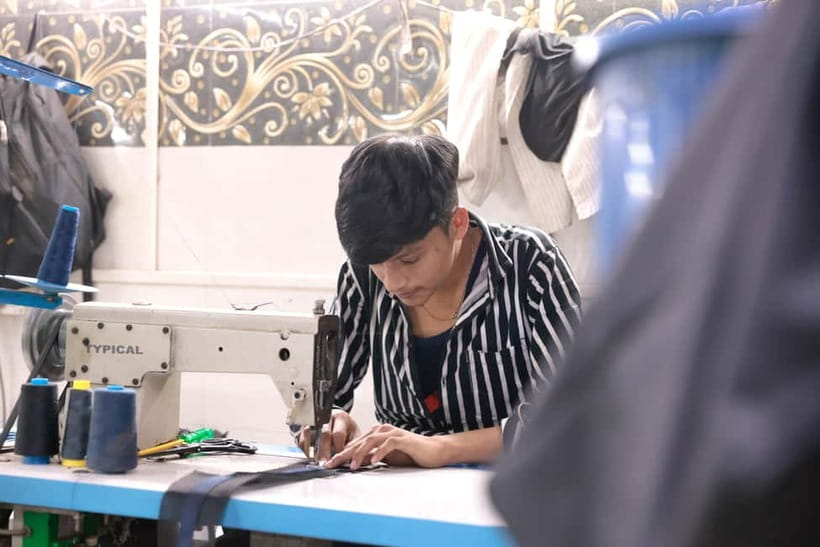
I would recommend it to visitors who want to understand Mumbai beyond its landmarks. It suits curious adults, older children who can manage a two-hour walk, students, and anyone interested in small business, urban life, recycling, or local crafts.
It is also a good choice if you want a tour with a clear social purpose. Supporting female students gives the visit a practical benefit beyond sightseeing.
You should think twice if you dislike narrow lanes, working environments, or residential visits. This is not a polished attraction, and the subject matter can be serious. It also requires respectful behavior around people who are going about their daily lives.
The tour may work well for families, as Marie Eve’s family found it meaningful, but parents should prepare children beforehand. Explain that Dharavi is a real neighborhood, not a show. Children should not point, stare, or photograph residents without permission.
Wear comfortable shoes, avoid see-through clothing, and do not smoke during the experience. These rules are basic, but following them helps you enter the community with the right attitude.
A practical booking decision
Book this tour if you want a low-cost, guided look at how Dharavi works and you are willing to meet the area on its own terms. Choose the walking option for the best value, and add lunch if you want more time with a local family.
I would not book it as a casual photo stop. The tour works best when you are ready to listen and ask thoughtful questions. Give yourself up to four hours if you include transport and lunch, and confirm the meeting point before leaving your hotel.
The cancellation policy is flexible: you can cancel up to 24 hours ahead for a full refund, and you can reserve now and pay later. That makes it easier to fit the experience into a changing Mumbai schedule.
FAQ
How long does the Dharavi walking tour last?
The guided walk lasts two hours. The full activity can take between two and four hours, depending on the pickup option, Dhobi Ghat visit, transfer, and optional lunch.
Is hotel pickup included?
Hotel pickup and drop-off are optional and cost extra. The basic option uses a designated meeting point, which can vary according to the booking selected.
What language is the tour conducted in?
The live tour guide speaks English.
Is lunch included?
The tour offers an optional simple, hygienic vegetarian lunch at a local home. The included details do not state that lunch is part of the basic tour price.
What should I bring?
Wear comfortable walking shoes and bring a camera if you would like to take photographs. Bottled mineral water is included.
Is the tour suitable for wheelchair users?
No. The activity is not suitable for wheelchair users. It is also listed as unsuitable for people over 95 years old.
More Community Tours in Mumbai
- Mumbai: Dharavi Slum, DhobiGhat, and Dabbawallas Tour
★ 4.9 · 689 reviews - Dharavi Slum Tour
★ 5.0 · 625 reviews - Dharavi Slum tour in Mumbai by local resident
★ 5.0 · 572 reviews - Mumbai: Dharavi Slum Slumdog Millionaire Tour with a Local
★ 4.9 · 529 reviews
Just added in Mumbai
- Mumbai Airport to Mumbai Hotels : Private Transfers★ 5.0 · 13 reviews
- Mumbai Sightseeing Tour★ 5.0 · 11 reviews
- Mumbai Spice Markets and Bazaars Tour with Guide and Transport★ 5.0 · 42 reviews
- Mumbai 800 Year Worli Village: Talking Goddess, Old Fort & more★ 5.0 · 94 reviews
- Customize private tour with pickup★ 5.0 · 95 reviews
- Private Guided Bandra Half Day City Tour in AC Vehicle★ 5.0 · 72 reviews
- Gufran’s Slum Home Tour in the Mumbai Slums★ 5.0 · 19 reviews
- The Famous Bollywood Tour of Mumbai★ 5.0 · 97 reviews
Slum and Community Tours, compared.
Dharavi slum tour in Mumbai by Female tour guides of the slum
Read our review →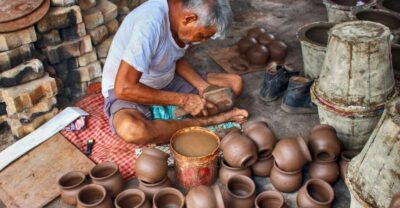
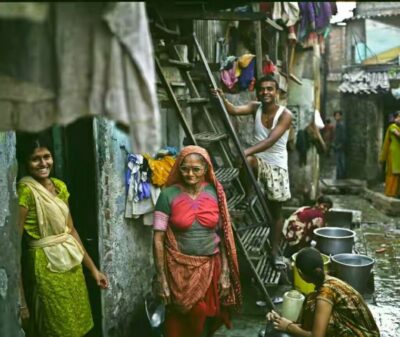
Dharavi Slum Slumdog Millionaire Tour with a Local
Read our review →
Mumbai Slum Tour – Visit Dharavi Slum with Local Guide
Read our review →
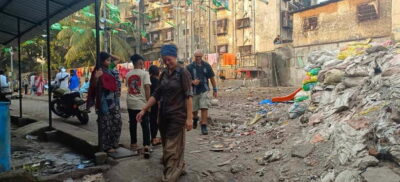
Dhobi Ghat Laundry and Dharavi Slum Tour with Local
Read our review →Browse the lists this tour appears in