
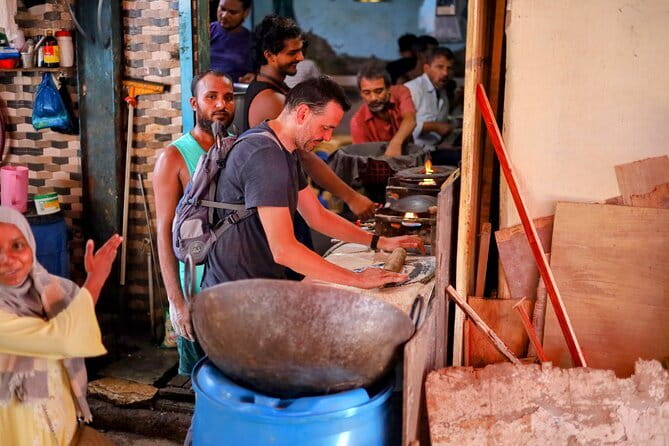
Reviewed · SLUM AND COMMUNITY TOURS
Mumbai Dharavi Slum, Dhobi Ghat & Dabbawala Lunchbox Tour
Look past Mumbai’s surface. This $17 tour connects three working parts of the city: Dharavi’s small industries, Dhobi Ghat’s open-air laundry, and the famous dabbawala lunchbox network. I like the clear focus on ordinary work and daily life, not just postcard sights, and I like that local guides such as Subhan, Jay, Yash, Ravi, and Javed add personal insight.
The main drawback is the amount of walking through narrow lanes, uneven areas, and active working neighborhoods. The tour is not suitable for wheelchair users, people with mobility impairments, or children under five, and you must arrange your own way to the meeting point.
In This Review
- Key points at a glance
- Why These Three Mumbai Stops Belong Together
- Starting With Mumbai’s Dabbawala Meal Network
- Dhobi Ghat and the Order of Open-Air Laundry
- Walking Through Dharavi’s Working Neighborhoods
- What the Dharavi Visit Can Teach You
- The Guide Is the Main Part of the Experience
- Is $17 Good Value?
- Who Should Book This Tour?
- Practical Advice Before You Go
- My Verdict: A Thoughtful, Low-Cost Mumbai Walk
- FAQ
- How long does the tour last?
- What places are included?
- Is transportation included?
- Are meals and drinks included?
- What language is the tour offered in?
- Where does the tour start and finish?
- Is the tour suitable for children?
- What should I bring?
Key points at a glance
- Three working worlds in 3.5 hours: See Dharavi’s manufacturing, Dhobi Ghat’s laundry work, and Mumbai’s famous meal delivery system.
- Dharavi beyond stereotypes: Focus on recycling, pottery, textiles, leather goods, local businesses, and community life.
- Dhobi Ghat from a close viewpoint: Watch dhobis wash, scrub, sort, and hang clothes in a long-running open-air operation.
- A guide makes the difference: Guides including Subhan, Jay, Yash, Ravi, Javed, and Sharron have been praised for patience, local ties, and clear explanations.
- Strong value at $17: Guide fees and local transport during the experience are included, along with a small-group walking tour.
- Come ready to walk: Wear good shoes, carry water, and expect heat, close lanes, and a working neighborhood rather than a polished attraction.
Why These Three Mumbai Stops Belong Together
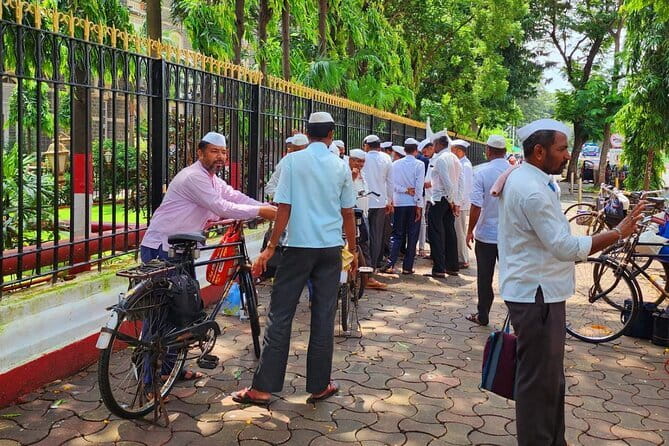
At first glance, Dharavi, Dhobi Ghat, and the dabbawala network may seem like unrelated sights. Together, they show how Mumbai works through people, timing, skill, and small businesses.
Dharavi gives you a look at local production and enterprise. Dhobi Ghat shows a traditional service operating on a large scale. The dabbawalas reveal an efficient food delivery system that depends on careful sorting and human cooperation.
I like this structure because it keeps Dharavi from becoming the only subject. You are not simply taken to see poverty. You are shown work, trade, organization, and the many ways people make a living in a crowded city.
The tour lasts about three and a half hours. The scheduled sections allow roughly 40 minutes for the dabbawala stop, 35 minutes at Dhobi Ghat, and 90 minutes in Dharavi. That gives Dharavi the most time, which makes sense because there is more to explain and more ground to cover.
More Temples and Religious Sites in Mumbai
- Mumbai: Dhobi Ghat Laundry and Dharavi Slum Tour with Local
★ 5.0 · 469 reviews - Mumbai: Dharavi Slum and Dhobi Ghat Laundry Tour
★ 5.0 · 317 reviews - Private Guided Spiritual Walk in Banganga Hindu Temples
★ 5.0 · 271 reviews
Starting With Mumbai’s Dabbawala Meal Network
The tour begins with the dabbawala system, a food delivery operation built around home-cooked meals. You learn how lunchboxes are sorted, moved, and delivered across Mumbai, often with very little technology involved.
This is a useful first stop because it introduces a key idea for the whole morning: apparent disorder can hide a careful system. The dabbawala network depends on organization, repeated routines, and people knowing their part of the process.
You should expect a guided explanation rather than a sit-down meal. Meals and drinks are not included, so bring water and do not arrive expecting lunch as part of the $17 price.
The dabbawala portion lasts about 40 minutes. That is enough time to understand the basic operation without letting one subject take over the whole tour. It also gives your guide a chance to explain how this service fits into Mumbai food culture and working life.
This stop is especially useful if you enjoy seeing how a city solves practical problems. You get more than a fact about lunchboxes. You get a picture of a large urban system that depends on accuracy, timing, and personal responsibility.
Dhobi Ghat and the Order of Open-Air Laundry
Next comes Dhobi Ghat, Mumbai’s famous open-air laundry. It has been part of the city for more than a century, and the sight is immediately different from a modern commercial laundromat.
Here, dhobis wash, scrub, sort, and hang clothing in a communal setting. Clothes appear in large numbers, yet the work follows a visible order. The attraction is not just the scale of the laundry, but the concentration and repetition needed to keep it moving.
The scheduled visit lasts about 35 minutes. That is a fairly short stop, so listen closely as your guide explains what you are seeing. A guide can help you understand the work instead of reducing the visit to a quick photo opportunity.
One useful detail is that the tour provides a closer look at Dhobi Ghat rather than only a distant view. Some people who took the tour described seeing the laundry from inside, which gives the stop more meaning than a roadside glance.
The setting is active and practical, not arranged for sightseeing. You may find the area crowded or humid, and you should be respectful around workers. Avoid treating people as scenery, and follow your guide’s advice about photography.
Walking Through Dharavi’s Working Neighborhoods
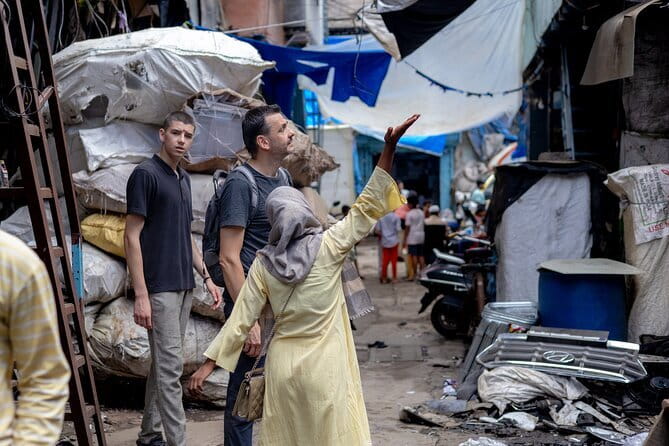
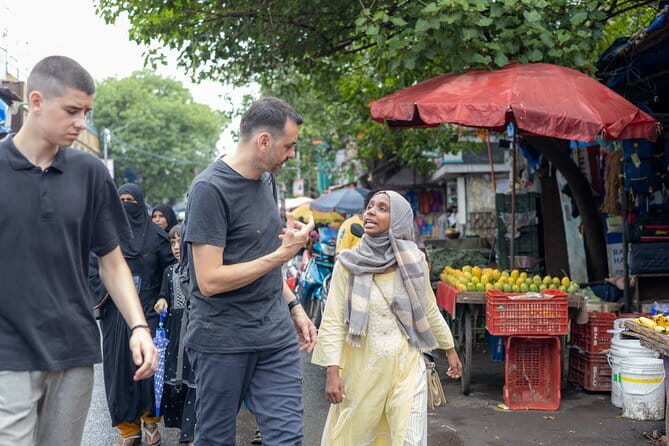
Dharavi receives the longest portion of the tour, about an hour and a half. That time is important because the area is not one simple story. It includes homes, workshops, small businesses, and industries operating close together.
The route can include examples of recycling, pottery, textiles, and leather goods. You may also learn about the links between these small operations and the wider economy of Mumbai.
I like that the focus is on work and resourcefulness. Dharavi is often presented through a narrow poverty narrative, but this tour aims to show how residents build businesses, support one another, and manage daily life in a very compact area.
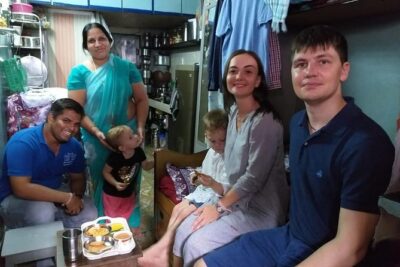
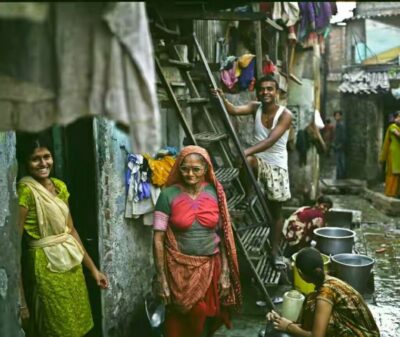
That does not mean the difficult parts disappear. You may see cramped living conditions, narrow lanes, and homes with little space or natural light. One account described several people living in a room barely the size of a dining table for eight, while still caring for stray cats and dogs. Details like that can be confronting, but they also show warmth and community life that statistics cannot.
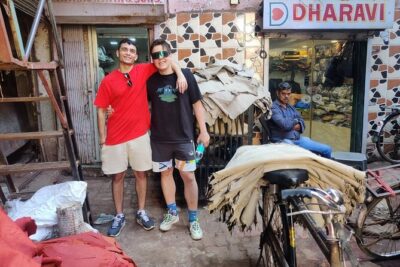
A local guide can make a major difference here. Subhan was described as living in Dharavi and being known in the area, which helped the group feel comfortable. Yash also brought personal knowledge of living in Dharavi, while guides such as Javed and Jay were praised for answering questions patiently.
You should not expect every guide to deliver the tour in exactly the same way. Still, the repeated praise for Subhan, Jay, Yash, Ravi, Javed, and Sharron points to a useful strength: the tour depends heavily on the person leading it, and the named guides have been described as friendly, careful, and well prepared.
A completely different kind of day out:
- Dharavi slum tour in Mumbai by Female tour guides of the slum
★ 5.0 · 1,976 reviews - Mumbai: Full-Day Sightseeing Tour of Mumbai
★ 4.9 · 1,822 reviews - Private Mumbai Sightseeing Tour (Traveller’s Choice Award Winner)
★ 5.0 · 1,565 reviews - Elephanta Caves & Island Guided Private Tour
★ 5.0 · 1,327 reviews
What the Dharavi Visit Can Teach You
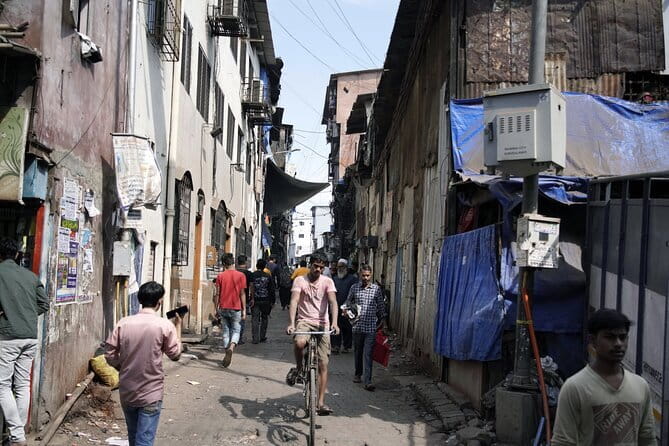
The best part of the Dharavi visit is the chance to connect physical spaces with human activity. A workshop, a lane, or a small production area makes more sense when your guide explains who works there and how the businesses fit together.
You can expect discussion of manufacturing, recycling, food, education, and family life. The point is not to cover every part of Dharavi in 90 minutes. The point is to replace a vague image with a more accurate understanding of one community.
Several people who joined the experience appreciated that the visit did not feel rushed. Subhan allowed time to ask questions, take in the surroundings, and pause when needed. That matters because a fast walk through a sensitive neighborhood can feel uncomfortable or shallow.
Photography needs care. A camera is recommended in the practical information, but that does not mean every person or home should be photographed. Ask before taking pictures of individuals, and let your guide explain where photography is appropriate.
The tour also places you in a working neighborhood rather than a staged cultural display. You may see ordinary chores, business activity, and people going about their day. That can be more meaningful than a polished show, but it demands courtesy and attention.
The Guide Is the Main Part of the Experience

The tour is offered in English with a live local guide. The small-group format is intended to give you more room to ask questions and move at a manageable pace.
The strongest praise has been directed at the guides. Ravi was described as polite and clear when explaining the apparent order within Mumbai’s busy systems. Subhan was valued for his local connection and for helping people feel safe in Dharavi.
Jay was praised for answering questions, and Yash was noted for explaining each section and checking that the experience was going well. Sharron also received strong marks for explaining the tour clearly for a family that included a 13-year-old.
That feedback gives you a practical booking tip: if the booking process lets you request or identify a guide, names such as Subhan, Jay, Yash, Ravi, Javed, or Sharron have been especially well received. Guide assignment may depend on availability, so do not assume a specific person is guaranteed unless confirmed.
A good guide also helps with tone. Dharavi should not be treated as a curiosity or a backdrop for poverty photos. The better approach is to ask respectful questions about work, housing, education, business, and daily routines.
Is $17 Good Value?
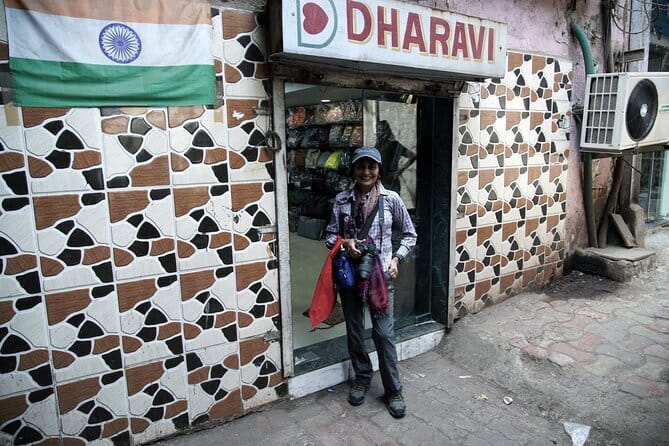
At $17 per person, this is a strong-value way to spend three and a half hours in Mumbai. The price includes the local guide, guide fees, the walking tour, and local transport used during the experience.
You still need to get yourself to the meeting point, and the exact meeting details depend on the option booked. The listed starting point is a Burger King location, with a drop-off at Third Wave Coffee, but you should check the confirmed branch and instructions after booking.
Meals and drinks are not included. That is easy to overlook because one section covers the dabbawala food delivery system, but this is an educational visit, not a lunch outing.
The value comes from the range of access and explanation packed into one morning. Paying separately for transport and trying to locate Dhobi Ghat or understand Dharavi on your own could be harder, especially if you are new to Mumbai.
The small-group format adds value too. In a narrow neighborhood, a large group would be awkward and less personal. A smaller group gives you a better chance to hear the guide and ask questions without turning the walk into a procession.
Who Should Book This Tour?
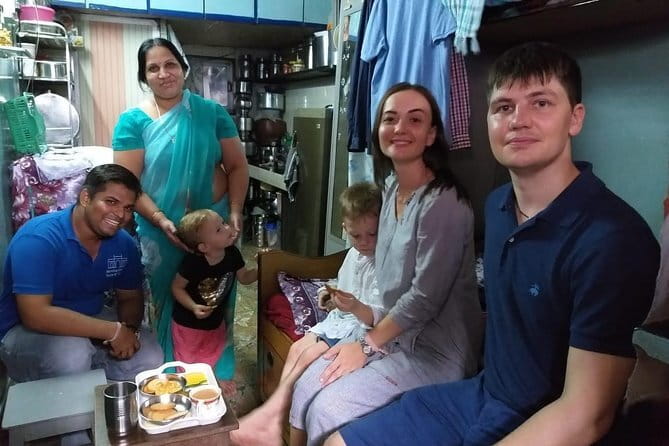
I would recommend it to adults and older children who want to understand Mumbai through its working communities. It suits people who prefer local life, industry, and food systems over a list of grand monuments.
It is also a good choice if you have limited time. In one half-day, you get three distinct subjects and a guide to connect them.
Families with older children can enjoy it. A 13-year-old joined successfully, but the walking and serious subject matter may not suit every child. Children under five are not accepted.
You should think twice if you dislike walking, heat, crowded areas, or close quarters. The tour is not suitable for wheelchair users or people with mobility impairments.
You should also consider your attitude. If you want a quick photo stop or a dramatic poverty story, choose something else. If you want to listen, ask questions, and accept a more complicated picture of Mumbai, this tour is a better fit.
Practical Advice Before You Go
Wear comfortable walking shoes. The tour includes substantial walking, especially in Dharavi, and the narrow lanes are not a place for delicate footwear.
Carry water, sunscreen, and a hat. These are simple items, but they matter during a three-and-a-half-hour outing. Bring a camera if you want one, while keeping photography respectful.
Smoking, alcohol, drugs, and littering are not allowed. That is especially important in residential and working areas where your group needs to leave as little disruption as possible.
Keep your questions open and polite. Ask how businesses work, how goods move, or how the dabbawala system is organized. Avoid turning personal hardship into entertainment.
Free cancellation is available up to 24 hours before the tour for a full refund. You can also reserve now and pay later, which is useful if your Mumbai schedule is still shifting.
My Verdict: A Thoughtful, Low-Cost Mumbai Walk
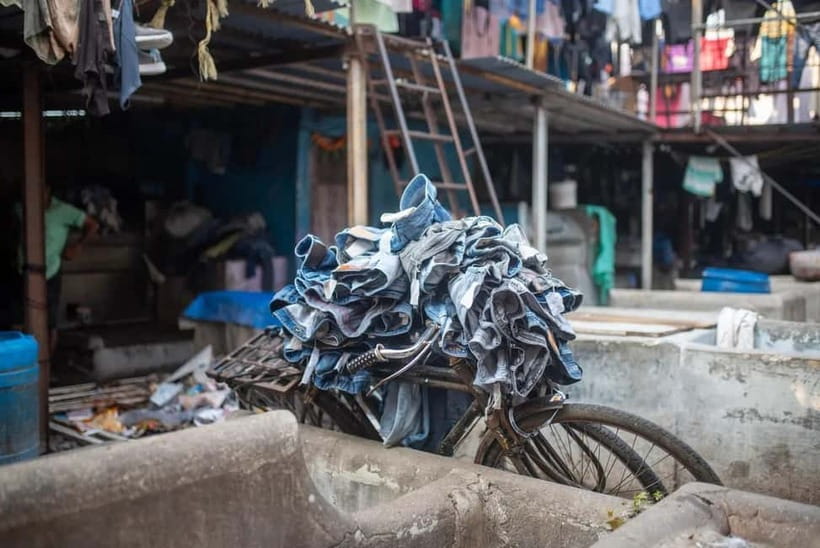
I recommend this tour if you want to see Mumbai through the people who keep it running. The dabbawala system, Dhobi Ghat, and Dharavi each offer a different lesson, and together they create a practical picture of work, adaptation, and community.
The tour is not physically easy, and the Dharavi section can be emotionally challenging. It also depends on the quality and sensitivity of the guide.
At $17, though, the balance is impressive. Book it if you can walk comfortably, respect local privacy, and want more than a surface-level sightseeing loop. Skip it if you need a fully accessible outing, a relaxed pace, or a standard attraction with controlled surroundings.
FAQ
How long does the tour last?
The tour lasts 3.5 hours. The planned sections include about 40 minutes with the dabbawala system, 35 minutes at Dhobi Ghat, and 1.5 hours in Dharavi.
What places are included?
The tour includes a guided visit to the Mumbai dabbawala food delivery system, Dhobi Ghat, and Dharavi.
Is transportation included?
Local transport used during the tour is included. You are responsible for getting to the meeting point.
Are meals and drinks included?
No. Meals and drinks are not included in the tour price.
What language is the tour offered in?
The live guided tour is offered in English.
Where does the tour start and finish?
The available starting location is listed as Burger King, and the drop-off location is listed as Third Wave Coffee. The exact meeting point may vary by booking option and is provided after booking.
Is the tour suitable for children?
Children under five are not accepted. An older child, including a 13-year-old, has taken the tour, but the walk and subject matter may not suit every child.
What should I bring?
Bring comfortable shoes, water, a hat, sunscreen, and a camera if you wish to take pictures. Smoking, alcohol, drugs, and littering are not allowed.
More Community Tours in Mumbai
- Mumbai: Dharavi Slum, DhobiGhat, and Dabbawallas Tour
★ 4.9 · 689 reviews - Dharavi Slum Tour
★ 5.0 · 625 reviews - Dharavi Slum tour in Mumbai by local resident
★ 5.0 · 572 reviews - Mumbai: Dharavi Slum Slumdog Millionaire Tour with a Local
★ 4.9 · 529 reviews
Just added in Mumbai
- Mumbai Airport to Mumbai Hotels : Private Transfers★ 5.0 · 13 reviews
- Mumbai Sightseeing Tour★ 5.0 · 11 reviews
- Customize private tour with pickup★ 5.0 · 95 reviews
- Mumbai Spice Markets and Bazaars Tour with Guide and Transport★ 5.0 · 42 reviews
- Mumbai 800 Year Worli Village: Talking Goddess, Old Fort & more★ 5.0 · 94 reviews
- Gufran’s Slum Home Tour in the Mumbai Slums★ 5.0 · 19 reviews
- Private Guided Bandra Half Day City Tour in AC Vehicle★ 5.0 · 72 reviews
- The Famous Bollywood Tour of Mumbai★ 5.0 · 97 reviews
Slum and Community Tours, compared.
Dharavi slum tour in Mumbai by Female tour guides of the slum
Read our review →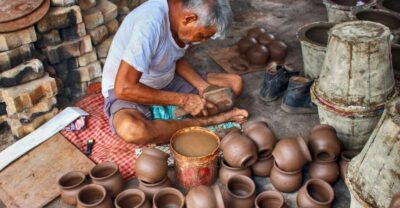
Dharavi Slum Slumdog Millionaire Tour with a Local
Read our review →
Mumbai Slum Tour – Visit Dharavi Slum with Local Guide
Read our review →
Dhobi Ghat Laundry and Dharavi Slum Tour with Local
Read our review →Browse the lists this tour appears in