
Reviewed · SLUM AND COMMUNITY TOURS
Mumbai: Dharavi Slum 2-Hour Walking Tour
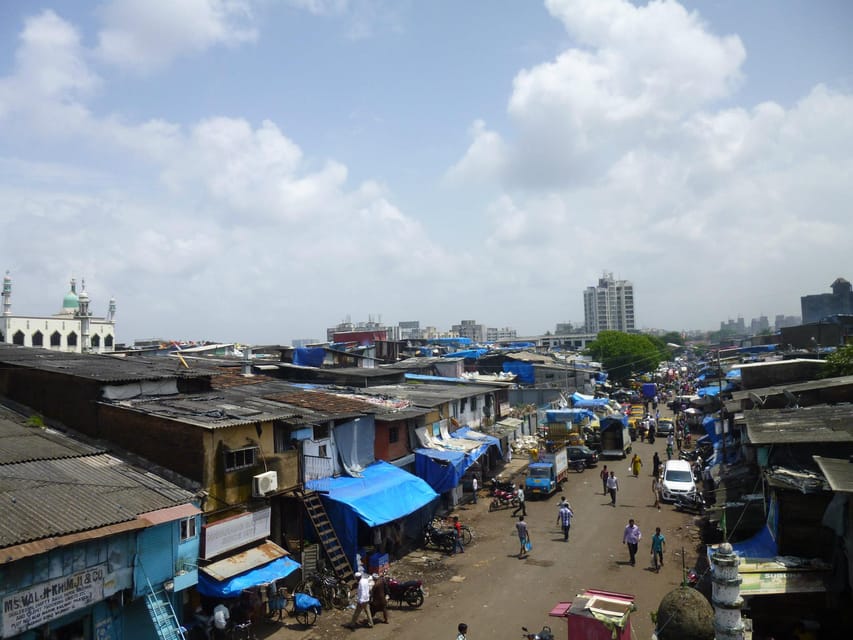
Some of Mumbai’s clearest lessons hide in narrow lanes. This two-hour Dharavi walking tour takes you through one of the world’s largest informal settlements, where homes, workshops, schools, religious buildings, and small businesses share a tightly packed urban space. I like the focus on working life, especially recycling, leather, pottery, soap making, and papadum production. I also like the small group limit of 10 people, which makes it easier to ask questions.
The main consideration is that this is not a casual sightseeing stroll. The alleys are tight, photography is strictly forbidden, and the walk is not suitable for wheelchair users. At $65 per person, the value depends on how much you want context and conversation rather than a long list of Mumbai landmarks.
In This Review
- Key points to know before you go
- Why Dharavi is more than a movie setting
- Meeting at Mahim and getting started
- Following the narrow lanes
- Recycling and the business of making do
- Pottery, papadums, soap, and leather
- Residential lanes, schools, and places of worship
- The movie connection without the movie filter
- Safety, respect, and the no-photo rule
- Is $65 a fair price?
- Who will enjoy this walk most?
- Booking advice and final call
- FAQ
- Where does the Dharavi walking tour start?
- Where does the tour finish?
- How long does the tour last?
- What language is the tour conducted in?
- How many people can join the group?
- Is transportation included?
- Can I take photographs during the walk?
- What should I wear?
- What should I bring?
- Is the tour suitable for wheelchair users?
Key points to know before you go
- Local insight matters: Guides from Mystical Mumbai are described as having grown up in Dharavi, including Dinesh, who led one particularly detailed tour.
- The walk shows work, not just living conditions: Expect recycling, leather work, pottery, dye production, soap making, and food preparation.
- Small groups help: The tour is limited to 10 participants, useful in lanes where space is scarce.
- No cameras allowed: Put your camera and phone away for the entire walk. The rule is strict.
- Meet opposite Mahim Railway Station: Start at Café Coffee Day on Tulsi Pipe Road, then finish at Mahim Junction.
- Dress for a working neighborhood: Wear comfortable shoes, bring water and a hat or cap, and dress modestly.
Why Dharavi is more than a movie setting
Dharavi became known around the world after the 2008 film Slumdog Millionaire. The movie used the area as part of its setting, and this walk includes a place connected with filming. That may draw you here, but it should not define the whole visit.
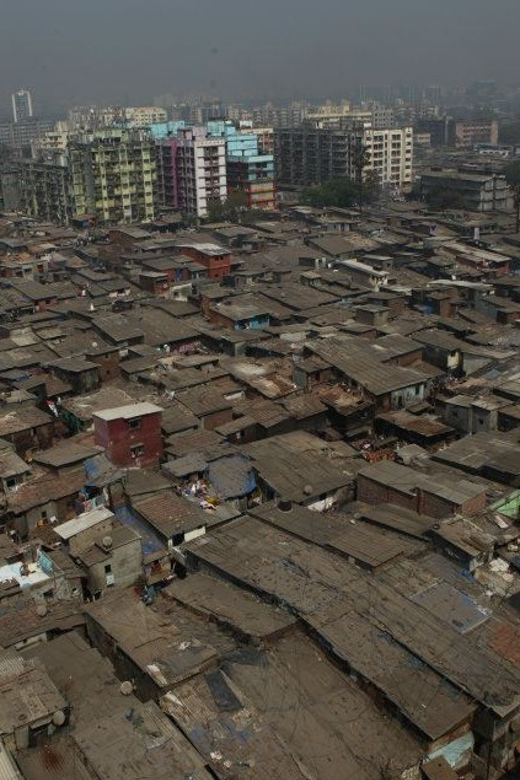
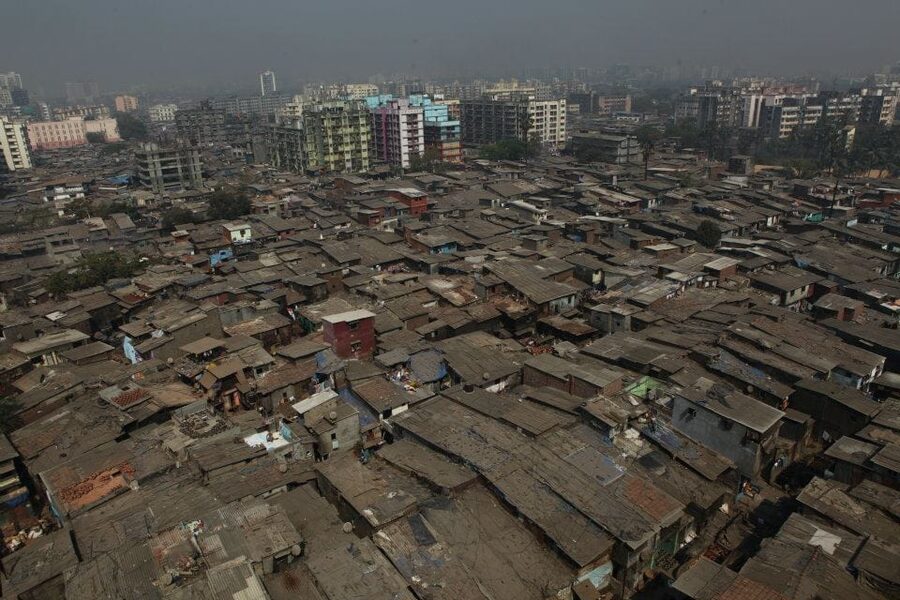
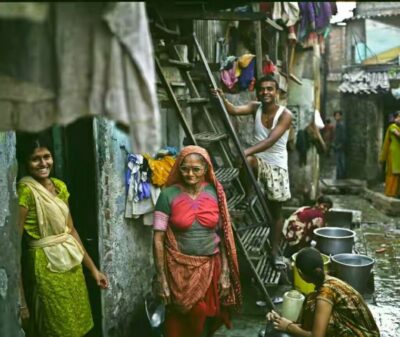
What I find more useful is the way the tour shifts your attention from a movie image to the people and systems that make daily life work. The neighborhood is said to be home to between 700,000 and one million people. Within that dense space, communities with different backgrounds live and work side by side.
The walk also pushes back against a simple picture of extreme poverty. Dharavi has serious limits and crowded conditions, but it is also a place of trade, production, education, worship, and family life. You will see residents working with basic means and making practical use of every available space.
That change in viewpoint is the tour’s main value. You are not simply looking at a place from a vehicle window. You are walking through it with someone who can explain what you are seeing and why it matters.
More Walking Tours in Mumbai
- Group Guided Walking Tour in Fort and Colaba
★ 5.0 · 1,073 reviews - Private Guided Walking Tour in Fort & Colaba
★ 5.0 · 895 reviews - Private Guided Walking Tour in Bandra Queen of Suburbs
★ 5.0 · 383 reviews
Meeting at Mahim and getting started
Your meeting point is Café Coffee Day opposite Mahim Railway Station on Tulsi Pipe Road. This is a useful landmark because Mahim station is a known point in Mumbai, but you should still allow time to find the café and locate your guide.
The guide wears a purple shirt with a footprint logo. Look for that clothing detail rather than relying only on a last-minute phone call. The tour ends at Mahim Junction, so you do not return to the café.
Transportation is available on request, but it is not part of the standard list of inclusions. If you need a ride before or after the walk, arrange that in advance rather than assuming it will be provided.
The walking portion lasts two hours. That is long enough to cover several parts of Dharavi without turning the visit into an exhausting half-day outing. It is also short enough to fit into a day of sightseeing in Mumbai.
Following the narrow lanes

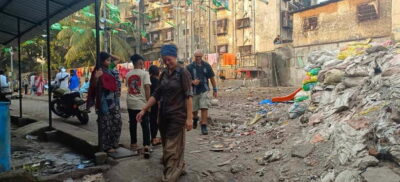
The first clear difference from a standard city tour is the scale of the streets. Dharavi’s lanes can be very narrow, and the route takes you away from the broad roads and into the neighborhood itself.
This is where comfortable shoes matter. You will be walking rather than sitting, and the ground conditions may vary. A water bottle and hat or cap are also sensible, especially in Mumbai’s heat.
The small group limit is important here. With no more than 10 people, you have a better chance of staying together in tight corridors and hearing the guide without a large crowd filling the lane. It also gives you room to ask direct questions about the places you pass.
You should keep your attention on the guide and your surroundings. This is a working neighborhood, not a staged attraction. The tour asks you to observe respectfully, listen carefully, and avoid treating people’s homes or workplaces as displays.
Recycling and the business of making do
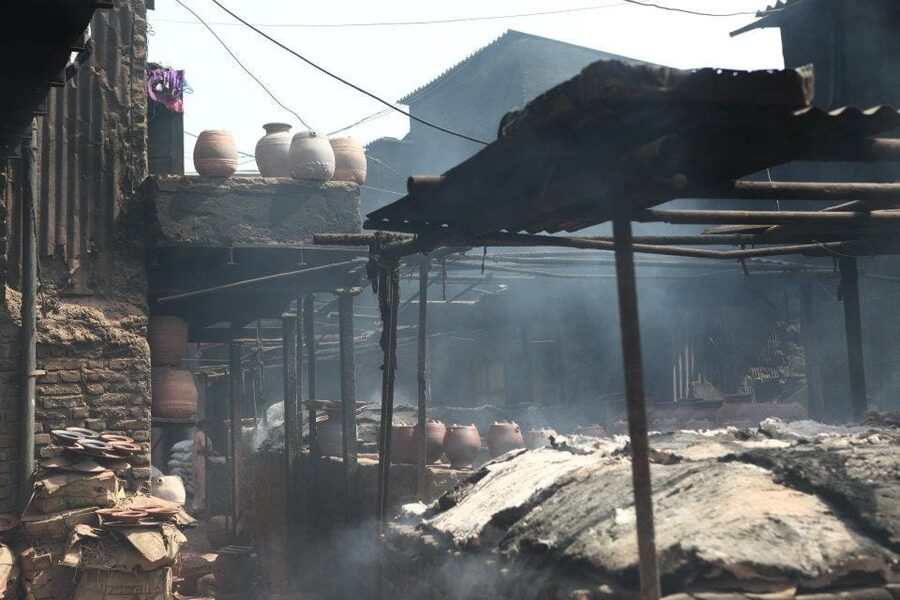
One of the tour’s strongest sections focuses on local industry. You might see a plastic recycling center and learn about the recycling of vegetable oil cans. These activities show how materials that might be discarded elsewhere can be collected, sorted, processed, and put back into use.
The point is not only environmental. Recycling also shows how Dharavi supports livelihoods within a compact area. Workplaces sit close to homes, and production is part of the neighborhood’s daily rhythm.
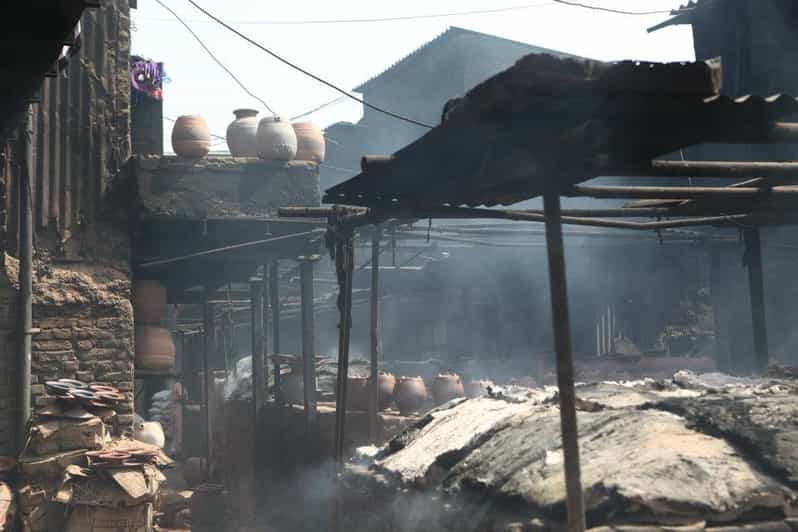
You can also expect explanations of leather work, dye production, soap making, and pottery. Each trade offers a different look at the skills and equipment used by local workers. The tour does not present Dharavi as a single kind of place. One lane may be industrial, another residential, and another shaped by a particular community.
That variety makes the walk more worthwhile than a quick pass through one street. You begin to see Dharavi as a small city with connected parts, rather than a single category on a map.
A completely different kind of day out:
- Dharavi slum tour in Mumbai by Female tour guides of the slum
★ 5.0 · 1,976 reviews - Mumbai: Full-Day Sightseeing Tour of Mumbai
★ 4.9 · 1,822 reviews - Private Mumbai Sightseeing Tour (Traveller’s Choice Award Winner)
★ 5.0 · 1,565 reviews - Elephanta Caves & Island Guided Private Tour
★ 5.0 · 1,327 reviews
Pottery, papadums, soap, and leather
The tour includes several types of production that are easy to miss if you explore Mumbai alone. Pottery workshops give you a look at hands-on craft work, while places where papadums are baked connect the neighborhood’s economy with everyday food.
Soap making and leather work add still more range. These stops are useful because they show the practical side of the area. You are not only hearing about residents. You are seeing how goods are made and how small enterprises fit into a crowded setting.
The exact activity visible during your visit may depend on the route and the day’s work. Treat the walk as an introduction rather than a guaranteed factory visit. The experience is about understanding the mix of trades and communities, not collecting a fixed set of photo opportunities.
That is also why the no-camera policy matters. You cannot rely on pictures to tell the story later. You will need to listen, remember, and take notes afterward if you want to record details.
Residential lanes, schools, and places of worship
Dharavi is not only an industrial district. The route passes residential areas, schools, and churches used by residents. It also includes a Muslim section of the neighborhood, showing the range of communities found here.
This part of the walk gives the industrial sights a human setting. You see where daily life takes place alongside work. A school building, for example, is not just an educational site. It also helps you understand how services operate within a tightly packed neighborhood.
One reported route passed through tiny corridors in the heart of Dharavi, including a place connected with Shantaram. It also included a market street and the guide’s home. Those details suggest how personal the tour can become when the guide is comfortable sharing his own connection to the area.
Dinesh is one guide specifically associated with this experience, and he was described as having grown up in Dharavi. That kind of local background can add real value, since the guide can explain the neighborhood from lived experience rather than from a distant overview.
Still, do not assume every guide will follow exactly the same sequence or share the same personal details. The route may change, and the guide’s own story will shape the conversation.
The movie connection without the movie filter
A stop linked with Slumdog Millionaire is part of the appeal for many people. It gives you a familiar reference point, but it should be treated as one small detail within a much larger visit.
The film’s image of Dharavi can encourage an overly narrow view. This tour is at its best when it uses that recognition as a starting point, then shows you the neighborhood’s work, homes, markets, and community institutions.
I would not book this walk only to recreate a film scene. You will get more from it if you want to understand how a large, diverse community functions under crowded conditions. The movie connection is interesting, but the local economy and social structure are more lasting subjects.
Safety, respect, and the no-photo rule
The strongest practical rule is simple: do not take photographs. The instructions say photography is strictly prohibited. This includes the usual temptation to take a quick phone picture in a quiet lane.
The restriction may feel limiting if you normally document every stop. It also protects privacy in a residential area where people are working and living close to the route. Put your phone away and use your eyes.
Dress modestly, and do not wear a short skirt. Comfortable shoes are required, and a water bottle is recommended. A hat or cap can help with the sun.
The walk is not suitable for wheelchair users. Narrow lanes and the walking format make this an important limitation, so check the physical requirements before booking.
The tour is designed to help you feel safe and informed, but you still need to behave thoughtfully. Stay with the group, follow the guide’s instructions, and ask before entering or closely examining a work area. The neighborhood is someone’s home and workplace, not a set built for visitors.
Is $65 a fair price?
The cost is $65 per person for two hours. That is not a bargain-priced neighborhood stroll, especially when you compare it with many short walking tours in Mumbai.
The price makes more sense if you value three things: a local English-speaking guide, access to a route beyond the main roads, and a small group limited to 10 people. You are paying for interpretation and organization, not for transport, food, or shopping.
The guide is included, while personal expenses are not. Transportation can be requested, but you should clarify that arrangement before the tour. Since the walk finishes at Mahim Junction rather than returning to the starting point, you should also plan your onward route.
For me, the value depends on your expectations. If you want major monuments or broad city views, spend your money elsewhere. If you want a close look at Mumbai’s urban economy and a guide who can explain the area with personal context, the cost is easier to justify.
The high rating of 4.9 from 13 reviews supports the idea that the tour delivers a strong experience for the right audience. The number of reviews is still fairly small, so I would treat the score as encouraging rather than as a guarantee.
Who will enjoy this walk most?
I would recommend this tour to you if you are curious about how people work, trade, and organize daily life in a dense city. It suits visitors who prefer direct local contact and discussion over polished sightseeing.
It is also a good fit if you want to see a side of Mumbai that is not represented by the Gateway of India, museums, or grand hotels. The walk can challenge easy assumptions and leave you thinking about reuse, space, labor, and community.
You may want to skip it if you dislike narrow passageways, hot walking conditions, or strict restrictions on photography. It is also a poor choice if your mobility makes uneven or confined routes difficult.
The tour is in English, and the guide leads a small group. One booking made by a German-speaking participant was conducted in English rather than German, so do not book expecting another language.
Booking advice and final call
You can cancel up to 24 hours ahead for a full refund, and the reserve-now, pay-later option keeps your plans flexible. Check the available starting times when you book, since the tour lasts two hours and your day in Mumbai may include other fixed appointments.
I would book this walk if I wanted a respectful, guide-led introduction to Dharavi’s industries and communities. The best parts are the local perspective, the range of trades, and the chance to understand the neighborhood beyond the usual poverty stereotype.
I would not book it for photographs, comfortable sightseeing, or a movie-themed shortcut. Bring water, wear proper shoes, dress modestly, and arrive ready to listen. For the right visitor, this is one of the more thoughtful ways to see how Mumbai works at street level.
FAQ
Where does the Dharavi walking tour start?
It starts at Café Coffee Day opposite Mahim Railway Station on Tulsi Pipe Road in Mumbai.
Where does the tour finish?
The walk finishes at Mahim Junction.
How long does the tour last?
The guided walk lasts two hours.
What language is the tour conducted in?
The live tour guide speaks English.
How many people can join the group?
The tour is limited to 10 participants.
Is transportation included?
A guide is included, and transportation is available on request. Personal expenses are not included.
Can I take photographs during the walk?
No. Taking photographs is strictly prohibited.
What should I wear?
Wear comfortable shoes and dress modestly. Short skirts are not allowed.
What should I bring?
Bring a water bottle and a hat or cap. Comfortable shoes are also important.
Is the tour suitable for wheelchair users?
No. The experience is not suitable for wheelchair users.
More Community Tours in Mumbai
- Mumbai: Dharavi Slum, DhobiGhat, and Dabbawallas Tour
★ 4.9 · 689 reviews - Dharavi Slum Tour
★ 5.0 · 625 reviews - Dharavi Slum tour in Mumbai by local resident
★ 5.0 · 572 reviews - Mumbai: Dharavi Slum Slumdog Millionaire Tour with a Local
★ 4.9 · 529 reviews
Just added in Mumbai
- Mumbai Airport to Mumbai Hotels : Private Transfers★ 5.0 · 13 reviews
- Mumbai Sightseeing Tour★ 5.0 · 11 reviews
- Mumbai 800 Year Worli Village: Talking Goddess, Old Fort & more★ 5.0 · 94 reviews
- Customize private tour with pickup★ 5.0 · 95 reviews
- Mumbai Spice Markets and Bazaars Tour with Guide and Transport★ 5.0 · 42 reviews
- Gufran’s Slum Home Tour in the Mumbai Slums★ 5.0 · 19 reviews
- Private Guided Bandra Half Day City Tour in AC Vehicle★ 5.0 · 72 reviews
- The Famous Bollywood Tour of Mumbai★ 5.0 · 97 reviews
Slum and Community Tours, compared.
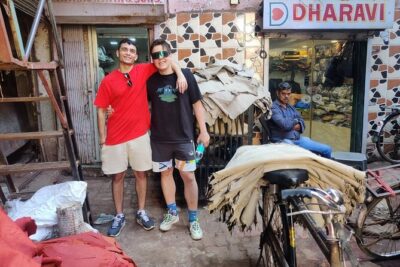
Dharavi slum tour in Mumbai by Female tour guides of the slum
Read our review →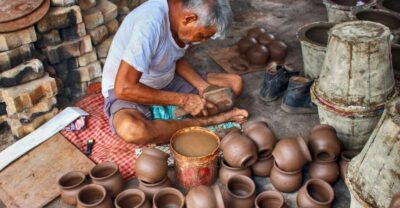
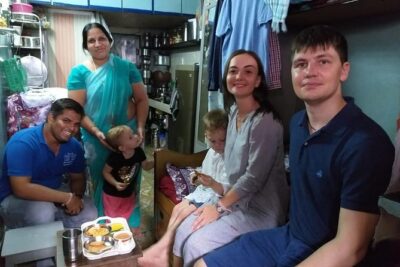
Dharavi Slum Slumdog Millionaire Tour with a Local
Read our review →
Mumbai Slum Tour – Visit Dharavi Slum with Local Guide
Read our review →
Dhobi Ghat Laundry and Dharavi Slum Tour with Local
Read our review →Browse the lists this tour appears in