
Reviewed · WALKING TOURS
Essential Varanasi (North and Manikarnika) Walking Tour
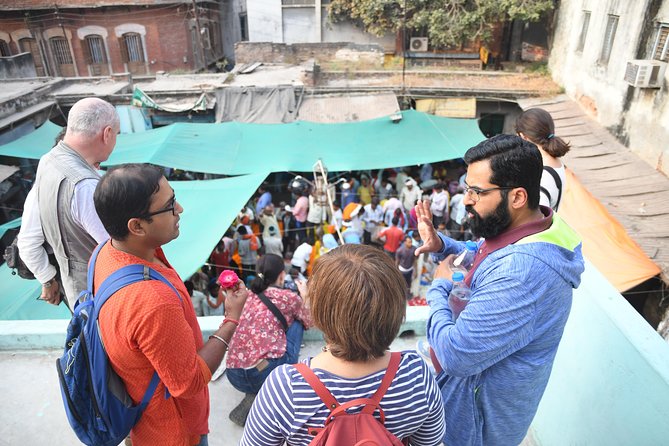
Varanasi rewards slow footsteps. This three to four-hour walking tour takes you into the Old City’s narrow lanes, where temples, old mansions, markets, and daily religious life sit close together. Instead of simply pointing out sights, the guide explains Hindu beliefs and practices, helping you understand what you are seeing.
I like the small group of no more than 10 people, which should make it easier to hear the guide and ask questions. I also like the thoughtful route, especially its quieter corners and final visit to Manikarnika Ghat. The main consideration is that this is a walking tour through crowded, uneven parts of Varanasi, and the subject matter at Manikarnika is serious.
If Anupam Singh leads your walk, you can expect strong storytelling and plenty of background on Banaras, its mythology, geography, and customs. The tour costs $41.34 per person, a fair price if you want meaning and orientation rather than a quick checklist of sights.
In This Review
- Key points to know before booking
- Why this Varanasi walk is worth your time
- Starting at St. Thomas Church on Luxa Road
- Finding quiet corners at Bhartendu Harishchandra Udhyan
- Walking through temples, markets, and old lanes
- Meeting Manikarnika Ghat and the end of life
- The guide can make or break the experience
- Is $41.34 good value?
- Practical advice for a smoother walk
- Who should book this Old City walk?
- Should you book the Essential Varanasi Walk?
- FAQ
- How long is the Essential Varanasi Walking Tour?
- How much does the tour cost?
- How many people can join the tour?
- Where does the tour begin?
- Where does the tour end?
- Which places are included in the route?
- Is admission included?
- Can I cancel for a full refund?
Key points to know before booking
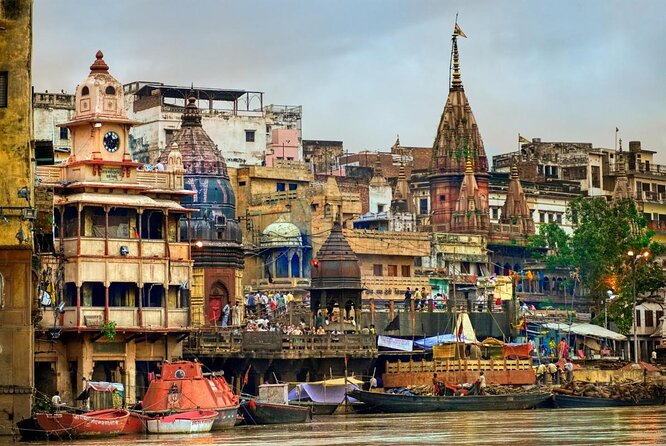
- Bhartendu Harishchandra Udhyan includes a 300-year-old haveli, offering a quieter look at Varanasi beyond the ghats.
- Manikarnika Ghat is the emotional center of the route, with Hindu cremation traditions explained in a respectful setting.
- The group is capped at 10 people, a useful limit in tight lanes and busy market areas.
- Anupam Singh receives especially strong praise for patient, thoughtful storytelling and his command of local history and belief.
- The tour ends near Lalita Ghat, at Manikarnika Ghat, rather than returning to the starting point.
- Free cancellation is available up to 24 hours before departure, subject to the stated conditions.
Why this Varanasi walk is worth your time
Varanasi can be hard to read at first. A lane may lead to a small shrine, a mansion, a flower seller, or a riverfront cremation ground, with no obvious sign explaining why the place matters. The city is not arranged like a museum. Its sacred sites are mixed into ordinary life.
That is where a good walking guide earns the fee. You are not only being shown places. You are being given a way to understand how Hindu worship, death, pilgrimage, family life, trade, and architecture meet in the same few streets.
This tour is called a north and Manikarnika walk, but its value is not limited to the named stops. The route also takes you through winding Old City lanes and local markets, where you might notice details you would easily miss alone. The guide provides the thread connecting them.
I especially like that the walk includes both a peaceful architectural stop and a demanding encounter with death. That contrast feels true to Varanasi. The city can be hushed around a temple one moment and intensely active the next.
The tour lasts about three to four hours. That gives you enough time for explanation without taking up an entire day. You should still expect a physical outing. Walking through the Old City means navigating narrow passages and the general confusion of an old urban quarter, so comfortable shoes and a steady pace make sense.
More Walking Tours in Varanasi
- 3 Hour Walking Tour of Buddhism in Sarnath
★ 5.0 · 160 reviews - Cultural & Spiritual Trails of Old Town Varanasi Guided Walking Tour
★ 4.5 · 73 reviews - Walking tours – for an authentic Varanasi experience
★ 5.0 · 40 reviews
Starting at St. Thomas Church on Luxa Road
The meeting point is St. Thomas Church on Luxa Road, in the Laxman Pura and Ramapura Luxa area of Varanasi. This is a practical starting point near public transportation, though you should check the exact location before setting out because Old City addresses can be difficult to interpret.
The opening section is useful for getting your bearings. You move from a recognizable road into the smaller lanes of the Old City, where the city’s character becomes less obvious to a first-time visitor. A guide helps you understand the route instead of leaving you to guess which turn leads where.
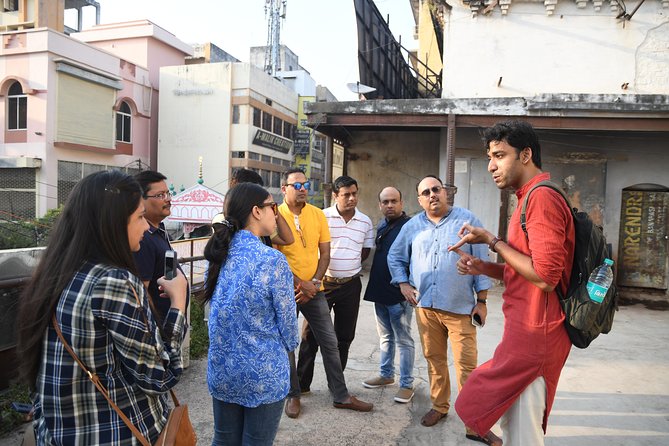
The experience is limited to 10 people. That matters here more than it would on a broad city avenue. In a tight lane, a large group can block foot traffic, lose sight of the guide, and turn every explanation into a game of telephone. A small group should feel more manageable.
The guide also has room to respond to questions. Past feedback gives particular credit to Anupam Singh for being patient, perceptive, and willing to let people spend more time at places that matter to them. That personal approach is important in Varanasi, where a short explanation may raise three more questions.
Finding quiet corners at Bhartendu Harishchandra Udhyan
The first named stop is Bhartendu Harishchandra Udhyan, with about 30 minutes scheduled and admission included. The stop brings you to a 300-year-old haveli associated with Bhartendu Harishchandra, described as a prolific writer, along with a peaceful temple known for its fine architecture.
This is one of the tour’s best ideas. Many first visits to Varanasi focus almost entirely on the Ganges and the main ghats. Those places matter, but the Old City’s courtyards, residences, and temples tell a different part of the story.
The haveli gives you a chance to consider the city as a place of literature and local culture, not only as a pilgrimage center. Its age also provides a sense of how long Varanasi’s built environment has been changing and adapting around religious life.
The temple offers a calmer pause. I would pay attention to the architectural details and ask the guide how the site fits into local Hindu practice. The supplied information does not promise a formal ceremony or private access, so you should think of this as an interpretive visit rather than a special ritual event.
A half-hour is enough to hear the story and look around, but not enough for a long architectural study. That is a fair trade on a walking route. You see a meaningful place, learn why it matters, and keep moving before the tour becomes too narrow in focus.
This stop also shows the benefit of going with someone who knows the city well. Without context, an old mansion can look like another weathered building in a crowded lane. With context, it becomes part of Varanasi’s intellectual and social life.
Walking through temples, markets, and old lanes
Between the named stops, the tour leads through the Old City’s alleys, markets, temples, mansions, and other local landmarks. The exact sequence is not fully specified, so you should not expect a fixed list of every lane or shrine. That flexibility can be useful in a city where access and local activity change from day to day.
The guide’s explanations are the main feature here. You hear about key Hindu beliefs and practices while standing in the places where those traditions are lived. That is more useful than receiving a general lecture removed from the city around you.
You may find the lanes visually rewarding, but the point is not just color or atmosphere. Listen for the links between a temple, a market, a residence, and the riverfront. The walk is designed to show how these places fit together.
The small group helps again. If you want to ask about a shrine or custom, you are less likely to feel that you are holding up a busload of people. If you prefer to observe quietly, you can do that too.
The tradeoff is comfort. The Old City is not a polished pedestrian district. You may need to adjust your pace, stay alert, and accept that the route is part sightseeing and part navigation. That is not a flaw in the tour so much as a fact of Varanasi.
A completely different kind of day out:
- Varanasi : Full Day City Highlights Day Tour & Ganges Cruise
★ 4.8 · 520 reviews - Hidden Secrets of Varanasi: Vibrant Tradition (Guided Tour)
★ 5.0 · 429 reviews - Varanasi: Sunrise Boat Tour with Arti Ceremony
★ 5.0 · 375 reviews - Banaras Wala Tours
★ 5.0 · 329 reviews
Meeting Manikarnika Ghat and the end of life
The final named stop is Manikarnika Ghat, with about 15 minutes listed for the visit. The stop includes Manikarnika Kund, Tarakeshwar Mahadev, and views connected with Mahashamashan, the great cremation ground.
This is the most serious part of the walk. Manikarnika is not a performance staged for visitors. It is a place connected with real funerals and deeply held religious beliefs. You should approach it quietly, follow the guide’s instructions, and avoid treating the setting as a photo opportunity.
The guide’s role is especially important here. Hindu ideas about death, cremation, release, and sacred geography can be unfamiliar, and a short explanation can prevent easy misunderstandings. The tour frames the ghat as part of Varanasi’s spiritual life while bringing you face to face with mortality.
The 15-minute schedule may sound brief, but that can be appropriate. This is not a place where you need a long sightseeing session. A concise, respectful explanation may leave you with more to think about than an hour of commentary.
Manikarnika Kund and Tarakeshwar Mahadev add religious context to the ghat. They show that the site is not only a cremation ground but also part of a wider sacred network. The experience may feel intense, particularly if you have not visited a cremation site before.
This is the point where you should decide if the tour suits you. If you want a light introduction to Varanasi with only pleasant sights, choose another activity. If you want to understand the city’s beliefs honestly, Manikarnika is an important part of the picture.
The tour ends near Lalita Ghat, at Manikarnika Ghat in Lahori Tola. That location is useful because you can continue exploring the riverfront afterward, but you should not assume the guide returns you to the starting point.
The guide can make or break the experience
Anupam Singh is the guide most often singled out in the supplied feedback. He is praised for his knowledge of Banaras, his storytelling, patience, and willingness to answer questions. Several comments also describe a balance between giving information and allowing visitors time with places that affected them.
That balance is worth noting. Varanasi can easily be overexplained. Every lane seems to carry a legend, date, belief, or local custom, and a guide who speaks without pause can turn a walk into a history lesson. Anupam’s reported style sounds more attentive, with room for a personal response.
The wider Roobaroo Walks program also includes south, north, food, and boat experiences. Some people combine this heritage route with a food walk or a sunrise or sunset boat trip. That information does not mean you need to book several activities, but it does suggest that this walk works well as the cultural foundation for a longer Varanasi stay.
If Anupam is not your guide, the quality may depend more heavily on the person assigned. The company’s strongest praise centers on his delivery, so it is reasonable to ask at booking if he is scheduled to lead your group. Availability is not guaranteed by the information provided.
Is $41.34 good value?
At $41.34 per person, this is not the cheapest way to walk around Varanasi. You could wander the lanes without paying a tour fee. But the comparison is not quite fair, because the tour’s real product is interpretation.
The price pays for a three to four-hour small-group outing, a guide who explains Hindu beliefs and local sites, and access to a planned route through places that can be confusing alone. If you value context, that is a solid use of money.
The group limit also improves the value. A 10-person maximum is far more useful here than a vague promise of a small group with no stated limit. You are paying for a more personal format, not a large procession behind a flag.
I would consider the tour especially worthwhile if this is your first visit to Varanasi or your first time in India. It can help you understand what you see during later walks, boat rides, and visits to the ghats.
The value is weaker if you already know Varanasi well, have spent several days with a local guide, or prefer to explore without a fixed route. The itinerary focuses on interpretation and atmosphere rather than a long list of major monuments.
Practical advice for a smoother walk
Wear comfortable shoes. The route covers the Old City on foot, and the supplied details do not suggest that transport is provided between stops.
Keep the tour’s emotional range in mind. You will see peaceful religious architecture and old residences, but you will also visit a cremation ghat. This is not an activity to squeeze in without thought between unrelated plans.
Arrive at St. Thomas Church on Luxa Road with enough time to locate the meeting point. Confirmation is issued within 48 hours of booking, subject to availability, so check that your booking is confirmed before making firm plans around it.
The experience is described as suitable for most people and near public transportation. No special access details are provided, so if you have mobility concerns, ask the operator before booking. The Old City setting itself may require careful walking.
The cancellation terms are straightforward. You can receive a full refund if you cancel at least 24 hours before the local start time. Changes made inside that window are not accepted, and late cancellations are not refunded. Poor weather or failure to meet the minimum number of participants can lead to a different date, another experience, or a full refund.
Who should book this Old City walk?
I would choose this tour if you want Varanasi explained rather than merely photographed. It suits first-time visitors, culturally curious couples, families who want a guided introduction, and anyone who feels unsure about entering the Old City alone.
It also suits people who want a serious look at Hindu practice. The visit to Manikarnika Ghat means the tour does not avoid difficult subjects. You should be open to listening and observing respectfully.
I would be more cautious if you dislike walking, want a relaxed sightseeing trip, or feel uncomfortable visiting a cremation ground. The tour may also feel too short if your main interest is detailed architecture, since only about 30 minutes is assigned to the first major stop.
Should you book the Essential Varanasi Walk?
Yes, if you want a compact and thoughtful introduction to the Old City. The combination of small-group walking, local storytelling, a 300-year-old haveli, temple architecture, markets, and Manikarnika Ghat gives you a more complete sense of Varanasi than a quick ghat visit alone.
Book it early enough to confirm availability, and ask whether Anupam Singh is leading your departure if his style appeals to you. Go with comfortable shoes, an open mind, and respect for the final stop.
Skip it if you want only light sightseeing or prefer to roam independently. For most first visits, though, the $41.34 fee buys something hard to find on your own: a clearer understanding of why Varanasi feels the way it does.
FAQ
How long is the Essential Varanasi Walking Tour?
The tour lasts approximately three to four hours.
How much does the tour cost?
The listed price is $41.34 per person.
How many people can join the tour?
The group has a maximum of 10 travelers.
Where does the tour begin?
The meeting point is St. Thomas Church on Luxa Road, in the Laxman Pura and Ramapura Luxa area of Varanasi.
Where does the tour end?
The walk ends at Manikarnika Ghat near Lalita Ghat, in Lahori Tola, Varanasi.
Which places are included in the route?
The named stops are Bhartendu Harishchandra Udhyan and Manikarnika Ghat. The walk also includes temples, mansions, markets, alleys, and other local landmarks in the Old City.
Is admission included?
Admission is included for Bhartendu Harishchandra Udhyan. Manikarnika Ghat has no admission fee.
Can I cancel for a full refund?
Yes. You can cancel at least 24 hours before the experience start time for a full refund. Cancellations or changes made less than 24 hours before the start time are not refunded or accepted.
Just added in Varanasi
- Walking Tour in the old part of the city of Varanasi★ 5.0 · 25 reviews
- Varanasi Walking and Heritage Tour★ 4.6 · 15 reviews
- Varanasi: Manikarnika Ghat (Oldest Cremation Site) Tour★ 4.7 · 22 reviews
- Varanasi: Private Heritage Walking Tour & Sunrise Boat Ride★ 4.9 · 11 reviews
- Varanasi: Sunrise Boat Ride w/ Ghats & Morning Rituals★ 3.5 · 26 reviews
- Full-day private Varanasi tour with AC car, boat & Sarnath★ 4.9 · 103 reviews
- Varanasi Landmark Evening City Tour – Aarti & Boating★ 4.7 · 34 reviews
- Varanasi: Ganga Arti Evening Light Ceremony on the Main Ghat★ 4.1 · 11 reviews
Walking Tours, compared.

The Great Indian Food Tour: Old Delhi Food and Heritage Walk
Read our review →

Blue City Heritage Private Walking Tour With Pickup and Drop-Off
Read our review →
Private Guided Walking Tour in Bandra Queen of Suburbs
Read our review →
Private Jodhpur Blue City Walking Tour with Guide
Read our review →Browse the lists this tour appears in