
Reviewed · SLUM AND COMMUNITY TOURS
Dharavi Tour & Pottery Workshop
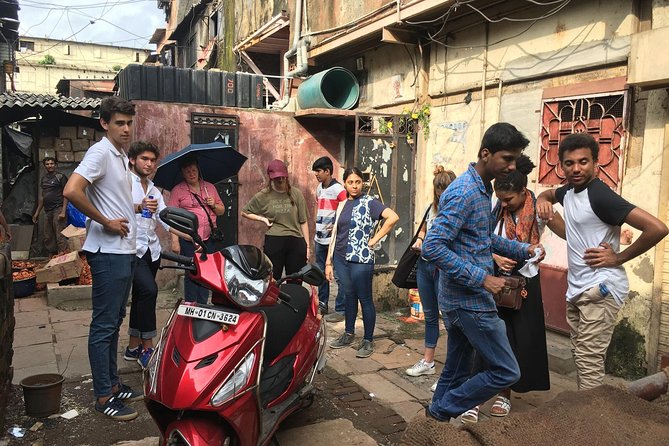
Dharavi rewards curiosity, not quick photo stops. This three-hour Mumbai walk moves past the usual sights and into a working community where recycling, pottery, soap, leather, food, and embroidery support everyday life. I like the focus on local businesses and the chance to see Dharavi as more than a label. I also like that a guide leads you through an area that can be difficult to navigate alone.
The main consideration is that this is a walking tour, not a comfortable coach ride. You should wear good shoes, expect active streets and residential lanes, and remember that the pottery workshop wording may suggest more hands-on activity than the details confirm. The program clearly includes a visit to pottery-making businesses, but it does not promise that you will make a pot yourself.
In This Review
- Key points to know before you book
- Why Dharavi makes a worthwhile Mumbai outing
- Meeting at Mahim Junction Railway Station
- What the 2.5-hour Dharavi route shows you
- Recycling and practical industry
- Pottery-making, and what the workshop title really means
- Soap, leather, food, and craft businesses
- Residential lanes, murals, and faith buildings
- The 20-minute stop at Reality Tours and Travel
- Is $29.09 a fair price?
- Who will enjoy this walk most?
- Practical advice for a respectful visit
- Should you book the Dharavi Tour and Pottery Workshop?
- FAQ
- Where does the Dharavi tour begin?
- Where does the tour end?
- How long does the experience last?
- Is hotel pickup included?
- What is included in the price?
- Is pottery-making a hands-on workshop?
- How many people can join the tour?
- Do I need to wear special clothing?
- Can I cancel for a full refund?
Key points to know before you book
- Dharavi is treated as a working community: The focus is on homes, businesses, skills, and daily life rather than on poverty as a spectacle.
- The walk lasts about 2 hours and 30 minutes: A final 20-minute stop at Reality Tours and Travel includes a soft drink and an explanation of community funding.
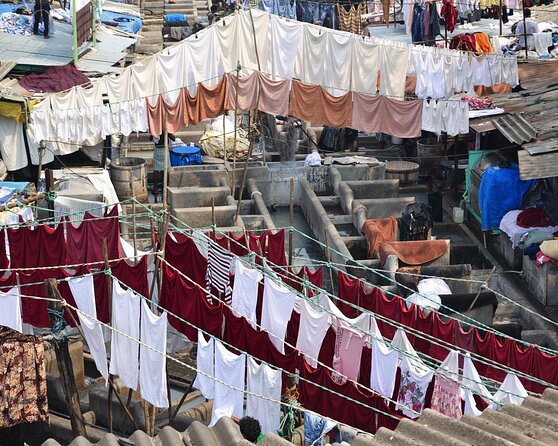
- You will see several types of enterprise: Recycling, pottery, embroidery, bakery work, soap-making, leather tanning, and poppadom-making may form part of the route.
- Mahim Junction Railway Station is both meeting and ending point: Hotel pickup and drop-off are not included.
- A guide provides context and water: The local English-speaking guide leads the walk, and bottled water or a cold drink is included.
- The group can reach 25 people: That keeps the price low, but a larger group may feel less personal in narrow lanes.
Why Dharavi makes a worthwhile Mumbai outing
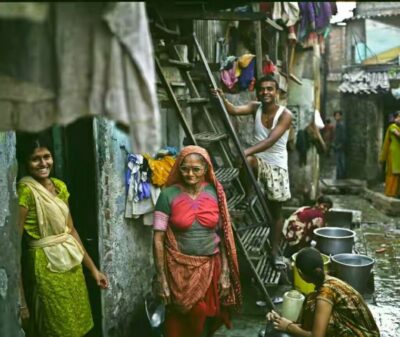
Many Mumbai tours stay with grand buildings, waterfront views, and famous markets. Dharavi gives you a different way to read the city. It shows how people from many parts of India live and work close together, often turning limited space into productive small businesses.
I like that this experience puts work at the center. You are not simply passing through streets to take photographs. You are learning how recycling, food production, pottery, soap, leather, and craft work fit into the local economy.
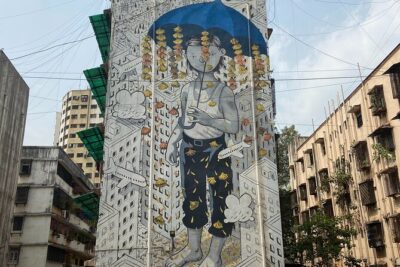
The route also includes residential areas and public art. Temples, mosques, churches, pagodas, and murals reflect the variety of people who have made Dharavi home. That mix gives the walk a broader purpose. You get a glimpse of one neighborhood, but you also see a small picture of India’s wider cultural variety.
The guide matters here. Dharavi is not a place where most first-time visitors will feel comfortable finding the right businesses or residential lanes alone. A local English-speaking guide helps explain what you are seeing and gives you a safer, more respectful way to enter the area.
Still, you should arrive with the right attitude. This is a real neighborhood, not an open-air museum. People are living and working along the route. Listen carefully, follow your guide’s instructions, and avoid treating homes or workers as scenery.
More Community Tours in Mumbai:
- Dharavi slum tour in Mumbai by Female tour guides of the slum
★ 5.0 · 1,976 reviews - Mumbai: Dharavi Slum, DhobiGhat, and Dabbawallas Tour
★ 4.9 · 689 reviews - Dharavi Slum Tour
★ 5.0 · 625 reviews
Meeting at Mahim Junction Railway Station
The tour begins and ends at Mahim Junction Railway Station in Mumbai. This arrangement keeps the meeting point tied to public transport, which is useful if you are already moving around the city by train.
You need to arrange your own way to the station. Hotel or residence pickup and drop-off are not included, so allow enough time to reach Mahim Junction before the start. The tour information does not provide a hotel transfer, private vehicle, or individual pickup option.
Starting and ending at the same station makes the day easier to plan. You will not finish in an unfamiliar corner of Mumbai with your transport arrangement still unresolved. At the end, the guide can help you find a taxi or other transport to your next destination.
Bring comfortable shoes. The walking portion lasts about two and a half hours, and the route includes business areas, residential lanes, and streets where the ground may not feel as easy as a polished sightseeing path. Bottled water is provided, but it is still sensible to dress for warm walking conditions.
The group size can reach 25 people. That is not a private walk in the strict sense, despite the description using private walking tour language. If the full group gathers, you may have less time to ask questions or hear every word in a tight lane. The low price partly reflects this shared format.
What the 2.5-hour Dharavi route shows you
The central portion of the outing lasts about 2 hours and 30 minutes. The route introduces you to several forms of work that operate within Dharavi’s crowded conditions.
Recycling and practical industry
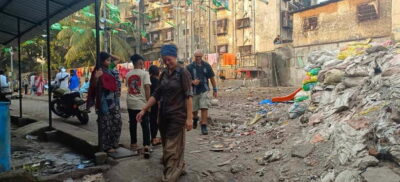
Recycling is one of the clearest examples of how Dharavi functions as a place of work. You may see how discarded materials are sorted and processed, turning unwanted items into something with economic value.
This stop can change your idea of what a neighborhood business looks like. Instead of a single large factory on the edge of town, you see productive work woven into the community itself. The appeal is not glamour. It is the plain, useful reality of people earning a living through specialized skills.
Your guide’s explanation is important because machinery, piles of materials, and busy work areas can be hard to understand at a glance. Listen for the practical details about how the businesses operate and why they matter to the area.
A few more options to weigh up in Mumbai
- Mumbai: Full-Day Sightseeing Tour of Mumbai
★ 4.9 · 1,822 reviews - Private Mumbai Sightseeing Tour (Traveller’s Choice Award Winner)
★ 5.0 · 1,565 reviews - Elephanta Caves & Island Guided Private Tour
★ 5.0 · 1,327 reviews - Group Guided Walking Tour in Fort and Colaba
★ 5.0 · 1,073 reviews
Pottery-making, and what the workshop title really means
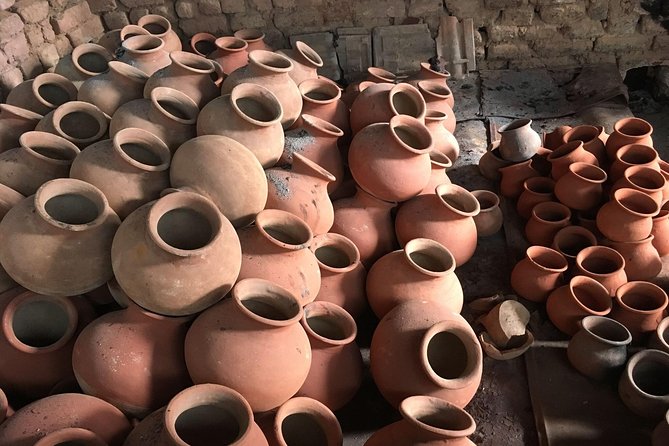
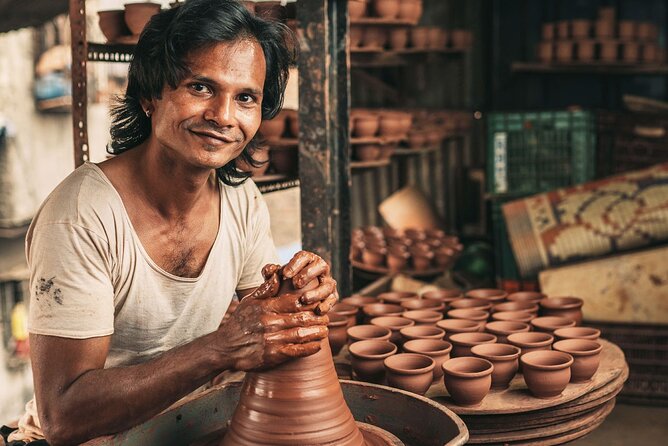
Pottery is included among the local businesses visited on the walk. The title calls this a pottery workshop, but the supplied details only confirm exposure to pottery-making. They do not state that you receive clay, a wheel, or a personal lesson.
That distinction matters if you are booking this mainly for a hands-on craft class. I would choose it for the wider Dharavi experience first, with pottery as one part of the route. If the guide offers a closer look at the process, consider that a bonus rather than a guaranteed class.
The pottery stop adds a useful contrast to the recycling visit. You see a traditional craft alongside more industrial forms of work. Both depend on skill, organization, and local demand.
Soap, leather, food, and craft businesses
The walk may also include a soap factory, leather tanning, embroidery, bakery work, and poppadom-making. These businesses show that Dharavi is not built around one kind of job.
Soap-making offers a look at production. Leather work points to a craft with several stages. Bakery and poppadom-making bring food production into the picture, while embroidery shows the value of careful handwork.
The route does not promise that every listed business will receive the same amount of time. A walking tour has to adapt to working conditions, access, and the day’s route. Think of the list as a picture of the community’s range, not a fixed schedule with a long demonstration at every stop.
That variety is one of the strongest reasons to book. You are not visiting a single attraction. You are learning how many small operations can exist near homes, lanes, and shared spaces.
Residential lanes, murals, and faith buildings
The tour also passes through residential parts of Dharavi. This is where the experience becomes more personal, and where courtesy matters most.
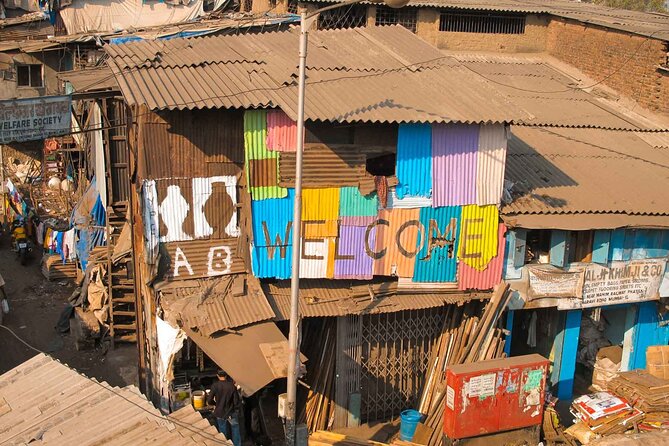
You may see colorful street art, along with temples, mosques, churches, and pagodas located close to one another. These details show the area’s mix of communities without reducing it to a single identity.
I like this part because it prevents the business visits from feeling like an economic case study alone. Dharavi is also a place where people worship, raise families, decorate walls, and build community ties.
Your guide can help you understand the difference between looking and intruding. Keep your camera away when asked, do not photograph people without permission, and let residents go about their routines. The route is most valuable when you remain observant without turning private life into a display.
The street art adds color, but it is not the whole point. The murals are part of a wider neighborhood story that includes migration, faith, work, and shared space.
The 20-minute stop at Reality Tours and Travel
After the main walk, you return to Reality Tours and Travel in Dharavi for about 20 minutes. You can have a soft drink and learn how funds are put back into the community.
This final stop gives the tour a useful second layer. You are not only seeing local businesses and homes. You are also hearing how the tour operation connects with community support.
The stop is short, so do not expect a long seminar or a separate activity. Its value comes from giving you a chance to cool down, ask a final question, and understand more about the purpose behind the walk.
A cold drink is a small inclusion, but it matters after several hours on foot. Water is also provided during the experience, which is helpful in Mumbai’s heat. Neither replaces sensible clothing and personal preparation, but both make the walk easier.
Is $29.09 a fair price?
At $29.09 per person, this is a strong value if you want a guided introduction to Dharavi rather than a short photo stop. The price covers a local English-speaking guide, water or a cold drink, and roughly three hours of structured sightseeing.
You are also paying for access and context. A visitor who tries to locate recycling centers, pottery businesses, residential lanes, and street art independently may miss the point or wander into places without a clear reason for being there. The guide helps connect separate sights into one understandable picture.
The value is less certain if you want a private, quiet, hands-on pottery class. The group may reach 25 people, hotel transfers are not included, and the pottery details do not confirm practical instruction.
Group discounts may make the cost more appealing for families or friends. Since the tour is often booked about nine days ahead, planning early is sensible if your Mumbai dates are fixed.
The rating is 5 out of 5 from 58 ratings, with 100 percent recommending it. That matches the tour’s strongest feature: it offers a clear, guided look at ordinary work and daily life, rather than another pass by Mumbai’s major monuments. One especially positive comment praised the guide’s ability to answer questions and called the experience worth doing. That is exactly the kind of help you need on a route where explanation matters as much as sightseeing.
Who will enjoy this walk most?
I would recommend it to you if you want to understand how Mumbai works below the level of famous landmarks. It suits people who enjoy local enterprise, social context, street art, and direct contact with ordinary neighborhoods.
It is also a good fit if you prefer a guide-led outing. Dharavi can be difficult to access independently in a useful and respectful way, especially if you do not know which businesses or residential areas are appropriate to visit.
Families may appreciate the range of subjects. Recycling, pottery, food production, and murals give younger visitors concrete things to notice. The walking time and group size still mean parents should decide if their children can manage a three-hour outing.
You may want another activity if you have limited mobility or dislike walking on busy urban routes. The tour states that most people can participate, but it does not provide a detailed accessibility description.
This is not the best choice if you want a polished attraction with fixed displays, air conditioning, or a guaranteed craft lesson. It is a working-community visit, and the conditions will be more practical than comfortable.
Practical advice for a respectful visit
Wear shoes you can walk in for several hours. Comfortable footwear is not a minor suggestion here, since the main route takes about 2 hours and 30 minutes.
Meet at Mahim Junction Railway Station and plan your own transport to the start. Keep the ending point in mind when arranging the rest of your day, even though the guide can help you find a taxi afterward.
Carry only what you need. The tour provides water or a cold drink, but you should still prepare for Mumbai’s weather and walking conditions.
Stay close to the guide and listen when instructions are given. A group of up to 25 people can spread out quickly in narrow streets, and missing the explanation can make the next stop less meaningful.
Ask questions. One of the best features of this experience is the chance to learn directly from a guide who can explain how the businesses and neighborhood fit together. A previous rating specifically praised a female guide for answering questions, so do not be shy about making use of that part of the tour.
Finally, be thoughtful with photography. The supplied information does not set out a camera policy, but common courtesy is essential in residential areas and workplaces. Ask before photographing people, homes, or businesses.
Should you book the Dharavi Tour and Pottery Workshop?
Book it if you want a fairly priced, guide-led look at Mumbai’s working life, and you are comfortable walking through a real residential and business district. The recycling, pottery, soap, food, leather, embroidery, murals, and religious buildings give you far more range than the name alone suggests.
I would not book it on the assumption that you will take part in a pottery class. The confirmed experience is a visit to pottery-making and other local businesses, not a guaranteed hands-on session.
For most visitors who want something beyond Mumbai’s famous sights, this is a worthwhile choice. Arrive with good shoes, an open mind, and respect for the people whose homes and workplaces make the tour possible.
FAQ
Where does the Dharavi tour begin?
It begins at Mahim Junction Railway Station in Mumbai, Maharashtra.
Where does the tour end?
The tour ends at Mahim Junction Railway Station. At the end, the guide can help you arrange transport, such as a taxi, to your next destination.
How long does the experience last?
The full experience lasts about three hours. The main Dharavi walk takes about 2 hours and 30 minutes, followed by a 20-minute stop at Reality Tours and Travel.
Is hotel pickup included?
No. Hotel or residence pickup and drop-off are not included. You must make your own way to Mahim Junction Railway Station.
What is included in the price?
The price includes a local English-speaking guide and water or a cold drink.
Is pottery-making a hands-on workshop?
The information confirms a visit to pottery-making businesses, but it does not confirm that you will make pottery or receive a hands-on pottery lesson.
How many people can join the tour?
The activity can have a maximum of 25 people.
Do I need to wear special clothing?
You should wear comfortable shoes because the experience is a walking tour. The provided information does not require any other specific clothing.
Can I cancel for a full refund?
Yes. You can cancel at least 24 hours before the local start time for a full refund. Cancellations or changes made within 24 hours are not refunded or accepted.
Just added in Mumbai
- Mumbai Airport to Mumbai Hotels : Private Transfers★ 5.0 · 13 reviews
- Mumbai Sightseeing Tour★ 5.0 · 11 reviews
- Mumbai 800 Year Worli Village: Talking Goddess, Old Fort & more★ 5.0 · 94 reviews
- Customize private tour with pickup★ 5.0 · 95 reviews
- Mumbai Spice Markets and Bazaars Tour with Guide and Transport★ 5.0 · 42 reviews
- Gufran’s Slum Home Tour in the Mumbai Slums★ 5.0 · 19 reviews
- Private Guided Bandra Half Day City Tour in AC Vehicle★ 5.0 · 72 reviews
- The Famous Bollywood Tour of Mumbai★ 5.0 · 97 reviews
Slum and Community Tours, compared.
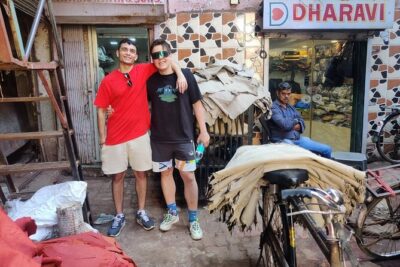
Dharavi slum tour in Mumbai by Female tour guides of the slum
Read our review →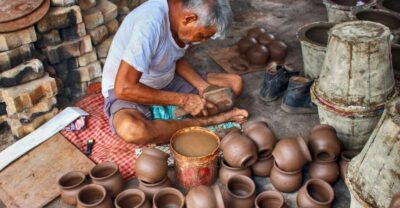
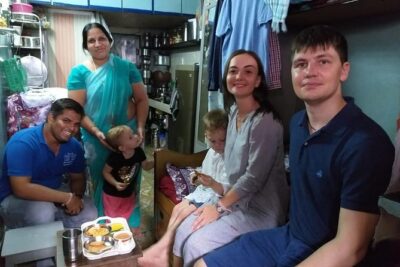
Dharavi Slum Slumdog Millionaire Tour with a Local
Read our review →
Mumbai Slum Tour – Visit Dharavi Slum with Local Guide
Read our review →
Dhobi Ghat Laundry and Dharavi Slum Tour with Local
Read our review →Browse the lists this tour appears in