
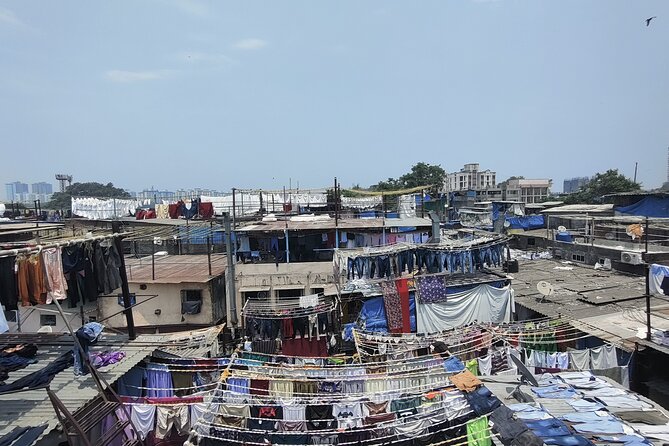
Reviewed · SLUM AND COMMUNITY TOURS
Dharavi Slum Walking Tour: Mumbai’s Inspiring Small Industries
Look beyond Mumbai’s postcard views. This two-hour Dharavi walk shows how homes and small businesses share the same tight urban space. I like the focus on working life, especially the visits to recycling, garment, leather, and pottery operations. I also like that the tour includes Kumbharwada, Dharavi’s pottery colony, rather than stopping at a distant viewpoint.
The main consideration is that this is a very close look at daily life. You may walk through alleys as narrow as two feet and pass directly through work areas and residential lanes. That closeness can feel uncomfortable if you prefer to observe from a distance, but it is also what gives the tour its force.
In This Review
- Key points to know before you go
- Why Dharavi is worth seeing with a guide
- Meeting at Third Wave Coffee in Mahim
- The first stretch: Dharavi’s commercial side
- Moving into the residential lanes
- Kumbharwada, the pottery colony
- What the guide contributes
- The price and what you receive
- How long the two-hour format feels
- The ethical question: how to visit respectfully
- Who should book this walk
- Should you book the Dharavi walk?
- FAQ
- How long is the Dharavi Slum Walking Tour?
- Where does the tour begin?
- Where does the tour end?
- Is the tour private?
- Does the tour visit Kumbharwada?
- Does the tour include hotel pickup and drop-off?
- Can I cancel for a full refund?
Key points to know before you go
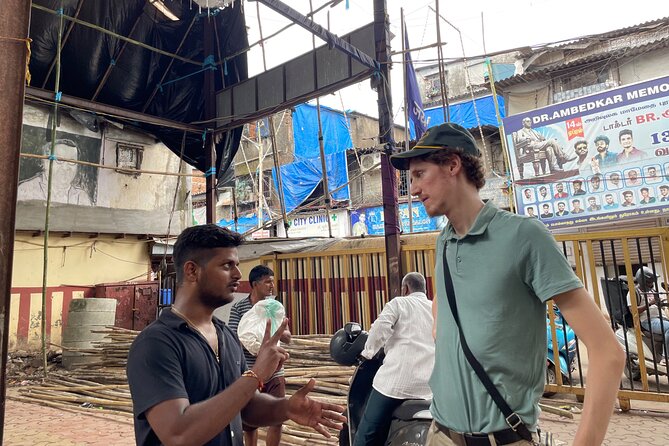
- Kumbharwada adds a memorable craft stop: The pottery colony gives the walk a clear human and cultural focus.
- The route covers work and home life: You see commercial activity first, then residential areas, government and private buildings, and workshops.
- Local guides shape the experience: Guides such as Sharon and Ruqaiyya have received especially warm praise for their friendly, personal explanations.
- Expect narrow lanes: This is an up-close walk, not a bus tour or distant photo stop.
- A private group format keeps it personal: Only your group participates, according to the tour details.
- The price is modest: At $9.51 per person, the tour offers strong value if you want context rather than a quick sightseeing pass.
Why Dharavi is worth seeing with a guide
Dharavi is often reduced to a label. That misses the point. The area is also a place where people live, work, make goods, and run small enterprises in a remarkably compact setting.
A guide helps you read what you are seeing. Without one, recycling yards, workshops, homes, and narrow passageways can blur into a confusing first impression. With local explanation, the area’s commercial and residential sides begin to make sense.
The walk is particularly useful for understanding the link between home and work. A small structure may be part of a living area, a workshop, or both. The tour lets you see how residents earn a living in industries such as plastic recycling, cardboard processing, aluminum work, garment production, leather, and pottery.
I appreciate that the focus is not simply on poverty. Dharavi is presented as a working community with skill, effort, and organization. That does not erase the difficult conditions, but it gives you a fuller and more respectful picture.
More Walking Tours in Mumbai
- Group Guided Walking Tour in Fort and Colaba
★ 5.0 · 1,073 reviews - Private Guided Walking Tour in Fort & Colaba
★ 5.0 · 895 reviews - Private Guided Walking Tour in Bandra Queen of Suburbs
★ 5.0 · 383 reviews
Meeting at Third Wave Coffee in Mahim
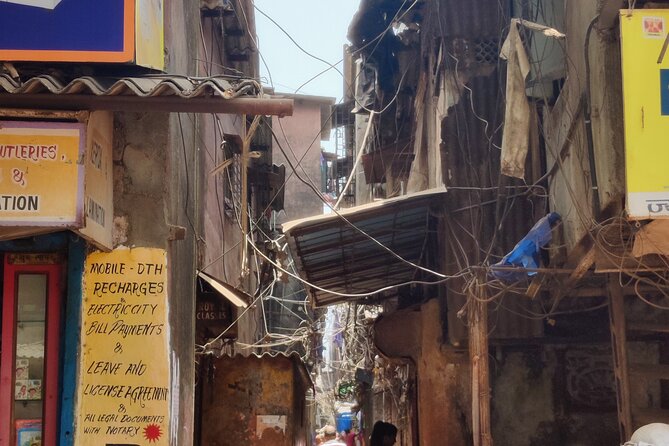
The tour begins at Third Wave Coffee, at Tip Road, Unit 58, Ground, Ram Mahal, Senapati Bapat Marg, Marinagar Colony, Station, Mahim, Mumbai, Maharashtra 400016.
This meeting point matters because you are not being collected at a major sightseeing landmark. You need to follow the address carefully and allow time to find the coffee shop. The tour is near public transportation, which makes the starting point practical, but the information provided does not include a scheduled transfer for the basic meeting-point option.
There is also a transfer option with hotel pickup and drop-off. That can be useful if you want a simpler day, especially when combined with city sightseeing. Check that you have selected the transfer version if you need transportation, since the standard tour ends back at the starting point.
Because the experience lasts about two hours, it fits neatly into a Mumbai sightseeing day. You can schedule it around other city stops instead of giving up a full morning or afternoon.
The first stretch: Dharavi’s commercial side
The walk begins with Dharavi’s working economy. You see small-scale industries connected with recycling and manufacturing, including plastic, cardboard, aluminum, and garments.
This section is valuable because it shows activity at close range. Rather than hearing a general explanation about local business, you can watch materials being sorted, handled, processed, or turned into useful products. The scale is small, but the work is serious and organized.
You should expect a practical, crowded setting rather than a polished museum. Work areas may be close to walkways, and the route can take you into narrow passages. That is part of the experience, but it calls for patience and respect.
I would pay attention to the guide’s explanations here. The machinery and materials may be easy to notice, while the meaning behind them is harder to understand. A good guide connects the visible work with the daily routines and income of the people who live in the area.
The commercial section may be the least personal part of the walk for some people. One Spanish-language review suggested spending less time on industry and more time in residential areas. That is a fair preference. If your main interest is community life, tell your guide early so you can understand how much time the route allows for each section.
Moving into the residential lanes
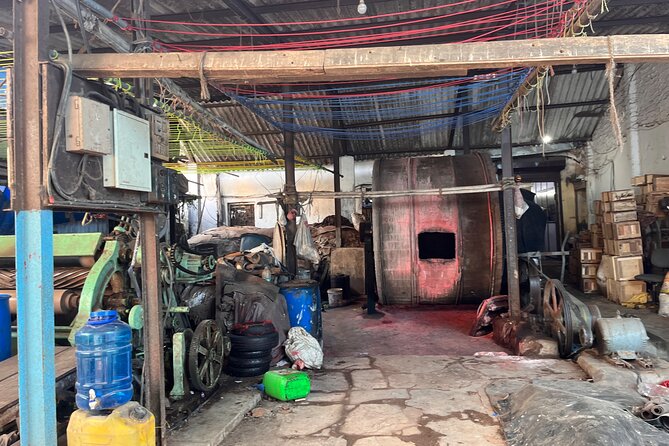
The route then shifts toward the residential side of Dharavi. You pass small-roofed homes, government buildings, private structures, and workshop spaces.
This change in pace is important. The commercial area shows how people work, while the residential section gives you a better sense of how the wider community functions day by day. You are not simply viewing buildings from outside. The route takes you through the lanes where residents live and carry on ordinary routines.
The closeness can be startling. One detailed account described walking through alleys only about two feet wide and moving throughout the area rather than viewing it from a broad road. You should prepare for a walk that feels direct and personal.
That also means your conduct matters. Keep your voice low, follow the guide’s instructions, and ask before taking photographs of people. The tour information says the guide enables you to take photos, but permission and good judgment remain important in a residential setting.
This is where a local guide can make the biggest difference. Ruqaiyya, who lives in Dharavi herself, was praised for her personal and engaging explanations. A guide with a local connection can help you understand the area as a home, not just as a sightseeing subject.
A completely different kind of day out:
- Dharavi slum tour in Mumbai by Female tour guides of the slum
★ 5.0 · 1,976 reviews - Mumbai: Full-Day Sightseeing Tour of Mumbai
★ 4.9 · 1,822 reviews - Private Mumbai Sightseeing Tour (Traveller’s Choice Award Winner)
★ 5.0 · 1,565 reviews - Elephanta Caves & Island Guided Private Tour
★ 5.0 · 1,327 reviews
Kumbharwada, the pottery colony
Kumbharwada is one of the most distinctive stops. This pottery colony gives the tour a strong craft element and breaks up the industrial focus of the first part of the route.
Pottery is easy to appreciate because the work is visible and tangible. You see a traditional skill operating within the same dense urban setting as recycling, leather, textiles, and garment production. The contrast helps you understand that Dharavi’s economy is not one single industry.
The stop also adds variety to a two-hour walk. If the recycling and manufacturing section feels repetitive to you, Kumbharwada provides a more memorable visual and cultural focus. It is one of the clearest reasons to choose this particular route.
The available information does not specify how long you spend at the pottery colony or whether a demonstration is guaranteed. Think of it as a visit within the walking route, not a standalone pottery class.
What the guide contributes
The guide is the center of this experience. Dharavi can be difficult to interpret on your own, and the route would lose much of its value without clear explanations.
Sharon received especially warm praise for giving detailed insight and for creating a friendly experience across more than one Mumbai tour. Ruqaiyya was also praised for being engaging, personable, and proud of the community where she lives. Those details suggest that the best part of the tour is not only the route, but the quality of the conversation along it.
The tour is offered as a private activity, with only your group participating. That is a useful advantage. You can ask questions without competing with a large crowd, and the guide can respond to your interests more easily.
Still, a private format does not guarantee that every guide will spend equal time on every topic. The route clearly includes both commercial and residential sections, but your guide’s pacing may affect how much attention each receives. If homes and family life matter most to you, say so at the beginning.
The price and what you receive
At $9.51 per person, this is an inexpensive way to add social and economic context to a Mumbai visit. You are paying for about two hours with a local guide, a structured route, access to both sides of Dharavi, and the Kumbharwada pottery colony.
The value is strongest if you want explanation and access rather than comfort. You are not paying for a luxury vehicle, a long meal, or a polished attraction. You are paying for a guided walk through a place that can be hard to understand without local context.
The private format makes the price even more appealing for a small group, though the listing also notes group discounts. Check the final price for your party before booking, since per-person costs and discounts may vary by group size.
If you choose the transfer option with hotel pickup and drop-off, the cost may be higher, but the added convenience could make sense for a packed day. The basic walk itself begins and ends at Third Wave Coffee.
How long the two-hour format feels
Two hours is enough to cover the main themes without turning the visit into an all-day commitment. You see commercial activity, residential lanes, workshops, and Kumbharwada in one compact outing.
The short duration is also a limitation. Dharavi contains more stories and industries than any two-hour walk can cover. You should expect an introduction with meaningful examples, not a complete study of the area.
The route may feel longer than two hours because of the narrow lanes, stops, and steady stream of information. Wear practical footwear and keep your attention on the guide. The supplied details do not state a dress code or specific equipment requirements, so do not assume that special gear is provided.
Most people can participate, according to the tour information. The same information does not give specific details about wheelchair access, restroom stops, or the exact walking distance, so ask the operator if you have mobility concerns.
The ethical question: how to visit respectfully
A walking tour of a low-income community needs care. The point should be to learn about residents’ lives and work, not to treat hardship as entertainment.
This experience helps by emphasizing businesses, skills, resilience, and local voices. The inclusion of a guide from the community, such as Ruqaiyya, can make the visit feel more grounded and less like a quick look at poverty.
You still have a responsibility. Avoid intrusive photographs, do not block narrow lanes, and listen when the guide explains local etiquette. The tour allows photos, but that should not be read as permission to photograph every person or private space.
I would also keep an open mind about what you see. Dharavi may look crowded and improvised in places, yet the work taking place there requires skill and persistence. The strongest lesson is the gap between outside assumptions and the full reality of daily life.
Who should book this walk
I would recommend it if you want to understand Mumbai through local work and community life. It suits curious visitors who are comfortable walking through tight spaces and who prefer direct contact with a place over a distant view.
It is also a good fit for a small private group. You can ask questions, set the tone for the conversation, and pay closer attention to subjects that interest you, such as recycling, textiles, pottery, or homes.
You may want to skip it if narrow lanes, active workshops, or close residential contact would make you uneasy. It is not a relaxed sightseeing stroll, and the commercial section may feel too long if your main interest is home life.
Free cancellation is available if you cancel at least 24 hours before the start time. Changes or cancellations made less than 24 hours ahead are not accepted, and the local time cutoff applies.
Should you book the Dharavi walk?
Book it if you want a candid, guide-led look at how people live and work in one of Mumbai’s most talked-about communities. The low price, private format, local guides, and Kumbharwada stop make it a strong value.
Go with the right expectations. This is a close walk through narrow lanes and active work areas, not a comfortable sightseeing ride. If you can approach Dharavi with respect and curiosity, the tour offers far more than a quick photo stop. It gives you a better understanding of the people, skills, and small businesses behind the label.
FAQ
How long is the Dharavi Slum Walking Tour?
The walking tour lasts approximately two hours.
Where does the tour begin?
It begins at Third Wave Coffee, Tip Road, Unit no. 58, Ground, Ram Mahal, Senapati Bapat Marg, Marinagar Colony, Station, Mahim, Mumbai, Maharashtra 400016, India.
Where does the tour end?
The activity ends back at the meeting point.
Is the tour private?
Yes. The activity is listed as a private tour, and only your group participates.
Does the tour visit Kumbharwada?
Yes. The route includes Kumbharwada, the pottery colony within Dharavi.
Does the tour include hotel pickup and drop-off?
A transfer option includes hotel pickup and drop-off. The standard meeting-point option begins and ends at Third Wave Coffee.
Can I cancel for a full refund?
Yes. You can receive a full refund by canceling at least 24 hours before the experience start time. Cancellations made less than 24 hours before the start time are not refunded.
More Community Tours in Mumbai
- Mumbai: Dharavi Slum, DhobiGhat, and Dabbawallas Tour
★ 4.9 · 689 reviews - Dharavi Slum Tour
★ 5.0 · 625 reviews - Dharavi Slum tour in Mumbai by local resident
★ 5.0 · 572 reviews - Mumbai: Dharavi Slum Slumdog Millionaire Tour with a Local
★ 4.9 · 529 reviews
Just added in Mumbai
- Mumbai Airport to Mumbai Hotels : Private Transfers★ 5.0 · 13 reviews
- Mumbai Sightseeing Tour★ 5.0 · 11 reviews
- Mumbai Spice Markets and Bazaars Tour with Guide and Transport★ 5.0 · 42 reviews
- Mumbai 800 Year Worli Village: Talking Goddess, Old Fort & more★ 5.0 · 94 reviews
- Customize private tour with pickup★ 5.0 · 95 reviews
- Gufran’s Slum Home Tour in the Mumbai Slums★ 5.0 · 19 reviews
- Private Guided Bandra Half Day City Tour in AC Vehicle★ 5.0 · 72 reviews
- Mumbai City Sightseeing Tour With Expert Driver★ 5.0 · 75 reviews
Slum and Community Tours, compared.
Dharavi slum tour in Mumbai by Female tour guides of the slum
Read our review →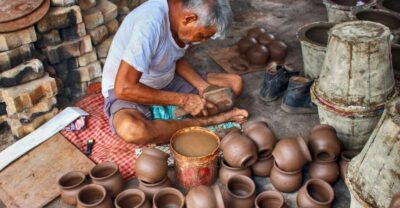
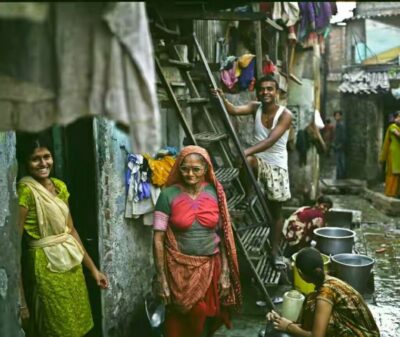
Dharavi Slum Slumdog Millionaire Tour with a Local
Read our review →
Mumbai Slum Tour – Visit Dharavi Slum with Local Guide
Read our review →
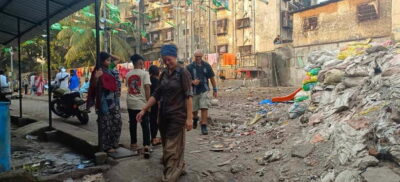
Dhobi Ghat Laundry and Dharavi Slum Tour with Local
Read our review →Browse the lists this tour appears in