
Reviewed · SLUM AND COMMUNITY TOURS
Dharavi Slum Tour in Mumbai
See Mumbai from the inside. This two-hour walking tour takes you through Dharavi with a college student who lives in the community, giving you a closer look at its homes, workshops, schools, and daily work. I especially like the resident guide approach and the chance to see real local industries rather than only hearing general facts. I also like the small-group format, which gives you more room to ask questions.
The main consideration is that Dharavi is a dense residential area, not a polished sightseeing district. You need to dress modestly, walk comfortably, and think carefully about photography and privacy. At $70 per person, this is not a cheap walk, but the personal guiding and community focus can make it worthwhile for you if you want context rather than a quick look from a vehicle.
In This Review
- Key points to know before you book
- Why Dharavi needs more than a quick look
- Meeting at Mahim Railway Station
- 13th Compound and the recycling workshops
- From pottery to soap, a neighborhood of work
- Residential lanes, schools, and churches
- What the resident guide adds
- Group, private, and small-format options
- Is $70 a fair price?
- Practical preparation for a respectful visit
- Who will value this Dharavi walk?
- Should you book the Dharavi Slum Tour?
- FAQ
- Where does the Dharavi tour begin?
- How long does the tour last?
- Who leads the tour?
- What can I see during the walk?
- Is hotel pickup included?
- Is lunch included?
- Can I cancel for a full refund?
Key points to know before you book
- A resident college guide leads the walk: Guides such as Rajesh, Anton, Anthony, and Samir have been praised for explaining life and work in Dharavi in a calm, approachable way.
- The tour begins at Mahim Railway Station: You meet there before walking toward the Plastic and Metal Recycling yard in 13th Compound.
- Local work is the main story: You may see plastic recycling, metal work, pottery, soap production, paint cans, cardboard, leather, and button manufacturing.
- The route includes both work and home life: You pass through commercial and residential lanes, with possible stops near schools and churches.
- It is a compact walking experience: Plan on roughly two hours, though some descriptions place the walk closer to two or three hours.
- The tour has a community-minded angle: Part of the proceeds is described as helping schoolchildren from Dharavi, and a lunch option may be available.
Why Dharavi needs more than a quick look
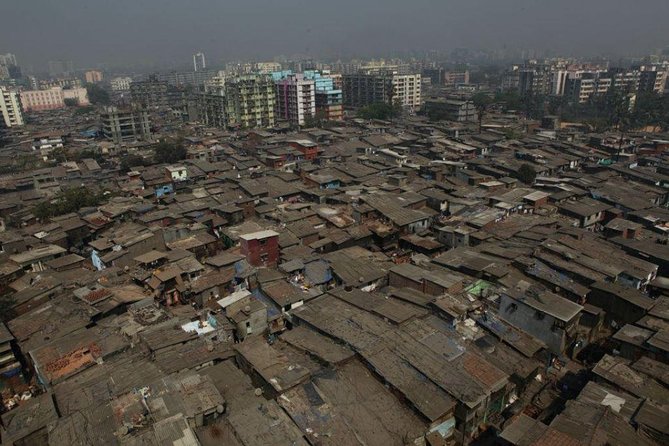
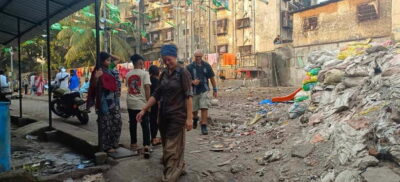
Dharavi is often reduced to a movie image or a few dramatic photographs. That misses the point. This tour aims to show you a working neighborhood, where homes and small businesses occupy the same tight area and where many people earn a living through practical trades.
The route is built around observation and conversation. Instead of simply pointing at crowded lanes, your guide explains how people make money, how the work is organized, and how the community functions. That distinction matters. You are not being shown poverty as a spectacle. You are being introduced to a place where people live, work, study, worship, and run businesses.
The 2008 film Slumdog Millionaire made Dharavi familiar to millions of people. It also shaped expectations that may not match what you see. The tour gives you a chance to replace that movie image with something more ordinary and more useful: workshops, families, students, narrow lanes, and people getting on with their day.
I like that the guides are college students who live in Dharavi. Their connection can make the commentary more personal than a standard city tour. It also gives the guides a practical reason to work, since the tour helps support their studies.
More Community Tours in Mumbai:
- Dharavi slum tour in Mumbai by Female tour guides of the slum
★ 5.0 · 1,976 reviews - Mumbai: Dharavi Slum, DhobiGhat, and Dabbawallas Tour
★ 4.9 · 689 reviews - Dharavi Slum Tour
★ 5.0 · 625 reviews
Meeting at Mahim Railway Station

The walk starts at Mahim Railway Station, a useful public transport point in Mumbai. From there, you head toward the 13th Compound and its recycling area.
Starting at a railway station keeps the meeting point connected to the city rather than placing you at an isolated tourist office. Still, you should allow enough time to reach Mahim and confirm the exact meeting details when you book. Hotel pickup is not included, although it can reportedly be arranged if you request it.
The first part of the route takes you from the station into Dharavi. This change is part of the experience. You move from a familiar Mumbai transport setting into a close-packed network of lanes where residential and commercial life sit side by side.
Your guide should help you get oriented and explain what you are seeing. This is where the tour benefits from a small group. With no more than two people listed for the activity, you have a better chance to ask direct questions without holding up a large crowd.
13th Compound and the recycling workshops
The first named stop is the Plastic and Metal Recycling yard in 13th Compound. This is not just a quick photo stop. It is meant to show how small-scale manufacturing and recycling support local livelihoods.
You may see plastic being melted and molded into new items. The tour description specifically highlights plastic toys and buttons made for Barbie dolls sold in India. That detail makes the stop memorable because it connects a familiar consumer product with a less visible production chain.
You may also see metal recycling and other workshop activity. The exact work taking place can vary, so you should approach the stop as a chance to observe rather than a guaranteed demonstration. The setting may be cramped, noisy, or busy, and the physical conditions are part of the lesson.
I would wear sturdy walking shoes here. One person who took the tour specifically recommended solid footwear, and that is sensible advice for a route through narrow working lanes. Comfortable shoes will help you concentrate on what your guide is explaining instead of worrying about every step.
From pottery to soap, a neighborhood of work
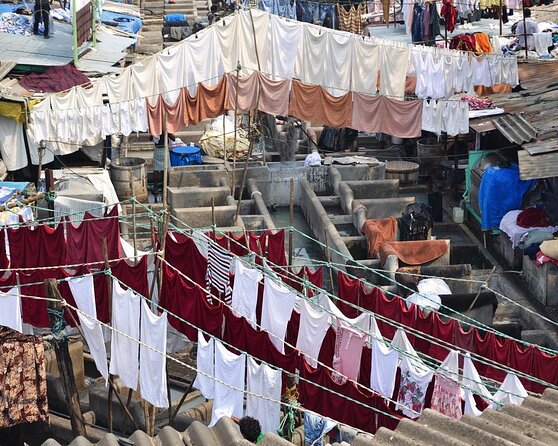
The route continues through the working side of Dharavi. The experience may include pottery, soap production, paint cans, cardboard, leather, and other small industries.
Each trade gives you a different view of how space is used. A workshop may occupy a modest room or lane, with equipment, materials, and finished products close together. You may find that the tour changes your idea of what a factory has to look like. Here, production can be small, local, and woven into the residential fabric.
Pottery offers a clear contrast with plastic and metal work. It connects the tour to a more traditional craft, while recycling and button manufacturing show how local businesses serve modern markets. Soap, leather, cardboard, and paint-related work add further examples of the neighborhood’s economic range.
The strongest part of this section is the guide’s explanation. Without context, you might only see crowded alleys and workshops. With a resident college guide, you can ask how the work fits into daily life and why these industries matter to the people who depend on them.
You should also keep your expectations realistic. This is a walking tour, not a hands-on craft class. You are there to look, listen, and ask respectful questions. The tour does not promise that every listed industry will be operating during your visit.
A few more options to weigh up in Mumbai
- Mumbai: Full-Day Sightseeing Tour of Mumbai
★ 4.9 · 1,822 reviews - Private Mumbai Sightseeing Tour (Traveller’s Choice Award Winner)
★ 5.0 · 1,565 reviews - Elephanta Caves & Island Guided Private Tour
★ 5.0 · 1,327 reviews - Group Guided Walking Tour in Fort and Colaba
★ 5.0 · 1,073 reviews
Residential lanes, schools, and churches
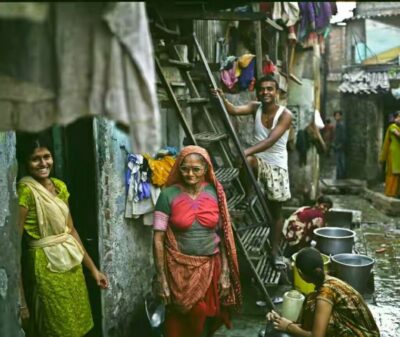
The walk is not limited to commercial areas. It also moves through residential sections, helping you understand Dharavi as a community rather than an industrial zone.
That balance is important. You see where people work, but you also get a sense of where they live, study, and worship. Stops near local schools and churches can help you understand the institutions that give the neighborhood structure.
The lanes are narrow, so your group size matters. A private or very small arrangement gives you more space to pause and listen without creating a large moving cluster. It also makes it easier to follow your guide’s requests about where to stand and when to keep moving.
This is the point where good manners matter most. Dress conservatively, covering your shoulders and knees, as recommended for India generally. Ask before taking photos, and do not photograph children or private spaces casually. One person felt the tour did not seem intrusive, but also recognized that privacy is a serious concern. That is the right attitude for you to bring.
The tour can be eye-opening, but you should not treat the neighborhood as a backdrop. Make eye contact, listen to your guide, and remember that people are going about their lives while you are visiting.
What the resident guide adds
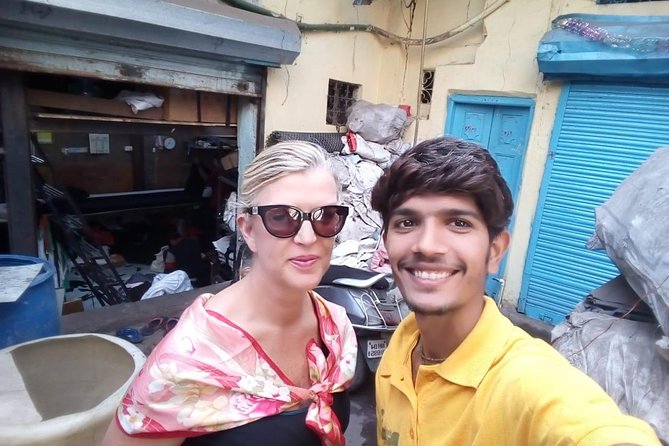
The guide is the heart of this experience. The tour is designed around college students who live in Dharavi, and several guides have received specific praise for being friendly, patient, and easy to talk to.
Rajesh is described as taking time to explain what it is like to live and work in Dharavi while encouraging questions and photography. Samir is praised for being helpful and kind during a two to three-hour walk through both commercial and residential areas. Anton, also referred to as Anthony in one response, is remembered as a strong guide for a unique visit.
These personal details matter because a subject as sensitive as Dharavi can easily be handled badly. A guide who answers questions without rushing you can replace stereotypes with a more accurate picture. You may leave with a better understanding of the neighborhood’s work ethic, local businesses, and social life.
I would not expect a formal academic lecture. The strength is direct conversation and local perspective. Your experience may vary with the individual guide, the day’s activity, and the questions you bring.
Group, private, and small-format options
The experience offers a choice of group or private tour, though the supplied details also say the activity has a maximum of two people and requires at least two people per booking. Confirm the exact format before paying, especially if you are booking alone or expecting a larger group.
A small group is useful here for several reasons. You can hear commentary more clearly, stop without blocking a lane, and ask questions about sensitive subjects. It also reduces the feeling of moving through the community as part of a large tour party.
A private option may suit you if you want to discuss a particular topic, such as local employment, education, recycling, or community life. A group option may be the better value if you are comfortable sharing the guide’s attention.
The walking time is listed at about two hours, while some descriptions and experiences refer to a two to three-hour route. Treat two hours as the basic estimate and leave extra time in your Mumbai schedule. This is not an activity to squeeze between two tightly timed attractions.
Is $70 a fair price?

At $70 per person, the tour costs more than a casual self-guided walk, and you cannot judge the price by distance alone. You are paying for a local guide, a planned route, explanation of the industries, and a small format that may offer more personal conversation.
The price makes the most sense if the guide is your main reason for booking. Without commentary, Dharavi’s lanes and workshops would be difficult to interpret, and you could easily misunderstand what you are seeing. The guide turns a series of visual impressions into a clearer account of work and community.
Lunch is included only if you select the tour option that includes it. Food and drinks are otherwise not included. Hotel pickup and drop-off are also excluded, though pickup may be arranged on request.
A further value point is the stated support for Dharavi schoolchildren. Part of the proceeds is described as going directly to local students. I would confirm how that contribution works if it is an important part of your decision, but it gives the tour a stronger community purpose than a simple sightseeing walk.
Practical preparation for a respectful visit
Wear modest clothing that covers your shoulders and knees. This follows local expectations and helps you enter the neighborhood in a respectful way.
Choose solid walking shoes. You will be on foot for around two hours, moving through small lanes and working areas. A moderate level of physical fitness is recommended, so this may not suit you if extended walking is difficult.
Keep your group small and follow the guide’s instructions. Do not assume that photography is always welcome, even though one guide encouraged it. Ask first, particularly near homes, schools, children, workshops, and religious buildings.
You should also bring patience. Dharavi is a living neighborhood, not a staged attraction. Work may be active in one area and quiet in another. The exact mix of pottery, recycling, soap, leather, cardboard, or other trades can change.
Confirmation is provided at booking. The tour requires a minimum of two people, so a cancellation is possible if that number is not reached. Free cancellation is available up to 24 hours before the start time for a full refund. Changes or cancellations made inside that window are not refunded.
Who will value this Dharavi walk?
I think this tour suits you if you want to understand how Mumbai works beyond its famous sights. It is especially useful if you are interested in local enterprise, community life, urban inequality, recycling, or the way homes and businesses share limited space.
It also suits you if you prefer conversation to sightseeing from a bus. The guide’s local connection gives you a chance to ask questions and hear explanations shaped by everyday experience.
You may want to skip it if you are looking for polished facilities, a relaxed open-air stroll, or a predictable list of attractions. The route can be physically demanding, the subject matter is serious, and the surroundings may feel confronting.
Families should think carefully about the walking conditions and the need for respectful behavior. The supplied information does not specify a minimum age, so confirm suitability before booking with young children.
Should you book the Dharavi Slum Tour?
I would book this tour if you want a guided, human-scale introduction to Dharavi and are prepared to visit with respect. The best reasons are the resident college guides, the focus on local work, and the small format that lets you ask real questions.
The $70 price is fair only if you value that personal context and the stated community support. It is less appealing if you simply want a quick look at a famous Mumbai location.
Choose the lunch option if you want it, arrange pickup in advance if needed, and wear proper shoes. Most important, arrive ready to see Dharavi as a place where people live and work, not as a movie set or photo opportunity.
FAQ
Where does the Dharavi tour begin?
The tour begins at Mahim Railway Station before continuing on foot toward the Plastic and Metal Recycling yard in 13th Compound.
How long does the tour last?
The advertised duration is approximately two hours. Some descriptions of the walking route refer to two to three hours, so you should allow extra time.
Who leads the tour?
The guides are college students who live in Dharavi. Named guides associated with the experience include Rajesh, Anton, Anthony, and Samir.
What can I see during the walk?
The route may include plastic and metal recycling, plastic toy and button production, pottery, soap production, paint cans, cardboard, leather work, schools, churches, and residential lanes.
Is hotel pickup included?
Hotel pickup and drop-off are not included. Pickup may be arranged if you request it.
Is lunch included?
Lunch is included only when you select the tour option that includes lunch. Food and drinks are otherwise not included.
Can I cancel for a full refund?
Yes. You can cancel at least 24 hours before the experience start time for a full refund. Cancellations or changes made less than 24 hours in advance are not accepted for a refund.
Just added in Mumbai
- Mumbai Sightseeing Tour★ 5.0 · 11 reviews
- Mumbai Airport to Mumbai Hotels : Private Transfers★ 5.0 · 13 reviews
- Mumbai Spice Markets and Bazaars Tour with Guide and Transport★ 5.0 · 42 reviews
- Mumbai 800 Year Worli Village: Talking Goddess, Old Fort & more★ 5.0 · 94 reviews
- Customize private tour with pickup★ 5.0 · 95 reviews
- Gufran’s Slum Home Tour in the Mumbai Slums★ 5.0 · 19 reviews
- Private Guided Bandra Half Day City Tour in AC Vehicle★ 5.0 · 72 reviews
- The Famous Bollywood Tour of Mumbai★ 5.0 · 97 reviews
Slum and Community Tours, compared.
Dharavi slum tour in Mumbai by Female tour guides of the slum
Read our review →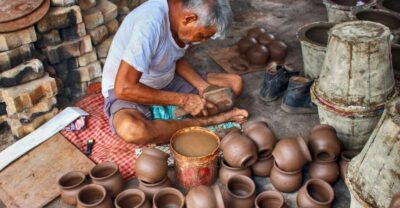
Dharavi Slum Slumdog Millionaire Tour with a Local
Read our review →
Mumbai Slum Tour – Visit Dharavi Slum with Local Guide
Read our review →
Dhobi Ghat Laundry and Dharavi Slum Tour with Local
Read our review →Browse the lists this tour appears in