
Reviewed · SLUM AND COMMUNITY TOURS
Dharavi Slum Tour
Mumbai’s most revealing streets are often the least polished. This two-hour Dharavi walking tour shows you a side of the city that guidebooks often flatten into a poverty story. I like the choice of a local English-speaking guide, and I especially like the focus on homes, workshops, recycling, and small businesses rather than on hardship alone.
I also like the human scale of the visit. You may try pottery, share vegetarian food in a family home, and ask questions directly while walking through the area. The main consideration is comfort: Dharavi can be hot, crowded, and physically demanding, and the modest dress rules and closed-toe shoes are not optional niceties.
The tour costs about $13.42 per person, which is a low price for a two-hour guided introduction to one of Mumbai’s most complex communities. It is not a sightseeing stop with grand monuments. Its value comes from context, access, and the chance to see how people live and work in the same compact district.
In This Review
- Key points to know before booking
- Why Dharavi makes a powerful two-hour visit
- Meeting near Mahim and entering Dharavi
- Residential lanes and everyday life
- Workshops, recycling, and the working side of Dharavi
- A family home, vegetarian food, and a human connection
- What the guides add to the experience
- Heat, clothing, and walking comfort
- Is $13.42 a fair price?
- Ratings, tone, and what they tell you
- Who should book this Dharavi tour?
- Should you book it?
- FAQ
- How long is the Dharavi Slum Tour?
- How much does the tour cost?
- Is the tour private or shared?
- Who leads the tour?
- What activities are included?
- Is transportation included?
- Where does the tour start and finish?
- What should I wear?
- Can I cancel for a refund?
Key points to know before booking
- A local guide leads the way: Your English-speaking guide lives in Dharavi, giving you a direct connection to the area.
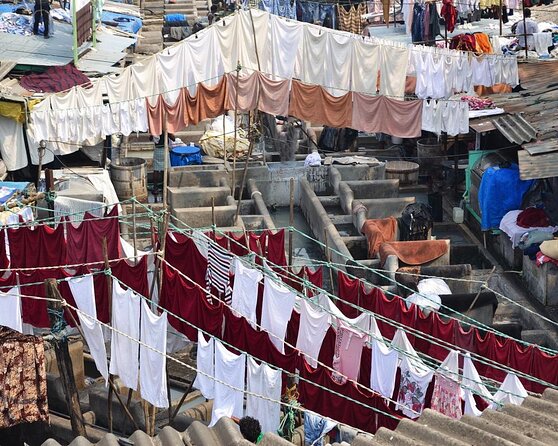
- Business is central to the route: Recycling, pottery, and other local enterprises help explain Dharavi’s working economy.
- The experience aims for respect: The focus is on daily life, enterprise, and resilience rather than treating the neighborhood as a spectacle.
- Food and hands-on activities add texture: Depending on the tour’s operation that day, you may try pottery and eat vegetarian food in a family home.
- The tour ends inside Dharavi: You finish near Sai Multispeciality Hospital on 90 Feet Road, where Uber cabs are available.
- Plan for heat: Bring water, consider a cap, wear modest clothing, and use sturdy closed-toe shoes.
Why Dharavi makes a powerful two-hour visit
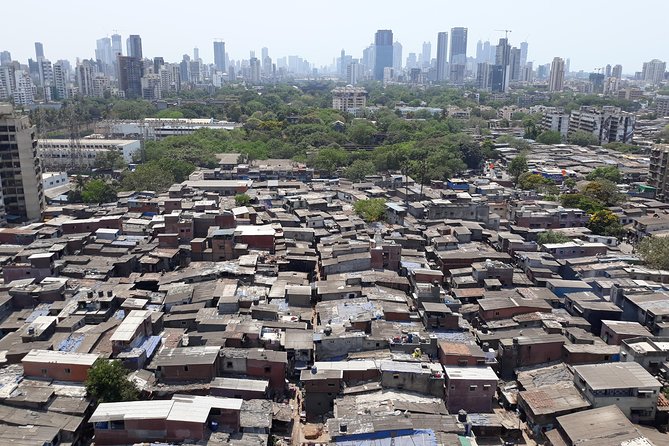
Dharavi is widely described as one of Asia’s largest slum areas, with nearly one million people living and working there. That label tells only part of the story. The area is also a major center for entrepreneurship and recycling, with homes and workshops often occupying the same tight urban space.
That contrast is the reason I think a guided visit has value. Walking in alone would give you fragments: narrow lanes, busy work areas, homes, and people going about their day. A local guide can explain how those pieces fit together and help you avoid drawing quick conclusions from what you see.
The experience is most useful if you arrive ready to listen. Dharavi is not a museum, and its residents are not part of a staged display. You are entering a real neighborhood where people work, raise families, and conduct business.
The guide’s role matters here. Names highlighted in feedback include Rakesh, Alkama, Hardik, Dinesh, and Smith. Specific guides may vary, but the strongest pattern is clear: people valued guides who were patient, clear, safe, and willing to answer questions about both residential and commercial areas.
More Community Tours in Mumbai:
- Dharavi slum tour in Mumbai by Female tour guides of the slum
★ 5.0 · 1,976 reviews - Mumbai: Dharavi Slum, DhobiGhat, and Dabbawallas Tour
★ 4.9 · 689 reviews - Dharavi Slum Tour
★ 5.0 · 625 reviews
Meeting near Mahim and entering Dharavi
The meeting point is Third Wave Coffee at Tip Road, Unit 58, Ground, Ram Mahal, Senapati Bapat Marg, in the Marinagar Colony area near Mahim. That gives you a recognizable place to begin, although you should check the exact address carefully before setting out because Mumbai addresses can be hard to parse.
Private transportation is not included. You need to reach the meeting point yourself, and the tour does not provide a ride back afterward. The route finishes at Sai Multispeciality Hospital and Research Centre on 90 Feet Road, behind Sion Hospital, in the Dharavi area.
That open-ended finish can work in your favor. You are already in Dharavi, and Uber cabs are available at the end. Still, allow a little time to get your bearings before your next appointment. The tour lasts about two hours, but Mumbai traffic can make any plan after it less precise than it looks on paper.
Start times vary, so you can choose an option that fits your day. The experience is offered as either a private tour or a small-group outing, with a maximum group size of 20. A private option should give you more room for questions, while a group tour keeps the price low.
Residential lanes and everyday life
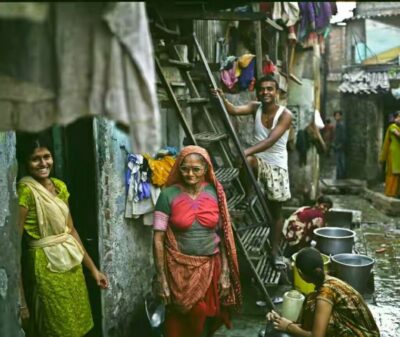
The residential portion is where the tour can become personal. You learn about daily life in a place that is often reduced to statistics. The aim is not simply to point out small homes or narrow passages, but to explain the living environment and the challenges people manage each day.
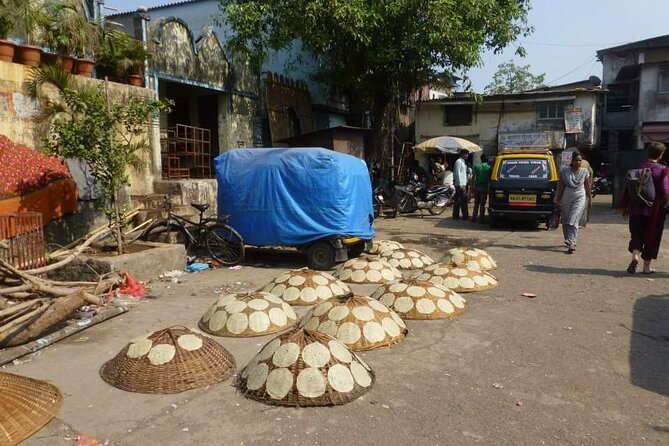
You should expect a close-up walking route rather than a broad city view. Dharavi’s interest comes from details at street level: the way homes and businesses function side by side, the movement of people through the lanes, and the signs of work all around you.
This is also where good guide conduct matters most. A respectful guide should help you understand what you are seeing without encouraging intrusive behavior. The tour description emphasizes learning from residents at local homes and businesses, so keep your questions polite and avoid treating the setting like a photo backdrop.
The experience may feel emotionally heavy at times. That is not a flaw, but it is something to consider before booking. You will see a community facing real limits in space and resources, while also hearing about ambition, work, and progress. Those two truths belong together.
Workshops, recycling, and the working side of Dharavi
The tour’s strongest feature is its attention to business. Dharavi is not only a residential area. It is also a major center for recycling and small-scale enterprise, and the route is designed to show how work keeps moving through the neighborhood.
That focus changes the way you read the streets. Instead of seeing only crowded housing, you begin to notice production, trade, and practical ingenuity. The guide can connect these activities to the people who make their living there.
Pottery is one of the clearest hands-on elements. At a potter’s workshop, you may get the chance to try working with clay yourself. That small activity gives you a better feel for the skill involved and breaks up the walking with something you actively do.
The workshop is not a grand attraction, and that is part of its appeal. It is a working place, not an elaborate visitor center. You should approach it with curiosity and respect, since the point is to learn about a local trade rather than collect a quick photo.
The business areas also help explain why a local guide is more useful than a standard city tour. A guide who lives in Dharavi can describe the area as a place of work and residence, not simply as a stop on an outsider’s route.
A few more options to weigh up in Mumbai
- Mumbai: Full-Day Sightseeing Tour of Mumbai
★ 4.9 · 1,822 reviews - Private Mumbai Sightseeing Tour (Traveller’s Choice Award Winner)
★ 5.0 · 1,565 reviews - Elephanta Caves & Island Guided Private Tour
★ 5.0 · 1,327 reviews - Group Guided Walking Tour in Fort and Colaba
★ 5.0 · 1,073 reviews
A family home, vegetarian food, and a human connection
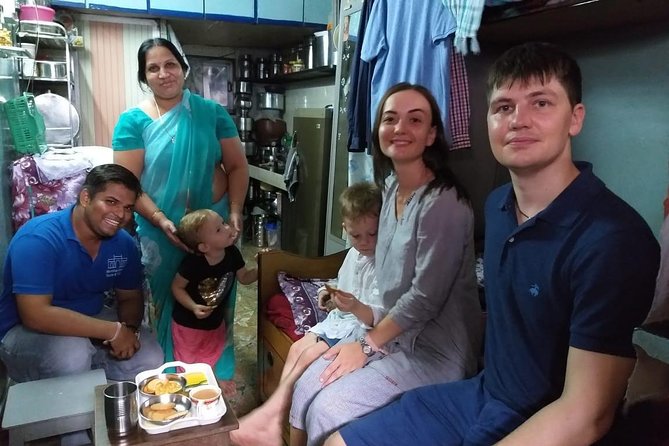
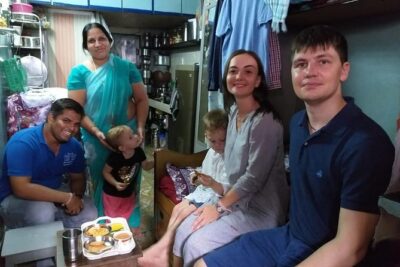
The tour description includes vegetarian food in a family home. This is one of the more personal parts of the experience, since a meal can create a different kind of connection from a walking explanation.
Do not think of it as a restaurant visit. You are there to learn how hospitality fits into ordinary life in Dharavi. The meal is vegetarian, and the experience may include conversation about the household and the neighborhood.
One guide, Hardik, was praised for answering questions and offering tea. That detail gives you a useful sense of the tone: simple hospitality, conversation, and time to ask about what you are seeing.
Food experiences in private homes require good manners. Follow the guide’s lead, accept the setting as it is, and avoid comparing it with a restaurant meal. The value lies in the welcome and the exchange, not in a long menu.
Because the supplied details do not specify the exact food served or guarantee every activity on every departure, confirm what is operating when you book. The overview presents pottery and the family meal as part of the experience, but schedules and local circumstances can affect the precise sequence.
What the guides add to the experience
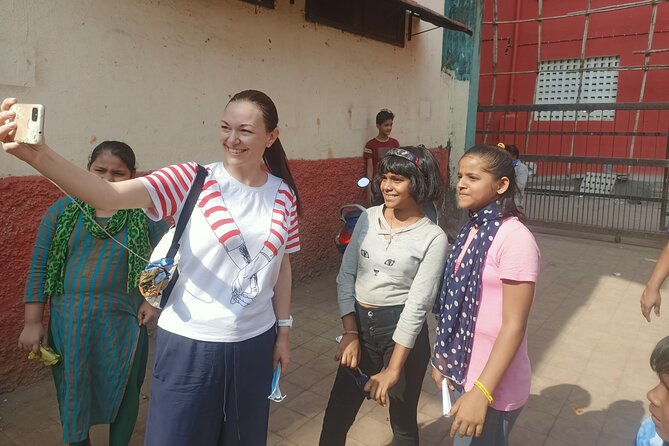
The guide is the main reason to choose this tour over simply walking around the edge of Dharavi. The guide is English-speaking and lives in the area, which gives you a chance to hear explanations from someone with a direct connection to the neighborhood.
Rakesh received particular praise for explaining both commercial and residential sections. That balance matters. A tour that only shows workshops could make Dharavi look like a business district, while a route focused only on housing could leave you with a narrow and gloomy picture.
Alkama was described as a young man building his own life while studying. That sort of personal story can give the tour a more grounded shape. It reminds you that Dharavi is made up of individuals with different goals, not one single story.
The strongest guide qualities are practical ones: arriving before the group, creating a sense of safety, speaking clearly, and not rushing. Those details matter in a compact neighborhood where you may have many questions and only two hours to ask them.
Guide quality can vary from one departure to another. The company is Mumbai Dream Tours, and the named guides show that several people lead the route. I would book this for the local perspective, but I would keep expectations realistic: a guide can explain a community, not answer every question about it.
Heat, clothing, and walking comfort
The practical advice here is simple. Wear modest clothing, including no sleeveless shirts, short shorts, or low tops for women. Closed-toe shoes are required, and they are the sensible choice for a walking tour through active residential and work areas.
Heat is another concern. One detailed account specifically advised carrying water and a cap. Bottled water is included, but I would still take the heat seriously, especially if you are not used to Mumbai’s conditions.
The tour is near public transportation, and most people can participate. The supplied information does not promise a fully accessible route, so anyone with mobility concerns should ask the operator for current route details before booking.
There are no major physical challenges listed, but two hours on foot in a dense neighborhood can feel tiring. Choose a start time that suits your energy and leave room afterward to cool down and regroup.
Is $13.42 a fair price?
At about $13.42 per person, this is inexpensive for a guided two-hour experience in Mumbai. Bottled water and an English-speaking local guide are included, while private transportation and tips are not.
The value is not based on the number of sights checked off. You are paying for interpretation and access to a place that can be hard to understand from the outside. If the guide explains the working economy, answers questions, and handles the residential visits respectfully, the price is strong.
A private tour may offer better value if you want to ask many questions or prefer a quieter pace. A small-group option is likely the better budget choice, though the maximum group size is 20, which is not always especially small in narrow lanes.
Tips are not included. The amount is your choice, but you should budget for one if the guide is helpful and the service meets your expectations.
The tour is booked, on average, 16 days ahead. That suggests you should reserve early if your Mumbai dates are fixed, especially if you want a specific start time or private format.
Ratings, tone, and what they tell you
The experience is listed with a 5 out of 5 rating from 159 reviews and a 100 percent recommendation rate. That is a strong signal, especially for a tour that asks people to approach a difficult subject with care.
The praise centers on a few repeated points: guides who make people feel safe, clear explanations of daily life, time for questions, and a strong sense that the visit is not meant as voyeurism. Those are exactly the qualities I would want from this kind of tour.
The comments also show that the experience can be described as eye-opening or even life-changing. I would treat those words as personal reactions, not promises. Your response will depend on your previous experience, your comfort with the setting, and how much you engage with the guide.
The occasional four-star rating is useful too. It suggests the tour can be very informative without being effortless. Heat, the living conditions, and the emotional weight of what you see may make it less comfortable than a normal city walk.
Who should book this Dharavi tour?
I would recommend it to you if you want to understand how Mumbai’s communities work beyond the postcard version of the city. It suits people who value local context, direct conversation, small businesses, and the chance to ask honest questions.
It is also a good fit if you want a short activity that can fit into a busy Mumbai schedule. Two hours is enough to gain a clear introduction without giving up your entire day.
You should think twice if you want a polished attraction, air-conditioned transport, or a fixed route with guaranteed comfort. This is a walking experience in a real neighborhood, and the conditions are part of what you are agreeing to.
Your attitude matters. Come to learn, not to collect images of hardship. Dress respectfully, listen carefully, and remember that the people you meet are residents and workers, not performers.
Should you book it?
Yes, if you want a grounded introduction to Dharavi and are comfortable with the setting. The low price, local English-speaking guide, small-group or private choices, and focus on work and daily life make this a worthwhile addition to a Mumbai visit.
Book it with practical expectations. Carry water, wear a cap and closed-toe shoes, dress modestly, and avoid scheduling an important appointment immediately afterward. If you want the most personal experience, choose a private departure or a smaller group and ask for plenty of time with the guide.
The free cancellation policy is generous: you can receive a full refund if you cancel at least 24 hours before the local start time. Changes or cancellations within 24 hours are not refunded.
FAQ
How long is the Dharavi Slum Tour?
The tour lasts approximately two hours.
How much does the tour cost?
The listed price is about $13.42 per person.
Is the tour private or shared?
Both private and small-group options are available. The maximum group size is 20 people.
Who leads the tour?
An English-speaking guide who lives in Dharavi leads the tour. Named guides associated with the experience include Rakesh, Alkama, Hardik, Dinesh, and Smith, though the guide can vary.
What activities are included?
The experience includes walking through Dharavi, learning about local homes and businesses, and may include trying pottery at a workshop and eating vegetarian food in a family home.
Is transportation included?
No. Private transportation is not included. You make your own way to the meeting point, and you can get an Uber cab near the end point.
Where does the tour start and finish?
It starts at Third Wave Coffee, Tip Road, Unit 58, Ground, Ram Mahal, Senapati Bapat Marg, near Mahim. It ends at Sai Multispeciality Hospital and Research Centre on 90 Feet Road in Dharavi.
What should I wear?
Wear modest clothing and closed-toe shoes. Women should not wear sleeveless shirts, short shorts, or low tops.
Can I cancel for a refund?
Yes. You can cancel at least 24 hours before the local start time for a full refund. Cancellations or changes made within 24 hours are not accepted for a refund.
Just added in Mumbai
- Mumbai Airport to Mumbai Hotels : Private Transfers★ 5.0 · 13 reviews
- Mumbai Sightseeing Tour★ 5.0 · 11 reviews
- Mumbai Spice Markets and Bazaars Tour with Guide and Transport★ 5.0 · 42 reviews
- Mumbai 800 Year Worli Village: Talking Goddess, Old Fort & more★ 5.0 · 94 reviews
- Customize private tour with pickup★ 5.0 · 95 reviews
- Gufran’s Slum Home Tour in the Mumbai Slums★ 5.0 · 19 reviews
- Private Guided Bandra Half Day City Tour in AC Vehicle★ 5.0 · 72 reviews
- Mumbai City Sightseeing Tour With Expert Driver★ 5.0 · 75 reviews
Slum and Community Tours, compared.
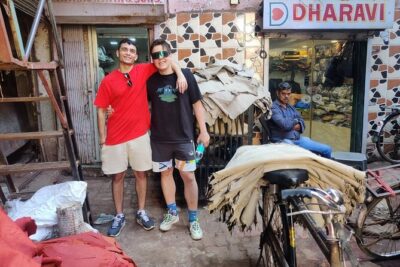
Dharavi slum tour in Mumbai by Female tour guides of the slum
Read our review →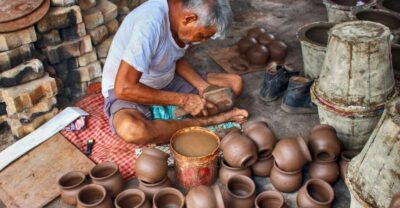
Dharavi Slum Slumdog Millionaire Tour with a Local
Read our review →
Mumbai Slum Tour – Visit Dharavi Slum with Local Guide
Read our review →
Dhobi Ghat Laundry and Dharavi Slum Tour with Local
Read our review →Browse the lists this tour appears in