

Reviewed · SLUM AND COMMUNITY TOURS
Dabbawala, Dhobi Ghat & Dharavi slum Tour with Local Train Ride
Mumbai makes ordinary work look extraordinary. This four-hour tour links Dharavi, Mahalaxmi Dhobi Ghat, and the city’s famous dabbawalas by local train. I like the resident-led view of Dharavi and the close look at working systems most visitors would miss. The main consideration is that a slum visit requires respect, attention, and an open mind, not a camera-first attitude.
I also like the small-group limit of 15 people, which should make questions easier and movement less awkward in narrow lanes. Guides such as Rakesh, Abhishek, Sagar, Hardik, Dinesh, and Dinesh have been praised for clear explanations and a reassuring manner. Bring water, wear comfortable shoes, and expect a fast-moving outing with little time for sitting down.
In This Review
- Key points to know before you book
- Why this four-hour route works in Mumbai
- Starting near Churchgate and riding Mumbai’s local trains
- Dharavi: work, homes, and daily life in two hours
- Mahalaxmi Dhobi Ghat and Mumbai’s open-air laundry
- Meeting Mumbai’s dabbawalas
- What the guides add to the experience
- The pace, comfort, and sensitive side of the visit
- Is $35.79 good value?
- Who should book this Mumbai tour?
- Should you book the Dabbawala, Dhobi Ghat, and Dharavi tour?
- FAQ
- How long is the Dabbawala, Dhobi Ghat, and Dharavi tour?
- Where does the tour start?
- Where does the tour end?
- Is local train transport included?
- How much time is spent in Dharavi?
- How long is the Dhobi Ghat visit?
- Does the tour include food or drinks?
- What is the maximum group size?
- Is the tour suitable for most people?
- Can I cancel for a full refund?
Key points to know before you book
- Dharavi is the longest stop: Plan on about two hours through work areas, homes, alleys, schools, hospitals, and small industries.
- The local train is part of the experience: Transport between parts of the tour uses Mumbai’s railway system, not a private coach.
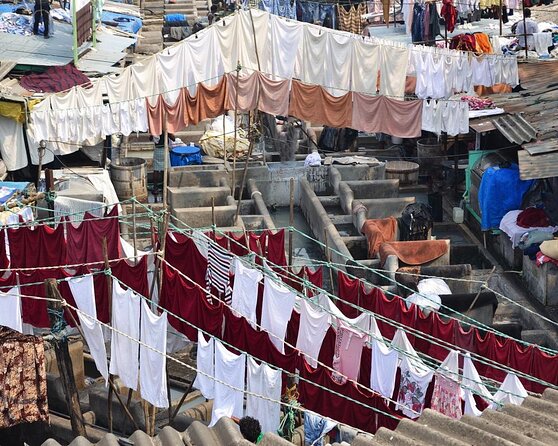
- Dhobi Ghat is working infrastructure: You see an open-air laundry where dhobis wash clothing connected with Mumbai hotels and households.
- The dabbawala stop explains a city tradition: You learn how lunch carriers organize and deliver packed meals around Mumbai.
- The guide matters greatly: Rakesh, Abhishek, Sagar, Hardik, and Dinesh have all been praised for warmth, communication, and local insight.
- The tour ends in Dharavi: It begins near Churchgate and finishes near Sai Multispeciality Hospital on 90 Feet Road.
Why this four-hour route works in Mumbai
Mumbai can feel like several cities at once. Grand railway stations, working-class neighborhoods, industrial lanes, and polished business districts sit within the same urban sprawl. This tour gives you a practical way to connect those parts.
The route is not built around monuments. It is built around work. You see how laundry is handled, how lunch moves across the city, and how Dharavi supports a wide range of trades and households.
That focus gives the outing more purpose than a quick photo stop. You are not simply passing through a neighborhood. You are being shown how people earn a living and how the city depends on their daily effort.
The tour costs $35.79 per person. For four hours, that is a reasonable price if you value a local guide, organized transport, and access to places that can be difficult to understand on your own. The price does not include food or drinks, so budget for your own water and refreshments.
The group can include up to 15 people. That is still large enough to have a social feel, but far smaller than a full-size sightseeing bus. In Dharavi, a smaller group is useful because narrow passages and active work areas can make large groups clumsy.
More Temples and Religious Sites in Mumbai
- Mumbai: Dhobi Ghat Laundry and Dharavi Slum Tour with Local
★ 5.0 · 469 reviews - Mumbai: Dharavi Slum and Dhobi Ghat Laundry Tour
★ 5.0 · 317 reviews - Private Guided Spiritual Walk in Banganga Hindu Temples
★ 5.0 · 271 reviews
Starting near Churchgate and riding Mumbai’s local trains
The meeting point is on Maharshi Karve Road near Churchgate. This is a central starting place, and the tour uses public transport as part of the route.
The local train ride is not just a transfer from one attraction to another. It gives you a brief look at the system that carries people across Mumbai every day. The train also keeps the tour tied to the city rather than sealed inside a private vehicle.
You should expect the train portion to require attention. Stay close to the guide, listen for instructions, and keep your belongings secure. The supplied details confirm local train transport, but they do not specify the exact stations, train times, or seating arrangements, so the route can vary.
Some groups have used the train between the dabbawala area, Dhobi Ghat, and Dharavi. That makes the journey part of the story, showing how the city’s workers move through Mumbai’s transport network.
If you prefer quiet transport, guaranteed seating, or a slower pace, this may not be your ideal outing. If you want to see Mumbai as residents use it, the train adds useful context.
Dharavi: work, homes, and daily life in two hours
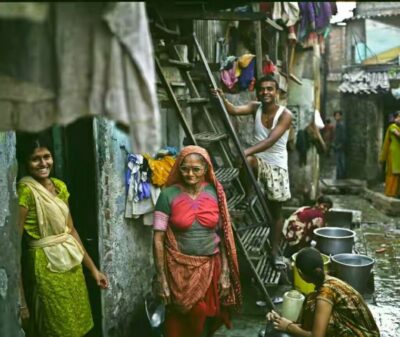
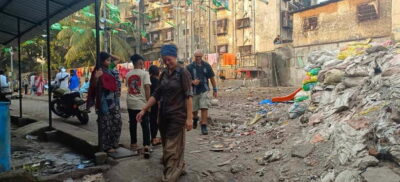
Dharavi receives the largest share of the tour, with about two hours set aside for the visit. The guide takes you through streets and smaller alleys while explaining local industries and residential areas.
The range of subjects is the most interesting part. You might learn about:
- Leather production
- Pottery
- Soap making
- Bakeries
- Color dyeing
- Plastic recycling
- Schools and hospitals
- Homes within the community
- Small lanes and work areas
- Muslim communities and local traditions
The tour also points out places connected with the film Slumdog Millionaire. That may interest film fans, but the more important point is that Dharavi is presented as a living community, not a movie set.
I appreciate the focus on industry. It challenges the simple idea that Dharavi is only a place of poverty. The tour shows a working area where homes and businesses exist close together. People make, repair, recycle, bake, dye, and trade.
That does not mean the difficult conditions disappear. You may see cramped housing and crowded lanes, and the visit can raise uncomfortable questions about sanitation, opportunity, and inequality. A good guide helps place those sights in context without turning residents into scenery.
This is where the guide’s local connection matters most. Sagar, for example, is from Dharavi and has been praised for bringing personal feeling and energy to the walk. Rakesh has also been praised for explaining local life in a way that helped visitors feel comfortable and better informed.
One especially personal visit included a stop at Sagar’s family home and a homemade meal. That kind of hospitality may not be part of every departure, so you should not book expecting it. It does show how much the experience can depend on the guide and the relationships he has in the neighborhood.
Photography deserves care here. The supplied information confirms that visitors had chances to take photos around the dabbawala work, but it does not promise photo opportunities inside Dharavi. Ask before photographing people, homes, or workplaces. Put the dignity of residents ahead of collecting images.
Mahalaxmi Dhobi Ghat and Mumbai’s open-air laundry
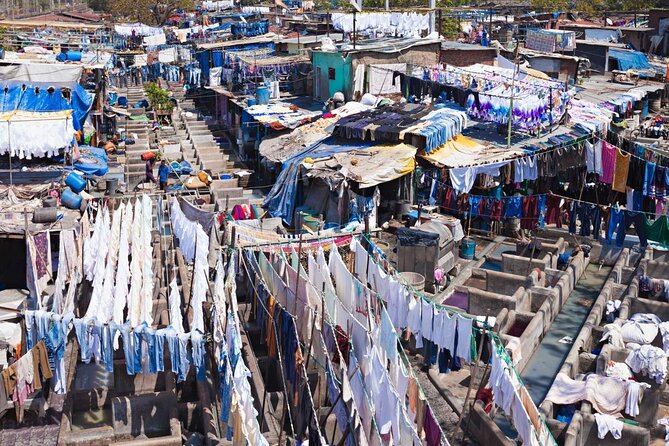
The Dhobi Ghat stop lasts about an hour. Mahalaxmi Dhobi Ghat is a large open-air laundry where dhobis wash clothes connected with Mumbai hotels and other city businesses.
From the viewing area, the operation can appear almost hard to measure. Laundry work is divided into repeated tasks, and the setting gives you a clear look at a trade that is both traditional and highly organized.
This stop works well because it is easy to understand at a glance, but the guide adds the useful details. You learn who the dhobis are, what kind of clothing comes through the laundry, and how the operation fits into Mumbai’s service economy.
The drawback is that the visit is mainly observational. You are looking into a working area rather than joining the workers. That is appropriate, but it means the stop may feel shorter and less personal than Dharavi.
You should also remember that Dhobi Ghat is a workplace. Avoid treating the people washing clothes as performers. Follow the guide’s instructions and keep your attention on the operation rather than trying to force a close-up picture.
A completely different kind of day out:
- Dharavi slum tour in Mumbai by Female tour guides of the slum
★ 5.0 · 1,976 reviews - Mumbai: Full-Day Sightseeing Tour of Mumbai
★ 4.9 · 1,822 reviews - Private Mumbai Sightseeing Tour (Traveller’s Choice Award Winner)
★ 5.0 · 1,565 reviews - Elephanta Caves & Island Guided Private Tour
★ 5.0 · 1,327 reviews
Meeting Mumbai’s dabbawalas
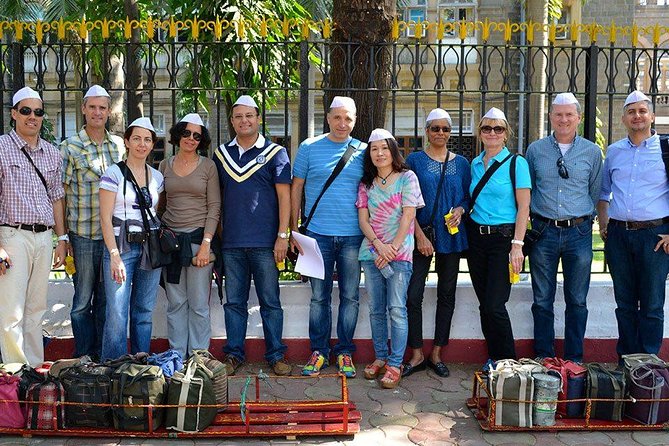
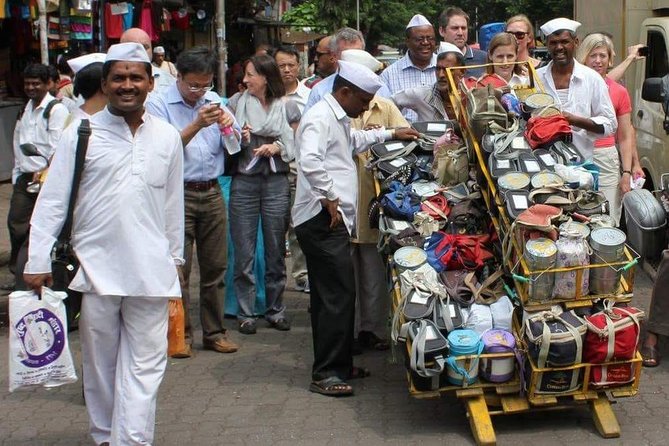
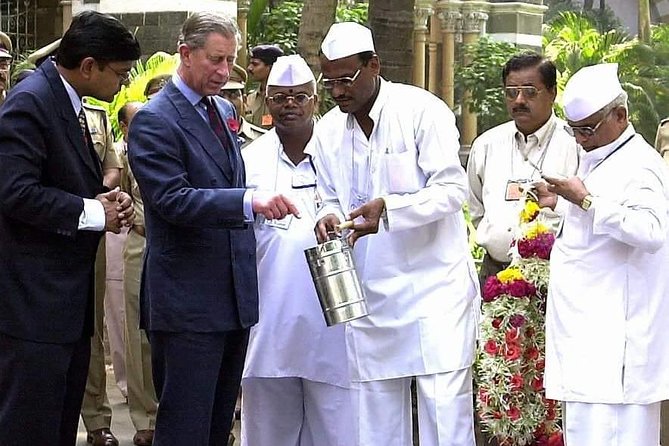
The dabbawala portion explains one of Mumbai’s best-known delivery traditions. Dabbawalas carry packed lunches around the city, helping office workers receive meals prepared at home.
The exact flow of this stop can vary, but the tour includes a dabbawala tribute statue and an opportunity to learn about the people behind the service. You may also have a chance to see the workers and take photos, according to the experience details.
I like this part because it connects food, family, employment, and public transport. A lunch box is not just a meal here. It represents a daily link between home kitchens and workplaces spread across Mumbai.
The guide explains the word dabbawala and the role these lunch carriers play in city life. You will come away with a better sense of how much coordination is needed to move thousands of packed lunches through a crowded city.
Do not expect a cooking class or a food tasting. Food and drinks are not included, and the stop is about the delivery system and the workers, not sampling lunch.
What the guides add to the experience
The strongest part of this tour is the human explanation. The places are interesting, but the guide determines how thoughtfully you understand them.
Rakesh has been praised for his friendly manner, local connections, and ability to explain difficult subjects with care. Abhishek has been described as funny, engaging, and good at keeping the tour moving. Sagar brings a personal connection to Dharavi, while Hardik has been praised for clear communication and a pleasant style.
Dinesh has also received praise for adapting to group needs, including during poor weather. Another account describes him waiting with the group for a ride after the tour, a small but useful kindness when you are finishing in an unfamiliar part of Mumbai.
Guide assignments can change. You should treat these names as examples of the team rather than a promise that one particular person will lead your departure.
The guides are described as professional, well-informed, and able to speak English clearly. That matters here because the subject requires explanation. Without context, Dharavi can look like a maze of alleys. With a good guide, you can see the connection between housing, industry, family life, and city services.
The pace, comfort, and sensitive side of the visit
This is a walking tour with public transport, not a relaxed sightseeing ride. You will spend time on your feet, move through narrow spaces, and ride local trains.
Wear comfortable shoes. Bring extra water. Those two tips come directly from the practical experience of people who found the tour rewarding but physically active.
Most people can participate, according to the supplied information, and the activity is near public transportation. Still, the tour’s format may be tiring for anyone who has trouble walking or handling crowded public transport. The details do not provide a specific accessibility assessment, so ask the operator before booking if you have mobility concerns.
The emotional side deserves equal attention. A visit to Dharavi can change your understanding of the neighborhood, but it can also feel intrusive if approached carelessly. Go to learn about the community and its work. Listen more than you speak. Ask before taking pictures.
The tour’s best guides help create a safe and respectful atmosphere. Several visitors specifically praised feeling comfortable with Rakesh, Sagar, Dinesh, or other guides. That reassurance is important, but respectful behavior still depends on you.
Is $35.79 good value?

At $35.79, you are paying for three connected subjects, a local guide, and train transport over roughly four hours. You are not paying for meals, drinks, or private vehicle service.
I consider the price good value for a first visit to Mumbai if you want local context rather than a checklist of major sights. Dhobi Ghat alone could be seen quickly, but combining it with dabbawalas and Dharavi gives you a broader picture of the city’s working life.
The value is also tied to the guide. A strong guide can explain what you are seeing, introduce sensitive topics properly, and help the group move through the city with confidence. If you are assigned someone like Rakesh, Abhishek, Sagar, Hardik, or Dinesh, the personal explanation may become the main reason the tour feels worthwhile.
The outing is less suitable if you want luxury, air conditioning, long breaks, or a private schedule. It is also not the best choice if your main goal is landmark photography. This is a people-and-work tour.
Free cancellation is available up to 24 hours before the start time for a full refund. Changes or cancellations made less than 24 hours before the start are not accepted for a refund.
Who should book this Mumbai tour?
I would recommend it to first-time visitors who want to understand how Mumbai functions beyond its famous buildings. It suits curious adults, experienced visitors, and anyone interested in urban life, local enterprise, public transport, and community stories.
It also suits you if you enjoy asking questions. The small group and resident guide create a better setting for conversation than a large coach tour.
You may want to skip it if you dislike walking, public trains, or visits involving poverty and crowded housing. The subject matter can be confronting, and the experience asks for maturity.
Book with realistic expectations. Dharavi is not a theme park, and the dabbawalas and dhobis are not there to entertain tourists. The reward comes from seeing work and daily life with more care and context.
Should you book the Dabbawala, Dhobi Ghat, and Dharavi tour?
Yes, if you want a serious, compact introduction to working Mumbai. The combination is smart: Dharavi shows neighborhood industry and home life, Dhobi Ghat shows large-scale laundry work, and the dabbawala stop explains a citywide lunch-delivery system.
Bring water, wear good shoes, stay near your guide on the trains, and ask before taking photos. If you can approach Dharavi respectfully, this $35.79 tour offers strong value and a much fuller view of Mumbai than a standard sightseeing route.
FAQ
How long is the Dabbawala, Dhobi Ghat, and Dharavi tour?
The tour lasts approximately four hours.
Where does the tour start?
It starts on Maharshi Karve Road near Churchgate in Mumbai, Maharashtra.
Where does the tour end?
It ends near Sai Multispeciality Hospital and Research Centre on 90 Feet Road in Dharavi.
Is local train transport included?
Yes. Transport by local train is included in the tour.
How much time is spent in Dharavi?
The Dharavi portion lasts about two hours.
How long is the Dhobi Ghat visit?
The Dhobi Ghat stop lasts about one hour.
Does the tour include food or drinks?
No. Food and drinks are not included.
What is the maximum group size?
The tour can have a maximum of 15 participants.
Is the tour suitable for most people?
The provided information says most people can participate, and the tour is near public transportation. Ask the operator directly about specific mobility needs.
Can I cancel for a full refund?
Yes. You can cancel at least 24 hours before the start time for a full refund. Cancellations or changes made less than 24 hours before the start are not accepted for a refund.
More Train Experiences in Mumbai
- Taj Mahal Day Tour from Delhi by Superfast Train – TOP RATED TOUR
★ 5.0 · 4,166 reviews - Taj Mahal Tour from Delhi by Express Train (Viator Award Winner)
★ 5.0 · 2,849 reviews - From Delhi: Private Taj Mahal and Agra Tour by Express Train
★ 4.9 · 1,605 reviews - Taj Mahal, Agra Fort, Baby Taj Tour from Delhi by Superfast Train
★ 5.0 · 1,494 reviews
More Community Tours in Mumbai
- Mumbai: Dharavi Slum, DhobiGhat, and Dabbawallas Tour
★ 4.9 · 689 reviews - Dharavi Slum Tour
★ 5.0 · 625 reviews - Dharavi Slum tour in Mumbai by local resident
★ 5.0 · 572 reviews - Mumbai: Dharavi Slum Slumdog Millionaire Tour with a Local
★ 4.9 · 529 reviews
Just added in Mumbai
- Mumbai Airport to Mumbai Hotels : Private Transfers★ 5.0 · 13 reviews
- Mumbai Sightseeing Tour★ 5.0 · 11 reviews
- Mumbai Spice Markets and Bazaars Tour with Guide and Transport★ 5.0 · 42 reviews
- Mumbai 800 Year Worli Village: Talking Goddess, Old Fort & more★ 5.0 · 94 reviews
- Customize private tour with pickup★ 5.0 · 95 reviews
- Gufran’s Slum Home Tour in the Mumbai Slums★ 5.0 · 19 reviews
- Private Guided Bandra Half Day City Tour in AC Vehicle★ 5.0 · 72 reviews
- The Famous Bollywood Tour of Mumbai★ 5.0 · 97 reviews
Slum and Community Tours, compared.
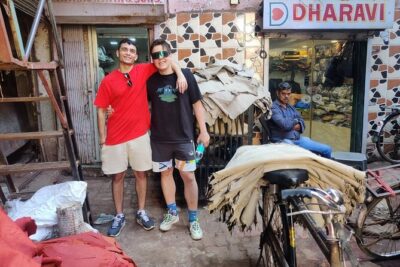
Dharavi slum tour in Mumbai by Female tour guides of the slum
Read our review →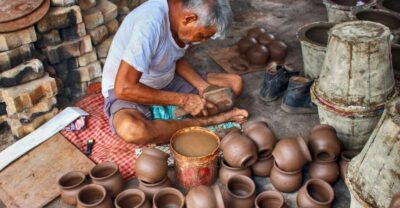

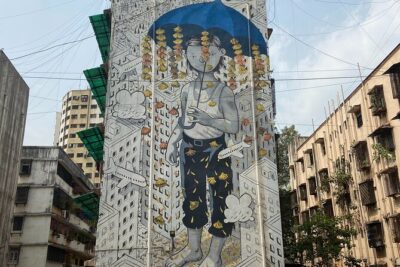
Dharavi Slum Slumdog Millionaire Tour with a Local
Read our review →
Mumbai Slum Tour – Visit Dharavi Slum with Local Guide
Read our review →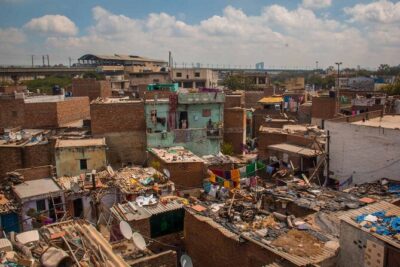
Dhobi Ghat Laundry and Dharavi Slum Tour with Local
Read our review →Browse the lists this tour appears in