
Reviewed · SLUM AND COMMUNITY TOURS
Best of Dharavi Slum with Market Tour
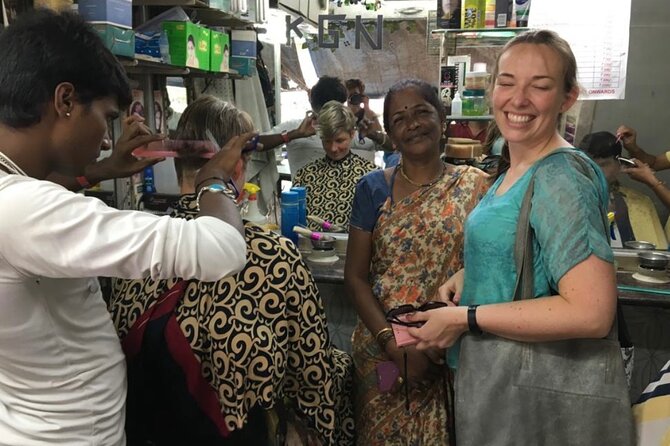
Mumbai’s working heart is easy to miss. This three-hour walking experience takes you through Dharavi and nearby Mahim, where homes, workshops, markets, and small factories share the same tight lanes. I like the strong local context, especially when guide Hakim explains the people, trades, and daily routines rather than treating Dharavi as a place to simply look at. I also like the respectful style: the tour is not built around pressuring you into shops or purchases.
The main consideration is physical and emotional. You need moderate fitness for the walking, and some sights, including recycling and industrial work, may feel confronting. The route description also repeats Mahim for several stops, so you should book this for its human and working-city perspective, not for a perfectly polished sightseeing circuit.
In This Review
- Key Points Before You Book
- Why Dharavi Requires More Than a Quick Look
- Dhobi Ghat: Mumbai’s Open-Air Laundry
- Kumbharwada and the Work of Making Things
- Mahim’s Leather Goods and Small Businesses
- Recycling in Mahim: Industry Behind the Scenes
- Meeting Mahim Through Its People and Markets
- What Makes Hakim Such an Important Part of the Experience
- Is $39.72 Good Value for Three Hours?
- Who Should Book This Dharavi Tour?
- Practical Tips for a Better Visit
- Should You Book the Best of Dharavi Slum with Market Tour?
- FAQ
- How long does the Best of Dharavi Slum with Market Tour last?
- How much does the tour cost?
- Is hotel pickup available?
- What places are included in the route?
- How many people can join the tour?
- Can I cancel for a full refund?
Key Points Before You Book
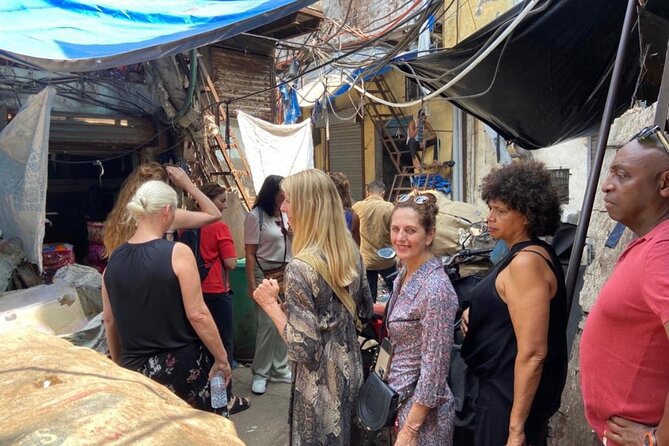
- Hakim receives especially strong praise for explaining Dharavi’s history, culture, markets, and working life in a calm, clear way.
- Dhobi Ghat opens the tour with Mumbai’s famous open-air laundry, where clothes and linens are washed for hotels and hospitals.
- Dharavi’s small industries are the focus, including pottery, soap making, leather goods, and recycling.
- The market section brings everyday Mumbai close, with flower, jewelry, food, and other small stalls included in the wider experience.
- The group is capped at 15 people, which should make narrow lanes easier to manage than a large coach group.
- The price is $39.72 per person for about three hours, with pickup offered and a mobile ticket.
Why Dharavi Requires More Than a Quick Look
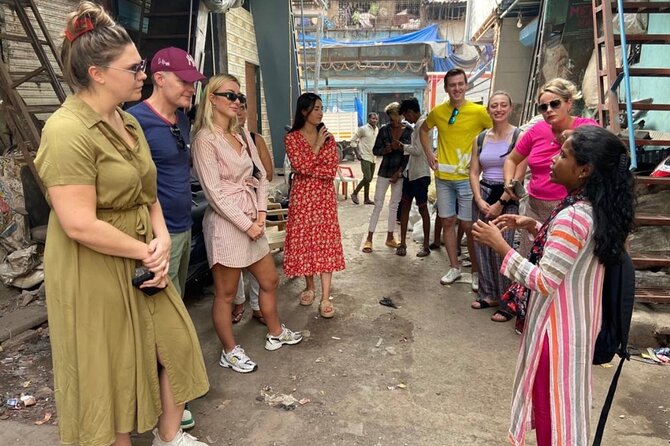
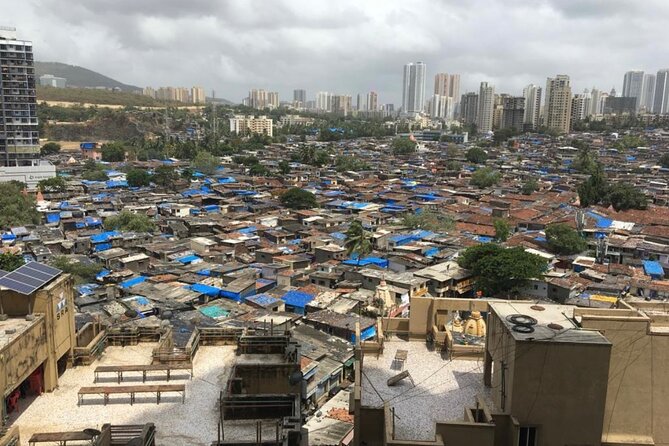
Dharavi is often reduced to one word: slum. That label tells you very little about how the area functions. This is a large, crowded community, but it is also a place of work, trade, family life, and enterprise. The tour aims to show those layers together.
You may see homes beside workshops, recycling activity beside markets, and hand production beside the ordinary business of getting through the day. The point is not poverty tourism. The useful part of the experience is seeing how residents turn limited space and limited resources into working businesses.
That difference matters. A quick drive past Dharavi can leave you with a flat picture. Walking with a guide who can explain what you are seeing gives the area context. Hakim is repeatedly praised for answering questions, explaining the wider story of Mumbai, and keeping his tone calm and respectful.
I would still approach the tour with care. You are entering a lived-in community, not an outdoor museum. Keep your attention on the guide, avoid treating residents as scenery, and follow any instructions about photographs. The experience is strongest when you watch, listen, and ask sensible questions.
More Markets and Bazaars in Mumbai
- Mumbai: Street Food and Night Markets Tour
★ 4.9 · 719 reviews - Mumbai Street Food & Night Markets
★ 5.0 · 225 reviews - Mumbai Street Food and Evening Bazaar Tour
★ 5.0 · 172 reviews
Dhobi Ghat: Mumbai’s Open-Air Laundry
The first stop is Dhobi Ghat, with about 20 minutes set aside for the visit. This open-air laundry is associated with dhobis, the workers who clean clothing and linens for Mumbai’s hotels and hospitals.
It is a useful opening because it introduces the city through work. Instead of beginning with a famous monument, you begin with a service that keeps a huge city running. You can expect a visual, active stop, although 20 minutes is enough for an introduction rather than a long visit.
This part may also set the tone for the rest of the outing. Mumbai’s working life is not hidden behind grand buildings here. It happens in the open, in a system that depends on skill, repetition, and organization.
The practical drawback is that Dhobi Ghat may feel brief. If you want a detailed account of how the laundry operates, the available time may seem short. Still, it gives you a clear starting point before the route moves toward Dharavi and Mahim.
Kumbharwada and the Work of Making Things
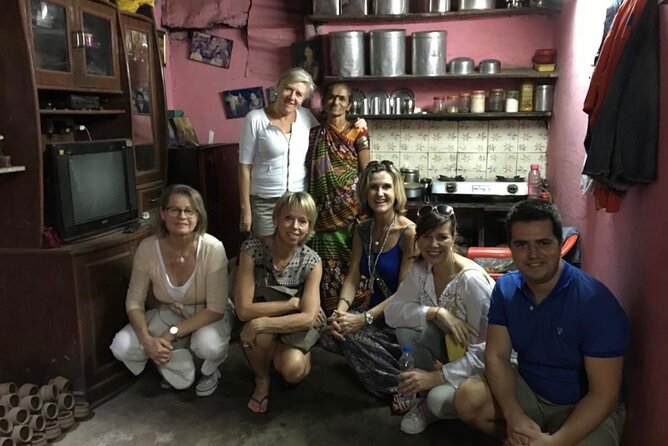
The next stop is Kumbharwada, with roughly 30 minutes planned there. This area is described as a culturally important part of Mahim, known for its mixed community and active local atmosphere.
The most useful way to view this stop is as a place where neighborhood life and production overlap. The wider Dharavi experience includes pottery, soap making, and other small-scale industries. Kumbharwada adds to that picture by showing how traditional or practical work can exist close to homes and markets.
You may find this section less immediately familiar than a major Mumbai attraction. That is part of its value. You are not being led from one postcard view to another. You are seeing the ordinary spaces where people live and earn money.
The details of the exact pottery demonstrations are not specified, so do not book expecting a guaranteed hands-on workshop. Think of this as an interpreted walk through a working area. Hakim’s role is important here because the visual details may mean more when someone explains the local setting and the work connected to it.
Mahim’s Leather Goods and Small Businesses
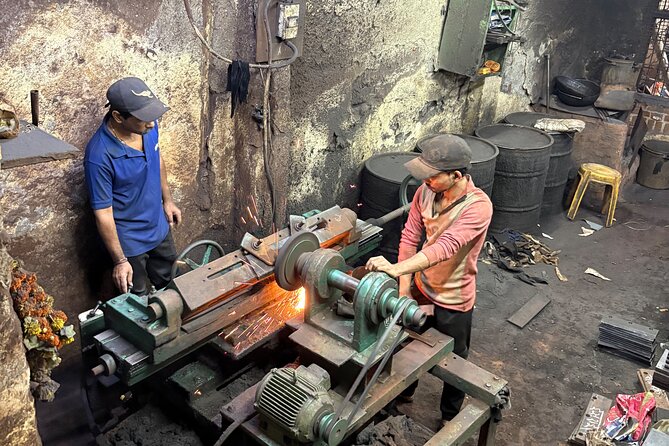
About 30 minutes are devoted to leather work in Mahim. The route may include workshops or businesses connected with bags, wallets, and other leather accessories.
This is one of the clearest examples of the tour’s central idea: Dharavi is not only a residential area. It has people making, sorting, selling, and moving goods. You get a better sense of the local economy by seeing products at the point of production rather than only in a shop window.
I like this part for another reason. It lets you consider the skill behind everyday objects. A wallet or bag looks different when you have seen the work area and understood that small businesses can operate with very little spare room.
Do keep your expectations realistic. The information provided does not promise a formal factory tour, a demonstration, or a chance to buy directly from producers. One of the most praised features of this experience is that you are not pushed to purchase anything. That makes the stop more comfortable if you want to observe without carrying home a souvenir.
A completely different kind of day out:
- Dharavi slum tour in Mumbai by Female tour guides of the slum
★ 5.0 · 1,976 reviews - Mumbai: Full-Day Sightseeing Tour of Mumbai
★ 4.9 · 1,822 reviews - Private Mumbai Sightseeing Tour (Traveller’s Choice Award Winner)
★ 5.0 · 1,565 reviews - Elephanta Caves & Island Guided Private Tour
★ 5.0 · 1,327 reviews
Recycling in Mahim: Industry Behind the Scenes
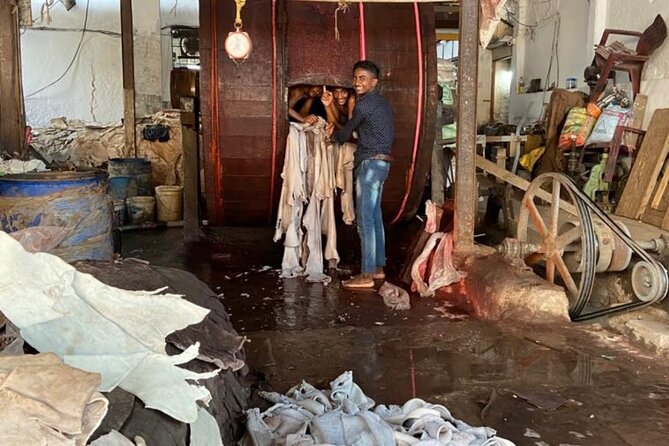
Another 30-minute section focuses on recycling in Mahim. Local organizations and community groups are described as leading efforts involving plastic, paper, and other reusable materials.
This stop adds an environmental side to the tour. Recycling is not presented as a glossy city project. It is connected to work, income, and the practical handling of materials in a dense urban area. You may see how discarded items can become part of a local business chain.
For me, this is one of the more meaningful elements because it changes the way you see Mumbai’s consumption. The city produces enormous amounts of waste, and recycling work helps explain what happens after items leave homes, hotels, or businesses.
At the same time, this may be a tough stop for some people. Industrial spaces can be noisy, crowded, or unpleasant in smell, and the route is not designed as a comfort-first attraction. The tour is better suited to you if you want an honest look at urban work, not a carefully staged display.
Meeting Mahim Through Its People and Markets
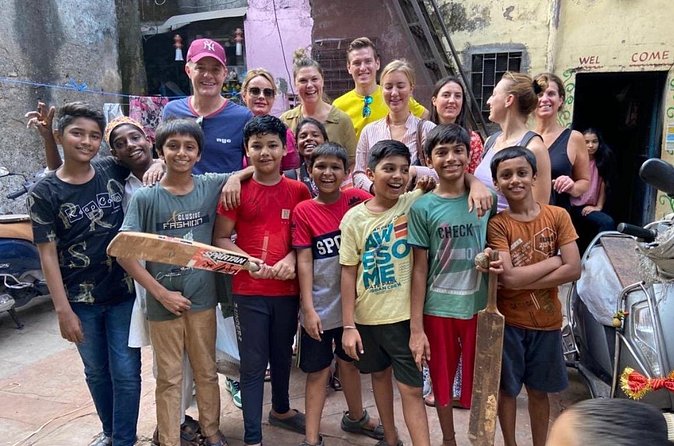
The final listed section allows about 20 minutes to consider the people of Mahim and the area’s varied communities. Marathi, Gujarati, and South Indian communities are specifically noted among the groups represented in the suburb.
This social context keeps the tour from becoming a sequence of crafts and factories. You begin to see Mahim as a place shaped by movement, trade, and different cultural traditions. The route’s market element may include flower stalls, jewelry, food, and other small sellers, giving you a closer look at everyday commerce.
The market is likely to be one of the most sensory parts of the tour. You may hear bargaining, smell food being prepared, and see goods arranged in tight spaces. The provided information does not promise a food tasting, so treat the street food as something you may encounter rather than something included in the price.
One review describes stopping for an ice-cold beer among local people. That sounds like a memorable personal moment, but it is not a listed feature or guaranteed part of the itinerary. Do not book expecting alcohol or a planned restaurant stop. The reliable promise is a market walk with local explanation.
What Makes Hakim Such an Important Part of the Experience
The guide can make or break a Dharavi tour. Without context, narrow lanes and workshops can become a string of disconnected sights. With a good explanation, you understand why certain businesses matter and how the area fits into Mumbai.
Hakim is named repeatedly in the feedback and receives especially warm praise for his calm manner, broad knowledge of Mumbai, and willingness to answer questions. He is also praised for making the tour feel safe and for explaining daily life without sensational treatment.
A useful detail is the absence of sales pressure. You are not forced into shops or pushed to buy goods. That matters in a market-based tour because it lets you decide what interests you. You can ask about products and local trade without feeling that every question is leading toward a sale.
The guide also appears to bring a wider Mumbai view to the route. If you ask about the city beyond Dharavi, you may get more than a narrow explanation of the immediate street. Still, guide assignments can change, so Hakim’s availability should be confirmed when booking if his specific guidance is important to you.
Is $39.72 Good Value for Three Hours?
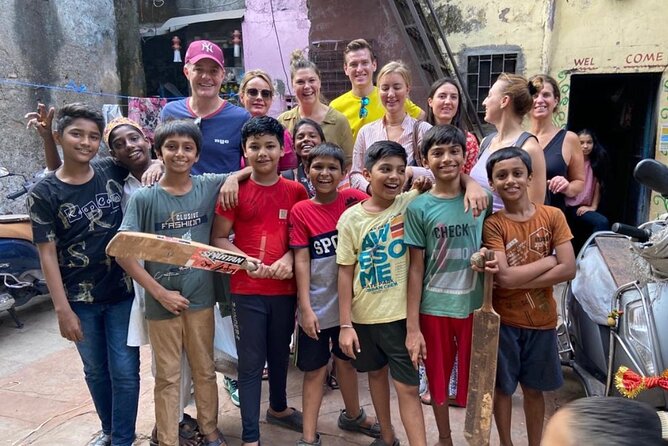
At $39.72 per person, this is not the cheapest way to spend three hours in Mumbai. The price becomes easier to justify if you value a small-group walking experience with interpretation, rather than simply passing Dharavi by car.
The group limit is 15 people. That is large enough to keep the price at a reasonable level, but small enough to make questions and movement through narrow lanes more manageable. Pickup is offered, which can add useful value in Mumbai, where getting to an unfamiliar starting point may take time and patience.
You are paying for access, guiding, and context. The listed stops do not include separate admission charges beyond the included Dhobi Ghat entry, and there is no promise of a meal, drinks, shopping credit, or a formal workshop. If you judge value by included extras, the price may seem high. If you judge it by the guide’s interpretation and the chance to see working areas that are difficult to understand independently, it is more reasonable.
The mobile ticket is convenient, and confirmation arrives at booking. Free cancellation is available until 24 hours before the start time. Changes or cancellations inside that window are not accepted for a refund, and poor weather can lead to a different date or a full refund.
Who Should Book This Dharavi Tour?
I would recommend it to you if you want to understand Mumbai through its people and working neighborhoods. It suits curious adults, photographers who can behave respectfully, and anyone who prefers local commerce and small businesses to a standard monument circuit.
It is also a good match if you appreciate a guide who explains rather than rushes. The strongest feedback centers on Hakim’s storytelling, calm delivery, and care with the group. You should be ready to ask questions, walk at a steady pace, and accept that the route may be crowded or visually intense.
You may want a different activity if you need a highly comfortable outing, a guaranteed shopping stop, or a polished demonstration. The area is a real community, and the experience can feel confronting. You should also consider your fitness level, since moderate physical ability is required.
The tour works best as one part of a larger Mumbai visit. It will not replace the city’s historic buildings, waterfront, or museums. Instead, it gives you a look at the labor and local trade that tourists often miss.
Practical Tips for a Better Visit
Wear footwear suited to walking. The tour lasts about three hours and moves through narrow urban lanes, so comfort matters more than style.
Carry water and keep your belongings secure. The supplied information does not list luggage storage or refreshments, so plan to manage your own needs during the walk.
Stay close to the group. A maximum of 15 people is helpful, but markets and tight streets can still separate you from the guide if you wander.
Ask before taking photographs. You will pass homes and workplaces, not just public monuments. A respectful question is better than an unwanted camera.
Keep your schedule flexible around weather. This experience requires good conditions, and poor weather can result in a new date or a full refund.
Do not assume every business stop includes shopping. One of the tour’s strengths is the professional approach and lack of pressure to buy. Enjoy the chance to look without turning every stop into a transaction.
Should You Book the Best of Dharavi Slum with Market Tour?
Book it if you want a guided, human view of Mumbai’s working communities, especially if Hakim is available. The combination of Dhobi Ghat, pottery, leather goods, recycling, markets, and local culture offers more substance than a quick drive past Dharavi.
Skip it if you want a relaxed sightseeing walk with guaranteed food, drinks, or hands-on activities. The route can be demanding, and the subject requires sensitivity.
For the right person, $39.72 is fair value for three hours of explanation and access to parts of Mumbai you would struggle to understand on your own. Go with patience, ask questions, avoid treating the neighborhood as a spectacle, and you will get a far more useful experience.
FAQ
How long does the Best of Dharavi Slum with Market Tour last?
The tour lasts approximately three hours.
How much does the tour cost?
The listed price is $39.72 per person.
Is hotel pickup available?
Pickup is offered, though the provided information does not specify the exact pickup areas or times.
What places are included in the route?
The route includes Dhobi Ghat, Kumbharwada, and several sections of Mahim covering leather work, recycling, local communities, and markets.
How many people can join the tour?
The maximum group size is 15 people.
Can I cancel for a full refund?
Yes. You can cancel at least 24 hours before the experience start time for a full refund. Cancellations or changes made less than 24 hours before the start time are not accepted for a refund.
More Community Tours in Mumbai
- Mumbai: Dharavi Slum, DhobiGhat, and Dabbawallas Tour
★ 4.9 · 689 reviews - Dharavi Slum Tour
★ 5.0 · 625 reviews - Dharavi Slum tour in Mumbai by local resident
★ 5.0 · 572 reviews - Mumbai: Dharavi Slum Slumdog Millionaire Tour with a Local
★ 4.9 · 529 reviews
Just added in Mumbai
- Mumbai Sightseeing Tour★ 5.0 · 11 reviews
- Mumbai Airport to Mumbai Hotels : Private Transfers★ 5.0 · 13 reviews
- Mumbai Spice Markets and Bazaars Tour with Guide and Transport★ 5.0 · 42 reviews
- Mumbai 800 Year Worli Village: Talking Goddess, Old Fort & more★ 5.0 · 94 reviews
- Customize private tour with pickup★ 5.0 · 95 reviews
- Gufran’s Slum Home Tour in the Mumbai Slums★ 5.0 · 19 reviews
- Private Guided Bandra Half Day City Tour in AC Vehicle★ 5.0 · 72 reviews
- The Famous Bollywood Tour of Mumbai★ 5.0 · 97 reviews
Slum and Community Tours, compared.
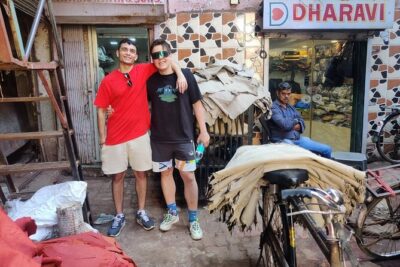
Dharavi slum tour in Mumbai by Female tour guides of the slum
Read our review →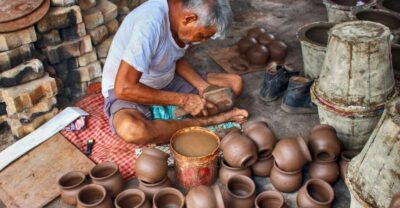
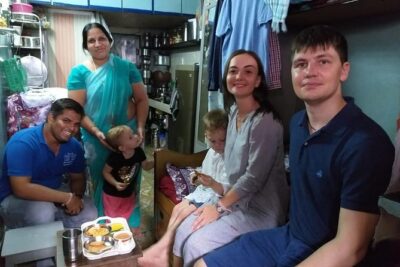
Dharavi Slum Slumdog Millionaire Tour with a Local
Read our review →
Mumbai Slum Tour – Visit Dharavi Slum with Local Guide
Read our review →
Dhobi Ghat Laundry and Dharavi Slum Tour with Local
Read our review →Browse the lists this tour appears in