
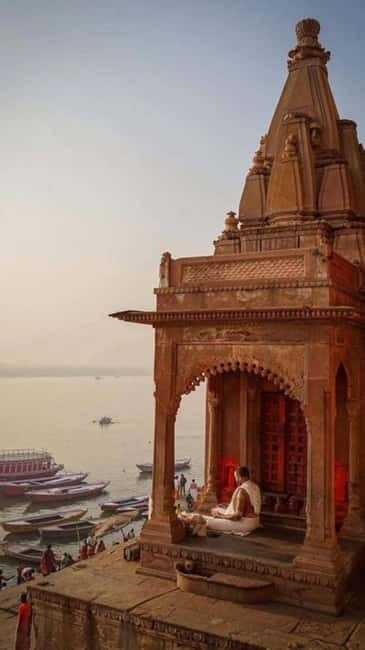
Reviewed · TEMPLES AND RELIGIOUS SITES
Varanasi: Ancient ghat walk tour with local guide
Varanasi reveals itself on foot. This private two-hour walk links Assi Ghat, Kedar Ghat, and Dashashwamedh Ghat with temples, sacred water sites, and the cremation ghats beside the Ganges. I like the personal guide service and the chance to move through places you might not find on your own. I also like that bottled water, temple entry, and chai or coffee are included. The main drawback is the pace: fitting so many important stops into two hours means you will need to keep moving.
The route offers a useful first look at Varanasi’s spiritual life, from quiet riverside views to solemn funeral rites. Guides named Anmol and Prassan have been praised for clear explanations, patience, and flexibility, with Anmol also speaking excellent Italian. Still, the tour is not suitable for wheelchair users, and the uneven ghats, narrow lanes, and heat can make this a demanding walk.
In This Review
- Five things to know before you book
- Why this short Varanasi walk works
- Beginning at Pizzeria Vaatika Cafe and Assi Ghat
- Lolark Kund and the meaning of sacred water
- Durga Temple, the red Monkey Temple, and the Jain Temple
- Kedareshwar Temple and Kedar Ghat
- Harishchandra Ghat and the serious side of Varanasi
- Dashashwamedh Ghat and the busiest riverfront scenes
- Manikarnika Ghat and the final stretch
- What the guides add to the experience
- Pace, comfort, and practical limits
- Who should book this private ghat walk?
- Should you book it?
- FAQ
- Where does the tour start?
- Where does the tour finish?
- How long does the tour last?
- What ghats are included?
- Which temples and sacred sites are visited?
- Is temple entry included?
- Is the tour private?
- Which languages are available?
- Is the Ganga Aarti included?
- What should I bring?
- Can I cancel the booking?
Five things to know before you book
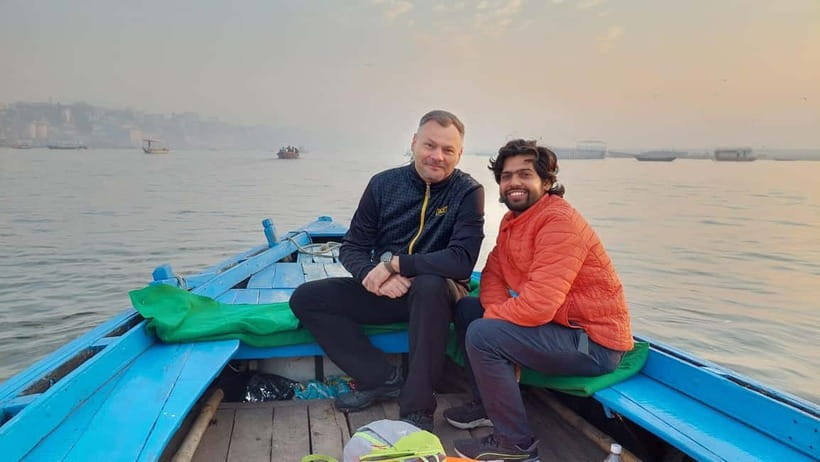
- The route covers several major ghats: You visit Assi, Harishchandra, Kedar, Dashashwamedh, and Manikarnika within one compact walk.
- The tone changes as you go: The tour begins with peaceful river views and ends among the intense religious activity around Varanasi’s best-known ghats.
- A private group gives you room to ask questions: Guides can adjust their explanations and, when possible, adapt the walk for your party.
- Temples and sacred sites are part of the experience: Lolark Kund, Durga Temple, the Jain Temple, and Kedareshwar Temple add more than riverside sightseeing.
- The two-hour schedule is tight: You will see a lot, but this is a strong orientation walk rather than a slow, detailed study of every stop.
Why this short Varanasi walk works
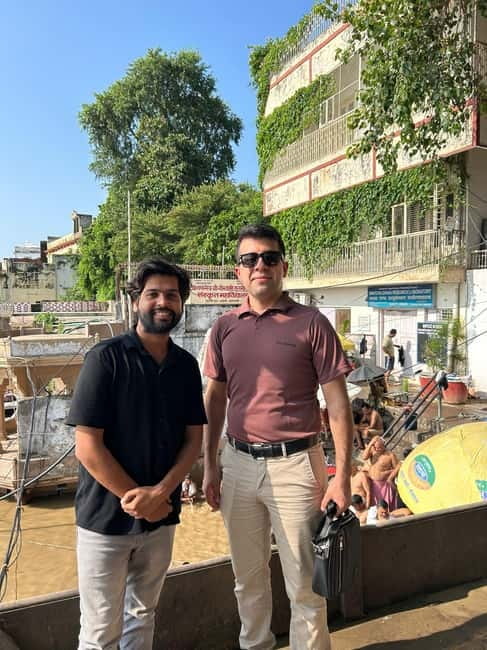
Varanasi can feel confusing at first. Ghats, temples, lanes, shrines, funeral fires, pilgrims, boats, and markets all meet along the river. A local guide gives you a thread to follow.
At $26 per person, this tour offers good value if you want a private introduction rather than a large group walk. The price covers an experienced local guide, temple entry, bottled water, and tea or coffee. You are paying mainly for local context and route planning, not transport or a meal.
I would think of this as a first-day activity. It can help you understand the city before you return to the ghats on your own. You will learn which places deserve more time and which parts of the riverfront suit a quiet morning walk or an evening visit.
The private format matters. You can ask about worship, cremation customs, local legends, or the meaning of a particular shrine without holding up a large group. One guide, Anmol, has also been praised for adjusting the outing for older parents and helping with arrangements connected to Kashi Vishwanath Temple, although that temple is not part of this tour and should not be assumed to be included.
More Temples and Religious Sites in Varanasi
- Varanasi Landmark Evening City Tour – Aarti, Boating & Witnessing the GOD
★ 4.5 · 149 reviews - Full Day Varanasi Private Tour with Temples, Ghats & Rituals
★ 4.5 · 105 reviews - Varanasi Evening Ganga Aarti Tour
★ 4.5 · 90 reviews
Beginning at Pizzeria Vaatika Cafe and Assi Ghat
The meeting point is Pizzeria Vaatika Cafe, with the walk beginning at Assi Ghat. This southern ghat is a sensible place to start because it is described as calmer and less crowded than some of the central riverfront areas.
Assi Ghat gives you an immediate look at the basic rhythm of Varanasi. The river is beside you, temples and shrines are nearby, and people come to the water for prayer, ritual, and quiet reflection. Your guide can explain the role of the ghats before the route becomes more crowded and intense.
I like beginning here because it gives you time to get comfortable with the setting. You can look out across the Ganges, take photographs, and hear the first stories of the city before moving into narrower lanes.
Do not expect a long pause. Since the route ends at Dashashwamedh and Manikarnika before returning to the cafe, your guide will need to manage the clock. If you want extensive photography, tell the guide at the start so expectations are clear.
Lolark Kund and the meaning of sacred water
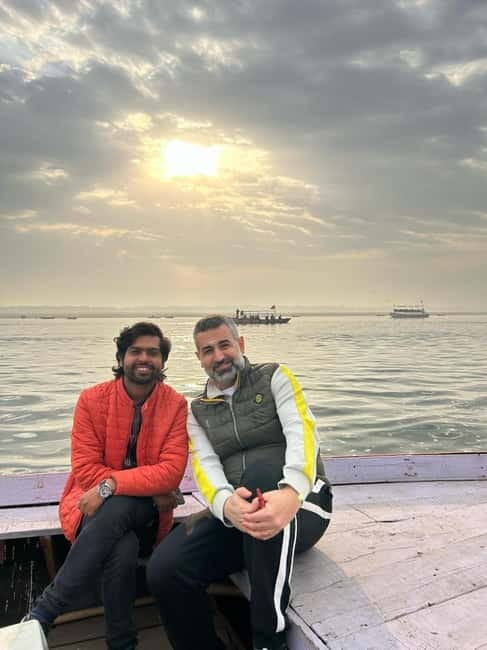
From Assi Ghat, the walk continues to Lolark Kund. This sacred well is connected with fertility and blessings, giving the tour a different angle from the open riverfront.
Lolark Kund helps explain how religious life in Varanasi is tied to specific places, not only to broad ideas about the Ganges. Your guide can provide the cultural setting and explain why people visit the site.
Darshan, or the act of respectfully viewing a deity or sacred place, is part of the visit. Photography is also listed, but you should still follow the guide’s advice about where and when it is appropriate. Sacred sites can have rules that are not obvious to first-time visitors.
This stop may be brief, but it is useful. It shows you that Varanasi’s religious geography reaches into wells, courtyards, temples, and side lanes, not just the famous steps beside the river.
Durga Temple, the red Monkey Temple, and the Jain Temple
The route includes Durga Temple, also called Durga Kund Temple or the Monkey Temple. It is dedicated to Goddess Durga and is known for its strong red color.
The building’s color makes it easy to recognize, but the guide’s explanation is the more valuable part. You can learn why this temple matters to local worshippers and how it fits into the city’s wider religious life.
The temple visit is included, and the tour information lists temple entry as part of the price. You should dress and behave respectfully, as you would at any active place of worship. The supplied information does not promise a long interior visit, so treat this as a guided stop rather than an extended temple study.
The Jain Temple is also included as a sightseeing point. Its presence broadens the walk beyond a single religious tradition. In a city often presented mainly through its Hindu temples and cremation ghats, this stop gives you another piece of Varanasi’s spiritual identity.
The combination of Durga Temple and Jain Temple is one of the better features of the route. You are not simply moving from one famous ghat to another. You are seeing how different sacred places sit within the same urban setting.
A completely different kind of day out:
- Varanasi : Full Day City Highlights Day Tour & Ganges Cruise
★ 4.8 · 520 reviews - Hidden Secrets of Varanasi: Vibrant Tradition (Guided Tour)
★ 5.0 · 429 reviews - Varanasi: Sunrise Boat Tour with Arti Ceremony
★ 5.0 · 375 reviews - Banaras Wala Tours
★ 5.0 · 329 reviews
Kedareshwar Temple and Kedar Ghat
Kedar Ghat is one of the central highlights of the walk. The associated Kedareshwar Temple is dedicated to Lord Shiva and is important to devotees of Kashi, the traditional name for Varanasi.
Here, your guide can help explain the religious importance of Shiva in the city and the connection between temple worship and the riverfront. The architecture and atmosphere provide a change from the open space of Assi Ghat.
Kedar Ghat is also a good place to notice how different ghats can feel only a short walk apart. Some are used for bathing and prayer, some for ceremonies, and some for cremation. The city does not separate these functions neatly. They exist side by side.
I would pay attention to the guide’s pacing here. The tour has several major stops still ahead, and the walk between ghats can take time. If you are especially interested in Kedareshwar Temple, ask questions early rather than hoping for a long pause at the end.
Harishchandra Ghat and the serious side of Varanasi
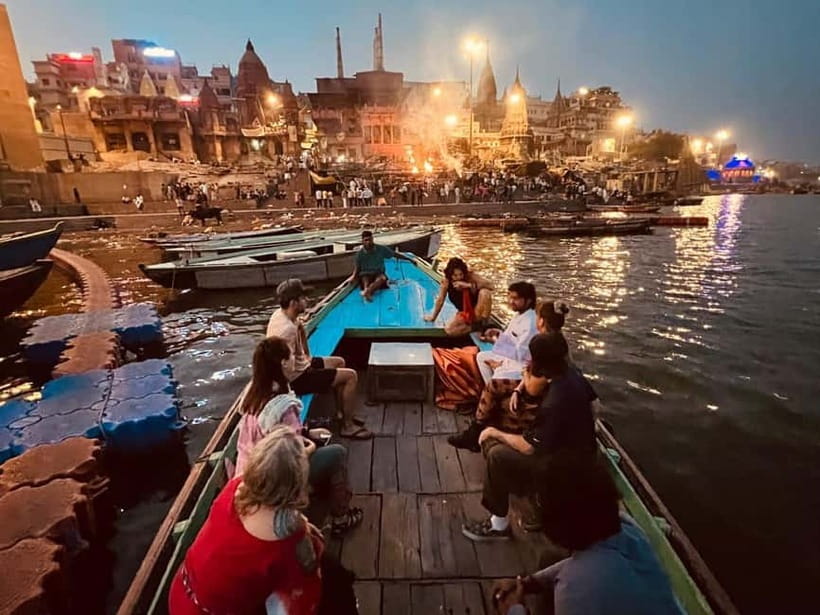
Harishchandra Ghat is one of the oldest cremation ghats in Varanasi. This is the point where the tour becomes more solemn.
You may observe funeral rituals from a respectful distance, but this is not a place for casual sightseeing. Listen carefully to your guide, avoid intrusive photography, and do not treat the ceremonies as a performance. The value of this stop comes from understanding the spiritual beliefs surrounding death, not from getting close to the activity.
The ghat offers a direct look at a part of Varanasi that many first-time visitors find difficult to process. Life, prayer, death, and daily work all appear beside the same river. A guide can help you approach that reality with more care and less confusion.
Some people may find this stop emotionally heavy. If you are traveling with children, older relatives, or anyone uncomfortable around cremation rituals, discuss that with the guide before the walk. The private format makes it easier to adjust the explanation or spend less time here.
Dashashwamedh Ghat and the busiest riverfront scenes
Dashashwamedh Ghat is the best-known stop on the route. It is a major gathering place beside the Ganges, with religious activity, river views, nearby markets, and constant movement.
After the quieter start at Assi, the change can be striking. You will see more people, more vendors, and more activity around the steps and lanes. This is where the tour’s mix of culture and scenery comes together, although the setting can feel crowded and intense.
If the walk takes place in the evening, you can stay for the Ganga Aarti. The ceremony is highly recommended in the tour details, but you should confirm the timing with your guide. The two-hour schedule may require an adjustment if you want to remain for the full event.
The aarti can be a strong ending because it returns the focus to the river. If the timing does not work, Dashashwamedh is still worth seeing for its views and central role in Varanasi.
Manikarnika Ghat and the final stretch
Manikarnika Ghat is another major cremation ghat and a final stop before returning to Pizzeria Vaatika Cafe. Like Harishchandra Ghat, it calls for quiet attention and respect.
The guide’s role is especially useful here. You can learn about the religious meaning of the site without guessing at what you are seeing. At the same time, the short schedule means this will be an introduction, not a full account of Varanasi’s funeral customs.
The end of the route brings you back through the city after passing from Assi’s calmer riverfront to the more serious cremation ghats and the crowded center. That contrast is one of the walk’s main strengths. You get a compact picture of how varied Varanasi can be within a small area.
What the guides add to the experience
The strongest praise for this experience centers on the guides. Anmol is described as polite, flexible, and good at shaping the visit around the needs of a family. Prassan is praised for clear explanations and for answering questions beyond the main route.
That flexibility is important in Varanasi. You may begin with questions about temples and finish asking about food, local customs, languages, or another site in the city. The private setting gives the guide a better chance to respond to your interests.
The tour is available in English, Hindi, and Italian. Stefanie specifically praised Anmol’s Italian, so Italian-speaking visitors have a reason to consider this option. If you book in another language, confirm that your preferred guide is available.
Do not expect every guide to provide the same personality or depth. The experience depends heavily on who leads your group. Still, the repeated praise for patience, local explanations, and route knowledge suggests that the guide is the main reason to choose this walk over exploring the ghats alone.
Pace, comfort, and practical limits
Two hours is both the attraction and the limitation. You can fit the walk into a busy Varanasi schedule, but the route includes many stops: Assi Ghat, Lolark Kund, Durga Temple, the Jain Temple, Harishchandra Ghat, Kedar Ghat, Dashashwamedh Ghat, and Manikarnika Ghat.
Wear comfortable walking shoes and carry the supplied water. The route includes ghats and temple areas, so you should be ready for uneven surfaces and frequent changes in atmosphere. The experience is not suitable for wheelchair users.
A copy of your ID or passport is required. The tour is for a private group, and starting times depend on availability. Canceling at least 24 hours ahead allows a full refund, and you can reserve now while paying later, which helps if your Varanasi plans are still shifting.
Meals and personal expenses are not included. Chai or coffee is included, but you should budget separately for anything else you buy along the way.
The tour is also listed as unsuitable for people over 95. That age limit is specific, but the wider lesson is useful: if anyone in your group has limited mobility, tell the operator before booking and ask if the pace or route can be changed.
Who should book this private ghat walk?
I would recommend it most strongly to first-time visitors who want a clear introduction to Varanasi without joining a large group. It suits couples, families, and small private parties who prefer asking questions as they go.
It is also a good fit if you want to see both famous and less obvious sites. Assi Ghat, Lolark Kund, Durga Temple, Kedar Ghat, Harishchandra Ghat, Dashashwamedh, and Manikarnika create a broad route in a short time.
You may prefer a longer or slower tour if photography is your main goal, if you want extended temple visits, or if you need frequent rests. The route is full, and the guide must keep you moving to finish it.
The $26 price is fair for a private walk with temple entry, bottled water, tea or coffee, and a local guide. It is less attractive if you only want a brief stroll beside the river, since you could spend less time and money walking around Assi Ghat on your own. The value appears when you use the guide for context, questions, and help making sense of sensitive places such as the cremation ghats.
Should you book it?
Book this tour if you want a brisk, private introduction to Varanasi’s sacred riverfront and prefer a guide who can explain what you are seeing. The route gives you temples, ghats, river views, cremation sites, and the option of Ganga Aarti in a compact two-hour outing.
Skip it if you need a wheelchair-accessible route, want a slow photographic walk, or feel uncomfortable visiting cremation ghats. For everyone else, this is a practical first look at Varanasi, especially when you choose a guide such as Anmol or Prassan and use the private format to ask plenty of questions.
FAQ
Where does the tour start?
The meeting point is Pizzeria Vaatika Cafe, and the walking portion begins at Assi Ghat.
Where does the tour finish?
The walk returns to Pizzeria Vaatika Cafe after visiting the listed ghats and sacred sites.
How long does the tour last?
The tour lasts two hours.
What ghats are included?
The route includes Assi Ghat, Harishchandra Ghat, Kedar Ghat, Dashashwamedh Ghat, and Manikarnika Ghat.
Which temples and sacred sites are visited?
The route includes Lolark Kund, Durga Temple, also called Durga Kund Temple or the Monkey Temple, the Jain Temple, and the Kedareshwar Temple area at Kedar Ghat.
Is temple entry included?
Yes. Temple entry is included in the tour price.
Is the tour private?
Yes. The activity is arranged for a private group.
Which languages are available?
The live guide service is available in Italian, Hindi, and English.
Is the Ganga Aarti included?
If the tour takes place in the evening, you can stay for the Ganga Aarti. The timing should be confirmed with the guide because the scheduled walk lasts two hours.
What should I bring?
You should carry a copy of your ID or passport. Bottled water is provided, and you may also receive chai or coffee.
Can I cancel the booking?
You can cancel up to 24 hours in advance for a full refund. The reserve-now-and-pay-later option is also available.
Just added in Varanasi
- Walking Tour in the old part of the city of Varanasi★ 5.0 · 25 reviews
- Varanasi Walking and Heritage Tour★ 4.6 · 15 reviews
- Varanasi: Manikarnika Ghat (Oldest Cremation Site) Tour★ 4.7 · 22 reviews
- Varanasi: Private Heritage Walking Tour & Sunrise Boat Ride★ 4.9 · 11 reviews
- Varanasi: Sunrise Boat Ride w/ Ghats & Morning Rituals★ 3.5 · 26 reviews
- Full-day private Varanasi tour with AC car, boat & Sarnath★ 4.9 · 103 reviews
- Varanasi Landmark Evening City Tour – Aarti & Boating★ 4.7 · 34 reviews
- Varanasi: Ganga Arti Evening Light Ceremony on the Main Ghat★ 4.1 · 11 reviews
Temples and Religious Sites, compared.
Dhobi Ghat Laundry and Dharavi Slum Tour with Local
Read our review →
Best of Mysore, UNESCO Somnathpur Temple & Srirangapatna Day Tour
Read our review →

Old Delhi Food-Spice Market-Temples Tour Soon Featured on NETFLIX
Read our review →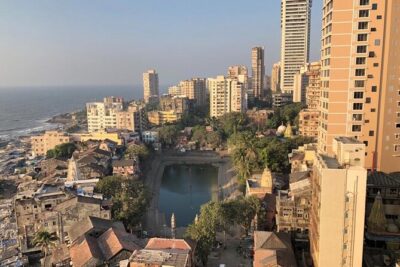
Private Guided Spiritual Walk in Banganga Hindu Temples
Read our review →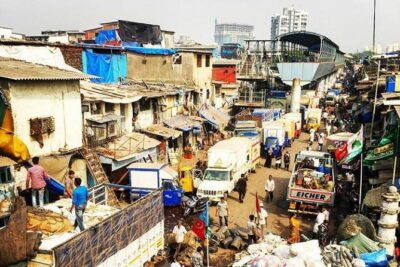
Private Combo Tours Sightseeing + Dharavi Slum + Dhobi Ghat & Dabbawalas
Read our review →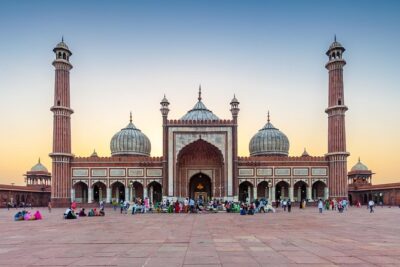
Private Delhi Temples and Spiritual Sites 6 Hours Tour
Read our review →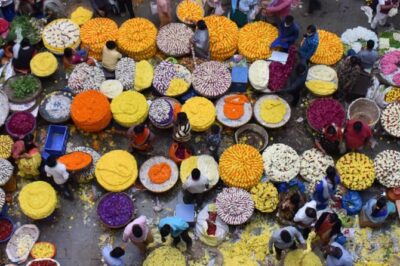
Tipu Palace + Koté Vishnu + Fort + KR Market + Jain Temple = Bengaluru Pété Walk
Read our review →Browse the lists this tour appears in