
Reviewed · WALKING TOURS
Raj Heritage Walk
Wake up early for Kolkata’s best stories. This three-to-four-hour Raj Heritage Walk takes you through the old colonial center, where the Writer’s Building, Town Hall, High Court, and Black Hole monument reveal how British rule shaped the city. I like the small maximum of seven people, which should make it easier to hear the guide and ask questions. I also like the focus on stories, not just facades. The main drawback is the early start, and the meeting details show both a 6:30 to 9:30 AM window and an 11 AM meeting-point reference, so you should confirm the exact time before setting your alarm.
The walk costs $30 per person. That is a fair price if you want context, not just a quick look at old buildings. Tea, coffee, water, and all listed fees are included, but hotel transport costs extra.
In This Review
- Key points to know before booking
- Why this walk matters in Kolkata
- Starting near Esplanade and Tipu Sultan Masjid
- The Writer’s Building and the power of a facade
- Town Hall and the city’s public face
- The High Court and institutions that outlast empires
- The Black Hole monument and difficult memory
- Kaushik’s storytelling is a major reason to go
- What the $30 price includes
- Timing, walking comfort, and practical planning
- Who will get the most from this experience
- Booking, cancellation, and the final call
- FAQ
- How much does the Raj Heritage Walk cost?
- How long does the walking tour last?
- Where does the tour begin?
- Where does the tour end?
- What sights are included?
- Are drinks included?
- Is hotel pickup available?
- What is the cancellation policy?
Key points to know before booking
- Small groups of up to seven: You get a more personal walk than on a large city tour, with a better chance to hear the guide clearly.
- An early-morning look at central Kolkata: The quiet streets can make the historic core easier to appreciate, though the start may test your sleep schedule.
- Stories led by Kaushik: His lively delivery and command of the subject are among the strongest reasons to book.
- Colonial landmarks with difficult history: The route links grand buildings with the less comfortable story of British rule.
- Tea, coffee, and water included: Small comforts matter on a three-to-four-hour walk.
- Hotel pickup is optional, not free: Pickup and drop-off can be arranged for an extra fee, while private transport is not included in the base price.
Why this walk matters in Kolkata
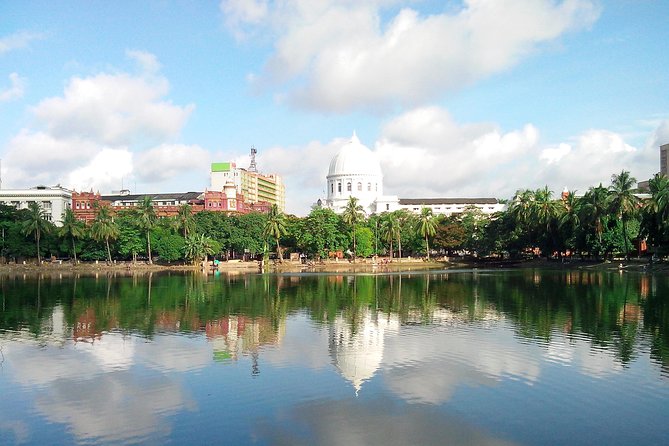
Kolkata can be hard to read at street level. A grand government building may look like an impressive piece of architecture, but without context, you miss why it was built, who used it, and how its presence affected the city.
This walk helps connect those pieces. Kolkata was once the capital of British India, and its central district still carries that imprint through public offices, courts, commercial buildings, and memorials. You are not only looking at old stone and columns. You are considering how a foreign power built systems, customs, and institutions that still influence life in the city.
That makes the walk useful early in a Kolkata visit. You get a basic map of the colonial center and a clearer sense of how the city developed around power and administration. Later, when you pass these buildings on your own, they should feel less like disconnected landmarks.
The tour also promises the kind of small details that are easy to miss alone. The value is not simply reaching the Writer’s Building or the Town Hall. It is hearing the story attached to each place and understanding why it matters.
More Walking Tours in Kolkata:
- British Raj Heritage walk in Kolkata with guide
★ 5.0 · 54 reviews - Kolkata: Guided Heritage Walking Tour
★ 4.6 · 23 reviews - Kolkata Slum Walking Tour
★ 3.5 · 17 reviews
Starting near Esplanade and Tipu Sultan Masjid
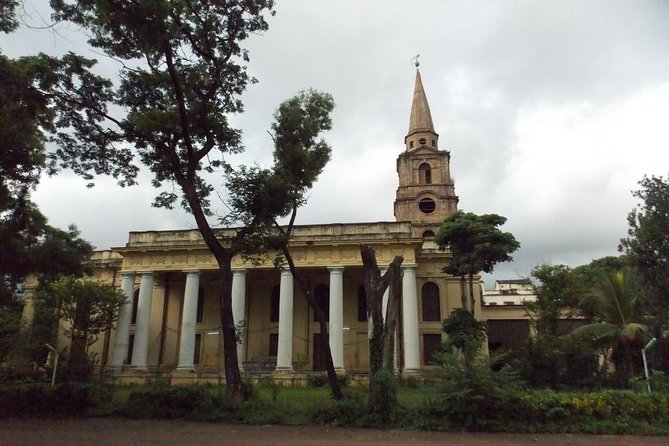
The listed meeting point is at 11a, Esplanade East, near Tipu Sultan Masjid, in the Maidan and Esplanade area. This places you near one of Kolkata’s key central zones, with public transportation nearby.
The location is practical for a walking tour because you begin close to several major historic districts. It also gives you a clear central reference point rather than sending you to an out-of-the-way neighborhood.
Pay close attention to the start-time information. The operating hours are listed as 6:30 to 9:30 AM from Monday through Sunday, while the meeting-point details include an 11 AM reference. Those details do not line up neatly with a three-to-four-hour morning walk. Confirm the precise meeting time when you book and again before the tour.
That is especially important if you are arranging breakfast, airport plans, or another morning activity. The early start is part of the appeal, but only if you know exactly when you need to arrive.
The Writer’s Building and the power of a facade
One of the central sights is the Writer’s Building, a major colonial-era structure linked with British administration. The tour provides a front-facade view and uses the building as a springboard for stories about the people and systems connected with it.
You should not expect a standard museum visit or a long indoor exploration. The emphasis is on what you can see from outside, paired with explanation from the guide. That suits anyone who wants a broad introduction to Kolkata’s colonial center without spending a whole day inside formal exhibits.
The building is also a good example of why a guide helps. Architecture can tell you about authority, but a story can show how that authority worked in daily life. Listen for the details about the British presence, the officials who operated here, and the traditions that remained after colonial rule ended.
A front-view stop may feel brief if you want interior access. Still, the tour’s strength is the connection between several sites, not one long visit at a single building.
Town Hall and the city’s public face
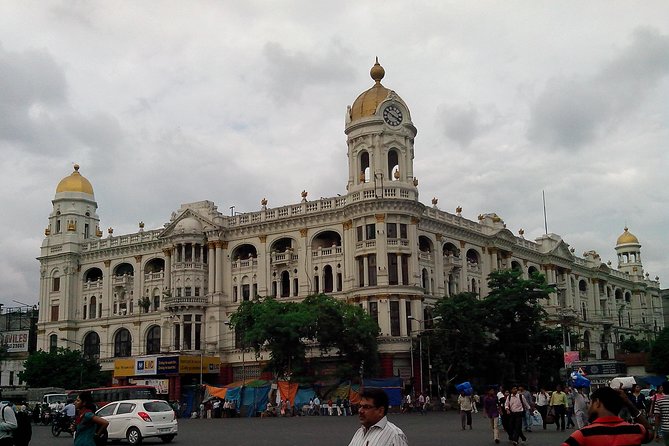
The Town Hall adds another side to the story. Public buildings like this were not simply useful spaces. They also projected order, status, and the image of a powerful administration.
Your guide’s job here is to move beyond dates and architectural labels. The best part of this stop should be the explanation of how civic life and British authority overlapped. You may find that the building becomes more interesting once you understand the audience it served and the message its design was meant to send.
This is also where the small group can help. With no more than seven people, you should have room to stop, listen, and ask about details that catch your eye. That is harder to manage on a crowded group outing.
The tradeoff is that this remains a walking tour, not a full architectural survey. You will get selected sights and stories rather than every colonial building in central Kolkata. For most first-time visitors, that focus is useful. It keeps the route from becoming a long list of names.
A few more options to weigh up in Kolkata
- Cultural Confluence of Kolkata – Culture Kaleidoscope Tour
★ 5.0 · 701 reviews - Kolkata Heritage Tram Tour
★ 4.0 · 395 reviews - Bengali Nights Kolkata Food Tour with 13+ Tastings
★ 5.0 · 325 reviews - Magic Hour Tour
★ 5.0 · 241 reviews
The High Court and institutions that outlast empires
The High Court is another major stop on the route. Its importance is not only visual. Courts represent the legal systems that colonial governments built and left behind.
This part of the walk can help you think about the difference between a building’s original purpose and its continuing role. The British may have introduced institutions for their own administration, but some of those institutions continued in changed form after independence.
That is one of the tour’s most valuable themes. British rule was not limited to flags, military power, or grand facades. It also shaped law, government, public administration, and social habits. The walk aims to show those links in plain language, using the buildings around you as evidence.
The High Court stop may appeal most to you if you enjoy political and institutional history. If you prefer markets, food, or neighborhood life, this section may feel more formal. The tour does not try to be everything at once. Its subject is the colonial center and the structures of power within it.
The Black Hole monument and difficult memory
The Black Hole monument brings a more troubling subject into the route. Its inclusion signals that the walk will not treat colonial Kolkata as a series of pretty old buildings.
Memorials can carry competing interpretations, and this stop gives the guide a chance to discuss how British rule was remembered and presented. You should expect the tone to become more serious here than at the architectural stops.
This is an important balance. A heritage walk should not turn the colonial period into a decorative backdrop. It should help you understand the human and political costs behind the buildings. The tour’s description promises insight into British rule and the traditions that remain today, so this monument fits that wider purpose.
The information provided does not promise an interior visit or a long stop. Treat it as a guided viewing point within the larger route. The value comes from the explanation, not from spending a large amount of time at the monument itself.
Kaushik’s storytelling is a major reason to go
Kaushik is singled out as a guide who makes the subject enjoyable and easy to follow. His approach seems to rely on stories rather than a dry recital of dates. That matters in Kolkata, where a long sequence of colonial names can blur together if nobody explains the links.
The strongest praise centers on his passion, historical command, and ability to tell stories in a fascinating way. One especially useful detail is that the quiet early-morning setting adds to his style of tour. With fewer street distractions, you can focus on what he is saying and get a calmer look at the buildings.
A good guide also changes the pace of a walking tour. Instead of rushing from one photo stop to the next, you can pause at a facade and understand why it belongs on the route. Kaushik’s storytelling appears to be the heart of the experience.
Of course, guiding style is personal. If you want a fast route with minimal explanation, this walk may feel too talk-focused. If you like history presented through human stories, it should be a strong fit.
What the $30 price includes
At $30 per person, the tour sits in a reasonable range for a small-group city walk. The group limit of seven is the key value. You are paying less for transportation and more for access to a focused guide who can explain the places you are seeing.
Coffee or tea, bottled water, and all fees and taxes are included. Those are modest additions, but they are welcome on a three-to-four-hour outing, especially with an early start.
Private transportation and onboard WiFi are not included. Hotel pickup and drop-off are offered for an extra charge, so you should treat the walking tour as the main product and transport as an optional add-on.
The price makes the most sense if you care about context. If you only want exterior photographs, you can see many central buildings independently. The $30 becomes better value when you want the political background, local stories, and a guide who can answer questions along the way.
Timing, walking comfort, and practical planning
The tour lasts approximately three to four hours. That is long enough to give the subject room, but short enough to fit into a larger day in Kolkata.
Because the route is on foot, wear comfortable shoes and carry only what you need. The provided information confirms bottled water, tea, or coffee, but it does not describe restroom stops, shade, indoor access, or the exact walking distance. Plan for a genuine city walk rather than a seated sightseeing trip.
The early schedule has two benefits. It can offer a quieter look at central Kolkata, and it leaves much of the day open afterward. The possible drawback is obvious: you need to organize breakfast, transport, and sleep around the start time.
Hotel pickup and drop-off may help if you are unfamiliar with Kolkata or staying away from the meeting point. Since it costs extra, compare that fee with the price of reaching Esplanade independently. Public transportation is available near the start.
The walk ends at the General Post Office on Netaji Subhas Road, in Fairley Place, B.B.D. Bagh. That is useful because you finish in another important part of the central district rather than returning to the starting point. You can use the end location to continue exploring, but the tour does not include a return transfer.
Who will get the most from this experience
I would choose this walk if you are interested in buildings, political history, and the way old institutions continue to shape a modern city. It should suit first-time visitors who want a clear introduction before exploring Kolkata on their own.
It is also a good choice for anyone who prefers a small group. A maximum of seven people offers a better setting for questions and conversation than a large bus-style tour.
The walk may appeal less if you want food tasting, shopping, religious sites, or neighborhood life. Those subjects are not the focus here. You are signing up for colonial-era sights and the stories tied to British rule.
It is also worth considering your energy level. The early start and three-to-four-hour duration require some planning. The tour is best for you if you are happy to trade a slow morning for a focused look at central Kolkata.
Booking, cancellation, and the final call
Confirmation is provided at booking, and free cancellation is available up to 24 hours before the start time for a full refund. Cancellations or changes made less than 24 hours before the start are not accepted for a refund, and the cut-off uses Kolkata local time.
I would book the Raj Heritage Walk if you want more than a checklist of colonial buildings. The combination of a seven-person limit, Kaushik’s story-led style, included refreshments, and a route through the Writer’s Building, Town Hall, High Court, and Black Hole monument gives the $30 price real purpose.
Before paying, confirm the exact start time because the listed morning hours and 11 AM meeting reference conflict. If that timing works for you, this is a smart first-day activity for understanding Kolkata’s colonial center and the complicated legacy behind its grand facades.
FAQ
How much does the Raj Heritage Walk cost?
The tour costs $30 per person.
How long does the walking tour last?
The walk lasts approximately three to four hours.
Where does the tour begin?
It begins at 11a, Esplanade East, near Tipu Sultan Masjid, Maidan, Esplanade, Chowringhee North, Bow Barracks, Kolkata, West Bengal 700069.
Where does the tour end?
The walk ends at the General Post Office on Netaji Subhas Road, Fairley Place, B.B.D. Bagh, Kolkata, West Bengal 700001.
What sights are included?
The route includes colonial-era sights such as the Writer’s Building, Town Hall, High Court, and Black Hole monument. The tour includes exterior views and guided stories connected with the buildings and sites.
Are drinks included?
Yes. Coffee or tea and bottled water are included.
Is hotel pickup available?
Hotel pickup and drop-off are offered for an extra fee. Private transportation is not included in the standard tour price.
What is the cancellation policy?
You can cancel up to 24 hours before the start time for a full refund. Cancellations or changes made less than 24 hours before the start are not accepted for a refund.
Just added in Kolkata
- Kolkata 3-Hour Tour of Kumortuli – The Goddess Beckons★ 5.0 · 26 reviews
- Explore Kolkata- Private Tour with Lunch★ 5.0 · 87 reviews
- Walk the Kolkata Wetlands: Green Eye Candy★ 5.0 · 10 reviews
- Taj Mahal and Agra Day-Trip from Kolkata with Both side Commercial Flights★ 5.0 · 15 reviews
- Kolkata – A Sea of Faces and A Thousand Places (local guide)★ 5.0 · 52 reviews
- Guided Kolkata Sightseeing Trip by Car, Walk & Sunset Cruise Excursion Trip★ 5.0 · 13 reviews
- Day trip from Kolkata to Bishnupur for Terracotta Temples and Silk★ 5.0 · 14 reviews
- Kolkata City Private Sightseeing Tour – Custom Hours, Itinerary★ 5.0 · 11 reviews
Walking Tours, compared.
The Great Indian Food Tour: Old Delhi Food and Heritage Walk
Read our review →


Blue City Heritage Private Walking Tour With Pickup and Drop-Off
Read our review →
Private Guided Walking Tour in Bandra Queen of Suburbs
Read our review →
Private Jodhpur Blue City Walking Tour with Guide
Read our review →Browse the lists this tour appears in