
Reviewed · KOLKATA TOURS
Cultural Confluence of Kolkata – Culture Kaleidoscope Tour
Kolkata reveals itself street by street. This three-hour walk connects Bow Barracks, old Chinatown, religious sites, markets, and residential lanes in a compact part of the city. I especially like the focus on Kolkata’s many communities and the chance to see ordinary daily life, not just major monuments. I also like that guide Manjit brings history, humor, and personal insight to the walk.
The main consideration is that this is not a greatest-hits tour. You will not spend the morning at Kolkata’s famous headline sights. Some religious buildings may restrict entry, depending on the day, time, or current rules, so the experience works best if you value context and street life over guaranteed interiors.
In This Review
- Key points at a glance
- Why this corner of Kolkata matters
- Starting at Bowbazar and Bow Barracks
- Old Chinatown and the city’s Chinese connection
- Churches, temples, and several religious traditions
- Old Jewish neighborhoods and Chitpur
- What Manjit adds to the experience
- Photography without making it a photography class
- Timing, pace, and physical effort
- What the $39.61 price buys you
- Who should book this walk?
- Booking flexibility and practical limits
- Should you book the Culture Kaleidoscope Tour?
- FAQ
- How long is the Cultural Confluence of Kolkata tour?
- Where does the tour begin?
- Where does the tour end?
- What places may be included?
- Is the tour suitable for photographers?
- What is the maximum group size?
- Can I cancel for a refund?
Key points at a glance
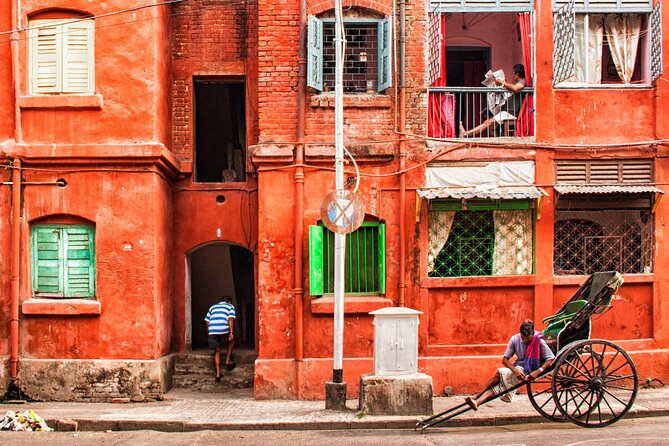
- A three-hour cultural walk through central Kolkata: The route links Bowbazar, Bow Barracks, old Chinatown, Chitpur, bazaars, temples, and churches.
- Guide Manjit is a major strength: His storytelling, local background, historical interest, and comic timing help turn a walk into a conversation about Kolkata.
- Many faiths appear within a small area: You may encounter Jewish, Zoroastrian, Jain, Armenian, Portuguese, Christian, Hindu, Muslim, and Anglo-Indian influences.
- Early morning can be the smartest time: The streets come to life while the walk remains easier in the cooler hours.
- Good for photographers and non-photographers: You can take pictures, but the tour is not limited to photography instruction.
- A small group keeps the walk personal: The maximum group size is 15 people, with pickup offered and a mobile ticket provided.
Why this corner of Kolkata matters
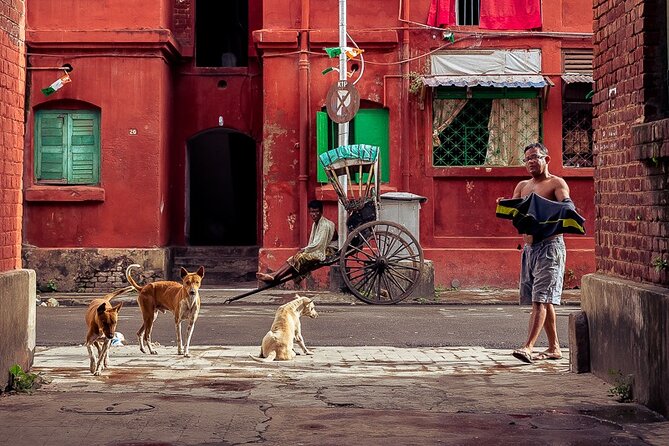
Kolkata is often introduced through grand colonial buildings, the Victoria Memorial, the Hooghly River, and literary associations. Those sights have their place, but they do not fully explain how the city works. This walk looks at Kolkata through its communities, faiths, streets, and working neighborhoods.
The route centers on Bowbazar and nearby parts of central Kolkata. Within a relatively small area, you may see traces of Anglo-Indian life, old Chinese settlement, Jewish heritage, Zoroastrian worship, Jain traditions, Armenian Christianity, Portuguese Catholic history, and Hindu and Muslim communities.
That range is the reason to book this experience. You are not simply ticking off buildings. You are being shown how different groups helped shape the city, and how their presence remains visible in food, worship, architecture, names, and daily routines.
I like the scale of the route. Three hours is long enough to build a picture of the area, but short enough to fit beside other plans. The walk ends near Brabourne Road and Bara Bazar, a useful location if you want to continue exploring central Kolkata afterward.
A few more options to weigh up in Kolkata
- Kolkata Heritage Tram Tour
★ 4.0 · 395 reviews - Bengali Nights Kolkata Food Tour with 13+ Tastings
★ 5.0 · 325 reviews - Magic Hour Tour
★ 5.0 · 241 reviews
Starting at Bowbazar and Bow Barracks
The meeting point is the Indian Airlines Office on Central Avenue, near the former Air India office in Bowbazar. Check the exact location carefully before setting out, since central Kolkata has crowded streets and several major roads close together.
Bowbazar gives the walk a strong opening. It is a busy, layered part of the city, and it helps you understand the difference between Kolkata as a tourist postcard and Kolkata as a lived-in place. You can expect streets where commerce, homes, worship, and food preparation sit close together.
Bow Barracks adds a particularly distinctive thread. The area is linked with Kolkata’s Anglo-Indian community, and it offers a way to discuss how colonial-era social groups adapted as the city changed. The value here comes less from one spectacular sight and more from hearing how a neighborhood developed and what remains of its character.
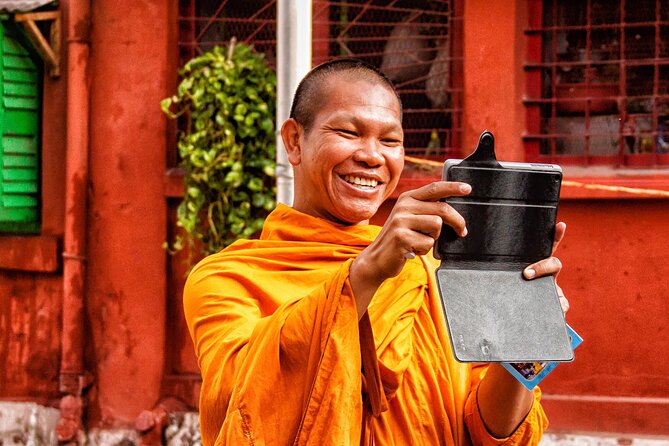
Manjit is often praised for making this history easy to follow. He is described as a local guide who grew up in the area, and his style mixes facts with stories and jokes. That matters on a walking tour. A dry list of dates would be easy to forget, while a personal explanation of streets and communities gives the area some shape.
Old Chinatown and the city’s Chinese connection
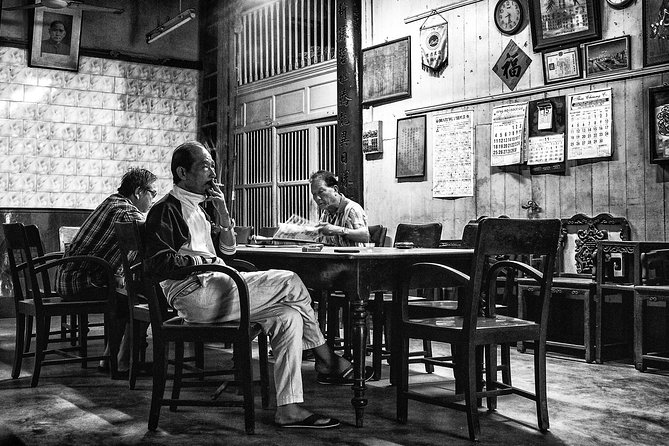
Old Chinatown is one of the most interesting parts of the route because it challenges the usual picture of Kolkata. The city has a long Chinese connection, and the neighborhood offers a chance to consider how migration, trade, food, and family life shaped a part of central Kolkata.
You should expect this section to focus on atmosphere and explanation rather than a polished historic district. The appeal lies in seeing an area that many first-time visitors would not locate on their own, then learning how it fits into the city’s wider story.
This is also a useful point for photographers. Street scenes, shopfronts, signs, food preparation, and older buildings can offer more character than a formal monument. Ask before photographing people, especially in residential lanes or near places of worship. A good guide can help you take pictures without treating the neighborhood like a stage set.
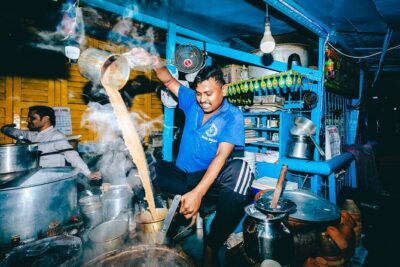
The route may also include food stops or opportunities to sample local items. One particularly appealing aspect is the chance to watch street traders prepare breads, samosas, and tea, then try them in a guided setting. The exact food experience can vary, so you should not book this as a guaranteed tasting menu. Still, the possibility adds a welcome sensory note to the walk.
Churches, temples, and several religious traditions
The religious sites give the tour its strongest sense of place. The route can include a Zoroastrian Fire Temple, a Jain Temple, a Portuguese Church, and an Armenian Church, along with other places connected to Kolkata’s communities and faiths.
Each stop helps explain a different part of the city. The Zoroastrian site points to the presence of a small but important community. Jain traditions bring another layer of religious and commercial history. Portuguese and Armenian churches show that Kolkata’s connections with the wider world were not limited to British rule.
The experience is especially useful if you want to understand religious coexistence in practical terms. You are walking through streets where different forms of worship may exist close to one another, rather than studying them as isolated attractions in a museum.
Do keep expectations flexible. Entry to some sites may be restricted or unavailable because of the day, time, local rules, or health-related restrictions. The tour can still work from the outside, but if entering every building is essential for you, this is a real limitation.
Dress and behave respectfully around religious buildings. The supplied information does not specify a dress code, so I would choose modest clothing and follow the guide’s instructions. Avoid assuming that every site permits photography.
A completely different kind of day out:
- Alleyway Food Tour
★ 5.0 · 137 reviews - Private Custom Full Day Sightseeing Tour of Kolkata
★ 5.0 · 128 reviews - Private Half-Day Kolkata Tour
★ 5.0 · 125 reviews - Kolkata: A Sea of Faces and A Thousand Places
★ 4.9 · 116 reviews
Old Jewish neighborhoods and Chitpur
The old Jewish neighborhoods add another important chapter. Kolkata’s Jewish heritage is easy to miss if you only visit the city’s major attractions, so having a guide point out the relevant streets and buildings gives this part of the walk real value.
You may not encounter a large, active district in the way you might in some European cities. The interest is in the traces that remain and in the explanation of how the community fitted into Kolkata’s commercial and urban life.
Chitpur broadens the walk again. It connects the cultural story to one of the older parts of the city and helps show how routes, markets, homes, and places of worship overlap. The area is not presented as a neat museum quarter. You will be walking through an active part of Kolkata, with all the noise, movement, clutter, and surprises that come with it.
That is both the charm and the challenge. If you want carefully staged sightseeing, this may feel untidy. If you want to see the city as people actually use it, the rough edges are part of the point.
What Manjit adds to the experience
A guide can make or break a neighborhood walk, and Manjit receives especially strong praise for his storytelling and delivery. He is described as a history enthusiast who explains the development of Calcutta, the city’s cultural influences, and current social issues in an entertaining way.
I would value that combination. Historical detail gives you a framework, but humor keeps the walk moving. The best moments on a route like this often come from small explanations: why a street looks a certain way, how a community arrived, what a building was used for, or how an old neighborhood has changed.
His local connection also appears to help with the personal side of the walk. The experience is described as friendly and interactive, with opportunities to meet traders and see everyday work close up. You should still remember that the exact encounters depend on the day and time.
The guide’s role is particularly important because the route does not depend on famous monuments. Without explanation, some streets may simply look like crowded urban lanes. With context, they become evidence of Kolkata’s long, complicated development.
Photography without making it a photography class
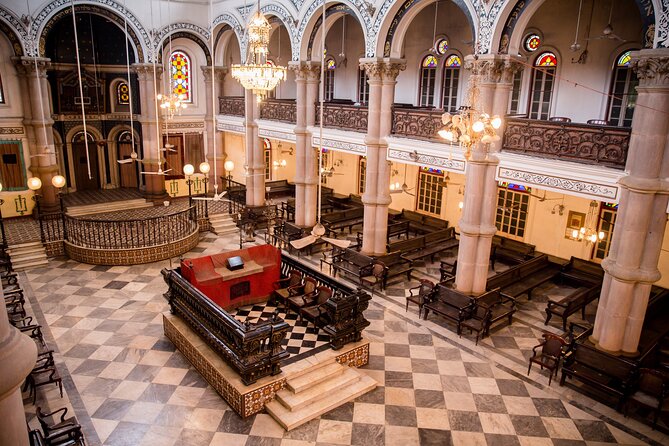
The tour is marketed as suitable for photographers, but you do not need advanced camera skills or a serious interest in photography. The real subject is the city, and the camera is optional.
You will find plenty to photograph: old façades, signs, markets, religious details, food preparation, street scenes, and changing light. The smaller streets can provide more memorable images than formal viewpoints because they show people using the city rather than posing in front of it.
I would bring a phone or camera that is easy to use while walking. Keep your equipment discreet, and ask before photographing people, worshippers, traders, or private homes. Your guide can help identify appropriate subjects and explain when a picture might be intrusive.
The walk also suits people who prefer to leave the camera in their bag. You can pay attention to the stories, architecture, and community life without feeling that you need to produce a set of photographs.
Timing, pace, and physical effort
The advertised duration is about three hours. It is a walking tour through central Kolkata, but the available information indicates that it does not require a high level of fitness. One useful detail is that the route has been especially enjoyable in the early morning, when the streets begin to wake up and the weather is cooler.
If an early start is available, I would favor it. Morning light helps photographers, and cooler conditions make a city walk more comfortable. It can also be a good time to see traders preparing food and the streets shifting into the day’s routine.
The pace should suit most people who can walk around a city for three hours. Still, central Kolkata can be crowded and uneven, and the route includes active streets rather than a quiet park path. Wear comfortable shoes and carry water.
Pickup is offered, but the stated meeting point is in Bowbazar, while the walk ends near Brabourne Road in Bara Bazar. Confirm the pickup arrangement when booking so you know exactly where the guided portion begins.
What the $39.61 price buys you
At $39.61 per person, the tour is priced as an affordable small-group experience rather than a private guide service. The maximum group size is 15, which should allow the guide to speak with the group and answer questions without the walk becoming unwieldy.
The value is strongest if you want interpretation. You could walk through Bowbazar, old Chinatown, Chitpur, and Bara Bazar alone, but you would likely miss the connections between the communities and religious sites. You might also pass the less obvious buildings without understanding why they matter.
The price is less compelling if your priority is a long list of ticketed interiors or major attractions. Admission is listed as free, and entry to some sites may not be possible. You are paying mainly for the guide’s time, local perspective, storytelling, and access to a carefully connected route.
The experience is booked, on average, 13 days ahead. That suggests you should avoid leaving it until the final morning of your Kolkata stay, especially if you have limited flexibility.
Who should book this walk?
I would recommend it to you if you have already seen, or plan to see, Kolkata’s major sights and now want a closer look at the city’s communities. It is also a strong choice for photographers, curious walkers, history fans, and anyone who prefers neighborhoods to formal attractions.
It suits solo visitors and couples particularly well, since a small group and an engaging guide can make the experience feel social without requiring a private booking. It can also work for families or mixed-interest groups because the walk combines history, food, architecture, and street life.
I would not make it your only Kolkata tour if this is your first visit. The route assumes that you are interested in a more focused look at one part of the city. A general orientation tour first can help you understand where this cultural walk fits.
The tour is available to most people, and no special fitness level is required. Its main demands are curiosity, comfortable walking shoes, and a willingness to accept that the city will not always present itself neatly.
Booking flexibility and practical limits
You receive confirmation at booking, along with a mobile ticket. The activity is close to public transportation, and pickup is offered.
Free cancellation is available up to 24 hours before the start time. Changes or cancellations made inside that period are not refunded. The experience also depends on suitable weather and a minimum number of participants. If poor weather or low enrollment causes cancellation, you are offered another date or experience, or a full refund.
Because some locations can restrict entry, do not treat the itinerary as a promise that every temple, church, or fire temple will be open inside. The route itself remains the main attraction.
Should you book the Culture Kaleidoscope Tour?
Book it if you want Kolkata explained through its people, faiths, food, and working streets. The route is compact, the price is reasonable, and Manjit’s mix of local knowledge, historical storytelling, and humor appears to be the key ingredient.
Skip it if you want only famous monuments, guaranteed interior visits, or a fully private schedule. For everyone else, this is a thoughtful way to see the city’s cultural variety at street level, especially after an introductory tour and preferably in the cooler morning hours.
FAQ
How long is the Cultural Confluence of Kolkata tour?
The walking experience lasts approximately three hours.
Where does the tour begin?
It begins at the Indian Airlines Office on Central Avenue, near Air India Limited, in Bowbazar, Kolkata.
Where does the tour end?
The walk ends on Brabourne Road in Bara Bazar, near Barabazar Market.
What places may be included?
The route may include Bow Barracks, a Zoroastrian Fire Temple, old Chinatown, old Jewish neighborhoods, a Jain Temple, a Portuguese Church, an Armenian Church, and the Chitpur neighborhood.
Is the tour suitable for photographers?
Yes. The experience is designed for photographers and for people who simply want to explore Kolkata without focusing on photography.
What is the maximum group size?
The tour allows a maximum of 15 participants.
Can I cancel for a refund?
You can cancel at least 24 hours before the start time for a full refund. If the operator cancels because of poor weather or because the minimum number of participants is not reached, you are offered another date or experience, or a full refund.
Just added in Kolkata
- Kolkata 3-Hour Tour of Kumortuli – The Goddess Beckons★ 5.0 · 26 reviews
- Explore Kolkata- Private Tour with Lunch★ 5.0 · 87 reviews
- Walk the Kolkata Wetlands: Green Eye Candy★ 5.0 · 10 reviews
- Taj Mahal and Agra Day-Trip from Kolkata with Both side Commercial Flights★ 5.0 · 15 reviews
- Kolkata – A Sea of Faces and A Thousand Places (local guide)★ 5.0 · 52 reviews
- Guided Kolkata Sightseeing Trip by Car, Walk & Sunset Cruise Excursion Trip★ 5.0 · 13 reviews
- Day trip from Kolkata to Bishnupur for Terracotta Temples and Silk★ 5.0 · 14 reviews
- Raj Heritage Walk★ 5.0 · 93 reviews
Kolkata Tours, compared.
Bengali Nights Kolkata Food Tour with 13+ Tastings
Read our review →
Private Custom Full Day Sightseeing Tour of Kolkata
Read our review →
Browse the lists this tour appears in