
Reviewed · WALKING TOURS
Panaji: Heritage Walk through Goa’s Latin Quarter
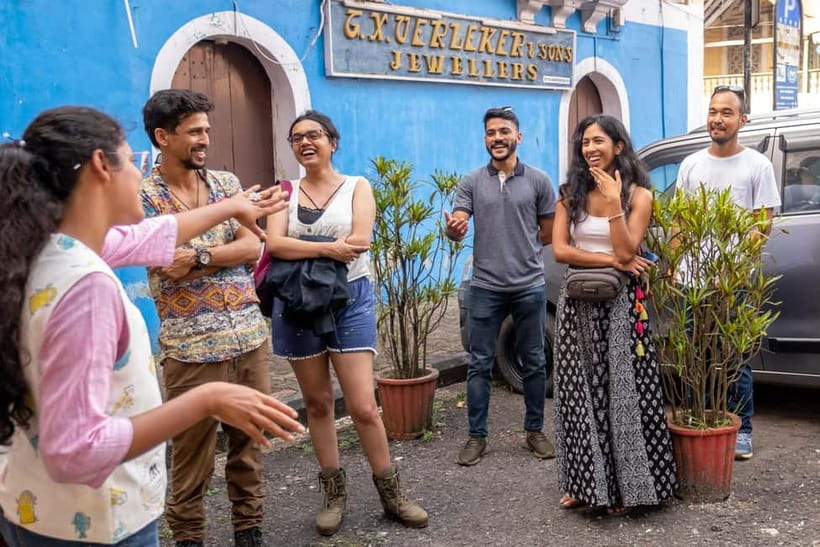
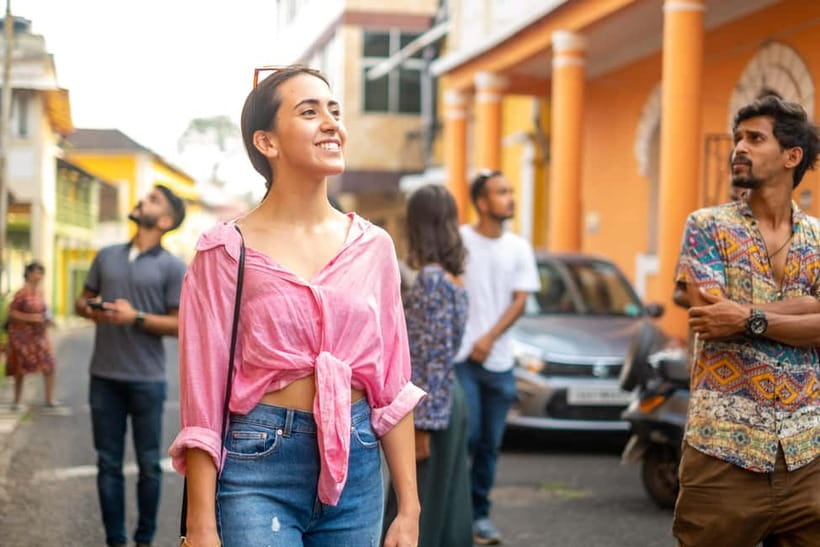
Fontainhas rewards slow walking. This $12 Panaji heritage walk takes you through colorful lanes, old homes, art spaces, and small cultural stops that are easy to miss on your own. I especially like the local bakery stop and the meeting with a Goan musician, two touches that turn a history lesson into a living experience. The main consideration is the heat, along with uneven streets that make this unsuitable for people with mobility impairments.
The walk is led in English by local guides such as Divya, Yashasvi, Calvin Gomes, Trancy, Rachana, and Alita. Their styles differ, but the strongest guides bring plenty of personal stories and make time for questions. I would choose the 10:30 a.m. start for cooler weather and quieter lanes, or the 4:30 p.m. option if you want to finish near dinner time.
In This Review
- Key points before you book
- Why Fontainhas deserves more than a photo stop
- Meeting near the Panjim Head Post Office
- Tobacco Square and the Portuguese beginning
- San Thome Chapel and the first old lanes
- A sweet stop at 31st January Bakery
- Colorful streets and the Chapel of San Sebastian
- Panjim Inn, Fundacao Orient, and Galerie Gitanjali
- Meeting a Goan musician
- Ceramic souvenirs and the walk back
- How good is the $12 value?
- Who should book this Panaji walk?
- Should you book it?
- FAQ
- Where does the Panaji heritage walk start?
- How long does the Fontainhas walk last?
- What language is the tour conducted in?
- Is food included in the tour?
- Is the walk suitable for people with mobility impairments?
- Can I cancel or pay later?
Key points before you book
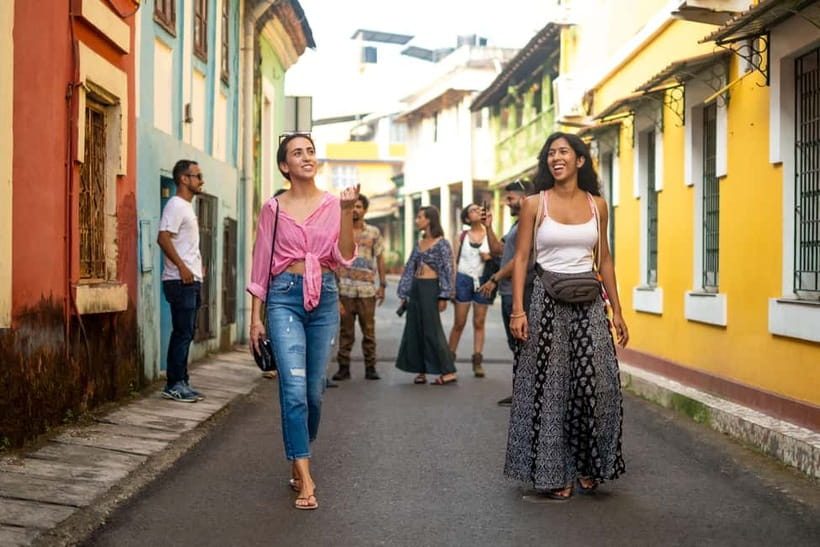
- Fontainhas is Asia’s oldest and largest Latin quarter: Its Portuguese character appears in the road names, painted façades, chapels, and traditional homes.
- The route begins at Tobacco Square: Your guide uses this opening point to explain the arrival and influence of the Portuguese in Goa.
- 31st January Bakery adds a tasty local pause: You may sample Goan-Portuguese pastries and other baked treats during the walk.
- Art is part of the route: Stops near Galerie Gitanjali, Fundacao Orient, and Panjim Inn show how the neighborhood remains tied to creative life.
- A Goan musician provides the emotional finish: The live performance helps connect Portuguese influence with Goa’s music traditions.
- The group can reach 20 people: Smaller groups are easier for questions and for hearing stories in narrow lanes.
Why Fontainhas deserves more than a photo stop
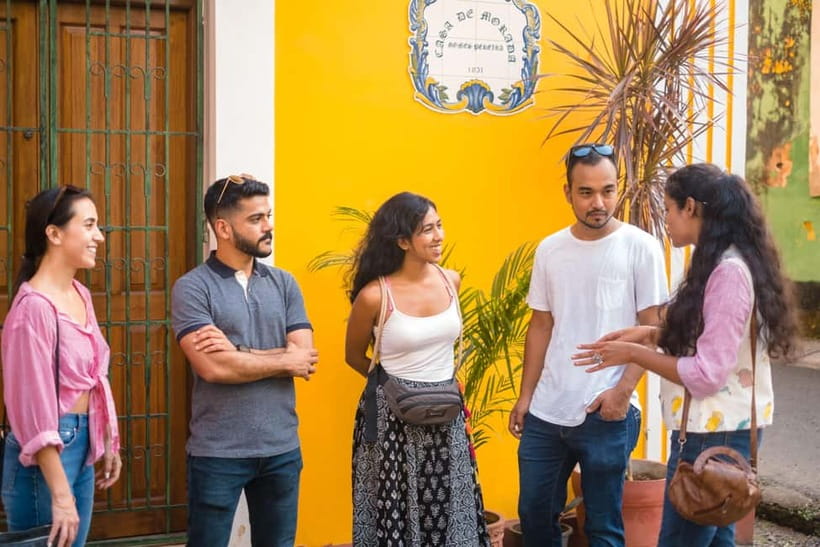
Fontainhas is one of Panaji’s most photogenic areas, but a quick walk through its painted streets only tells half the story. The neighborhood developed in the late eighteenth century and takes its name from the Portuguese word for little fountain, referring to springs at the foot of the Altinho hills.
The Portuguese influence is visible in practical details, not just decoration. Look for colorful houses, ornamental façades, narrow lanes, balconies, and road names that preserve the district’s older identity. The walk gives those details a human explanation, helping you understand how architecture, food, music, and art fit together.
I like this approach because Fontainhas can otherwise feel like a pretty backdrop without much context. Your guide may explain how the district developed, point out features you would walk past, and connect colonial-era influence with everyday Goan life.
This is not a grand monument tour. The pleasure comes from small discoveries: a chapel tucked into a lane, an old bakery, a painted wall, a gallery, or a home that still reflects the area’s Portuguese character. If you prefer quiet observation and local stories to a checklist of major sights, this walk is a good match.
More Walking Tours in India:
- The Great Indian Food Tour: Old Delhi Food and Heritage Walk
★ 5.0 · 1,698 reviews - Group Guided Walking Tour in Fort and Colaba
★ 5.0 · 1,073 reviews - Spiritual City Walking Tour-THE Pushkar Route
★ 5.0 · 907 reviews
Meeting near the Panjim Head Post Office
The meeting point is the entrance to the India Post Panjim Head Post Office near the Mala district. The Sao Tome Chapel is a useful nearby landmark if you are finding your way through central Panaji.
There is no hotel pickup or drop-off, so you need to reach the starting point yourself. Arrive ready to walk, with comfortable shoes, light clothing, and a reusable water bottle. Carry some cash because food, drinks, and souvenirs are not included.
The group size can reach 20 people. That is not especially intimate, but the route’s narrow lanes make a larger group noticeable. A smaller group gives you a better chance to ask questions and stay close to the guide, while a full group may require more attention when crossing streets or entering small interiors.
Tobacco Square and the Portuguese beginning
The opening section takes place around Tobacco Square, where your guide begins tracing the Portuguese arrival in Goa. This is a useful introduction because the rest of the walk keeps returning to that central theme: how foreign influence became part of local buildings, customs, food, and music.
Expect around 20 minutes of guided explanation at this early stage. The best part is that the guide can adjust the focus to your interests. You may want more architecture, local history, music, or daily life, and the guide is encouraged to respond to those questions rather than deliver a fixed speech with no room for conversation.
Names matter here. Guides including Yashasvi and Rachana have been praised for making history easy to follow, while Divya is known for a lively storytelling style. Calvin Gomes is also noted for turning the walk into a conversation rather than a formal lecture.
This opening may feel less visually dramatic than the colorful lanes that follow. Give it time. It provides the frame for everything you see later.
San Thome Chapel and the first old lanes
The small Church of San Thome comes next. Its scale is part of its appeal. Fontainhas is not about one enormous church dominating a plaza. Instead, religious buildings appear as part of the neighborhood, woven into the residential streets.
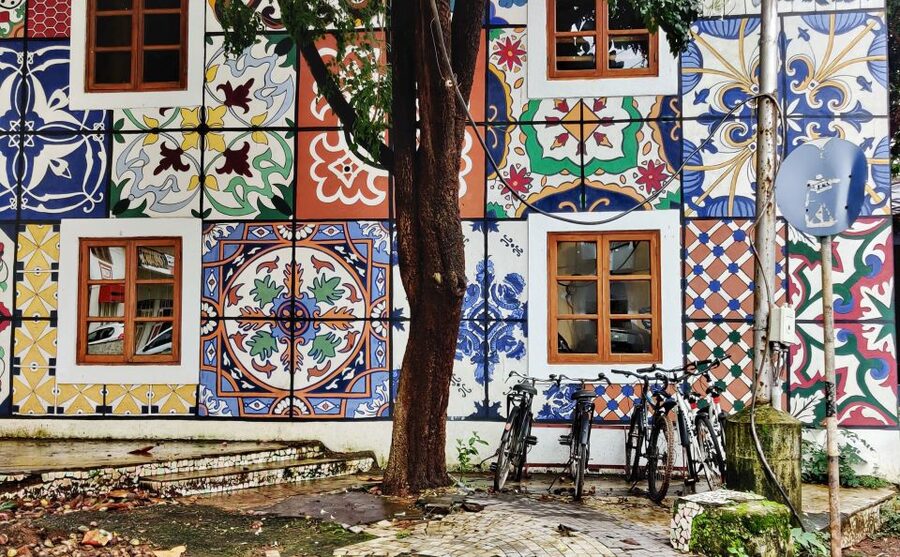
The route then moves into Fontainhas for about 45 minutes of walking. This is where you begin to see the houses that make the district famous. The colors are appealing for photographs, but your guide’s comments should help you look past the paint.
Notice the relationship between the homes and the lanes. The district’s character comes from the combination of façades, doors, windows, balconies, street names, and close-set buildings. You might learn why particular architectural details matter or how Portuguese design was adapted to Goan conditions.
The pace is generally manageable. One useful point from the tour details is that the walk includes several short guided sections rather than one nonstop march. That makes the 2.5-hour duration feel less tiring than the total time might suggest, though the heat can change that quickly.
This is the point where comfortable footwear matters. The walk is not designed for people with mobility impairments, and the narrow streets may not provide an easy surface throughout. If you have trouble with prolonged walking, ask before booking.
A few more options to weigh up in India
- Goa Kayaking Sal Backwaters Mangroves Magic!
★ 5.0 · 230 reviews - Old Goa: Walking Tour of Heritage Churches
★ 4.9 · 81 reviews - Private Beach Photoshoot in North Goa by Professional Photographer
★ 4.5 · 78 reviews - Goa: Private Full-Day Sightseeing Highlights Tour
★ 4.7 · 52 reviews
A sweet stop at 31st January Bakery
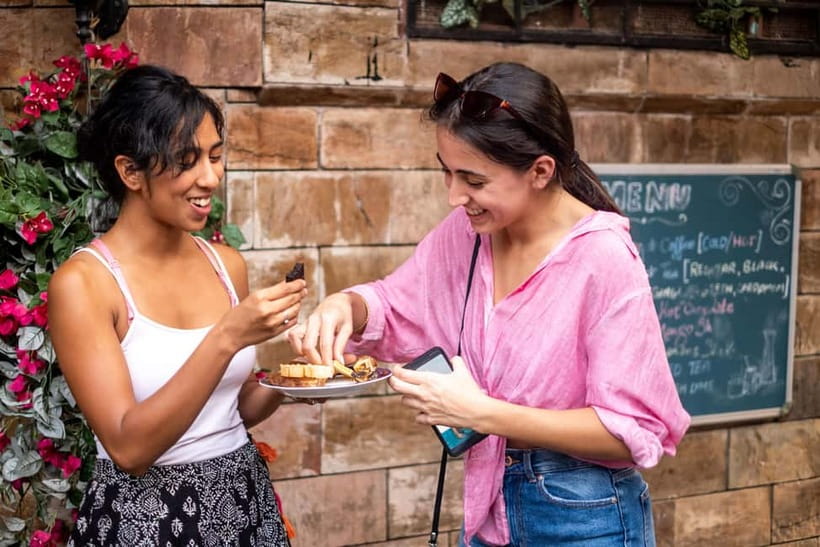
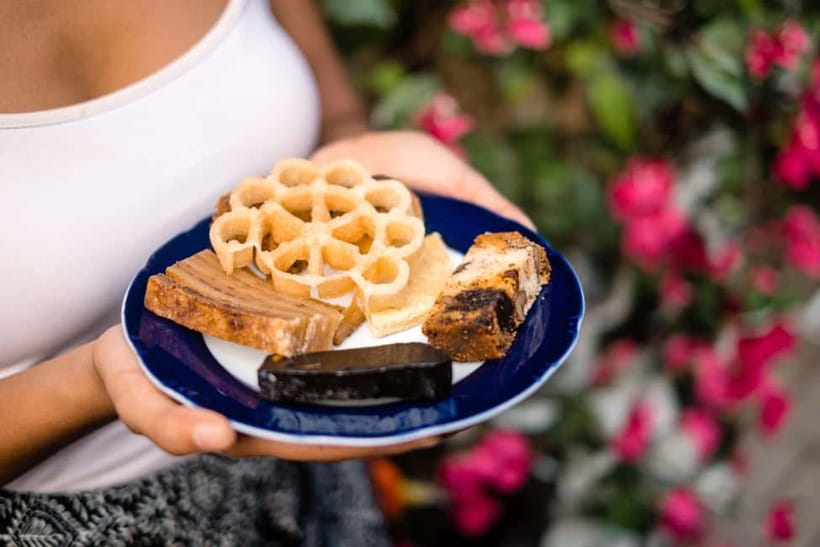
The stop at 31st January Bakery is one of the most effective parts of the experience. This small bakery, also known as Confeitaria 31 de Janeiro, dates to 1930 and sits in Fontainhas. It gives you a direct taste of the Goan-Portuguese connection rather than another explanation about it.
You may try local baked goods and pastries, including pastel de nata. Some departures also include sweet or savory treats, depending on the arrangement that day. The food is an added stop rather than a full meal, so do not arrive expecting lunch.
I like this pause for two reasons. First, it breaks up the walking. Second, food often explains cultural exchange better than a wall of dates. Portuguese baking traditions remain part of Goa’s identity, and sampling a pastry makes that connection immediate.
The bakery may be busy, and the stop is brief. You should treat it as a tasting opportunity, not a chance to browse at leisure. Additional food and drinks are not included as a general rule, so carry cash if you want to buy more.
Colorful streets and the Chapel of San Sebastian
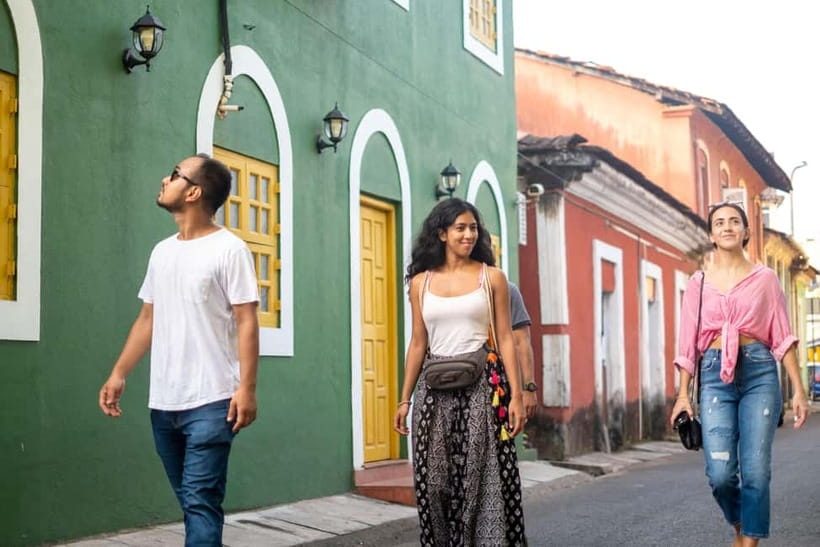
After the bakery, the route continues through Fontainhas, with time for photographs and more stories. This is probably the section you have seen in photographs: bright homes, winding lanes, and façades that make even a short street look carefully composed.
The Chapel of San Sebastian is another key stop. Its presence adds a religious layer to the residential character of the district. Your guide can explain how the chapel fits into the neighborhood and the wider story of Panaji.
A practical tip: avoid treating every pause as a photo session. If you spend the whole route framing doors and walls, you may miss the details your guide is pointing out. Take a few photographs, then put the phone away for a minute and listen.
The morning tour at 10:30 a.m. can be a smart choice if you want fewer people on the small streets. The 4:30 p.m. departure may offer more comfortable temperatures and ends at a convenient time for dinner. Exact starting times depend on availability.
Panjim Inn, Fundacao Orient, and Galerie Gitanjali
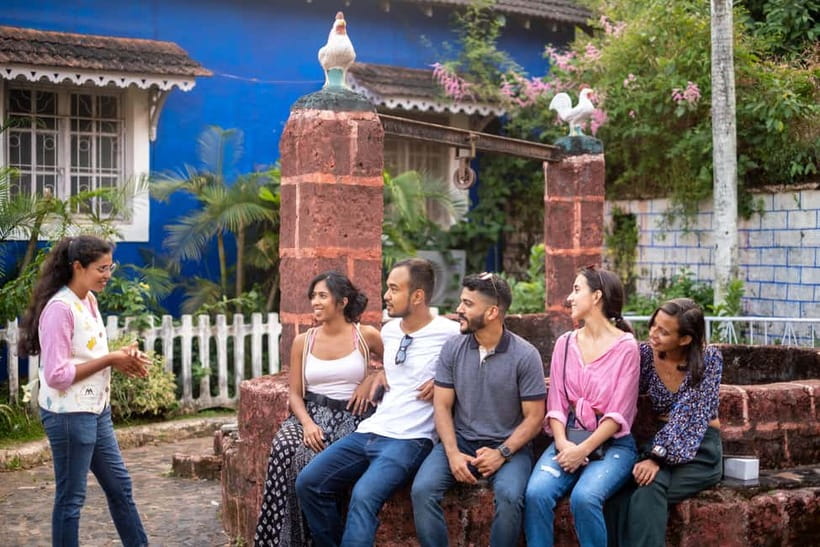
The walk then turns toward buildings around Panjim Inn, Fundacao Orient, and Galerie Gitanjali. These stops broaden the experience beyond residential architecture.
Panjim Inn helps you see how older buildings have been preserved and used. Fundacao Orient adds another point of interest for architecture and cultural heritage. Galerie Gitanjali brings art into the picture, with works by local and international artists.
The gallery stop is particularly useful if you want to understand Fontainhas as a creative district, not merely an old neighborhood. The route shows how art spaces occupy the same streets as heritage homes and chapels. That gives you a more current view of the area.
Opening hours can affect what you see. One important practical warning is that some places may be closed on Sundays. The walk can still be enjoyable because the streets and exteriors remain, but the indoor portion may be limited. If galleries and heritage interiors are a priority, check the operating day before booking.
The experience includes entry into heritage homes, although the exact home available can vary. This is valuable because an exterior only tells you about a building’s public face. Inside, you may get a better sense of how these houses are arranged and maintained.
Meeting a Goan musician
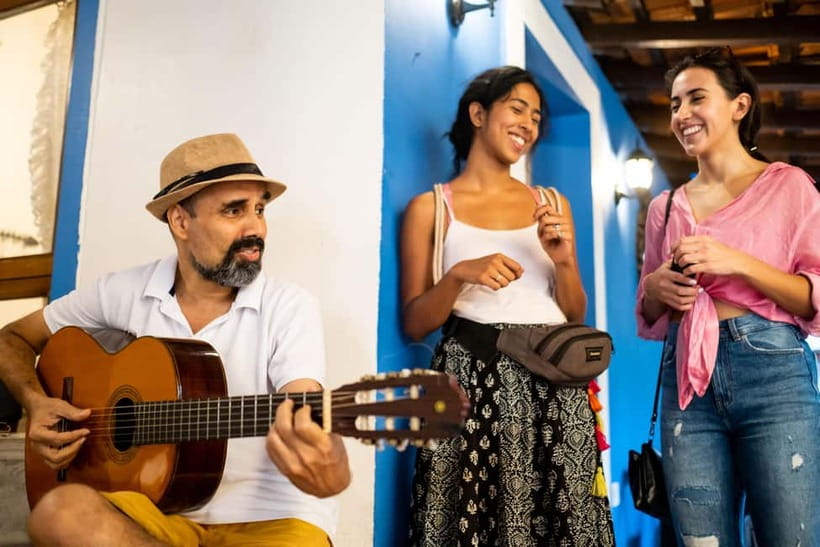
The final cultural stop is a meeting with a well-known Goan musician, followed by live music. This is the part that gives the walk its strongest sense of place.
Your guide explains how Portuguese influence reached Goan music, then the musician brings that subject to life through performance. The result is more memorable than simply hearing a list of musical styles or historical facts.
Several guides have been praised for arranging especially engaging musical moments, including Yashasvi, Alita, and Divya. A senior local artist named Francis has also made a lasting impression on some groups, while another performer, Glossy, has been singled out as a highlight.
The exact performer may vary. That is worth knowing, since the musical portion is central to the experience but is not presented as a single fixed concert. Think of it as a personal cultural meeting in a small setting.
Some departures also include a local drink, such as kokum, alongside the music. Food and drinks are not generally included in the published price, so confirm what your particular departure covers and bring cash for anything extra.
Ceramic souvenirs and the walk back
Before returning to the post office, you may stop at a studio producing handcrafted ceramic souvenirs. This is a pleasant final note because it connects the district’s artistic traditions with something practical you can take home.
Souvenirs are not included. The studio stop is best viewed as an introduction to local craft, not a required shopping session. If you are trying to travel light, enjoy the work without feeling obliged to purchase anything.
The return walk completes the loop at the India Post Panjim Head Post Office. The total duration is about 2.5 hours, with several guided and walking sections. That is long enough to cover the area properly without taking your entire day.
The route is compact, but you should not expect to sit for most of it. Bring water, wear shoes you trust, and dress for warm conditions. There is no hotel transport, so allow extra time to get to the meeting point.
How good is the $12 value?
At $12 per person, this is a strong-value introduction to Panaji’s Latin quarter. You are paying not only for a walk through attractive streets, but also for an English-speaking local guide, access to heritage homes, gallery and cultural stops, bakery treats on some departures, and a meeting with a Goan musician.
The price works best if you use the guide well. Ask questions about the Portuguese influence on food, homes, language, music, or daily life. A silent walk would still be pleasant, but it would not justify the added cost as clearly.
The group size is the main value limitation. With up to 20 people, the experience may feel less personal than a private tour. Still, the smaller groups described during some departures, including a group of 10, offer a better balance of price and conversation.
The live music is another reason the cost feels fair. It is not just a standard sightseeing route. You get a cultural encounter that would be difficult to arrange independently, along with the practical benefit of a local person explaining what you are seeing.
Free cancellation is available up to 24 hours before the start for a full refund, and you can reserve while paying later. Those policies reduce the risk if your Goa plans are still shifting.
Who should book this Panaji walk?
I would choose this experience if you want to understand why Fontainhas looks and feels different from other parts of Goa. It suits first-time visitors, architecture fans, history lovers, photographers who want context, and anyone interested in food and music.
It is also a useful early-trip activity. Guides such as Darpan, Priyanka, and Yashasvi have helped people get practical bearings and a clearer sense of Goa’s past. A good guide can answer questions that improve the rest of your visit.
You may prefer another activity if you want a private tour, a long food tasting, or a completely flat and accessible route. The walk includes cultural tastes, but it is not a food tour. It also focuses on Fontainhas and nearby Panaji rather than covering all of Goa.
For the best experience, choose the morning to reduce heat and crowds, or the late afternoon for a cooler finish. Avoid Sunday if indoor galleries and heritage spaces are important to you.
Should you book it?
Yes, if you want more than attractive photographs of Fontainhas. The strongest parts are the personal guiding, the 31st January Bakery stop, the art spaces, and the final live music session.
I would book it early in a Panaji stay, especially at $12. Request a guide known for storytelling if that option is available, though the team includes several strong names, such as Divya, Yashasvi, Calvin Gomes, Trancy, Rachana, and Alita.
Skip it only if heat, uneven walking, or group tours are likely to spoil your day. For most visitors who can manage a 2.5-hour walk, this is an easy and worthwhile way to meet the cultural side of Goa.
FAQ
Where does the Panaji heritage walk start?
It starts at the entrance to the India Post Panjim Head Post Office. The Sao Tome Chapel is a nearby landmark that can help you locate the meeting point.
How long does the Fontainhas walk last?
The experience lasts about 2.5 hours and returns to the India Post Panjim Head Post Office.
What language is the tour conducted in?
The tour is conducted in English by a live local guide.
Is food included in the tour?
Additional food and drinks are not generally included. The route includes a stop at 31st January Bakery, and some departures may offer local treats or drinks, so bring cash for extras.
Is the walk suitable for people with mobility impairments?
No. The experience is not suitable for people with mobility impairments. Comfortable shoes and clothing are recommended.
Can I cancel or pay later?
You can cancel up to 24 hours in advance for a full refund. Reserve now and pay later is also available.
Just added in India
- Five Days Golden Triangle Tour with Ranthambore Delhi Agra Jaipur★ 5.0 · 11 reviews
- 5 Days Golden Triangle Tour with Ranthambore India★ 5.0 · 10 reviews
- 5 Days Golden Triangle Tour with Ranthambore Delhi Agra Jaipur★ 5.0 · 11 reviews
- 5-Day Private Luxury Golden Triangle Tour From Delhi★ 5.0 · 45 reviews
- Delhi, Agra, Jaipur & Ranthambhore Tiger Safari 5-Day Tour★ 5.0 · 47 reviews
- Private 5 Days Golden Triangle Tour – Visit Delhi Agra and Jaipur★ 5.0 · 26 reviews
- 5-Day Private Delhi, Agra and Jaipur with Ranthambhore Tiger Tour From Delhi★ 5.0 · 44 reviews
- 5-Day Private Golden Triangle Tour: Delhi, Agra, and Jaipur★ 5.0 · 62 reviews
Walking Tours, compared.

The Great Indian Food Tour: Old Delhi Food and Heritage Walk
Read our review →
Blue City Heritage Private Walking Tour With Pickup and Drop-Off
Read our review →
Private Guided Walking Tour in Bandra Queen of Suburbs
Read our review →
Private Jodhpur Blue City Walking Tour with Guide
Read our review →Browse the lists this tour appears in