
Reviewed · MARKETS AND BAZAARS
Vibrant Markets of Trivandrum (2 Hours Guided Walking Tour)
Markets reveal a city in motion. This two-hour Trivandrum walk links Connemara Market and Chalai Bazaar, with time for spices, textiles, jewelry, crafts, fruit, vegetables, and the everyday trade that gives Kerala’s capital its character. I like the friendly local guidance and the chance to see places you might skip when exploring on your own. I also like that the guide can shape the outing around your shopping interests, from silk sarees to metalwork.
The main drawback is that the route can feel repetitive. One person found themselves walking the same streets twice, while another felt the markets offered little of interest. If you want grand monuments or a tightly packed sightseeing route, this may not be your best two hours. If you enjoy street life, local products, and conversation, the modest $14 price is appealing.
- Connemara Market begins the walk with its arched entrance and wide mix of practical goods, crafts, and food.
- Chalai Bazaar is Kerala’s busiest street market, filled with shops and stalls selling daily necessities and traditional products.
- MG Road adds shopping variety, including Kathakali masks, coir goods, brass pieces, wooden carvings, jewelry, and silk.
- Guides tailor the pace and focus, with English and Hindi available and shopping advice intended to help you spend wisely.
- A pineapple juice stop may be included, depending on the guide and the flow of the walk.
- The tour ends at Chalai Bazaar, making it easy to continue shopping after the formal walk ends.
In This Review
- Starting at the Kerala Government Secretariat
- Connemara Market and Its Arched Entrance
- Chalai Bazaar, Trivandrum’s Main Street Market
- MG Road’s Masks, Coir, and Traditional Crafts
- Old Spice and Handicraft Streets
- What the Guides Add to the Walk
- A Flexible Route, With One Important Limitation
- Is $14 Good Value?
- Who Should Book This Walk?
- Practical Details Before You Go
- Should You Book Vibrant Markets of Trivandrum?
- FAQ
- Where does the tour start?
- Where does the tour finish?
- How long does the experience last?
- What languages does the guide speak?
- Are hotel pickup, water, and snacks included?
- Can I cancel for a full refund?
Starting at the Kerala Government Secretariat
The walk begins at the entrance gate of the Kerala Government Secretariat. That gives you a clear public meeting point, but you need to arrange your own way there. Hotel pickup and drop-off are not included, so plan to arrive a little early and make sure you have the guide’s contact details.
This is a walking experience, not a sightseeing bus tour with quick photo stops. You spend two hours moving through commercial streets, talking with the guide, looking at goods, and learning how the city’s old market areas fit together. The tour is offered in English or Hindi.
Wear comfortable clothes. You will be on your feet, and the value comes from paying attention to the streets around you rather than rushing from one landmark to the next. Bring water, since a bottle and snacks are not included.
Connemara Market and Its Arched Entrance
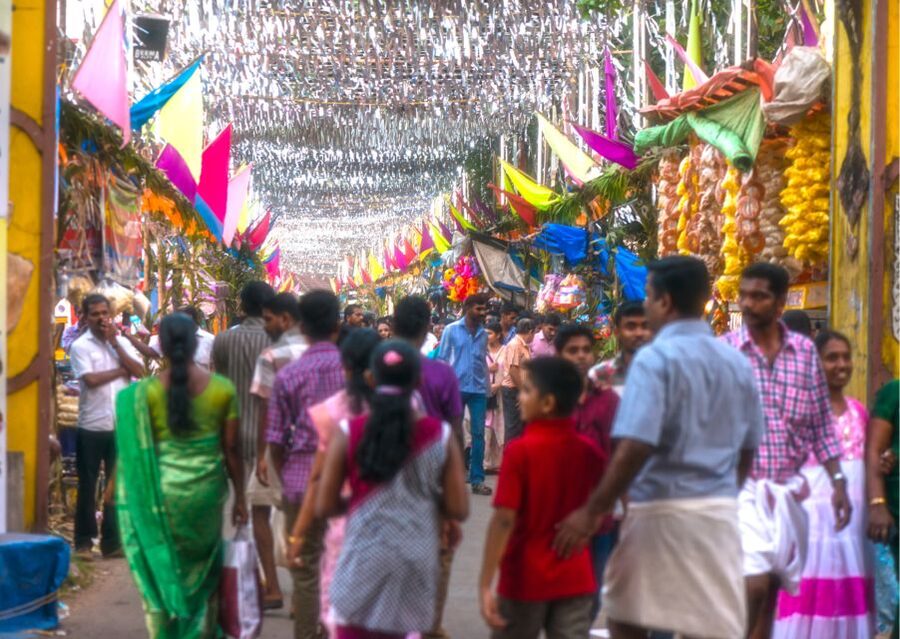
The first major stop is Connemara Market in Palayam. Its arched entrance gives the market a memorable face, but the real appeal begins after you pass through it. The market is known for its broad range of goods, so you can expect a mix of food, household items, clothing, textiles, jewelry, and small craft products.
I like markets such as this because they make shopping feel connected to daily life. You are not looking at a display created only for tourists. You might see ordinary necessities beside goods intended for special occasions, including metal crafts, precious metal work, antique coins, spices, fruits, and vegetables.
The guide’s role matters here. A good guide can explain what you are seeing, point out items that deserve a closer look, and help you understand the difference between casual browsing and serious buying. The experience includes local tips intended to help you save money, which is useful if you plan to purchase jewelry, textiles, or handicrafts.
Connemara Market is described as one of Trivandrum’s oldest markets. That age gives the stop a sense of continuity, even though the tour is not presented as a formal history walk. You get stories and conversation as you move, rather than a long lecture at one fixed point.
More Walking Tours in India:
- The Great Indian Food Tour: Old Delhi Food and Heritage Walk
★ 5.0 · 1,698 reviews - Group Guided Walking Tour in Fort and Colaba
★ 5.0 · 1,073 reviews - Spiritual City Walking Tour-THE Pushkar Route
★ 5.0 · 907 reviews
Chalai Bazaar, Trivandrum’s Main Street Market
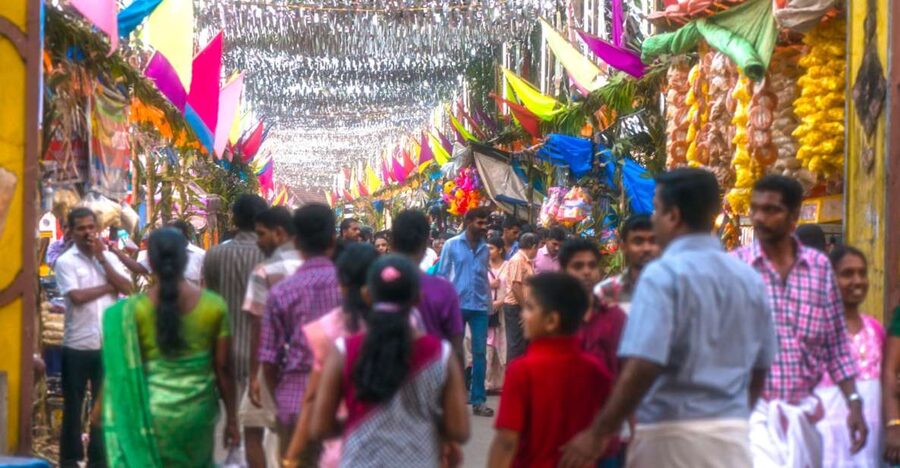
After about an hour, the route continues to Chalai Bazaar. This is the louder, more concentrated part of the walk, with shops and stalls lining one of Trivandrum’s best-known commercial areas. The market is associated with an endless variety of goods, from spices and produce to cloth, shoes, jewelry, and everyday supplies.
The word bazaar can suggest a carefully arranged tourist market. Chalai is more useful than polished. It is a working shopping district, and that is precisely why you should come with realistic expectations. You may find the street exciting and full of visual detail, or you may find it ordinary if you are looking for unusual sights at every turn.
Your guide can make a major difference. The tour is built around infotainment, meaning stories, explanations, and local observations mixed with the walk. Guides named Gokul, Prijith, and Suresh have been especially praised for their friendly manner, patience, and ability to adjust the experience to the group.
Suresh, in particular, has been praised for matching the pace to the person he was guiding, helping with a tuk-tuk, and adding a temple photo stop. That does not mean every booking includes the same extra stop, but it shows why it is worth telling your guide what interests you at the start.
MG Road’s Masks, Coir, and Traditional Crafts
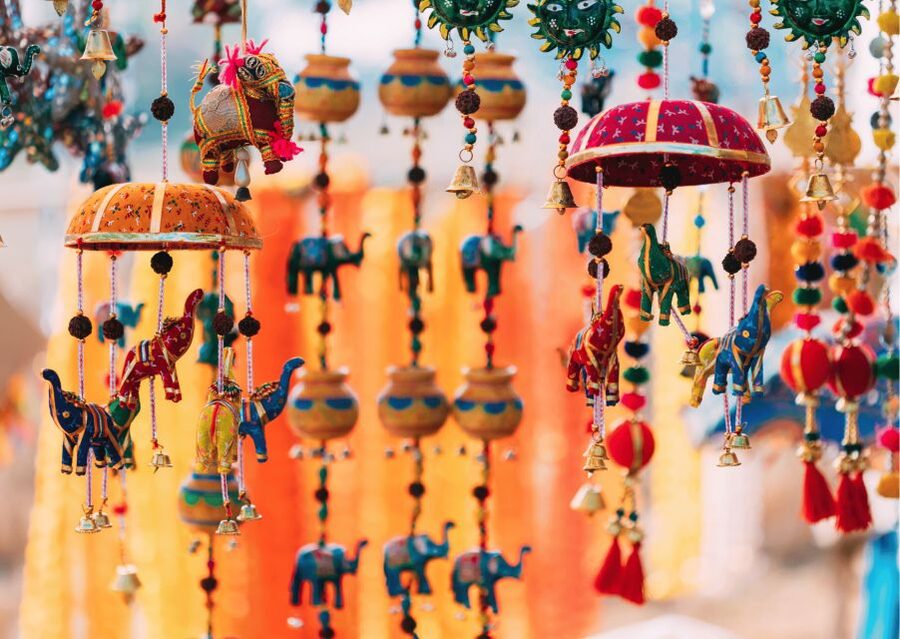
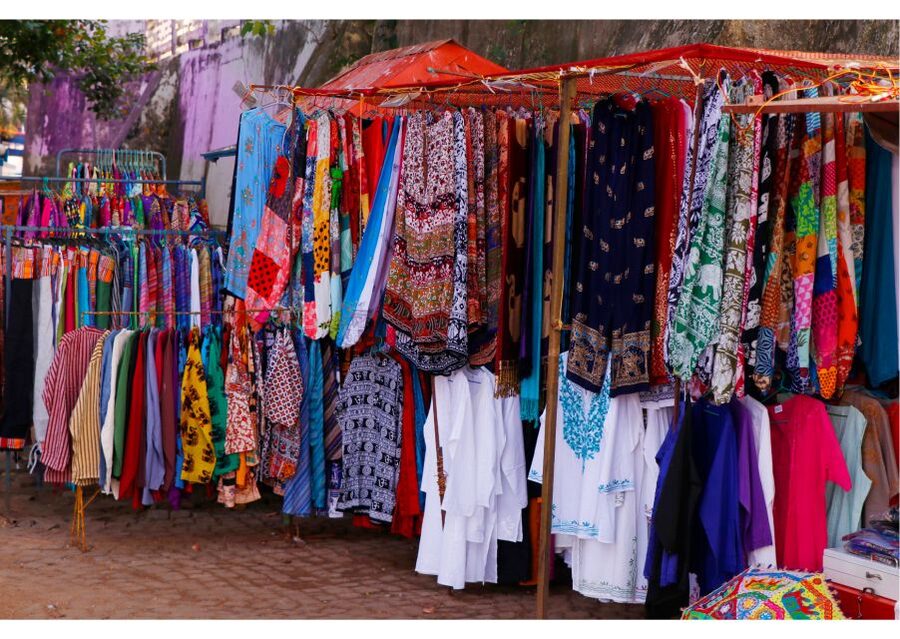
MG Road adds another layer to the shopping experience. The area is known for products linked to Kerala and Indian dress, including Kathakali masks, coir products, brass objects, wooden carvings, Trivandrum silk sarees, jewelry, and shoes.
Kathakali masks are an obvious draw. Their strong colors and expressive faces connect shopping with Kerala’s performance tradition. You are not simply choosing a decoration, you are seeing one of the state’s most recognizable artistic forms presented in a market setting.
Coir products offer a different kind of local connection. Made from coconut fiber, they reflect a material closely linked with Kerala. Brass and wooden carvings can appeal if you want something more substantial than a small souvenir, while silk sarees and shoes make sense if you are interested in Indian clothing.
The guide can help you focus your time. Two hours is not enough to inspect every shop, compare every price, and make careful purchases across the whole district. Tell the guide early if you are mainly interested in sarees, metalwork, spices, antique coins, or household goods.
Old Spice and Handicraft Streets

The route also includes older spice and handicraft markets in Trivandrum. The precise stops may vary with the group’s interests and the guide’s judgment, so you should not expect a fixed list of individual shops.
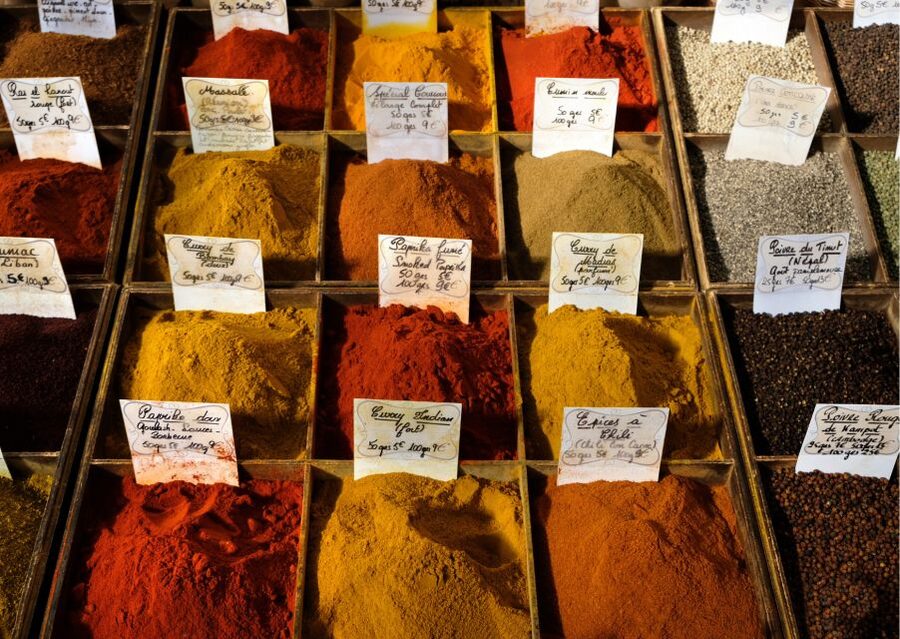
Spices are one of the easiest ways to connect market shopping with Kerala’s food culture. You may find them among fruits, vegetables, cloth, and daily necessities rather than in a dedicated souvenir store. That setting helps you see how local shopping works, but it also means the experience can feel less theatrical than a purpose-built food tour.
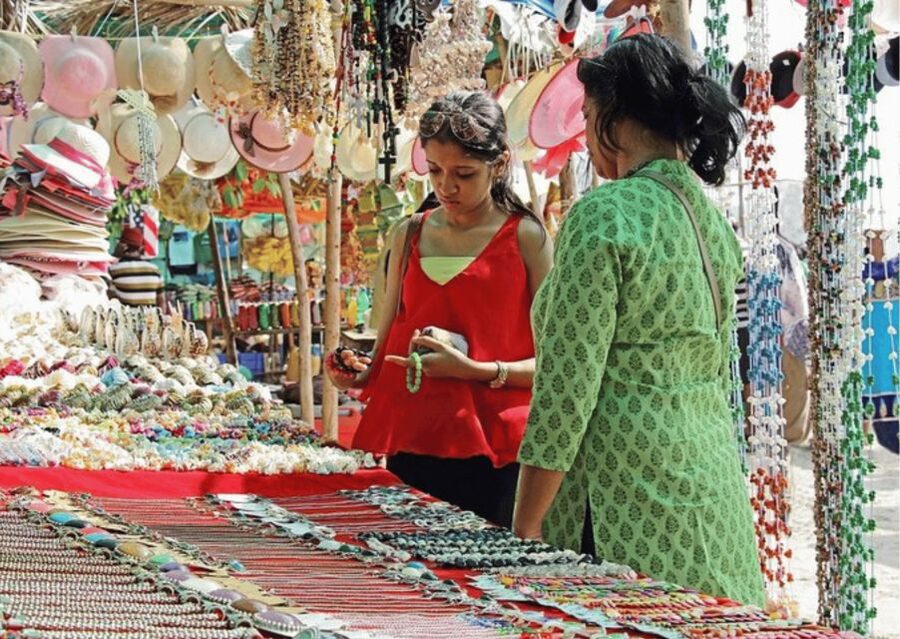
Handicraft shopping is similarly mixed. You might find delicate metal crafts, precious metal work, carved wood, or decorative pieces. You might also spend time looking at practical merchandise that has no special tourist appeal. That mix is part of the point, but it explains the split in reactions. One person may see a lively cross-section of city life, while another may see ordinary shops.
I would treat this walk as an introduction, not a specialist shopping expedition. Use it to learn what interests you, ask about fair prices, and decide where you want to return later with more time.
More Markets and Bazaars in India:
- Mumbai: Street Food and Night Markets Tour
★ 4.9 · 719 reviews - Delhi Food Walk: Rickshaw Ride, Street Eats & Market Tour
★ 5.0 · 401 reviews - Old Delhi Street Food Tour – Explore Spices in Chandni Chowk
★ 5.0 · 334 reviews - Private Heritage Walking Tour in Jaisalmer Fort and Old Bazaar
★ 5.0 · 306 reviews
What the Guides Add to the Walk
The strongest part of this experience is the human element. The guide is expected to provide local tips, stories, conversation, and shopping help, not just point toward the next street.
Gokul has been praised for showing corners that a tourist may miss and for explaining the places along the route. Prijith has been described as an excellent guide with a strong grasp of the areas visited. Suresh has been praised for patience, conversation, and adapting the pace to the person he was guiding.
Those details matter because markets can be hard to read at first. You may not know which street sells textiles, where to look for crafts, or how much time to allow for a purchase. A guide gives you a starting point and can help turn a random walk into a more useful introduction.
The conversations may also go beyond shopping. One outing included discussion of Indian politics and the different religions in the area. That kind of exchange is valuable if you enjoy learning through conversation rather than listening to a prepared speech.
Still, guide quality can vary from one departure to another. The experience is only as strong as the person leading it, and the official information does not promise a particular guide. If you have a strong interest, explain it before setting off.
A Flexible Route, With One Important Limitation
The tour is advertised as two hours, with roughly one hour at Connemara Market and one hour at Chalai Bazaar. In practice, you are walking through connected shopping areas, so the boundaries between stops may feel loose.
That flexibility can work in your favor. A guide may spend longer where you are finding useful goods, or adjust the walk if you are more interested in textiles than spices. One person appreciated being taken to the place they wanted at the end and having the guide cater to their shopping needs.
The limitation is route variety. One outing covered the same streets twice, which made the walk feel less fresh. If you dislike retracing your steps, ask at the beginning how the guide plans to connect the markets and explain that you prefer a forward-moving route.
The tour also finishes at Chalai Bazaar rather than returning you to the Secretariat. That is practical if you want to continue shopping, but you need to arrange your own onward transport.
Is $14 Good Value?
At $14 per person, this is an inexpensive guided introduction to Trivandrum’s markets. You are paying for two hours of a local guide’s time, English or Hindi conversation, shopping advice, and help understanding streets that could be confusing on your own.
The value is strongest if you want to buy something. Advice about sarees, jewelry, metal crafts, spices, or souvenirs can save you time and help you avoid aimless browsing. The guide may also help you compare products or understand what you are looking at.
The value is weaker if you expect a major attraction at every stop. The markets are working commercial areas, not a museum or a staged cultural show. One person found them boring, and that response is understandable if your idea of a good tour requires dramatic architecture or rare sights.
A small bonus may be a pineapple juice stop. It is not listed as a guaranteed inclusion, so do not book the tour specifically for it. Still, it shows the relaxed, personal quality that can make a short walk more enjoyable.
Who Should Book This Walk?
I would recommend it to first-time visitors who want an easy introduction to Trivandrum’s shopping streets. It also suits anyone interested in Indian clothing, Kerala crafts, spices, jewelry, or ordinary local commerce.
It is a good fit for solo visitors who want company and context, couples who would like help choosing souvenirs, and shoppers who prefer advice before returning on their own. The English and Hindi options make it accessible to a broad range of visitors.
You may want to skip it if you have only one short block of time in Trivandrum and want to see major landmarks instead. It is also not ideal if you dislike markets, shopping, walking, or streets that can feel repetitive.
The tour received a 4.5 rating from 15 bookings, with especially strong praise for the guides’ patience, local explanations, friendly conversation, and willingness to adapt. The lower scores focus on the markets themselves rather than poor guide behavior. That distinction is useful: the guide can improve your understanding, but cannot change the basic character of the streets.
Practical Details Before You Go
The meeting point is the Kerala Government Secretariat entrance gate. Hotel pickup and drop-off are not included, and the walk ends at Chalai Bazaar.
Wear comfortable clothes and bring your own water and snacks. The tour costs $14 per person, lasts two hours, and allows free cancellation up to 24 hours before the start for a full refund. You can also reserve now and pay later, which helps if your Trivandrum plans are still shifting.
Keep your shopping goals modest. Two hours gives you enough time to get oriented, ask questions, and make a few purchases. It does not give you enough time to inspect every market or negotiate at length in every shop.
Should You Book Vibrant Markets of Trivandrum?
Book this tour if you want a low-cost, guide-led look at Connemara Market, Chalai Bazaar, MG Road, and the city’s spice and handicraft streets. Its best feature is the guide’s ability to explain what you are seeing and adjust the walk to your interests.
Skip it if markets do not appeal to you or if you need a packed sightseeing route with little repetition. For the right visitor, $14 buys useful orientation, friendly conversation, and a better sense of where to return for shopping later.
FAQ
Where does the tour start?
The tour starts at the entrance gate of the Kerala Government Secretariat in Trivandrum.
Where does the tour finish?
The walk finishes at Chalai Bazaar.
How long does the experience last?
The guided walk lasts two hours, with about one hour at Connemara Market and one hour at Chalai Bazaar.
What languages does the guide speak?
The live guide can speak English and Hindi.
Are hotel pickup, water, and snacks included?
No. Hotel pickup and drop-off are not included, and you need to bring your own water and snacks.
Can I cancel for a full refund?
Yes. You can cancel up to 24 hours in advance for a full refund. You can also reserve now and pay later.
Just added in India
- Walking Tour in the old part of the city of Varanasi★ 5.0 · 25 reviews
- Explore Chennai City: Guided Walking Tour on Foot★ 4.3 · 22 reviews
- Walk of Divinity Bangalore (2 hours guided walking tour)★ 3.8 · 19 reviews
- Victorian Gothic Heritage Quarter and Art Deco Walking Tour★ 4.9 · 14 reviews
- Vibrant Markets of Mumbai (2 Hours Guided Walking Tour)★ 4.4 · 44 reviews
- Varanasi Walking and Heritage Tour★ 4.6 · 15 reviews
- Varanasi: Manikarnika Ghat (Oldest Cremation Site) Tour★ 4.7 · 22 reviews
- Varanasi to Bodhgaya: A Day of Spiritual Exploration★ 4.8 · 22 reviews
Markets and Bazaars, compared.

Delhi Food Walk: Rickshaw Ride, Street Eats & Market Tour
Read our review →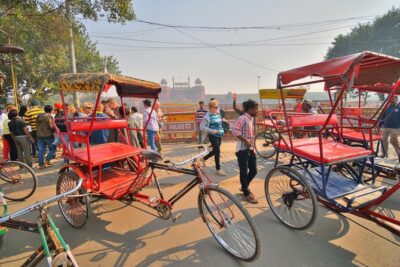
Old Delhi Street Food Tour – Explore Spices in Chandni Chowk
Read our review →
Private Heritage Walking Tour in Jaisalmer Fort and Old Bazaar
Read our review →
Old Delhi Food-Spice Market-Temples Tour Soon Featured on NETFLIX
Read our review →
Chandni Chowk Delhi Food Tour with 15+ Tastings
Read our review →
Browse the lists this tour appears in