
Reviewed · WALKING TOURS
Old Goa: Saga Of Saints, Spices & Sovereigns | Heritage Walk
Old Goa keeps its biggest stories behind church walls. This two-hour walk brings together grand cathedrals, Augustinian ruins, Rosary Church, and monastic corners that many sightseeing stops skip. I love the local storytelling, especially the way guides such as Amreen and Gaurish connect religion, trade, politics, and everyday life. I also like the $9 price, which gives you a focused history lesson, church access, and a local drink without turning the visit into an expensive production. The main consideration is the heat and walking, so this may not suit anyone with serious mobility limits or heart problems.
You meet at the entrance and parking area in front of Santa Monica Convent. From there, the guide leads you through Old Goa’s churches and convents, using medieval maps and local lore to explain how spices, ships, missionaries, and Portuguese power shaped the city. The walk is in English, and private groups are available.
The guides are the heart of this outing. Amreen is a Goan historian whose storytelling has earned especially strong praise for its clarity and feeling. Gaurish is noted for choosing shady places with seats, a small detail that matters in Goa. The walk can run closer to two and a half hours, depending on the pace and questions, so leave room in your schedule.
In This Review
- Key points to know before you go
- Why Old Goa makes a better history lesson than a quick photo stop
- Meeting Santa Monica Convent and getting oriented
- Churches, convents, and Indo-Portuguese craft
- Rosary Church and the quieter corners of Old Goa
- The Augustinian ruins and the evidence of a vanished city
- The oldest nunnery in Asia and the lives behind the walls
- Saints, spices, and sovereigns in one connected story
- The guides: Amreen, Gaurish, and the value of local voices
- Is $9 good value for two hours?
- Who should book this Old Goa walk?
- What to bring and how to dress
- Should you book it?
- FAQ
- Where does the Old Goa heritage walk meet?
- How long does the walk last?
- What language is the tour conducted in?
- What is included in the price?
- Is transport included?
- Is the tour wheelchair accessible?
- Can I book a private group?
- What should I bring?
- What clothing is not allowed?
- Can I cancel the booking?
Key points to know before you go
- Old Goa beyond the postcard churches: Visit major religious buildings along with Rosary Church and the Augustinian monastery ruins.
- Stories of power and trade: Learn how Portuguese conquest, spice routes, missionary work, and religious life shaped the old city.
- Strong local guides: Amreen, Gaurish, and other English-speaking storytellers bring personal knowledge and careful historical detail.
- Sacred art decoded: The guide explains Indo-Portuguese design, religious imagery, beliefs, and architectural choices.
- A comfortable finish: The walk ends with a refreshing local drink.
- Plan for sun and proper dress: Bring water, sunscreen, a hat, and comfortable shoes, and wear clothing suitable for church visits.
Why Old Goa makes a better history lesson than a quick photo stop

Old Goa is easy to visit on your own, but it is not always easy to understand. You can walk past a vast church, admire its facade, and still miss the political and religious forces that made this place important.
This walk gives those buildings a human story. You follow the footsteps of saints, traders, sovereigns, missionaries, and the people who lived under Portuguese rule. The focus is not only on architecture. You also hear about beliefs, religious practice, colonial power, trade routes, and the eventual decline of the city.
The time span is impressive. The story begins with the Portuguese arrival and the first Christian church established in Old Goa at the start of the 16th century. It continues through centuries of trade and missionary activity, then reaches the abandonment of Old Goa in the early 19th century.
That broad sweep gives the tour purpose. Instead of seeing separate churches as isolated monuments, you begin to understand them as parts of one former city. The result is more useful than memorizing construction dates.
More Walking Tours in India:
- The Great Indian Food Tour: Old Delhi Food and Heritage Walk
★ 5.0 · 1,698 reviews - Group Guided Walking Tour in Fort and Colaba
★ 5.0 · 1,073 reviews - Spiritual City Walking Tour-THE Pushkar Route
★ 5.0 · 907 reviews
Meeting Santa Monica Convent and getting oriented
The starting point is the entrance and parking area in front of the main entrance to Santa Monica Convent. You will need to arrange your own transport to this point, since travel to and from the meeting place is not included.
This is a practical place to begin because the convent sets the tone for the walk. You are entering a district shaped by religious orders, colonial administration, and the movement of people and goods. Your guide uses maps and stories to help you picture Old Goa as it once was, rather than treating it as a collection of ruins.
The guide is also likely to set expectations for the pace and route here. The walk is advertised at two hours, although one reported outing lasted two and a half hours. That is useful to know if you have a tight afternoon plan.
Churches, convents, and Indo-Portuguese craft
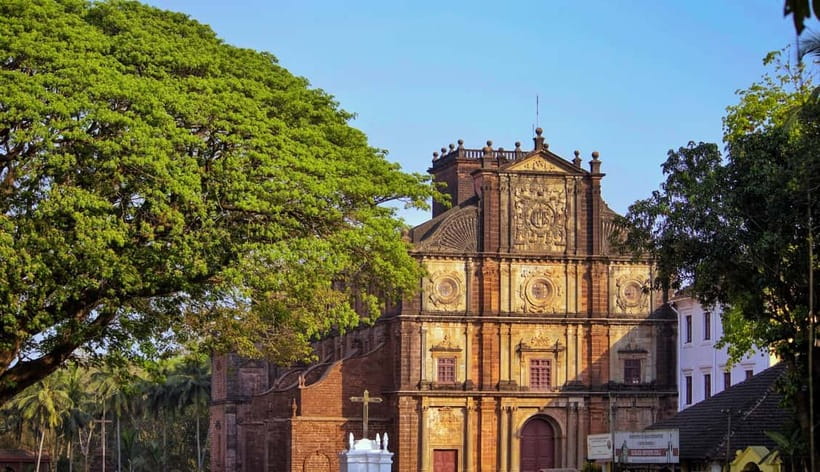
The best-known churches of Old Goa are impressive by scale alone. Their large interiors and decorated surfaces reflect the wealth and ambition of a city tied to Portuguese trade and Catholic missionary work.
The value of having a guide appears when you look at the details. The walk includes explanations of Indo-Portuguese craftsmanship, sacred art, and architectural styles. You are not simply told that a building is old or important. You learn how design and religious imagery helped express authority and belief.
The guide also explains the religious ideas behind the art. This is especially helpful if you are unfamiliar with Catholic saints, convent life, or the role of churches in colonial society. Amreen has been praised for explaining political and religious life in a clear, friendly way, while another guide kept a younger child engaged with stories about saints and local anecdotes.
Expect a fair amount of looking upward, stepping through historic spaces, and moving between sites. Wear comfortable shoes. Bring water, sunglasses, sunscreen, and a hat, since shade is not guaranteed at every stop.
Rosary Church and the quieter corners of Old Goa
Rosary Church is one of the stops that helps separate this walk from a basic circuit of the most famous monuments. It offers a chance to see a less obvious part of Old Goa and to hear how religious buildings fit into the city’s wider story.
The appeal is not only the structure itself. The guide brings in local beliefs and lesser-known historical details, giving you a sense of how places of worship were understood by the people who used them. These stories help turn a quiet corner into part of a larger account of faith, status, and colonial society.
You should not expect every stop to feel polished or grand. Some sites are remembered through fragments, ruins, or quieter spaces. That is part of the point. Old Goa’s story includes decline and abandonment, not just a golden age of churches and imperial power.
A completely different kind of day out:
- Old & New Delhi City Tour – Half or Full Day Options Available
★ 5.0 · 4,811 reviews - Old & New Delhi City Tour – Choose Half or Full Day Experience
★ 5.0 · 4,513 reviews - Same Day Taj Mahal, Agra Fort & Baby Taj Tour from Delhi by Car
★ 5.0 · 4,304 reviews - Taj Mahal Day Tour from Delhi by Superfast Train – TOP RATED TOUR
★ 5.0 · 4,166 reviews
The Augustinian ruins and the evidence of a vanished city
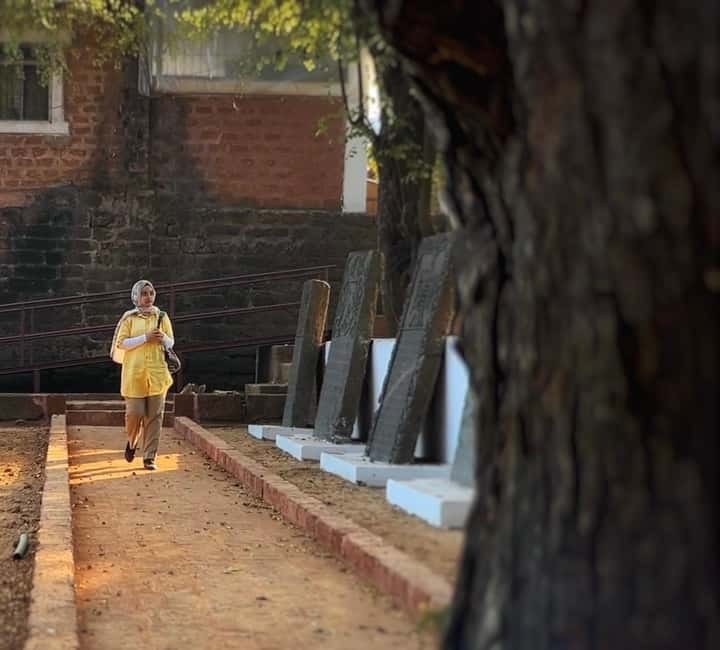
The ruins of the Augustinian monastery provide one of the walk’s strongest visual contrasts. Here, the grandeur of the former religious center meets decay and absence.
A guide can make ruins far more meaningful than they appear at first glance. You hear about the monastery, its place among the religious institutions of Old Goa, and the forces that helped bring the city’s prominence to an end. The broken remains become evidence of change rather than just an attractive backdrop for photographs.
This stop may also appeal to anyone who prefers history with a little mystery. The experience focuses on forgotten monastic sites and stories that receive less attention than the best-known churches. You get a more complete picture of the city by seeing what survived, what deteriorated, and what disappeared.
The drawback is physical. Ruins and historic areas may involve uneven surfaces, and the overall activity requires walking. The listing describes the tour as wheelchair accessible, but it also says it is not suitable for people with mobility impairments. If access is important to you, contact the provider before booking and ask about the exact route and surfaces.
The oldest nunnery in Asia and the lives behind the walls
The walk also explores what is described as the oldest nunnery in Asia. This gives the tour a useful shift in focus. Old Goa was not shaped only by bishops, kings, traders, and military power. Religious women and convent communities were part of its story too.
You hear about monastic life, sacred beliefs, and the social setting in which these institutions operated. That matters because grand colonial buildings can make history feel abstract. Stories about communities, rules, devotion, and daily religious life bring the past closer to ordinary human experience.
The guide’s method is central here. Amreen has been praised for setting the scene before revealing the key part of a story. That approach can make the stop feel more like a carefully told local tale than a lecture packed with dates.
If you enjoy architecture alone, you may wish for more uninterrupted time to study every feature. This is a guided walk, so the priority is interpretation. You will hear a connected story rather than spend long stretches examining each building independently.
Saints, spices, and sovereigns in one connected story
The title is not just decoration. Saints represent the religious world, spices point to trade and global connections, and sovereigns represent the political forces behind Portuguese expansion.
The guide links those subjects instead of treating them as separate chapters. You learn how the demand for spices drew ships and merchants to the region, how Portuguese power changed Goa, and how missionary expeditions shaped the city’s buildings and institutions.
That is where this walk offers more value than a self-guided visit. A plaque may name a church or give a date. A good storyteller explains why the church was built, who benefited from its presence, what beliefs it represented, and how it fit into a wider network of trade and empire.
The approach is also more balanced than a simple celebration of colonial architecture. The experience deals with conquest, political life, religious change, and the people affected by those forces. You come away with a more complicated understanding of Goa, not just a series of beautiful photographs.
The guides: Amreen, Gaurish, and the value of local voices
The strongest feature of this walk is its guide-led format. Amreen is described as a Goan native and local historian, with particular skill in explaining colonization, trade, religion, architecture, and culture. Her English is clear, and she is comfortable answering questions.
Gaurish receives praise for his considerate pacing and thoughtful choice of shady places with seats. That is exactly the sort of practical care you want in Goa, especially during a warm part of the day.
You may not receive the same guide every time, so do not book on the assumption that Amreen or Gaurish will lead your group unless the provider confirms it. Still, the repeated emphasis on local historical knowledge and storytelling suggests that the guiding style is central to the company’s approach.
Private groups are available. That option should suit you if you want a slower pace, more questions, or a route shaped around your interests. A shared group may be better value if you enjoy hearing other people’s questions and want to keep the cost low.
Is $9 good value for two hours?
At $9 per person, this is a strong-value introduction to Old Goa. The fee includes entry to the churches included in the walk, an English-speaking local guide, historical storytelling, explanations of sacred art and architecture, local lore, and a drink at the end.
The price is especially fair if you would otherwise visit the churches without understanding their setting. You are paying less for transport or luxury and more for interpretation. That is the right balance for a heritage walk.
The limits are clear. Transport to the meeting point is not included, and neither are extra snacks or drinks beyond the stated refreshment. You also need to bring your own sun protection and rain gear. In other words, the tour is inexpensive, but you must arrive prepared.
Free cancellation up to 24 hours before the start and reserve now, pay later booking make it easier to fit into a changing Goa schedule. Check the available start times before you commit, since the duration is listed as two hours but some walks may take longer.
Who should book this Old Goa walk?
I would choose this for you if you want history explained through buildings, stories, and local voices. It suits first-time visitors to Old Goa, people interested in Portuguese colonial history, architecture fans, and anyone who wants more than a fast church tour.
Families can also enjoy it if children are comfortable walking and listening. One guide was praised for keeping a younger child engaged, but the subject matter still includes religion, colonial rule, and political change. It is not a simple entertainment outing.
You may want to skip it if you dislike guided walks, need long periods of independent exploration, or cannot manage two hours on foot. People with heart problems or mobility impairments are specifically advised against this activity. Dress modestly, since shorts, short skirts, sleeveless shirts, ripped clothing, and see-through clothing are not allowed.
What to bring and how to dress
Goa’s sun can make a short walk feel longer. Pack:
- Comfortable shoes
- Water
- A hat or cap
- Sunscreen
- Sunglasses
- An umbrella or raincoat when weather calls for it
Church visits require respectful clothing. Avoid shorts, short skirts, sleeveless shirts, ripped clothing, and see-through garments. Dressing properly is not just a rule-following exercise. It helps you enter religious spaces without awkwardness and keeps the focus on the visit.
The walk ends with a refreshing local drink. It is a modest touch, but a useful one after two hours of churches, ruins, and outdoor paths.
Should you book it?
Book this walk if you want Old Goa to make sense, not just look impressive. At $9, the combination of church entry, local history, sacred art, lesser-known sites, and a closing drink is hard to fault.
I would be especially keen to book if Amreen or Gaurish were available, given their clear strengths in storytelling and considerate pacing. Still, the route demands comfortable walking, sun protection, and modest clothing. If those conditions work for you, this is one of the better low-cost ways to understand how saints, spices, and sovereigns shaped Goa.
FAQ
Where does the Old Goa heritage walk meet?
The meeting point is the entrance and parking area in front of the main entrance to Santa Monica Convent at Old Goa.
How long does the walk last?
The stated duration is two hours. One reported outing lasted two and a half hours, so allow some extra time if you want a relaxed schedule.
What language is the tour conducted in?
The tour is conducted in English.
What is included in the price?
The price includes entry to the churches included in the walk, storytelling by a local expert, lesser-known historical information, local lore, explanations of sacred art and architecture, and a refreshment drink at the end.
Is transport included?
No. You must arrange your own public or private transport to and from the meeting point.
Is the tour wheelchair accessible?
The activity is listed as wheelchair accessible, but it is also marked as not suitable for people with mobility impairments. Contact the provider before booking to confirm whether the route meets your needs.
Can I book a private group?
Yes. A private group option is available.
What should I bring?
Bring comfortable shoes, a hat, sunscreen, and water. You may also want sunglasses, an umbrella, or a raincoat.
What clothing is not allowed?
Shorts, short skirts, sleeveless shirts, ripped clothing, and see-through clothing are not allowed.
Can I cancel the booking?
Yes. You can cancel up to 24 hours in advance for a full refund. Reserve now and pay later is also available.
Just added in India
- Five Days Golden Triangle Tour with Ranthambore Delhi Agra Jaipur★ 5.0 · 11 reviews
- 5 Days Golden Triangle Tour with Ranthambore India★ 5.0 · 10 reviews
- 5 Days Golden Triangle Tour with Ranthambore Delhi Agra Jaipur★ 5.0 · 11 reviews
- Delhi, Agra, Jaipur & Ranthambhore Tiger Safari 5-Day Tour★ 5.0 · 47 reviews
- 5-Day Private Luxury Golden Triangle Tour From Delhi★ 5.0 · 45 reviews
- Private 5 Days Golden Triangle Tour – Visit Delhi Agra and Jaipur★ 5.0 · 26 reviews
- 5-Day Private Delhi, Agra and Jaipur with Ranthambhore Tiger Tour From Delhi★ 5.0 · 44 reviews
- 5-Day Private Golden Triangle Tour: Delhi, Agra, and Jaipur★ 5.0 · 62 reviews
Walking Tours, compared.

The Great Indian Food Tour: Old Delhi Food and Heritage Walk
Read our review →



Blue City Heritage Private Walking Tour With Pickup and Drop-Off
Read our review →
Private Guided Walking Tour in Bandra Queen of Suburbs
Read our review →

Private Jodhpur Blue City Walking Tour with Guide
Read our review →Browse the lists this tour appears in