
Reviewed · PUSHKAR TOURS
Experience Private Food And Culture Walk-The Pushkar Route
Come hungry, leave with a fuller picture of Pushkar. The Pushkar Route combines local snacks, temple visits, and Hindu traditions in a three-hour private walk through one of Rajasthan’s most spiritual towns. I like the carefully chosen food stops, which include both familiar Indian favorites and less expected choices such as falafel. I also like the way the route uses temples and Pushkar Lake as pauses between tastings. The main consideration is that this is a walking tour built around several foods, so it may not suit you if you prefer a light meal or need a very relaxed pace.
Guide Manish is a warm part of the experience. He helps connect each dish to Pushkar’s customs and daily life, and he can also offer suggestions for the rest of your time in town. The private format means your group receives the explanations and food stops at its own pace, though the exact timing can still depend on the busy streets and vendor stops.
In This Review
- Key points at a glance
- Why this food walk works well in Pushkar
- Starting near Rangji Temple
- Pushkar Lake, the town’s spiritual center
- Varaha Temple and Pushkar’s religious layers
- Old Rangji Temple, a quieter cultural stop
- The Brahma Temple and the best-known landmark
- What you eat along the Pushkar Route
- A stop at a rose factory shop
- How the private format changes the experience
- Is $15 good value for three hours?
- Who should book this Pushkar walk?
- Booking, pickup, and cancellation details
- Should you book The Pushkar Route?
- FAQ
- Where does The Pushkar Route begin?
- Where does the tour end?
- How long does the experience last?
- Is pickup available?
- Is this a private tour?
- What foods and drinks are included?
- Is a rose factory visit included?
- Which temples are visited?
- How much does the tour cost?
- Can I cancel for a full refund?
Key points at a glance
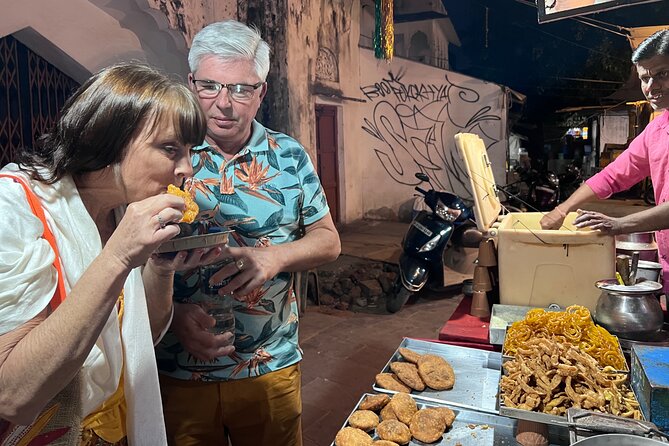
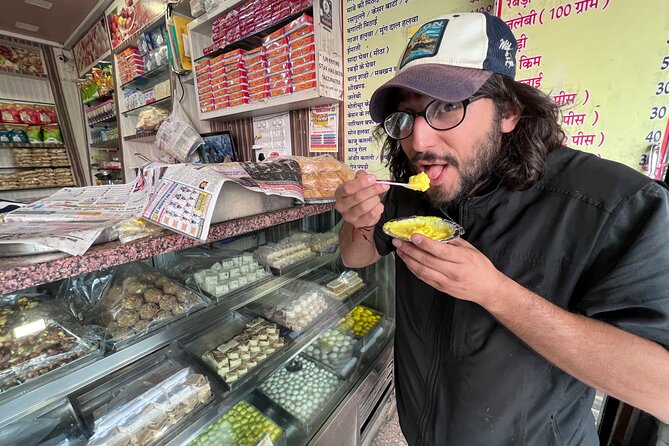
- Eight food and drink tastings: Try rose gulkand lassi, poha, dal pakwan, herbal tea, malpua, falafel, and Pushkar kachori.
- Temple-rich walking route: Visit Pushkar Lake, Varaha Temple, Old Rangji Temple, and Brahma Temple.
- A private experience: Only your group takes part, making it easier to ask questions and discuss Hindu customs.
- A useful hygiene focus: Food stops are selected for hygiene, and one review specifically noted bottled water and ice at the stops.
- Rose culture included: Visit a rose factory shop and learn about one of Pushkar’s distinctive local products.
- Strong value at $15: For three hours of food, guiding, and cultural sightseeing, the price is modest.
Why this food walk works well in Pushkar
Pushkar can feel like two places at once. It is a sacred Hindu town centered on a lake and temples, but it is also filled with cafés, snack stalls, sweets, and food influenced by both Indian and international visitors. The Pushkar Route makes sense because it does not treat eating and sightseeing as separate tasks.
You taste something, walk a little, hear about a temple or custom, then stop again. That rhythm gives your stomach time to catch up and keeps the tour from becoming a simple list of snacks. It also helps you see how food fits into the religious life of the town.
This is a private activity, so you are not sharing the guide with a large group. That matters in Pushkar, where the best explanations often come from small questions: why a temple is important, how certain foods connect to local customs, or how the town’s spiritual identity shapes what people eat.
The tour lasts about three hours and ends where it begins at Rangji Temple. Pickup is offered, and you receive a mobile ticket. Since the start point is given as Rangji Temple, you should confirm the pickup details with the operator before setting out.
A few more options to weigh up in India
- Spiritual City Walking Tour-THE Pushkar Route
★ 5.0 · 907 reviews - Afternoon Walk Tour with Sunset & Fire Ritual -The Pushkar Route
★ 5.0 · 119 reviews - Evening Walking Tour with Fire Rituals-The Pushkar Route
★ 4.9 · 108 reviews
Starting near Rangji Temple
The meeting point is Rangji Temple, listed at FHR4+44Q, Pushkar, Rajasthan 305022. Starting here puts you close to one of Pushkar’s major religious sights and begins the walk in an area where the town’s temple culture is easy to feel.
Rangji Temple is also a practical starting point for a food and culture route. You are not being collected for a long drive to a distant restaurant. The experience begins on foot, with the town itself providing the setting.
Manish is the named guide, and his role appears to be more than simply leading you from one food stop to another. His explanations cover Pushkar’s culture, Hindu religious meaning, and the background of the town. Several strong comments about the experience focus on his friendliness, humor, clear communication, and ability to make people feel welcome.
That personal contact is one of the best reasons to choose a private walk instead of trying to copy the food route on your own. You could find some of the snacks independently, but you would miss the link between the dishes, the temples, and the customs.
Pushkar Lake, the town’s spiritual center
Pushkar Lake is the first named stop. It gives the route an important sense of place before the food tasting becomes the main focus.
The lake is central to Pushkar’s religious identity, and the walk uses it to explain why this small town attracts pilgrims and visitors interested in Hindu traditions. You can expect the guide to discuss religious significance and local customs here, rather than offering only a quick photo stop.
This is also a useful point to settle into the pace. You are not rushing directly into a string of heavy foods. The lake provides a cultural beginning, while later stops bring you into the everyday food life of Pushkar.
Keep in mind that this is a town walk, not a private sightseeing visit with long periods inside each monument. If you want extended time for quiet reflection or detailed photography, you may need to return to the lake after the tour.
Varaha Temple and Pushkar’s religious layers
The next stop is Varaha Temple, another place where the guide can explain Hindu beliefs and the religious importance of Pushkar. The temple visit adds substance to the food route, since you are not simply eating your way through town without context.
For me, this is where the tour’s two themes begin to work together. Food in a sacred town is not just fuel. It can reflect tradition, local habits, vegetarian practice, and the way people move through a place built around worship.
The available details do not specify how long you spend inside the temple or whether a particular ceremony takes place during your visit. You should think of it as a guided cultural stop rather than a guaranteed ritual event.
The walk between the temples and food stalls also serves a practical purpose. You have time to digest between tastings, which is welcome when the menu includes fried snacks, sweets, and drinks.
A completely different kind of day out:
- Old & New Delhi City Tour – Half or Full Day Options Available
★ 5.0 · 4,811 reviews - Old & New Delhi City Tour – Choose Half or Full Day Experience
★ 5.0 · 4,513 reviews - Same Day Taj Mahal, Agra Fort & Baby Taj Tour from Delhi by Car
★ 5.0 · 4,304 reviews - Taj Mahal Day Tour from Delhi by Superfast Train – TOP RATED TOUR
★ 5.0 · 4,166 reviews
Old Rangji Temple, a quieter cultural stop
Old Rangji Temple comes next. The route describes its temples as less visited, and this is one of the features that gives the walk more character than a basic restaurant crawl.
Pushkar’s best-known religious sites can draw much of the attention. A stop at an older, quieter temple gives you a chance to hear about the town beyond its most photographed locations. Manish’s explanations are particularly useful here because temple architecture and Hindu customs can be difficult to understand without local context.
The quieter setting may also appeal to you if you prefer a walk that feels personal rather than staged. At the same time, temple access and atmosphere can vary. The supplied details do not promise a particular ceremony, interior access, or amount of free time, so treat the visit as a guided stop within the larger route.
The Brahma Temple and the best-known landmark
The Brahma Temple is another major stop. Pushkar is strongly associated with Lord Brahma, and this temple gives the tour its clearest connection to the town’s religious reputation.
The guide’s role matters here. A quick visit on your own may show you the building, but it will not necessarily explain why the temple is important or how it fits into Pushkar’s religious identity. The tour is designed to cover Hindu customs and significance, so you can ask questions as they arise.
The temple also gives you another break between food tastings. That pacing keeps the afternoon from turning into a heavy three-hour meal. Still, you should expect a substantial amount of food overall, especially if you sample every included item.
Dress and behavior should be respectful at the temples. The tour information does not give a detailed dress code, but modest conduct is the sensible approach in any religious setting.
What you eat along the Pushkar Route
The food is the heart of the experience. The included tastings cover sweet, savory, spiced, creamy, fried, and herbal flavors. Here is what you can expect.
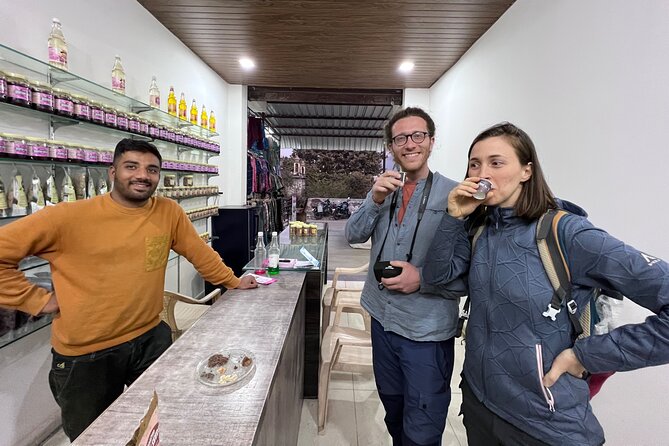
Rose gulkand lassi: This drink combines lassi with rose and gulkand, a sweet preserve made from rose petals. It offers a direct taste of Pushkar’s rose-growing and rose-product culture. Since it is sweet and filling, you may want to pace yourself early in the walk.
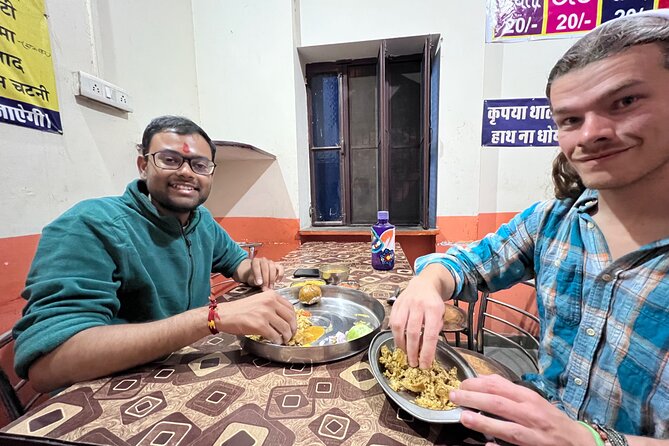
Pushkar poha: Poha is a popular flattened-rice dish, usually served as a light savory snack or breakfast-style food. It is a useful introduction to everyday Indian flavors before the richer items arrive.
Pushkar dal pakwan: This combines dal with pakwan, a crisp fried bread. You get a contrast between soft, seasoned lentils and crunchy pastry. It is one of the more substantial savory tastings on the route.
Pushkar herbal tea: The tea offers a lighter pause between foods. The details do not identify the exact herbs or preparation, so you should ask Manish what is in your cup if that matters to you.
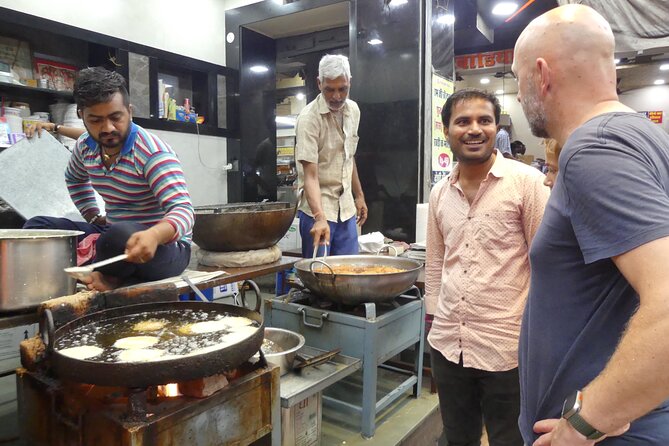
Pushkar malpua: Malpua is a sweet fried pancake, often soaked or served with syrup. It is a dessert-like stop and a good reason to save room rather than treating the first few tastings as a full meal.
Falafel: Falafel brings a Western or international note to the route. Pushkar attracts people from around the world, and its food scene reflects that mix. This stop helps show that local eating here is not limited to traditional Rajasthani dishes.
Pushkar kachori: Kachori is a crisp, filled pastry with a savory center. It is a classic Indian snack, but it can be rich and spicy. If you are sensitive to heat or fried food, ask about the filling and spice level before eating.
The order of these tastings is not provided, and the exact vendors may vary. The experience promises handpicked stalls and vendors, with attention to hygiene. One detailed account specifically praised the use of bottled water and ice, which is a useful point for anyone cautious about street food.
A stop at a rose factory shop
The rose factory shop adds a local-product element that many food walks would skip. You are not only tasting rose gulkand lassi. You also get a chance to see how rose-related goods are presented and sold in Pushkar.
This can be a good place to understand why rose flavors appear in the town’s food and drinks. It also gives you a break from eating and may offer a shopping opportunity.
The information does not say that a purchase is required, nor does it list any included products beyond the tasting. You can browse without assuming that shopping is the main purpose of the stop. If you are trying to keep luggage light, simply treat it as a short cultural and food-related visit.
How the private format changes the experience
The private setup is one of the tour’s clearest advantages. Only your group participates, so Manish can adjust his explanations to your questions and interests. If you want more detail on Hindu customs, he can focus there. If food is your priority, you can ask more about ingredients and preparation.
A private walk is also easier for mixed groups. One person can ask about temples while another concentrates on food hygiene or local products. That kind of conversation is harder when a guide must move a large group along.
The tradeoff is that there is no larger group to provide social energy. If you enjoy meeting strangers during a food tour, a private activity may feel more contained. For most people seeking cultural explanation and a relaxed conversation, that is likely a fair exchange.
Is $15 good value for three hours?
At $15 per person, the tour is priced modestly for a three-hour private food and sightseeing experience. The value comes from the combination of included tastings, a local guide, temple visits, and the rose factory stop.
If you bought similar snacks one by one, the food alone might not represent the full value. You are paying for someone to select the stops, explain the town, manage the route, and connect the food to Pushkar’s spiritual life. The inclusion of several drinks and snacks makes the price easier to justify.
The private format makes the price especially appealing for couples, families, or small groups. You receive a private guide without the cost of a high-end private excursion.
You should still check what you want from the experience. If you mainly want a large sit-down meal, this is not the right product. It is a walking tasting route, with food served in smaller portions and cultural stops between them.
Who should book this Pushkar walk?
I would recommend it to first-time visitors who want an easy introduction to Pushkar’s food and religious character. It is also a good choice if you are unsure where to eat and would rather have a local guide select stops that are considered hygienic.
Food-focused visitors will enjoy the range. You get local Indian snacks, rose-flavored items, tea, sweets, and falafel, so the route shows both tradition and the international side of Pushkar.
It suits people who like to ask questions. Manish’s value comes through his cultural explanations and his willingness to help with broader Pushkar suggestions. The experience is less suitable if you want silent temple time, a formal cooking class, or a restaurant meal with table service.
Most people can participate, according to the activity details. Even so, remember that it lasts about three hours and takes place as a walking route through town. If you have mobility concerns or strong food restrictions, contact the operator before booking because the available information does not provide a detailed accessibility or dietary plan.
Booking, pickup, and cancellation details
Confirmation is provided when you book, and a mobile ticket is available. Pickup is offered, but the stated start point is Rangji Temple, so confirm where Manish will meet you.
The tour is commonly booked about seven days ahead. That is a useful guide if you are planning a fixed Rajasthan itinerary, though the activity may have different availability at other times.
You can cancel for a full refund if you do so at least 24 hours before the local start time. Cancellations or changes made within 24 hours are not refunded or accepted. That policy is fairly flexible for ordinary itinerary changes, but you should avoid leaving cancellation decisions until the last day.
Should you book The Pushkar Route?
Book this tour if you want Pushkar explained through both its food and its temples. The combination is the real strength: rose lassi, poha, dal pakwan, malpua, kachori, and other tastings are more meaningful when you understand the town where they are served.
I would especially choose it early in a Pushkar stay. You can get food ideas, cultural context, and practical suggestions for the rest of your visit. At $15 per person, the mix of private guiding, included food, and sightseeing offers strong value.
Skip it if you want a quiet, food-free temple tour or a single large meal. For most curious eaters, though, this is a friendly and well-paced way to get to know Pushkar, with Manish’s personal guidance adding much of the charm.
FAQ
Where does The Pushkar Route begin?
The tour begins at Rangji Temple in Pushkar, Rajasthan. The listed address is FHR4+44Q, Pushkar, Rajasthan 305022, India.
Where does the tour end?
The experience ends back at the meeting point.
How long does the experience last?
The walk lasts approximately three hours.
Is pickup available?
Yes. Pickup is offered, but you should confirm the exact pickup arrangement because Rangji Temple is the stated meeting point.
Is this a private tour?
Yes. Only your group participates in the activity.
What foods and drinks are included?
The included tastings are rose gulkand lassi, Pushkar poha, Pushkar dal pakwan, Pushkar herbal tea, Pushkar malpua, falafel, and Pushkar kachori.
Is a rose factory visit included?
Yes. The experience includes a tour of a rose factory shop.
Which temples are visited?
The route includes Pushkar Lake, Varaha Temple, Old Rangji Temple, and Brahma Temple.
How much does the tour cost?
The listed price is $15 per person.
Can I cancel for a full refund?
Yes. You can receive a full refund if you cancel at least 24 hours before the experience start time. Cancellations or changes made less than 24 hours before the start are not accepted and are not refunded.
Just added in India
- Walking Tour in the old part of the city of Varanasi★ 5.0 · 25 reviews
- Explore Chennai City: Guided Walking Tour on Foot★ 4.3 · 22 reviews
- Vibrant Markets of Trivandrum (2 Hours Guided Walking Tour)★ 4.5 · 15 reviews
- Walk of Divinity Bangalore (2 hours guided walking tour)★ 3.8 · 19 reviews
- Victorian Gothic Heritage Quarter and Art Deco Walking Tour★ 4.9 · 14 reviews
- Vibrant Markets of Mumbai (2 Hours Guided Walking Tour)★ 4.4 · 44 reviews
- Varanasi Walking and Heritage Tour★ 4.6 · 15 reviews
- Varanasi: Manikarnika Ghat (Oldest Cremation Site) Tour★ 4.7 · 22 reviews
Pushkar Tours, compared.
Afternoon Walk Tour with Sunset & Fire Ritual -The Pushkar Route
Read our review →
Evening Walking Tour with Fire Rituals-The Pushkar Route
Read our review →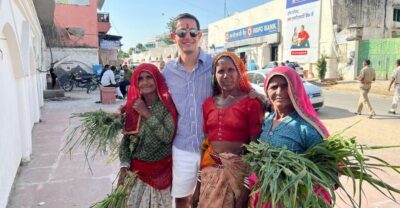
Spiritual Walking tour with Puja Ceremony -The Pushkar Route
Read our review →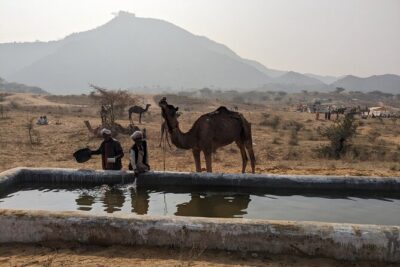
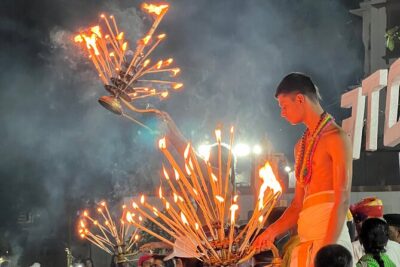
Evening Walking tour with Fire Ceremony – The Pushkar Route
Read our review →

Browse the lists this tour appears in