
Reviewed · COOKING CLASSES
Authentic Bengali Cooking Class in a Local Kolkata Home
Come hungry, leave with new kitchen skills. This private Kolkata cooking class brings you into Zinnia’s small home kitchen, where you learn Bengali techniques and then sit down to eat what you helped prepare. I like the hands-on cooking, especially the chance to make luchi, prawns in mustard gravy, and tomato and dates chutney from scratch. I also like the family setting, which gives the meal a personal touch that a restaurant cannot match.
The main consideration is space and pace. This takes place in a small kitchen, and the cooking portion lasts about one hour within a two-to-three-hour visit. That suits you if you want close instruction and conversation, but it may not suit you if you prefer a large professional kitchen or a highly structured culinary workshop.
In This Review
- Five things to know before booking
- Why this Kolkata cooking class feels personal
- Beginning with Bengali spices and mustard oil
- Rolling dough and frying hot luchi
- Making shorshe chingri and tomato-date chutney
- Sitting down to a Bengali home meal
- Beer, tea, coffee, and an easy pace
- Is $66 a fair price?
- Who will enjoy this experience most?
- Practical details before you go
- Should you book Zinnia’s Bengali cooking class?
- FAQ
- How long does the Bengali cooking class last?
- What dishes will I prepare?
- Is a vegetarian menu available?
- Can I mention allergies or dietary restrictions?
- Are drinks included?
- Is hotel pickup included?
Five things to know before booking
- Panch phoran comes first: Zinnia introduces this Bengali spice blend of cumin, brown mustard, fenugreek, nigella, and fennel.
- You cook more than one signature dish: The class includes luchi, shorshe chingri, and tomato and dates chutney from scratch.
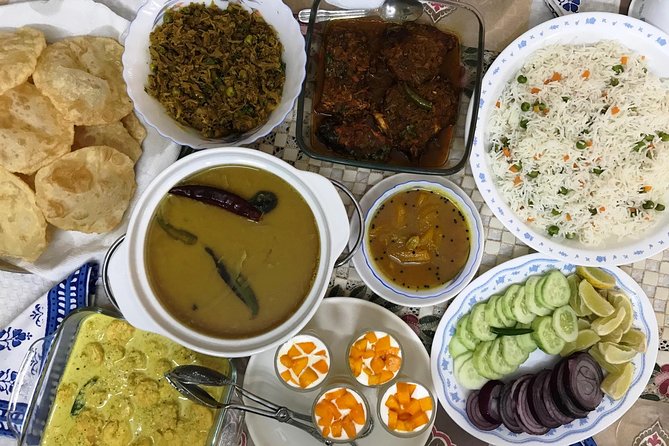
- The meal is part of the lesson: After cooking, you share a home meal that may include fish, mutton, lentils, vegetables, rice, flatbread, and paayesh.
- Zinnia can adjust the menu: Vegetarian meals are available, and you should provide allergy, dietary, or cooking requests when booking.
- It is a fully private visit: Only your group participates, with morning and afternoon options and local beer included.
Why this Kolkata cooking class feels personal
Many food activities show you a kitchen from a safe distance. This one places you beside the cook. Zinnia welcomes you into her home and works with you in her small kitchen, giving the experience a more intimate feel than a standard demonstration.
That setting matters in Kolkata. Bengali food is closely tied to home cooking, family meals, and careful use of mustard, spices, lentils, rice, vegetables, fish, and sweets. You are not simply copying a recipe. You are seeing how a Bengali host explains the food she knows and prepares it in a domestic setting.
The visit is private, so you do not need to share the class with an unrelated group. That gives you room to ask questions, request a vegetarian menu, or focus on a particular cooking skill. A past guest especially valued being welcomed by Zinnia and her family, and appreciated that Zinnia adapted the lesson to a preference for Bengali vegetarian cooking. That is useful to know if you want a menu shaped around your interests rather than a fixed set of dishes.
Still, keep your expectations realistic. This is a home visit, not a commercial cooking school. The kitchen is described as small, and the class is hands-on rather than a long professional course. You should expect practical instruction, conversation, and a shared meal, not a certificate or advanced culinary training.
More Cooking Classes in Kolkata:
- Pink City Cooking Class
★ 5.0 · 452 reviews - Five Course Cooking Class & Meal
★ 5.0 · 250 reviews - Veg and Non veg : Private Cooking Class in Delhi home (7 meal)
★ 5.0 · 226 reviews
Beginning with Bengali spices and mustard oil
The class opens with an introduction to Indian spices. The most distinctive lesson centers on panch phoran, a Bengali spice mix made from five ingredients: cumin, brown mustard, fenugreek, nigella, and fennel.
This is a useful starting point because panch phoran is not just a generic curry powder. Each seed brings a different note, and the blend helps explain why Bengali dishes can taste layered without relying on a long list of ingredients. You get to see the components individually before considering how they work together.
Zinnia also explains the role of mustard oil in Bengali cooking. It is a defining flavor in many dishes, particularly preparations involving fish, prawns, and mustard paste. The oil has a strong character, so this part of the class helps you understand the flavor before it appears in your meal.
Another practical lesson involves mustard seeds being ground into a paste. That step connects directly to shorshe chingri, the prawn dish prepared later. Instead of treating mustard sauce as a mysterious finished product, you see how a familiar Bengali flavor begins with a simple ingredient and a basic preparation.
I like this portion because it gives context without turning the class into a lecture. You learn the ingredients through the food you are about to cook. If you enjoy bringing ideas home from a trip, panch phoran and mustard paste are more useful takeaways than a vague explanation of Indian spices.
Rolling dough and frying hot luchi
Next comes luchi, a puffy Bengali flatbread made by rolling dough and frying it. The process is simple to describe but rewarding to try. You shape the dough, roll it out, and fry it, watching it puff into a light bread suited to scooping up curry and lentils.
This is one of the most active parts of the class. You are not just stirring a pot or watching Zinnia work. You handle the dough and learn how the bread is prepared in a Bengali home.
The frying step also makes this a useful cooking lesson for people who want clear technique. Luchi is served fresh, so timing matters. It belongs on the table alongside the main dishes rather than waiting around for a long period. The class gives you a chance to understand that relationship between cooking and serving.
There is a small practical point here: deep-fried bread is not the lightest part of the meal. If you are watching your oil intake, you may want to ask about the menu when you book. Still, luchi is one of the defining pleasures of a Bengali feast, and preparing it yourself adds a sense of occasion.
Making shorshe chingri and tomato-date chutney
The seafood lesson focuses on shorshe chingri, prawns cooked in mustard gravy. Bengali cuisine is known for using mustard with fish and seafood, and this dish lets you see how the sharp mustard flavor works with prawns.
You also prepare tomato and dates chutney from scratch. This gives the meal a sweet counterpoint to the savory dishes. Chutney is not an afterthought here. It helps show how a Bengali meal moves through different tastes and textures, from lentils and vegetables to seafood, rice, bread, and dessert.
The menu can change with the season, so you should not treat every dish listed as guaranteed on every date. You might find shorshe maach, fish cooked in mustard sauce, or kosha maangsho, a slow-cooked mutton curry, as part of the meal. Other possible dishes include aaloo posto, potatoes with poppy seeds, begun bhaaja, fried eggplant, and cholar dal, a Bengali lentil preparation.
This variation is a benefit for repeat visitors and anyone interested in seasonal home cooking. It is a minor drawback if you are booking mainly for one specific dish. Ask about current availability if a particular recipe is the main reason you want to attend.
A few more options to weigh up in Kolkata
- Cultural Confluence of Kolkata – Culture Kaleidoscope Tour
★ 5.0 · 701 reviews - Kolkata Heritage Tram Tour
★ 4.0 · 395 reviews - Bengali Nights Kolkata Food Tour with 13+ Tastings
★ 5.0 · 325 reviews - Magic Hour Tour
★ 5.0 · 241 reviews
Sitting down to a Bengali home meal
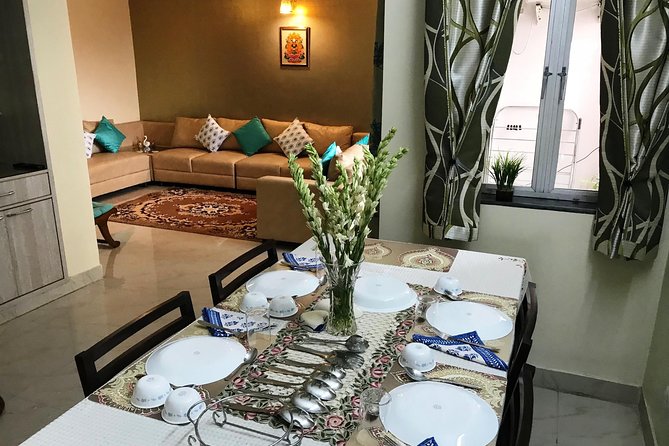
After roughly one hour of cooking, you join Zinnia and, when they are at home, her family at the dining table. The meal is the second half of the experience, not a quick tasting after the real activity is over.
That shared table is what separates this visit from a basic cooking demonstration. You get to eat the dishes while they are still connected to the work you have just done. You also see how the meal functions as a complete Bengali spread, with different dishes served together rather than as isolated restaurant courses.
A typical meal might include fish in mustard sauce or mutton curry, a vegetable preparation such as aaloo posto or begun bhaaja, cholar dal, rice or flatbread, and tomato and dates chutney. The exact combination depends on the season and the arrangements made for your visit.
Dessert is likely to be paayesh, a rice pudding that is especially favored in Bengali homes for celebrations and other occasions. It gives the meal a gentle finish after the stronger mustard, spice, and fried flavors.
I like that the meal includes ordinary home dishes alongside better-known Bengali specialties. You get a broader idea of the cuisine than you would from eating only one restaurant curry. The family connection can also make the evening feel warm and social, though the family may not always be present. The description makes that clear, so book for the home cooking and private setting rather than expecting a guaranteed large family gathering.
Beer, tea, coffee, and an easy pace
The meal includes one or two glasses of local beer, along with tea, coffee, water, and other drinks. That helps make the visit feel like a full social meal rather than a cooking class that ends as soon as the stove is turned off.
The morning and afternoon choices give you some control over your day. A morning session works well if you want the main meal earlier, while an afternoon class can become a relaxed lunch or dinner experience depending on the schedule. The total visit lasts about two to three hours, with the cooking section taking about one hour.
Do not pack another tightly timed activity immediately afterward. The class includes cooking, eating, and conversation, and the pace is likely to feel more natural than a timed restaurant reservation. Hotel pickup and drop-off are not included, so you need to arrange your own way to the Kolkata meeting location.
The mobile ticket is convenient for keeping the booking details on your phone. Confirmation is provided at booking, and the experience is private for your group.
Is $66 a fair price?
At $66 per person, this is not the cheapest way to eat in Kolkata. You can find inexpensive Bengali meals elsewhere, and a cooking class always costs more than a restaurant lunch because you are paying for instruction, preparation, hosting, and a private setting.
The value improves if you care about the full experience. You receive a private class with Zinnia, a home-cooked lunch or dinner, the ingredients and food involved in the lesson, drinks including local beer, and all taxes and handling charges. You also get direct guidance on panch phoran, mustard oil, mustard paste, luchi, prawns, and chutney.
For a first visit to Kolkata, that combination can be worth the price. You eat a substantial meal and gain techniques you can try again. The personal setting also gives you a better sense of Bengali food as home cooking, not just as a menu category.
The value is weaker if your priority is simply quantity or low cost. You may prefer a restaurant crawl or market visit if you want to sample many dishes without spending several hours in one home. This experience earns its price through contact and participation, not through a long list of attractions.
Who will enjoy this experience most?
I would recommend it most strongly to:
- Food-focused visitors who want to cook rather than only eat.
- Couples, families, and small groups who value a private setting.
- People curious about Bengali home life and regional ingredients.
- Visitors who want a slower meal with conversation.
- Vegetarians, provided they request the suitable menu in advance.
- Cooks who want practical ideas for mustard-based dishes, chutney, lentils, and flatbread.
It may be less suitable if you want a large kitchen, a formal culinary school atmosphere, or a guaranteed menu built around one exact dish. The class is also not the right choice if you need hotel transport included, since pickup and drop-off are not part of the price.
The experience has received a 5 out of 5 rating from 11 published reviews, with 100 percent recommending it. The praise centers on Zinnia’s cuisine, her welcoming family atmosphere, and her ability to adapt the lesson to a guest’s wish to learn Bengali vegetarian cooking. Those points match the strongest reasons to book: personal hosting and food prepared with you, not simply for you.
Practical details before you go
Tell the provider about allergies, dietary restrictions, and cooking preferences at the time of booking. Vegetarian food is available on request, but you should not wait until you arrive to mention it.
The menu changes with the season. If you hope to cook prawns, fish, mutton, or a particular vegetable dish, ask what is planned before you commit. The meal may include local beer, but the experience also provides tea, coffee, water, and other drinks.
The tour begins in Kolkata, also called Calcutta, in West Bengal. Transportation to and from your hotel is not included. Since the activity lasts two to three hours and includes a meal, allow extra time around it for getting to the home and continuing your day.
Free cancellation is available if you cancel at least 24 hours before the local start time. Changes or cancellations inside that window are not accepted for a refund.
Should you book Zinnia’s Bengali cooking class?
Book this experience if you want a private, food-centered look at Kolkata that combines useful instruction with a home meal. The best parts are the spice lesson, the chance to prepare luchi and shorshe chingri, and the warm table setting with Zinnia and her family when they are home.
I would skip it only if you want a fast meal, a large professional kitchen, or the lowest possible food cost. For everyone else, $66 buys more than dinner. It buys time in a local home, a practical introduction to Bengali flavors, and a meal you helped create from the first spice to the final spoonful of paayesh.
FAQ
How long does the Bengali cooking class last?
The experience lasts approximately two to three hours. The hands-on cooking portion lasts about one hour, followed by the home-cooked meal.
What dishes will I prepare?
The class includes instruction on luchi, shorshe chingri, and tomato and dates chutney. The broader meal may include dishes such as fish in mustard sauce, mutton curry, potatoes with poppy seeds, fried eggplant, cholar dal, rice, flatbread, and paayesh.
Is a vegetarian menu available?
Yes. Zinnia can provide vegetarian meals, but you need to request this when booking.
Can I mention allergies or dietary restrictions?
Yes. You should advise the provider about allergies, dietary restrictions, and cooking preferences at the time of booking.
Are drinks included?
Yes. The experience includes one or two glasses of local beer, as well as tea, coffee, water, and other drinks.
Is hotel pickup included?
No. Hotel pickup and drop-off are not included. The meeting location is in Kolkata, so you need to arrange your own transportation.
Just added in Kolkata
- Kolkata 3-Hour Tour of Kumortuli – The Goddess Beckons★ 5.0 · 26 reviews
- Explore Kolkata- Private Tour with Lunch★ 5.0 · 87 reviews
- Walk the Kolkata Wetlands: Green Eye Candy★ 5.0 · 10 reviews
- Taj Mahal and Agra Day-Trip from Kolkata with Both side Commercial Flights★ 5.0 · 15 reviews
- Kolkata – A Sea of Faces and A Thousand Places (local guide)★ 5.0 · 52 reviews
- Guided Kolkata Sightseeing Trip by Car, Walk & Sunset Cruise Excursion Trip★ 5.0 · 13 reviews
- Day trip from Kolkata to Bishnupur for Terracotta Temples and Silk★ 5.0 · 14 reviews
- Raj Heritage Walk★ 5.0 · 93 reviews
Cooking Classes, compared.
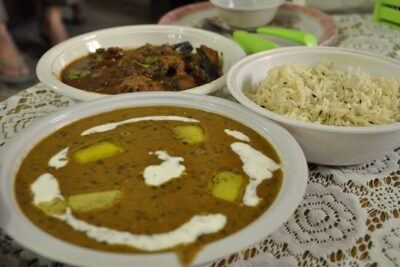
Veg and Non veg : Private Cooking Class in Delhi home (7 meal)
Read our review →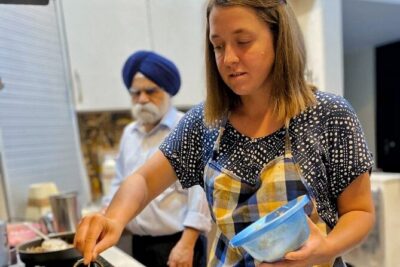
Indian Cooking Class in an Authentic Local Home – Learn 6 Dishes
Read our review →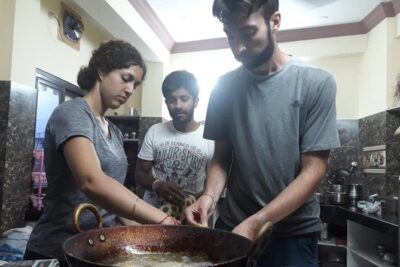
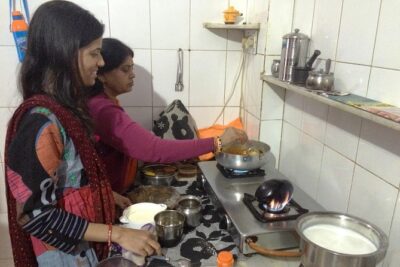
Jaipur Market Tour & Vegetarian Rajasthani Home Cooking Class
Read our review →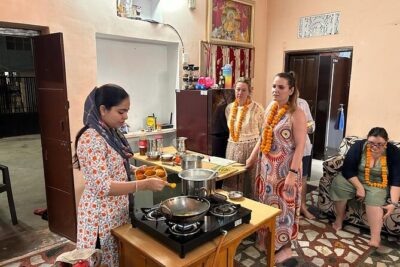
Cooking Class in Jaipur – Family Experience with Meal & Transport
Read our review →
Interactive Cooking Class with a Local Family in Jaipur
Read our review →Browse the lists this tour appears in