
Reviewed · WALKING TOURS
Why Pune? : A Heritage Walk through Old Pune
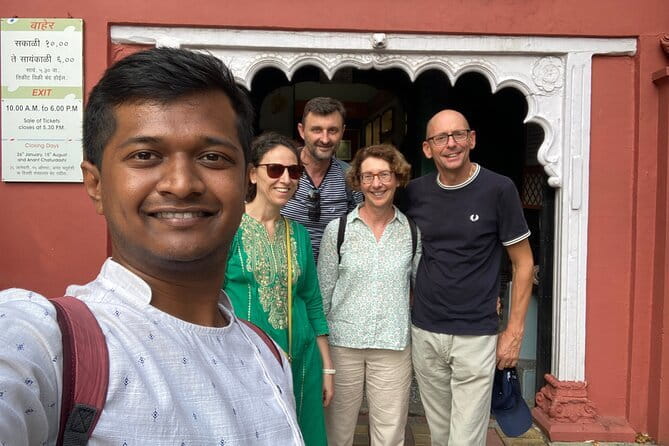
Pune’s old center tells several stories at once. This 2.2-kilometer walk connects Peshwa power, Shivaji Maharaj, Ganesh worship, social reform, the freedom movement, trade, and colonial change, giving you a useful picture of how a small settlement grew into a major Indian city. I especially like the way the route links famous places with quieter lanes and overlooked buildings. I also like that Dhruva Kalita, known as Dhruv during the walk, brings a local point of view shaped by more than 300 heritage walks.
The walk costs $16.84 per person, which is fair for a small-group experience lasting roughly two and a half to three hours and including snacks. The main consideration is practical: Shaniwar Wada admission is not included, and the route finishes about 2 kilometers from where it begins. You will also be on foot through a dense city center, so this suits you best if you enjoy walking and lively urban surroundings.
In This Review
- Key details before you book
- Why this walk gives Pune a useful introduction
- Shaniwar Wada sets the Peshwa stage
- Lal Mahal brings village-era Pune into view
- Kasba Peth Ganpati shows Pune’s local character
- Nana Wada adds another political address
- Bhausaheb Rangari links home life with resistance
- Bhide Wada presents Pune’s reformist side
- A famous Ganesh temple appears along the way
- Tulshibaug combines worship, shopping, and architecture
- Mandai closes the story at a working market
- What Dhruva adds to the experience
- The $16.84 price and what you receive
- Practical advice for choosing the right day
- Who should book this Old Pune walk?
- Should you book Why Pune?
- FAQ
- Where does the heritage walk begin?
- Where does the tour end?
- How long does the experience last?
- How far do you walk?
- Is admission to Shaniwar Wada included?
- Are snacks included?
- Is private transportation included?
- How many people can join the tour?
- Is the tour close to public transportation?
- Can you cancel for a full refund?
Key details before you book
- A 2.2-kilometer route with nine key landmarks: The short distance hides a full look at Pune’s political, religious, social, and commercial past.
- Shaniwar Wada provides the opening context: You spend about an hour at Pune’s best-known Peshwa site, with admission paid separately.
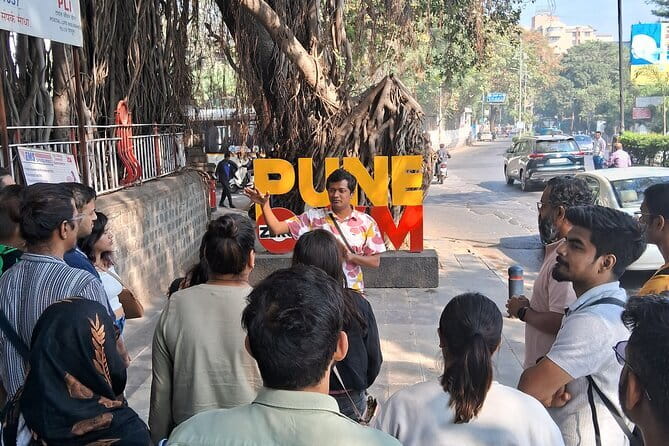
- Dhruva Kalita leads the walk: His experience with more than 300 heritage walks helps turn buildings and lanes into connected stories.
- Old Pune appears through many lenses: Temples, former residences, a market, a revolutionary’s home, and a reformer’s school site all have a place.
- Snacks are included: Small food stops add a local touch without turning the experience into a full food tour.
- The route ends at Mandai: You finish at Mahatma Jyotiba Phule Mandai, a useful place to continue exploring or arrange transport onward.
Why this walk gives Pune a useful introduction
Many city tours collect monuments. This one tries to explain why those monuments matter together. You begin with the Peshwas, move through the older religious quarters, encounter reform and resistance, and finish at a market tied to Pune’s colonial-era growth.
That approach is the main strength. You are not simply taking photographs at Shaniwar Wada and then moving on. The route shows how authority, belief, education, trade, and public life shaped the old city.
I also like the scale. At 2.2 kilometers, the walk is long enough to reveal changes between neighborhoods but short enough to manage in one morning or afternoon. The stated duration ranges from about 2 hours 30 minutes to 3 hours 20 minutes, so leave room in your schedule rather than booking a tight onward connection.
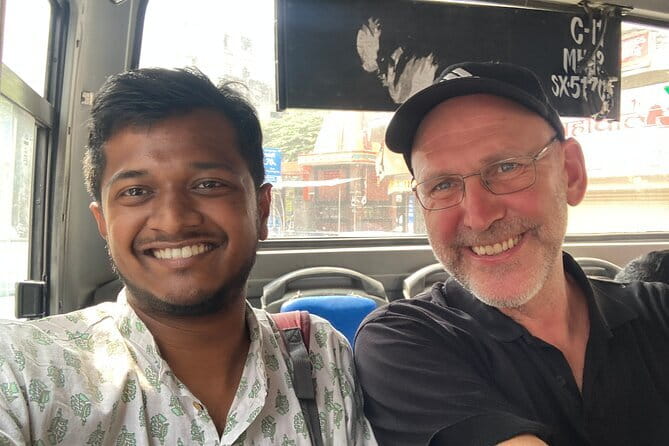
The group can have up to 15 people. That is still small enough for a personal feel, though a full group may make it harder to hear in noisy streets or crowded market areas. Dhruva’s reported clear English and friendly manner are useful assets, especially when the subject moves between local names, political history, and religious traditions.
More Walking Tours in Pune:
- Pune Walking Tour with a Punekar
★ 4.5 · 76 reviews - Pune: Old City & Camp Cultural Walking Tour with Local Snack
★ 4.9 · 65 reviews - Immersive walking tour in Pune for cultural immersion with guide
★ 5.0 · 35 reviews
Shaniwar Wada sets the Peshwa stage
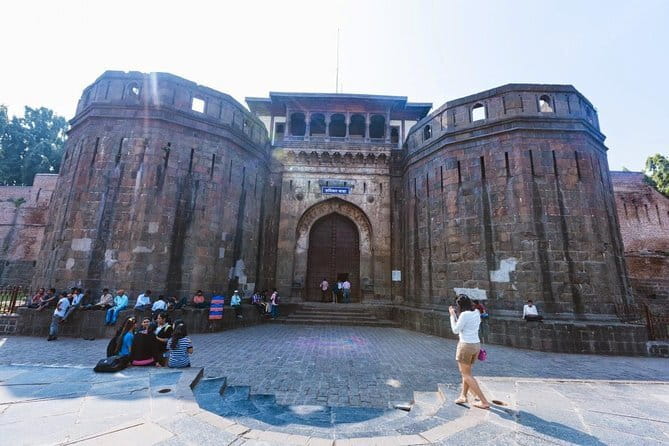
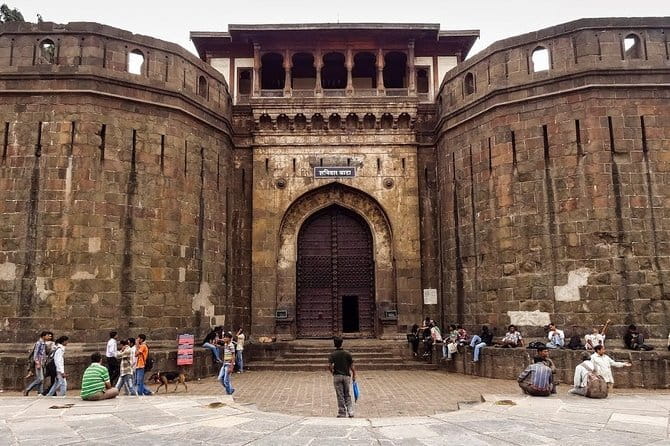
The walk starts at Shaniwar Wada, once the residence of the Peshwas. You spend about an hour here, making it the longest stop by far and the key to the rest of the route.
Expect the guide to use the palace complex to establish Pune’s political importance. The discussion covers key locations inside the former residence and explains how power was organized before the walk moves into the wider city.
The admission ticket is extra. That matters when you calculate the true cost, although the added expense is limited to one site rather than several paid attractions. If you want to understand the political background before visiting the temples and former homes later in the route, this opening stop does the job.
Shaniwar Wada can also be the most demanding part of the visit if you are hoping for a quiet museum-style experience. The rest of the route depends more on streets, exteriors, and spoken explanation. I would choose this walk for its interpretation rather than for a long list of indoor displays.
Lal Mahal brings village-era Pune into view
The next stop is Lal Mahal Chitra, with about 10 minutes devoted to the former residence associated with Chhatrapati Shivaji Maharaj. Here, the focus shifts from the Peshwa period to an earlier stage in Pune’s political story, when the city was still closer to a village than a metropolis.
This short stop works as a bridge. It helps you see that Pune’s importance did not begin with one ruler or one building. The city’s identity developed through several periods of political change.
Ten minutes is not enough for a detailed architectural visit, so keep your expectations realistic. The value is in the explanation and the connection to the wider route, not in spending a long time at the site.
Kasba Peth Ganpati shows Pune’s local character
At the roughly 400-year-old Kasba Peth Ganpati Temple, the walk turns toward religious life. The stop lasts about 15 minutes and gives you a sense of the old neighborhoods that helped define Pune’s early identity.
This is one of the places where the route feels most connected to daily life. The temple is not treated as an isolated sight. It helps explain the religious character of the city and the origins of the old center.
You should dress and behave respectfully at religious sites. The tour details do not promise a special-access visit or a long interior tour, so the emphasis remains on the setting, history, and local meaning.
A few more options to weigh up in Pune
- Guided Highlights of Pune Car Tour with a local (4 Hrs Sightseeing in AC Car)
★ 4.5 · 88 reviews - Private 2-Day Tour to The Taj Mahal and Agra with Both Side Commercial Flights
★ 5.0 · 63 reviews - Skip the Line: Meher Retreat Day Picnic Ticket, Near Pune
★ 3.5 · 57 reviews - Immersive culture tour of Pune by private car with guide and local lunch
★ 5.0 · 38 reviews
Nana Wada adds another political address

Nana Wada takes about 10 minutes. This former home of a statesman adds another piece to the political story, while also pointing to the changing population and social makeup of Old Pune.
The stop may appeal most to you if you enjoy seeing how history appears in ordinary urban spaces. A former residence can say as much about administration and status as a grand palace, especially when a guide explains the people connected with it.
Because the visit is brief, you will likely spend more time hearing the story than examining a large collection of objects. That is typical of this walk: the city itself is the material, and Dhruva is there to connect the pieces.
Bhausaheb Rangari links home life with resistance
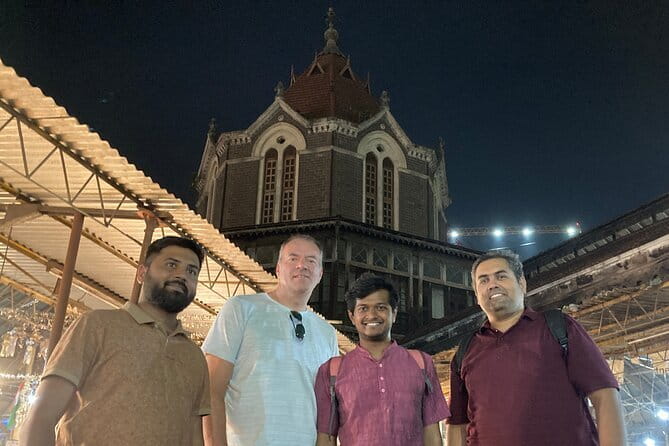
The Shrimant Bhausaheb Rangari Ganpati stop lasts around 20 minutes. You see a well-maintained former home associated with a revolutionary and hear about Pune’s role in India’s freedom movement.
This is a particularly useful change of focus. The route has already covered rulers and religious institutions. Now it turns toward political action and resistance, showing how Pune’s story continued beyond royal households.
The Ganpati connection also reinforces how religion and public life overlap in the city. The stop is not just about a house or an individual. It helps explain how local religious traditions could also carry civic and political meaning.
Bhide Wada presents Pune’s reformist side
At Bhide Wada, the route examines the home of a former reformer. The stop lasts about 10 minutes and brings education, social change, politics, and reform into the walk.
This is one of the route’s most important stops for anyone who wants more than a ruler-focused version of Pune. It adds people and ideas that changed public life, rather than concentrating only on grand buildings and famous leaders.
The site is also associated with an ongoing effort to protect and preserve its meaning. The information supplied for the experience identifies the Bhide Wada preservation campaign and its founder, Prashant Phule. You should expect the stop to focus on context and the reform movement rather than a large formal museum visit.
A famous Ganesh temple appears along the way
Between the listed stops, you pass one of Pune’s most iconic Ganesh temples, described as one of India’s wealthiest. The route uses this brief passage to discuss the temple’s history and visual grandeur.
This section adds variety because you are moving through the city rather than stopping only at formal sites. You get to see how major religious landmarks fit into the streets around them.
The description does not assign a separate time or admission arrangement for this temple, so treat it as a passing point rather than a guaranteed extended visit. That is worth knowing if you want a detailed look inside every religious building.
Tulshibaug combines worship, shopping, and architecture
The Tulshibaug Shri Ram Temple takes about 20 minutes, with the route passing through the busy Tulshibaug market. This is where architecture, worship, and commerce meet most clearly.
The market setting gives the walk some energy, but it also brings the usual urban trade-offs. Streets may be crowded, conversation can be harder to follow, and you will need to stay aware of people and movement around you. In return, you see a functioning part of Old Pune rather than a polished monument zone.
The temple is described as quaint, and the surrounding area helps explain the history of Tulshibaug. I like this stop because it makes the past feel practical. Religious buildings, shopping streets, and local routines are all part of the same neighborhood.
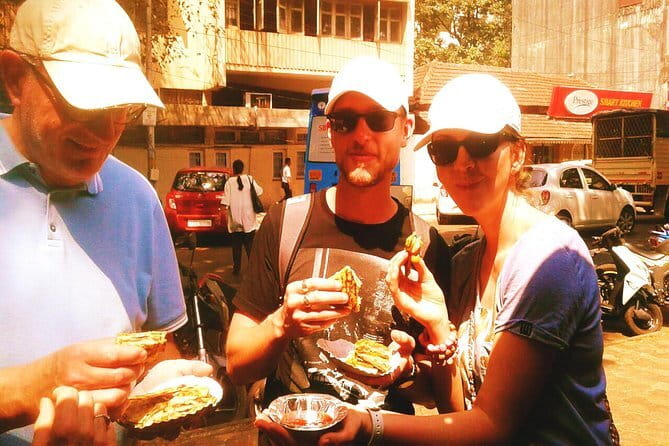
Snacks are included during the experience. The exact snacks are not specified, but the food pauses add a pleasant local note and give you a short break during the walk. This is not a substitute for a meal, since meals are excluded.
Mandai closes the story at a working market
The final stop is Mahatma Jyotiba Phule Mandai, also called Mahatma Phule Market. The colonial-era vegetable market receives about 15 minutes, and the walk ends here.
Mandai is a fitting finish because it shifts attention from palaces and temples to trade and city growth. The market helps explain Pune’s move into a colonial city and then into the modern period. It also gives Dhruva a place to connect the earlier stops with the city’s present and future.
The end point is about 2 kilometers from Shaniwar Wada. That is close enough for a simple onward plan, but it is not the same place where you started. You can use the nearby public transportation network, arrange a ride, or continue exploring the Mandai and old market area on your own.
What Dhruva adds to the experience
The guide is central to the value here. Dhruva Kalita has conducted more than 300 heritage walks and is a proud Punekar, so the walk is built around local knowledge rather than a generic city script.
His strengths, as reflected in the available feedback, include clear English, detailed explanations, humor, and a warm manner. He is also described as helpful with recommendations for other places and willing to adjust the walk around personal interests.
That flexibility can matter. One account describes Dhruva changing the focus to suit a participant and even helping with gift shopping afterward. That kind of extra assistance is not a formal promise of the tour, but it suggests a guide who treats the walk as a conversation rather than a lecture.
The best feedback repeatedly praises his ability to make Pune’s local, regional, and national history easy to follow. If you enjoy asking questions, comparing different periods, or discussing politics and society, you are likely to get more from the experience than someone who wants only quick photo stops.
The $16.84 price and what you receive
At $16.84 per person, this is a modestly priced guided experience. The value comes from the number of connected places, the guide’s time, the small-group limit of 15, and the included snacks.
You should add the Shaniwar Wada admission ticket when planning your budget. Private transportation and meals are not included, but neither is especially concerning for this type of route. The walk begins and ends in the city center, and the experience is designed around public streets rather than a private vehicle.
I consider the price strongest if you are new to Pune and want a clear orientation before exploring alone. It is also useful if you have limited time and want several themes covered in one outing. If you already know Old Pune well, the value depends on how much fresh context Dhruva can add.
Practical advice for choosing the right day
The route takes place through dense central streets, religious areas, market lanes, and a working vegetable market. Wear comfortable shoes and plan for a steady walk. The exact timing is not provided, so check the start time carefully and allow the full three hours.
A mobile ticket is provided, and confirmation arrives at booking. The meeting point is Shaniwar Wada, at 480 Shaniwar Peth, Pune, Maharashtra 411011. The end point is Mahatma Jyotiba Phule Mandai at Shanipar Chowk, about 2 kilometers away.
Most people can participate, and the experience is near public transportation. No private transfer is supplied, so you are responsible for reaching Shaniwar Wada and continuing from Mandai afterward.
Free cancellation is available if you cancel at least 24 hours before the local start time. Changes or cancellations made less than 24 hours ahead are not accepted for a refund.
Who should book this Old Pune walk?
I would recommend it to first-time visitors who want Pune explained through its neighborhoods rather than reduced to a single fort or palace. It also suits history students, architecture fans, culturally curious residents, and anyone who enjoys a guide who can answer questions.
The route is a good match for you if you appreciate religious sites, political stories, reform movements, and local markets in the same outing. The 2.2-kilometer distance is manageable, but the streets can be active and the total time is long enough to require comfortable footwear.
I would hesitate only if you want air-conditioned transport, a relaxed pace with very little walking, or a food tour built around full meals. You should also think twice if the extra Shaniwar Wada admission or the separate journey back from Mandai creates a problem.
Should you book Why Pune?
Book this walk if you want the city’s parts connected into one understandable story. Shaniwar Wada gives you the political opening, Kasba Peth and Tulshibaug show religious life, Bhide Wada and Bhausaheb Rangari bring reform and resistance into view, and Mandai finishes with trade and modern city growth.
The strongest reason to choose it is Dhruva’s personal, well-informed approach. At $16.84, with snacks included and a maximum group of 15, it offers solid value for a focused introduction to Old Pune. Just budget for Shaniwar Wada, expect a real city walk, and keep enough time afterward to continue from Mandai.
FAQ
Where does the heritage walk begin?
The walk begins at Shaniwar Wada, 480 Shaniwar Peth, Pune, Maharashtra 411011, India.
Where does the tour end?
It ends at Mahatma Jyotiba Phule Mandai, Shanipar Chowk, Mahatma Phule Market, Gayakwad Path, Mandai, Shukrawar Peth, Pune, Maharashtra 411002, India.
How long does the experience last?
The estimated duration is about 2 hours 30 minutes to 3 hours 20 minutes.
How far do you walk?
The route covers approximately 2.2 kilometers through central Old Pune.
Is admission to Shaniwar Wada included?
No. The Shaniwar Wada admission ticket is not included in the tour price.
Are snacks included?
Yes. Snacks are included, but full meals are not.
Is private transportation included?
No. Private transportation is not included. The experience begins and ends at separate city-center locations.
How many people can join the tour?
The maximum group size is 15 people.
Is the tour close to public transportation?
Yes. The experience is near public transportation.
Can you cancel for a full refund?
Yes, if you cancel at least 24 hours before the experience start time. Cancellations or changes made less than 24 hours before the start time are not accepted for a refund.
Just added in Pune
- Sinhagad Fort Trip (Guided Half Day Sightseeing Tour)★ 5.0 · 29 reviews
- Pune to Lonavala Monsoon Drive in Private Vehicle★ 4.5 · 20 reviews
- Immersive culture tour of Pune by private car with guide and local lunch★ 5.0 · 38 reviews
- Private Tajmahal Day Tour From Mumbai ,Pune ,Chennai with flights★ 5.0 · 23 reviews
- Immersive walking tour in Pune for cultural immersion with guide★ 5.0 · 35 reviews
- Best of Pune Private City Tour with Lunch and Transport★ 5.0 · 17 reviews
- Skip the Line: Meher Retreat Day Picnic Ticket, Near Pune★ 3.5 · 57 reviews
- Pune: Sacred Sites Half Day Tour with Snacks (AC Car Tour)★ 5.0 · 16 reviews
Walking Tours, compared.

The Great Indian Food Tour: Old Delhi Food and Heritage Walk
Read our review →

Blue City Heritage Private Walking Tour With Pickup and Drop-Off
Read our review →
Private Guided Walking Tour in Bandra Queen of Suburbs
Read our review →
Private Jodhpur Blue City Walking Tour with Guide
Read our review →Browse the lists this tour appears in