
Reviewed · VARANASI TOURS
Varanasi: Hidden Secrets of Vibrant Tradition (Guided Tour)
Varanasi makes you slow down. This three-hour walking tour gives you a useful way into the city’s temples, riverfront ghats, narrow lanes, cremation grounds, and daily religious life without asking you to figure out the maze alone. I especially like the local guides, who explain what you are seeing rather than simply pointing at old buildings. I also like the modest $16 price, which includes temple admissions, bottled water, and tea or coffee. The main drawback is simple: this is a serious walking tour through crowded, uneven streets, so it is not a good fit for wheelchair users, people with mobility limits, pregnant women, or very young babies.
The route brings you to places that are easy to miss, including Manikarnikeshwar Mahadev Temple, Ratneshwar Mahadev Temple, and the Chakra Pushkarini Kund. Guides such as Akash, Niwas, Badal, and Arkash have been praised for clear English, humor, patience, and a strong connection to their home city. You should still allow extra time to reach the meeting point at Rajendra Prasad Ghat, since cars cannot easily reach the lanes near the Virtual Experiential Museum.
In This Review
- Five things to know before you book
- Why this short walk works well in Varanasi
- Starting at Rajendra Prasad Ghat
- Vishalakshi Temple and the first layer of meaning
- Meer Ghat and the riverfront ghats
- Nepali Temple, carved wood, and a change of mood
- Manikarnika Ghat and the difficult heart of the tour
- Manikarnikeshwar Mahadev Temple and the belief in no rebirth
- Ratneshwar Mahadev Temple and Chakra Pushkarini Kund
- What the guides add to the experience
- Tea, water, and the limits of the inclusions
- Who should book this Varanasi walk?
- Is $16 good value?
- Should you book it?
- FAQ
- How long is the Varanasi Hidden Secrets of Vibrant Tradition tour?
- Where does the tour meet?
- Which languages does the guide speak?
- Are temple entrance fees included?
- Is food included?
- Can I cancel the booking?
Five things to know before you book
- Manikarnika Ghat is the emotional center: You spend about an hour learning about Hindu cremation customs, karma, moksha, and the meaning of death in Varanasi.
- The route favors local detail: Along with major temples and ghats, you walk through back streets, markets, ashram areas, and less familiar corners of the old city.
- The guide matters greatly: Akash, Niwas, Badal, and Arkash are named often for their strong English, warm manner, and ability to answer questions.
- It costs $16 per person: Admissions, water, and one tea or coffee make this strong value, though meals and extra drinks cost more.
- Expect a real walking experience: Comfortable shoes, sun protection, and a little patience with crowds are essential.
- The meeting point needs planning: Meet in front of the Virtual Experiential Museum at Rajendra Prasad Ghat, not at a conventional roadside taxi stop.
Why this short walk works well in Varanasi
Varanasi can be hard to read at first. A temple doorway may be tucked into a lane, a palace wall may appear between shops, and a religious ceremony can unfold beside ordinary errands. Without context, you may see plenty but understand little.
This tour is designed to connect those pieces. Your guide explains the religious ideas behind the temples, the role of the Ganges, and the customs around death. That makes the city feel less like a collection of sights and more like a place where worship, work, family life, and pilgrimage overlap.
Three hours is enough for a strong first look, but not enough to cover every major ghat or temple in Varanasi. You should think of this as an orientation walk, not a complete city tour. It is especially useful on your first full day, when the lanes and riverfront can feel confusing.
The price adds to its appeal. For $16, you receive a live English or Hindi guide, entry to several religious sites, bottled water, and tea or coffee at a local stall. That is a good deal if you want explanation and local navigation, rather than only a walk past the buildings.
A few more options to weigh up in Varanasi
- Varanasi : Full Day City Highlights Day Tour & Ganges Cruise
★ 4.8 · 520 reviews - Hidden Secrets of Varanasi: Vibrant Tradition (Guided Tour)
★ 5.0 · 429 reviews - Varanasi: Sunrise Boat Tour with Arti Ceremony
★ 5.0 · 375 reviews
Starting at Rajendra Prasad Ghat
The tour begins in front of the entrance to the Virtual Experiential Museum, at Rajendra Prasad Ghat. The guide is supposed to wait there, but you should not treat this as an easy place to reach by regular taxi.
The old riverfront area is best approached with a tuk-tuk, rickshaw, or on foot from a point accessible to cars. One person arrived late after getting lost in the roads and lanes, while another guide walked out to help find the meeting point. That kind of help is valuable, but it is smarter to plan ahead than to rely on a rescue.
Give yourself extra time, especially if this is your first visit. A local guide may contact you through WhatsApp to confirm the meeting details, but you should still check the exact starting time and route before leaving your hotel.
From the museum, it is about a five-minute walk to the first temple. That opening stretch helps you shift from the modern arrival point into Varanasi’s older religious quarter.
Vishalakshi Temple and the first layer of meaning
The first main stop is Shri Vishalakshi Mata Shaktipeeth Temple, also called Vishalakshi Gauri Temple. You have about 15 minutes here, enough for a guided explanation and a look at the shrine.
The temple is dedicated to Vishalakshi, a form of the Hindu Divine Mother, Adi Shakti. Your guide can explain why this place matters within Varanasi’s religious setting and help you understand the difference between simply visiting a temple and recognizing its role for worshippers.
Temple visits can be brief, and the space may feel active rather than arranged for sightseeing. Dress and behave respectfully, follow the guide’s instructions, and be ready for the possibility that the pace inside is shaped by prayer and local custom.
Afterward, the route includes several photo stops and short guided sections. These are not filler. They give your guide room to point out buildings, lanes, riverfront details, and religious features that would be easy to pass without noticing.
Meer Ghat and the riverfront ghats
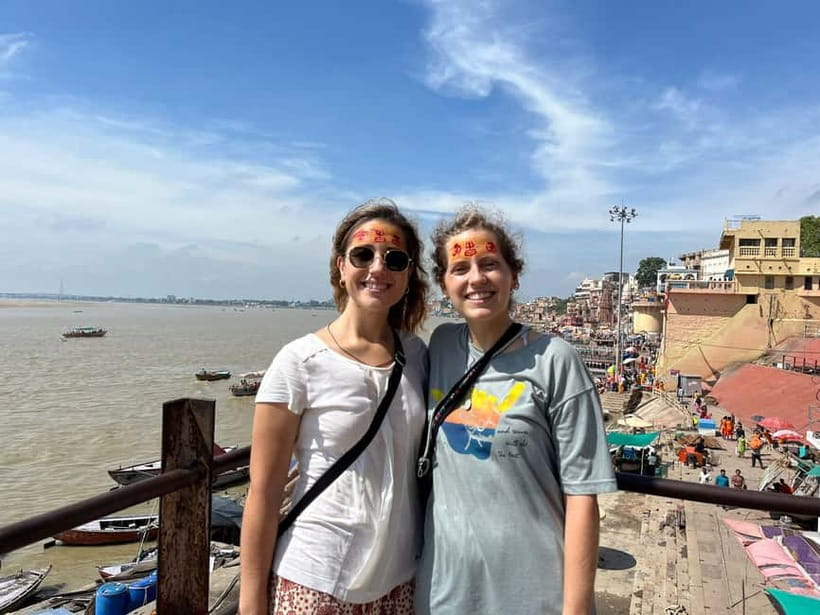
Meer Ghat is one of the early photo stops, with around 10 minutes set aside. The ghats are broad stone steps leading down toward the Ganges, but each one has its own history, use, and atmosphere.
The tour also brings you to Dashashwamedh Ghat, one of the best-known riverfront ghats in Varanasi. The supplied route details do not assign a separate timed stop to it, so you should not expect a long, formal visit there. Still, its place in the walk helps connect the smaller lanes and temple stops with the public riverfront.
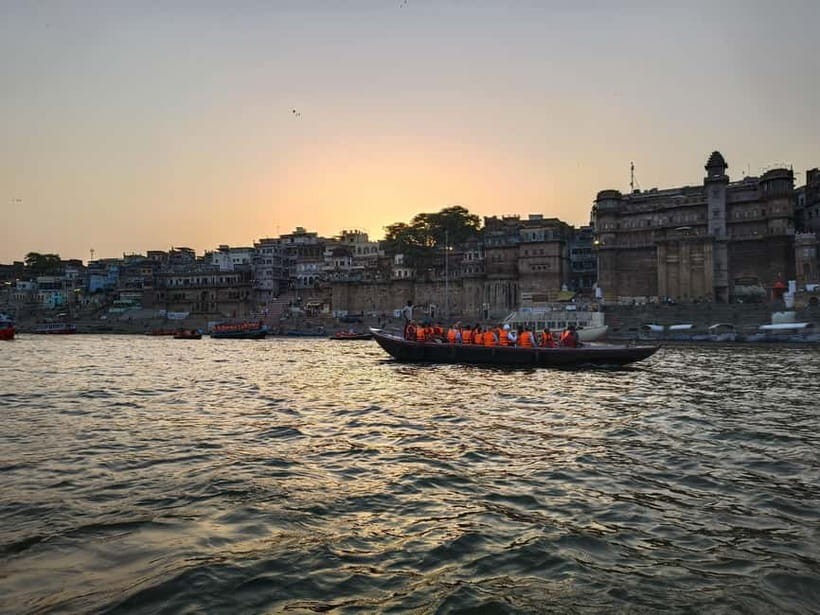
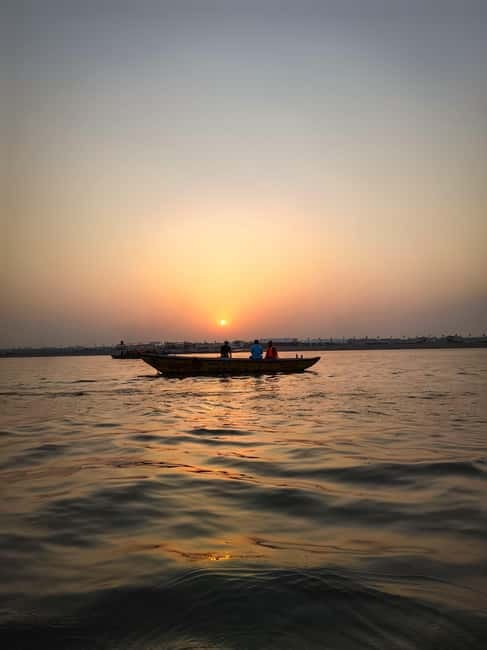
Your guide’s explanation is the useful part. The ghats are not just viewpoints. They are places for bathing, prayer, ceremonies, cremation, conversation, and daily work. The Ganges is treated as sacred, and the river’s religious importance shapes much of life in the city.
Bring a camera if you want photographs, but use good judgment. This is an active sacred setting, not a stage built for visitors. Ask before photographing people, ceremonies, or mourners.
A completely different kind of day out:
- Banaras Wala Tours
★ 5.0 · 329 reviews - The Ultimate 1 Day in Varanasi – How to Spend 13 Hours – Private Guided Tour
★ 5.0 · 295 reviews - A Journey of A lifetime
★ 5.0 · 272 reviews - Private Heritage and Spiritual Walk Tour – Varanasi Kashi
★ 5.0 · 172 reviews
Nepali Temple, carved wood, and a change of mood
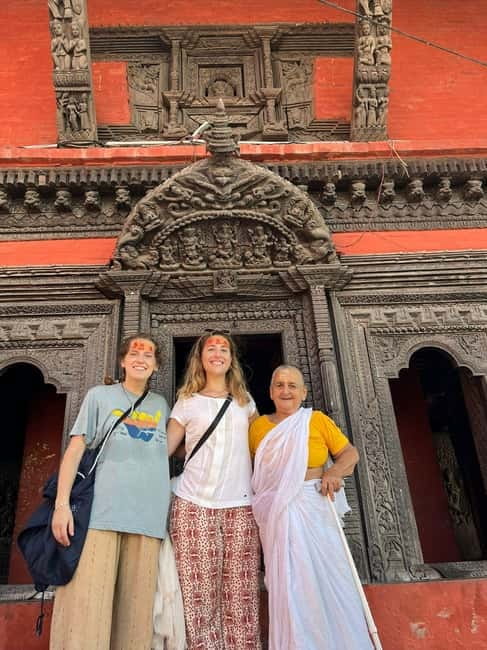
The Nepali Temple, also known as Kathwala Temple or Shri Samrajeswar Pashupatinath Mahadev Mandir, receives about 30 minutes. This is one of the longer temple stops, and rightly so.
Dedicated to Lord Shiva, the temple is known for its Nepalese architectural character and carved woodwork. The change from open riverfront steps to a more enclosed temple setting gives the walk variety. Your guide explains the religious meaning while also helping you notice the building itself.
This is a good place to ask questions. The guides who lead this experience are often praised for explaining Hindu traditions in clear English and for welcoming questions rather than rushing through a prepared speech. Akash, in particular, has been described as easy to understand, cheerful, and able to answer detailed questions about customs and buildings.
The schedule calls this both a visit and a photo stop, but temple conditions can affect how long you remain inside. Keep your expectations flexible and follow any rules about footwear, photography, or quiet behavior.
Manikarnika Ghat and the difficult heart of the tour
The tour allows one hour at Manikarnika Ghat, the most important stop for understanding Varanasi’s beliefs about death. This is one of the holiest cremation grounds along the Ganges, and it is also the point where the tour becomes more emotionally demanding.
In Hindu belief, death is part of a cycle shaped by karma. Cremation at Manikarnika is associated with moksha, release from the cycle of rebirth. Your guide explains these ideas and the customs surrounding the cremation ground, helping you understand why this site is sacred rather than treating it as a spectacle.
You should prepare yourself for a serious setting. Cremations take place here, and families are dealing with loss. The right approach is quiet, respectful, and observant. Photography and casual behavior can be deeply inappropriate, so follow your guide’s instructions and use restraint.
This stop is one reason the tour is more useful than a simple sightseeing walk. Without explanation, Manikarnika can be confusing or upsetting. With a thoughtful local guide, you have a better chance of understanding its religious place and the way death is viewed in Varanasi.
Still, this is not an attraction for everyone. If you prefer to avoid cremation grounds, or if the subject feels too raw, you should choose another walk. The tour description makes this stop central, not optional.
Manikarnikeshwar Mahadev Temple and the belief in no rebirth
After Manikarnika Ghat, you visit Manikarnikeshwar Mahadev Temple for about 10 minutes. The temple is dedicated to Lord Shiva and gives the tour a quieter, more focused religious stop after the cremation ground.
A traditional belief connected with the site says that those who bathe at Manikarnika and worship Manikarnikeshwar will not return to a mother’s womb. In other words, they will not be reborn. Your guide explains how this belief connects the river, the temple, cremation, and the idea of liberation.
This is exactly the kind of small site you could miss on your own. It may not have the visual scale of a major landmark, but its meaning helps you understand why this part of Varanasi draws pilgrims.
Ratneshwar Mahadev Temple and Chakra Pushkarini Kund
The next two stops are short, each allowing about 10 minutes. At Ratneshwar Mahadev Temple, you have time for a visit, photographs, and an explanation from the guide.
The walk then reaches Shri Manikarnika-Chakra Pushkarini, also called Chakrapushkarni Kund. This sacred tank is included in the admission package and adds another layer to the religious geography around Manikarnika.
Short stops like these work best when you listen closely. You are not spending hours at each place, but the guide connects them to the larger story of Varanasi, Shiva, the Ganges, ritual bathing, and the hope for release from rebirth.
The route finishes back at the Virtual Experiential Museum. Returning to the starting point is practical, particularly if you left a bag nearby or need a known location for your next plan.
What the guides add to the experience
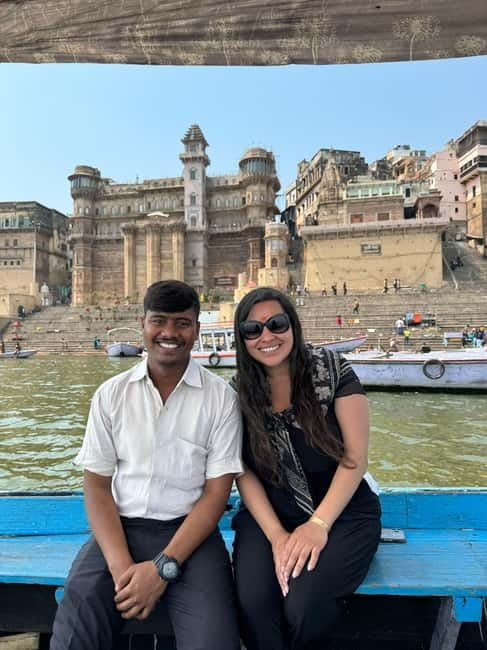
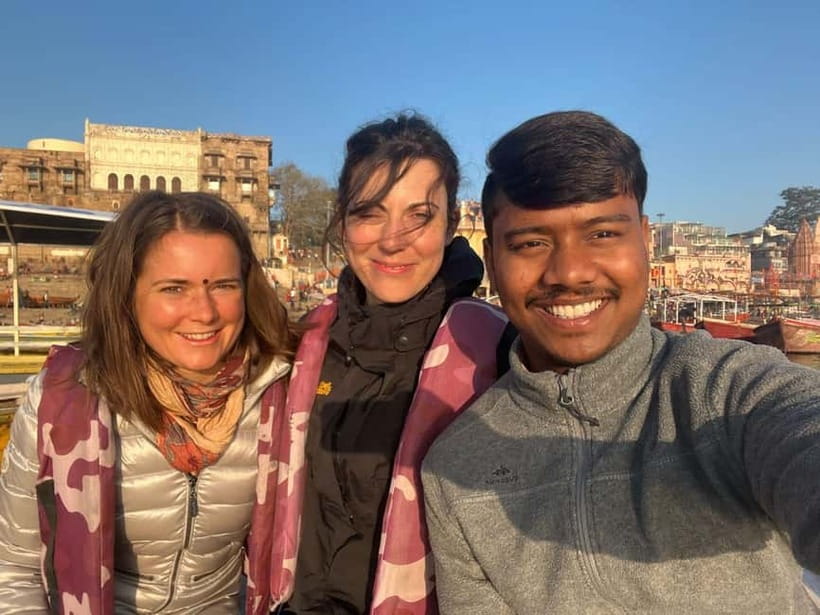
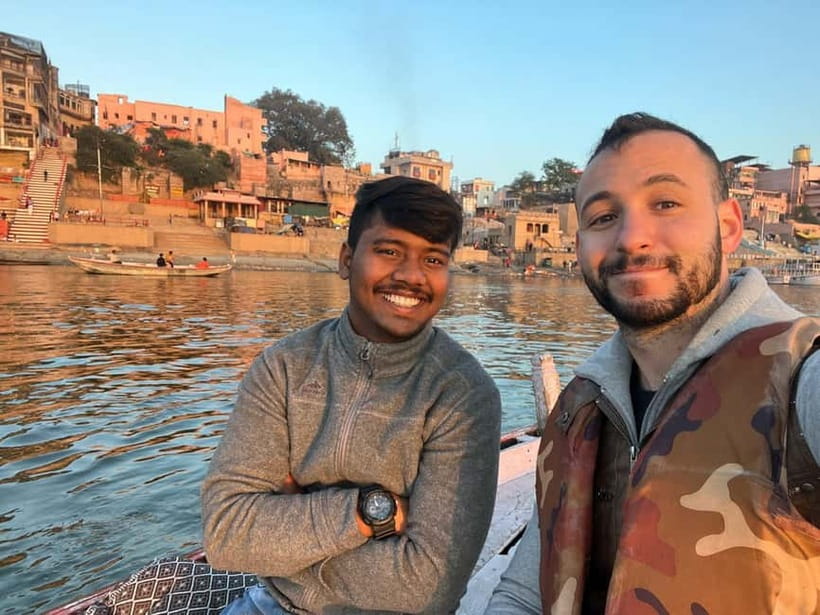
The strongest feature is the human explanation. Several guides lead the walk, so the name you receive may vary. Akash is praised for clear English, humor, patience, and advice about avoiding common scams near the ghats. Niwas is described as energetic, passionate, and generous with local tips. Badal is often noted for adapting the walk to personal interests, while Arkash has helped with meeting arrangements and made visitors feel safe around Manikarnika.
You should not expect every guide to lead in exactly the same style. Some may walk quickly, so ask for a slower pace if needed. The route can also change slightly when a group has already seen a particular area or when crowd conditions make another lane more sensible.
The best guides do more than repeat dates and names. They explain what local customs mean and invite questions. That matters in Varanasi, where the visual scene can be overwhelming and a simple explanation can change your entire reading of it.
Tea, water, and the limits of the inclusions
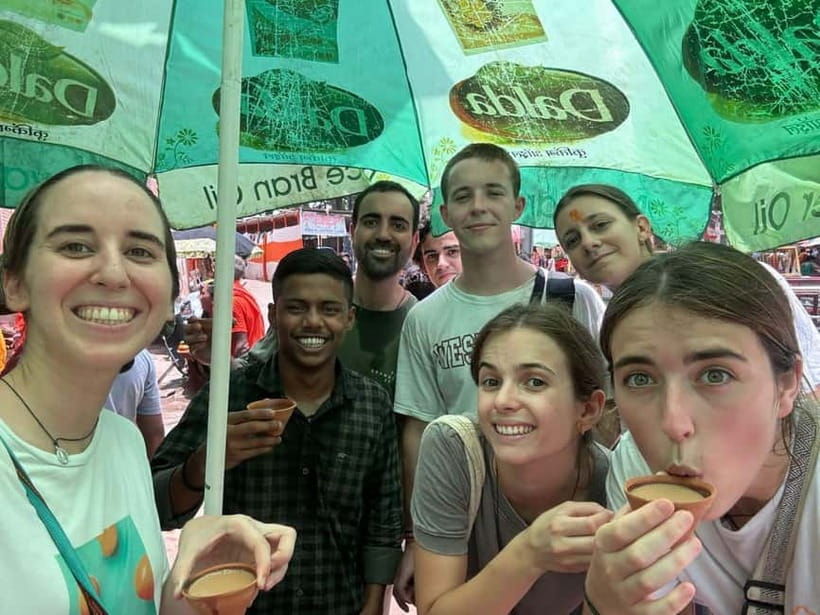
Bottled water is included, along with coffee or tea at a popular local food stall. That small break is welcome during a three-hour walk, and it gives you a taste of ordinary street life without turning the tour into a full food outing.
Food and additional drinks are not included. If you want a meal, snacks, or more than the provided tea or coffee, bring extra money. The experience is primarily cultural and historical, not a food tour.
Wear comfortable shoes. Add a hat, sunscreen, and a camera if useful. Water is included, but carrying your own bottle is still sensible in the heat. Smoking and pets are not allowed.
Who should book this Varanasi walk?
I would recommend it most strongly to first-time visitors who want a clear introduction before exploring alone. It also suits solo visitors who would rather not navigate the narrow lanes and cremation area without local support.
It is a good match for people who care about religious customs, local history, architecture, and everyday life. The tour can also work well for visitors who have already seen the river from a boat and want a different look at the lanes and temples.
You should think twice if you dislike walking, crowds, uneven surfaces, or emotionally serious sites. Babies under one year are not suitable for this activity, and it is not suitable for wheelchair users or people with mobility impairments. The guide can help with orientation, but the tour does not provide transportation.
Is $16 good value?
Yes, provided you want a walking tour rather than a private car or a polished museum-style presentation. The price covers three hours with a live guide, several admissions, water, and tea or coffee. The access to smaller temples and local lanes gives the experience more value than a quick walk between famous riverfront points.
The biggest value is not the entrance fees. It is the explanation and navigation. You are paying to understand why these places matter and to find them without spending your morning lost in Varanasi’s maze.
Free cancellation up to 24 hours before the start and the reserve-now, pay-later option also make it easy to fit into a changing India itinerary.
Should you book it?
Book this tour if you want Varanasi explained from the inside, with time for temples, ghats, narrow lanes, and difficult but important subjects. The 4.9 rating from 176 reviews reflects a consistent pattern of strong guide-led experiences, especially with Akash and Niwas.
I would book it early in your stay, wear good shoes, and arrive well ahead of time. Go with an open mind, treat Manikarnika with respect, and ask your guide to slow down whenever the lanes or explanations move too fast. If you want a gentle sightseeing stroll with no cremation ground, this is not the right choice. If you want a meaningful first encounter with Varanasi, $16 is a very fair price.
FAQ
How long is the Varanasi Hidden Secrets of Vibrant Tradition tour?
The walking tour lasts three hours. Starting times vary, so you need to check availability when booking.
Where does the tour meet?
The meeting point is in front of the Virtual Experiential Museum at Rajendra Prasad Ghat. The guide waits near the museum entrance.
Which languages does the guide speak?
The tour is available with a live guide in English or Hindi.
Are temple entrance fees included?
Yes. Admission is included for Vishalakshi Temple, Nepali Temple, Manikarnika Ghat, Manikarnikeshwar Temple, Ratneshwar Temple, and Chakrapushkarni Kund.
Is food included?
Bottled water and coffee or tea are included. Food and additional drinks are not included.
Can I cancel the booking?
You can cancel up to 24 hours in advance for a full refund. You can also reserve now and pay later.
Just added in Varanasi
- The Ultimate 1 Day in Varanasi – How to Spend 13 Hours★ 4.9 · 32 reviews
- Spiritual Tour in Varanasi with a local- 2 Hours Tour★ 4.8 · 13 reviews
- Sarnath Tour- Where Buddhism Originated★ 4.9 · 15 reviews
- Private Sunset Boat Ride and Ganga Aarti with Reserved Seat★ 4.7 · 18 reviews
- Varanasi: Mysticism Tour with Boat Ride & Ganga Aarti★ 3.5 · 33 reviews
- GROUP YOGA CLASS – BEGINNER / ADVANCED – Sunrise Yoga with Ayush in Varanasi★ 5.0 · 79 reviews
- Single Walking Tour. Local culture, religion, traditions and more. Daily Tour★ 5.0 · 28 reviews
- Cultural & Spiritual Trails of Old Town Varanasi Guided Walking Tour★ 4.5 · 73 reviews
Varanasi Tours, compared.
Full Day City Highlights Day Tour & Ganges Cruise
Read our review →
Hidden Secrets of Varanasi: Vibrant Tradition (Guided Tour)
Read our review →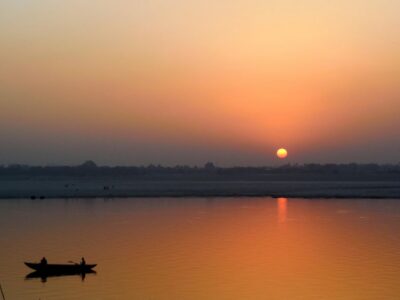
The Ultimate 1 Day in Varanasi – How to Spend 13 Hours – Private Guided Tour
Read our review →
Private Heritage and Spiritual Walk Tour – Varanasi Kashi
Read our review →
Browse the lists this tour appears in