
Reviewed · VARANASI TOURS
Explore the Ancient and Hidden Sides of Varanasi
Varanasi reveals itself one lane at a time. This two to three-hour walking tour leads you through the old city’s tight alleyways, sacred temples, heritage buildings, riverside ghats, old markets, and places many first-time visitors could easily miss. I like the way it connects famous sights such as Kashi Vishwanath Temple and Manikarnika Ghat with smaller stops such as the Nepali Temple, underground shrine, and a well-known lassi shop.
I also like the small maximum of 10 people, which should make it easier to ask questions and keep pace in crowded lanes. The guides, including Suhail and Aman, receive especially strong praise for their patience, English, local knowledge, and ability to adjust to different needs. The main consideration is that this is a serious walking tour through narrow, busy parts of Varanasi, with a visit near an active cremation ground. It may feel intense, and the route is not designed for anyone hoping for a relaxed sightseeing ride.
In This Review
- Key Things to Know Before You Book
- Why This Varanasi Walk Works
- Starting at Man Singh Observatory and Meer Ghat
- Vishalakshi Temple and the Sacred Feminine
- Kashi Vishwanath from the Outside
- The Nepali Temple’s Wooden Craftsmanship
- Manikarnika Ghat and the Reality of Death
- Two Shiva Temples with Different Stories
- Lanes, Markets, Tea, and Blue Lassi
- Guides Who Shape the Morning
- Is $28.35 a Fair Price?
- Who Should Book This Walk?
- Final Verdict: A Strong First Walk Through Old Varanasi
- FAQ
- Where does the tour start?
- What time does the experience begin?
- How long does the walking tour last?
- Does the tour enter Kashi Vishwanath Temple?
- What is included in the price?
- How many people can join the activity?
- What happens if I need to cancel?
Key Things to Know Before You Book
- Manikarnika Ghat brings the most powerful part of the walk: You see one of Varanasi’s most sacred cremation sites and hear about its connection with moksha, or spiritual liberation.
- The route mixes major landmarks with lesser-known corners: You visit Vishalakshi Temple, the Nepali Temple, Ratneshwar Mahadev Temple, and an underground temple as well as the better-known Kashi Vishwanath area.
- The guide is central to the experience: Suhail and Aman are praised for clear English, warmth, patience, and thoughtful help with older members of a group.
- The Kashi Vishwanath visit is from outside: You learn about the Golden Temple and see its outer premises, but this experience does not include entry inside the main shrine.
- The walk starts at 9:30 a.m. and returns to its meeting point: You meet at Man Singh Observatory near Man Mandir Ghat and finish back there.
- The price includes useful extras: At $28.35 per person, entrance fees, water bottles, and tea are included, though GST is not.
Why This Varanasi Walk Works
Varanasi can be hard to read at first. The old city is made up of lanes that twist between temples, homes, shops, shrines, and ghats. A map gives you street names, but it does not explain why one doorway is sacred, why a temple sits below street level, or why a particular stretch of river matters.
That is where this walk earns its keep. You are not simply moving from one photo stop to another. The guide explains Hindu gods and goddesses, local customs, religious beliefs, and the traditions that shape everyday life in Kashi, Varanasi’s sacred name.
I would choose this experience if you want cultural context as much as sightseeing. The walk is especially useful early in a Varanasi visit because it helps you understand the old city before you explore it on your own.
The experience lasts about two to three hours. That is long enough to cover several important places without taking up an entire morning. Still, the schedule is full. The listed stops add up to more than two hours, and the route includes walking between them, so you should expect a steady morning rather than a slow wander.
The group limit of 10 matters here. Narrow lanes are easier to manage with a small party, and a guide has a better chance of answering questions or helping someone who needs a pause. Feedback about Suhail and Aman also points to a personal style. Suhail is praised for protecting older participants and checking that they remained comfortable, while Aman is described as energetic, relaxed, and happy to stop for tea, snacks, or a short break.
A few more options to weigh up in Varanasi
- Varanasi : Full Day City Highlights Day Tour & Ganges Cruise
★ 4.8 · 520 reviews - Hidden Secrets of Varanasi: Vibrant Tradition (Guided Tour)
★ 5.0 · 429 reviews - Varanasi: Sunrise Boat Tour with Arti Ceremony
★ 5.0 · 375 reviews
Starting at Man Singh Observatory and Meer Ghat
The meeting point is Man Singh Observatory on Dashashwamedh Ghat Road, near Man Mandir Ghat in the Godowlia area. The tour begins at 9:30 a.m. and ends back at this same meeting point, which makes the morning easy to plan around.
The first stop is Meer Ghat, where you spend about 20 minutes enjoying a broad view of the ghats and the Ganges. This opening gives you a useful visual reference before you turn into the old city. From the riverfront, you can see how closely the sacred water, temples, steps, and city lanes are tied together.
I like beginning at a ghat rather than starting immediately in an alley. You first get your bearings, then move into the less obvious parts of Varanasi. The only catch is that river views can depend on conditions and the exact position along the ghat, so you should think of this as a short orientation stop rather than a long riverside visit.
Vishalakshi Temple and the Sacred Feminine
The next stop is Vishalakshi Temple, a shrine dedicated to Vishalakshi, a form of the divine feminine. It is counted among the 51 Shakti Peethas, a group of important sites connected with goddess worship.
You spend about 15 minutes here. The temple sits in an active part of the old city, so the approach is part of the experience. You will see how religious spaces fit into the same lanes used for daily commerce and local movement.
This stop is valuable because it adds a different religious focus to the tour. Kashi Vishwanath is linked with Shiva, while Vishalakshi gives you a chance to learn about goddess traditions and the role of feminine divinity in Hindu belief.
The admission charge is included at all stops where a fee applies, and this temple has no separate admission charge. Dress and conduct should be respectful at any shrine, and you should follow the guide’s instructions about where to stand and what you may photograph.
Kashi Vishwanath from the Outside
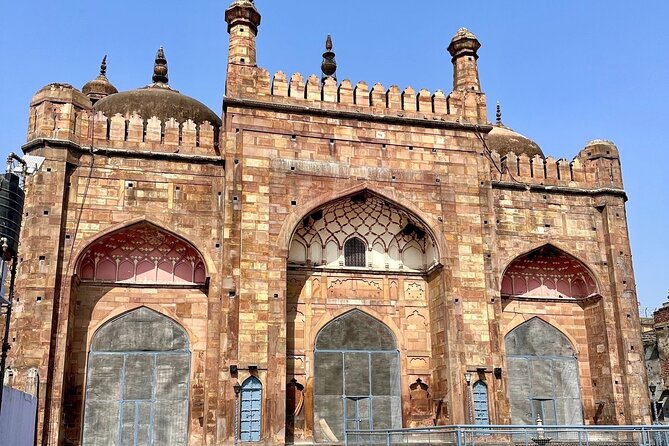
Kashi Vishwanath Temple, often called the Golden Temple, is one of Varanasi’s central religious sites. This tour visits the temple’s outside premises only. You do not enter the main shrine as part of this experience.
That detail should shape your expectations. If your main goal is an interior visit to Kashi Vishwanath, you will need to make separate plans. If you want a clear explanation of the temple’s importance and a look at the surrounding area, this stop still gives useful context without pretending to offer more than it does.
You spend about 20 minutes here. The guide explains the temple and its place in Varanasi’s religious life, while you take in the outer setting. The nearby lanes can be crowded and complicated, so having a guide is practical as well as informative.
This is also a good example of why the tour works better as a cultural walk than as a checklist of entries. Some of the most important places in Varanasi are experienced through their setting, stories, and surrounding streets, not only by crossing a doorway.
A completely different kind of day out:
- Banaras Wala Tours
★ 5.0 · 329 reviews - The Ultimate 1 Day in Varanasi – How to Spend 13 Hours – Private Guided Tour
★ 5.0 · 295 reviews - A Journey of A lifetime
★ 5.0 · 272 reviews - Varanasi: Hidden Secrets of Vibrant Tradition (Guided Tour)
★ 4.9 · 176 reviews
The Nepali Temple’s Wooden Craftsmanship
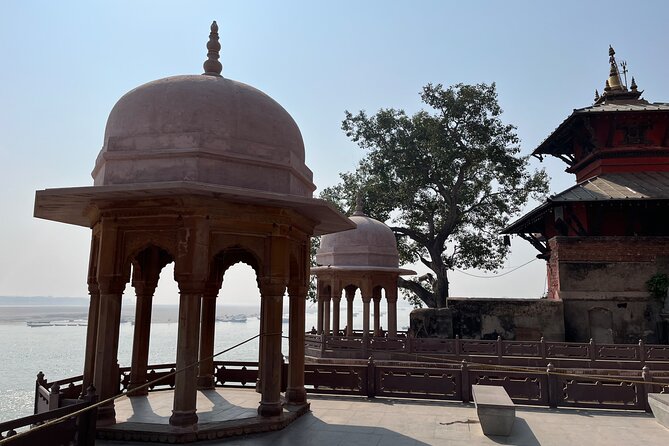
The Nepali Temple, also known as the Kathwala Temple, was built in the 19th century by the King of Nepal. It is known for its wooden architecture and detailed carvings, which give it a different look from many of the stone temples in the city.
The stop lasts about 20 minutes, and admission is included. I would pay close attention here to the construction details. The temple is not simply another shrine on a religious route. Its design reflects a Nepalese connection within Varanasi and gives the walk an architectural angle.
This is one of the quieter changes of pace in the itinerary. After the intensity of the Kashi Vishwanath area, the carved wood and distinctive form offer something new to notice. Your guide can also explain how the temple fits into the wider religious map of the old city.
Manikarnika Ghat and the Reality of Death
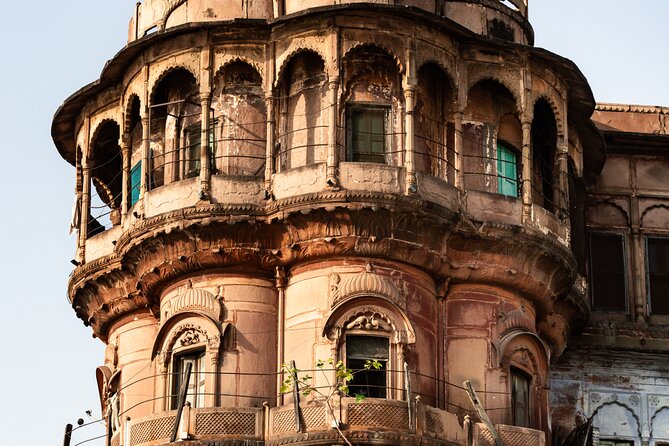
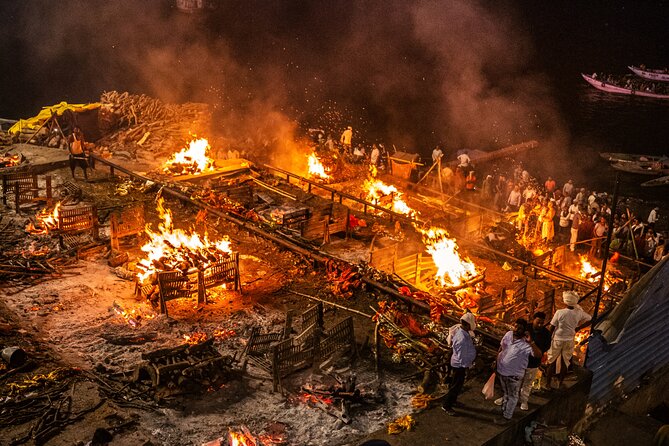
Manikarnika Ghat is the most emotionally demanding stop. It is one of Varanasi’s most sacred cremation sites, and Hindu belief holds that cremation here can help a soul achieve moksha.
You spend around 30 minutes in the area. The guide explains the connection between life, death, ritual, and liberation, giving you a framework for understanding what you see. This is not a light sightseeing stop, and you should approach it with quiet attention and respect.
The experience can be confronting. You may find the subject matter difficult, particularly if you are not used to seeing death rituals in a public setting. This is not a reason to avoid the stop automatically, but it is a reason to decide in advance if this kind of cultural encounter is right for you.
Photography and personal behavior matter greatly here. Follow the guide’s instructions, avoid treating the area like a spectacle, and remember that religious ceremonies are taking place. A good guide is especially important at this point, and the praise for Suhail’s care and consideration is relevant. His approach appears suited to people who need a calm explanation rather than a rushed commentary.
Two Shiva Temples with Different Stories
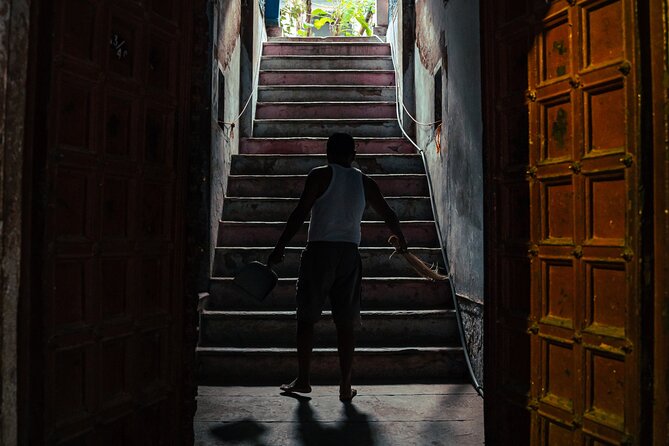
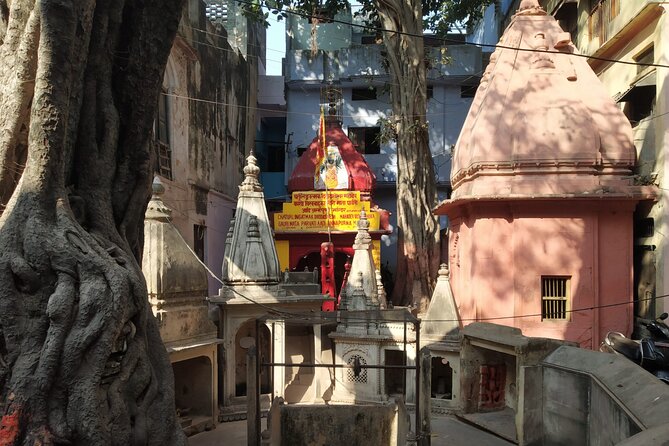
The walk continues to Manikarnikeshwar Mahadev Temple, which is linked with Manikarnika Ghat. The temple represents the connection between life and death that gives the ghat much of its religious meaning.
You spend about 15 minutes at the temple. This stop helps connect the physical cremation site with the sacred stories and worship surrounding it. Instead of treating Manikarnika as an isolated sight, the guide places it within a wider religious setting.
The final listed temple is Ratneshwar Mahadev Temple, visited for about 15 minutes. It is believed to date from the 18th century and was built by a local king in honor of Lord Shiva. Local tradition connects the temple with a wish fulfilled by the deity.
These two stops reward curiosity. They are less familiar names than Kashi Vishwanath, but they show how Varanasi’s religious life is spread across many smaller shrines. You get a stronger sense of how temples are woven into the old city rather than set apart in one grand complex.
Lanes, Markets, Tea, and Blue Lassi
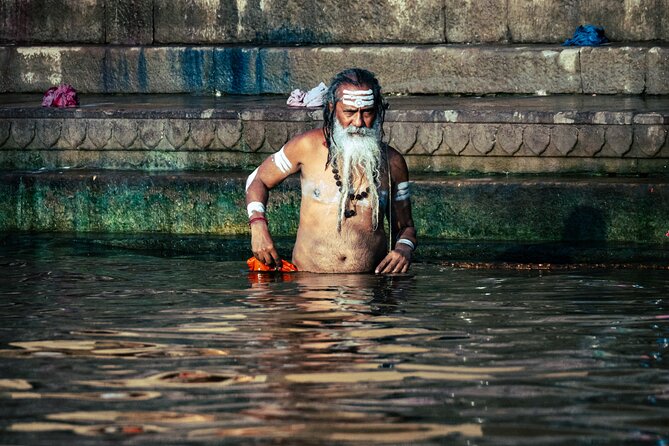
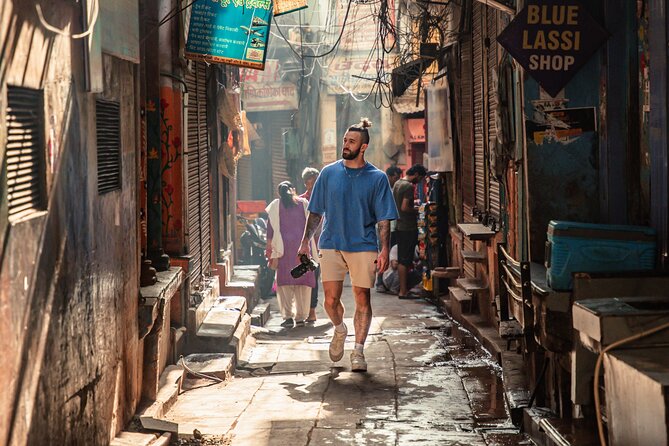
Between the formal stops, the walk leads through labyrinthine alleyways, heritage buildings, and old markets. This is where the title of the experience makes sense. You are seeing the city at street level, moving through the passages that connect its temples and riverfront.
The guide also explains local culture, traditions, and Hindu gods and goddesses along the way. That running commentary is important because the lanes can otherwise seem confusing. A doorway may be a shrine, a building may carry a local story, and a market may be part of a much older pattern of daily life.
The route includes a visit to Blue Lassi, described as one of the best places in Varanasi for the drink. Lassi is a yogurt-based beverage, and this stop gives you a simple break from the walking. Complimentary tea and water bottles are included, but you should confirm with the guide what is covered at the lassi shop, since the tour information specifically lists tea and water rather than a lassi purchase.
The walk is likely to feel more personal than a vehicle tour because you can pause for questions and notice details at close range. The trade-off is comfort. The lanes are narrow, the pace can be affected by local activity, and you should be ready for a less polished setting than a standard monument visit.
Guides Who Shape the Morning
The strongest part of this experience is likely to be the guide. Suhail is praised for excellent English, patience, care, and practical help. One account describes him taking special care of older people and making sure they remained comfortable throughout the visit.
Aman receives similar praise for his knowledge of Varanasi, history, and traditions. He is described as friendly, energetic, relaxed, generous, and willing to answer questions or stop for chai and snacks. That combination is useful in Varanasi, where a rigid script would miss much of what makes the old city interesting.
The supplied information also refers to Gun Gun helping a group of 18 people feel at ease. The advertised maximum for this activity is 10, so you should not assume that every booking has the same group size. Still, the repeated focus on care and flexibility suggests that the company places real weight on personal service.
Guide quality can vary by departure, so it is sensible to confirm who will lead your walk when you book. The experience depends on explanation as much as location, and the guide’s ability to handle sensitive sites, questions, and different walking speeds will affect your morning.
Is $28.35 a Fair Price?
At $28.35 per person, this is a reasonable price for a short private-feeling introduction to Varanasi, especially because entrance fees, water bottles, and tea are included. The group limit of 10 also gives the price more value than a large coach-style outing.
You are paying mainly for access and interpretation. The temples and ghats are part of Varanasi, but knowing where to go, understanding what you are seeing, and moving through the lanes without wasting time can make a major difference.
GST is not included, so check the final total before paying. The experience uses a mobile ticket, which is convenient, and it is near public transportation. Most people can participate, but the walking route and serious subject matter still make it a better fit for people who are comfortable on foot and open to cultural discussion.
The free cancellation policy is useful: cancel at least 24 hours before the local start time for a full refund. Changes or cancellations made inside that window are not accepted for a refund. Poor weather or failure to meet the minimum group size may lead to a different date or a full refund.
Who Should Book This Walk?
I would recommend it to first-time visitors who want an introduction to Varanasi beyond the usual riverfront photographs. It suits you if you enjoy temples, local stories, architecture, religious customs, and small details that are easy to miss alone.
It is also a good choice for families or mixed-age groups if your guide is Suhail or another equally attentive leader. The small group cap and reports of patient assistance are encouraging for people who need a measured pace.
You should think twice if you want extensive time inside Kashi Vishwanath Temple, since the visit there is from outside only. You may also prefer a gentler route if Manikarnika Ghat’s cremation rituals would be upsetting.
Final Verdict: A Strong First Walk Through Old Varanasi
I would book this tour for the guide-led access to Varanasi’s old lanes and the way it links temples, markets, architecture, belief, and death rituals in one compact morning. The price is fair, the group is limited, and the mix of famous and less familiar places gives you more than a simple ghat walk.
The main warning is also the reason the tour matters: Varanasi is not presented as a polished attraction. You will encounter crowded lanes, serious religious subjects, and a cremation ground that demands respect. If you are ready for that, this is a thoughtful way to begin understanding the city.
FAQ
Where does the tour start?
The tour starts at Man Singh Observatory near Man Mandir Ghat on Dashashwamedh Ghat Road, in the Godowlia area of Varanasi.
What time does the experience begin?
The start time is 9:30 a.m.
How long does the walking tour last?
The experience lasts approximately two to three hours.
Does the tour enter Kashi Vishwanath Temple?
No. The visit to Kashi Vishwanath Temple is from outside only, including the outer premises and an explanation of the temple.
What is included in the price?
Entrance fees, complimentary water bottles, and tea are included. GST is not included.
How many people can join the activity?
The maximum group size is 10 travelers.
What happens if I need to cancel?
You can receive a full refund if you cancel at least 24 hours before the local start time. Cancellations or changes made less than 24 hours before the start are not accepted for a refund.
Just added in Varanasi
- Walking Tour in the old part of the city of Varanasi★ 5.0 · 25 reviews
- Varanasi Walking and Heritage Tour★ 4.6 · 15 reviews
- Varanasi: Manikarnika Ghat (Oldest Cremation Site) Tour★ 4.7 · 22 reviews
- Varanasi: Private Heritage Walking Tour & Sunrise Boat Ride★ 4.9 · 11 reviews
- Varanasi: Sunrise Boat Ride w/ Ghats & Morning Rituals★ 3.5 · 26 reviews
- Full-day private Varanasi tour with AC car, boat & Sarnath★ 4.9 · 103 reviews
- Varanasi Landmark Evening City Tour – Aarti & Boating★ 4.7 · 34 reviews
- Varanasi: Ganga Arti Evening Light Ceremony on the Main Ghat★ 4.1 · 11 reviews
Varanasi Tours, compared.
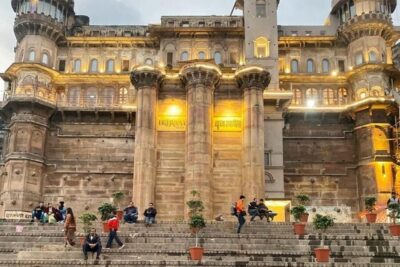
Full Day City Highlights Day Tour & Ganges Cruise
Read our review →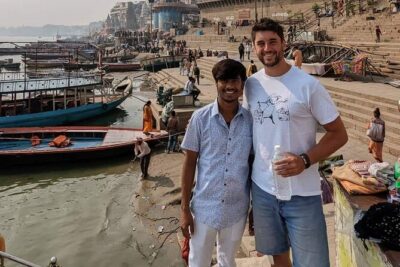
Hidden Secrets of Varanasi: Vibrant Tradition (Guided Tour)
Read our review →
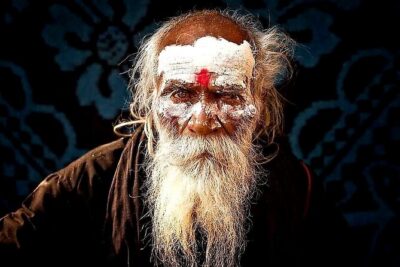
The Ultimate 1 Day in Varanasi – How to Spend 13 Hours – Private Guided Tour
Read our review →
Hidden Secrets of Vibrant Tradition (Guided Tour)
Read our review →
Private Heritage and Spiritual Walk Tour – Varanasi Kashi
Read our review →Browse the lists this tour appears in