

Reviewed · WALKING TOURS
Chennai Walk of Divinity (2 Hours Guided Walking Tour)
Temples make Chennai feel wonderfully different. This two-hour walk links Marundeeswarar Temple, Pamban Swami Temple, and Ashtalakshmi Temple, while asking you to look beyond carved stone and daily sightseeing. The focus is spiritual reflection, local religious life, and the connections between faith, science, and personal wellbeing.
I like the compact two-hour format and the chance to move through local lanes rather than simply viewing Chennai from a vehicle. I also like that guides such as Kavin have helped visitors with small local tasks, including buying water, juice, and flowers. The main concern is reliability: one person reported an excellent afternoon with Kavin, while others dealt with a late or missing guide and poor follow-up from the company.
In This Review
- Key points before you book
- What this Chennai walk is really trying to do
- Starting at Marundeeswarar Temple
- Meeting Pamban Swami at his temple
- Seeing Lakshmi at Ashtalakshmi Temple
- The local lanes are part of the experience
- Why the guide matters so much
- Afternoon and evening may be the better choice
- Is $18 good value for two hours?
- Practical details for a smoother visit
- Who should book this walk?
- Should you book the Chennai Walk of Divinity?
- FAQ
- How long does the Chennai Walk of Divinity last?
- How much does the tour cost?
- Which temples are included?
- What is Marundeeswarar Temple dedicated to?
- Which languages does the guide speak?
- Is hotel pickup and drop-off included?
- Should I bring water?
- Can I cancel for a full refund?
Key points before you book
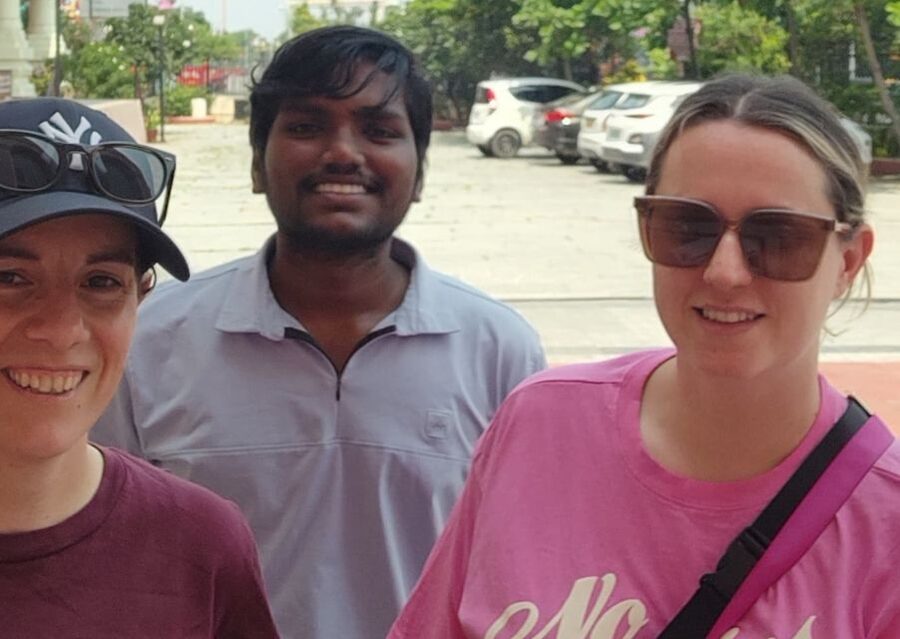
- Three distinct places of worship: You visit a Shiva temple, a shrine dedicated to Pamban Swamigal, and a temple devoted to Lakshmi.
- A walk with a spiritual theme: The purpose is not only to see buildings, but to consider religion, science, personal health, and inner life.
- English and Hindi guiding: The live guide is advertised in both languages.
- A good afternoon or evening option: One particularly positive experience came from the later time slot, which was praised for its pace and atmosphere.
- No hotel transport or bottled water: You need to reach the meeting point yourself and carry your own drinking water.
- Mixed service record: The average score is 3.5 out of 5 from 18 ratings, with strong praise for some guides and serious complaints about missed appointments.
What this Chennai walk is really trying to do
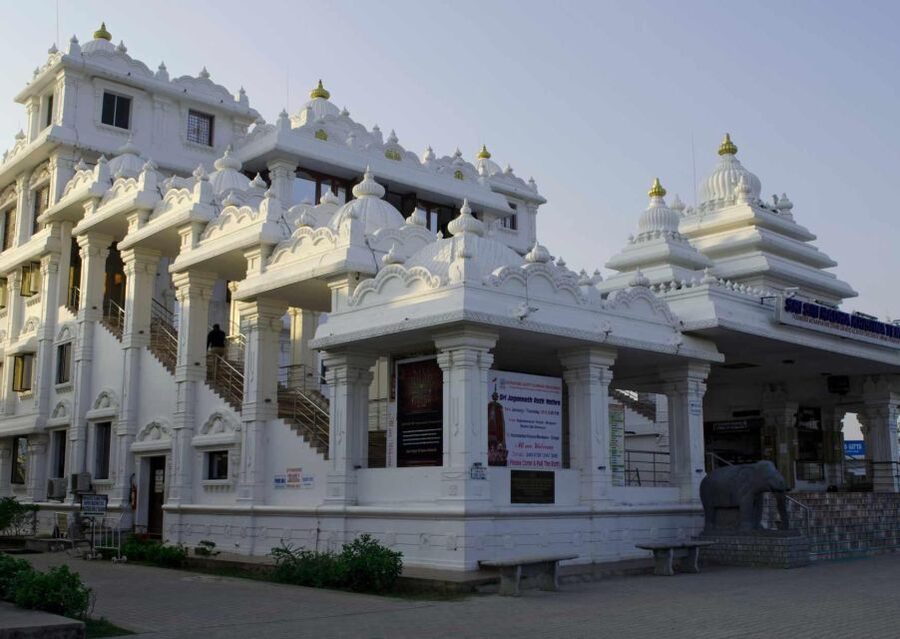
Many city tours give you facts, dates, and a quick photo stop. This one aims for something more personal. Its central idea is that a temple visit can be an inward journey as well as an outward one.
That may sound grand for a two-hour walk, so set your expectations carefully. You will not receive a complete course in Hindu philosophy in such a short time. The experience works best if you arrive curious and willing to think about the meaning of worship, healing, devotion, and ritual.
The three locations give the walk a clear shape. Marundeeswarar introduces Shiva in his form as Aushadeeswarar, the God of Medicines. Pamban Swami Temple brings attention to a religious scholar and devotional figure. Ashtalakshmi Temple turns the focus toward Lakshmi, the goddess associated with prosperity and wellbeing.
I like this range because the walk does not present Hindu worship as one simple idea. You see different forms of devotion and different ways people relate to the divine. The quality of that explanation will depend heavily on the guide assigned to you.
More Walking Tours in Chennai
- Gods of Mylapore walking tour- tourism ministry approved company
★ 5.0 · 267 reviews - Georgetown heritage walking tour in Chennai about the founding of Chennai
★ 5.0 · 144 reviews - Mahabalipuram walking tour by tourism ministry approved company
★ 5.0 · 102 reviews
Starting at Marundeeswarar Temple
Marundeeswarar Temple is the most substantial stop in the walk’s description. It is dedicated to Shiva as Aushadeeswarar, the God of Medicines, and has Dravidian architecture. The temple has also been a place of curative worship for people dealing with illness.
That connection between worship and healing gives the stop real purpose. You are not only looking at towers, carvings, or a traditional layout. You are being asked to consider why people bring their fears, hopes, and health concerns to a sacred place.
The phrase curative worship should not be treated as a medical promise. This is a religious belief and cultural practice, not a substitute for professional medical care. Still, it offers a useful way to understand how spiritual life can shape the way people think about sickness and recovery.
Your guide should help explain the temple’s Dravidian design in plain language. The supplied details do not promise a specialist architectural lecture, so I would not book this walk solely for technical information about construction or sculpture. You are more likely to appreciate the stop for its combination of architecture, devotion, and ideas about healing.
You should also be ready for a working place of worship rather than a quiet museum. The purpose is religious first, and sightseeing second. Dress and behave respectfully, follow any instructions at the entrance, and allow the guide to explain what is appropriate.
Meeting Pamban Swami at his temple

Pamban Swami Temple is dedicated to Pamban Swamigal, a Hindu religious scholar. This gives the walk a different tone from Marundeeswarar Temple, where the focus is Shiva and healing.
The appeal here depends on the guide’s storytelling. A good explanation can help you understand why a scholar or devotional teacher remains important to worshippers. A brief explanation may leave you with little more than a name and a stop on a route.
This is where the promised conversation matters. The tour includes an English and Hindi guide, local stories, and access to lanes and places that you might not find by following a standard sightseeing route. One guide, Kavin, was praised for explaining the history of the temples and places of worship and for answering questions patiently.
You should use this stop to ask direct questions. What did Pamban Swamigal teach? Why is this temple important? How does devotion here differ from the worship at the other two locations? The answers will tell you quickly whether your guide is offering real context or simply moving you along.
The available information does not provide a detailed biography of Pamban Swamigal, so I would avoid promising yourself a full portrait before you arrive. Think of the temple as an opportunity for a local explanation, with the depth shaped by your guide and your questions.
Seeing Lakshmi at Ashtalakshmi Temple
Ashtalakshmi Temple completes the religious range of the walk. It is devoted to Lakshmi, the goddess associated with prosperity. The name Ashtalakshmi refers to eight forms of Lakshmi, though the supplied tour details do not specify which forms are explained during the visit.
That distinction matters. You can expect the temple to broaden the walk beyond Shiva and a religious scholar, but you should not assume that the guide will give a detailed explanation of all eight forms. Ask if that subject interests you.
For you, the value of this stop is its place in the larger sequence. The walk moves from a deity connected with medicine, to a religious figure, to Lakshmi and prosperity. Taken together, the stops encourage you to compare different hopes people bring to worship: health, guidance, devotion, and material wellbeing.
The tour’s spiritual message may work well here because the temple provides a clear setting for discussion. You can think about what prosperity means in religious practice and how it differs from simply wanting more money. Again, this is a conversation-led experience, not a formal lecture.
A completely different kind of day out:
- Mahabalipuram tour by Tourism Ministry approved company
★ 5.0 · 405 reviews - Mahabalipuram & Kanchipuram by tourism ministry approved company
★ 5.0 · 264 reviews - Chennai tour in car with guide-winner of traveller’s choice award
★ 5.0 · 258 reviews - Mahabalipuram Private tour from Chennai by car with guide and lunch by Wonder
★ 5.0 · 137 reviews
The local lanes are part of the experience
The walk promises access to local lanes and places, which is one of its more appealing features. You are not spending the entire two hours inside major religious buildings. Moving through the surrounding neighborhood gives the temples a daily setting and helps connect worship with ordinary city life.
One positive account specifically praised the guide for showing local life in the neighborhood. That is useful because temple visits can otherwise feel detached from the streets around them. A walking route lets you notice the transition between public roads, residential areas, shops, and places of worship.
Do not expect a long-distance hike or a carefully described urban route. The exact distance and group size are not provided. The practical instruction is simply to wear comfortable shoes, and that is sensible advice for any two-hour walk around Chennai.
Bring water. A bottle is not included, and buying water locally may be possible, but you should not count on finding it at the exact moment you want it. One guide helped with local purchases such as water, juice, and flowers, but that is a personal service noted from one experience, not a guaranteed part of every booking.
Why the guide matters so much
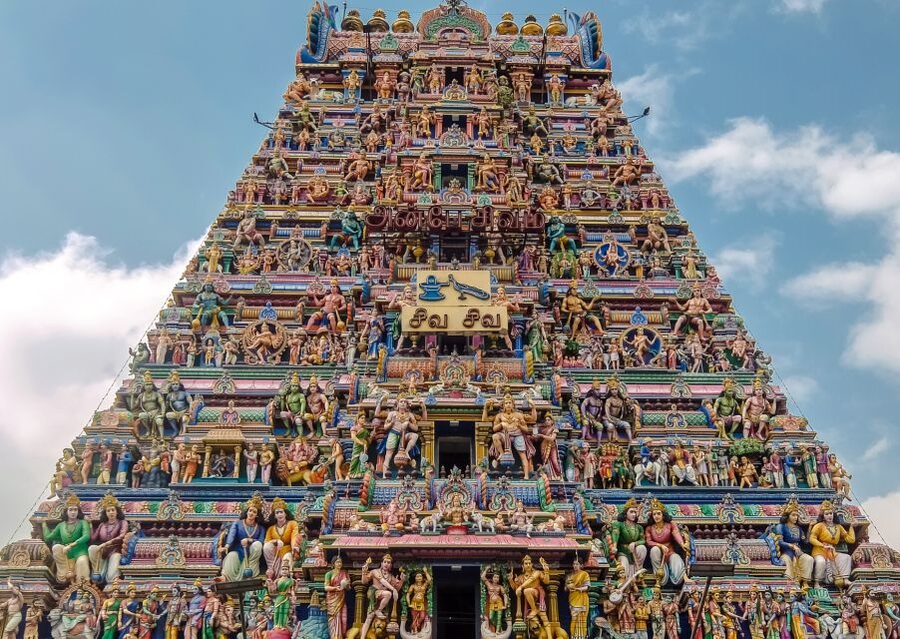
This is a guide-dependent tour. The temples are meaningful places, but the experience relies on someone explaining why they matter and helping you connect the stops.
The strongest account came from a visitor who had Kavin as guide. Kavin was described as considerate, patient, and able to explain the history of the temples and places of worship. He also helped arrange an auto after the walk and checked that the person reached the hostel safely. That kind of practical care can make a short walking tour feel personal.
Manikanda Perumal was also thanked for providing a pleasant first day in Chennai. Another guide was praised as pleasant and helpful with local negotiations. These details suggest that the right guide can add value well beyond memorized facts.
But the experience has a serious weakness. One booking involved a guide who was late and could not be found, followed by a promised refund that had not been completed at the time of the complaint. Another person reported that the guide did not arrive and that calls and messages went unanswered.
There was also an account of a very pleasant guide who was new to the route and had never visited the venues before. That person was described as nice, but unable to provide the promised local information. This is the key warning: friendly does not always mean prepared.
Before setting out, confirm the meeting details and guide contact information. Keep your schedule flexible around the tour, especially if you have a train, flight, or timed attraction afterward. The advertised free cancellation period is up to 24 hours before the start, but that does not remove the need to address a missed appointment promptly.
Afternoon and evening may be the better choice
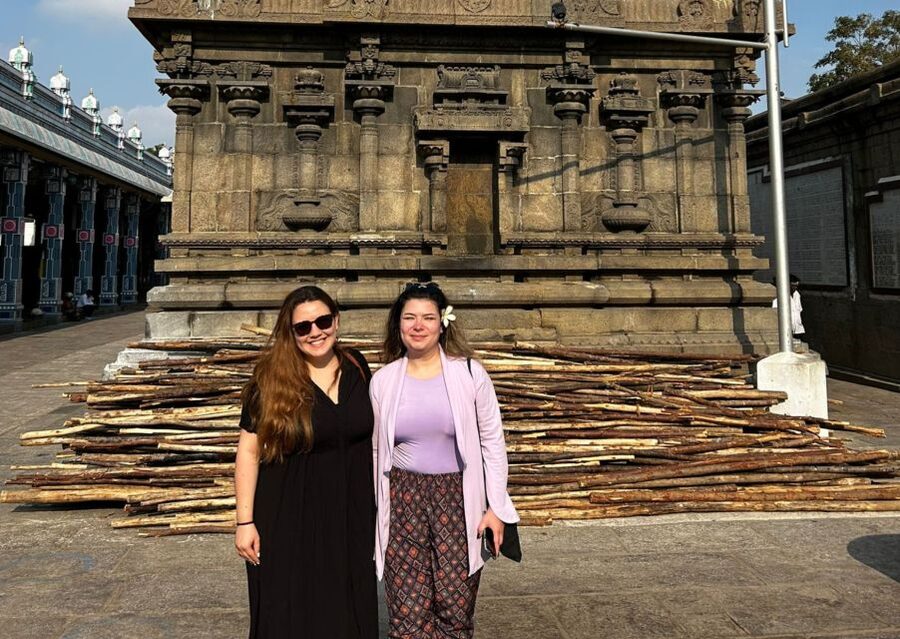
The available time slots can vary, so you need to check the current starting times when booking. A later afternoon or evening option received especially warm praise, and it was recommended as the best time of day for this experience.
That preference may suit you if you enjoy seeing religious places as daily activity continues rather than treating them as a rushed morning stop. It may also make the walk feel less like a checklist and more like a transition through the city.
Still, no exact sunset time, lighting condition, or evening ceremony is promised. Book the later slot because it fits your day and because one strong experience favored it, not because you are guaranteed a particular ritual or view.
Is $18 good value for two hours?
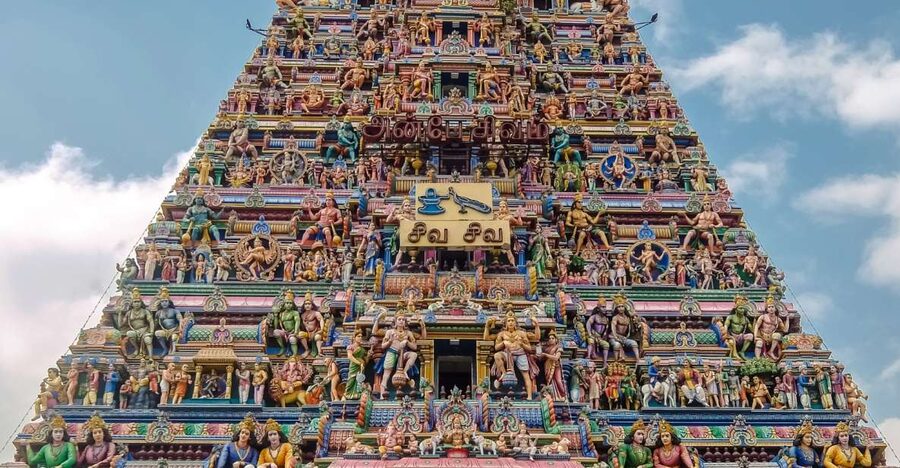
At $18 per person, this is a reasonably priced small cultural experience if the guide is present, prepared, and able to lead the promised discussions. You are paying for two hours of guiding, local interpretation, access to lanes and places, and help with practical city questions.
The price is less attractive if you mainly want independent temple sightseeing. You could visit religious sites without paying for a guide, although you would lose the chance to ask questions and may understand less about the meaning behind what you see.
The value also depends on what you want from the word spiritual. If you expect a powerful personal transformation or a detailed connection between modern science and Hindu philosophy, the two-hour format may disappoint. One person specifically felt that the experience did not go far enough into those larger ideas.
I would view the spiritual language as an invitation, not a guarantee. The walk can give you a new perspective, but you have to bring your own attention and questions. A strong guide may connect the dots well. A weak or inexperienced guide may provide only a basic neighborhood walk.
Practical details for a smoother visit
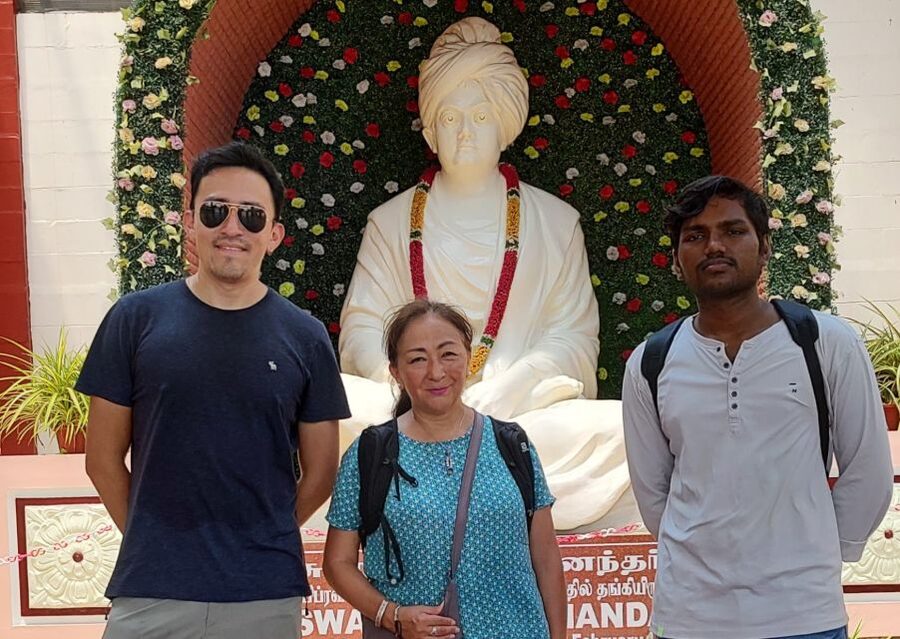
You need to arrange your own way to the meeting point because hotel pickup and drop-off are not included. The guide speaks English and Hindi, so choose the language that lets you ask the most natural questions.
Wear comfortable shoes. This is a walking tour, and the route includes local lanes as well as temple visits. Bring your own water bottle since water is not supplied.
Flowers may be available for purchase locally, but they are not listed as included. If you wish to make an offering, ask the guide about local customs rather than assuming what to buy or how to present it.
The tour offers free cancellation up to 24 hours before the start, with a full refund under that condition. It also allows you to reserve and pay later, which can help if your Chennai plans are still changing.
Who should book this walk?
I would recommend it to you if you want a short introduction to Chennai’s religious life and prefer conversation to a standard bus tour. It suits first-time visitors who want local orientation, people interested in Hindu worship, and anyone willing to ask questions rather than simply take photographs.
It may also work well as a first-day activity. One positive experience described it as a great first day in Chennai, and the local advice can help you get comfortable with the city.
I would be cautious if you need strict timing, guaranteed specialist interpretation, or dependable customer support. The mixed record is too serious to ignore. You should also reconsider if the idea of a spiritual walk sounds uncomfortable or overly abstract. The tour’s language is reflective and philosophical, not purely factual.
Should you book the Chennai Walk of Divinity?
Book it if you want a two-hour introduction to three Chennai temples, local lanes, and a chance to discuss worship, healing, devotion, and prosperity with a guide. The strongest experiences came from friendly guides who explained patiently and offered useful local help.
I would book only with a little caution. Confirm the meeting arrangements, keep your own transport plan ready, carry water, and leave room in your schedule in case communication is slow. At $18, the price is fair when the guide is prepared. The service record means this is not an automatic recommendation, but it can be worthwhile for a curious visitor who values personal discussion over a polished, guaranteed performance.
FAQ
How long does the Chennai Walk of Divinity last?
The walking tour lasts two hours.
How much does the tour cost?
The listed price is $18 per person.
Which temples are included?
The walk includes Marundeeswarar Temple, Pamban Swami Temple, and Ashtalakshmi Temple.
What is Marundeeswarar Temple dedicated to?
It is dedicated to Shiva in the form of Aushadeeswarar, known as the God of Medicines.
Which languages does the guide speak?
The live guide is available in English and Hindi.
Is hotel pickup and drop-off included?
No. You need to arrange your own transport to and from the tour.
Should I bring water?
Yes. A water bottle is not included, so bring your own.
Can I cancel for a full refund?
Yes. You can cancel up to 24 hours in advance for a full refund. You can also reserve now and pay later.
Just added in Chennai
- Exploring Georgetown: A Heritage Walking Tour of Chennai★ 4.5 · 16 reviews
- Traditional Cooking Class in Chennai in a Local Home with Sundari★ 5.0 · 38 reviews
- Food Trail Through Sowcarpet Market: A Taste of Chennai★ 5.0 · 38 reviews
- St Thomas Trail in Chennai by Wonder tours★ 4.5 · 11 reviews
- Shopping and Bazaar trail in Chennai★ 5.0 · 23 reviews
- Colonial Charm & Cultural Treasures Chennai Sightseeing Tour★ 4.0 · 10 reviews
- Full-Day Private Tour to the Kanchipuram Temples from Chennai★ 5.0 · 73 reviews
- Experience Mylapore: Enriching Walking Trail Tour★ 5.0 · 18 reviews
Walking Tours, compared.

The Great Indian Food Tour: Old Delhi Food and Heritage Walk
Read our review →


Blue City Heritage Private Walking Tour With Pickup and Drop-Off
Read our review →
Private Guided Walking Tour in Bandra Queen of Suburbs
Read our review →
Private Jodhpur Blue City Walking Tour with Guide
Read our review →Browse the lists this tour appears in