
Reviewed · WORKSHOPS
Chai Master Class – Savor Food in an Indian Family Home
Chai is India in a small cup. This one-hour class takes you into a real family home in New Delhi, where JD teaches you how to brew masala chai, balance spices, and understand why this everyday drink matters. I like the personal home setting and the fact that you make your own spice blend instead of simply watching a demonstration. I also like that the lesson ends with chai and a traditional North Indian breakfast.
The main consideration is time. One hour is enough for a focused introduction, but it moves quickly if you want a long cooking lesson or a relaxed meal. The home setting also means this feels more like a friendly visit than a polished cooking school, which will suit some people far better than others.
In This Review
- Key points at a glance
- Arriving at Bindra’s House in Greater Kailash
- The first lesson: chai is more than tea
- Brewing the perfect chai, one step at a time
- Finding your own spice balance
- Breakfast turns a lesson into a visit
- What makes JD’s teaching effective
- Is $16 good value?
- Timing, group size, and the pace of the class
- Who should book this chai class?
- Booking, cancellation, and practical details
- Should you book the Chai Master Class?
- FAQ
- Where does the Chai Master Class take place?
- How long does the class last?
- How much does the experience cost?
- What is included in the price?
- Can I attend the class in English?
- Can I cancel for a refund?
Key points at a glance
- Learn in an actual Indian family home: You visit Bindra’s House in Greater Kailash, rather than a standard cooking studio.
- Make the chai yourself: JD guides you through brewing, spice use, and flavor balance step by step.
- Create a personal spice blend: You get to think about which flavors work together and how strong you want them.
- Go beyond the recipe: The class covers the arrival, growth, and cultural role of chai in India, including masala chai.
- Eat after the lesson: Your finished drink comes with a traditional North Indian breakfast.
- Small and affordable: The class costs $16 per person, lasts one hour, and allows up to 10 people.
Arriving at Bindra’s House in Greater Kailash
The meeting point is R-142 GK-1, Bindra’s House, on the first floor. Put the full address into Uber, or use the supplied Google Maps link. That matters in Delhi, where a precise address can save you a needless search around the block.
You are not heading to a hotel kitchen or a large commercial venue. You are entering a family home, and that changes the tone from the start. The experience is designed around hospitality, conversation, and direct contact with the host.
The listing gives no special transportation service, so you need to arrange your own ride. Uber, metro fares, shopping, small purchases, and other personal costs are not included. The price covers the class itself, not the journey to Greater Kailash.
The home setting is one of the best reasons to book this experience. You get a look at the kind of place where food and drink are part of ordinary social life, rather than being presented behind a restaurant counter. It also means you should arrive ready for a personal, informal visit.
Other trips worth a look in India:
- Old & New Delhi City Tour – Half or Full Day Options Available
★ 5.0 · 4,811 reviews - Old & New Delhi City Tour – Choose Half or Full Day Experience
★ 5.0 · 4,513 reviews - Same Day Taj Mahal, Agra Fort & Baby Taj Tour from Delhi by Car
★ 5.0 · 4,304 reviews
The first lesson: chai is more than tea
JD does not treat chai as a packet drink or a quick recipe. The class explains how chai developed in India, how its use grew, and where masala chai fits into that story.
That background gives the hands-on work more meaning. You are not just adding ingredients to a pot. You are learning why the drink has become such a familiar part of daily life and how a simple tea can carry family habits, regional tastes, and shared routines.
The historical section includes the genesis of masala chai. The class does not stop at naming the drink. It connects the spice mixture to the way chai is prepared and enjoyed in India, giving you useful context before you start brewing.
I particularly like this balance of story and practice. Some food classes give you a recipe with little sense of place. Here, the history helps explain why the recipe matters, which makes the cup at the end more satisfying.
Brewing the perfect chai, one step at a time
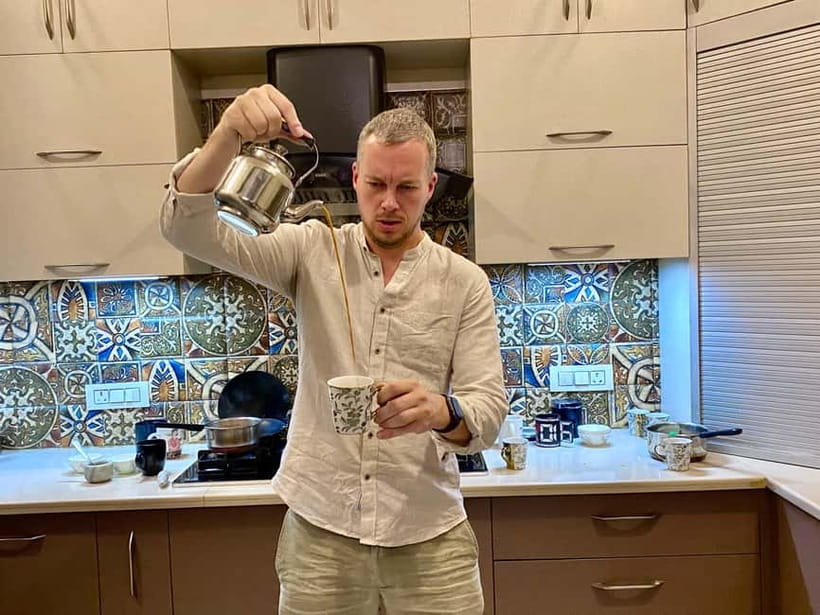
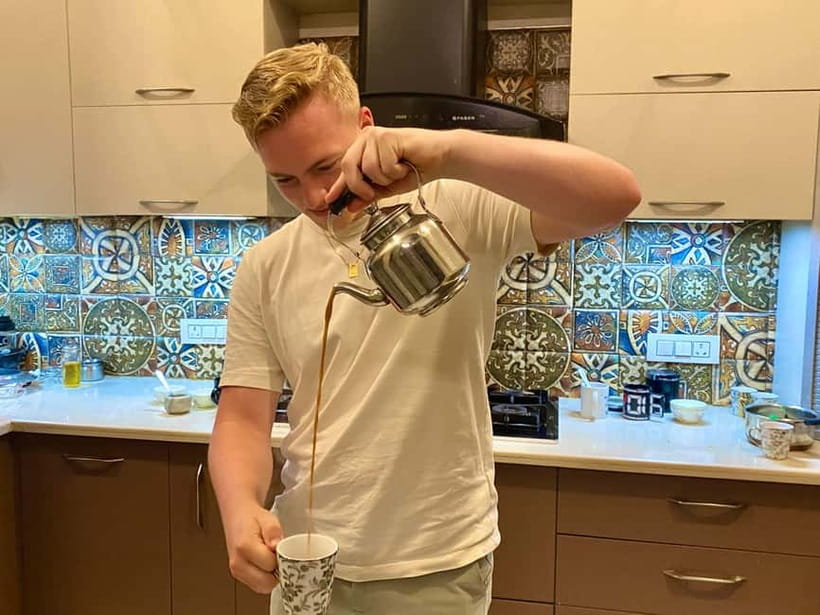
The central part of the class is hands-on. JD leads you through the preparation rather than making the drink for you while you stand back.
The focus is on brewing a balanced chai. You learn how the tea, milk, sweetness, and spices need to work together. The goal is not simply a strong drink. It is a cup where the flavors support one another instead of fighting for attention.
This practical approach has clear value. You can watch a recipe online, but an instructor can point out where your blend is too heavy, too mild, or not balanced enough. JD’s teaching style has been praised for being detailed, friendly, and easy to follow, and one participant specifically found the lesson useful enough to recreate proper masala chai at home for his girlfriend.
That is a good test of a cooking experience. You should leave with something you can repeat, not just a pleasant memory and a few attractive photographs.
The one-hour format keeps the class focused, but you should not expect a long multi-course cooking session. This is a single-drink master class with breakfast afterward. If you want a full Indian cooking course, JD also offers other food experiences, but this class is built around chai.
Finding your own spice balance

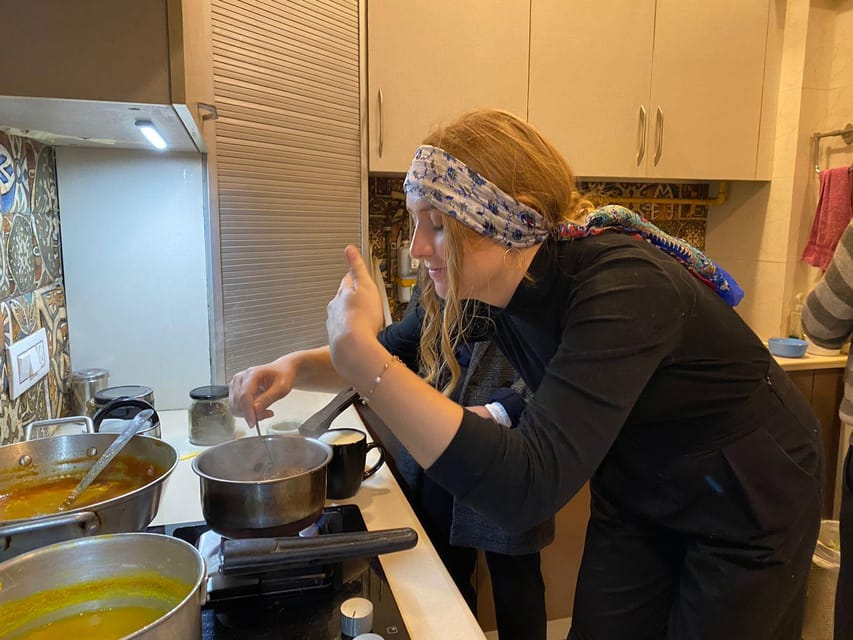
The spice section is where the class becomes more personal. You get insight into how spices affect the drink, then craft your own blend.
The supplied details do not list every spice used, so you should not expect a fixed menu of ingredients in advance. That may actually be part of the fun. You learn how to think about flavor rather than follow a rigid formula.
A useful way to approach this is to pay attention to balance. Some spices may bring warmth, some sweetness, and others a sharper or more fragrant note. JD’s role is to help you understand those differences and use them with care.
The chance to create your own blend gives you a small piece of creative control. You are not just copying the host’s preferred recipe. You are learning enough to make decisions about the cup you want to drink.
I would ask questions during this part. Find out which combinations work well, which flavors can overpower the tea, and how you might adjust the recipe at home. With only one hour, your questions can make the lesson much more useful.
A completely different kind of day out:
- Taj Mahal Day Tour from Delhi by Superfast Train – TOP RATED TOUR
★ 5.0 · 4,166 reviews - Full Day Taj Mahal, Agra Fort & Baby Taj Tour from Delhi by Car
★ 5.0 · 3,647 reviews - From Delhi: Taj Mahal & Agra Private Day Trip with Transfers
★ 4.9 · 3,181 reviews - Taj Mahal Tour from Delhi by Express Train (Viator Award Winner)
★ 5.0 · 2,849 reviews
Breakfast turns a lesson into a visit
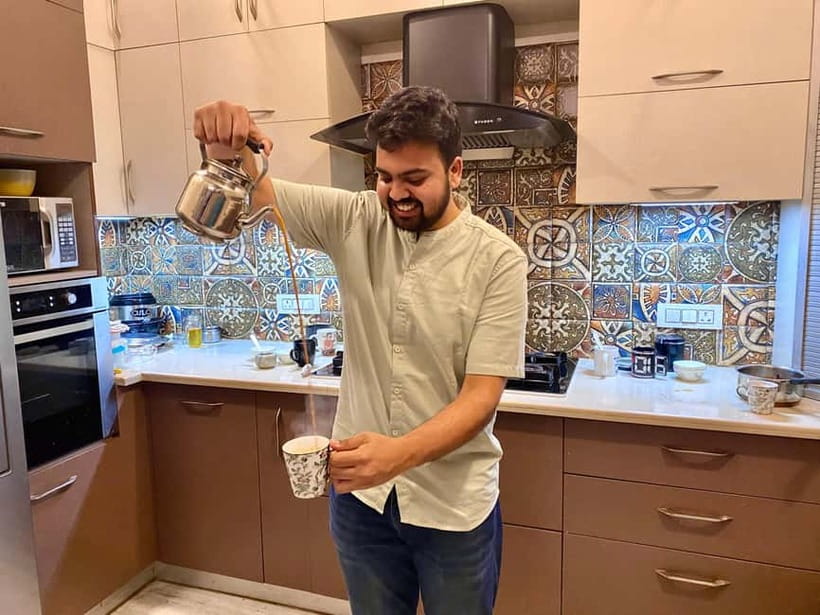
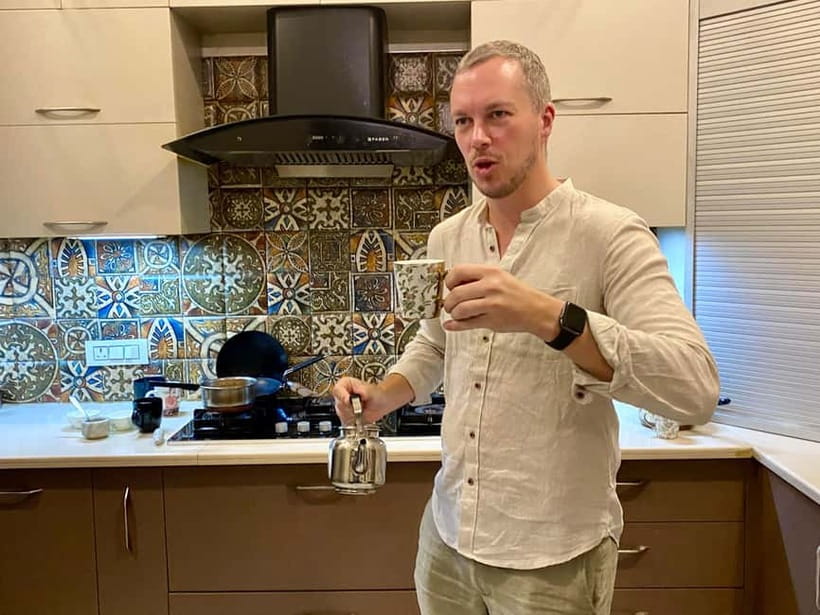
After preparing the chai, you drink it with a traditional North Indian breakfast. The food is included, along with ingredients, tea, water, and the instructor’s fee.
This meal is important because it makes the experience feel social rather than purely instructional. You sit with the drink you have made and pair it with food from the region. That simple act gives you time to taste the result and talk with the host.
The exact breakfast dishes are not specified, so you should not book this expecting a particular item. What is clear is that the meal is traditional North Indian food and that it is served as part of the experience.
Several participants singled out the breakfast as tasty, and the combination of good food and conversation helped make the class memorable. JD’s parents may also be involved in hosting, adding to the family atmosphere.
This is not a restaurant meal with a long menu. It is a modest, included snack or breakfast connected to the class. I see that as a strength if you want a taste of home cooking, though it may feel limited if you are seeking a large meal.
What makes JD’s teaching effective
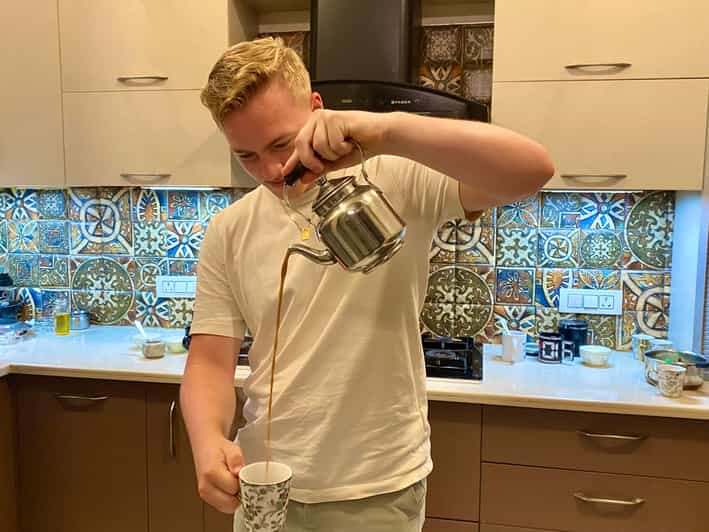
The strongest praise centers on JD himself. He is described as funny, kind, welcoming, and able to explain the subject in detail.
That matters in a one-hour class. A host who rushes through the recipe can leave you with more confusion than skill. JD appears to make room for questions, anecdotes, and explanation, while still keeping the preparation moving.
You can take the lesson in English or Hindi. For English-speaking visitors, that makes the historical and cooking details easier to follow. If you speak Hindi, you have another way to connect with the host and the setting.
The class has earned a five-star rating from 17 reviews, with comments praising the teaching, the spice balance, the food, and the family welcome. One person called it a full educational session rather than a basic demonstration. That is useful to know if you are deciding between a quick tasting and a proper introduction to chai.
Still, keep expectations sensible. A warm host cannot turn one hour into a complete study of Indian tea culture. You will get a clear introduction, practical preparation skills, and a personal encounter, not a university lecture or professional barista qualification.
Is $16 good value?
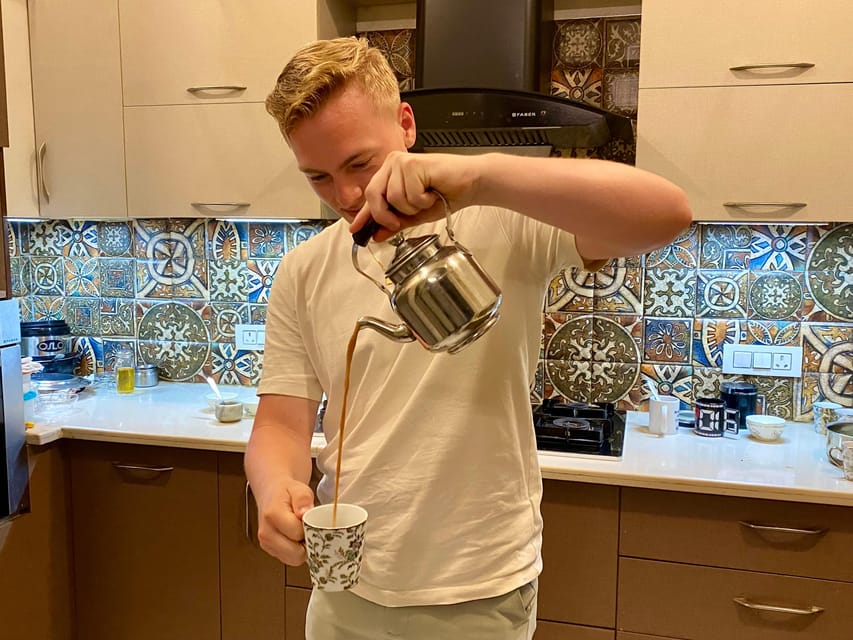
At $16 per person, I consider this good value for New Delhi. The fee includes the ingredients, all drinks such as tea and water, the instructor, the chai you prepare, and a traditional North Indian breakfast.
The price also reflects the small-group format. Up to 10 people can join, which is large enough for a social atmosphere but much smaller than a mass-market food demonstration. You should have a better chance to see the preparation and ask JD about the ingredients.
The experience is especially good value if you care about practical skills. You can take the spice-blending idea home and make masala chai again after your trip. One participant specifically described chai as a worthwhile souvenir from India, and that is a fair way to see it: you leave with a recipe and a habit, not only a purchased object.
The price does not include your Uber, metro ticket, shopping, personal snacks, insurance, or emergency costs. It also does not cover services that were not promised. Those exclusions are normal, but you should budget for your own transport.
Timing, group size, and the pace of the class
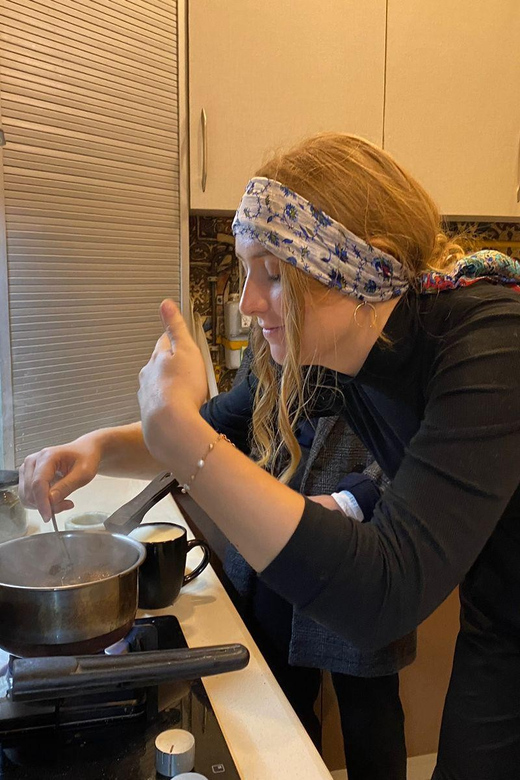
The class lasts one hour. Starting times depend on availability, so check the schedule that appears when you book.
One hour works well if you want to fit a local food experience between sightseeing plans. It is short enough for a busy day, but long enough to cover the story, the preparation, the spice blend, and breakfast.
The pace may feel brisk if you like to linger over food. You will be preparing the drink, listening to explanations, tasting the result, and eating within the same session. Go in with the idea of a focused lesson, not a slow afternoon at the table.
The group limit is 10 participants. The smaller format is useful for a hands-on class because the host can give more direct attention than he could in a large tour group. If the group is full, you may have less freedom to control every step, but the limit should keep the session manageable.
There is a separate entrance and no long attraction queue to deal with. The real logistical task is simply reaching the correct home and arriving at the first-floor meeting point on time.
Who should book this chai class?

I would recommend it to anyone who enjoys food with a story. You do not need to be an expert cook. The lesson is aimed at helping you understand the drink and make it yourself.
It is a particularly good fit for:
- First-time visitors to New Delhi who want a friendly local introduction
- Tea and spice enthusiasts
- People who enjoy small-group experiences
- Couples looking for a simple shared activity
- Home cooks who want a recipe they can repeat
- Families or friends who prefer conversation to a formal tour
- Anyone with one spare hour and an interest in North Indian food
You may want to skip it if you dislike home-based activities or prefer a highly polished cooking studio. You may also find it too short if your main goal is to cook several Indian dishes.
The class is not designed for alcohol or drug use, which is stated in the rules. You should also remember that personal and medical insurance are your responsibility.
Booking, cancellation, and practical details
You can cancel up to 24 hours in advance for a full refund. The reserve-now, pay-later option lets you hold a place without paying immediately, which is useful when your Delhi schedule is still changing.
The experience is offered in English and Hindi. The group type is small, with a maximum of 10 participants.
For the meeting point, use R-142 GK-1 Bindra’s House in your ride app. The class takes place on the first floor. I would keep the address ready on your phone rather than relying only on the venue name.
Because the setting is a private family home, dress and behave as you would when visiting someone’s house. The information provided does not list accessibility details, so contact the provider before booking if you have specific access needs.
Should you book the Chai Master Class?
Yes, if you want an affordable, personal introduction to Indian chai. For $16, you get direct instruction from JD, a chance to build your own spice blend, useful cultural background, a prepared drink, and North Indian breakfast in a family home.
The main tradeoff is the one-hour limit. You will not receive a full cooking course, a long meal, or a detailed tour of Delhi. But if you want to learn one practical recipe and meet a welcoming local host, the short format works in its favor.
Book this when you want to understand a familiar Indian drink from the inside. You will leave with more than a cup of tea: you will have a recipe, a sense of how spices shape the flavor, and a skill you can use long after you leave India.
FAQ
Where does the Chai Master Class take place?
It takes place at R-142 GK-1, Bindra’s House, on the first floor. You can enter the address into Uber or use the provided Google Maps location.
How long does the class last?
The class lasts one hour. Starting times depend on availability when you book.
How much does the experience cost?
The listed price is $16 per person.
What is included in the price?
The price includes ingredients, snacks, drinks such as tea and water, and the instructor’s fee. It also includes the chai you prepare and a traditional North Indian breakfast.
Can I attend the class in English?
Yes. The class is offered in English and Hindi.
Can I cancel for a refund?
Yes. You can cancel up to 24 hours in advance for a full refund. A reserve-now, pay-later option is also available.
Just added in India
- Five Days Golden Triangle Tour with Ranthambore Delhi Agra Jaipur★ 5.0 · 11 reviews
- 5 Days Golden Triangle Tour with Ranthambore India★ 5.0 · 10 reviews
- 5 Days Golden Triangle Tour with Ranthambore Delhi Agra Jaipur★ 5.0 · 11 reviews
- 5-Day Private Luxury Golden Triangle Tour From Delhi★ 5.0 · 45 reviews
- Delhi, Agra, Jaipur & Ranthambhore Tiger Safari 5-Day Tour★ 5.0 · 47 reviews
- Private 5 Days Golden Triangle Tour – Visit Delhi Agra and Jaipur★ 5.0 · 26 reviews
- 5-Day Private Delhi, Agra and Jaipur with Ranthambhore Tiger Tour From Delhi★ 5.0 · 44 reviews
- 5-Day Private Golden Triangle Tour: Delhi, Agra, and Jaipur★ 5.0 · 62 reviews
Workshops, compared.
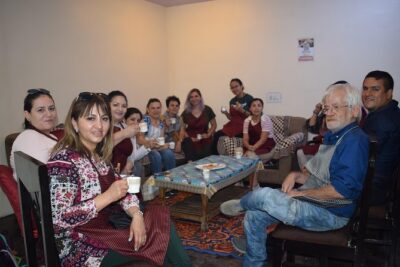

5 Senses Tour – Old + New Delhi, Workshops, Lunch all inclusive
Read our review →
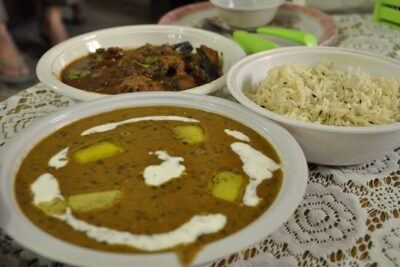
Veg and Non veg : Private Cooking Class in Delhi home (7 meal)
Read our review →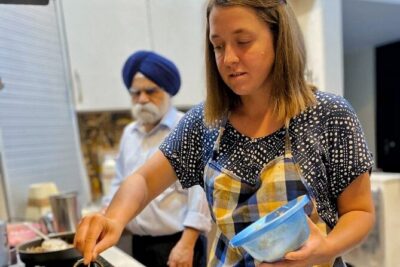
Indian Cooking Class in an Authentic Local Home – Learn 6 Dishes
Read our review →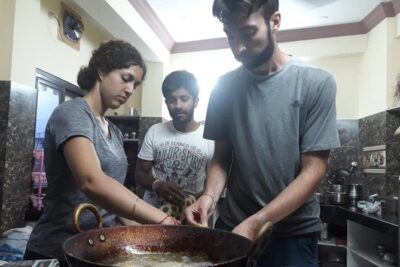
Private Guided Cooking Workshop Experience in Jodhphur
Read our review →
Traditional miniature painting class at Pacific Art
Read our review →Browse the lists this tour appears in