
Reviewed · WALKING TOURS
Best South Mumbai Heritage Walk
South Mumbai tells its story in stone. This three-hour walk links grand railway architecture, colonial-era civic buildings, art-filled streets, and the waterfront in one manageable outing. You get a close look at places that pass too quickly from a car window, including Chhatrapati Shivaji Terminus, Flora Fountain, Kala Ghoda, and the Gateway of India.
I like the choice of morning or afternoon departures, which makes this easier to fit around a busy Mumbai schedule. I also like the small-group limit of 15 people, since that gives a guide a better chance to answer questions and keep the walk personal. The main consideration is simple: this is a walking tour in a large city, so you should be ready for three hours on your feet and changing street conditions.
Guides are a major part of the experience. Aakash has been praised for his historical detail and friendly manner, while Gautam added photo stops and Bollywood insights. Sandesh focused on unusual facts about landmarks, and Sanika brought a broad understanding of Mumbai and India into the conversation. The guide you receive will shape the tone, but the high 4.8 rating from 122 reviews and 96 percent recommendation suggest that the standard is usually strong.
In This Review
- Key points to know before you book
- Why South Mumbai works so well on foot
- Beginning near CST and the Fort district
- Gateway of India and the Taj Mahal Palace
- Kala Ghoda and Mumbai’s arts center
- Town Hall and the Asiatic Society
- Flora Fountain and Hutatma Chowk
- Horniman Circle Garden and the civic core
- Bombay High Court and Victorian Gothic detail
- Chhatrapati Shivaji Terminus, the grand finale
- What the guides add to the walk
- Timing, group size, and practical comfort
- Who should book this South Mumbai walk?
- Should you book the Best South Mumbai Heritage Walk?
- FAQ
- How long does the South Mumbai Heritage Walk last?
- Are morning and afternoon tour times available?
- What sights are included?
- Where does the tour start and finish?
- How large is the group?
- Can I cancel for a full refund?
Key points to know before you book
- Eight major South Mumbai sights in about three hours: The route brings together the Gateway of India, Kala Ghoda, Town Hall, Flora Fountain, Horniman Circle Garden, the Bombay High Court, the Taj Mahal Palace, and CST.
- A strong architecture lesson: You will see Victorian Gothic Revival, Neoclassical, and other colonial-era styles close together.
- A walking-first look at Mumbai: You can pause for photographs and notice details that are easy to miss from a taxi.
- Morning and afternoon options: You can choose a departure that works with your arrival, sightseeing, or evening plans.
- A small group capped at 15 people: The size should make it easier to hear the guide and ask questions.
- Good value at $17.89 per person: Since the listed stops have free admission, most of what you pay for is the guide’s context, route planning, and local perspective.
Why South Mumbai works so well on foot
South Mumbai can feel like several cities pressed into one district. A grand railway station, British-era offices, a public garden, art galleries, luxury hotels, and the Arabian Sea all sit within the same broad sightseeing zone. That variety gives this walk more range than a simple landmark checklist.
I like walking here because the buildings are part of the street scene rather than isolated sights. You can study carved stone, domes, columns, fountains, and traffic patterns from close range. The slower pace also lets your guide explain how colonial rule shaped the city’s public buildings and transport network.
The route is not only about old architecture. It also shows how South Mumbai still functions today. Courtrooms, offices, rail lines, hotels, shops, public spaces, and cultural venues share the same streets. That mix helps you see Mumbai as a living city, not a museum district.
At $17.89, the price is reasonable for a three-hour guided walk. You are not paying for costly entry tickets, since admission is listed as free at the stops. The value rests in the guide’s storytelling and your ability to make sense of the buildings. If you already know South Mumbai well, the tour may feel basic in places. If this is your first visit, the route gives you a useful framework for later independent exploring.
More Walking Tours in Mumbai
- Group Guided Walking Tour in Fort and Colaba
★ 5.0 · 1,073 reviews - Private Guided Walking Tour in Fort & Colaba
★ 5.0 · 895 reviews - Private Guided Walking Tour in Bandra Queen of Suburbs
★ 5.0 · 383 reviews
Beginning near CST and the Fort district
The meeting point is beside the McDonald’s at Empire Building on Dr Dadabhai Naoroji Road, opposite CST Station and near Azad Maidan. This is a practical location, especially if you are already using the station or staying in the Fort area. The end point is Regal Cinema in Apollo Bandar, near the Gateway of India.
The published sights can be covered in different orders depending on the guide and starting time. The key point is that the walk links the Fort district, Kala Ghoda, Colaba, and CST rather than keeping you in one small pocket. Confirm the exact sequence with your guide at the start, particularly if you want to plan lunch or another booking afterward.
Because the meeting point is easy to identify, arriving a little early is wise. You will want time to find the group, check your phone ticket, and get settled before the walking begins. Confirmation is provided when you book, and the activity is near public transportation.
Gateway of India and the Taj Mahal Palace
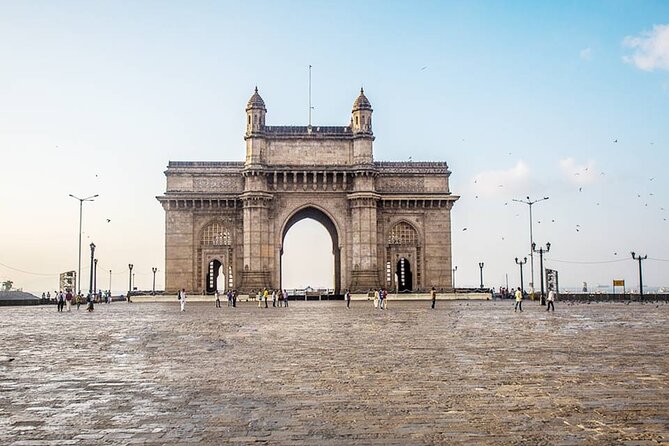
The Gateway of India is one of Mumbai’s most recognizable landmarks. Built in the early twentieth century, the arch was designed as a ceremonial entrance to the city and remains one of the strongest photo stops on the route.
Your guide can place the monument within the wider story of colonial Mumbai and the waterfront. The value here is not only the arch itself. You also get a sense of how the sea shaped Mumbai’s public identity, trade, tourism, and movement.
The Gateway area can be crowded and visually noisy. That is part of the experience, but it can make quiet conversation difficult. Stay close to the guide and keep your phone secure while taking photos. The tour does not charge a separate admission fee for the monument.
Nearby, the Taj Mahal Palace gives the walk a different architectural and social angle. This heritage luxury hotel is associated with old Colaba and remains one of Mumbai’s best-known buildings. The stop is listed for about 10 minutes, so expect an exterior look and explanation rather than a long hotel visit.
I like this pairing because the Gateway represents public ceremony, while the Taj Mahal Palace points to hospitality, status, and the city’s long connection with international visitors. You can photograph both, but the guide’s explanation is what turns two famous facades into a connected story.
Kala Ghoda and Mumbai’s arts center
Kala Ghoda is one of the most enjoyable stops for anyone who likes city culture. The district is known for its art spaces and annual Kala Ghoda Arts Festival, held each February. Even outside festival season, the area gives the walk a more creative feel than the formal civic buildings around Fort.
The stop is planned for about 30 minutes, enough time to look around and hear why the area matters. Ask your guide about the festival if you are visiting at another time of year. It is a useful way to understand how Mumbai’s arts scene uses historic streets and buildings rather than separating culture from daily city life.
This is also a good place for photographs. You may find a mix of building details, street activity, and public art subjects, though the exact photo opportunities can change with events and local conditions. Gautam was specifically praised for helping with good photo spots and adding Bollywood insights, so a guide with that style can make this part especially engaging.
A completely different kind of day out:
- Dharavi slum tour in Mumbai by Female tour guides of the slum
★ 5.0 · 1,976 reviews - Mumbai: Full-Day Sightseeing Tour of Mumbai
★ 4.9 · 1,822 reviews - Private Mumbai Sightseeing Tour (Traveller’s Choice Award Winner)
★ 5.0 · 1,565 reviews - Elephanta Caves & Island Guided Private Tour
★ 5.0 · 1,327 reviews
Town Hall and the Asiatic Society
The Town Hall, home of the Asiatic Society of Mumbai, is a Neoclassical building in the Fort district. Its formal design offers a useful contrast with the Victorian Gothic buildings you see elsewhere on the walk.
This is where the tour’s architecture theme becomes particularly clear. Neoclassical buildings often use symmetry, columns, and a restrained formal style, while Victorian Gothic Revival buildings tend to feel more ornate and dramatic. You do not need an architecture background to enjoy the contrast. A good guide will point out the shapes and details in plain language.
The stop is allocated about 30 minutes, which gives you time to examine the exterior and take photographs. As with the other stops, admission is listed as free, but do not assume the walk includes an interior tour or access to every working building. Much of the experience is about reading the city from its streets.
Flora Fountain and Hutatma Chowk
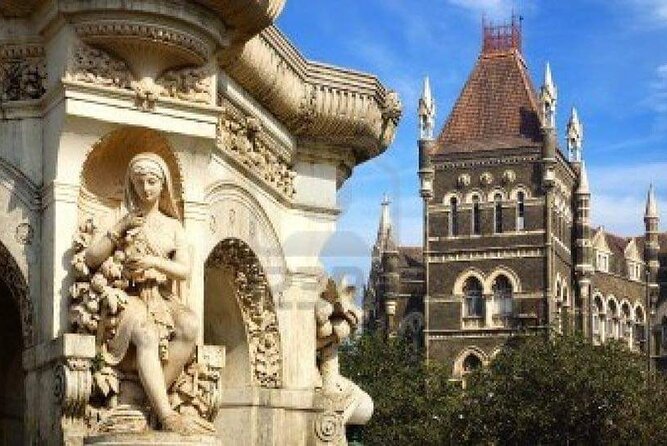
Flora Fountain sits at Hutatma Chowk, at the southern end of historic Dadabhai Naoroji Road. It is an ornamentally sculpted heritage monument and one of the most recognizable details in the Fort district.
The fountain works well as a stopping point because it brings together sculpture, public space, and traffic. You can see how an ornamental monument was designed to fit into a working urban junction, rather than a quiet garden. That contrast is a very Mumbai detail: beauty and daily commotion share the same few yards.
The walk allows about 30 minutes here. Use the time to listen before moving in for photographs, since roads and crossings are part of the setting. Sandesh was praised for sharing interesting facts about historic landmarks, and this is the kind of stop where small details can make a familiar monument more meaningful.
Horniman Circle Garden and the civic core
Horniman Circle Garden is a large public park covering about 2.5 acres, or 10,100 square meters, in the Fort district. Office buildings surround it, giving the space an important civic role as well as a pleasant visual break from stone facades and traffic.
The scheduled stop is shorter, about 10 minutes. That is enough to see the garden, understand its place in the district, and take a brief pause. Do not expect a long rest period or a full park visit. The guide is using it as one piece of a larger story.
I find this kind of stop useful because it shows that heritage is not limited to grand buildings. Public gardens and open spaces also shape how a district feels. The garden offers a change of scale before the walk returns to imposing institutional architecture.
Bombay High Court and Victorian Gothic detail
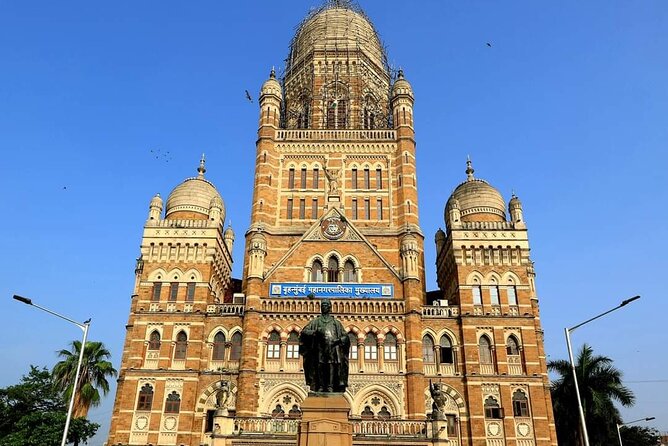
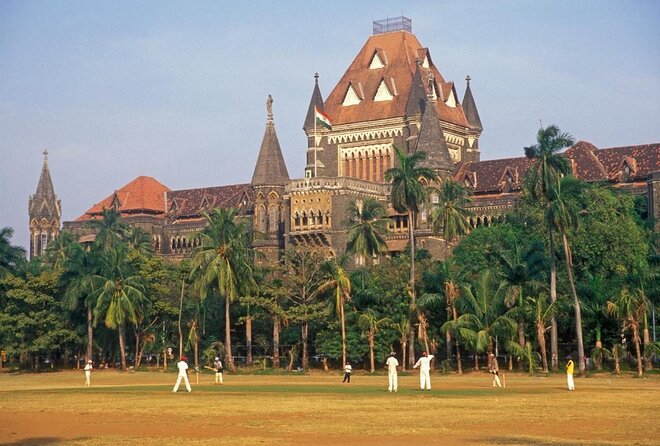
The Bombay High Court’s principal bench is another important civic building on the route. The court serves Maharashtra and Goa, and its presence helps explain why South Mumbai became a center of government, law, finance, and administration.
This stop is listed for about 10 minutes, so expect a concise exterior explanation. You will not be taking a courtroom tour. Still, the building adds weight to the architectural theme, especially when placed beside CST and other Victorian Gothic structures.
The best reason to pay attention here is comparison. Your guide can help you notice how public authority was expressed through scale, ornament, and carefully planned buildings. The tour is strongest when it connects those visual details to the city’s colonial past rather than treating each structure as a separate photo backdrop.
Chhatrapati Shivaji Terminus, the grand finale
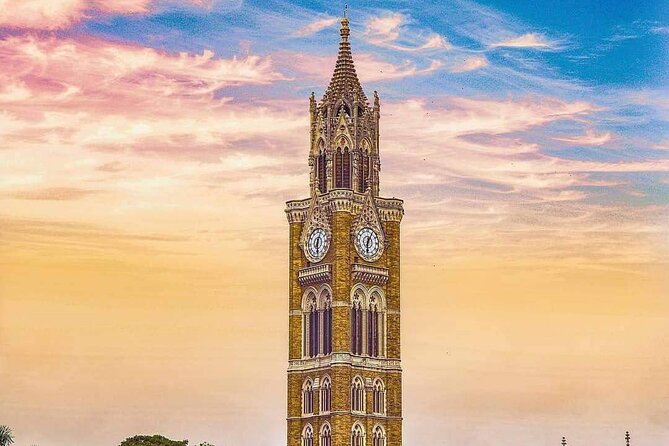
Chhatrapati Shivaji Terminus, commonly known as CST, is a historic railway station and a UNESCO World Heritage Site. It is one of the most important sights in Mumbai, both for its design and for its role as a working transport hub.
The station combines Victorian Gothic Revival features with Indian architectural elements. That mixture makes it a fitting final landmark for a walk about colonial influence and Mumbai’s changing identity. It is not just an old building. Trains still move through the station, so the site connects architectural history with the daily rhythm of the city.
About 30 minutes is allotted here. That should give you time to view the exterior, take photos, and hear the main explanation. The station’s scale can be hard to absorb quickly, so listen for the details your guide chooses to highlight rather than trying to inspect everything at once.
Starting near CST and ending near the Gateway, or following the reverse flow, gives the route a useful shape across South Mumbai. Since the exact order can vary, ask the guide when you meet where CST fits into your walk. That small question will help you plan your next stop.
What the guides add to the walk
The guide is the difference between a pleasant stroll and a useful heritage tour. Aakash has been praised for extensive historical detail delivered in a friendly way. Gautam’s strengths include photographs and Bollywood connections, which may appeal if you want culture beyond architecture.
Sandesh has been singled out for informative explanations and interesting facts about landmarks. Sanika received praise for being personable and for connecting South Mumbai to wider Indian history and culture. These comments suggest a range of guiding styles rather than one fixed script.
You should still keep your expectations realistic. Guide quality can vary from one departure to another, and the supplied details do not guarantee which guide you will meet. The strong overall rating suggests a good chance of an engaging experience, but your own interests matter. Tell the guide early if you care most about architecture, photography, colonial history, or modern Mumbai.
Timing, group size, and practical comfort
The tour lasts about three hours and offers morning and afternoon options. A morning start may suit you if you want to continue sightseeing later, while an afternoon departure can work around an earlier arrival or morning plans. The information does not specify exact start times, so check the available option when booking.
The maximum group size is 15 people. That is not a private tour, but it is small enough for a guide to keep the group together and answer questions without shouting constantly. It also means you should not wander far ahead for photos.
Wear comfortable shoes and expect to walk through active city streets. Carry water and keep your phone ready for the mobile ticket and photographs. The route is eco-friendly because it uses walking instead of a vehicle, but that also means you experience the weather, pavement, crossings, and noise directly.
Most people can participate, and the tour is near public transportation. The supplied details do not give a specific accessibility assessment, so contact Mumbai Dream Tours if you need information about surfaces, stairs, or mobility support.
The cancellation policy is friendly if your plans change early. You receive a full refund when you cancel at least 24 hours before the start time. Cancellations or changes within 24 hours are not refunded or accepted.
Who should book this South Mumbai walk?
I would choose this tour if you are visiting Mumbai for the first time and want a clear introduction to the southern districts. It is also useful if you enjoy buildings, photography, public spaces, and local stories more than shopping or food tours.
The walk suits independent visitors who want orientation without hiring a private guide. The group cap keeps it more personal than a large coach excursion, while the price remains modest. Families with older children may also like the variety of stops, especially CST, the Gateway, and Kala Ghoda.
You may want something else if you dislike walking, need frequent long breaks, or want extended interior visits. The stop times are designed to cover many landmarks, so this is a broad introduction rather than a slow architectural study. If your priority is entering every building, confirm what access is included before booking.
Should you book the Best South Mumbai Heritage Walk?
Yes, if you want a well-priced first look at South Mumbai’s major historic sights. For $17.89, you receive three hours with a local guide, a maximum group size of 15, free-admission landmarks, and a route that connects CST, Fort, Kala Ghoda, Colaba, and the Gateway of India.
I especially like it for the way it places grand architecture beside working streets and public spaces. Book it with comfortable shoes, modest expectations about interiors, and a little flexibility over the exact order of stops. If the guide brings the same warmth and detail praised in the experiences with Aakash, Gautam, Sandesh, and Sanika, you should finish with better photos and a much clearer sense of how South Mumbai came to look the way it does.
FAQ
How long does the South Mumbai Heritage Walk last?
The walk lasts approximately three hours.
Are morning and afternoon tour times available?
Yes. Morning and afternoon options are available, although exact departure times should be checked when booking.
What sights are included?
The walk includes the Gateway of India, Kala Ghoda, Town Hall and the Asiatic Society Library, Flora Fountain, Horniman Circle Garden, the Bombay High Court’s principal bench, the Taj Mahal Palace, and Chhatrapati Shivaji Terminus.
Where does the tour start and finish?
The meeting point is beside McDonald’s at Empire Building on Dr Dadabhai Naoroji Road, opposite CST Station. The tour ends at Regal Cinema in Apollo Bandar, near the Gateway of India.
How large is the group?
The activity has a maximum of 15 participants.
Can I cancel for a full refund?
Yes. You can cancel at least 24 hours before the start time for a full refund. Cancellations or changes made less than 24 hours before the start time are not refunded or accepted.
Just added in Mumbai
- Mumbai Airport to Mumbai Hotels : Private Transfers★ 5.0 · 13 reviews
- Mumbai Sightseeing Tour★ 5.0 · 11 reviews
- Mumbai Spice Markets and Bazaars Tour with Guide and Transport★ 5.0 · 42 reviews
- Mumbai 800 Year Worli Village: Talking Goddess, Old Fort & more★ 5.0 · 94 reviews
- Customize private tour with pickup★ 5.0 · 95 reviews
- Gufran’s Slum Home Tour in the Mumbai Slums★ 5.0 · 19 reviews
- Private Guided Bandra Half Day City Tour in AC Vehicle★ 5.0 · 72 reviews
- The Famous Bollywood Tour of Mumbai★ 5.0 · 97 reviews
Walking Tours, compared.
The Great Indian Food Tour: Old Delhi Food and Heritage Walk
Read our review →


Blue City Heritage Private Walking Tour With Pickup and Drop-Off
Read our review →
Private Guided Walking Tour in Bandra Queen of Suburbs
Read our review →
Private Jodhpur Blue City Walking Tour with Guide
Read our review →Browse the lists this tour appears in