
Reviewed · WALKING TOURS
Agra Walking Tour
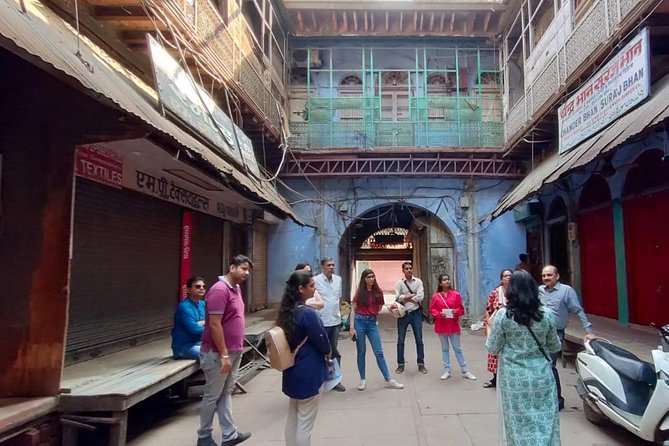
Agra has more stories than the Taj Mahal. This $11 private tour takes you through Jama Masjid, Shri Mankameshwar Temple, old markets, and the city’s historic railway station, with an English-speaking local guide and transport included. I like the small-group feel and the chance to see Agra through places that matter to residents, not just sightseeing checklists.
I also like the mix of walking, local transport, market time, and food history. Guides such as Amit and Ritik have been praised for their energy, clear communication, and friendly company. The main caution is timing: the advertised two to three hours may not always be delivered, and one guest reported a tour lasting only about 75 minutes.
In This Review
- Key points before you book
- Why this Agra walk is worth considering
- Jama Masjid: begin with Agra’s grand mosque
- Shri Mankameshwar Mandir and Agra’s sacred side
- Agra Fort Railway Station: an unexpected British-era stop
- Kinari Bazar: old Agra in working form
- Gopal Das Pethe Wale: the story behind Agra’s famous sweet
- Subash Bazar: follow local shopping habits
- The unmarked corners that give Agra its character
- Walking, metro, tuk-tuks, and the value of a private guide
- Who will enjoy this Agra experience most
- Price, timing, and practical value
- Should you book the Agra Walking Tour?
- FAQ
- How long does the Agra Walking Tour last?
- Where does the tour start and finish?
- Is transportation included?
- Is this a private tour?
- Are food and personal expenses included?
- Can I cancel for a full refund?
Key points before you book
- Jama Masjid and Shri Mankameshwar Temple give you two very different views of Agra’s religious life.
- Kinari Bazar and Subash Bazar are working markets, not polished shopping streets made for sightseeing.
- Agra Fort Railway Station adds an unusual British-era stop to the route.
- Pethe tasting introduces Agra’s famous sweet made from white pumpkin.
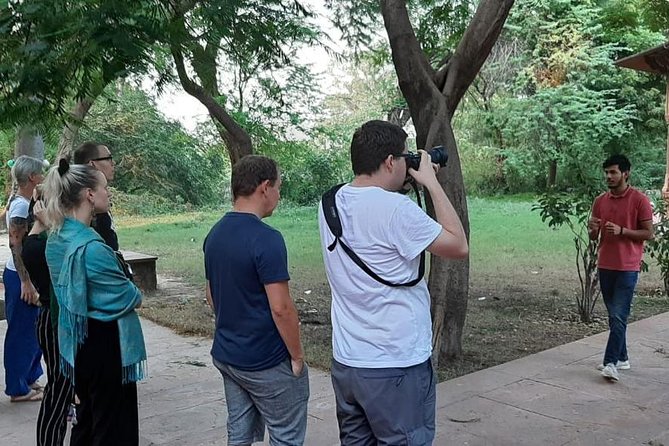
- Private guiding means you can ask questions and set the pace more easily than on a large group outing.
- Transport is included, and past tours have used the metro and tuk-tuks as well as walking.
Why this Agra walk is worth considering
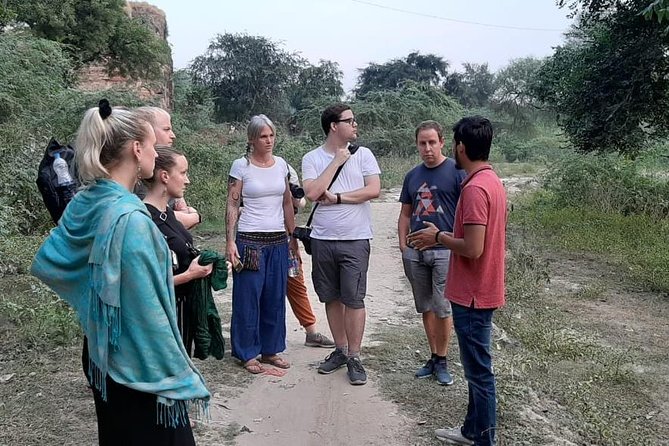
Most visitors come to Agra for one major monument, then leave. This tour gives you a useful second layer. You see the city where people pray, shop, commute, bargain, and make a living. That makes it a good choice if the Taj Mahal is already on your schedule and you want a closer look at everyday Agra.
The route is also nicely varied. You are not asked to walk through old lanes for three straight hours. The experience can include transportation, and one account describes using the metro and hopping on and off tuk-tuks. That matters in Agra, where traffic, heat, and crowded streets can make a long walk tiring.
At $11, the price is modest for a private tour with transport and an English-speaking local. I see the strongest value in the guide and access to local context, not in the amount of sightseeing time alone. If your guide gives you the full two to three hours, it is a good deal. If the visit ends after little more than an hour, the value drops fast.
The tour has a 4.9 rating from 109 reviews, with 96 percent recommending it. That is a strong signal, but the timing issue deserves attention. I would confirm the expected duration with your guide at the start and keep your schedule flexible.
More Walking Tours in Agra:
- Agra: Street Food Walking Tour, Spice Market, & Tuk-tuk Ride
★ 4.9 · 102 reviews - Agra: Sadar Bazar Food Market Night Walking Tour by Tuk-Tuk
★ 4.9 · 25 reviews - Agra Fort: Guided UNESCO Heritage Walking Tour
★ 4.9 · 21 reviews
Jama Masjid: begin with Agra’s grand mosque
The tour begins at Jama Masjid, near Subash Bazar and Kinari Bazar. You spend about 20 minutes here, seeing one of the city’s largest mosques. It is a sensible starting point because it puts you directly into the old part of Agra rather than easing you in from a modern hotel district.
The mosque is free to enter, according to the tour details. Your guide can help explain the building’s role in the city and point out features you might otherwise pass without understanding. Since this is an active religious site, dress and behavior should be respectful, and you should follow any instructions given at the entrance.
One practical note comes from the feedback: a guest had to ask to see the mosque’s entrance door and other parts of the site. That tells me you should not simply follow along quietly. Ask what you are looking at, where the best entrance is, and which details matter. A private guide is most useful when you speak up.
Shri Mankameshwar Mandir and Agra’s sacred side
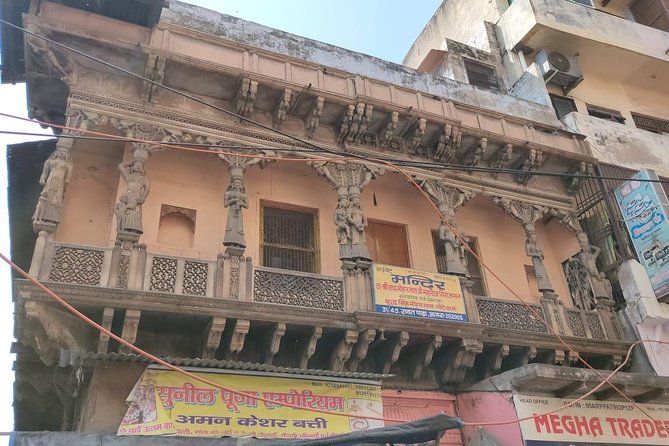
After the mosque, the route moves to Shri Mankameshwar Mandir, a temple described as 650 years old. The visit lasts around 20 minutes and is free. This stop changes the tone of the tour, giving you a look at Hindu worship after starting with a major Muslim place of prayer.
The appeal here is not only the age of the temple. The guide is expected to share the stories connected with it, which can make a short stop feel more meaningful. You may find the temple more memorable for its legends, rituals, and local importance than for a long architectural inspection.
As with the mosque, this is a religious setting rather than a museum. Listen carefully to your guide’s instructions, and ask before taking photographs if you are unsure. The tour description does not promise a formal ceremony or extended time inside, so think of this as a focused introduction, not a full temple visit.
Agra Fort Railway Station: an unexpected British-era stop
The Agra Fort Railway Station receives about 20 minutes. Admission is included, and the station is presented as the city’s oldest railway station, built during British rule. Its architecture and many associated stories give the tour a welcome change of subject.
This is one of the route’s more unusual choices. Most first-time sightseeing plans focus on palaces, tombs, and forts. A railway station shows how Agra connected to the wider country and how colonial-era infrastructure became part of the city’s daily life.
The stop is short, so you should expect an outside look and a compact explanation rather than an extended railway tour. The exact amount you see may depend on access and timing. Still, it helps break up the religious and market visits, and it gives your guide a chance to explain a less familiar part of Agra’s past.
A few more options to weigh up in Agra
- Agra: Skip-the-Line Taj Mahal & Agra Fort Private Tour
★ 4.9 · 1,546 reviews - Agra: Taj Mahal Express Entry Tickets
★ 4.8 · 684 reviews - Agra: Taj Mahal and Mausoleum Guided Tour with Skip-the-Line
★ 4.8 · 631 reviews - Private Guided Taj Mahal Tour with Skip The Line Entry Ticket
★ 5.0 · 562 reviews
Kinari Bazar: old Agra in working form
Kinari Bazar is described as a 400-year-old market where the old city’s character remains strong. You spend around 20 minutes here, with no admission fee. This is not a staged cultural attraction. It is a place where shopping, deliveries, conversation, and sightseeing all happen at once.
I like this part of the route because a market tells you more about a city’s daily rhythm than a quick monument stop can. You may find narrow lanes, small shops, and goods aimed mainly at local customers. The tour gives you a guide who can help explain what you are seeing and keep the route from becoming a confusing walk through unfamiliar streets.
Twenty minutes is enough for an introduction, but not enough for serious shopping. If you see something you want, ask your guide how much time you can spare and how to handle prices. Personal expenses are not included, so anything you buy is on your own account.
Gopal Das Pethe Wale: the story behind Agra’s famous sweet
The stop at Gopal Das Pethe Wale Johri Bazar lasts about 15 minutes. Here you learn about pethe, a sweet made from white pumpkin and closely associated with Agra. Admission is included, but food expenses are not, so you should expect to pay if you want to purchase sweets.
This is a small stop, yet it adds flavor to the tour in the most literal way. Food gives you an easy way to connect a place with its local identity. The guide can explain the story behind pethe, while the confectionery gives you a chance to see how a familiar regional specialty is sold.
Do not expect a full meal. The details describe a sweet shop visit, not lunch or a broader tasting session. If you have dietary concerns, ask what is available before buying. For many people, a small box of pethe makes a better souvenir than another generic trinket.
Subash Bazar: follow local shopping habits
Subash Bazar is another market stop, with roughly 20 minutes set aside. It is described as a wholesale market for Indian clothing, with a wide range of garments and a strong local shopping atmosphere. This is where the tour’s promise of seeing ordinary Agra feels most convincing.
The market may feel hectic, especially if you are used to quiet sightseeing lanes. That is part of its value, but it also means you need to watch your belongings, keep close to your guide, and avoid blocking shop entrances. The tour description presents this as a place where local people shop for clothes, not as a tidy retail district designed for foreign visitors.
You will not have time to inspect every shop. Instead, treat the stop as a quick look at how the market works. If clothing is your main interest, tell the guide early. A private tour gives you a better chance of spending a little more time where you are most curious, though the total schedule still matters.
The unmarked corners that give Agra its character
The final 25 minutes are reserved for smaller places whose locations may not appear on Google. The route description does not name them, which is part of the point. These are places selected for their stories rather than their fame.
This portion depends heavily on the guide. A skilled local can turn an ordinary lane, shopfront, shrine, or building into a useful piece of the city’s story. Amit has been praised for his energy and friendly style, while Ritik has been singled out for clear communication, careful planning, and a reassuring manner. Your guide may shape the experience more than any individual stop.
There is also a limit. Since these locations are not specified, you cannot know exactly what you will see before booking. If you prefer a fixed route with named monuments, this may feel vague. If you like leaving room for local discoveries, it is one of the tour’s best features.
Walking, metro, tuk-tuks, and the value of a private guide
Despite its name, this is not necessarily a walking-only experience. Transportation is provided, and one tour account describes using the metro and tuk-tuks alongside walking. That can make the route more comfortable and help you cover more ground without exhausting yourself.
The exact transport sequence is not guaranteed in the information provided. Ask your guide at the start how the route will work that day. You should also confirm whether the planned visit will run for two or three hours. One guide was reported to arrive 20 minutes late, followed by a much shorter tour, so clear communication is sensible.
The private format is a real advantage. Only your group participates, and you can ask for explanations, slow down at a market, or request more detail at a religious site. At the same time, private does not automatically mean long or perfectly organized. The quality depends on punctuality, preparation, and how actively your guide manages the time.
Who will enjoy this Agra experience most
I would recommend this tour to you if you have already planned the Taj Mahal and want a closer look at the city around it. It suits curious visitors who prefer markets, local stories, and everyday places to another grand monument.
It is also useful for a short stay because the route packs several types of experience into two to three hours. You get religious sites, colonial history, markets, transport, and a food stop without committing to a full-day outing.
You may want to skip it if you dislike crowded markets, religious sites, or flexible routes. It is also a weaker choice if you need a guaranteed start and finish time. The reported short tour is not something to ignore, especially if you have a train, airport transfer, or timed monument visit afterward.
The tour operates daily, with listed hours from 4:00 AM to 10:00 PM. The meeting point is Jama Masjid, near Subash Bazar, Kinari Bazar, Hing ki Mandi, and Mantola. The activity returns to the same meeting point, and confirmation is provided at booking. Most people can participate, and the meeting area is near public transportation.
Price, timing, and practical value
At $11, this is inexpensive by private-tour standards. You are paying for an English-speaking local guide and transportation, while personal purchases and food are extra. The pethe visit can be enjoyed without spending anything, but you should carry money if you want to take sweets home or shop in the markets.
The tour’s value rests on getting the promised time and attention. A full two to three hours makes the price attractive, especially with a private guide. A 75-minute visit does not offer the same return, even if the guide is pleasant.
I would book it with one simple plan: confirm the start time, expected duration, and transport details as soon as the guide contacts you. If the tour is canceled because of bad weather, you can choose another date or receive a full refund. You can cancel for a full refund up to 24 hours before the start time, but cancellations or changes inside that window are not refunded or accepted.
Should you book the Agra Walking Tour?
Book this tour if you want local Agra rather than another palace visit, and if you value a flexible private guide. Jama Masjid, Shri Mankameshwar Mandir, Kinari Bazar, Subash Bazar, and the pethe stop give you a broad look at the city in a short period.
I would be cautious only if your schedule is tight or you expect a strict two to three-hour route. Ask for a clear time commitment at the beginning, then enjoy the markets, the unusual railway station, and the small stories that large sightseeing tours often miss. At $11, it is worth booking for the concept and the local access, provided the timing is handled properly.
FAQ
How long does the Agra Walking Tour last?
The tour is expected to last approximately two to three hours. The individual stops add up to about two hours, with the remaining time allowing for walking and transportation.
Where does the tour start and finish?
It starts at Jama Masjid in Agra, near Subash Bazar, Kinari Bazar, Hing ki Mandi, and Mantola. The activity ends back at the same meeting point.
Is transportation included?
Yes. Transportation is provided. One account of the experience describes using the metro, walking, and tuk-tuks during the route.
Is this a private tour?
Yes. Only your group participates, and an English-speaking local guide leads the experience.
Are food and personal expenses included?
No. Personal expenses and food costs are not included. The visit to the pethe shop is included, but you pay separately for any sweets or other purchases.
Can I cancel for a full refund?
Yes. You can cancel at least 24 hours before the start time for a full refund. Cancellations or changes made less than 24 hours before the start time are not accepted, and the amount paid is not refunded.
Just added in Agra
- Taj Mahal Half Day Tour by Tuk Tuk★ 5.0 · 16 reviews
- 3-Hour Unimaginable Beauty of Taj Private Guided Tour★ 5.0 · 13 reviews
- Private Tour Guide For Taj Mahal And Agra Fort★ 5.0 · 17 reviews
- Taj Mahal Virtual Tour with Local Guide(Online Experience )★ 5.0 · 24 reviews
- Taj mahal Private Tour with Entry Ticket and Guide★ 5.0 · 42 reviews
- From Agra: Skip-the-Line Taj Mahal & Agra Fort Private Day Tour★ 5.0 · 25 reviews
- Taj Mahal & Agra Fort Tour from Agra City★ 5.0 · 30 reviews
- Taj Mahal & Agra Fort Tour with Fatehpur Sikri from Agra★ 5.0 · 13 reviews
Walking Tours, compared.

The Great Indian Food Tour: Old Delhi Food and Heritage Walk
Read our review →


Blue City Heritage Private Walking Tour With Pickup and Drop-Off
Read our review →
Private Guided Walking Tour in Bandra Queen of Suburbs
Read our review →

Private Jodhpur Blue City Walking Tour with Guide
Read our review →Browse the lists this tour appears in