
Reviewed · DAY TRIPS
Serene and beautiful Sarnath Private Half Day Tour
Sarnath offers a quieter side of Varanasi. This four-hour private tour brings you to one of Buddhism’s four most sacred places, with time for the Mool Gandh Kuti Vihara temple, Deer Park, Sarnath Museum, and Ashoka Pillar. I like the included private transportation and the fact that admission fees and taxes are covered. The main consideration is pace: four stops in four hours leaves little room to linger, and lunch and drinks are not included.
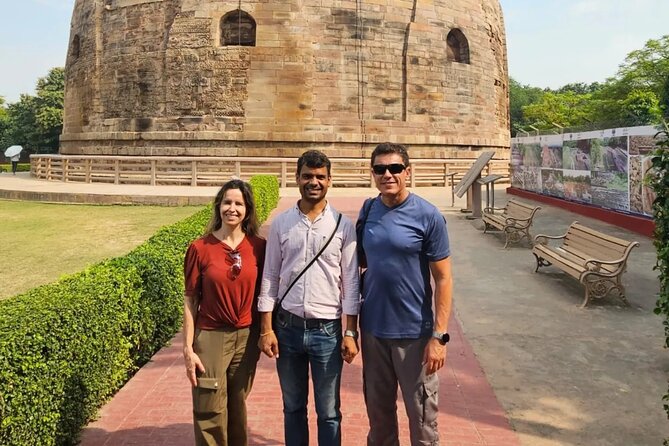
I also like the chance to explore Sarnath with Karan Sachan, a professional art restorer and historian whose background can add useful context to the art, inscriptions, and Buddhist stories. The private format suits you if you want to ask questions freely or keep the visit focused. Just check the operating details carefully, since the listed opening hours are Monday from 9:00 AM to 5:00 PM.
In This Review
- Key Points At A Glance
- Why Sarnath Belongs On Your Varanasi Plan
- Mool Gandh Kuti Vihara And Its Japanese Murals
- Sarnath Deer Park And The Archaeological Remains
- Sarnath Museum And India’s National Emblem
- The Ashoka Pillar And Its Brahmi Inscription
- What You Get For $60 Per Person
- Private Transport And A Four-Hour Schedule
- Who Will Appreciate This Sarnath Tour Most
- Booking And Cancellation Details
- Should You Book The Sarnath Private Half-Day Tour?
- FAQ
- Where does the tour take place?
- How long does the Sarnath tour last?
- Is private transportation included?
- Is pickup offered?
- Which sights are visited?
- Are admission fees included?
- Is lunch included?
- Is this a private group experience?
- What is the cancellation policy?
- What happens if bad weather cancels the tour?
Key Points At A Glance
- Four major Sarnath sights in four hours: The route covers the Buddhist temple, archaeological park, museum, and Ashoka Pillar.
- Private transportation included: Your group travels privately rather than joining a larger shared outing.
- Museum admission matters: The Sarnath Museum contains the Lion Capital used for India’s national emblem and important Buddhist sculpture.
- Mool Gandh Kuti Vihara has Japanese murals: The temple’s painted scenes give the visit a visual focus beyond ruins and monuments.
- Karan Sachan brings art expertise: His work as an art restorer and historian is especially relevant at the museum and archaeological sites.
- Plan around food and timing: Lunch and drinks cost extra, and the four-hour schedule gives each stop roughly one hour.
Why Sarnath Belongs On Your Varanasi Plan
Varanasi is famous for its riverfront, ceremonies, narrow lanes, and busy streets. Sarnath gives you a different kind of experience. It is quieter in character and centered on Buddhist teaching, archaeology, sculpture, and sacred memory.
Sarnath is associated with the life of Buddha and is considered one of the four most sacred Buddhist places. It is also linked with the teaching of Buddhism and the stories of Buddha’s previous births, known as the Jataka tales. You are not simply looking at old stonework here. The site connects religious ideas with surviving buildings, inscriptions, artwork, and museum pieces.
I like this tour because it gives the visit a clear shape. Instead of trying to work out which remains, temple, and museum deserve your time, you move through the main sights in an orderly way. The private format also means your own group takes part, with no larger party setting the pace.
Still, Sarnath is not a place to rush through if you want to study every object. The schedule allows about one hour at each stop. That is enough for a well-organized introduction, but you may want more time at the museum or archaeological park if Buddhist art and ancient inscriptions interest you.
More Day Trips in Varanasi
- Varanasi : Full Day City Highlights Day Tour & Ganges Cruise
★ 4.8 · 520 reviews - Varanasi & Sarnath: Full-Day Tour with Ganges Boat Ride
★ 4.7 · 87 reviews - Private Day Tour in Varanasi
★ 5.0 · 44 reviews
Mool Gandh Kuti Vihara And Its Japanese Murals
The first stop is Mool Gandh Kuti Vihara, a Buddhist temple built by the Mahabodhi Society, which is based in Sri Lanka. This gives the temple a clear connection to the wider Buddhist world rather than only to the local setting.
One of the most memorable features is the set of murals painted by a Japanese artist. These paintings give you a visual way into Buddhist stories and beliefs. I find that this kind of artwork can help make religious ideas easier to understand, especially if you are new to Buddhist traditions.
The temple also houses relics of Buddha. That makes it an important spiritual stop, not just an attractive building. You may find the atmosphere here more reflective than the archaeological sections of the visit, so use this first hour to listen, look closely, and ask questions.
A guide with Karan Sachan’s background could be especially helpful here. His work as an art restorer and historian relates directly to painted surfaces, religious imagery, and the care of historic objects. His role is not described in detail for every stop, so you should confirm the exact guiding arrangements when booking, but his professional background is a strong fit for this kind of tour.
The practical limit is time. If you want to study every mural or ask detailed questions about the relics, one hour may pass quickly. A private tour gives you more control than a group outing, but it does not make the four-hour schedule longer.
Sarnath Deer Park And The Archaeological Remains
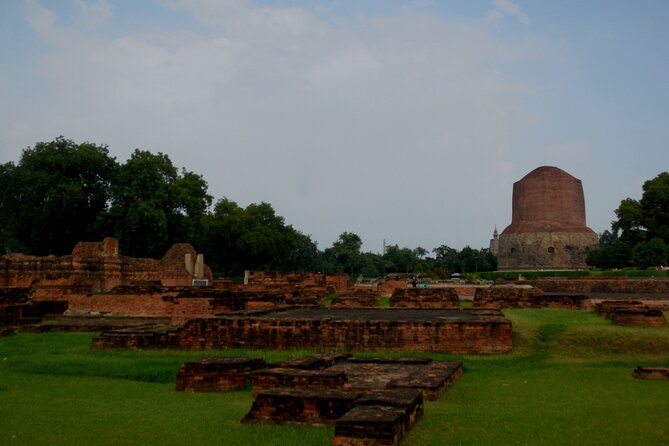
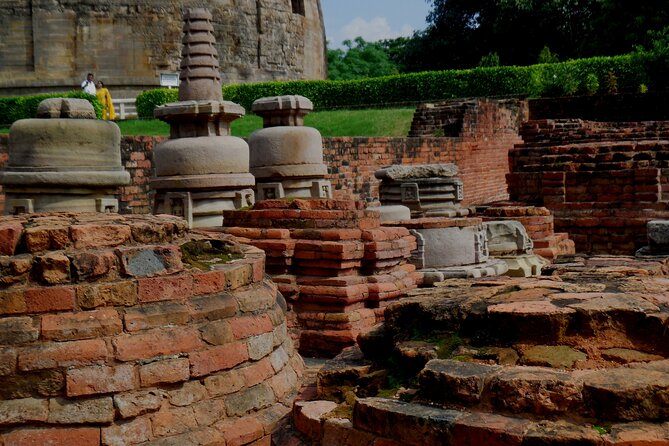
The next hour takes you into Sarnath Deer Park, an archaeological area containing the remains of old Buddhist monasteries and several stupas. This is the part of the tour where the wider setting matters most.
The remains help you picture Sarnath as a major Buddhist center rather than a single shrine. Monastery foundations and stupas show how religious life once occupied the area. The site also gives your guide room to explain the development of Buddhist practice and the importance of Sarnath in Buddhist tradition.
I like this stop because it brings the subject down to ground level. At the temple, you focus on devotion and painted stories. Among the ruins, you look at the physical remains of a larger religious community. The two experiences work well together.
You should expect an archaeological site, not a restored complex with every original building intact. Some remains may require explanation before their purpose becomes clear. This is where a guide’s knowledge can make a real difference. Karan Sachan’s background in history and art restoration should be useful when you are trying to understand what you are seeing rather than simply walking past old foundations.
The one-hour limit is again worth noting. If you enjoy photographing or examining masonry, stupas, and monastery remains, you might wish for extra time. The tour is best viewed as a focused introduction to the main areas, not an all-day archaeological study.
Sarnath Museum And India’s National Emblem
For many people, the Sarnath Museum will be the most important stop. It houses the Lion Capital associated with India’s national emblem, along with one of the most beautiful images of Buddha and other important sculptures.
This is where the tour moves from outdoor ruins to carefully preserved objects. The museum can help you understand details that are easy to miss at the archaeological park, including the skill of the sculptors and the religious meaning behind the images.
The Lion Capital is a major reason to take the museum seriously. It is not merely another carved object. Its four lions standing back to back became the basis for India’s national emblem. Seeing the original sculpture in Sarnath gives national symbolism a direct connection to the place where the work was created and found.
The museum also contains significant Buddha images and other sculptures. I would use the guide’s time here to ask about posture, expression, symbols, and the difference between devotional art and official imagery. You do not need to be an art specialist to appreciate the collection, but the explanations can make the visit much more rewarding.
A one-hour museum visit should give you a useful overview. It may not be enough if you want to examine every sculpture in detail. That tradeoff is common on a half-day tour, and the private setting helps because you can focus on the objects that interest you most.
If art and archaeology are high on your list, this is the stop that may make the tour particularly worthwhile. It is also the place where Karan Sachan’s experience as an art restorer and historian sounds most relevant.
A completely different kind of day out:
- Hidden Secrets of Varanasi: Vibrant Tradition (Guided Tour)
★ 5.0 · 429 reviews - Varanasi: Sunrise Boat Tour with Arti Ceremony
★ 5.0 · 375 reviews - Banaras Wala Tours
★ 5.0 · 329 reviews - The Ultimate 1 Day in Varanasi – How to Spend 13 Hours – Private Guided Tour
★ 5.0 · 295 reviews
The Ashoka Pillar And Its Brahmi Inscription
The fourth stop is the Ashoka Pillar, or what remains of it. The pillar includes an inscription in the Pali language and Brahmi script. Its lion capital, with four lions facing back to back, was adopted as India’s national emblem.
This stop ties together several themes from earlier in the visit. You have seen Buddhist worship at Mool Gandh Kuti Vihara, religious remains in Deer Park, and sculpture in the museum. At the pillar, you encounter political history, writing, public symbolism, and Buddhist association in one place.
The inscription may be difficult to interpret without help, especially if you do not know Pali or Brahmi. That makes a guide useful. Ask for the meaning of the inscription and how the pillar relates to the Sarnath site. The available information confirms the inscription’s language and script, but it does not provide a translation, so you should not assume the tour includes a full scholarly reading unless you confirm it beforehand.
The four lions are the visual link most people will recognize. After seeing the national emblem in daily life, it is meaningful to encounter the original historical source connected with Sarnath. This is a compact stop, but it carries considerable significance.
As with the other sections, the scheduled hour is generous for a basic visit but may feel short if you want detailed discussion of the inscription, pillar, and Lion Capital. The private arrangement gives you a better chance to ask follow-up questions than a large group would.
What You Get For $60 Per Person
At $60 per person, the tour is not priced like a simple transfer to Sarnath. You are paying for private transportation, a private visit for your own group, and a structured four-hour route through four major sights. All fees and taxes are included, and the itinerary specifies admission tickets for each stop.
The value depends partly on your group size. A private tour can be easier to justify when several people share the experience, since the transport and guiding attention are not spread across a large public group. If you are traveling alone, the per-person cost deserves closer thought.
I see the strongest value in the combination of convenience and interpretation. You do not have to arrange separate transport between Varanasi and the Sarnath sights, and you can ask questions along the way. The guide’s professional background is another reason the price may make sense for anyone interested in sculpture, murals, inscriptions, or Buddhist art.
Lunch and drinks are not included. Since the tour lasts about four hours, this is not a major problem, but you should plan food separately rather than expecting a meal as part of the booking.
Private Transport And A Four-Hour Schedule
Pickup is offered, and private transportation is included. The supplied details do not specify every pickup location or the exact vehicle, so confirm the meeting arrangement before you set your day around it. The tour is near public transportation, but its main convenience comes from having a private vehicle.
A private tour can save energy in Varanasi, where moving between sights may be easier when transport is already arranged. It also lets your group travel together and avoid waiting for other participants. Since only your group takes part, you can ask for clarification when an inscription or sculpture catches your attention.
The schedule is tight but logical:
- One hour at Mool Gandh Kuti Vihara
- One hour in Sarnath Deer Park
- One hour at Sarnath Museum
- One hour at the Ashoka Pillar
The four-hour duration is approximate. Transfers, entry, and questions all take time, so you should not assume that every stop will provide a full uninterrupted hour of sightseeing. If you want a slow, reflective visit, ask whether additional time can be arranged.
The tour is suitable for most people according to the supplied information. It also requires good weather. If poor weather causes cancellation, you are offered a different date or a full refund.
Who Will Appreciate This Sarnath Tour Most
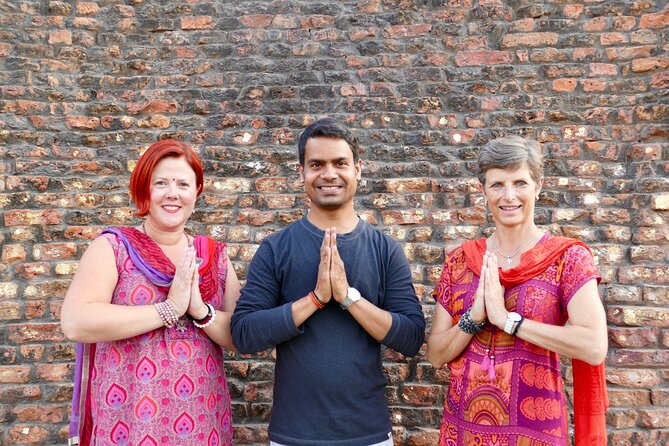
I would recommend this experience to anyone staying in Varanasi who wants to understand Sarnath beyond a quick photograph. It suits people interested in Buddhism, Indian religious art, archaeology, national symbols, and guided cultural visits.
It should also work well for first-time visitors who prefer a planned route. You see the major highlights without spending time deciding what to visit next. Families and mixed-interest groups may appreciate the variety, since the tour shifts between a temple, ruins, a museum, and a historic pillar.
Art-focused visitors may get the most from Karan Sachan’s background as an art restorer and historian. The temple murals, museum sculpture, and Ashokan remains all benefit from careful explanation.
I would be more cautious if you want a long museum session, extensive meditation time, or a full archaeological day. The tour offers breadth across four sites, not a slow examination of one place. It is also less suitable if you need lunch included or if your schedule does not match the stated Monday opening hours.
Booking And Cancellation Details
Confirmation is received at the time of booking, and a mobile ticket is available. The experience is offered from March 19, 2024, through November 27, 2026, with the listed Monday hours from 9:00 AM to 5:00 PM.
The cancellation policy is practical: you can cancel at least 24 hours before the start time for a full refund. Cancellations or changes made less than 24 hours before the start time are not accepted for a refund. The cut-off uses local time, so pay attention to the time in India when making changes.
Because the experience depends on good weather, a weather cancellation gives you the choice of another date or a full refund. Confirm the exact operating date and pickup point before finalizing your plans, especially since the available hours shown are limited.
Should You Book The Sarnath Private Half-Day Tour?
I would book this tour if you want a convenient, focused introduction to Sarnath and value having private transport and a guide who can discuss art and history. The combination of the Mool Gandh Kuti Vihara murals, Deer Park ruins, Sarnath Museum, and Ashoka Pillar gives you a well-rounded view in half a day.
The strongest reason to choose it is the guiding potential. Karan Sachan’s professional experience as an art restorer and historian is unusually well suited to the site’s murals, sculpture, and inscriptions. The four-hour plan also works well when your Varanasi schedule is full.
Think twice if you prefer unhurried museum visits or need food included. At $60 per person, the value is best when private transport, included admissions, and expert attention matter to you. For that kind of visit, this is a sensible way to make Sarnath more than a quick side trip.
FAQ
Where does the tour take place?
The tour takes place in Sarnath, near Varanasi, India.
How long does the Sarnath tour last?
The tour lasts approximately four hours.
Is private transportation included?
Yes. Private transportation is included.
Is pickup offered?
Yes. Pickup is offered, though the supplied details do not specify every pickup location.
Which sights are visited?
The tour visits Mool Gandh Kuti Vihara, Sarnath Deer Park, Sarnath Museum, and the Ashoka Pillar.
Are admission fees included?
Yes. Admission tickets and all fees and taxes are included.
Is lunch included?
No. Lunch, food, and drinks are not included.
Is this a private group experience?
Yes. Only your group participates in the tour.
What is the cancellation policy?
You can cancel at least 24 hours before the experience starts for a full refund. Cancellations and changes made less than 24 hours before the start time are not accepted for a refund.
What happens if bad weather cancels the tour?
If poor weather causes cancellation, you will be offered another date or a full refund.
Just added in Varanasi
- Walking Tour in the old part of the city of Varanasi★ 5.0 · 25 reviews
- Varanasi Walking and Heritage Tour★ 4.6 · 15 reviews
- Varanasi: Manikarnika Ghat (Oldest Cremation Site) Tour★ 4.7 · 22 reviews
- Varanasi: Private Heritage Walking Tour & Sunrise Boat Ride★ 4.9 · 11 reviews
- Varanasi: Sunrise Boat Ride w/ Ghats & Morning Rituals★ 3.5 · 26 reviews
- Full-day private Varanasi tour with AC car, boat & Sarnath★ 4.9 · 103 reviews
- Varanasi Landmark Evening City Tour – Aarti & Boating★ 4.7 · 34 reviews
- Varanasi: Ganges River Sunrise and Morning Walking Tour★ 4.8 · 16 reviews
Day Trips, compared.
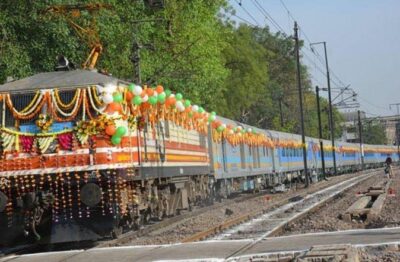
Taj Mahal Day Tour from Delhi by Superfast Train – TOP RATED TOUR
Read our review →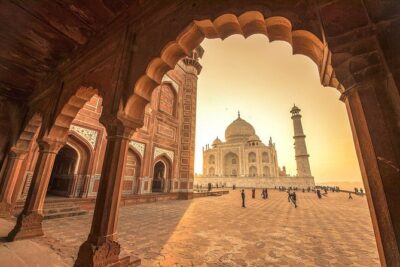
Taj Mahal & Agra Private Day Trip with Transfers
Read our review →
Taj Mahal Sunrise, Baby Taj & Agra Fort Day Tour
Read our review →
Delhi to Agra and Taj Mahal Private Day Trip by Express Train with Lunch
Read our review →
All Inclusive Day Trip to Taj Mahal, Agra Fort and Baby Taj from Delhi by Car
Read our review →

Taj Mahal, Agra Fort and Baby Taj Day Tour from Delhi by Car
Read our review →
Taj Mahal & Agra Fort Private Day Trip From Delhi with 5* Lunch
Read our review →Browse the lists this tour appears in