
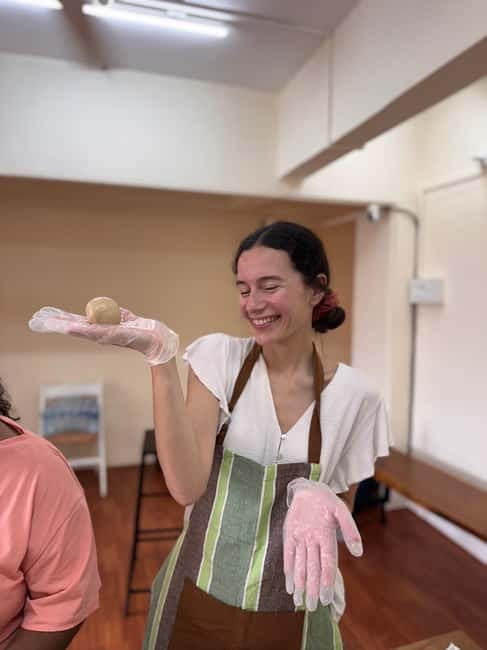
Reviewed · COOKING CLASSES
Mumbai: Indian Cooking Class & Cultural Delights
Spices tell Mumbai’s story better than museums. This three-hour experience combines a local market visit with a hands-on Maharashtrian cooking class, giving you a practical taste of daily life rather than a quick restaurant meal. I especially like the small groups of up to six and the chance to cook each dish yourself with a home cook’s guidance. The market stop, shared lunch, and cultural touches such as a welcome ritual or henna make the experience feel personal. The main consideration is that transportation to the meeting point is not included, so you need to make your own way to the entrance of Star Anise patisserie.
I also like that you do not need cooking skills. The chef demonstrates each recipe, then you work through it yourself, with Dinesh explaining the food, local customs, and the history of Bombay. Some sessions include around five dishes, chapati or paratha practice, tea, recipe sheets, and time to look through cookbooks. The exact menu may change, but you should expect a full meal rather than a single recipe lesson.
- A local market sets the scene: See where the ingredients come from before cooking them.
- You cook the food yourself: Demonstrations are followed by hands-on preparation at the cooking stations.
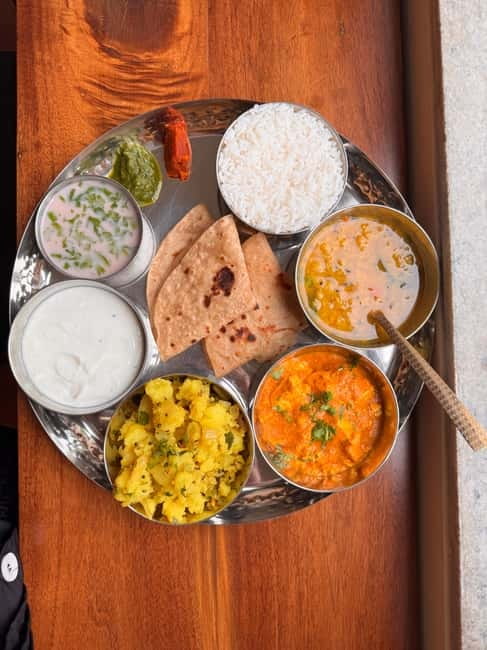
- Traditional Maharashtrian food is the focus: Expect several dishes served together as a generous thali-style meal.
- Dinesh adds cultural context: Food history, local customs, and colonial Bombay can be part of the conversation.
- The class suits complete beginners: Clear demonstrations and patient help make it approachable.
- The price is fair for the format: At $27 per person, you receive a market visit, class, cultural activities, and lunch.
In This Review
- Why This Mumbai Cooking Class Works
- Meeting at Star Anise Patisserie
- The Market Visit Comes First
- A Warm Welcome Before the Cooking Begins
- Cooking Five Dishes, One Step at a Time
- Learning More Than a Recipe List
- Sitting Down to Eat Your Own Lunch
- Recipes and Skills to Take Home
- Is $27 a Good Value?
- Who Should Book This Experience?
- Practical Tips for a Better Class
- Final Verdict: Should You Book It?
- FAQ
- How long does the Mumbai cooking class last?
- How much does the activity cost?
- Where is the meeting point?
- Is transportation included?
- What language is the class offered in?
- Is cooking experience required?
- How many people can join the group?
- What is included in the experience?
Why This Mumbai Cooking Class Works
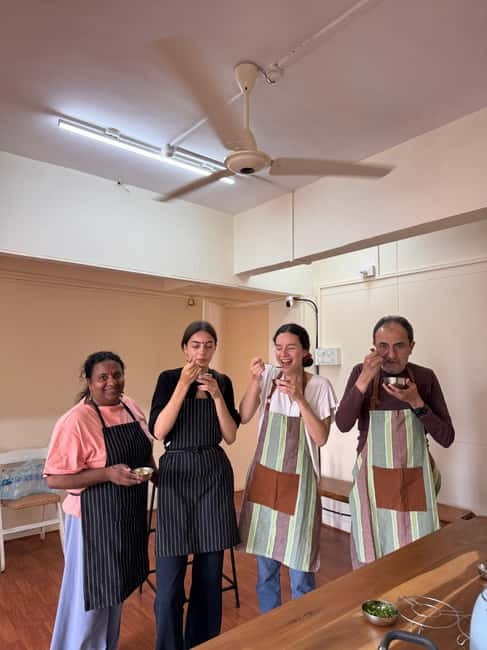
Mumbai can be hard to read at first. Its streets, markets, food stalls, and homes all operate at a quick pace, and a short sightseeing stop does not always explain how local life fits together. This class gives you a way into the city through food.
Instead of sitting at a restaurant while someone else cooks, you handle the ingredients and follow the process from start to finish. That matters in Indian cooking, where the order of adding spices, the feel of dough, and the balance of flavors often matter as much as the ingredient list.
The experience is presented as an authentic Maharashtrian cooking class, with a local cook leading the kitchen and an English-speaking guide helping with explanations. Past sessions have been led by Dinesh, with Trupti serving as the cook. Their roles work well together: the chef shows the practical steps, while Dinesh adds background and answers questions.
You also get a meal at the end. That sounds simple, but it changes the class from a demonstration into a shared social experience. After working through several dishes, you sit down and eat what you prepared. You leave with both a full stomach and recipes you can try at home.
Meeting at Star Anise Patisserie
The meeting point is the entrance of Star Anise patisserie. You should plan your route before leaving, since transportation to and from the activity is not included.
The experience lasts three hours, so arriving on time matters. A market visit, cooking demonstration, hands-on preparation, meal, and cultural activities make up a fairly full schedule. The pace is active, but the class is not designed as a rushed race through recipes.
Because the group is limited to six participants, you should get more direct attention than you would in a large tourist class. That is useful when you are shaping dough, handling unfamiliar spices, or trying to repeat a technique after the demonstration.
The class is wheelchair accessible, according to the activity information. If you have specific mobility needs, it is still sensible to confirm the practical arrangements when booking, especially because the experience includes a market visit.
More Cooking Classes in Mumbai:
- Indian Curry 5-Hour Cooking Classes In Mumbai
★ 5.0 · 22 reviews - Private Market Tour and Vegetarian Cooking Class in Mumbai
★ 4.5 · 15 reviews - Private Cooking Class in Mumbai
★ 5.0 · 15 reviews
The Market Visit Comes First
The market visit gives the food lesson a useful beginning. Rather than meeting a pile of anonymous ingredients in the kitchen, you first see some of the produce and food being bought locally.
The market portion has included vegetable and fish sections, fresh fruit, and a stop for local chai. Dinesh can explain ingredients and food customs while you walk. This is one of the best parts for anyone who wants context, not just recipes.
A market also helps explain why Indian meals use so many fresh components. You can see the raw materials before they are cleaned, chopped, spiced, and turned into lunch. That small connection makes the later cooking more memorable.
I would not treat the market visit as a full sightseeing tour. It is there to support the cooking class, and the time is limited. Still, it adds a local touch that many stand-alone cooking lessons miss.
You should also be ready for a real market atmosphere. The supplied details describe a walk through local food markets, including fish and vegetables, but they do not promise a quiet or polished setting. If you prefer museums and tidy cooking studios, this part may feel more energetic and less controlled.
A Warm Welcome Before the Cooking Begins
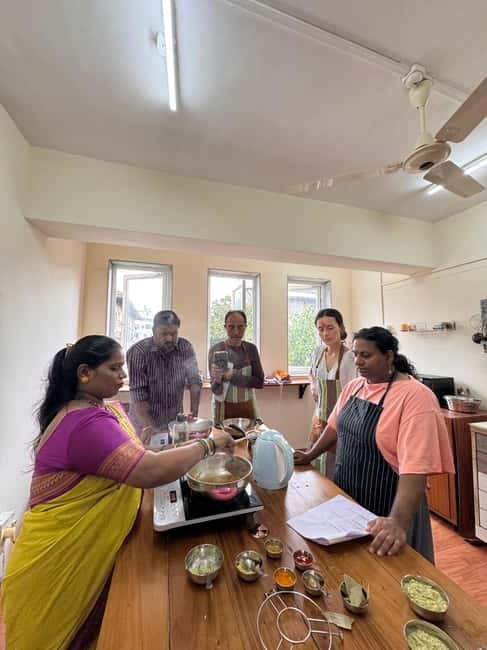
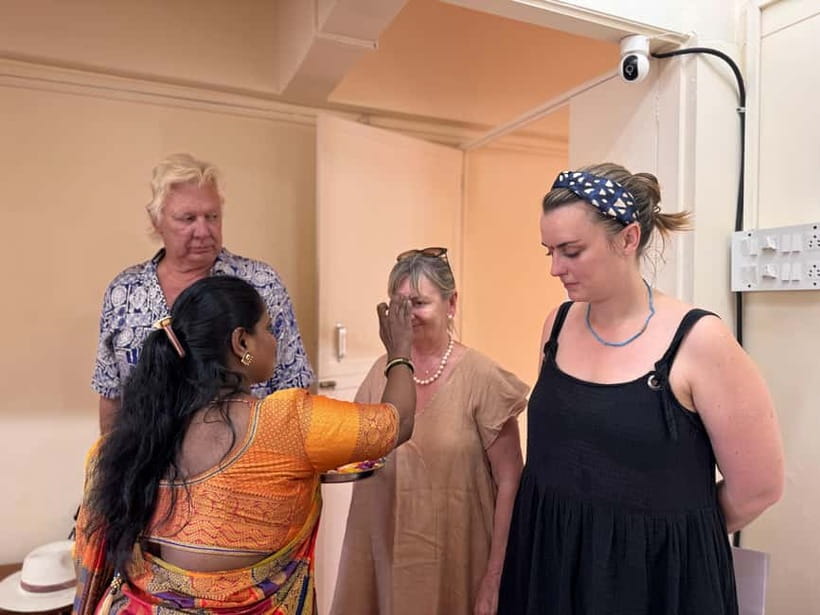
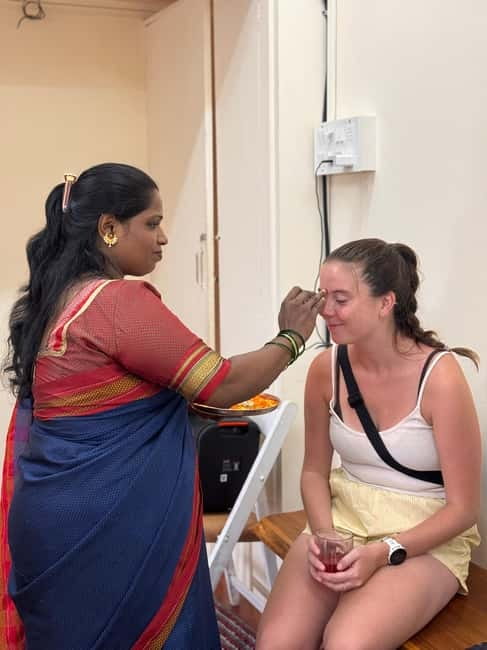
The class can begin with a traditional welcome ritual. This is a small detail, but it helps set the tone. You are not simply entering a classroom and receiving an apron-style lesson. The activity aims to make the kitchen feel more like a home setting.
One participant described feeling welcomed into a family home, while another praised the warm, homey mood created by the cook and guide. That feeling is central to the experience. The social side of Indian food is treated as part of the lesson.
The setting has also been described as clean, pleasant, and peaceful, with four cooking stations. That combination should appeal to beginners who want a relaxed place to work without giving up the local character.
There may be quiet breaks or time to look through cookbooks during the session. This suggests a class with room for conversation and questions, rather than a nonstop sequence of instructions.
Cooking Five Dishes, One Step at a Time
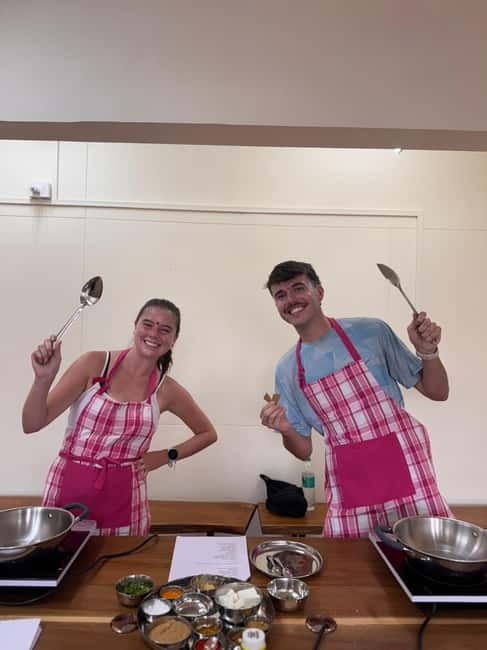
The heart of the activity is the kitchen session. You watch the cook demonstrate a dish, listen to explanations from the guide, and then prepare it yourself. The aim is not for you to stand at the edge while the chef does all the work.
Several sessions have included about five dishes, although the exact menu can vary. The meal is multi-course and traditionally styled, often ending in a thali-like spread where the dishes are served together.
You may work on:
- Vegetable or other seasonal dishes
- Spiced accompaniments
- Chapati
- Paratha
- Several additional Indian recipes that make up the final meal
Chapati and paratha are especially useful additions for home cooks. They involve technique rather than simply following a list of measurements. You learn how the dough should feel, how to shape it, and how to cook it. One group specifically wanted help with these breads, and the class added them to the session.
The recipe work is designed for all skill levels. Beginners can follow the demonstration and receive help as they go. More experienced cooks can ask why a particular spice is added at a certain stage or how the dish might be adjusted at home.
One useful surprise is that the food does not have to depend on heavy cream or grease to taste full and satisfying. The class can show how spices, cooking order, and fresh ingredients create flavor. That is a practical lesson you can take home.
A few more options to weigh up in Mumbai
- Dharavi slum tour in Mumbai by Female tour guides of the slum
★ 5.0 · 1,976 reviews - Mumbai: Full-Day Sightseeing Tour of Mumbai
★ 4.9 · 1,822 reviews - Private Mumbai Sightseeing Tour (Traveller’s Choice Award Winner)
★ 5.0 · 1,565 reviews - Elephanta Caves & Island Guided Private Tour
★ 5.0 · 1,327 reviews
Learning More Than a Recipe List
A good cooking class gives you more than instructions. This one also connects food with culture and place.
Dinesh has explained Indian food history, local customs, and the story of colonial Bombay during sessions. Those conversations help you understand why Mumbai food is not one single thing. Maharashtrian home cooking sits alongside influences shaped by migration, trade, religion, and the city’s colonial past.
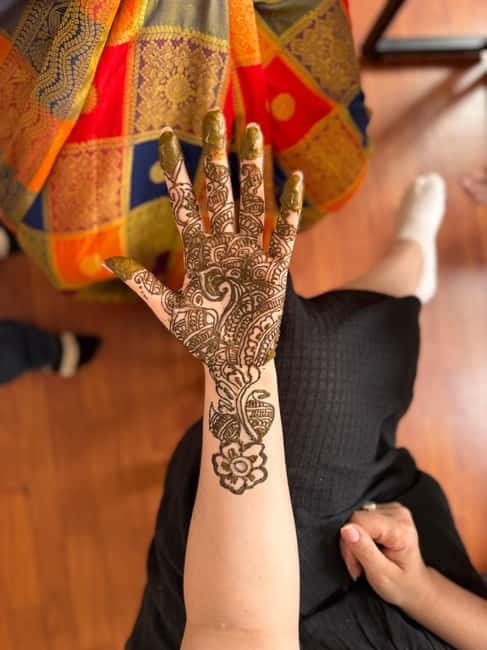
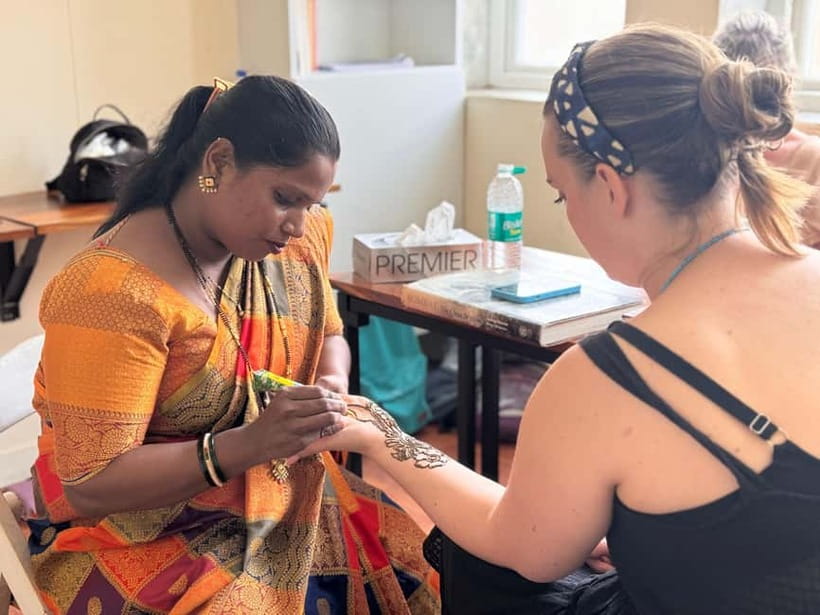
The cultural activities can include henna, known locally as mehndi. A henna design on your hand is a pleasant extra, especially if you have already spent the morning shopping for ingredients and cooking together. It is not the main reason to book, but it adds a memorable finish.
The activity is also a chance to ask questions that rarely come up during a restaurant meal. You can ask about spice combinations, preparation methods, food traditions, or how to recreate a dish at home. The guide’s role is important here, since the cook may focus on the kitchen while Dinesh keeps the wider conversation moving.
Sitting Down to Eat Your Own Lunch
At the end, everyone sits down together and eats the food prepared during the class. The final meal has been described as a feast and, in some sessions, a beautiful thali.
This shared lunch is where the three hours come together. You have seen the ingredients at the market, watched the demonstrations, practiced the recipes, and then tasted the results. Even a simple dish feels more meaningful when you know the steps behind it.
The meal also makes the class social. You are not only learning from the cook. You are eating with the guide, the cooking team, and the other participants. With a maximum of six people, conversation should be easier than in a crowded group.
You should not expect a restaurant menu with unlimited choices. The food is based on the dishes prepared in class, and the menu may differ from one session to another. That is part of the home-cooking appeal, but it may disappoint you if you want to choose every dish in advance.
Recipes and Skills to Take Home
Recipe sheets are provided in at least some sessions, giving you a useful reminder after the class. This is important because Indian cooking involves several small steps that can be easy to forget once you are back home.
The most valuable takeaway may be technique. You learn how a local cook organizes a meal, handles spices, prepares dough, and builds several dishes at once. That can make Indian cooking feel less mysterious in your own kitchen.
You should bring a curious attitude rather than worry about producing perfect food. The class is built around demonstrations, repetition, and help. You may not reproduce the meal exactly on your first attempt, but you should leave with a clearer sense of how to begin.
The recipe sheets are particularly useful if you plan to buy ingredients after the class. The market visit gives you a visual reference, while the recipes give you a practical starting point.
Is $27 a Good Value?
At $27 per person, this is a strong value for a three-hour Mumbai activity. The price includes the market visit, the cooking class, cultural activities, and the multi-course meal you prepare and eat.
You are also paying for a small group and a local cooking team. A short private or semi-private food experience can cost much more in major cities, so a group of six keeps the price reasonable without turning the session into an impersonal workshop.
The value is strongest if you care about food and local contact. If you only want a cheap lunch, you can eat for less elsewhere. If you want a market walk, cooking instruction, cultural explanation, and a meal in one package, $27 is easier to justify.
Remember to budget for your own transportation and personal expenses. Those are not included. The booking also offers free cancellation up to 24 hours before the activity and a reserve-now, pay-later option, which helps if your Mumbai plans are still shifting.
Who Should Book This Experience?
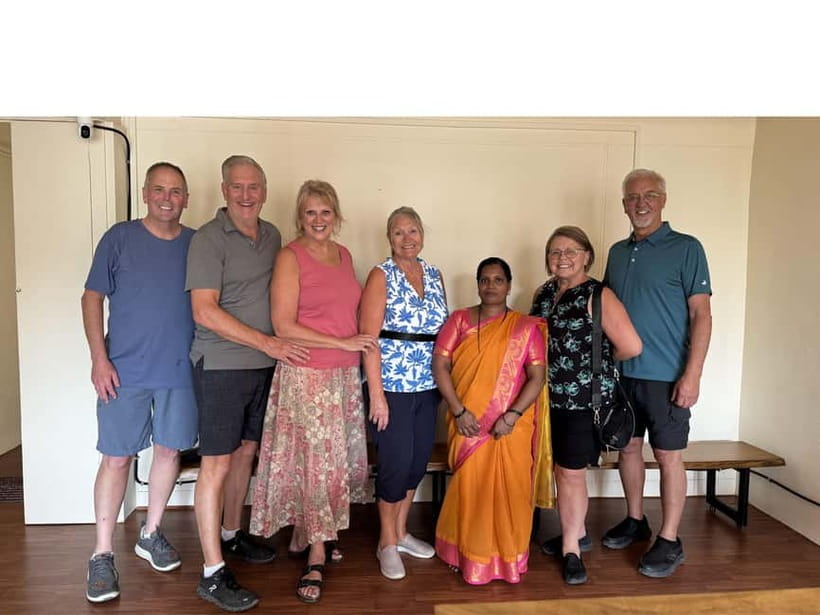
I would recommend this class to first-time visitors who want a more personal introduction to Mumbai. It gives you food, conversation, market life, and a few cultural details without requiring a full day.
It is a good choice for couples, solo visitors, and small groups of friends. The small format also suits anyone who prefers asking questions rather than simply following a guide through a large crowd.
You do not need cooking experience. The structure is friendly to beginners, and the cooking team is described as patient and encouraging. At the same time, experienced home cooks can focus on spice use, bread-making, and the logic behind the recipes.
Families and groups with mobility needs may appreciate the wheelchair-accessible format, though the market portion means you should confirm any personal requirements in advance.
I would be less likely to choose it if you dislike hands-on activities, cannot eat the prepared food, or want a fixed menu listed in advance. The class is about participating in a local kitchen, so flexibility is part of the deal.
Practical Tips for a Better Class
Arrive at the Star Anise patisserie meeting point with enough time to find the entrance. Since no transport is included, allow for Mumbai traffic and do not assume the route will be quick.
Wear clothes that are comfortable for cooking. You will be handling ingredients and taking part in practical work, so this is not a formal sightseeing stop.
Tell the team what you hope to learn. If chapati or paratha matters to you, say so early. The cooking team has accommodated that kind of request in the past.
Keep questions coming. Dinesh’s explanations about food history, local culture, and the area are part of what makes the class more than a recipe workshop.
Bring room for lunch. You will eat the dishes you prepare, and the meal can be generous.
Finally, do not judge your cooking by appearance alone. Indian breads and spice-based dishes take practice. The point is to learn the method, share the kitchen, and leave with skills you can use later.
Final Verdict: Should You Book It?
Yes, I would book this if you want a friendly, practical introduction to Mumbai food and culture. The strongest features are the tiny group, the market visit, the chance to cook every dish yourself, and the final shared meal.
The activity has earned a perfect 5.0 rating from 38 reviews, with repeated praise for Dinesh, Trupti, the home-style welcome, the food, and the patient instruction. Those details point to a consistently warm experience rather than a quick tourist performance.
At $27, it offers good value, especially for visitors who want more than a restaurant meal. Just remember that the menu may vary, transportation is your responsibility, and the class requires active participation.
If that sounds like your kind of afternoon, this cooking class is one of the better ways to meet Mumbai through its kitchen.
FAQ
How long does the Mumbai cooking class last?
The experience lasts three hours.
How much does the activity cost?
The listed price is $27 per person.
Where is the meeting point?
Meet at the entrance of Star Anise patisserie.
Is transportation included?
No. Transportation to and from the location is not included.
What language is the class offered in?
The live guide and activity are offered in English.
Is cooking experience required?
No. The class is open to people without cooking experience, and the demonstrations are followed by guided hands-on practice.
How many people can join the group?
The group is limited to six participants.
What is included in the experience?
The price includes an authentic Maharashtrian cooking class, a market visit, cultural activities, and preparation of a multi-course meal.
Just added in Mumbai
- Mumbai Airport to Mumbai Hotels : Private Transfers★ 5.0 · 13 reviews
- Mumbai Sightseeing Tour★ 5.0 · 11 reviews
- Mumbai Spice Markets and Bazaars Tour with Guide and Transport★ 5.0 · 42 reviews
- Mumbai 800 Year Worli Village: Talking Goddess, Old Fort & more★ 5.0 · 94 reviews
- Customize private tour with pickup★ 5.0 · 95 reviews
- Gufran’s Slum Home Tour in the Mumbai Slums★ 5.0 · 19 reviews
- Private Guided Bandra Half Day City Tour in AC Vehicle★ 5.0 · 72 reviews
- The Famous Bollywood Tour of Mumbai★ 5.0 · 97 reviews
Cooking Classes, compared.
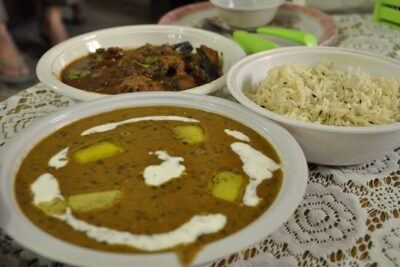
Veg and Non veg : Private Cooking Class in Delhi home (7 meal)
Read our review →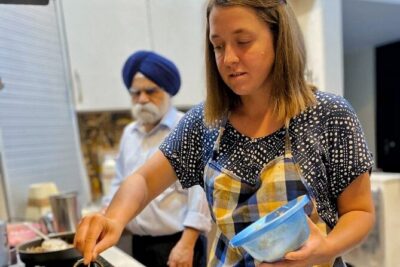
Indian Cooking Class in an Authentic Local Home – Learn 6 Dishes
Read our review →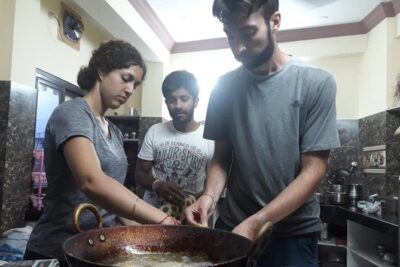
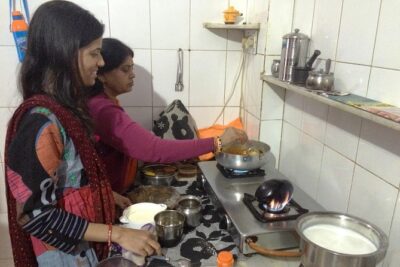
Jaipur Market Tour & Vegetarian Rajasthani Home Cooking Class
Read our review →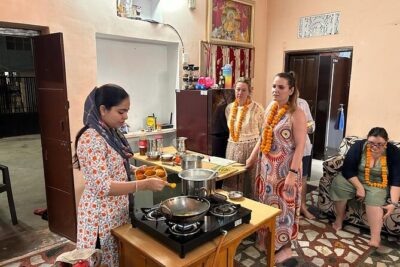
Cooking Class in Jaipur – Family Experience with Meal & Transport
Read our review →
Interactive Cooking Class with a Local Family in Jaipur
Read our review →Browse the lists this tour appears in