
Reviewed · COOKING CLASSES
Kerala Traditional village cooking class (Munnar)
A home kitchen can teach more than a menu. This four-hour Munnar experience brings you into the home of Raveendra Kumar and Selvi, a warm couple who have prepared food for visitors since 2001. I like the market visit, where you help choose produce, and the chance to learn recipes alongside the habits, spices, and everyday life of a Kerala village. The main drawback is timing: a class planned for four hours may run an hour or more, depending on the menu.
I also like the private-group format, which makes it easier to ask questions and request vegetarian food. Raveendra can help with translation in the kitchen, and he has also offered practical advice about tea walks and other Munnar activities. Pickup is free only within a two-kilometer radius of Munnar town, so confirm the meeting point and any extra transport cost before you book.
In This Review
- Key points at a glance
- What makes this Munnar cooking class different
- Start at the Munnar market
- Learn the ingredients before the heat goes on
- Cook several Kerala dishes by hand
- Begin with banana snacks and masala chai
- Taste the full meal at the family table
- The people are the heart of the experience
- Transport needs careful planning
- Is four hours enough?
- Is $21 a good value?
- Who should book this class?
- Should you book it?
- FAQ
- How long does the Munnar cooking class last?
- How much does the cooking class cost?
- What languages does the instructor speak?
- Is the class private?
- Is hotel pickup included?
- What food might I learn to cook?
- Can I request vegetarian food?
- What is included in the price?
- Can I cancel for a refund?
- Is the activity wheelchair accessible?
Key points at a glance
- A real Munnar home kitchen: Cook with Raveendra Kumar, Selvi, and family helpers rather than watching a polished restaurant demonstration.
- Market shopping comes first: Visit a local market and select some of the vegetables, fruits, and spices used in the meal.
- A large, flexible menu: You might prepare seven or eight dishes, including snacks, drinks, vegetable dishes, fish curry, appam, stew, puttu, or kadala curry.
- Vegetarian requests are welcome: The menu can be arranged by category, including vegetarian, non-vegetarian, snacks, welcome drinks, and dessert.
- More than a cooking lesson: You learn about coconut, curry leaves, mustard seeds, medicinal ingredients, village routines, and Kerala hospitality.
- Good value at $21: The price includes instruction, food, snacks, water, equipment, the market visit, and local travel guidance.
What makes this Munnar cooking class different
Munnar is best known for tea estates, cool mountain air, and winding roads. This class gives you a different view of the area. Instead of spending the whole day looking at scenery from a vehicle, you spend time with a local family and learn how food is handled in a Kerala home.
Raveendra and Selvi have been serving food since 2001. That long experience matters because the class is not built around one fixed restaurant menu. It is shaped by home cooking, available ingredients, and the dishes you choose in advance.
The atmosphere is one of the strongest reasons to book. You may begin with introductions, move through a market, enter the family kitchen, and finish around a table loaded with food. That simple progression helps you understand how a meal comes together, from buying vegetables to seasoning the final curry.
You should send your menu request at least 12 hours before the class. This is especially important if you want a vegetarian meal, several particular dishes, or a balance between curry, snacks, and dessert.
More Cooking Classes in Munnar:
- WE COOKS- Home Cooking Class in Munnar
★ 5.0 · 18 reviews - Pink City Cooking Class
★ 5.0 · 452 reviews - Five Course Cooking Class & Meal
★ 5.0 · 250 reviews
Start at the Munnar market
The market visit gives the class a useful beginning. You get to see where ingredients are bought and how local produce appears before it reaches the cooking pot. Depending on the agreed menu, you may look for vegetables, fruit, coconut products, herbs, fish, and spices.
This part is not just a shopping stop. It helps you notice the ingredients that shape Kerala food. Curry leaves, mustard seeds, turmeric, coriander, cumin, and coconut milk are not decorative extras. They create the smell, color, heat, and texture of the dishes.
The market also offers a glimpse of ordinary Munnar life. One class member described the walk as a useful look behind the scenes of the town, away from the usual sightseeing stops. That makes the visit worthwhile even if you already know how to cook Indian food.
The practical point is that the market visit takes time. Since the full experience can run beyond four hours, avoid scheduling a tight connection or another fixed activity immediately afterward.
Learn the ingredients before the heat goes on
Before cooking starts, the hosts explain the main ingredients and how they work. Coconut milk may bring body and softness to a stew. Mustard seeds can add a sharp, toasted note when they crackle in hot oil. Curry leaves contribute fragrance, while turmeric, coriander, and cumin give depth and color.
You are also introduced to medicinal supplements and local food traditions. The information is tied to the ingredients in front of you, so it feels more useful than a general lecture about Kerala cuisine.
This is where you can ask the questions that are hard to answer from a cookbook. You can ask when to add spices, how long to cook coconut milk, how to balance heat, or why one dish uses a particular vegetable. Raveendra can translate during the class, and the instruction is offered in English, Tamil, or Malayalam.
The lesson is best suited to people who enjoy learning by watching and asking. It is not a fast, tightly timed professional workshop. The hosts take their time, and that relaxed pace is part of the appeal.
Cook several Kerala dishes by hand
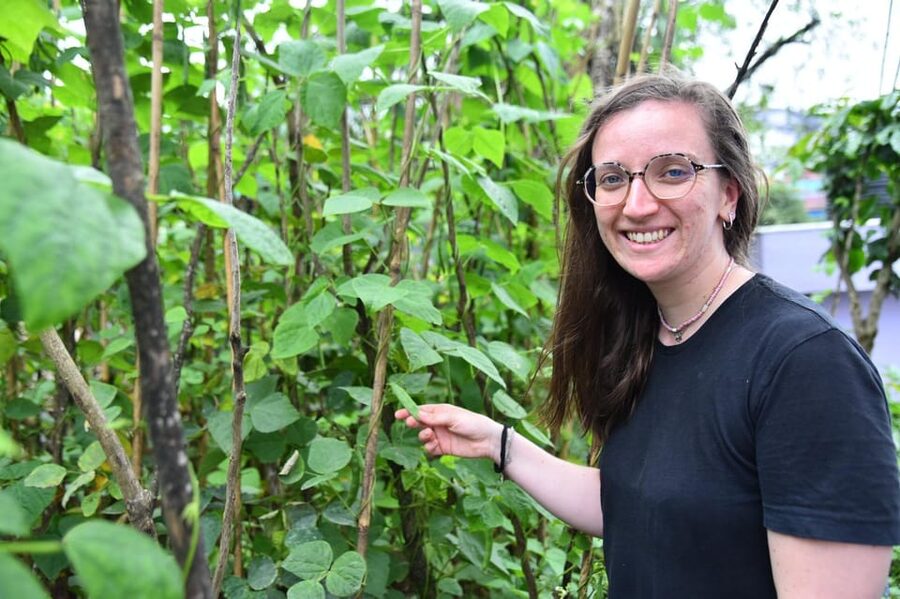
The exact menu is selected ahead of time, so no single list applies to every booking. Possible dishes include appam and stew, fish curry, avial, puttu and kadala curry, along with other traditional Munnar recipes.
Some sessions have included six or seven main courses after a snack and masala chai. One vegetarian class prepared about eight dishes, showing how much variety can come from vegetables, coconut, pulses, and spices without adding meat or fish.
The usual rhythm is straightforward:
- Watch a dish being prepared step by step.
- Learn when each ingredient goes into the pan.
- Try the technique yourself with guidance.
- Work with other members of your private group.
- Taste the finished food and compare flavors and textures.
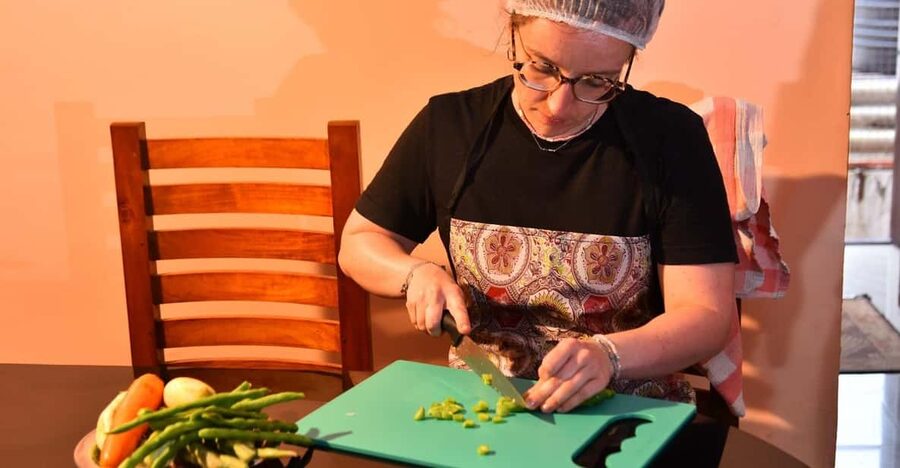
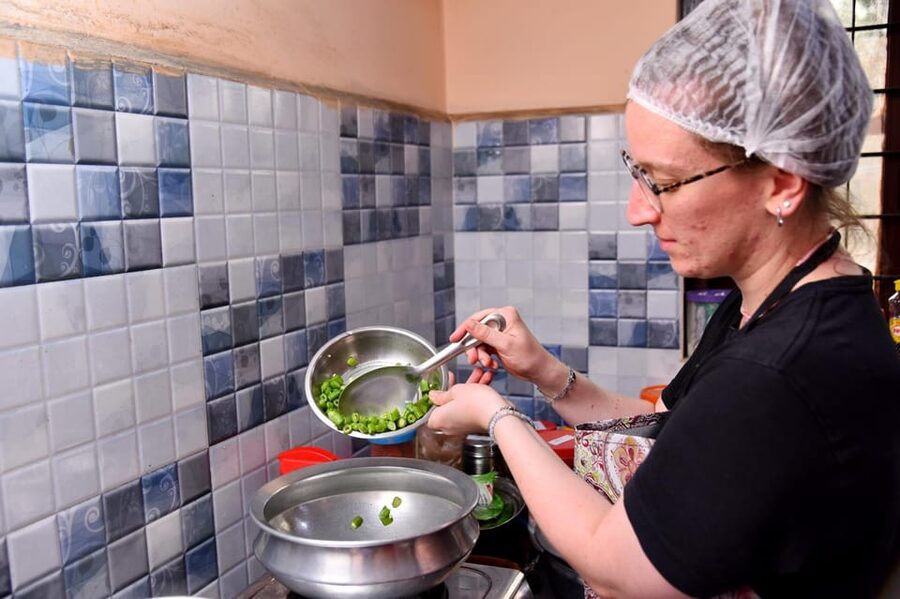
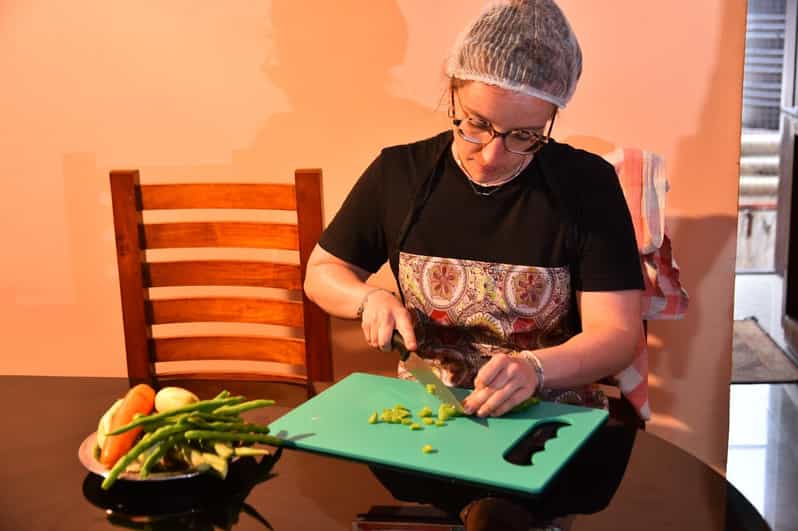
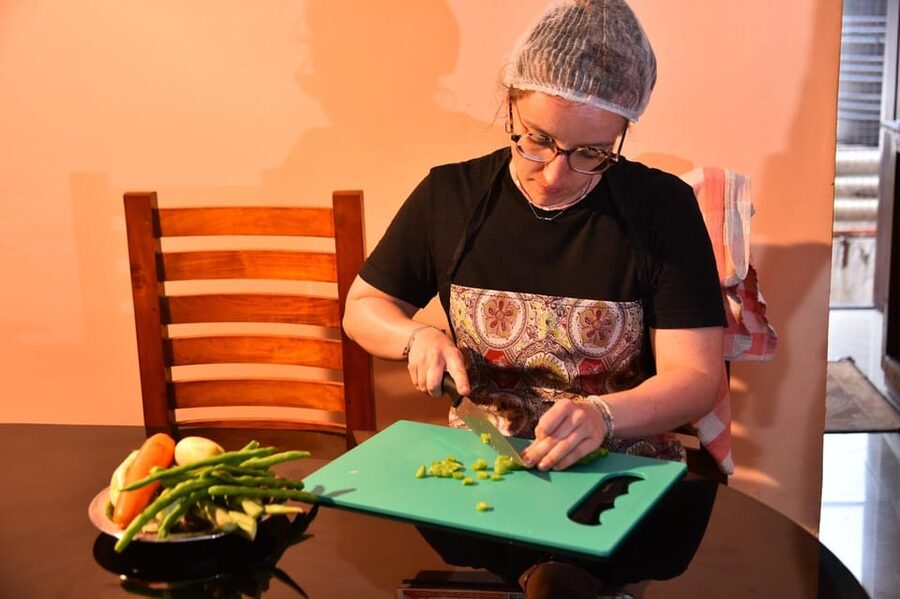
You may help cut ingredients, season a curry, prepare vegetables, or assemble a snack. Knives, aprons, and cutting boards are supplied, along with pen and paper for notes.
The hands-on part is valuable because Kerala food often depends on timing. The order of ingredients matters. So does the heat, the texture of coconut, and the point at which a curry is ready. Watching alone can give you an idea of the recipe. Taking part gives you a better chance of repeating it at home.
Still, you should set realistic expectations. You will not necessarily cook every item completely by yourself. The class combines demonstration, assistance, and group work. If you want a very technical lesson focused on one dish, ask about that before booking.
A few more options to weigh up in Munnar
- Munnar Tea Trail Tour with Factory Experience ( By Munnar Info)
★ 5.0 · 458 reviews - Mountain Hiking in Munnar (half day) By Munnar Info
★ 5.0 · 390 reviews - Anakulam Wild Elephant Village life tour ( By Munnar Info)
★ 5.0 · 344 reviews - Half day trekking (munnar valley Trekking & Tours )
★ 5.0 · 310 reviews
Begin with banana snacks and masala chai
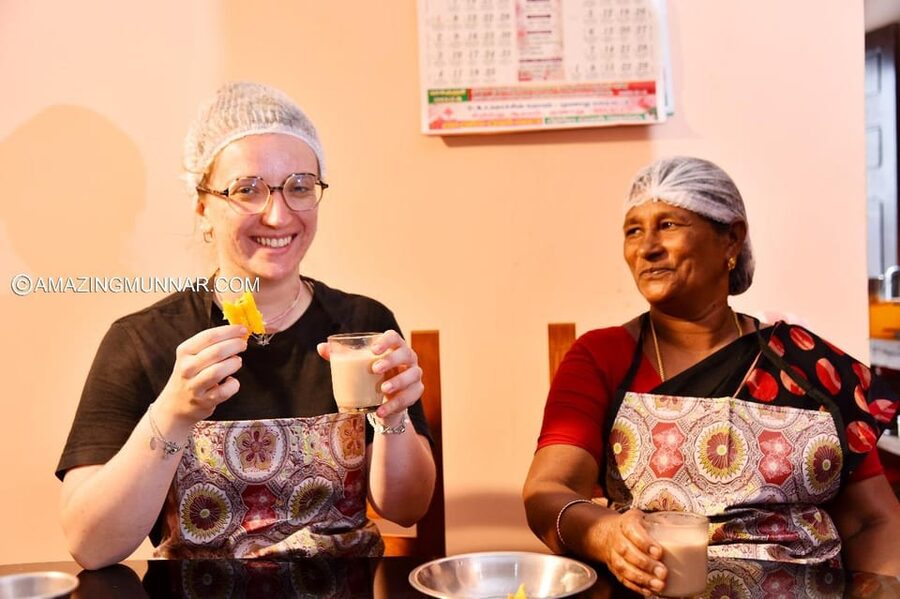
Food starts before the main meal. Several sessions have included fried bananas and masala chai, giving you something warm and sweet while the cooking gets underway.
This small opening is one of the nicest details of the experience. It gives everyone time to settle in and talk before handling knives and hot pans. It also introduces a familiar Kerala snack in a simple form.
The banana snack and tea are included, along with the meal and other snacks. A water bottle is also provided, which is helpful during a long kitchen session.
Taste the full meal at the family table
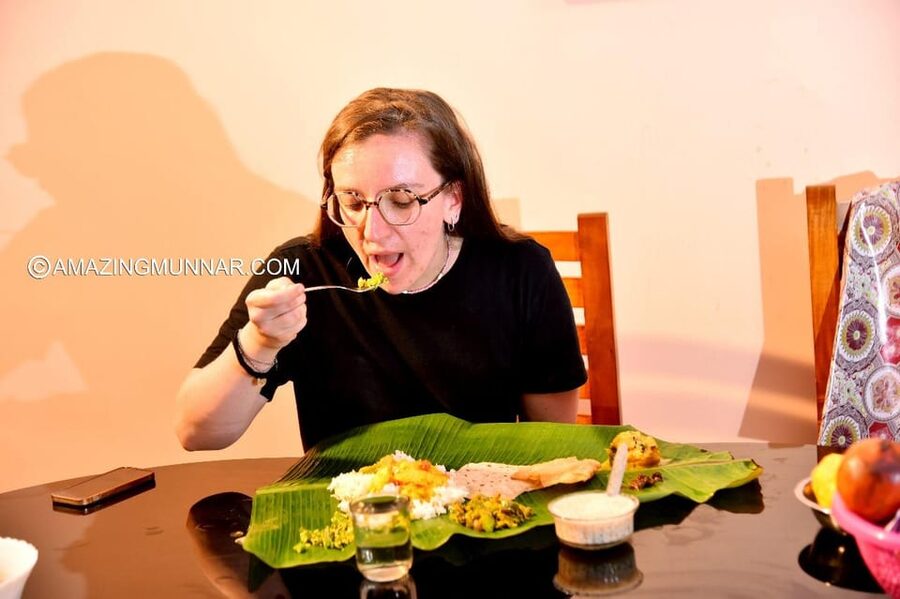
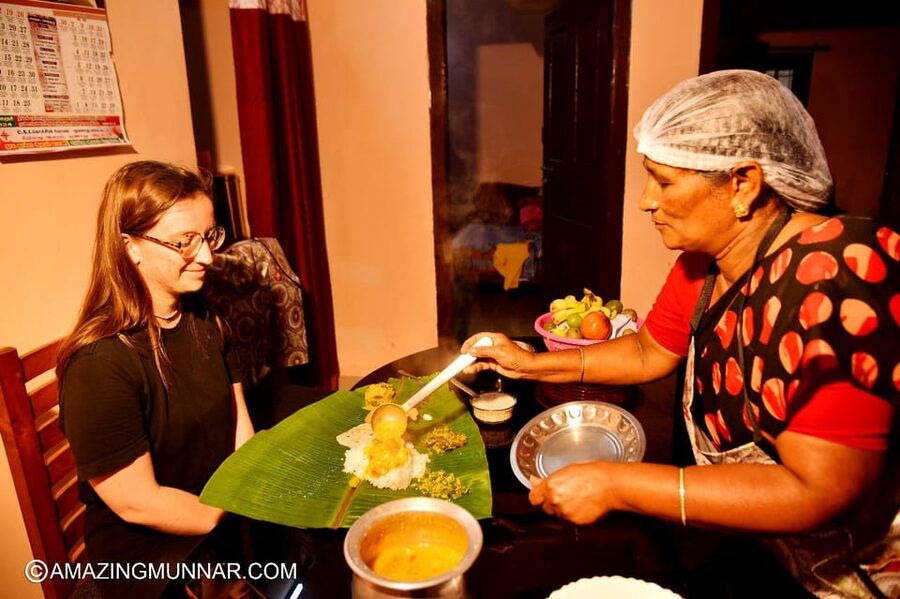
The final meal is the reward for all the chopping, stirring, waiting, and questioning. You sit down to taste the dishes made during the class and talk through their aromas, textures, and levels of spice.
The meal can be generous. Several participants prepared seven or eight dishes, and the fish curry received particular praise. Vegetarian cooking also receives serious attention, with vegetables handled in several different ways rather than treated as a side note.
This is a good chance to discuss what changed during cooking. Was the curry creamy, sharp, sour, or smoky? Did the mustard seeds come through? Was the vegetable still firm? A tasting conversation helps you remember the lesson and gives the hosts a chance to explain regional preferences.
The food is prepared in a home setting, not a commercial dining room. That means the experience feels personal and relaxed, but it also means you should not expect restaurant-style speed or presentation. The appeal is the generous meal and the time spent with the family.
The people are the heart of the experience
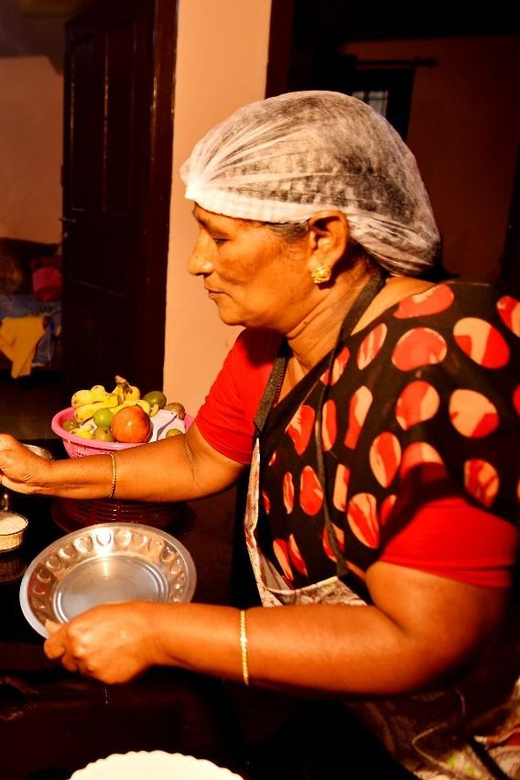
Raveendra and Selvi receive the strongest praise for their hospitality. Raveendra often handles pickup, market guidance, translation, and advice about other activities. Selvi leads the cooking with patience and a clear connection to the food.
Other family members or helpers may also join the class. Some sessions included women named Indira or Simla, depending on the group and the day. The home setting can feel friendly very quickly, especially when you are cooking and eating together.
You may also hear about village life, local fruits, vegetables, spices, and medicinal ingredients. That personal contact is more meaningful than simply being handed a recipe card. You leave with an understanding of how food fits into daily life in Munnar.
One useful extra is local planning advice. Raveendra has suggested tea-estate walks and a half-day trek through the plantations, and some bookings have combined the cooking class with tea trekking. That option is not the core class, so confirm any added activity and cost separately.
Transport needs careful planning
Pickup and drop-off are free within a two-kilometer radius of Munnar town. If your hotel is farther away, extra charges apply. The general activity information also lists pickup as available, but the free radius is the important detail to confirm.
Give the provider your exact hotel name and location through WhatsApp or at the time of booking. One person had confusion because the agreed meeting point was not the place where the group eventually met. This is easy to avoid if you request hotel pickup and confirm the final location in writing.
Transport matters more in Munnar than it might in a compact city. Roads can be winding, and hotels are spread around the town and tea-growing areas. A clear pickup plan saves time and prevents the class from beginning with a small logistical headache.
The class is private, which is a real advantage for families, couples, and small groups. You can ask for a vegetarian menu, spend more time on a technique, and avoid being placed with a large group of strangers.
Is four hours enough?
The advertised duration is four hours, but the class may take an hour or more beyond that. The final length depends on the number of dishes, the market visit, the pace of your group, and the time spent eating and talking.
I would plan five hours rather than four. Do not book a train, airport transfer, guided tour, or fixed restaurant reservation immediately afterward.
The flexible timing is not necessarily a flaw. Food cooked from scratch takes time, especially when several courses are involved. The tradeoff is simple: you get a fuller meal and more conversation, but you give up some control over the schedule.
Is $21 a good value?
At $21 per person, this is a strong value if you want more than a meal. The price includes the lecture and demonstration, hands-on equipment, snacks, the finished meal, water, a market visit, and travel guidance.
You are also paying for access to a family home and for several hours of personal instruction. A restaurant meal might cost less, but it would not include the shopping trip, recipe guidance, kitchen practice, or conversation about village life.
The cost becomes less attractive if you need long-distance hotel pickup, since that is extra. It may also rise if you add tea trekking or another activity. Ask for the total price before confirming those additions.
For a private class with a flexible menu and a substantial meal, I consider $21 fair and practical. It is especially good value for couples and small groups who will make use of the personal attention.
Who should book this class?
I recommend it most to you if you:
- Enjoy home cooking more than formal restaurant demonstrations.
- Want to learn several Kerala dishes in one session.
- Prefer a private group.
- Are happy to ask questions and take part in preparation.
- Want to meet local people and see a Munnar market.
- Need help arranging a vegetarian menu.
- Have enough time in your schedule for the class to run long.
It may not suit you if you want a short, tightly controlled activity. It is also not suitable for people with visual or hearing impairments, according to the activity information. Although the setting is listed as wheelchair accessible, confirm the practical details of access before booking if that is important for you.
The class also does not allow pets, intoxication, alcohol or drugs, fireworks, explosive substances, alcoholic drinks in the vehicle, or nudity. These rules are basic, but they are worth knowing before a family visit to a private home.
Should you book it?
Yes, if you want a personal introduction to Kerala food and have room in your Munnar schedule. The strongest parts are the market visit, the family kitchen, the large menu, and the chance to eat what you helped prepare.
I would book it after confirming three things: your menu, your pickup location, and the likely finish time. Ask for a vegetarian menu if needed, and allow at least an extra hour beyond the advertised four.
Choose this class for conversation, local food, and a generous meal rather than polished showmanship. If that sounds like your kind of afternoon, the $21 price is easy to justify.
FAQ
How long does the Munnar cooking class last?
The planned duration is four hours, but it may extend by one hour or more depending on the number of dishes and the pace of the activity.
How much does the cooking class cost?
The listed price is $21 per person.
What languages does the instructor speak?
Instruction is available in English, Tamil, and Malayalam.
Is the class private?
Yes. The activity is offered as a private-group experience.
Is hotel pickup included?
Free pickup and drop-off are offered within a two-kilometer radius of Munnar town. Pickup from hotels farther away requires an additional charge.
What food might I learn to cook?
Possible dishes include appam and stew, fish curry, avial, puttu and kadala curry, along with other Kerala dishes. The menu should be finalized at least 12 hours before the class.
Can I request vegetarian food?
Yes. The menu is organized into vegetarian, non-vegetarian, snacks, welcome drinks, and dessert options, and a vegetarian class has been offered.
What is included in the price?
The price includes the lecture and demonstration, meal and snacks, a water bottle, market visit, travel guidance, a knife, apron, cutting board, pen, and paper.
Can I cancel for a refund?
You can cancel up to 24 hours in advance for a full refund.
Is the activity wheelchair accessible?
The activity is listed as wheelchair accessible, but it is marked as unsuitable for people with visual or hearing impairments. Confirm specific access needs before booking.
Just added in Munnar
- Medium Hard Trekking (munnar valley Trekking & Tours )★ 5.0 · 41 reviews
- WE COOKS- Home Cooking Class in Munnar★ 5.0 · 18 reviews
- Anakkulam Wild Elephant Visiting(Jeep tour)★ 5.0 · 12 reviews
- Fullday Trekking in munnar (munnar valley Trekking & Tours)★ 5.0 · 20 reviews
- Transport Near BWI Dulles Reagan National Airports★ 5.0 · 11 reviews
- Trekking in Munnar★ 5.0 · 11 reviews
- Sunrise Tour in Top Station, Munnar ( By Munnar Info)★ 5.0 · 56 reviews
- Munnar Mountain Trekking★ 5.0 · 12 reviews
Cooking Classes, compared.
Veg and Non veg : Private Cooking Class in Delhi home (7 meal)
Read our review →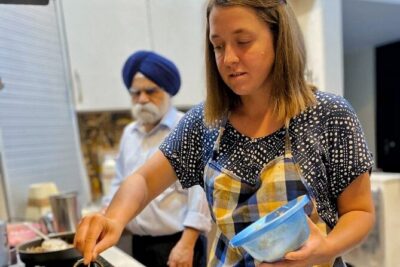
Indian Cooking Class in an Authentic Local Home – Learn 6 Dishes
Read our review →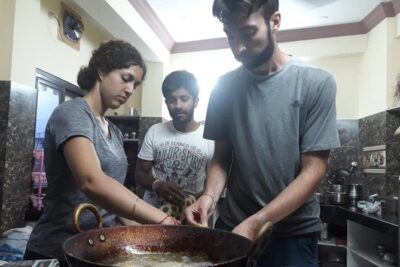
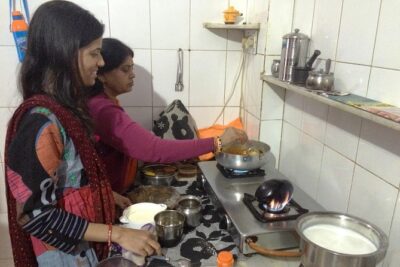
Jaipur Market Tour & Vegetarian Rajasthani Home Cooking Class
Read our review →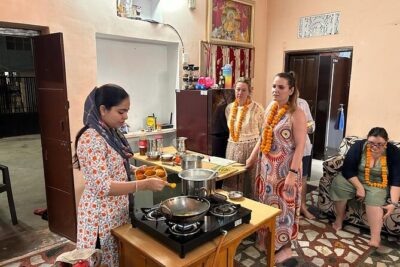
Cooking Class in Jaipur – Family Experience with Meal & Transport
Read our review →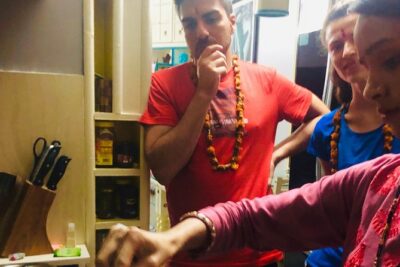
Interactive Cooking Class with a Local Family in Jaipur
Read our review →Browse the lists this tour appears in