
Reviewed · HIKING AND TREKKING
Kedarkantha Trek
Snow makes a familiar mountain feel wild. This five-day Kedarkantha Trek takes you from Dehradun to Sankri, through pine and oak forests, across open hills, and up to the 12,500-foot Kedarkantha summit. I like the fact that camping equipment is supplied, and I like the clear route: Sankri, Juda Ka Talab, base camp, summit, then back down.
The package also covers forest fees, private transport, meals, tents, sleeping bags, mattresses, toilet tents, and a first aid kit. The main drawback is the long first day. The drive from Dehradun to Sankri covers about 220 kilometers and can take around 14 hours, so you begin with a very full day before the walking starts.
In This Review
- Key points to know before you book
- What the Kedarkantha route is really like
- Day 1: Dehradun to Sankri, a long road into the mountains
- Day 2: Sankri to Juda Ka Talab through forest country
- Day 3: Juda Ka Talab to Kedarkantha Base Camp
- Day 4: The 12,500-foot Kedarkantha summit day
- Day 5: Hargaon to Sankri and the end of the trek
- What the $235 price includes
- Camping, food, and the small comforts
- Who should book this Kedarkantha trek?
- Practical planning before you go
- Should you book the Kedarkantha Trek?
- FAQ
- Where does the Kedarkantha Trek begin?
- How long is the Kedarkantha Trek?
- How far is Sankri from Dehradun?
- What altitude does Kedarkantha Peak reach?
- Is camping equipment included?
- Are meals included?
- Is transport to Dehradun included?
- What level of fitness is required?
- Can I cancel the experience for a refund?
Key points to know before you book
- The first day is mostly road travel: Pickup from Dehradun is at 6:30 am, with a long drive to Sankri.
- The summit reaches 12,500 feet: You need moderate physical fitness and comfort with steep uphill walking.
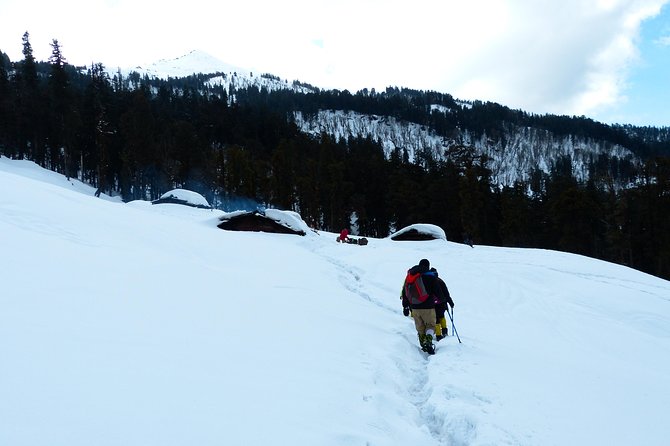
- Juda Ka Talab is a memorable camp: The route passes through pine and oak woodland before reaching this high-altitude stop.
- Camping supplies are included: Tents, sleeping bags, mattresses, toilet tents, and basic first aid are provided.
- The strongest scenery comes near the summit: You can look across toward the Har ki Dun valley from the upper trail.
- This is a private trip: Only your own group participates, which can make the walking pace easier to manage.
What the Kedarkantha route is really like
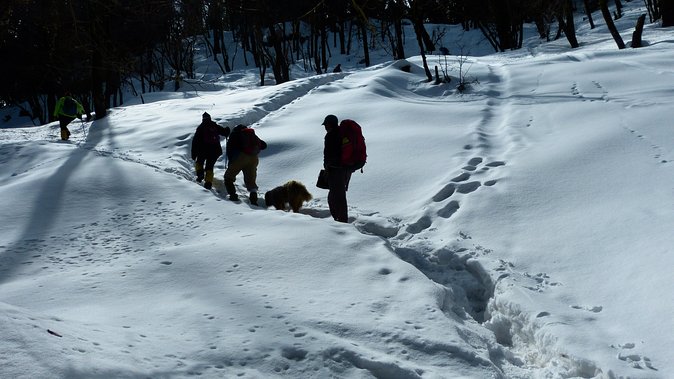
Kedarkantha is a good introduction to Himalayan trekking because the route is clearly divided into short stages, even though the summit day is demanding. You are not simply walking through one type of scenery. The trip begins with village roads, then moves into forest trails, open mountain slopes, high camps, and a steep summit approach.
The route passes through pine and oak forests, alongside streams, across green hills, and through mountain villages. Wildlife such as boars, martens, and hares may be present in the area, though sightings are never guaranteed. At night, the clear mountain sky gives you a reason to stay outside for a few minutes longer, especially with a cup of tea in hand.
The trek is sold as a beginner-friendly experience in some of the supplied feedback, but that should not be confused with easy. You need a moderate fitness level, and the summit day involves a substantial climb from about 11,250 feet to 12,500 feet. Snow, cold, steep ground, or a slow pace can make the walk feel much harder.
More Hiking and Trekking in India:
- Mountain Hiking in Munnar (half day) By Munnar Info
★ 5.0 · 390 reviews - Half day trekking (munnar valley Trekking & Tours )
★ 5.0 · 310 reviews - Nag Tibba 2 Days Trek (Pantwari to Pantwari)
★ 5.0 · 274 reviews
Day 1: Dehradun to Sankri, a long road into the mountains
Your pickup begins in Dehradun at 6:30 am. From there, private transport carries you toward Sankri along National Highway 123. The distance is about 220 kilometers, but mountain roads make distance a poor guide to travel time. The stated schedule is about 14 hours.
I would treat this as a serious travel day, not a gentle transfer. Breakfast and lunch on Day 1 are not included, so plan for those costs and make sure you are ready for the early start. The package does include private transportation and parking fees, which removes one major concern about reaching the trailhead.
Sankri is more than a place to sleep before the trek. It is the gateway to the walking route and the point where the trip changes character. Roads give way to mountain paths, and the quiet village setting helps you get your bearings before the next morning.
The long drive is the weakest part of the schedule. If you dislike sitting in a vehicle for hours, Day 1 may feel tiring before the actual adventure begins. Still, private transport is useful here because you avoid arranging a separate transfer to a remote starting point.
Day 2: Sankri to Juda Ka Talab through forest country
After breakfast, the walking begins from Sankri. The route to Juda Ka Talab is about four kilometers, with the camp located at roughly 9,100 feet. The listed walking time is around four hours, depending on pace and trail conditions.
This is the day to settle into the rhythm of trekking. The path passes through dense pine and oak forest, and the shade gives the route a cooler, quieter feel. You may walk beside small streams and through sections of green hillside before reaching the higher camp.
Juda Ka Talab is one of the most appealing stops on this route because it marks your first real high camp. The area is associated with open views, forest surroundings, and the chance to watch the sky change after sunset. Tea stops are part of the culture of this trek, and a hot cup at altitude can feel like a small luxury.
The climb is not technically complicated based on the route description, but the altitude begins to matter. A four-kilometer walk at home is one thing. A steady climb toward 9,100 feet, with a pack and changing weather, is another. Walk slowly, drink water, and do not treat the first trekking day as a race.
The package includes breakfast and dinner each day of the trek, along with lunch on three days. You should confirm the meal schedule at booking, especially since Day 1 breakfast and lunch are excluded. Some supplied feedback gives high praise to the food, including hot meals at camp and attention to special dietary needs, but dietary arrangements should be confirmed directly before departure.
Day 3: Juda Ka Talab to Kedarkantha Base Camp
Day 3 takes you from Juda Ka Talab toward Kedarkantha Base Camp. The distance is about four kilometers, and the stated walking time is around two and a half hours at a moderate pace.
This section is described as fairly straightforward, with a visible trail. That matters because a clear route lets you focus on your breathing, footing, and the changing views rather than constantly wondering where to go next. The forest begins to open in places, and the mountain setting feels more exposed as you move higher.
The base camp is important for practical reasons. It gives you time to rest before summit day, organize your clothing, and prepare for an early start. Your tent, sleeping bag, mattress, and toilet tent are supplied, so you do not need to carry a full camping setup from home.
Do not expect hotel comfort. Camping equipment makes the trip possible and more convenient, but a tent at high altitude remains a basic shelter. Cold nights, shared camp facilities, and limited personal space are part of the bargain. If you like the idea of sleeping under a clear sky and waking close to the trail, this is a plus. If you need a warm room and private bathroom, it will feel rough.
The base camp also gives you a useful pause before the hardest walking. Use it to check your layers, secure your water, and keep your pack light. The next day is the point where the trip demands the most from your legs.
A completely different kind of day out:
- Old & New Delhi City Tour – Half or Full Day Options Available
★ 5.0 · 4,811 reviews - Old & New Delhi City Tour – Choose Half or Full Day Experience
★ 5.0 · 4,513 reviews - Same Day Taj Mahal, Agra Fort & Baby Taj Tour from Delhi by Car
★ 5.0 · 4,304 reviews - Taj Mahal Day Tour from Delhi by Superfast Train – TOP RATED TOUR
★ 5.0 · 4,166 reviews
Day 4: The 12,500-foot Kedarkantha summit day
Day 4 is the main event. You climb from about 11,250 feet to the Kedarkantha Peak at 12,500 feet, then descend to Hargaon camp. The exact walking time is not provided, but this is clearly the most demanding day of the itinerary.
The summit approach is steep. That is part of the appeal, but it is also where the moderate fitness requirement becomes real. At this height, a slow pace is sensible. Your guide team can help set the rhythm, but you still need to judge your own condition and communicate if you are struggling.
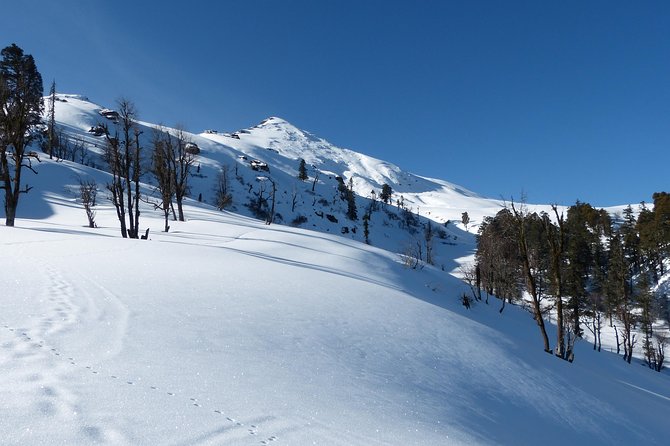
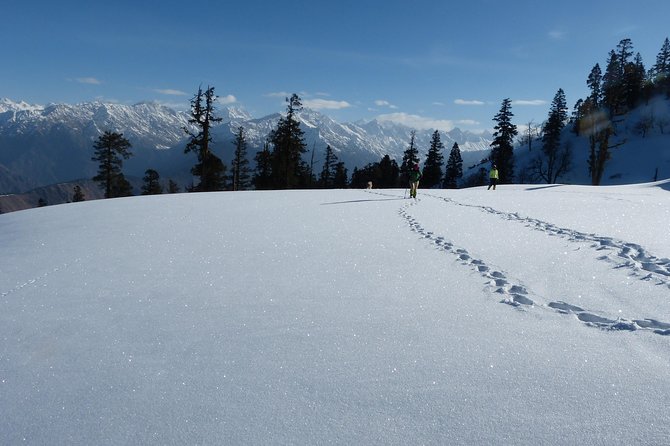
The reward is a broad mountain view, including the Har ki Dun valley. The route combines the physical satisfaction of reaching a summit with changing scenery below: forested slopes, open ridges, and distant peaks. The view is the kind that makes you forget, for a few minutes, how hard the last climb felt.
The trip is often associated with winter conditions, and supplied feedback includes snowfall, snow-covered peaks, and even a snow blizzard on one February departure. Those conditions can make the outing memorable, but they can also change the difficulty quickly. The information provided does not promise snow on every departure, so you should not book solely for a guaranteed winter scene.
After the summit, you descend to Hargaon camp. Going down is not always easy. Tired legs and loose or uneven ground can make the return feel long, so save some energy for the second half of the day. This is also why a five-day schedule is useful. You are not expected to reach the summit and then continue all the way to Sankri in one push.
Day 5: Hargaon to Sankri and the end of the trek
The final day takes you down to Sankri in about four hours or more at a moderate pace. After breakfast, you follow a clearer, better-marked path with small stones underfoot.
Compared with the summit route, this descent should feel more relaxed, but downhill walking can still test your knees. Trekking poles, if you already use them, may be helpful, though poles are not listed among the inclusions. The route also gives you one last chance to enjoy the forest and streams before returning to the village.
You can refill water along the route, according to the trip details. Treat water safety as your responsibility and ask the trek staff how it should be handled before drinking. The provided first aid kit is useful, but it is not a substitute for personal medication or medical insurance.
Once back in Sankri, the walking portion is finished. The listed experience does not include your travel to or from Dehradun, so check what happens after the descent if you need a further transfer. The tour begins with a Dehradun pickup, but the return arrangement should be confirmed clearly.
What the $235 price includes
At $235, the value depends on how much of the mountain logistics you would otherwise need to arrange yourself. This is not just a guided walk. The price includes private transportation, parking fees, forest fees, camping equipment, a first aid kit, four breakfasts, four dinners, and three lunches.
The camping package is especially useful. Tents, sleeping bags, toilet tents, and mattresses are supplied, saving you the cost and trouble of renting or carrying bulky gear. For a first Himalayan trek, that can make the difference between a practical trip and an overcomplicated one.
The food coverage is also solid for a five-day outing, though not complete. Breakfast and lunch on Day 1 are excluded, as are GST, personal and medical insurance, transport costs to reach and return from Dehradun, and any service not named in the inclusions. Keep a small extra budget for drinks, snacks, and personal needs.
A private tour can also add value. You are not placed into a large mixed group, and your own group can participate together. That does not guarantee a custom pace or private rooms, but it does make the arrangement more personal than a standard group departure.
Camping, food, and the small comforts
The supplied equipment covers the basics needed for mountain camping. A sleeping bag and mattress matter after a day on your feet, while a toilet tent makes camp life more manageable. The first aid kit and forest fee are also practical inclusions rather than decorative extras.
The food receives some of the strongest praise in the supplied comments. Hot meals, healthy food, and attention to a Jain dietary request are all mentioned. That suggests the operator may handle food thoughtfully, but you should state your dietary needs before the trek rather than assume every request is automatically covered.
Tea points are part of the charm of the route. They offer a simple break between climbs and a chance to warm up. Still, not every personal refreshment is listed as included, so ask what drinks and snacks are covered.
At night, the camps offer a chance to look at the stars. Keep expectations sensible: the facilities are camping facilities, not a mountain resort. The value comes from sleeping close to the trail and waking among the forests and high slopes.
Who should book this Kedarkantha trek?
I would recommend it to a reasonably fit first-time trekker who wants a structured introduction to Himalayan camping. The route is broken into manageable stages, the trail is described as visible in key sections, and the operator supplies the main camping gear.
It also suits a private group of friends, couples, or families with suitable fitness. A couple completed the route in February, and another first-time snow trekker praised the food, accommodation, and transport. Those examples suggest the trip can work for newcomers, but they do not remove the need for preparation.
You should think twice if you dislike long vehicle journeys, cold nights, steep climbs, or basic camp facilities. The summit reaches 12,500 feet, and winter weather can include snowfall or blizzards. Moderate fitness is the minimum stated requirement, not a promise that the route will feel easy.
The trip is less suitable for anyone relying on a guaranteed snow experience, private bathrooms, or a fully flexible schedule. The date, weather, trail conditions, and minimum group requirement can affect how the experience runs.
Practical planning before you go
Wear footwear suited to uneven mountain trails and bring warm layers for camp and the summit. The exact personal packing list is not provided, so ask Outdoor Monks what clothing, water storage, and footwear they expect you to bring.
Bring medication that you personally need. Medical insurance is not included, and the first aid kit only covers basic support. You should also tell the operator about dietary needs, fitness concerns, and any medical condition before departure.
The booking confirmation is issued at the time of booking. Service animals are allowed, and the meeting area is near public transportation, but the route itself is a remote mountain trek. Confirm how a service animal would be managed on the trail before paying.
The cancellation terms are strict close to departure. Cancel at least six full days before the start for a full refund. Cancellation two to six full days ahead receives a 50 percent refund, while cancellation less than two full days ahead is nonrefundable. The experience also requires a minimum number of participants, and if that minimum is not met, you are offered another date or experience, or a full refund.
Should you book the Kedarkantha Trek?
Book it if you want a five-day mountain trip with a clear summit goal, supplied camping gear, private transportation, and meals included. The $235 price is reasonable for the equipment and logistics covered, especially if you are new to Himalayan trekking and do not own camping gear.
I would not book it casually. The 14-hour journey to Sankri is tiring, the summit day is steep, and the high altitude demands patience. But if you prepare properly and accept basic camping, the route offers a strong mix of forest walking, village access, starry nights, and a genuine summit finish.
The experience provider is Outdoor Monks, and the tour has a 4.9 rating from 43 ratings with a 100 percent recommendation figure. Those numbers support confidence, but your best decision will come from checking the departure date, return transport, weather expectations, dietary needs, and personal equipment list before booking.
FAQ
Where does the Kedarkantha Trek begin?
The trek begins with pickup in Dehradun city at 6:30 am on Day 1. From there, private transport takes you to Sankri.
How long is the Kedarkantha Trek?
The experience lasts approximately five days.
How far is Sankri from Dehradun?
Sankri is about 220 kilometers from Dehradun by road. The first day of travel is listed as taking around 14 hours.
What altitude does Kedarkantha Peak reach?
Kedarkantha Peak reaches about 12,500 feet. On summit day, the route climbs from approximately 11,250 feet.
Is camping equipment included?
Yes. The package includes tents, sleeping bags, toilet tents, mattresses, and a first aid kit.
Are meals included?
Breakfast is included on four days, dinner on four days, and lunch on three days. Breakfast and lunch on Day 1 are not included.
Is transport to Dehradun included?
No. Your travel expenses to reach and return from Dehradun are excluded. The experience does include private transportation as part of the trek arrangement.
What level of fitness is required?
You should have a moderate level of physical fitness. The route includes forest walking, uphill sections, a steep summit climb, and a descent to Sankri.
Can I cancel the experience for a refund?
Yes, but the refund depends on timing. Cancellation at least six full days before the start receives a full refund. Cancellation two to six full days ahead receives a 50 percent refund, while cancellation less than two full days ahead receives no refund.
Just added in India
- Explore Chennai City: Guided Walking Tour on Foot★ 4.3 · 22 reviews
- Walking Tour in the old part of the city of Varanasi★ 5.0 · 25 reviews
- Vibrant Markets of Trivandrum (2 Hours Guided Walking Tour)★ 4.5 · 15 reviews
- Walk of Divinity Bangalore (2 hours guided walking tour)★ 3.8 · 19 reviews
- Victorian Gothic Heritage Quarter and Art Deco Walking Tour★ 4.9 · 14 reviews
- Vibrant Markets of Mumbai (2 Hours Guided Walking Tour)★ 4.4 · 44 reviews
- Varanasi Walking and Heritage Tour★ 4.6 · 15 reviews
- Varanasi: Manikarnika Ghat (Oldest Cremation Site) Tour★ 4.7 · 22 reviews
Hiking and Trekking, compared.
Mountain Hiking in Munnar (half day) By Munnar Info
Read our review →
Half day trekking (munnar valley Trekking & Tours )
Read our review →
Wild Elephant Anakulam & Waterfalls Tour(munnar valley Trekking)
Read our review →
Browse the lists this tour appears in