
Reviewed · HIKING AND TREKKING
Nag Tibba 2 Days Trek (Pantwari to Pantwari)
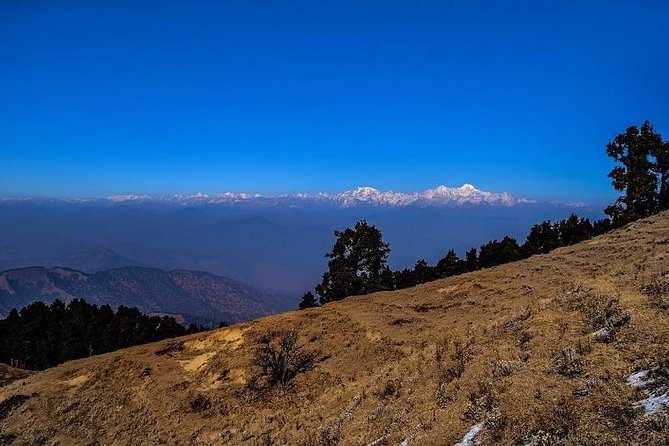
Quiet mountains, one sturdy pair of shoes. The Nag Tibba trek gives you a compact two-day escape from the North Indian plains, with a forest hike, a simple tent camp, a small snake-god temple, and summit views toward Mt. Swargarohini and Mt. Bandarpunch. I like the short format and the low $24 price. I also like that the route returns to Pantwari, so you do not finish in a distant village with one more transport puzzle to solve. The main catch is the effort: this is not a gentle stroll, and the tour asks for a moderate level of fitness.
The group limit of 20 people keeps the outing from becoming a huge procession, though it is not a private walk in the hills. Guide quality appears to be a real strength, with Mukesh Rana, Abhishek, Ramesh, and Adarsh all praised for encouragement and care on different departures. Food and tents also receive strong marks. Still, weather, transport arrangements, and the exact guide assigned can affect the experience.
In This Review
- Key Things to Know Before You Go
- Why Nag Tibba Works as a Weekend Trek
- Meeting at Pantwari and Getting Ready
- Day One: The 5 to 6 Kilometer Walk to Kathian
- Day Two: Nag Tibba Peak and the Big Mountain Views
- Guides Who Help Make the Difference
- Tents, Meals, and the Campfire Experience
- Is the $24 Price Good Value?
- Who Should Book This Trek?
- Practical Tips for a Smoother Nag Tibba Weekend
- FAQ
- Where does the Nag Tibba trek start?
- Where does the trek end?
- How long is the Nag Tibba trek?
- How far is the first day’s hike?
- What happens on the first day?
- What happens on the second day?
- How physically fit do I need to be?
- How many people can join the trek?
- Can I cancel for a full refund?
- Should You Book Nag Tibba?
Key Things to Know Before You Go
- Pantwari is the start and finish: You meet at the Nag Tibba trek start point in Pantwari, Uttarakhand, and return there after the summit day.
- The first day covers about 5 to 6 km: The route leads to the Kathian campsite and a small temple dedicated to a Snake God.
- The second day is the scenic payoff: Nag Tibba Peak brings views of Mt. Swargarohini, Mt. Bandarpunch, and other Himalayan peaks.
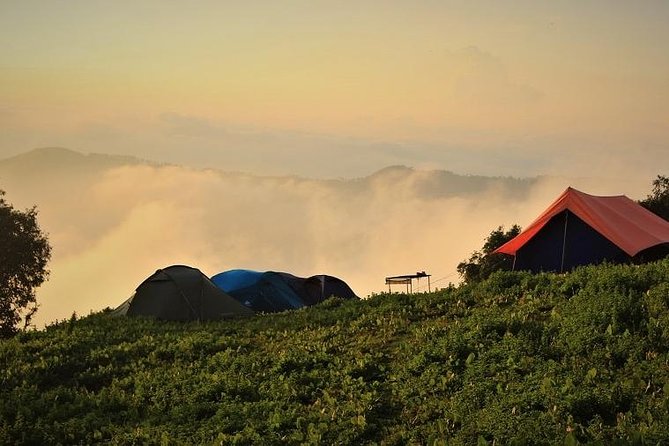
- The camp setup is simple but comfortable: Tents, fresh meals, hot breakfast, and campfire time have been especially well received.
- The route is harder than its short length suggests: You need moderate physical fitness, and several people found the climb demanding.
- The $24 fare is attractive: It offers excellent potential value, but check exactly what is included, especially transport to Pantwari.
Why Nag Tibba Works as a Weekend Trek
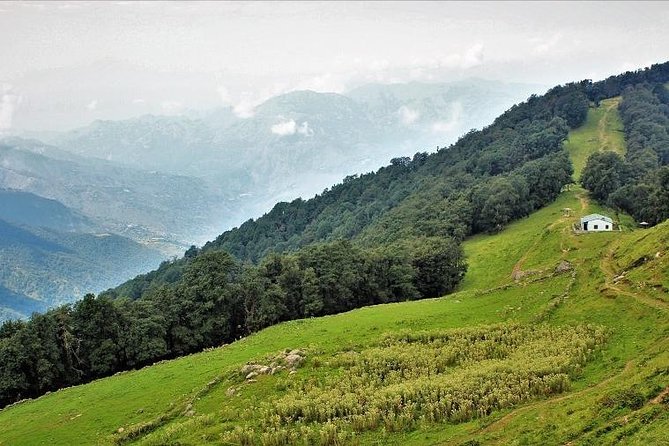
Nag Tibba is aimed at people who want real mountain time without committing to a long expedition. In two days, you hike to a campsite, sleep outdoors, reach a Himalayan summit, and return to the starting point. That is a lot of mountain experience packed into a short break.
The route suits people based in or near the North Indian plains particularly well. The supplied location information also references Himachal Pradesh and Uttarakhand, but the actual meeting point is Pantwari in Uttarakhand. Use Pantwari as your practical planning anchor.
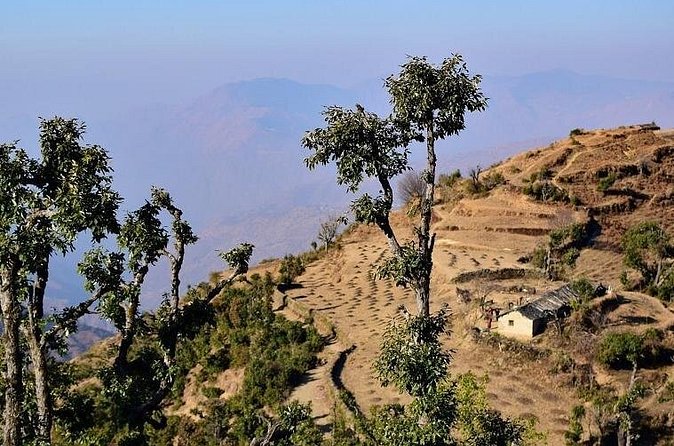
I like the route’s clear shape. You are not changing hotels every night or moving your bags between several camps. You walk up, spend the night near Kathian, climb to the peak, and come back to Pantwari. For a first Himalayan trek, that straightforward plan matters.
Do not confuse short with easy. The total duration is only two days, but the route includes uphill walking and a summit push. The operator asks for moderate physical fitness, and that is a useful warning rather than a formality. If your normal exercise is limited to city walking, you should prepare for sustained climbing before arriving.
More Hiking and Trekking in India:
- Mountain Hiking in Munnar (half day) By Munnar Info
★ 5.0 · 390 reviews - Half day trekking (munnar valley Trekking & Tours )
★ 5.0 · 310 reviews - Full day in hiking in Munnar (By Munnar Info)
★ 5.0 · 176 reviews
Meeting at Pantwari and Getting Ready
The meeting point is listed as Pantwari Nagtibba trek Start, at H3MP+GWM, Pantwari, Uttarakhand 249186, India. The activity ends at the same point. This return-to-start design is one of the trip’s practical advantages.
Some arrangements have included a pickup from Dehradun followed by several hours on a bus through mountain roads. That transport detail is not clearly promised as part of the $24 fare, so you should confirm it before booking. If you are arranging your own way to Pantwari, allow time to reach the start point without rushing into the hike.
One departure reached Pantwari around 11 a.m., ate lunch at the meeting point, and began hiking at about 12:30 p.m. This gives you a useful picture of how the day may run, though exact timings can change. Ask about the meeting time, transport, lunch, and luggage arrangements before you set off.
The mobile ticket is handy for a phone-based booking, but it does not remove the need to check the meeting instructions. Mountain transport can involve changes. One account described a taxi being unable to make a planned pickup because of local restrictions, with the itinerary adjusted afterward. That is not a reason to avoid the trek, but it is a reminder to keep some flexibility.
Day One: The 5 to 6 Kilometer Walk to Kathian
The first hiking day takes you toward the Kathian Campsite. The stated distance is about 5 to 6 kilometers, and the route is meant to be enjoyed at a walking pace rather than raced.
You can expect the first day to establish the character of the trek. The surrounding hills, quieter air, and steady climb provide a sharp break from city noise. One of the best parts of a short mountain trip is this change in rhythm. After a few hours on foot, ordinary concerns tend to shrink to water, footing, weather, and the next rest.
The small temple dedicated to a Snake God adds a local point of interest to an otherwise outdoor-focused day. It is not a grand monument, and that is precisely the appeal. You get a modest place of worship connected to the route, not a staged attraction built for a quick photo.
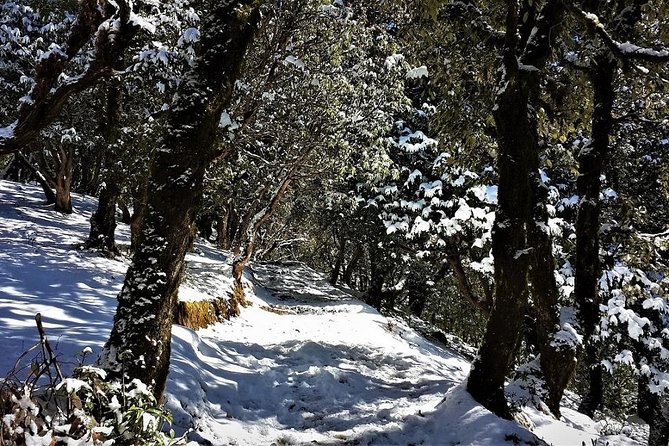
The first day is also where you will learn how your body handles the climb. Some people have found Nag Tibba difficult, even while calling it highly rewarding. Take that seriously. A guide can encourage you, but encouragement does not replace a sensible pace, proper shoes, and enough water.
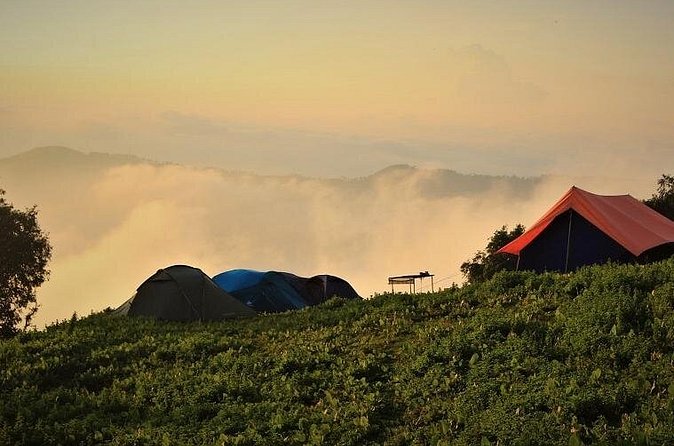
At Kathian, the accommodation is tent-based. The setup is simple rather than hotel-like, but it has been described as comfortable for a mountain camp. If you enjoy a warm meal, a tent, and a quiet evening more than polished facilities, this part of the trip should suit you.
Evening time is a major attraction. A campfire and relaxed conversation can make the overnight stop feel special, especially after the effort of the climb. The mountain quiet offers a welcome contrast to crowded urban travel. Bring realistic expectations, though: this is a basic campsite, not a luxury retreat.
Food is one of the strongest features of the operation. Fresh meals and hot breakfast have made a better impression than many people expect from a camp in the hills. That matters because food is not just comfort on a trek. It helps you recover for the next morning’s summit walk.
Day Two: Nag Tibba Peak and the Big Mountain Views
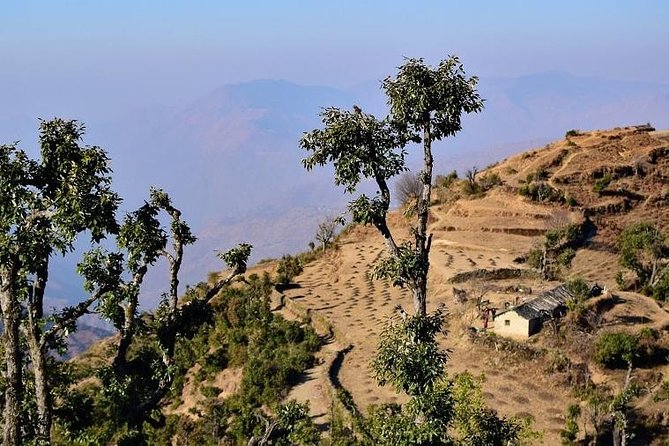
The second day takes you to Nag Tibba Peak. This is the section that gives the trek its name and its strongest visual reward.
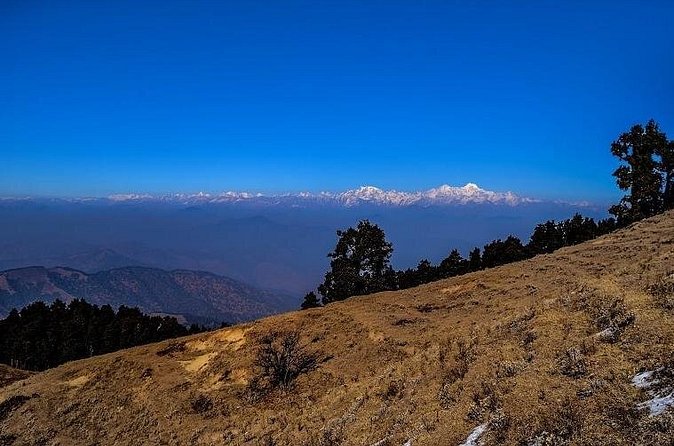
From the summit area, you can enjoy views toward Mt. Swargarohini, Mt. Bandarpunch, and other major Himalayan peaks. The exact clarity will depend on weather, but the promise of distant high summits gives this short hike a proper Himalayan sense of scale.
I like that the route does not stop at a campsite. You make an actual summit attempt, then return to Pantwari. That makes the trip feel more complete than a simple overnight forest walk.
The summit day may also be the most tiring part. You should expect an early or purposeful start, a continuing climb, time at the peak, and a descent. The tour information does not give a detailed hour-by-hour schedule, so ask the operator for the expected start and return times before you go.
Clear weather is important here. In poor conditions, the distant mountain views may disappear, and the operator can cancel the experience for safety or practical reasons. If that happens because of bad weather, you are offered another date or a full refund.
A completely different kind of day out:
- Old & New Delhi City Tour – Half or Full Day Options Available
★ 5.0 · 4,811 reviews - Old & New Delhi City Tour – Choose Half or Full Day Experience
★ 5.0 · 4,513 reviews - Same Day Taj Mahal, Agra Fort & Baby Taj Tour from Delhi by Car
★ 5.0 · 4,304 reviews - Taj Mahal Day Tour from Delhi by Superfast Train – TOP RATED TOUR
★ 5.0 · 4,166 reviews
Guides Who Help Make the Difference
A mountain guide can change the mood of a hard day. The strongest praise for this trek focuses on leaders who kept people moving without making the experience feel like a test of pride.
Mukesh Rana has been singled out for making the walk memorable, while Abhishek was praised for checking that everyone was doing well and keeping spirits up. Ramesh was also appreciated for his steady motivation and friendly manner. Another account praised Adarsh as humble and energetic.
These names do not mean you will receive one particular guide. The assigned leader can vary by departure. What you should look for is the same quality: a guide who watches the group, communicates clearly, and understands that a first trekker may need a slower pace or extra reassurance.
The group maximum is 20 people. That is small enough for the leader to keep track of the group more easily than on a large commercial outing, but it can still feel social rather than personal. If you want private guiding or a fully flexible pace, ask about a smaller or private arrangement.
There is also a useful balance in the wider provider record. The Nag Tibba experiences described here receive strong praise for guide support, food, and camp care, but a separate account from another trek reports poor hospitality and an unsupportive guide. That complaint concerns a different route, yet it is still sensible to confirm the day’s guide, inclusions, and communication before departure.
Tents, Meals, and the Campfire Experience
The overnight camp is not about comfort in the usual hotel sense. You sleep in a tent, share the outdoor setting, and accept that the mountain dictates the evening.
Several details make the camp work well. Tents have been described as simple but comfortable, and food has been called far better than expected for a remote campsite. Hot breakfast is another welcome touch, especially before the second day’s climb.
I would value the campfire most. It gives the group a place to sit, talk, and take in the stillness after the day’s work. This is the kind of small experience that can stay with you longer than a formal sightseeing stop.
The information does not specify tent occupancy, toilet arrangements, bedding, or a full meal plan. Ask those questions before paying, especially if you have specific comfort needs. The $24 price suggests a basic trekking service, not an all-inclusive mountain lodge.
Is the $24 Price Good Value?
At $24, this is an unusually inexpensive way to join a two-day Himalayan trek. The value is strong if the price covers the guide, campsite, tents, meals, and basic trek arrangements. You receive a summit walk, an overnight mountain camp, and a managed route for less than many short outdoor activities cost elsewhere.
The important phrase is if the price covers. The meeting point is in Pantwari, and transport from Dehradun or another city may be handled separately. The available details do not provide a complete list of inclusions, so confirm transport, meals, camping equipment, permits if any, and personal gear requirements.
A low fare can also mean a simple service model. You should not expect luxury bedding, private rooms, or a flexible personal itinerary. For me, the best value comes from the combination of guide support, fresh food, a tent night, and access to summit views without a long trek commitment.
Free cancellation up to 24 hours before the local start time adds useful protection. Cancel later than that and the payment is not refunded. If the minimum group size is not reached, or poor weather forces a cancellation, you are offered another date or another experience, or a full refund.
Who Should Book This Trek?
I would recommend Nag Tibba to a first-time trekker who wants a genuine test without signing up for a week in the mountains. It also suits people living in the North Indian plains who can reach Pantwari and want a focused weekend away.
It is a good fit if you enjoy:
- A moderate physical challenge
- Basic tent camping
- Fresh, simple meals
- Small local religious sites
- Quiet evenings and campfire conversation
- Big mountain views when the weather is clear
I would be cautious if you dislike uphill walking, have limited physical fitness, or need guaranteed hotel-style facilities. The trek is short, but the effort is real. A two-day schedule also leaves little room for a slow, relaxed pace if the group is moving toward the summit and back.
Families or mixed-ability groups should discuss fitness levels in advance. The group size is capped at 20, but that does not mean everyone will walk at the same speed. Ask how the guide handles different paces and what support is available if someone chooses not to continue.
Practical Tips for a Smoother Nag Tibba Weekend
Wear proper walking shoes with a firm sole. The supplied information does not list the exact trail surface, but a mountain trek requires better footwear than ordinary sneakers.
Build some uphill fitness before you go. Brisk walking, stairs, and regular hill practice will help more than a single hard workout the day before.
Keep your planning flexible around transport and weather. Mountain roads and local restrictions can affect vehicle access, and poor weather can cancel the experience.
Ask the operator these questions before booking:
- Is transport from Dehradun included in the $24 price?
- What meals are included?
- Are tents and bedding provided?
- What should you bring yourself?
- What time should you reach Pantwari?
- Which guide is assigned to the departure?
- How is the group managed if people walk at different speeds?
September has been described as comfortable, with weather that was neither very hot nor very cold on one departure. Conditions can vary, so treat that as a useful example rather than a promise.
The tour accepts up to 20 people and provides a mobile ticket. Keep the booking confirmation available on your phone, but also save the meeting point and the provider’s contact details in an easy-to-find place.
FAQ
Where does the Nag Tibba trek start?
The trek starts at the Nag Tibba trek start point in Pantwari, Uttarakhand, at H3MP+GWM, Pantwari, Uttarakhand 249186, India.
Where does the trek end?
The activity ends back at the Pantwari meeting point.
How long is the Nag Tibba trek?
The experience lasts approximately two days.
How far is the first day’s hike?
The first day includes a hike of about 5 to 6 kilometers to the Kathian Campsite.
What happens on the first day?
You hike to the Kathian Campsite and visit a small temple dedicated to a Snake God.
What happens on the second day?
You hike to Nag Tibba Peak and view Mt. Swargarohini, Mt. Bandarpunch, and other mountain peaks.
How physically fit do I need to be?
The activity recommends a moderate physical fitness level. The route can feel difficult, despite lasting only two days.
How many people can join the trek?
The group has a maximum of 20 people.
Can I cancel for a full refund?
Yes. You can cancel at least 24 hours before the local start time for a full refund. Cancellations made less than 24 hours before the start are not refunded.
Should You Book Nag Tibba?
Book it if you want an affordable, compact Himalayan trek and are ready for a real uphill effort. The combination of a 5 to 6 kilometer first-day hike, a tent night, campfire time, fresh food, and summit views gives the trip more substance than its low price suggests.
Before paying, confirm transport to Pantwari and exactly what the fare includes. If those details fit your plans, Nag Tibba is a sensible first trek and a strong weekend escape. If you want an easy walk or polished accommodation, choose something gentler.
Just added in India
- Five Days Golden Triangle Tour with Ranthambore Delhi Agra Jaipur★ 5.0 · 11 reviews
- 5 Days Golden Triangle Tour with Ranthambore India★ 5.0 · 10 reviews
- 5 Days Golden Triangle Tour with Ranthambore Delhi Agra Jaipur★ 5.0 · 11 reviews
- 5-Day Private Luxury Golden Triangle Tour From Delhi★ 5.0 · 45 reviews
- Delhi, Agra, Jaipur & Ranthambhore Tiger Safari 5-Day Tour★ 5.0 · 47 reviews
- Private 5 Days Golden Triangle Tour – Visit Delhi Agra and Jaipur★ 5.0 · 26 reviews
- 5-Day Private Delhi, Agra and Jaipur with Ranthambhore Tiger Tour From Delhi★ 5.0 · 44 reviews
- 5-Day Private Golden Triangle Tour: Delhi, Agra, and Jaipur★ 5.0 · 62 reviews
Hiking and Trekking, compared.
Mountain Hiking in Munnar (half day) By Munnar Info
Read our review →
Half day trekking (munnar valley Trekking & Tours )
Read our review →
Wild Elephant Anakulam & Waterfalls Tour(munnar valley Trekking)
Read our review →
Browse the lists this tour appears in