
Reviewed · COOKING CLASSES
Jaipur: Traditional cooking class and storytelling session
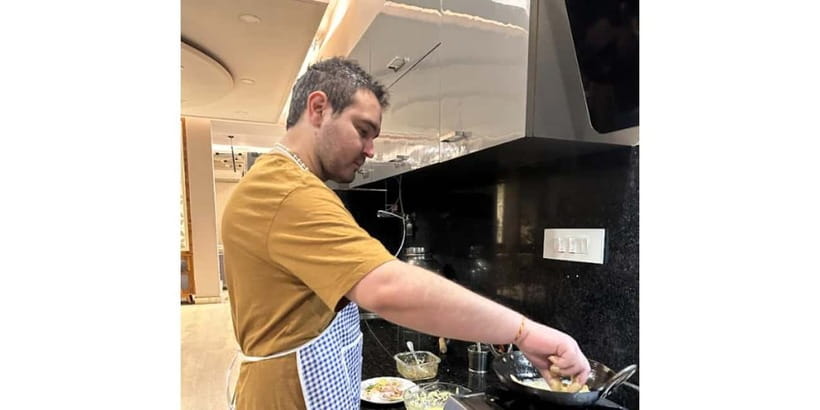
Cook first, listen later. This warm evening in a Jaipur home combines hands-on Indian cooking with family conversation, a shared vegetarian dinner, and stories drawn from Indian mythology. I especially like the practical look at lentils, millets, wheat flour, and spices, plus the small spice basket and parting gift you take home.
I also like the human scale of the experience. Anita, her husband, and members of their family welcome you into their home near Science Park in Shastri Nagar, rather than placing you in a formal cooking school. The main consideration is that you may need to remember a lot without written recipes, since one participant wished each dish and spice combination had been provided on paper.
In This Review
- Key points to know before booking
- Arriving near Science Park in Shastri Nagar
- Cooking traditional food with Anita
- Understanding Indian spices beyond heat
- Sharing a relaxed home-style dinner
- Anita’s stories after dinner
- The family welcome is the real feature
- Souvenirs, gifts, and practical value
- What to know before you reserve
- Should you book this Jaipur experience?
- FAQ
- Where does the cooking class take place?
- How long does the experience last?
- What language is used?
- What food will I learn to prepare?
- Is dinner included?
- Are drinks and souvenirs included?
- Can I cancel or pay later?
Key points to know before booking
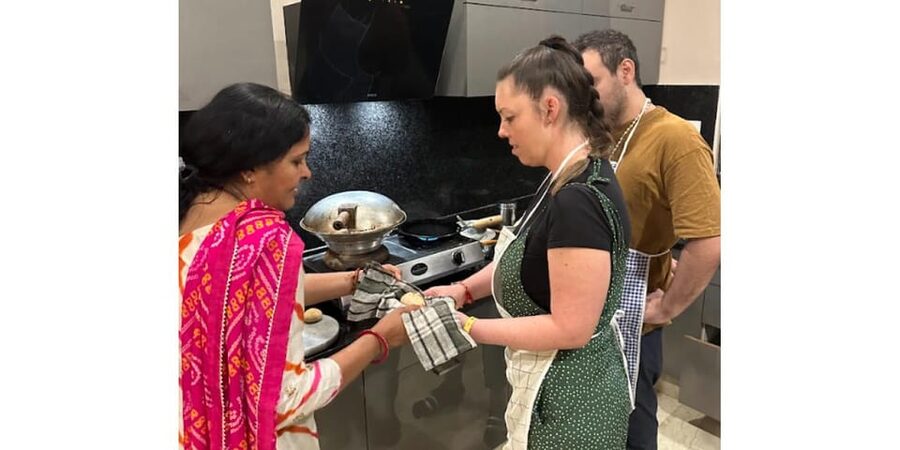
- Cooking happens in Anita’s family home: You learn in a domestic setting, with family conversation and everyday Indian cooking at the center.
- Daal baati and vada pav may feature: The dishes are simple enough to recreate, though the exact menu can vary.
- Spices have a practical story: You learn how Indian spices are used in food and for traditional medicinal purposes.
- Dinner comes before mythology: After cooking and eating, Anita shares stories linked to Indian epics, customs, and moral ideas.
- You leave with more than a full stomach: A spice basket, special non-alcoholic drinks or savories, and a souvenir are included.
- The evening lasts 3.5 hours: At $27 per person, the price covers the class, meal, drinks, gifts, bottled water, and GST.
Arriving near Science Park in Shastri Nagar
The meeting point is near Science Park, in Jaipur’s Shastri Nagar area. The information provided does not include hotel pickup, so you should plan your own way to the meeting point and confirm the exact address and start time when booking.
This location matters because the evening begins away from Jaipur’s grand monuments and busy sightseeing circuit. You are not simply watching a demonstration in a commercial venue. You are entering a family home and taking part in an evening built around food, conversation, and hospitality.
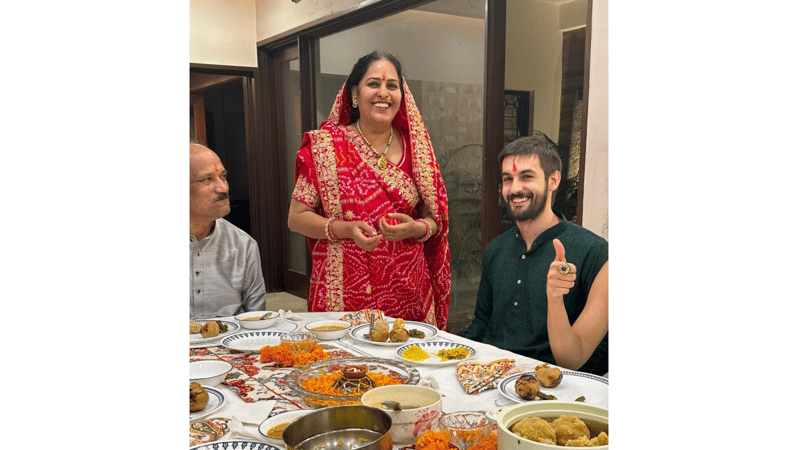
That setting is central to the experience. Anita’s husband joins the welcome, and family members may appear during the evening. One particularly personal touch described by a participant was a son calling to check how the evening was going, while a daughter and granddaughter also stopped by to talk. These moments cannot be guaranteed, but they help explain why the class feels more like an invitation into family life than a standard culinary appointment.
The language of instruction is English. You should arrive curious and ready to ask questions while preparing the food. The hosts also request that you come with a light stomach, which is sensible given the cooking, drinks, savories, and dinner still ahead.
More Cooking Classes in Jaipur
- Pink City Cooking Class
★ 5.0 · 452 reviews - Jaipur Market Tour & Vegetarian Rajasthani Home Cooking Class
★ 5.0 · 113 reviews - Cooking Class in Jaipur – Family Experience with Meal & Transport
★ 5.0 · 101 reviews
Cooking traditional food with Anita
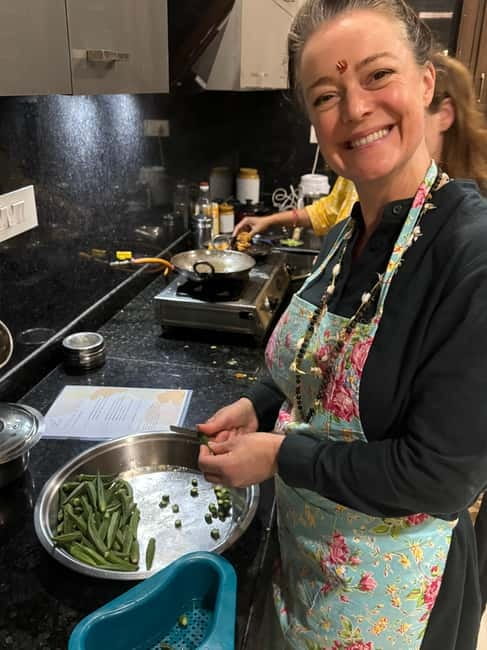
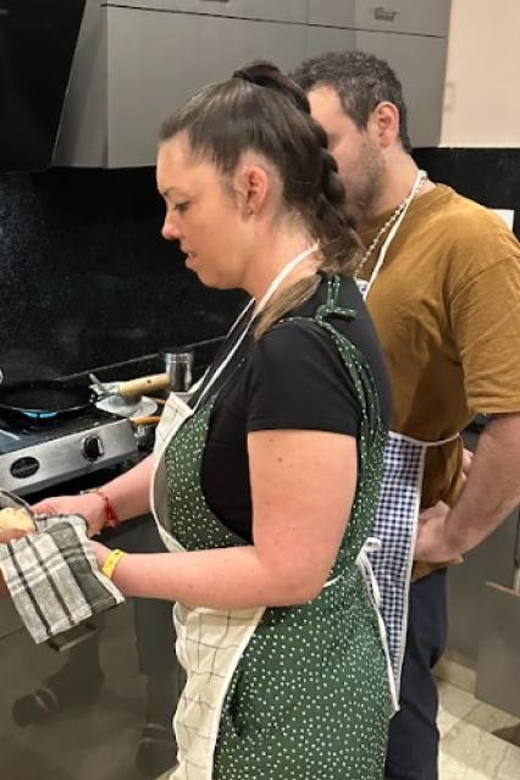
The class is fully hands-on and designed for all skill levels. You do not need to arrive with serious kitchen experience. The focus is on simple techniques and useful ingredients that appear in everyday Indian meals.
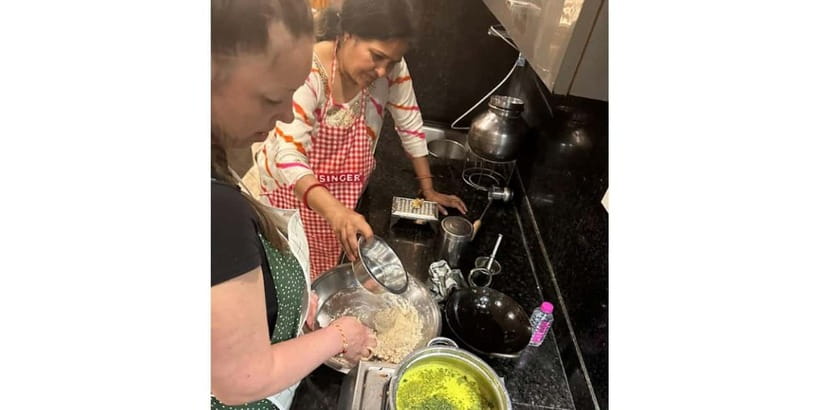
A featured dish is daal baati, a Rajasthani classic that brings together lentils and baked or cooked wheat dough. It is a good choice for this setting because it shows how regional food can be filling, practical, and based on pantry staples. You learn about the role of wheat flour, lentils, and grains rather than just following a recipe by numbers.
Other sessions have included vada pav, a popular Indian street food. One participant from India particularly enjoyed learning to make it, and another later tried to recreate it at home. That attempt did not quite match Anita’s version, which is a useful warning: watching quantities is one thing, but learning the feel of dough, batter, seasoning, and heat takes practice.
The menu is not presented as a fixed restaurant-style tasting. The available information names dishes such as daal baati and vada pav, so you should confirm the expected menu if there is something specific you want to learn. The food is vegetarian, and the emphasis is on fresh, flavorful, filling home cooking rather than elaborate restaurant presentation.
Anita’s teaching style appears to be informal and clear. She moves through the kitchen with ease and explains the process in a way that beginners can follow. You will likely spend less time worrying about perfect technique and more time understanding how ingredients work together.
Understanding Indian spices beyond heat
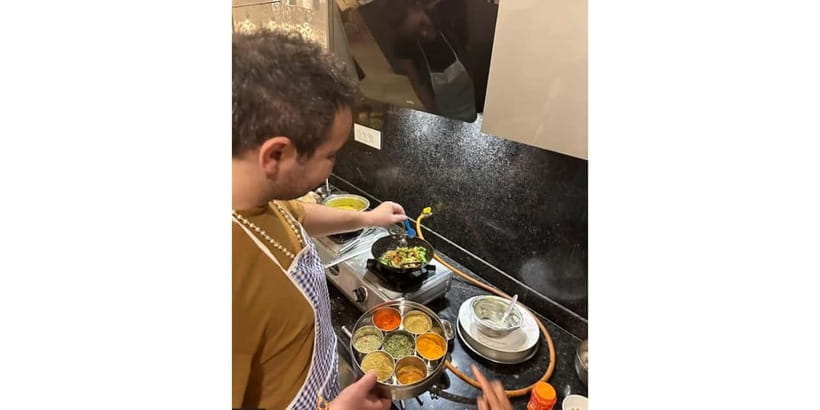
The spice lesson is one of the most useful parts of the evening. Indian cooking is not simply about adding more chili. You learn about the purpose of different spices, how they shape flavor, and how traditional Indian households connect certain ingredients with medicinal uses.
That distinction is important. A good cooking class should help you understand why an ingredient is used, not just tell you to add a spoonful. The experience introduces spices alongside grains, lentils, and flour, giving you a wider picture of how Rajasthani food is built.
You also receive a guest spice basket, a practical souvenir that lets you continue experimenting at home. It is more useful than a decorative keepsake, though you should not expect a complete recipe kit or a full written cooking manual. The one less-positive comment about the evening was that there was too much information to remember without recipes listing the dishes and spices.
My advice is simple: bring a small notebook or use your phone to record ingredient names and rough steps, if the host is comfortable with that. Ask questions as you cook, especially about substitutions and the traditional use of each spice. The experience encourages questions during preparation, so this is the right time to speak up.
Sharing a relaxed home-style dinner
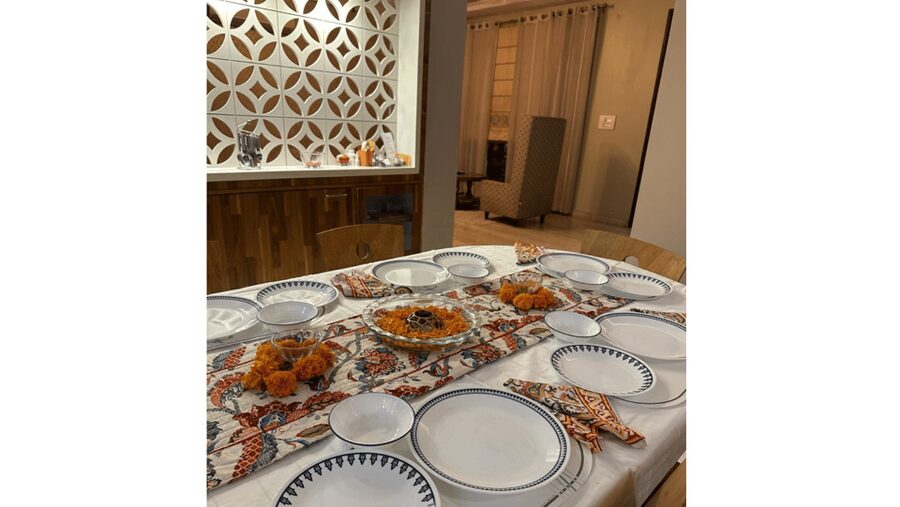
Once the cooking is finished, you sit down to eat the food you helped prepare. This shared meal is the point where the class becomes social. You are not judging a finished dish in a hurry, and you are not being rushed toward the next course. You eat together and talk about the food, family customs, and daily life.
I like this format because it gives the meal a clear sense of purpose. You understand the ingredients because you have handled them. You have seen the process, made choices, and then tasted the result. Several comments describe the food as delicious, fresh, flavorful, and surprisingly filling for a vegetarian dinner.
The hosts also provide special non-alcoholic savories and drinks, along with bottled water for cooking and drinking. Alcohol is not served or permitted, and drugs are prohibited. That rule is stated plainly, so this is an experience for people looking for a family-friendly cultural evening rather than a nightlife activity.
The meal may be the best part for anyone who wants practical Indian food rather than a polished tourist performance. You will not just hear that Indian families cook with lentils, grains, and spices. You will see how those elements come together in a home kitchen and share the result around the table.
A completely different kind of day out:
- Jaipur: Private Full Day Sightseeing Tour By Car with Guide
★ 4.9 · 1,839 reviews - 3-Hour Morning Bike Tour of Jaipur
★ 5.0 · 1,253 reviews - Jaipur: Private Sightseeing Day Tour with Guide by Car
★ 4.8 · 773 reviews - Jaipur: Full-Day City Tour with Car, Guide & Skip-the-Line
★ 4.8 · 512 reviews
Anita’s stories after dinner
The storytelling session takes place after dinner, giving the evening a calm second half. Anita shares stories inspired by Indian mythology, Indian epics, and local cultural traditions. The stories are not presented as a museum lecture. They connect with ideas about values, family, daily life, and the choices people make.
This part requires a different kind of attention than the cooking. During the food preparation, questions and interruptions are useful. During the story itself, the hosts ask you to let Anita keep her flow, then raise questions and discuss interpretations when the story ends.
That small request is worth taking seriously. Mythological storytelling depends on rhythm and buildup, and frequent interruptions would make it harder to follow. Once the story finishes, you can ask about meanings, characters, and cultural context.
The personal responses to this part are especially strong. People describe Anita’s stories as captivating, touching, and memorable. One person with little previous exposure to Hindu mythology found the stories immediately engaging and appreciated the moral ideas that could be carried into everyday life. Another described leaving with two stories that would remain meaningful long after the evening.
You should not expect a complete course in Indian mythology during one session. Instead, think of it as an inviting introduction, told by a person who connects the stories with lived culture. If you enjoy hearing how traditions are understood inside a family, this is a major reason to book.
The family welcome is the real feature
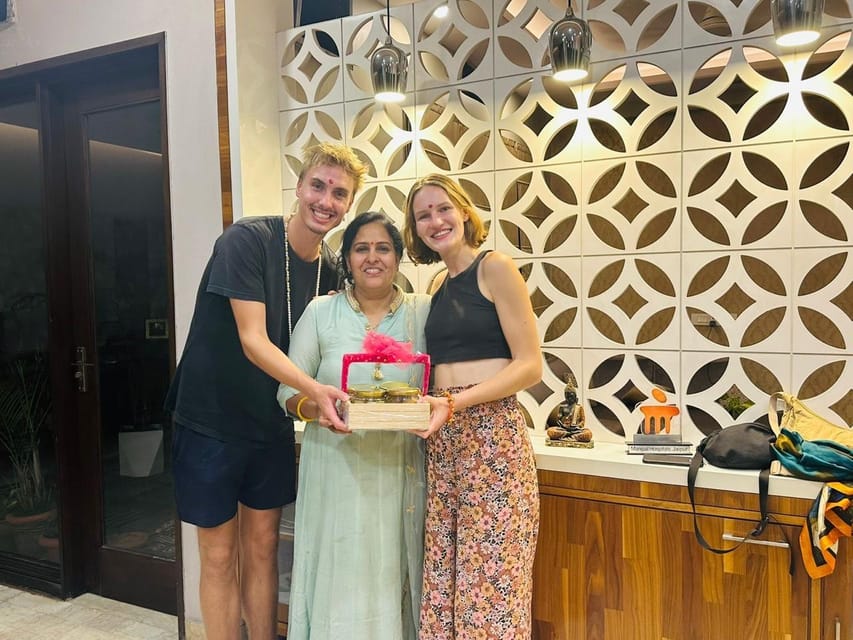
The cooking and storytelling are the advertised activities, but the family welcome gives the experience its character. Anita and her husband are repeatedly described as kind, warm, and generous hosts. Several people felt at home almost immediately, and some described leaving with the feeling that they had been treated like family.
That does not mean the evening is staged to imitate family life. The appeal is that ordinary family contact seems to be part of the format. You may meet children or grandchildren, hear about relatives living abroad, and learn about celebrations and household customs through conversation.
One solo participant received help getting back to a hotel after a late-night ride was canceled. That kind of kindness is not a promised service, so you should not book expecting a private ride. It does show the level of care that can develop during the evening.
The setting also works well after a busy day in Jaipur. One participant arrived after a chaotic day in the city and found the home atmosphere a welcome change of pace. If you have spent the day dealing with traffic, crowds, and monuments, a meal around a family table can feel like a needed reset.
Souvenirs, gifts, and practical value
At $27 per person, this is strong value if you want several experiences in one evening. The price includes a 3.5-hour cooking class, dinner, bottled water, non-alcoholic drinks and savories, a spice basket, parting souvenirs, and GST.
The spice basket gives you something directly connected to the lesson. The parting gift adds a sentimental touch, though its exact contents are not specified. These items are not the main reason to book, but they help the evening continue after you leave.
The bigger value is time. Three and a half hours gives you enough room to cook, eat, talk, and listen without reducing the experience to a quick demonstration. At the same time, the duration means you should not schedule another tightly timed evening activity immediately afterward.
The main value question is what kind of experience you want. If you only want to learn one recipe as quickly as possible, a shorter professional class may be more efficient. If you want food, family contact, cultural explanation, and storytelling for one modest price, this format offers much more.
What to know before you reserve
The activity offers free cancellation up to 24 hours before the start time, and you can reserve now and pay later. Check the available start times because the exact schedule is not fixed in the information provided.
This is best for people who enjoy participation. You will get more from the class if you ask about spices, grains, family customs, and the meaning of the stories. It suits solo visitors, couples, and small groups, and the available comments include positive experiences from all three kinds of visitors.
You should also manage your expectations about written material. The cooking appears to be taught by demonstration and conversation, not through a formal packet of recipes. Bring a way to take notes, and ask the host to repeat any quantity or method you hope to use at home.
The food is vegetarian, alcohol is not allowed, and the instruction is in English. If those details suit your plans, the evening is easy to understand: arrive hungry but not overly full, cook with the family, eat together, and save your questions for the discussion after the stories.
Should you book this Jaipur experience?
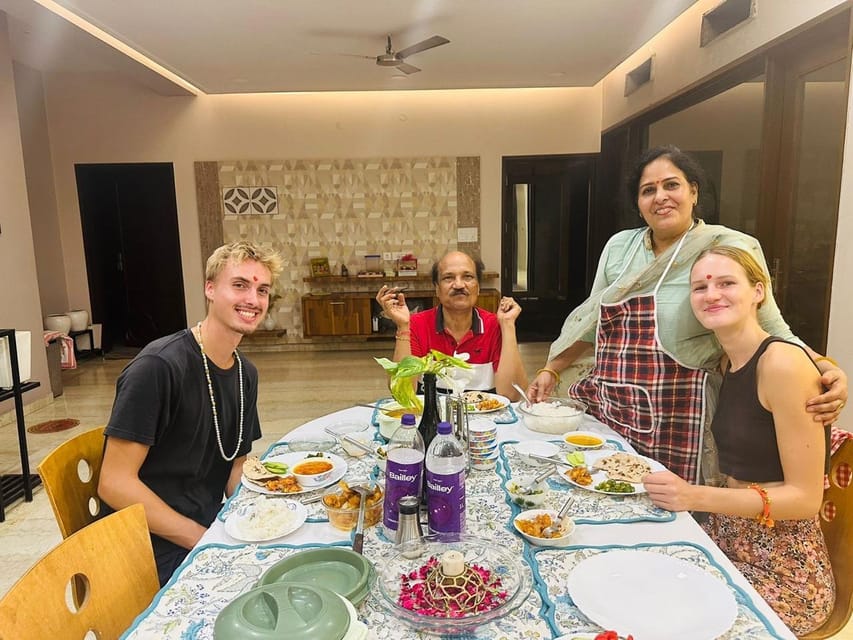
Book it if you want a personal cultural evening, not just a cooking lesson. Anita’s warmth, the family setting, the practical spice instruction, and the mythology session give the experience a strong sense of place. You leave with food in your memory, spices in your bag, and a better idea of how cooking and family traditions fit together in Indian life.
I would be less quick to recommend it if you need a tightly structured class with printed recipes, a fixed restaurant menu, or professional culinary training. The one constructive comment about missing recipes is fair, and the informal home setting may feel less polished than a cooking school.
For most visitors to Jaipur, though, the $27 price is easy to justify. The food is only one part of the evening. The real reward is the chance to sit down with Anita and her family, hear stories with cultural meaning, and spend an unhurried night in a welcoming home.
FAQ
Where does the cooking class take place?
The class takes place at the host’s residence near Science Park in Shastri Nagar, Jaipur.
How long does the experience last?
The experience lasts 3.5 hours. Available starting times should be checked when booking.
What language is used?
The instructor conducts the experience in English.
What food will I learn to prepare?
The experience includes traditional Indian cooking, with dishes such as daal baati and, in some sessions, vada pav. The exact menu may vary.
Is dinner included?
Yes. Dinner follows the hands-on cooking session, and the meal is vegetarian.
Are drinks and souvenirs included?
Yes. Bottled water is provided for cooking and drinking, and special non-alcoholic savories and drinks are included. You also receive a spice basket and parting souvenir or gift.
Can I cancel or pay later?
You can cancel up to 24 hours in advance for a full refund. The experience also offers reserve now and pay later booking.
Just added in Jaipur
- Jaipur Private Sightseeing Tour – All-Inclusive with Car & Guide★ 5.0 · 16 reviews
- Jaipur Private Tour 2 Days with Car & Guide★ 5.0 · 13 reviews
- Private Jaipur Tour with Guide & All Entry Tickets★ 5.0 · 20 reviews
- Yoga in Jaipur with Amit (Yogi on Travel)★ 5.0 · 17 reviews
- Vintage Walk Amer★ 5.0 · 11 reviews
- Private 4-Day Wildlife & Taj Mahal Tour from Jaipur to Delhi★ 5.0 · 23 reviews
- Wheel Pottery Workshop★ 4.5 · 19 reviews
- Ranthambore Tiger Safari Private Same Day Trip from Jaipur★ 5.0 · 18 reviews
Cooking Classes, compared.

Veg and Non veg : Private Cooking Class in Delhi home (7 meal)
Read our review →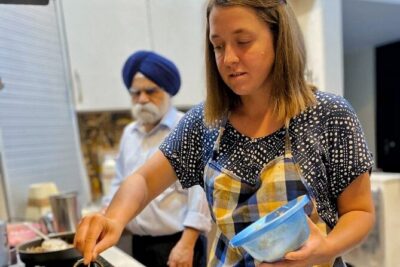
Indian Cooking Class in an Authentic Local Home – Learn 6 Dishes
Read our review →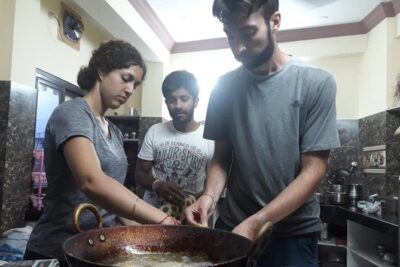
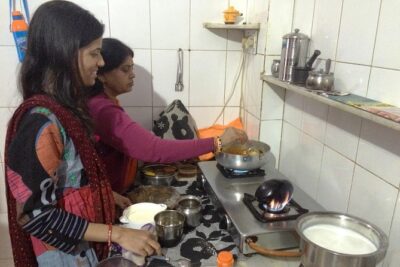
Jaipur Market Tour & Vegetarian Rajasthani Home Cooking Class
Read our review →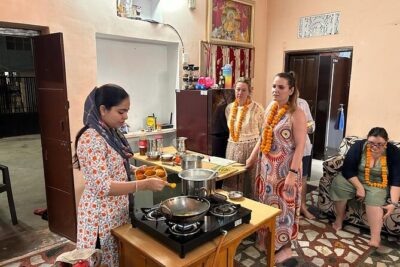
Cooking Class in Jaipur – Family Experience with Meal & Transport
Read our review →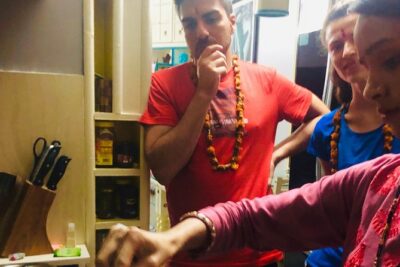
Interactive Cooking Class with a Local Family in Jaipur
Read our review →Browse the lists this tour appears in