
Reviewed · COOKING CLASSES
Jaipur Pink City Cooking Class
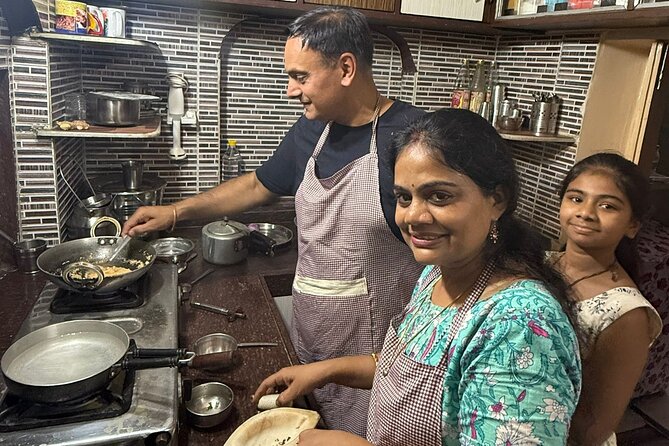
Cook Jaipur, then eat what you made. This three-and-a-half-hour class brings you into a real Jaipur home, where Swati and her mother, Saroj, guide you through Rajasthani dishes, spices, and family cooking traditions. I especially like the hands-on preparation and the chance to sit down afterward for a meal made by your own group.
I also like the small group size, with no more than six people, and the personal welcome described by many participants. Marigold flower necklaces, family stories, and time cooking with several members of the household give this outing more heart than a standard demonstration. The main consideration is that the meeting point is an address in the busy Pink City area, so you should allow time to find Motisingh, Bhomiyon, 3664, Bhatto Ka Rasta, near Johri Bazar and Bapu Bazar.
In This Review
- Key points at a glance
- Entering a Jaipur kitchen near Johri Bazar
- Spices first, with a story behind each one
- Making dal baati churma, Jaipur’s famous trio
- Rolling chapatis and learning by doing
- Stories, customs, and family recipes
- Sitting down for the meal you prepared
- Why the three-and-a-half-hour length works
- Who will get the most from this class
- Practical details before you reserve
- Should you book the Jaipur Pink City Cooking Class?
- FAQ
- How much does the Jaipur Pink City Cooking Class cost?
- How long does the cooking class last?
- Where does the class begin?
- Where does the activity end?
- What dishes can you learn to prepare?
- Is a meal included?
- Are alcoholic beverages included?
- How many people can join one booking?
- What is the cancellation policy?
Key points at a glance
- Real Jaipur home: You cook in a family setting rather than watching a staged restaurant demonstration.
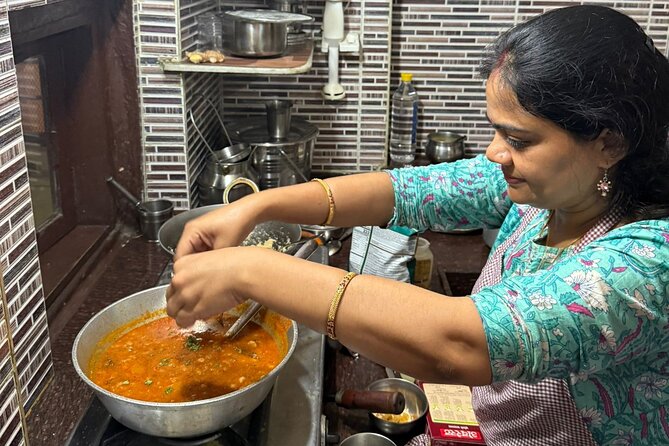
- Rajasthani classics: Prepare dal baati churma, gatte ki sabzi, ker sangri, and homemade chapatis.
- Small private group: Bookings require at least one person and allow a maximum of six.
- Family hosts: Swati, her mother Saroj, and other family cooks help create the warm, personal atmosphere.
- Meal included: You eat the lunch or dinner you prepare together, with alcohol excluded.
- Flexible cancellation: Cancel at least 24 hours before the start time for a full refund.
Entering a Jaipur kitchen near Johri Bazar
The class begins at Jaipur Pink City Cooking Class, at Motisingh, Bhomiyon, 3664, Bhatto Ka Rasta, in the Johri Bazar and Bapu Bazar area. The location is near public transportation, but the address contains several street and neighborhood names, so I would keep the full meeting details available on your phone.
Your mobile ticket is useful here. Confirmation arrives when you book, and the activity returns you to the same meeting point at the end. Since the class is private, you will cook only with your own group, not with a large mixed crowd.
The first welcome sets the tone. You receive a drink and meet the household hosts before the cooking begins. The class is built around hospitality, not just instruction, and that distinction matters. Several participants described being welcomed into Swati’s family, with one person especially praising the time spent cooking alongside Swati, Saroj, and other family members.
That family setting also makes the class a good fit if you want contact with everyday food culture. You are not simply shown a finished dish and sent home with a recipe. You handle ingredients, ask questions, and hear how food fits into Rajasthani customs and family life.
More Cooking Classes in Jaipur
- Pink City Cooking Class
★ 5.0 · 452 reviews - Jaipur Market Tour & Vegetarian Rajasthani Home Cooking Class
★ 5.0 · 113 reviews - Cooking Class in Jaipur – Family Experience with Meal & Transport
★ 5.0 · 101 reviews
Spices first, with a story behind each one
Before you start chopping, rolling, or mixing, the hosts introduce the herbs, spices, and other ingredients used in Rajasthani cooking. This part gives the rest of the class some useful shape. You learn not only what goes into a dish, but also why certain ingredients matter and how they help create the bold, aromatic flavors associated with the region.
The class presents spices as part of a wider food tradition. Each ingredient has a purpose, and the hosts connect the cooking to local customs and recipes passed through generations. I like this approach because it gives you a better chance of repeating the dishes at home. You are learning a method, not just copying a plate.
The information is also presented for beginners. Clear guidance is provided at each stage, so you do not need previous cooking experience. Still, expect to participate. This is not a class for someone who wants to sit quietly while another person does all the work.
Dietary communication is important. The host has contacted participants before the class to ask about dietary restrictions, and the booking information specifically asks you to report food allergies. Tell the provider clearly in advance rather than waiting until you arrive.
Making dal baati churma, Jaipur’s famous trio
Dal baati churma is one of the main attractions. It is not a single dish but a well-known combination of lentils, baati, and sweet churma. Preparing it gives you several different cooking tasks in one meal, from working with the dal to shaping and cooking the baati, then finishing with the sweet element.
You also learn how the dish fits into Rajasthani food traditions. The point is not simply to make something filling. Dal baati churma shows how a meal can combine savory, hearty, and sweet flavors in one sitting.
The class also includes gatte ki sabzi, a Rajasthani preparation built around gram flour dumplings served with a spiced sauce. This is a useful dish to learn if you want something that feels distinctly regional rather than a generic Indian curry.
Ker sangri brings another local specialty to the table. It is associated with the dry regions of Rajasthan and gives the meal a different texture and flavor from the other dishes. Along with homemade chapatis, the menu offers a broad introduction to Rajasthani home cooking in one session.
The exact balance of dishes may depend on what your group chooses. One participant noted that the group could make whatever it chose, so it is worth discussing preferences with Swati when arranging the class. The listed dishes provide a clear sense of the usual menu, but the cooking may have some flexibility.
Rolling chapatis and learning by doing
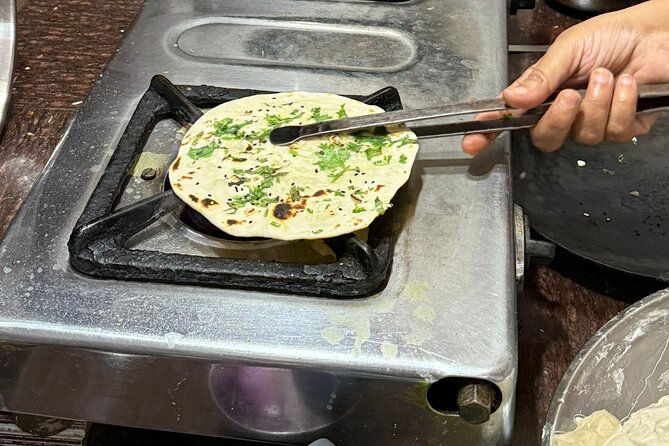
Chapati preparation adds a simple but valuable skill to the class. You roll the dough, work on the shape, and follow the hosts’ method. It is the sort of task that looks easy until you try it, which is part of the fun.
You will probably make mistakes. That is not a problem here. The class is designed for beginners, and the family provides guidance throughout the process. One participant described learning useful tricks that could be repeated at home, which is exactly the sort of practical benefit I want from a cooking class.
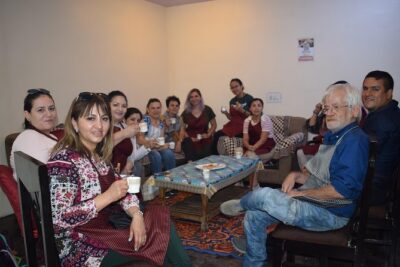
The shared work also helps the group connect. You are preparing several dishes at once, so there is room for conversation while the food cooks. Participants have described the atmosphere as warm, kind, and welcoming, with the family treating them as part of the household rather than as customers passing through.
For some people, this social side will be the main reason to book. If you want a tightly timed professional kitchen lesson with advanced techniques, this may feel more informal than expected. If you want food, conversation, and a family welcome, the relaxed setting is a major advantage.
A completely different kind of day out:
- Jaipur: Private Full Day Sightseeing Tour By Car with Guide
★ 4.9 · 1,839 reviews - 3-Hour Morning Bike Tour of Jaipur
★ 5.0 · 1,253 reviews - Jaipur: Private Sightseeing Day Tour with Guide by Car
★ 4.8 · 773 reviews - Jaipur: Full-Day City Tour with Car, Guide & Skip-the-Line
★ 4.8 · 512 reviews
Stories, customs, and family recipes
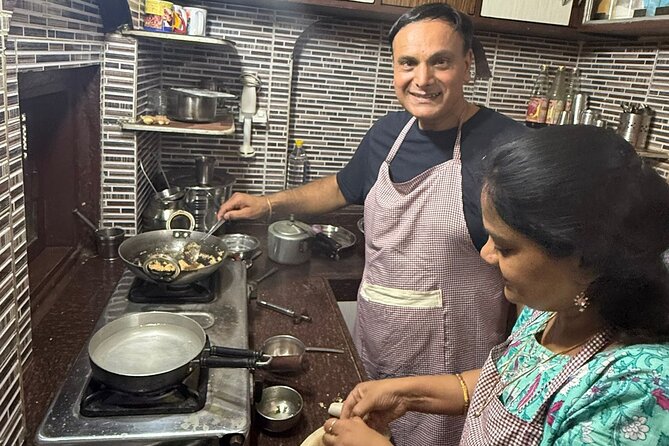
The cooking is accompanied by stories about Rajasthani food traditions, local customs, and recipes handed down through the family. This helps explain why the class feels cultural as well as culinary.
The hosts are not presenting a broad academic lecture on Rajasthan. Instead, you get the kind of food knowledge that emerges while preparing a family meal. That can be more useful for understanding how people actually cook and eat at home.
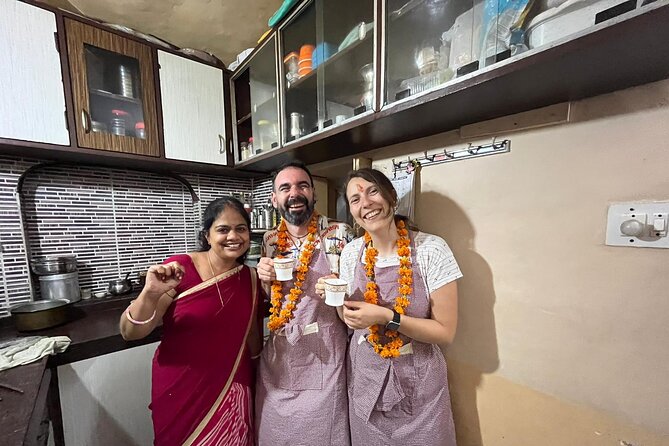
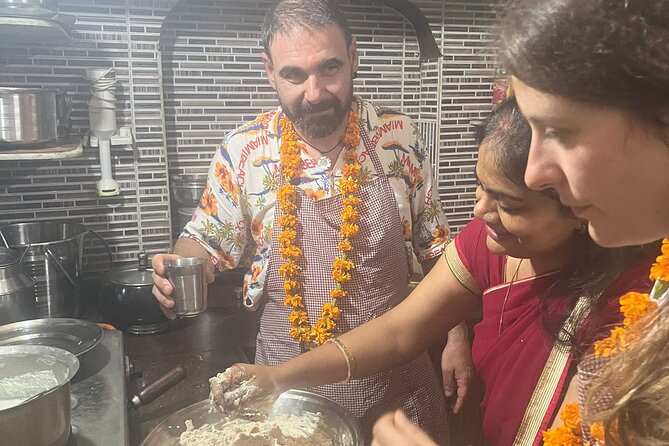
The family connection is central. Swati and her mother Saroj are named hosts, and several family members may take part in the cooking. A marigold flower necklace has also been part of the welcome for some participants, adding a small ceremonial touch to the visit.
I would treat those personal details as part of the appeal, but not as guaranteed items on every booking. The strongest promise is the home-based class and shared meal. Specific greetings or family members present may vary.
Sitting down for the meal you prepared
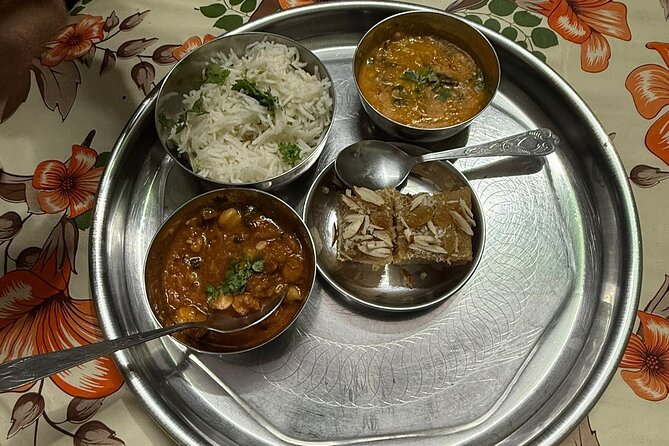
Once the dishes are ready, everyone sits together to eat. The meal is included in the price, listed as lunch and dinner, so the class works well as either a daytime food activity or an evening plan.
Eating at the end gives the cooking a clear reward. You can taste the dishes while remembering the work behind them, and you have a natural chance to ask final questions about ingredients or methods. The meal also turns the lesson into a social gathering, much like a family meal at home.
The food receives especially strong praise. Participants have described the dishes as delicious and the entire cooking process as fun. One person booked the class on Christmas and called it a highlight, praising both the food and the kindness of the family.
Alcoholic drinks are not included. If you want alcohol with the meal, you would need to make your own arrangements, though the supplied information does not state whether that is possible at the home. The included food and welcome drink are the parts you can count on.
Why the three-and-a-half-hour length works
At roughly three hours and thirty minutes, the class is long enough to cover several dishes without turning into an all-day commitment. You have time for the welcome, spice introduction, preparation, cooking, conversation, and meal.
That length also makes the class easy to add to a Jaipur itinerary. You can plan it as a substantial lunch or dinner activity rather than a quick food stop. Since the activity begins and ends at the same point, you do not need to arrange a second meeting location afterward.
The private format adds value. At a price of $20.13 per person, the class costs more than buying a basic local meal, but you are paying for instruction, ingredients, a cultural exchange, and a full meal in a private home. With a maximum of six people, the price is particularly appealing for a small group that wants personal attention.
For a solo participant, the value depends on what you want. The minimum booking is one person, so you can reserve independently, but the class may feel more personal and economical when shared with companions. The stated average booking time is eight days in advance, which suggests you should not leave it until the last moment if your Jaipur dates are fixed.
Who will get the most from this class
I would recommend it most strongly to people who enjoy food as a way to understand place. You do not need to be a skilled cook. The hosts offer step-by-step help, and the class welcomes beginners.
It is also a good choice for anyone seeking a smaller, more personal activity. The six-person limit keeps the group manageable, and the private format means the conversation and cooking remain focused on your party.
Families and couples may appreciate the home setting, while solo participants can book from one person upward. Food lovers will value the range of regional dishes, especially dal baati churma and ker sangri. People interested in Indian hospitality will likely find the family contact as memorable as the recipes.
I would be more cautious if you have serious allergies and need a strictly controlled kitchen. The host asks for allergy information, which is helpful, but the available details do not promise a separate kitchen or special preparation process. Contact the provider before booking and explain your needs plainly.
Practical details before you reserve
The experience has a five-star rating from 74 reviews and a 100 percent recommendation rate. That is a strong record, especially for a small home-based activity, but you should still book it for the right reasons: shared cooking, regional food, and personal hospitality.
The meeting point is in central Jaipur near public transportation. Use the full address and keep your mobile ticket ready. The activity ends back at the meeting point, so your later plans can begin from the same area.
You receive booking confirmation at the time of reservation. Tell the host about allergies or other food restrictions as early as possible. The class requires at least one person per booking and accepts no more than six.
Free cancellation applies when you cancel at least 24 hours before the local start time. A cancellation within 24 hours is not refunded, and late changes are not accepted. That policy is reasonable, but it makes checking your Jaipur schedule important before you book.
Should you book the Jaipur Pink City Cooking Class?
Book this class if you want more than a restaurant meal and prefer to meet a Jaipur family while learning dishes you can try at home. Swati and Saroj provide the personal touch, while the small group, included meal, and $20.13 price make the outing good value for a three-and-a-half-hour activity.
The best reason to choose it is the blend of cooking and welcome. You will prepare Rajasthani food, hear about family traditions, and eat together afterward. Skip it only if you want a formal chef-led lesson, a large menu of advanced techniques, or a guaranteed allergy-controlled kitchen.
FAQ
How much does the Jaipur Pink City Cooking Class cost?
The listed price is $20.13 per person.
How long does the cooking class last?
The class lasts approximately three hours and thirty minutes.
Where does the class begin?
It begins at Jaipur Pink City Cooking Class, Motisingh, Bhomiyon, 3664, Bhatto Ka Rasta, Johri Bazar, Bapu Bazar, Biseswarji, Jaipur, Rajasthan 302003, India.
Where does the activity end?
The activity ends back at the meeting point.
What dishes can you learn to prepare?
The class includes dishes such as dal baati churma, gatte ki sabzi, ker sangri, and homemade chapatis.
Is a meal included?
Yes. Lunch and dinner are listed as included, depending on the timing of your class.
Are alcoholic beverages included?
No. Alcoholic beverages are not included.
How many people can join one booking?
A booking can include a minimum of one person and a maximum of six people. The activity is private for your group.
What is the cancellation policy?
You can receive a full refund if you cancel at least 24 hours before the local start time. Cancellations or changes made within 24 hours are not accepted for a refund.
Just added in Jaipur
- Jaipur Private Tour 2 Days with Car & Guide★ 5.0 · 13 reviews
- Jaipur Private Sightseeing Tour – All-Inclusive with Car & Guide★ 5.0 · 16 reviews
- Private Jaipur Tour with Guide & All Entry Tickets★ 5.0 · 20 reviews
- Yoga in Jaipur with Amit (Yogi on Travel)★ 5.0 · 17 reviews
- Private 4-Day Wildlife & Taj Mahal Tour from Jaipur to Delhi★ 5.0 · 23 reviews
- Wheel Pottery Workshop★ 4.5 · 19 reviews
- Vintage Walk Amer★ 5.0 · 11 reviews
- Ranthambore Tiger Safari Private Same Day Trip from Jaipur★ 5.0 · 18 reviews
Cooking Classes, compared.
Veg and Non veg : Private Cooking Class in Delhi home (7 meal)
Read our review →
Indian Cooking Class in an Authentic Local Home – Learn 6 Dishes
Read our review →
Jaipur Market Tour & Vegetarian Rajasthani Home Cooking Class
Read our review →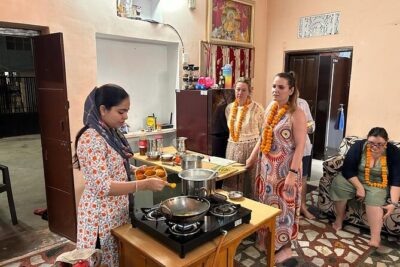
Cooking Class in Jaipur – Family Experience with Meal & Transport
Read our review →
Interactive Cooking Class with a Local Family in Jaipur
Read our review →Browse the lists this tour appears in