
Reviewed · COOKING CLASSES
Jaipur: Cooking Class with a Local Family
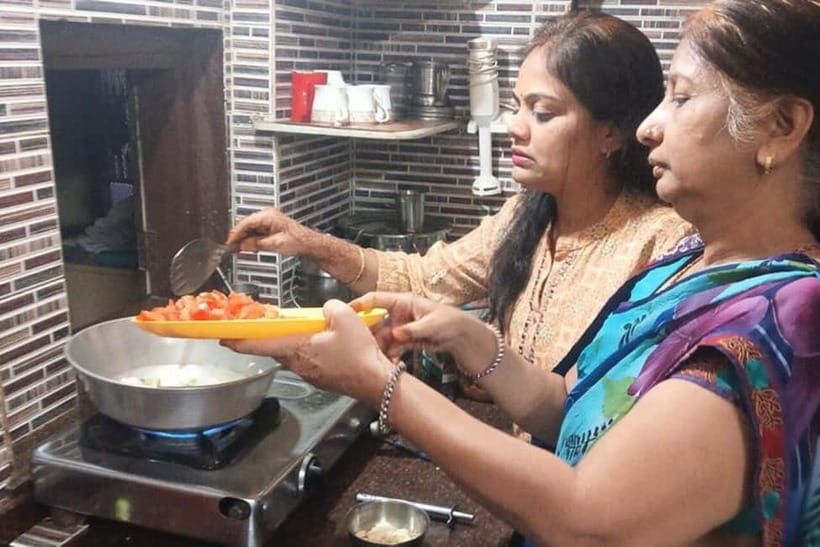
The best Jaipur souvenir may be a recipe. This three-hour class brings you into a real Jaipur home, where Swati and her family teach traditional Indian cooking in a warm, personal setting. I especially like the chance to choose some dishes and the small group limit of six, which gives you more time at the stove.
I also like that the experience goes beyond cooking instructions. You learn why spices are used, how family techniques work, and what certain ingredients mean in everyday Rajasthani food. The main consideration is that menus can vary, so dal baati churma and ker sangri are part of the culinary focus but may not be prepared at every session.
In This Review
- Key points to know before booking
- Entering a Jaipur home near Johari Bazar
- Masala chai begins the lesson
- Spices explained instead of simply scattered
- From chapati and paratha to dal and curry
- Rajasthani classics and a flexible menu
- Eating what you have made
- The human side of the experience
- How much value do you get for $19?
- Who will enjoy this Jaipur cooking class?
- Practical details that affect your choice
- Recipes to take home
- Should you book it?
- FAQ
- How long does the Jaipur cooking class last?
- How much does the experience cost?
- Where is the meeting point?
- Is transportation included?
- What is included in the price?
- Can I request specific dishes?
- Can the menu accommodate allergies or intolerances?
- Is the class offered in English?
- How many people can join the class?
- Is the class wheelchair accessible?
- Can I cancel for a refund?
- Are pets allowed?
Key points to know before booking
- Cook in Swati’s family home: This is a personal cultural exchange, not a restaurant demonstration or large group workshop.
- Choose dishes when possible: The menu can be adjusted to your tastes, food allergies, and intolerances.
- Learn practical Indian cooking: You may make chapatis, parathas, dosa, dal, vegetable curries, rice, chai, and dessert.
- Expect a meal at the end: The food you prepare becomes your lunch or evening meal, depending on the class time.
- Recipes arrive afterward: You receive e-recipes for the dishes prepared, making it easier to try them at home.
- Small groups keep it personal: The class accepts no more than six participants and is offered in English and Hindi.
Entering a Jaipur home near Johari Bazar
The meeting point is at 3664, Motisingh Bhomiyon Ka Rasta, at the fourth crossing of Johari Bazar, Jaipur 302003. This places the experience in the Pink City, close to one of Jaipur’s well-known market areas.
You arrange your own way to the meeting point because transportation is not included. The host has helped people with directions and transport advice, and communication is available by WhatsApp and phone. I would save the address offline and confirm the exact entrance before setting out, since Jaipur addresses can be easier to find with local guidance than with a quick glance at a map.
The class lasts three hours, with start times based on availability. It can work as a morning, lunchtime, or evening activity. A morning class gives you a pleasant break from sightseeing, while an evening session turns dinner into the main event.
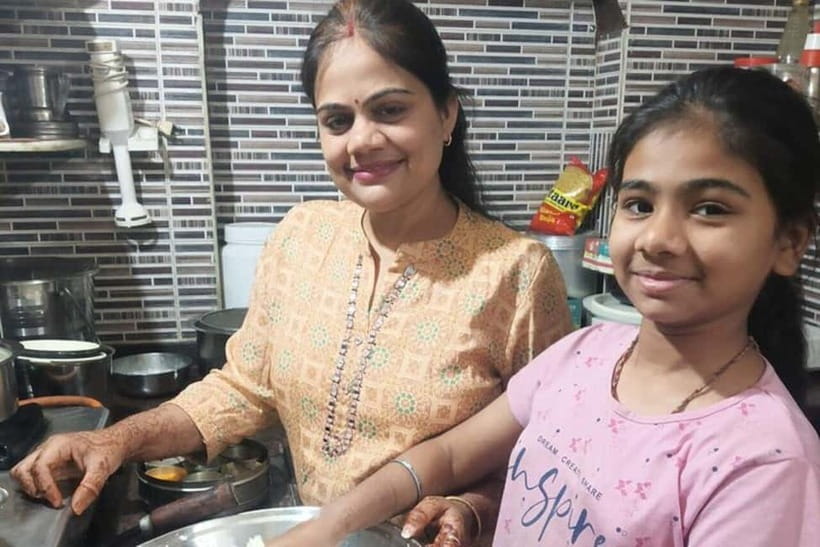
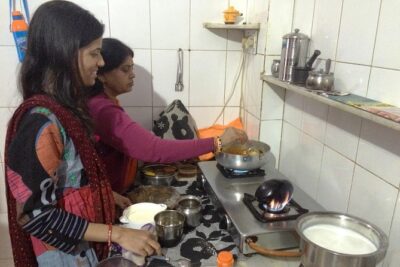
Once inside, you meet Swati and members of her family. The family atmosphere is central to the experience. You might chat over chai, meet daughters or other relatives, look at family photographs, or be offered henna. These personal touches are not the formal cooking lesson, but they help explain why this feels different from a standard food workshop.
More Cooking Classes in Jaipur
- Pink City Cooking Class
★ 5.0 · 452 reviews - Jaipur Market Tour & Vegetarian Rajasthani Home Cooking Class
★ 5.0 · 113 reviews - Cooking Class in Jaipur – Family Experience with Meal & Transport
★ 5.0 · 101 reviews
Masala chai begins the lesson
The class often starts with welcome drinks, commonly masala chai. This is a useful first lesson because chai shows how Indian cooking depends on adjustment rather than one fixed formula.
You can discuss the balance of tea, milk, sugar, and spices, then make the drink to your own taste. It also gives you a relaxed moment to talk with the family about similarities and differences between Indian life and your own home.
That conversation matters. You are not simply memorizing a recipe. You are learning how food fits into daily routines, hospitality, family life, and local custom. The English-language instruction makes the exchange accessible, while Hindi may be used naturally within the home.
If you prefer to watch at first, that is acceptable. You can take a more active role when you feel ready. The class is hands-on, but you are not expected to have professional cooking skills.
Spices explained instead of simply scattered
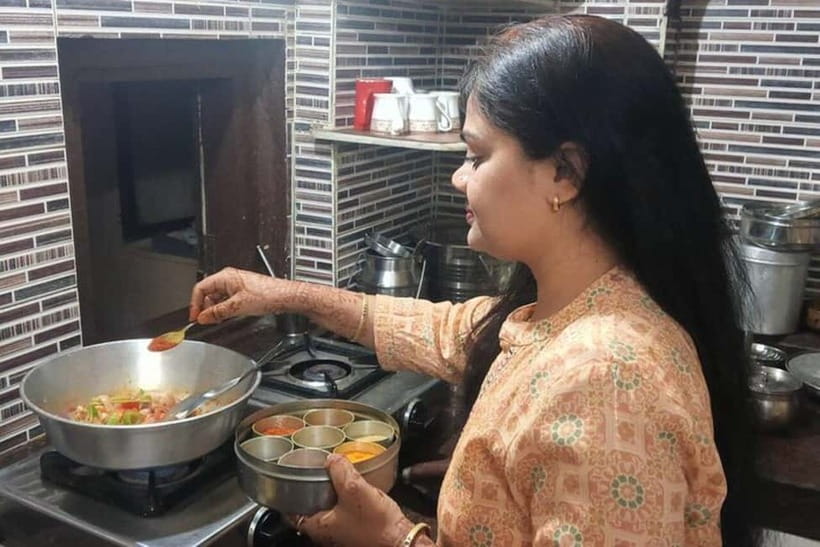
Indian spice cooking can look mysterious when you first encounter it. This class makes it more manageable by explaining the purpose of each ingredient and the way different spices work together.
You learn about Indian spices and ingredients as part of the cooking process. The useful part is not just knowing the names. You also begin to understand why one dish needs a certain combination and how small changes affect the final taste.
Swati is described as a patient teacher who explains each stage and shares practical cooking tips. The family uses fresh, good-quality ingredients, and some items are made at home, including paneer and ghee. You may also taste additions such as homemade lemon pickle, jaggery, chikki, or poppadoms, depending on the menu.
This is a good setting for questions. Ask about spice levels, substitutions, cooking times, or how to make a dish with ingredients available outside India. The format allows more conversation than a fast demonstration in a commercial kitchen.
From chapati and paratha to dal and curry
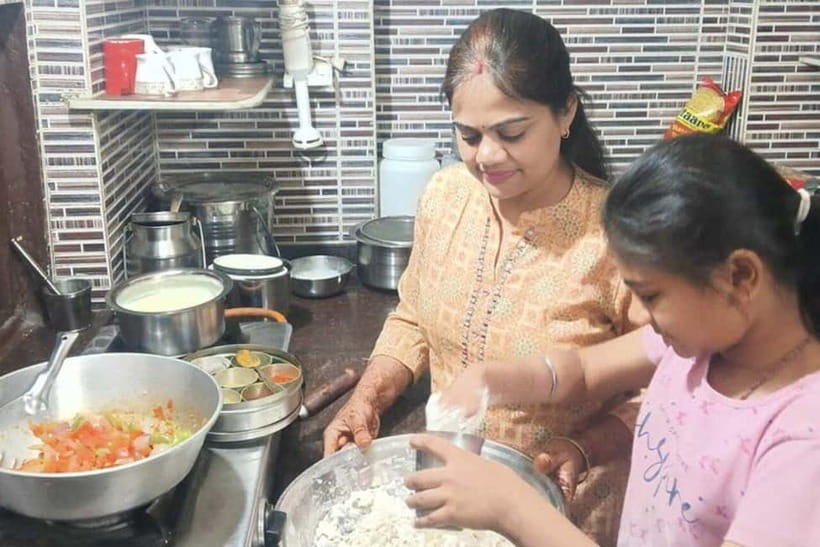
The most practical part of the class is the hands-on cooking. Chapati making is included, and some sessions also feature parathas or lachha paratha. You work with dough, shape the bread, and learn the basic technique needed to cook it properly.
Bread making can be the hardest part for a beginner. The dough may feel too sticky or dry, and the shape may not look neat at first. That is part of the value. You get immediate correction from the teacher instead of trying to work it out alone from a recipe at home.
The vegetable dishes can vary. Possible examples include aloo gobi, bhindi, palak paneer, vegetable curry, and ker sangri. Ker sangri is especially tied to Rajasthan, using desert-grown beans and berries in a dish with a distinct local character.
Dal is another likely part of the experience, with dal tadka among the dishes prepared in some classes. You learn how basic lentils become a satisfying meal through tempering, seasoning, and careful cooking. Vegetable biryani and cumin rice may also appear, giving you a chance to work with rice, aromatics, and spice.
Dosa has also been prepared in the class, although you should not assume that every dish listed in the description will appear in one session. The best approach is to share your preferences with Swati before or at the beginning of the class. The menu has proved flexible for people who wanted particular foods.
A completely different kind of day out:
- Jaipur: Private Full Day Sightseeing Tour By Car with Guide
★ 4.9 · 1,839 reviews - 3-Hour Morning Bike Tour of Jaipur
★ 5.0 · 1,253 reviews - Jaipur: Private Sightseeing Day Tour with Guide by Car
★ 4.8 · 773 reviews - Jaipur: Full-Day City Tour with Car, Guide & Skip-the-Line
★ 4.8 · 512 reviews
Rajasthani classics and a flexible menu
The class introduces the traditional food of Rajasthan, including dal baati churma and ker sangri. These dishes are worth understanding because they show how local cooking developed around the dry climate and available ingredients.
Dal baati churma combines lentils with baked wheat balls and a sweet, crumbly element. It is hearty, filling food, and it gives you a stronger sense of Rajasthani cooking than a generic curry lesson would. Ker sangri offers another view of the region, with ingredients connected to Rajasthan’s dry western areas.
At the same time, the actual menu is not rigid. Swati has adjusted dishes for preferences, allergies, and intolerances, sometimes creating a menu around what a participant most wanted to learn. Some classes have included palak paneer, dal, chapati, cumin rice, vegetable pakora, and gulab jamun. Others have focused on simpler home food such as bhindi, dal curry, rice, and mashed potato.
That flexibility is a major advantage, especially if you already know what you want to learn. Tell the host if you want a vegetarian menu, a gluten-free meal, or less heat. One participant had a fully gluten-free menu, and several people received careful adjustments for allergies and intolerances.
Still, you should communicate clearly before cooking begins. Ask what ingredients will be used, particularly if your dietary needs are serious. The host has catered to allergies, but you remain responsible for explaining your requirements precisely.
Eating what you have made
At the end, you sit down to eat the food prepared during the class. This is more than a final tasting. It lets you notice the result of each technique while the meal is fresh and gives you a chance to ask questions about texture, spice, and serving style.
Many people describe the meal as one of the best they had in Jaipur. That does not mean the class should be judged as a restaurant replacement. The appeal is home cooking, made with the family’s own methods and served in the same setting where the lesson took place.
Dessert is included. Depending on the menu, this may be Indian dessert such as gulab jamun, or another sweet item such as chikki. Welcome drinks and the meal are part of the price, so you are not paying separately for a tasting menu.
The food can be substantial. If you book a lunchtime session, you may want to keep your sightseeing plans afterward relaxed. A three-hour class includes conversation, preparation, eating, and teaching, so it is not a quick stop between major attractions.
The human side of the experience
The family connection is the most praised part of this activity. Swati, her mother-in-law, daughters, and other family members may all take part. Their warmth is not an extra sales feature. It shapes the entire pace and tone of the class.
You may leave knowing more about cooking, but also with a small window into family life in Jaipur. Conversations can continue beyond food, and the family has been described as genuinely interested in the people who come to their home.
This makes the class a strong choice if you want cultural contact without committing to a formal lecture. You learn through a shared meal, ordinary conversation, and practical work. Some people have even stayed in touch with Swati for future cooking advice or questions about Jaipur.
The personal style may not suit someone who wants a tightly timed, technical culinary school. There can be family conversation and informal moments, and the exact sequence may change with the menu. For most people, that is the point. If you prefer a polished demonstration with no social element, choose a restaurant-based class instead.
How much value do you get for $19?
At $19 per person, this is an excellent value if the class delivers what you want from Jaipur: food, contact with local life, and a meal. The price includes welcome drinks, instruction with a local family, spice and ingredient guidance, hands-on work with chapatis and curries, dessert, and e-recipes.
You also receive something difficult to price: access to a real home and an unhurried exchange with the family. A restaurant meal may cost a similar amount, but it will not teach you how the dishes were made or give you recipes to use later.
The small group limit improves the value. With no more than six people, you have a better chance to shape dough yourself, ask questions, and receive help with technique. A larger class might be cheaper, but you would spend more time watching from the edge.
There are two costs to remember. You must pay for your own transportation to and from the meeting point, and personal cooking equipment is not included. You do not need to buy special equipment for the class, but the wording means you should not expect tools or cookware to take home.
Who will enjoy this Jaipur cooking class?
I would choose this experience for several kinds of people:
- Food lovers: You get a close look at Indian spices, breads, lentils, vegetables, rice, sweets, and local Rajasthani dishes.
- First-time visitors to India: The family setting gives you a gentle introduction to food customs and daily hospitality.
- Vegetarians: The menu centers on vegetarian dishes, and options can be adapted to your preferences.
- People with food restrictions: Swati has prepared gluten-free menus and adjusted meals for allergies and intolerances. Contact the host clearly in advance.
- Families and small groups: The personal format and small capacity make it easier for children or less experienced cooks to participate at their own pace, though no specific child policy is provided.
- Independent visitors: You arrange your own transport, and the host can help with directions. The location near Johari Bazar also fits well into a day in central Jaipur.
You may want to skip it if you dislike cooking, do not want to eat in a private home, or need a fixed menu with exact timing. You should also avoid bringing pets, since they are not allowed.
Practical details that affect your choice
The class is wheelchair accessible, but no further information is provided about the route into the home or the kitchen layout. If you use a wheelchair, contact the provider before booking so you can confirm that the specific setup meets your needs.
Instruction is available in English and Hindi. The small group format helps, but the experience remains informal rather than academic. You will learn by watching, asking, handling ingredients, and repeating techniques.
Cancellation is free up to 24 hours before the activity for a full refund. You can also reserve now and pay later, which is useful when your Jaipur schedule is still changing. Check available starting times before you commit, since morning, lunchtime, and evening sessions may not all be offered every day.
Bring an appetite and a willingness to participate. You may cook from scratch, sit and talk over chai, help prepare breads or curries, and then eat together. Wear something comfortable for a kitchen session, though no special clothing requirement is given.
Recipes to take home
The e-recipes are one of the most useful inclusions. A cooking class can be enjoyable but quickly fade into a holiday memory if you cannot remember the ingredients or method. Written recipes give you a fair chance to repeat the meal at home.
The recipes are sent after the class, often through WhatsApp, and are described as easy to follow or detailed. You can ask for clarification later, which is especially helpful when you are trying to recreate chapati, dal, paneer, rice, or a spice blend outside India.
Do not expect every possible dish to be included in the recipe file. You receive recipes for the dishes actually cooked. If a particular dish matters to you, ask whether it can be part of your menu before the lesson starts.
Should you book it?
Yes, if you want a personal food experience rather than a quick cooking demonstration. The $19 price is low for three hours of instruction, a home-cooked meal, dessert, welcome drinks, and recipes you can use later.
The strongest reason to book is Swati and her family’s flexible, welcoming approach. You can often shape the menu, ask direct questions, and take part as much as you like. The main limitation is the informal format and variable menu, so contact the host about dietary needs and favorite dishes in advance.
If you want to understand Jaipur through the food people cook at home, this is one of the most useful additions to a sightseeing schedule. You arrive for a lesson and may leave with new recipes, a full stomach, and a much more personal sense of the Pink City.
FAQ
How long does the Jaipur cooking class last?
The cooking class lasts three hours. Starting times vary, so you should check availability for your preferred day.
How much does the experience cost?
The listed price is $19 per person.
Where is the meeting point?
The meeting point is 3664, Motisingh Bhomiyon Ka Rasta, fourth crossing, Johari Bazar, Jaipur 302003.
Is transportation included?
No. Transportation to and from the activity is not included.
What is included in the price?
The price includes welcome drinks, the cooking class with a local family, an introduction to Indian spices and ingredients, hands-on preparation of chapatis and vegetable curries, an Indian dessert, and e-recipes for the dishes prepared.
Can I request specific dishes?
Yes. The host has adjusted menus to personal preferences and has allowed participants to choose some dishes. Ask about your preferred recipes before or at the start of the class.
Can the menu accommodate allergies or intolerances?
Yes. The host has accommodated allergies and intolerances, including a fully gluten-free menu. Explain your dietary requirements clearly before cooking.
Is the class offered in English?
Yes. The experience is offered in English and Hindi.
How many people can join the class?
It is a small-group experience limited to six participants.
Is the class wheelchair accessible?
Yes, the activity is listed as wheelchair accessible. Specific details about the home’s layout are not provided, so confirm any access needs with the provider.
Can I cancel for a refund?
Yes. You can cancel up to 24 hours in advance for a full refund.
Are pets allowed?
No. Pets are not allowed.
Just added in Jaipur
- Jaipur Private Sightseeing Tour – All-Inclusive with Car & Guide★ 5.0 · 16 reviews
- Jaipur Private Tour 2 Days with Car & Guide★ 5.0 · 13 reviews
- Private Jaipur Tour with Guide & All Entry Tickets★ 5.0 · 20 reviews
- Yoga in Jaipur with Amit (Yogi on Travel)★ 5.0 · 17 reviews
- Vintage Walk Amer★ 5.0 · 11 reviews
- Private 4-Day Wildlife & Taj Mahal Tour from Jaipur to Delhi★ 5.0 · 23 reviews
- Wheel Pottery Workshop★ 4.5 · 19 reviews
- Ranthambore Tiger Safari Private Same Day Trip from Jaipur★ 5.0 · 18 reviews
Cooking Classes, compared.
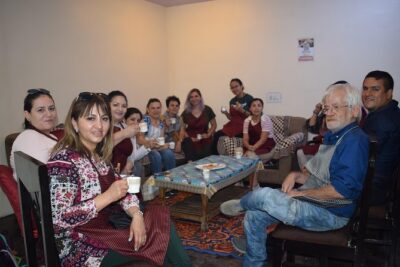

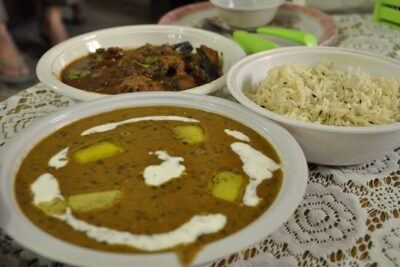
Veg and Non veg : Private Cooking Class in Delhi home (7 meal)
Read our review →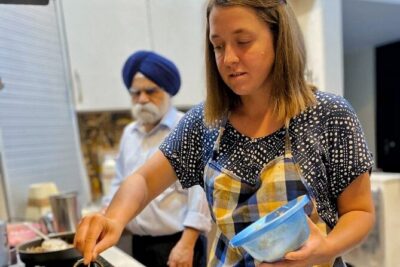
Indian Cooking Class in an Authentic Local Home – Learn 6 Dishes
Read our review →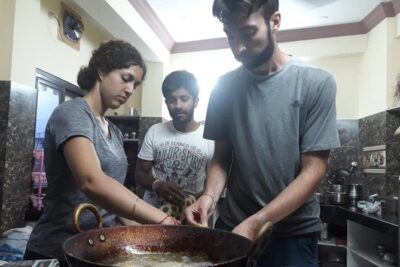
Jaipur Market Tour & Vegetarian Rajasthani Home Cooking Class
Read our review →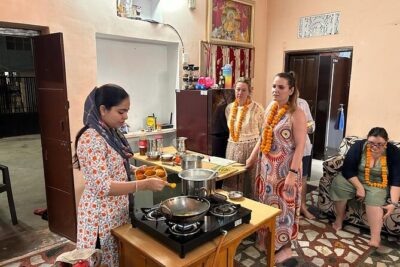
Cooking Class in Jaipur – Family Experience with Meal & Transport
Read our review →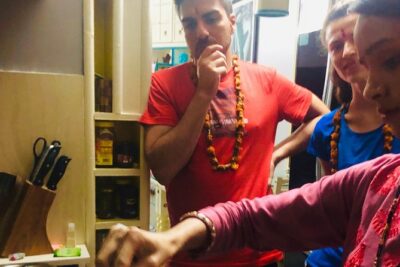
Interactive Cooking Class with a Local Family in Jaipur
Read our review →Browse the lists this tour appears in