
Reviewed · COOKING CLASSES
Cooking class & meal (Indian Food) with local family in Jaipur.
Come hungry, leave with recipes. This roughly two-hour Jaipur cooking class brings you into a local family home, where you help prepare North Indian dishes and eat the finished meal together. I like the small-group format, which allows more hands-on time, and I like the chance to meet a family rather than simply watch a restaurant demonstration. The main consideration is that pickup is available only from select hotels and must be requested, so you may need to reach the meeting point yourself.
The class is hosted by a Jaipur family connected with Sunshine India Tours. Ravi has handled hotel pickups, while Suman leads the cooking in the home kitchen. A welcoming grandfather may also join the early conversation, giving the visit a family feel before the pans come out. At $23, this is a strong value if you want food, conversation, and cultural insight in one compact outing.
In This Review
- Key points at a glance
- Entering a Jaipur family home
- A warm welcome before the cooking starts
- Learning the basics of Indian spices and curries
- Rolling chapattis and making masala chai
- Sitting down to eat your own cooking
- What the family connection adds
- Is $23 good value in Jaipur?
- Timing, group size, and practical planning
- Who should book this cooking class?
- Should you book the Jaipur home cooking class?
- FAQ
- How long does the cooking class last?
- What food will I learn to cook?
- Do I eat the food I prepare?
- Is the meal unlimited?
- Is hotel pickup available?
- Where does the activity start?
- Where does the activity end?
- How many people can join the class?
Key points at a glance
- Cook several North Indian dishes: Prepare dal, curries, aloo gobi, chapattis, and masala chai rather than just watching a demonstration.
- Meet Ravi, Suman, and their family: Suman has hosted the cooking, while Ravi may provide pickup from a qualifying hotel.
- Eat what you make: The class ends with a home-cooked meal, described as unlimited, so this is not a tiny tasting.
- See family life beyond the kitchen: Conversation can cover traditions, weddings, religious practices, and the joint-family system.
- Keep the outing compact: The class lasts about two hours and accepts no more than 10 people.
- Pay a modest price: At $23, the cost compares well with the cooking instruction, meal, recipes, and home visit included.
Entering a Jaipur family home
The experience begins at Smart N Shiny, 6-A, 401 Star Apartment near SBBJ Bank in Chitrakoot, Vaishali Nagar, Jaipur. The full address is worth saving carefully, since this is a residential meeting point rather than a famous sightseeing stop. The activity ends back at the same place.
Pickup may be available from select hotels if you request it in advance. Ravi has provided that service for some bookings, taking participants from their hotel to the family home. Do not assume every Jaipur hotel is covered. If pickup is not arranged, plan your route to Vaishali Nagar and allow time to find the apartment complex.
That practical detail matters because the class itself is short. With only about two hours, a late arrival would eat into the cooking time. Confirm your meeting arrangement before the day begins, and keep the phone number or booking details handy in case you need help locating the address.
Once you arrive, the tone is personal rather than polished or theatrical. You are entering a household kitchen, not a cooking school built for large groups. That means the setting may feel less formal, but it also gives you a closer look at ordinary family routines.
More Cooking Classes in Jaipur
- Pink City Cooking Class
★ 5.0 · 452 reviews - Jaipur Market Tour & Vegetarian Rajasthani Home Cooking Class
★ 5.0 · 113 reviews - Cooking Class in Jaipur – Family Experience with Meal & Transport
★ 5.0 · 101 reviews
A warm welcome before the cooking starts
The visit begins with conversation and a welcome from the host family. Suman has hosted the class in her home, and Ravi may be present after bringing you from your hotel. A grandfather has also joined the early chat over masala chai, adding an appealing intergenerational touch to the visit.
This pause before cooking is important. You are not simply collecting a recipe and leaving. You can ask about family traditions, weddings, religious beliefs, household routines, and the joint-family system. The available information does not promise a fixed talk or lecture, so the conversation will likely depend on who is present and what you ask.
I would arrive with a few simple questions ready. Ask how spices are used in everyday meals, which dishes are cooked for celebrations, or how different family members share household duties. The point is not to turn the hosts into a formal cultural presentation. It is to have a natural exchange while sitting in their home.
The family setting is one of the strongest parts of the outing, but it also requires good manners. This is someone’s home, so listen carefully, ask before taking photographs, and follow the host’s lead around household spaces. The personal nature of the visit is valuable precisely because it is not arranged like a public attraction.
Learning the basics of Indian spices and curries
The cooking portion is interactive. You do not just watch Suman prepare food while standing at a distance. You help cook different curries and learn how Indian spices are combined in home-style dishes.
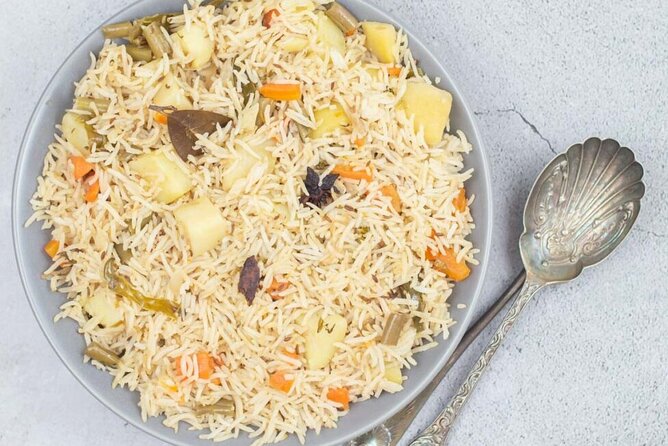
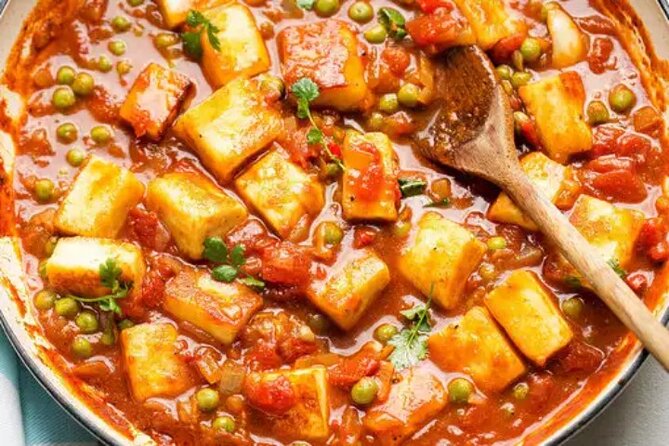
The exact menu can vary, but the advertised examples include dal and aloo gobi. Dal gives you a lesson in building a lentil dish with seasoning, while aloo gobi shows how potatoes and cauliflower work with a spiced curry base. You may also prepare two curries, according to the details shared about the class.
This is a useful menu for a first cooking lesson because it covers different textures and methods. You get a staple lentil dish, a vegetable curry, and the chance to work with spices in more than one preparation. The instruction focuses on household cooking rather than restaurant presentation, which makes the recipes more practical for trying again at home.
The hosts also share the secrets of Indian spices. That phrase should not be read as a promise of a formal culinary course with technical measurements for every step. The supplied details do not specify the full ingredient list, exact recipes, or whether every participant receives printed instructions. What you can expect is hands-on guidance and recipes to take with you.
Ask questions as you cook. If you want to recreate the dishes later, pay attention to when spices are added and how the host judges doneness. Those small decisions often matter more than memorizing a long ingredient list.
The group limit is 10 people. That is not the same as a private class, but it is small enough to offer a better chance of taking part than a large commercial demonstration. If the group reaches its maximum, you may share workstations or wait briefly for a turn. Still, the size is reasonable for a family kitchen and supports the personal approach promised by the activity.
Rolling chapattis and making masala chai
The class includes two especially hands-on tasks: rolling chapattis and making chai. Both are simple on paper and surprisingly revealing in practice.
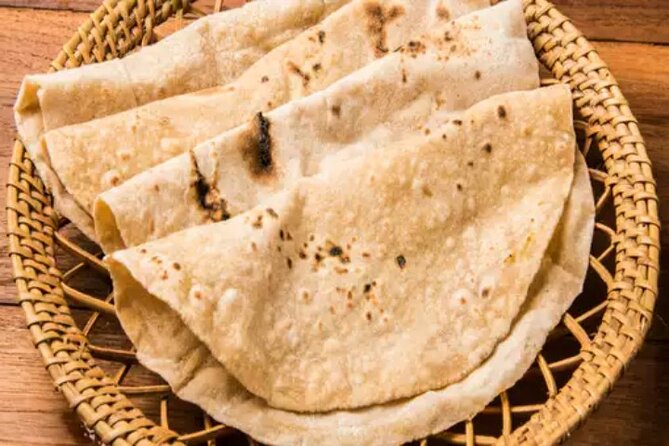
Chapattis require more than putting dough in a pan. Rolling the dough into an even round takes practice, and the cooking stage shows how a basic flatbread becomes part of an everyday Indian meal. You may not produce perfect circles on the first try, but that is part of the fun. The host can demonstrate the motion, then let you work it out yourself.
Making masala chai adds a different skill. You learn how tea and spices become a familiar household drink, and the process creates another chance to talk with the family. Chai is also served during the welcome, so it helps connect the opening conversation with the cooking lesson.
These activities make the class more memorable than a simple meal at a Jaipur restaurant. You are handling the food, learning the rhythm of the preparation, and seeing how several dishes come together. The class is a good fit for families, couples, and curious eaters who want to do something rather than only observe.
Keep your expectations sensible. This is a short introduction, not professional chef training. You will learn useful home-cooking techniques and receive recipes, but you will not master every curry in two hours.
A completely different kind of day out:
- Jaipur: Private Full Day Sightseeing Tour By Car with Guide
★ 4.9 · 1,839 reviews - 3-Hour Morning Bike Tour of Jaipur
★ 5.0 · 1,253 reviews - Jaipur: Private Sightseeing Day Tour with Guide by Car
★ 4.8 · 773 reviews - Jaipur: Full-Day City Tour with Car, Guide & Skip-the-Line
★ 4.8 · 512 reviews
Sitting down to eat your own cooking
The reward comes at the end, when you sit down for the meal you helped prepare. The menu centers on vegetarian North Indian food, with dal, vegetable curries, chapattis, chai, and other dishes prepared during the class.
The meal is described as unlimited, which gives the $23 price extra weight. You are paying for the instruction and the home visit, but you are also receiving a substantial meal rather than a single sample. The format lets you taste the results while they are fresh and ask about anything that turned out differently from what you expected.
I like this structure because the meal is tied to the work. A dish means more after you have stirred it, seasoned it, or tried to roll the bread beside it. You also get a practical test of the recipes. If you prefer a milder curry or want to know how the dish changes with another vegetable, mealtime is the right moment to ask.
The information provided emphasizes vegetarian food. If you have allergies, dietary restrictions, or strong dislikes, tell the provider ahead of time and ask what can be accommodated. Do not assume that every ingredient can be removed during a short household class.
The meal also gives you another chance to talk with the family. Food is the common ground, but the conversation can move toward daily life, traditions, weddings, and religious customs. That personal exchange is likely to be more valuable to you than a polished explanation delivered by a guide in a formal venue.
What the family connection adds
Jaipur offers grand forts, palaces, markets, and busy streets, but this class shifts your attention to domestic life. You see how cooking fits into a family setting and hear about the joint-family system from people who live within that culture.
That does not mean the class can explain every family in India. One household cannot represent an entire country, or even every home in Jaipur. I would treat the conversation as one family’s perspective, shared generously and informally.
That limitation is also part of the appeal. You are not being shown a staged village or a generic cultural performance. You are meeting a real host family in a home environment, with the small personal details that make the experience feel grounded.
The strongest available feedback centers on the warmth of Ravi, Suman, and the family. One account describes Ravi collecting participants from a hotel, Suman welcoming them into the home, and a pleasant conversation with the grandfather over chai before cooking began. Another describes the kitchen and family welcome as the heart of the visit. Those details suggest that the human contact is the main reason to book, not simply the chance to make dal.
Is $23 good value in Jaipur?
At $23, this is inexpensive for a two-hour activity that combines transportation assistance when available, cooking instruction, recipes, cultural conversation, and an unlimited home meal. You are not paying only for food. You are paying for access to a family setting and for the chance to participate in the preparation.
The value is highest if you would otherwise spend money on both a meal and a separate cultural activity. Here, those two parts are joined together. You also leave with techniques and recipes that can continue to be useful after your trip.
The price is less compelling if your main goal is an advanced culinary course. The class is short, the group can reach 10 people, and the supplied details do not promise professional-level instruction or a long menu. For serious cooks, a longer specialist workshop may offer more depth.
For most visitors, though, the combination is appealing. You get a meal, a story, some practical cooking skills, and a family connection without committing half a day. The low price also makes it a sensible choice for a first cooking class in Jaipur.
Timing, group size, and practical planning

The activity lasts approximately two hours. That is enough time for a welcome, chai, cooking, and the final meal, but the schedule is not generous. Arrive on time, especially if you are meeting at the Vaishali Nagar address rather than using pickup.
The maximum group size is 10. A smaller group should feel more personal and give you more time with Suman. A full group may make the kitchen busier, but it remains far more manageable than a large food tour.
The meeting point is near public transportation, which gives you another option if hotel pickup is unavailable. The activity ends at the same meeting point, so plan your next Jaipur stop from there rather than assuming you will finish near the main historic sights.
Confirmation is sent at booking. The cancellation policy allows a full refund if you cancel at least 24 hours before the local start time. Cancellations or changes made inside that window are not accepted for a refund, so check your Jaipur schedule before committing.
Who should book this cooking class?
I would recommend it to you if you enjoy food, conversation, and ordinary local settings more than formal sightseeing. It suits couples, small groups, families, and solo participants who are comfortable sharing a kitchen with other people.
It is also a good choice if you want a vegetarian meal and would like to learn the basics of North Indian home cooking. The class gives you several activities, including curries, dal, chapattis, and chai, so you will not spend the full time doing only one task.
You may want to skip it if you dislike entering private homes, prefer a tightly timed professional kitchen, or need a guaranteed menu for medical or dietary reasons. The class depends on the family setting, and the information provided does not promise a fixed list of every dish or a private group.
The current score is 5 out of 5 from 21 ratings, with 100 percent recommending it. That strong response fits the main strengths: a warm family welcome, active cooking, and a generous meal. Still, the best reason to book is not the score. It is the chance to trade a standard restaurant meal for a few hours of shared work and conversation.
Should you book the Jaipur home cooking class?
Book it if you want a personal, affordable food experience and are happy with a relaxed family setting rather than a formal culinary school. Ravi and Suman’s hospitality, the grandfather’s chai conversation, the hands-on recipes, and the unlimited meal give this short outing more substance than its price suggests.
Before booking, confirm pickup, note the Vaishali Nagar meeting point, and tell the provider about dietary needs. If those details suit your plans, this is an easy recommendation for a memorable taste of Jaipur beyond its monuments.
FAQ
How long does the cooking class last?
The experience lasts approximately two hours.
What food will I learn to cook?
The class includes North Indian vegetarian dishes such as dal and aloo gobi. You will also cook different curries, roll chapattis, and make chai.
Do I eat the food I prepare?
Yes. The class ends with a home-cooked meal made from the dishes prepared during the session.
Is the meal unlimited?
The experience information describes the meal as an unlimited delicious meal with the local family.
Is hotel pickup available?
Pickup is available on request from select hotels. You should confirm availability when booking.
Where does the activity start?
The meeting point is Smart N Shiny, 6-A, 401 Star Apartment near SBBJ Bank, Chitrakoot, Akruti Apartments, Vaishali Nagar, Jaipur, Rajasthan 302021, India.
Where does the activity end?
The activity ends back at the meeting point.
How many people can join the class?
The maximum group size is 10 participants.
Just added in Jaipur
- Jaipur Private Tour 2 Days with Car & Guide★ 5.0 · 13 reviews
- Jaipur Private Sightseeing Tour – All-Inclusive with Car & Guide★ 5.0 · 16 reviews
- Private Jaipur Tour with Guide & All Entry Tickets★ 5.0 · 20 reviews
- Yoga in Jaipur with Amit (Yogi on Travel)★ 5.0 · 17 reviews
- Private 4-Day Wildlife & Taj Mahal Tour from Jaipur to Delhi★ 5.0 · 23 reviews
- Wheel Pottery Workshop★ 4.5 · 19 reviews
- Vintage Walk Amer★ 5.0 · 11 reviews
- Ranthambore Tiger Safari Private Same Day Trip from Jaipur★ 5.0 · 18 reviews
Cooking Classes, compared.

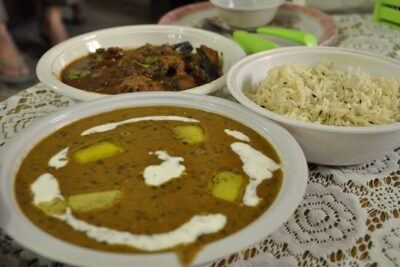
Veg and Non veg : Private Cooking Class in Delhi home (7 meal)
Read our review →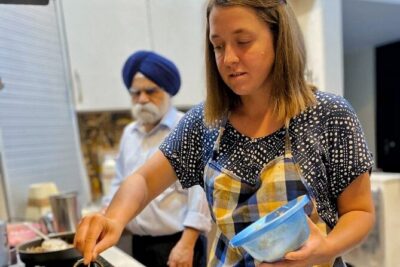
Indian Cooking Class in an Authentic Local Home – Learn 6 Dishes
Read our review →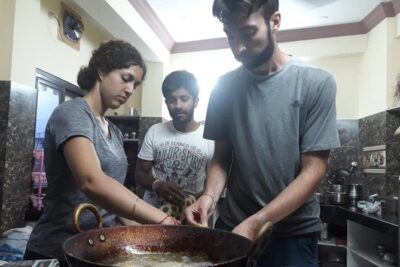
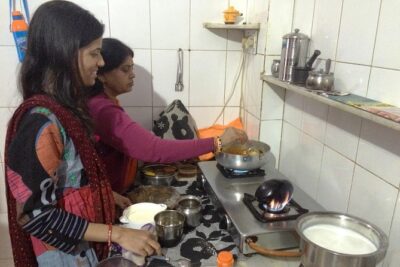
Jaipur Market Tour & Vegetarian Rajasthani Home Cooking Class
Read our review →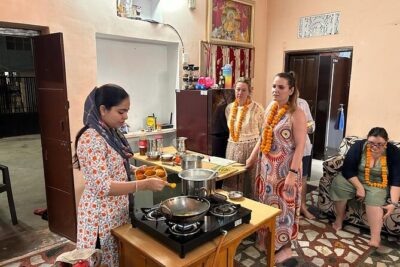
Cooking Class in Jaipur – Family Experience with Meal & Transport
Read our review →
Interactive Cooking Class with a Local Family in Jaipur
Read our review →Browse the lists this tour appears in