
Reviewed · LEH TOURS
Wonders of Ladakh
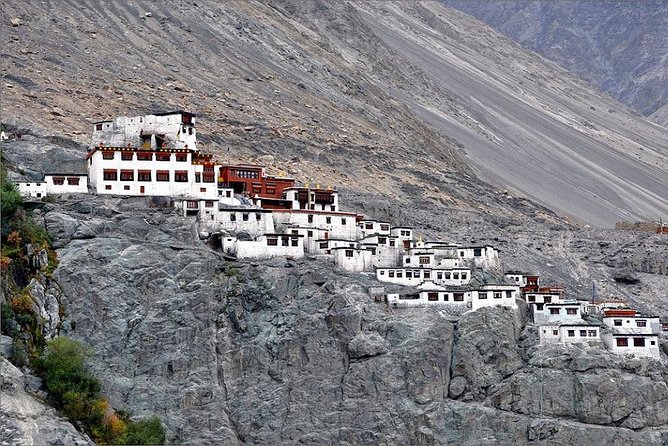
Ladakh rewards patience with huge views. This six-day private journey links Leh’s monasteries, Nubra Valley, Pangong Lake, and the meeting point of the Indus and Zanskar Rivers, with private transport and breakfast included. I like the mix of cultural sights and high-altitude scenery, and I like that the route includes both hotel and homestay accommodation. The main concern is the pace: several long drives and rapid altitude changes can make this a demanding trip.
I also like the thoughtful first day, which allows time to rest after the early flight to Leh. Guide Dorjay and driver Jigmat received especially warm praise for planning, hospitality, and smooth driving. Still, you should budget extra for lunches, dinners, monument fees, camel rides, and personal insurance.
In This Review
- Key points about the six-day Ladakh route
- What the price covers at $750.34
- Day one: Leh begins with rest, not sightseeing
- Day two: Basgo, the river confluence, and Alchi
- Day three: crossing Khardong La into Nubra Valley
- Day four: the long drive from Nubra to Pangong
- Day five: sunrise at Pangong and the return to Leh
- Day six: a simple airport transfer
- Private transport, guides, and the pace
- What you need to budget and pack
- Who should book this Ladakh tour?
- Should you book Wonders of Ladakh?
- FAQ
- How long is the Wonders of Ladakh tour?
- What accommodation is included?
- Are meals other than breakfast included?
- Is transportation private?
- What attractions are included?
- Are entry fees and camel rides included?
- Can I cancel for a full refund?
Key points about the six-day Ladakh route
- Leh begins slowly: Your first day includes high-altitude rest before visits to the Hall of Fame, Leh Palace, and Shanti Stupa.
- Two great river systems meet: The Indus and Zanskar confluence gives you one of Ladakh’s most striking natural stops.
- Khardong La reaches 18,360 feet: The drive to Nubra crosses one of the region’s best-known mountain passes.
- Nubra has a different feel: Sand dunes, a tented camp, and camel rides create a sharp contrast with Leh.
- Pangong requires a long road day: The 130-kilometer journey from Nubra follows the Shayok Valley before reaching the lake.
- Private touring adds flexibility: Only your group participates, and the route can be adjusted to suit your needs.
What the price covers at $750.34
At $750.34 per person, this is not a budget sightseeing package, but it can offer solid value if you want a private route through Ladakh without arranging each transfer yourself. The price includes private transportation, a protected area permit, drinking water, a route map, a guide book, accommodation, and six breakfasts.
That bundle matters in Ladakh. Distances are large, roads can be demanding, and the route crosses remote areas where arranging a last-minute vehicle or permit may be difficult. Having one operator manage the transport and protected-area paperwork removes a fair amount of work.
The value is less convincing if you mainly want to stay in Leh or prefer to choose your own hotels and restaurants each night. Lunch and dinner are not included, and neither are monument fees, camel riding in Nubra, or personal insurance. You need to treat the advertised price as the base cost, not the final total.
The accommodation mix is part of the appeal. You receive hotel and homestay accommodation, while the Nubra portion uses a specially arranged tented camp near the sand dunes. That gives you more variety than six nights in standard hotels, though anyone who needs uniform comfort should ask for exact accommodation details before booking.
A few more options to weigh up in India
- Private Ladakh 6 Days Tour (All Inclusive)
★ 5.0 · 129 reviews - Ladakh Private Tours
★ 5.0 · 59 reviews - Ladakh 5-Star Premium Tour 7 Days
★ 5.0 · 48 reviews
Day one: Leh begins with rest, not sightseeing
Your first day starts with an early flight to Leh, which sits at about 3,500 meters. That altitude is the key fact of the entire trip. The schedule wisely sends you to the hotel for a full day of rest and acclimatization before sightseeing.
I would take this instruction seriously. The temptation is to rush out with a camera as soon as you land, but high altitude can affect even fit people. Keep the first day gentle, drink the supplied water, eat modestly, and tell your guide if you feel unwell.
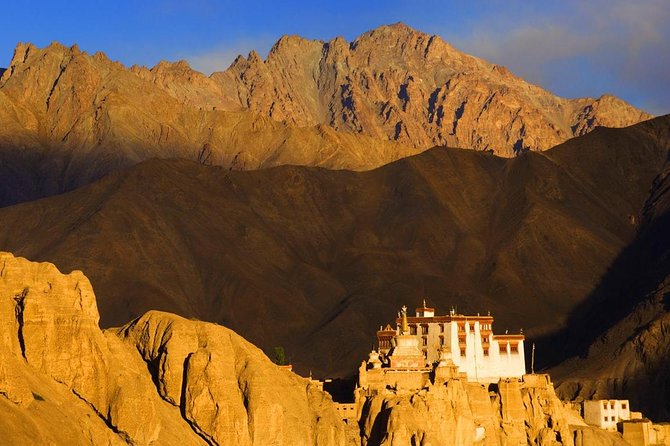
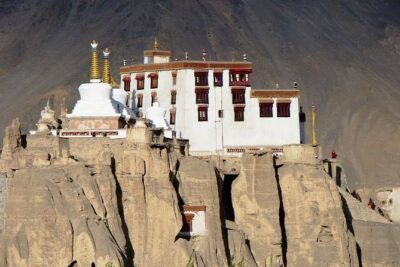
After lunch, the planned visits include the military Hall of Fame, 16th-century Leh Palace, and Shanti Stupa, the Japanese-built peace pagoda. These stops give you three different views of Leh: military history, royal architecture, and a Buddhist monument with broad views over the town.
Leh Palace is especially useful early in the trip because it places Ladakh’s royal past in a physical setting above the modern town. Shanti Stupa offers a calmer stop and a chance to see how Buddhist faith shapes the region’s identity. The Hall of Fame adds a modern Indian military perspective, so the day is not limited to monasteries and mountain scenery.
The schedule after an early flight may feel ambitious, even with a rest period. If you are sensitive to altitude, ask whether you can shorten or postpone one of the afternoon stops. The private format makes that request more realistic than it would be on a fixed group coach.
Day two: Basgo, the river confluence, and Alchi
Day two drives 68 kilometers to Alchi. Along the way, you visit Basgo Castle and the meeting point of the Indus and Zanskar Rivers.
The river confluence is one of the most memorable natural moments on this route. Two major Ladakhi rivers come together, and the change in color and shape of the water can be striking. It is also a good stop for people who want strong scenery without giving up cultural sites.
Basgo Castle adds a layer of history before you reach Alchi. The stop breaks up the drive and gives you a sense of Ladakh’s old fortified settlements. You are not simply moving from one photo stop to another, you are seeing how buildings, rivers, and trade routes shaped life in this dry high-altitude region.
In Alchi village, the focus shifts to 1,000-year-old murals and paintings. These are among the cultural highlights of the trip, especially if you care about Buddhist art. The age of the work is impressive, but the real value is the detail and setting. Alchi offers a more intimate experience than a huge monument, with ancient art found within a village environment.
The day combines a fair amount of driving with several important stops. That is typical of Ladakh, where distances on a map can look manageable but road conditions and mountain routes determine how long the day feels. Bring water, protect your camera from dust, and avoid planning a separate evening activity in Leh.
Day three: crossing Khardong La into Nubra Valley
After breakfast at around 8:00 am, you drive toward Nubra Valley over Khardong La, listed at 18,360 feet. This is one of the route’s biggest altitude changes and one of its most dramatic road sections.
The pass is a major draw, but it is also where you need to be practical. The air is thin, the stop may feel cold, and you should not treat the high point as a place to linger for a long time. Follow your guide’s advice and keep the stop simple.
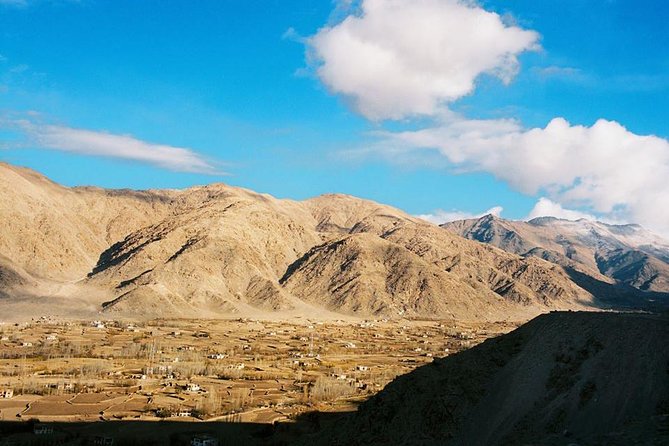
The road then drops toward Nubra Valley, where the setting changes sharply. Instead of Leh’s dry mountain basin, you reach an area known for white, silvery sand dunes. The tented camp is near these dunes, which makes this overnight stop feel more distinctive than a standard hotel stay.
The camp offers a welcome change of pace after the pass. You can enjoy the open setting, take in the dunes, and use the evening to rest rather than chase another major sight. Camel riding is available at an extra cost, so decide in advance if that activity matters to you.
I like the contrast built into this day. In the morning, you are crossing a famous Himalayan pass. Later, you are near sand dunes in a high-altitude desert. It is the sort of geographical change that makes Ladakh feel far larger than the distances suggest.
The drawback is the road time and altitude combination. If you have trouble adjusting in Leh, this may be the hardest day of the tour. The private vehicle helps because you can ask for pauses, but it cannot remove the physical demands of the route.
A completely different kind of day out:
- Old & New Delhi City Tour – Half or Full Day Options Available
★ 5.0 · 4,811 reviews - Old & New Delhi City Tour – Choose Half or Full Day Experience
★ 5.0 · 4,513 reviews - Same Day Taj Mahal, Agra Fort & Baby Taj Tour from Delhi by Car
★ 5.0 · 4,304 reviews - Taj Mahal Day Tour from Delhi by Superfast Train – TOP RATED TOUR
★ 5.0 · 4,166 reviews
Day four: the long drive from Nubra to Pangong
Day four covers about 130 kilometers from Nubra to Pangong Lake by way of the Shayok Valley. You are promised broad views along the valley and a hot lunch at Tangstay village before continuing to Pangong.
This is a transfer day, but not a dull one. The Shayok Valley provides a changing view through the vehicle windows, and the long route links two of Ladakh’s major natural areas. The hot lunch stop gives the day a useful break, although lunch itself is not included in the tour price.
Pangong is the payoff. The lake is known for its wide open setting and dramatic color, and the schedule allows time to enjoy the view after arrival and check into your accommodation. The exact lodging style at Pangong is not specified, so I would ask about the room or camp arrangement before paying.
This day requires realistic expectations. A 130-kilometer mountain drive is not the same as a quick highway transfer. The route may feel tiring, especially after the previous day’s pass crossing. Pack snacks, keep your water close, and use the private vehicle’s flexibility to stop when needed.
The reward is the arrival itself. Pangong gives you a strong sense of distance and space, with very little competing for attention. You are not visiting for a list of indoor attractions. You are there to watch the lake, take photographs, and let the setting do the work.
Day five: sunrise at Pangong and the return to Leh
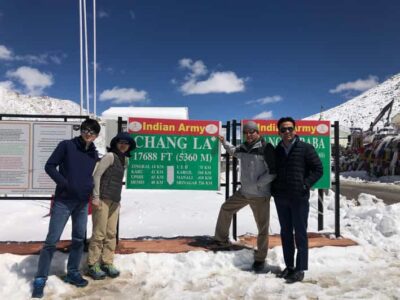
Day five begins with an early walk around Pangong Lake. The plan includes sunrise views and the sound of birds before you drive back to Leh over Chang La.
This early start is worth keeping. Light changes quickly around a large lake, and the quiet morning period should feel very different from the road journey later in the day. Bring warm clothing, since the schedule places you outside early.
The return crosses Chang La and includes a visit to Thiksey Monastery. Thiksey is one of Ladakh’s best-known monastic sites, and its hillside position gives it a strong visual presence. The visit also brings the tour back to its cultural focus after two days dominated by mountain roads, dunes, and water.
The drive from Pangong to Leh will be long, so the monastery visit may come when you are already tired. That is the tradeoff for fitting Pangong into a six-day program. A slower trip would give you more rest, but it would also cost more time and likely more money.
I would keep the evening in Leh free. The return journey, Chang La crossing, and monastery visit create a full day. Do not count on having energy for a major dinner outing or extra sightseeing.
Day six: a simple airport transfer
The final morning is straightforward. You are transferred to Kushok Bakula Rimpochee Airport for your onward flight.
This is not a sightseeing day, and that is sensible. Mountain travel can run on changing road and weather conditions, so leaving the final day uncluttered is useful. Confirm your departure time and allow enough room for the airport transfer.
The stated meeting point is the airport in Leh, and the activity ends back there. The listed operating hours are 6:00 am to 10:00 am, Monday through Sunday, for the stated operating period. Since flight schedules are central to this trip, check that your arrival and departure times fit the tour’s airport arrangements.
Private transport, guides, and the pace
The private format is one of the strongest reasons to consider this trip. Only your group participates, and the route can be adapted to your needs. That can make a real difference on a high-altitude journey where one person may need a rest stop or a slower afternoon.
The quality of the guide and driver matters just as much as the written schedule. Dorjay and Jigmat are the two names most strongly associated with praise for this experience. Dorjay is described as an excellent guide, while Jigmat, the driver, is praised for helping the journey run smoothly.
You should still confirm who will lead your departure. The supplied information does not promise that the same pair will be assigned every time. Ask about the guide’s language, the vehicle type, and how the operator handles changes caused by weather or road conditions.
A private vehicle also gives you more control over small choices. You can ask for a little more time at a monastery, a brief pause during a long road section, or an earlier night after a demanding day. That is a meaningful benefit when the schedule includes Khardong La, Chang La, and the Nubra to Pangong transfer.
What you need to budget and pack
Six breakfasts are included, but lunch and dinner are not. Monument fees are also extra, as are camel rides in Nubra. Personal insurance is excluded, so you should arrange that separately.
The drinking water package is a useful inclusion, particularly because you should stay well hydrated at altitude. The route map and guide book are modest extras, but they can help you follow the journey and understand how the stops fit together.
Pack for sharp changes in conditions. The information supplied does not give a detailed packing list, so I would ask the operator about clothing and equipment for the tented camp. At minimum, plan for early-morning cold, sun exposure, dusty roads, and comfortable clothing for monastery visits.
Good walking shoes are sensible because the program includes monastery visits, palace grounds, a stupa, river viewpoints, sand dunes, and walks around Pangong. You should also keep personal medicine in your day bag rather than in the main luggage.
Who should book this Ladakh tour?
I would recommend this trip to someone who wants the main Ladakh highlights in six days and prefers a private vehicle to a fixed group. It suits people who care about Buddhist art, monasteries, royal sites, mountain passes, river views, and unusual desert scenery.
It is also a good choice if you want the operator to handle protected area permits and the long-distance transport. The route covers a lot of ground, and self-arranging every section would require more planning.
I would hesitate if you dislike early starts, long drives, basic or varied accommodation, or rapid changes in altitude. The program is active, even though the first day includes rest. It is not designed as a slow retreat in one hotel.
The 4.9 rating from 25 ratings and a 100 percent recommendation figure suggest a strong record, with planning, food quality, accommodation, and staff receiving particular praise. I would treat that as encouraging, while still asking for current accommodation details and the exact inclusions before booking.
Should you book Wonders of Ladakh?
Book this tour if you want a tightly packed introduction to Ladakh, with private transport, cultural sites, Nubra’s dunes, Pangong Lake, and the Indus and Zanskar confluence all in one route. The strongest value comes from having the transport and permit work handled for you, plus the freedom of a private group.
Skip it if you want a relaxed schedule or a fully inclusive price. Extra meals, entrance fees, camel riding, insurance, and the physical demands of altitude will add to the cost and effort.
For the right person, this is a well-planned route with a useful balance of art, faith, military history, rivers, dunes, and high mountain roads. Give yourself time to adjust, keep the first day gentle, and confirm the accommodation and guide details before you commit.
FAQ
How long is the Wonders of Ladakh tour?
The tour lasts approximately six days, beginning with arrival at Kushok Bakula Rimpochee Airport in Leh and ending with an airport transfer on day six.
What accommodation is included?
The tour includes hotel and homestay accommodation with breakfast. In Nubra Valley, the plan includes a specially arranged tented camp near the white sand dunes.
Are meals other than breakfast included?
No. Six breakfasts are included, but lunch and dinner cost extra.
Is transportation private?
Yes. Private transportation is included, and only your group participates in the activity.
What attractions are included?
The route includes Leh’s Hall of Fame, Leh Palace, Shanti Stupa, Basgo Castle, the Indus and Zanskar river confluence, Alchi village, Nubra Valley, Khardong La, Pangong Lake, Chang La, and Thiksey Monastery.
Are entry fees and camel rides included?
No. Monument fees and camel riding fees are not included in the tour price.
Can I cancel for a full refund?
Yes, if you cancel at least 24 hours before the experience start time. Cancellations made less than 24 hours before the start time are not refunded. Poor weather or failure to meet the minimum number of participants may lead to a new date, another experience, or a full refund.
Just added in India
- Five Days Golden Triangle Tour with Ranthambore Delhi Agra Jaipur★ 5.0 · 11 reviews
- 5 Days Golden Triangle Tour with Ranthambore India★ 5.0 · 10 reviews
- 5 Days Golden Triangle Tour with Ranthambore Delhi Agra Jaipur★ 5.0 · 11 reviews
- 5-Day Private Luxury Golden Triangle Tour From Delhi★ 5.0 · 45 reviews
- Delhi, Agra, Jaipur & Ranthambhore Tiger Safari 5-Day Tour★ 5.0 · 47 reviews
- Private 5 Days Golden Triangle Tour – Visit Delhi Agra and Jaipur★ 5.0 · 26 reviews
- 5-Day Private Delhi, Agra and Jaipur with Ranthambhore Tiger Tour From Delhi★ 5.0 · 44 reviews
- 5-Day Private Golden Triangle Tour: Delhi, Agra, and Jaipur★ 5.0 · 62 reviews
Leh Tours, compared.

Leh Ladakh Motorcycle Tour / Private Luxury Car Tours
Read our review →
Leh Ladakh Motorcycle Tour – 7 Days Of Ultimate Thrill
Read our review →
“Leh to Pangong Lake Sameday tour: A Day of Tranquil Wonders
Read our review →Browse the lists this tour appears in