
Reviewed · DARJEELING TOURS
Tea Pluckers’ Day
Tea tells Darjeeling’s story one leaf at a time. This private day trip takes you beyond town for a close look at tea gardens, plucking, factory work, local life, and the careful tasting behind one of India’s best-known drinks. I like the small-group format, which keeps the day flexible, and I like that the tour combines a garden walk with a factory visit rather than stopping for a quick photo and tea. The main drawback is that the advertised gardens are options, not a fixed route, so you may not visit the estate you had in mind.
The tour costs $85.11 per person and lasts about five to six hours, usually beginning with an 8:30 am pickup from your hotel. You get private transport, lunch, bottled water, unlimited tea, tea tasting, garden access, and walking sticks if needed. The day is a good fit for anyone who wants real tea-country context, but Sunday scheduling can be a concern because tea pluckers may have their weekly day off.
In This Review
- Five things to know before you book
- What Tea Pluckers’ Day is really about
- A morning start from Darjeeling
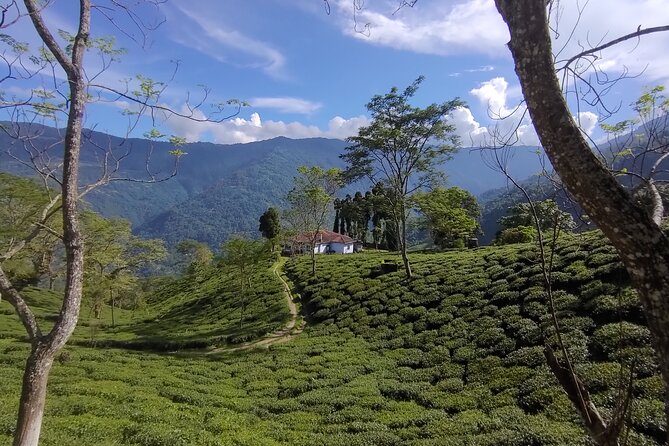
- Walking through the tea garden
- The estates you might visit
- Ging Tea Estate
- Rangaroong Tea Garden
- Poobong Tea Garden
- Soom Tea Garden
- Mim Tea Estate
- Chamong Tea Estate Garden
- Tumsong Tea Retreat
- Ring Tong Tea Garden
- Phubsering Tea Garden
- Turzum and Sungma Tea Factory
- Tukvar Tea Garden
- Makaibari Tea Garden
- Factory visits and the tea tasting
- Lunch, guides, and the pace of the day
- Is $85.11 good value?
- Who should book Tea Pluckers’ Day?
- Final call: book it or skip it?
- FAQ
- Where does Tea Pluckers’ Day take place?
- What time does the tour start?
- How long does the experience last?
- Is hotel pickup available?
- Will I visit every tea garden listed?
- Is lunch included?
- Is tea tasting included?
- Is this a private tour?
- Can I cancel for a refund?
Five things to know before you book
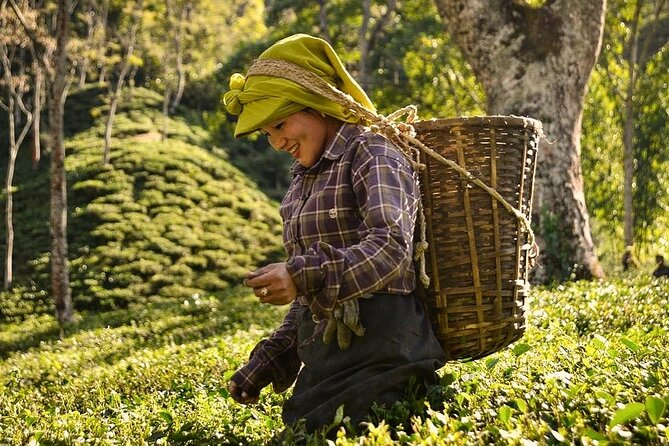
- One garden is selected on the day: The operator works with several estates, choosing one based on real-time availability rather than promising every garden on the long list.
- The schedule runs from morning to afternoon: Expect a packed breakfast, garden time, lunch, tea tasting, and a return to Darjeeling within roughly five to six hours.
- Private transport keeps the day practical: Your group travels by private vehicle, useful for reaching estates well outside town.
- Tea work is the focus: You may see plucking, learn about planting, walk through the estate, and visit a working tea factory.
- Guides can shape the day: Sunny is praised for flexibility and explanations, while Amit is remembered for easy cultural conversation. Kewal is named as a careful driver.
- Weather and timing matter: Poor weather can cancel the trip, and a Sunday visit may offer less activity from tea workers.
What Tea Pluckers’ Day is really about

Darjeeling tea is not simply a drink served in a polished hotel. It begins on steep hillsides, where workers pick the tender leaves, carry out careful processing, and depend on weather, timing, and skill to produce the final flavor. This tour gives you a chance to follow that chain from bush to cup.
I like the way the activity connects several pieces that are often separated on ordinary sightseeing trips. You walk among tea plants, learn about the estate, visit a factory, eat lunch, and finish with a serious tea tasting. The result is more useful than a short stop at a shop where you simply buy a packet labeled Darjeeling.
The experience also places you in the wider story of the hill stations. Darjeeling’s tea estates were developed during the colonial period, and some date to the mid-19th century or earlier. The estates listed for this activity include old Scottish-established operations, organic producers, factory villages, forest edges, and communities with schools and dispensaries.
Do not expect to spend the day visiting all 13 locations. The list is a group of possible partner estates. The operator chooses one garden according to availability, so you should ask which estate is planned when you book or shortly before departure.
A few more options to weigh up in India
- Singalila Trek from Darjeeling
★ 5.0 · 79 reviews - Darjeeling Tonglu Day Trek
★ 5.0 · 62 reviews - Colonial Heritage Walking Tour in Darjeeling
★ 5.0 · 55 reviews
A morning start from Darjeeling
Pickup begins at about 8:30 am. Private transport is included, and the drive takes you away from the town into tea country. That matters because the most interesting parts of the day are not in central Darjeeling, where tea is easy to buy but difficult to understand.
The tour description includes a packed breakfast with fresh fruit and organic Darjeeling tea. Lunch is also included, along with bottled water and unlimited tea. Since the day involves walking, this food is more than a pleasant extra. It means you can concentrate on the estate instead of arranging a separate meal during a remote outing.
The exact amount of driving will depend on the selected garden. Some estates are close enough for a gentle walk from lodging, while others are farther out. One account describes a walk from a guest house to a tea factory, followed by lunch outdoors and a ride back to the hotel. That gives you a sense of the relaxed rhythm possible on the day, though your route may differ.
Walking through the tea garden
The garden walk is the heart of the experience. You may see tea plants being plucked, learn how the crop is planted, and follow paths toward the factory. The walking sticks supplied on request are useful if the ground is uneven or the route includes a forest section.
This is not presented as a hard trek, but Darjeeling estates sit in hill country. You should be ready for walking rather than treating the tour as a vehicle-only outing. The forest hike mentioned in the program adds another layer, letting you see the setting around the tea rather than only the rows of plants.
The value here is simple: tea stops being an abstract product. You can watch the handwork behind it and see why skilled labor affects quality. If active plucking is important to you, ask about the best day to visit. One Sunday outing took place on the day tea pickers rested, which reduced the chance of seeing that work in progress.
The estates you might visit
The possible locations offer very different moods. The most likely choice depends on availability, so use the following as a guide to what each estate can add rather than as a promised sequence.
A completely different kind of day out:
- Old & New Delhi City Tour – Half or Full Day Options Available
★ 5.0 · 4,811 reviews - Old & New Delhi City Tour – Choose Half or Full Day Experience
★ 5.0 · 4,513 reviews - Same Day Taj Mahal, Agra Fort & Baby Taj Tour from Delhi by Car
★ 5.0 · 4,304 reviews - Taj Mahal Day Tour from Delhi by Superfast Train – TOP RATED TOUR
★ 5.0 · 4,166 reviews
Ging Tea Estate
Established in 1864, Ging is one of the major heritage estates in the Lebong hills. It offers a strong introduction to Darjeeling’s older tea culture, with a walk through the estate and a factory visit.
A route here may include stops at practical parts of estate life, including a dispensary and school. That makes Ging useful if you want to see the community around the tea fields, not just the crop itself. A guide named Sunny is praised for explaining local customs and adjusting the pace to suit the group.
Rangaroong Tea Garden
Rangaroong sits between the Senchal West Forest Range and Darjeeling town. It is described as one of the less explored gardens, so it may appeal to you if you want a quieter setting and a stronger connection between forest and tea country.
The surrounding trees and hillside paths are likely to be as important as the tea itself. Still, the less familiar setting may also mean that exact facilities and activities vary according to the day’s arrangements.
Poobong Tea Garden
Poobong dates from the mid-19th century and stretches below the Sukhia Pokhri range. The Poobong Tea Room is available as an add-on attraction, giving you a possible place to spend extra time with the estate’s tea culture.
Ask in advance if the tea room is part of your plan or an additional purchase. The tour includes tea, but anything you choose to buy yourself is not included.
Soom Tea Garden
Soom is known for its quiet setting and natural surroundings. Its Lepcha name means triangle, and the garden is associated with cherry blossoms, pine, and rhododendron trees.
This may be a good choice for you if scenery and a calm walk matter as much as factory machinery. The description does not promise a specific flowering season, so do not book it solely for blossoms.
Mim Tea Estate
Mim belongs to the old Scottish-established Andrew and Yule Company. It is described as one of the most beautiful villages in the Darjeeling district, giving the visit a strong connection to both estate history and village life.
Mim is a useful option for visitors who want the tea industry placed in a wider setting. As with every possible garden, the operator must confirm availability before you can count on this stop.
Chamong Tea Estate Garden
Chamong is one of the larger and more varied gardens in the region. It produces distinctive organic teas, making it especially interesting during the tasting portion.
If you care about organic production, ask your guide to explain how the estate’s methods affect the cup. The tour includes an elaborate tasting, so this is a chance to compare what you see in the garden with what you taste later.
Tumsong Tea Retreat
Tumsong combines estate scenery with a heritage retreat setting. It is suited to you if you want the day to include a sense of place and old tea-estate character, not only a production visit.
The word retreat can suggest a hotel-style stop, so confirm how much of the visit involves the garden, factory, or accommodation area. The central tea activities remain the main reason to come.
Ring Tong Tea Garden
Ring Tong is known for careful plucking and a long reputation for export-quality Darjeeling tea. This is one of the stronger options if you want to focus on the precision of leaf collection.
The quality of the finished tea begins with what gets picked and when. A visit here can make the tasting feel less mysterious because you have seen the work that comes first.
Phubsering Tea Garden
Phubsering is one of the older tea estates in the hills and produces organic tea. It offers another chance to connect age, farming, and production in one stop.
You may find the visit especially useful if organic tea is a major interest. The tour does not specify a particular organic certification or tasting flight for this estate, so ask the guide for the exact details on the day.
Turzum and Sungma Tea Factory
Turzum and Sungma are described as small-scale tea villages with a boutique range of Darjeeling teas. A factory visit here could be one of the most focused parts of the day, especially if you want to see how a smaller operation handles its tea.
The word boutique does not mean the tour is a shopping trip. Your included tasting is the key feature, while personal purchases cost extra.
Tukvar Tea Garden
Tukvar offers views toward the lesser Himalayan hills and the option of hiking down to the river after the tea visit. That makes it a strong choice for you if you want a little more walking and scenery.
The river hike may add effort and time, so ask whether it fits the day’s schedule. The standard tour lasts five to six hours, and the chosen route must still leave room for lunch and tasting.
Makaibari Tea Garden
Makaibari is one of Darjeeling’s oldest organic tea estates and brings together nature, history, and estate tradition. It may be the best-known option for visitors who want organic tea and a long-established garden in the same stop.
Do not assume it is automatically the destination. It is one of the possible partner gardens, and availability determines the final choice.
Factory visits and the tea tasting
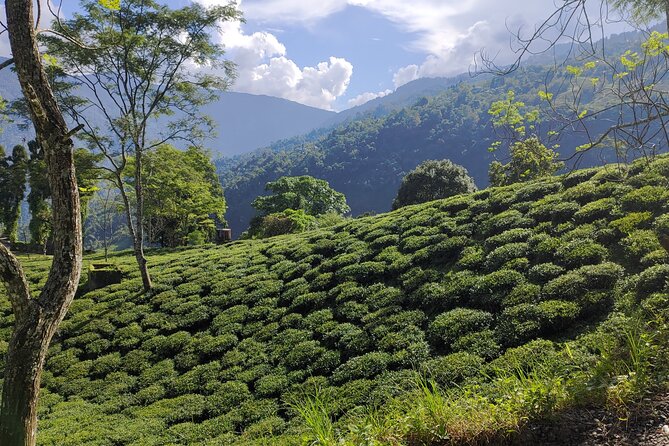
A factory visit gives structure to the day. After seeing the leaves in the field, you can follow them toward the stages that turn fresh plucking into a drink. The supplied details do not list each machine or processing step, so the exact demonstration will depend on the estate operating that day.
The tasting is included and described as elaborate. I consider this a major part of the $85.11 price because it gives you a way to compare teas with guidance instead of buying blindly. Unlimited tea is also included, along with bottled water.
Your guide can help explain differences between teas from separate gardens, harvests, or production styles. If you have a strong preference for black, green, organic, or boutique tea, say so early. The more specific your questions, the more useful the tasting is likely to be.
Lunch, guides, and the pace of the day
Lunch is included, and the tour description also mentions a packed breakfast with fruit and organic tea. One outing ended with lunch served outdoors at a guest house, which suggests that the meal can be part of the setting rather than a rushed restaurant stop.
The human side of the tour receives strong emphasis. Sunny is described as flexible and good at explaining customs. Amit is remembered for long, open conversations ranging from tea to politics and for sharing music interests with the group. Kewal is named as an excellent driver alongside Sunny.
That does not guarantee a particular guide, but it tells you what to value: flexibility, conversation, and a willingness to explain more than the basic facts. This is a private activity, so your group can ask questions and set a comfortable walking pace more easily than on a large coach tour.
Is $85.11 good value?
At $85.11 per person, this is not the cheapest way to see a tea garden. You are paying for private transportation, a half-day outing, lunch, tea, tasting, entry fees, and a guide rather than simply paying for access to a field.
I think the price is fair if you want a complete tea-focused day and would otherwise need to arrange several separate pieces. The private format is particularly useful in Darjeeling, where reaching estates outside town can take planning. The value drops if you only want a quick view, a cup of tea, or a short walk.
Group discounts may improve the cost for larger parties. The activity is also commonly booked about 23 days ahead, so planning early makes sense if your dates are fixed. Confirmation is provided at booking, and free cancellation is available until 24 hours before the start time. Poor weather or an insufficient number of bookings can cause a cancellation, with another date or a full refund offered.
Who should book Tea Pluckers’ Day?
I would choose this for a first visit to Darjeeling if tea is one of your main interests. It suits couples, families, and private groups who want time outside town, though you should be comfortable with walking and changing estate assignments.
It is also a good match for anyone who enjoys conversations about local customs and daily work. The guides’ flexibility is a real advantage when the day’s best moments come from questions, not from rushing between fixed stops.
I would hesitate if your schedule is tight, you need a guaranteed visit to Makaibari or Ging, or you are visiting on a Sunday specifically to watch tea pluckers at work. I would also confirm the walking level and the selected estate before paying if uneven paths are a concern.
Final call: book it or skip it?
Book Tea Pluckers’ Day if you want to understand how Darjeeling tea moves from hillside to cup, and if a private guide, lunch, transport, factory visit, and tasting are worth more to you than a simple sightseeing stop. The combination of estate walking and personal guiding gives the day substance.
Skip it if you want a guaranteed named garden or a short, highly predictable outing. Before booking, ask which estate is available, whether plucking is taking place that day, and what walking route is planned. Those three questions will tell you if this experience matches your interests.
FAQ
Where does Tea Pluckers’ Day take place?
The experience takes place in Darjeeling, India, with transport from town to one of several partner tea gardens or estates.
What time does the tour start?
The stated start time is 8:30 am.
How long does the experience last?
The tour lasts approximately five to six hours.
Is hotel pickup available?
Yes. Pickup is offered, and the activity begins from the guest’s hotel.
Will I visit every tea garden listed?
No. The operator chooses one partner tea garden or estate based on real-time availability.
Is lunch included?
Yes. Lunch, unlimited tea, and bottled water are included. The tour description also includes a packed breakfast with fresh fruit and organic Darjeeling tea.
Is tea tasting included?
Yes. An elaborate tea tasting is included in the tour price.
Is this a private tour?
Yes. Only your group participates in the private activity.
Can I cancel for a refund?
You can cancel up to 24 hours before the start time for a full refund. Poor weather or failure to meet the minimum number of participants may also lead to another date or a full refund.
Just added in India
- 5 Days Golden Triangle Tour with Ranthambore India★ 5.0 · 10 reviews
- 5 Days Golden Triangle Tour with Ranthambore Delhi Agra Jaipur★ 5.0 · 11 reviews
- Five Days Golden Triangle Tour with Ranthambore Delhi Agra Jaipur★ 5.0 · 11 reviews
- 5-Day Private Luxury Golden Triangle Tour From Delhi★ 5.0 · 45 reviews
- Delhi, Agra, Jaipur & Ranthambhore Tiger Safari 5-Day Tour★ 5.0 · 47 reviews
- Private 5 Days Golden Triangle Tour – Visit Delhi Agra and Jaipur★ 5.0 · 26 reviews
- 5-Day Private Delhi, Agra and Jaipur with Ranthambhore Tiger Tour From Delhi★ 5.0 · 44 reviews
- 5-Day Private Golden Triangle Tour: Delhi, Agra, and Jaipur★ 5.0 · 62 reviews
Darjeeling Tours, compared.


Private Calcutta Tour With Guide and Authentic Bengali lunch
Read our review →
The Land Mark Tour (Nautical Day Darjeeling To Mirik crusade)
Read our review →
Browse the lists this tour appears in